
Use Code: ND30 And Get 30% OFF | Get Free Delivery With No Minimum Order
-1744229570.gif "Almujtama Pharmacy logo")




Frequently bought together
Health Care & Wellness > Medical Supplies
Health Care & Wellness > Medical Supplies
Vitamins & Supplements > Vitamins and Minerals
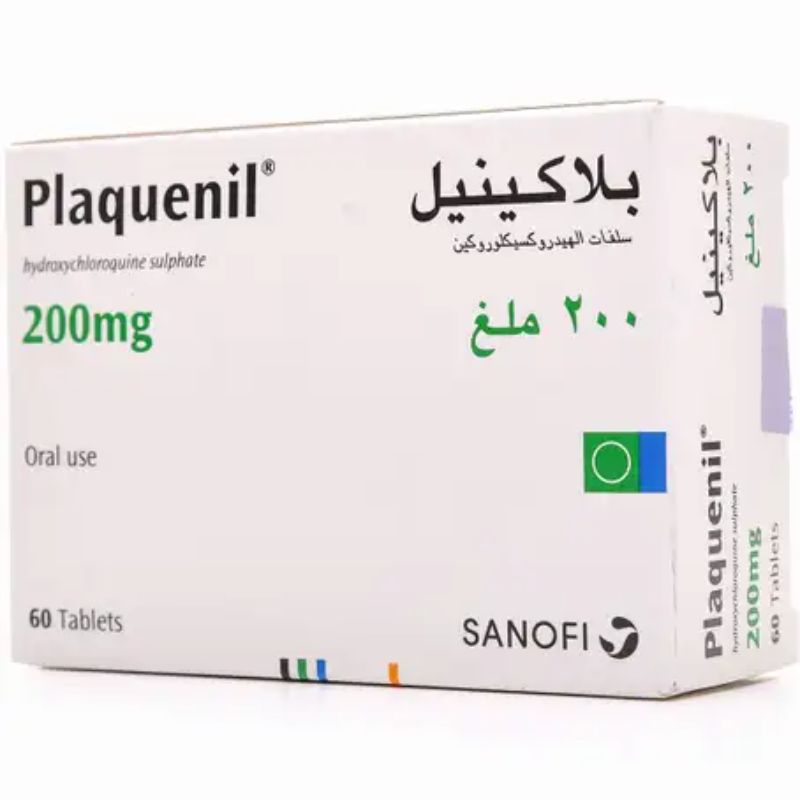
PLAQUENIL 200/MG TAB 60/TAB
- Sku : I-019087
Key features
PLAQUENIL 200 mg film-coated tablets contain hydroxychloroquine sulfate 200 mg as the active ingredient. It accumulates in lysosomes and endosomes, raising intravesicular pH to interfere with antigen processing and presentation, dampen toll-like receptor (TLR7/9) signaling and reduce downstream cytokine production, while its antimalarial action disrupts parasite processes in acidic intracellular compartments. Indications include rheumatoid arthritis, systemic and discoid lupus erythematosus, and treatment and prophylaxis of malaria caused by susceptible strains. Supplied as film-coated tablets in a pack of 60 tablets.- Brand: PLAQUENIL
- Active Ingredient: HYDROXYCHLOROQUINE SULFATE 200mg
- Strength: 200mg
- Dosage Form: Film-coated tablet
- Pack Size: 60 Tablets
- Route: Oral use
- Prescription Status: Prescription
- Therapeutic Class: Antiparasitic
- Pharmacological Group: Antiprotozoals
- Drug Class: 4-Aminoquinoline Antimalarial / Disease-Modifying Antirheumatic Drug (DMARD)
- Manufacturer: Sanofi-aventis, S.A.
- Country of Origin: Spain
- SFDA Registration No.: 1-5397-19
- Shelf Life: 36 months
- Storage: store below 25°c
- Pain Type: Joint
- Nsaid: No
- Opioid: No
Frequently bought together
Health Care & Wellness > Medical Supplies
Health Care & Wellness > Medical Supplies
Vitamins & Supplements > Vitamins and Minerals
Indications
Approved Uses
Rheumatoid arthritis; systemic lupus erythematosus (SLE); discoid lupus erythematosus; malaria-treatment of acute attacks and prophylaxis of malaria in susceptible strains.
Off-Label Uses
Commonly used off-label: Sjögren’s syndrome; antiphospholipid syndrome (adjunct, especially in SLE); cutaneous dermatomyositis; sarcoidosis (selected cases); porphyria cutanea tarda (selected cases); chronic Q fever (in combination regimens). COVID-19 is not recommended due to lack of benefit and safety concerns.
Dosage & Administration
Dosing by Condition
Rheumatoid arthritis: 400-600 mg/day initially (in divided doses), then 200-400 mg/day maintenance (do not exceed 5 mg/kg/day actual body weight for chronic therapy). SLE/discoid lupus: typically 200-400 mg/day (max 5 mg/kg/day actual body weight). Malaria prophylaxis: 400 mg once weekly, start 2 weeks before exposure and continue 4 weeks after leaving endemic area. Acute malaria (susceptible strains): 800 mg once, then 400 mg at 6, 24, and 48 hours.
Initial Dose
400mg daily (e.g., 200mg twice daily) for rheumatoid arthritis; may reduce to 200mg daily for maintenance. Ensure total daily dose does not exceed 5 mg/kg/day (actual body weight) to reduce retinopathy risk.
Maintenance Dose
200mg to 400mg daily for rheumatoid arthritis or lupus.
Maximum Dose
5 mg/kg/day (actual body weight) to reduce retinopathy risk.
Children's Dosage
Malaria prophylaxis: 6.5mg/kg (max 400mg) once weekly. Malaria treatment: 13mg/kg (max 800mg) initial dose, then 6.5mg/kg (max 400mg) at 6, 24, and 48 hours. Not approved for chronic use in children for autoimmune conditions
Dose Adjustment Notes
Use actual body weight to limit retinopathy risk; for long-term rheumatologic use, keep dose ≤5 mg/kg/day (actual body weight). Consider dose reduction/closer monitoring in significant renal impairment (and consider in hepatic impairment) due to increased exposure and toxicity risk.
How to Take
Oral: take with food or a glass of milk to reduce gastrointestinal upset; swallow tablets with water (tablets may be split if needed for dose, but do not crush/chew unless specifically directed). For malaria prophylaxis, take the weekly dose on the same day each week.
Side Effects
Common Side Effects
Common: nausea, vomiting, diarrhea, abdominal pain/cramps, headache, skin rash and pruritus (itching).
Side Effect Frequency
Common: GI upset (nausea, diarrhea, abdominal pain, vomiting), headache, and rash/pruritus. Uncommon to rare but serious: retinopathy/visual field changes, cardiomyopathy and QT prolongation/arrhythmias, severe cutaneous adverse reactions (e.g., SJS/TEN), blood dyscrasias, hypoglycemia, and neuromyopathy.
Safety & Warnings
Contraindications
Known hypersensitivity to hydroxychloroquine/4-aminoquinoline compounds; pre-existing retinopathy/maculopathy (or retinal field changes attributable to 4-aminoquinolines).
Warnings & Precautions
Key precautions: baseline ophthalmologic exam and periodic screening (typically annually after 5 years, earlier/higher frequency if high-risk such as high dose, renal disease, or tamoxifen); do not exceed recommended weight-based dosing to reduce retinopathy risk; monitor for cardiomyopathy/QT prolongation (especially with cardiac disease or QT-prolonging drugs); monitor for severe hypoglycemia; periodic CBC with long-term use; caution in hepatic/renal impairment; may exacerbate psoriasis/porphyria; monitor for neuromuscular weakness, severe skin reactions, and neuropsychiatric symptoms.
Age Restriction
No absolute minimum age; pediatric use is weight-based. For malaria, tablets are generally not suitable for children <31 kg because the 200 mg film‑coated tablet cannot be accurately divided; long-term therapy in children should be avoided/only if clearly necessary with specialist oversight due to higher risk of toxicity (not an absolute contraindication).
Drug Interactions
Drug Interactions
Clinically important interactions include: antacids/kaolin (decrease absorption; separate by ~4 hours), digoxin (may increase levels), QT‑prolonging drugs (additive QT risk), antidiabetic agents/insulin (increased hypoglycemia risk), mefloquine (increased seizure risk), cyclosporine (increased levels), cimetidine (may increase hydroxychloroquine exposure), tamoxifen (increased retinopathy risk).
Interaction Severity
MAJOR: other QT-prolonging drugs (e.g., amiodarone, certain macrolides/fluoroquinolones/antipsychotics) due to additive QT prolongation/torsades risk; mefloquine (increased seizure risk and potential QT effects). MODERATE: digoxin (may increase levels), antidiabetic agents (may increase hypoglycemia risk), cyclosporine (may increase levels), tamoxifen (increases retinopathy risk), cimetidine (may increase exposure). MINOR/ADMINISTRATION: aluminum/magnesium antacids can reduce absorption-separate by ~4 hours.
Food Interaction
Take with food or milk to reduce gastrointestinal upset; no clinically required food restriction otherwise.
Alcohol Interaction
Avoid
Special Populations
Pregnancy
Category C
Breastfeeding
Caution
Children
Malaria prophylaxis: 6.5mg/kg (max 400mg) once weekly. Malaria treatment: 13mg/kg (max 800mg) initial dose, then 6.5mg/kg (max 400mg) at 6, 24, and 48 hours. Not approved for chronic use in children for autoimmune conditions
Elderly
Use the lowest effective dose; dose based on actual body weight (max 5mg/kg/day); increased risk of retinal toxicity and cardiac conduction abnormalities; monitor renal and hepatic function
Kidney Impairment
No specific labeled adjustment; use with caution in renal impairment and consider dose reduction with close monitoring in moderate-severe CKD (higher retinopathy risk with reduced clearance).
Liver Impairment
No specific labeled dose adjustment; use with caution and consider dose reduction/close monitoring in hepatic impairment.
Storage & Patient Advice
Missed Dose
Take the missed dose as soon as remembered unless it is close to the next scheduled dose; if close, skip the missed dose and resume the regular schedule-do not double doses. (For weekly malaria prophylaxis: take as soon as possible and continue weekly on the usual day.)
Stopping the Medicine
Do not stop without prescriber advice for chronic autoimmune indications (risk of flare); for malaria treatment/prophylaxis, stopping early can lead to treatment failure-stop only if serious adverse effects occur and seek urgent medical advice; no taper is required pharmacologically.
Overdose
Overdose is a medical emergency and can be rapidly fatal (especially in children). Symptoms: nausea/vomiting, headache, drowsiness, visual disturbances, seizures, hypokalemia, QT prolongation/ventricular arrhythmias, cardiovascular collapse, respiratory arrest; management: immediate emergency care/poison center, GI decontamination (activated charcoal if appropriate), aggressive cardiac/airway support, treat seizures (e.g., benzodiazepines), correct electrolytes and monitor ECG.
Patient Counseling
Take by mouth with food or milk to reduce stomach upset; take exactly as prescribed and do not stop without prescriber advice (benefit in RA/SLE may take weeks to months). Get a baseline eye exam and periodic retinal screening during therapy (risk increases with higher daily dose, long duration, renal disease, and tamoxifen use); report any vision changes immediately. Seek urgent care for symptoms of serious toxicity: palpitations/fainting (QT prolongation/cardiomyopathy), severe muscle weakness, severe rash, or signs of hypoglycemia (sweating, shakiness, confusion). If used for malaria prophylaxis, start 1-2 weeks before exposure, take weekly during travel, and continue 4 weeks after leaving. Keep out of reach of children-accidental overdose can be rapidly fatal.
Monitoring Requirements
Ophthalmology: baseline retinal exam within the first year of starting; then annually after 5 years if low risk, but earlier/more frequent if high risk (e.g., >5 mg/kg/day, renal disease, tamoxifen use, pre-existing retinal disease). Consider periodic CBC and liver/renal function in long-term therapy; monitor glucose in diabetics/at-risk patients; consider ECG if cardiac disease or concomitant QT-prolonging drugs.
Pharmacology
Mechanism of Action
Accumulates in lysosomes/endosomes increasing intravesicular pH, which interferes with antigen processing/presentation and reduces toll-like receptor (e.g., TLR7/9) signaling and downstream cytokine production; antimalarial activity relates to disruption of parasite intracellular processes in acidic compartments.
Duration of Effect
Long-acting: terminal elimination is prolonged (tissue half-life on the order of weeks), so clinical effects and drug presence can persist for weeks after discontinuation.
Half-Life
Terminal half-life approximately 40-50 days (often cited range ~32-50 days) due to extensive tissue distribution.
Bioavailability
Approximately 16-30% (mean); up to 30-100% in RA patients.
Metabolism
Hepatic metabolism (primarily via CYP3A4, CYP2C8, and CYP2D6) to active metabolites including desethylhydroxychloroquine (and desethylchloroquine).
Excretion
Renal and fecal: a substantial fraction is eliminated in urine (including unchanged drug and metabolites), with additional fecal/biliary elimination; elimination is slow due to extensive tissue distribution.
Product Information
Available Dosage Forms
Film-coated tablet (oral).
Composition per Dose
Each film-coated tablet: 200mg hydroxychloroquine sulfate (equivalent to 155mg hydroxychloroquine base)
Generic Availability
Yes
OTC Alternatives
No OTC alternative
Pain Type
Joint
Nsaid
No
Opioid
No
Reviewed by Al Mujtama Pharmacy Medical Review Team. Last reviewed 13-05-2026
Similar Products
Medications > Painkillers and Antipyretics
Medications > Gastrointestinal Medications
Medications > Gastrointestinal Medications
Medications > Cold, Cough, and Allergy Medications
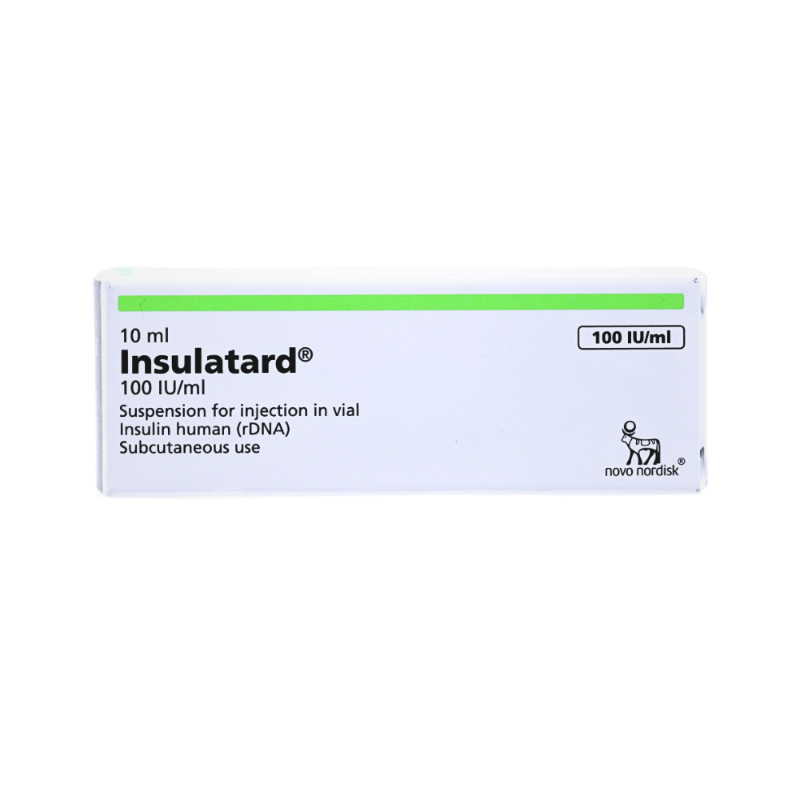
Medications > Diabetes Medications
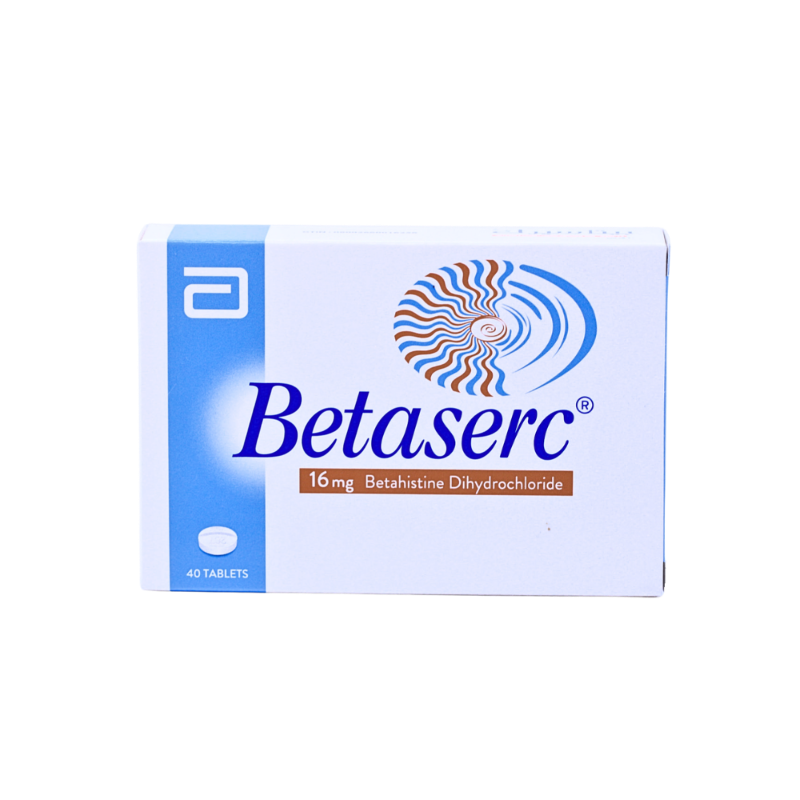
Medications > Other Medicines
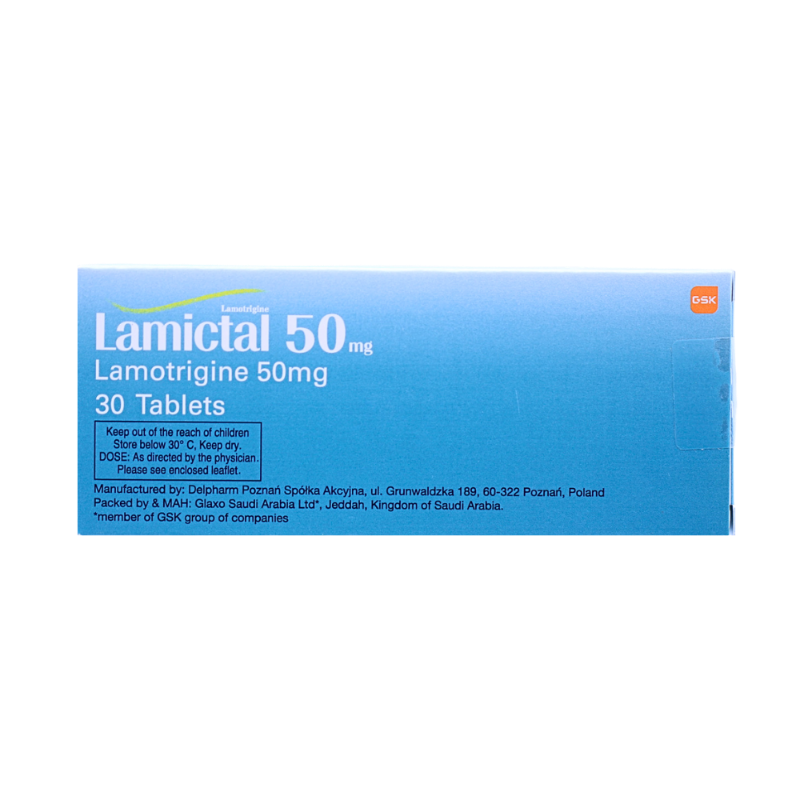
Medications > Psychiatric Medications
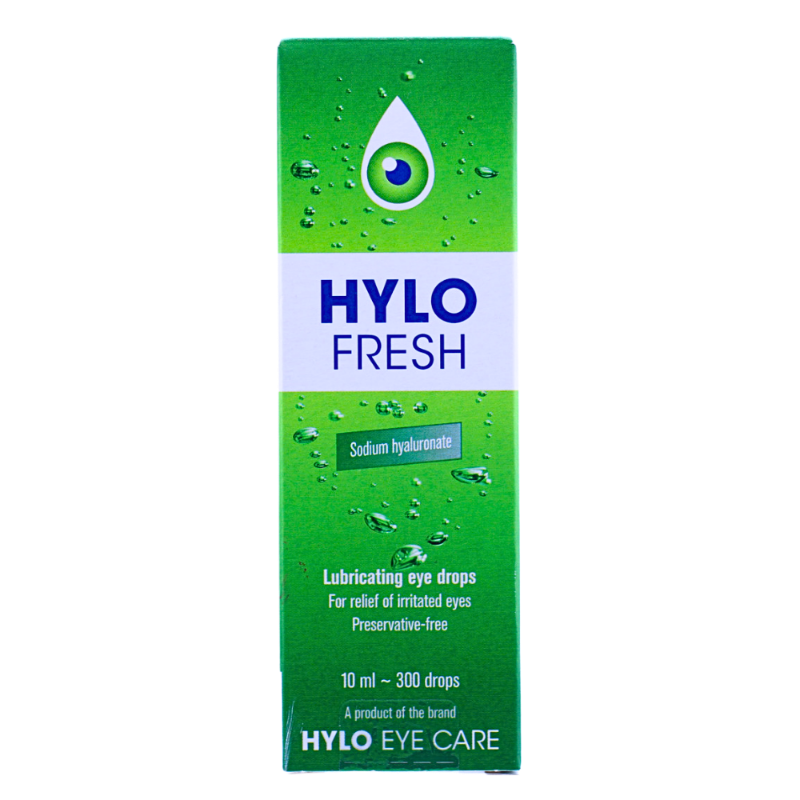
Medications > Eye and Ear Medications
Medications > Painkillers and Antipyretics
Medications > Diabetes Medications
