
Use Code: SAVE26 And Get 30% OFF | Get Free Delivery With No Minimum Order
-1744229570.gif "Almujtama Pharmacy logo")




Frequently bought together
Vitamins & Supplements > Iron & Anemia Supplements
Vitamins & Supplements > Iron & Anemia Supplements
Vitamins & Supplements > Omega-3 Supplements
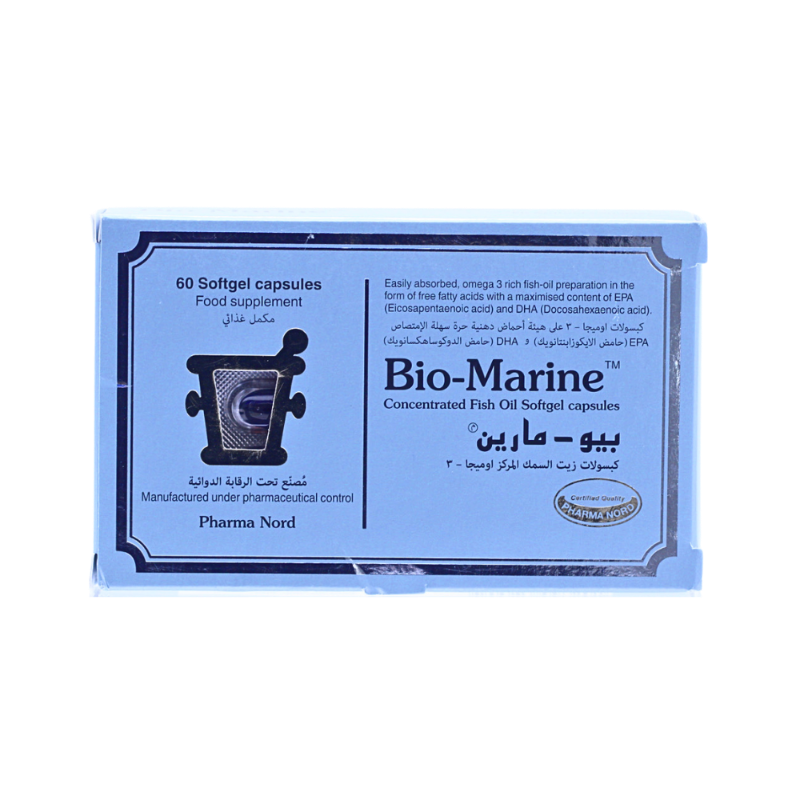
Vitamins & Supplements > Omega-3 Supplements
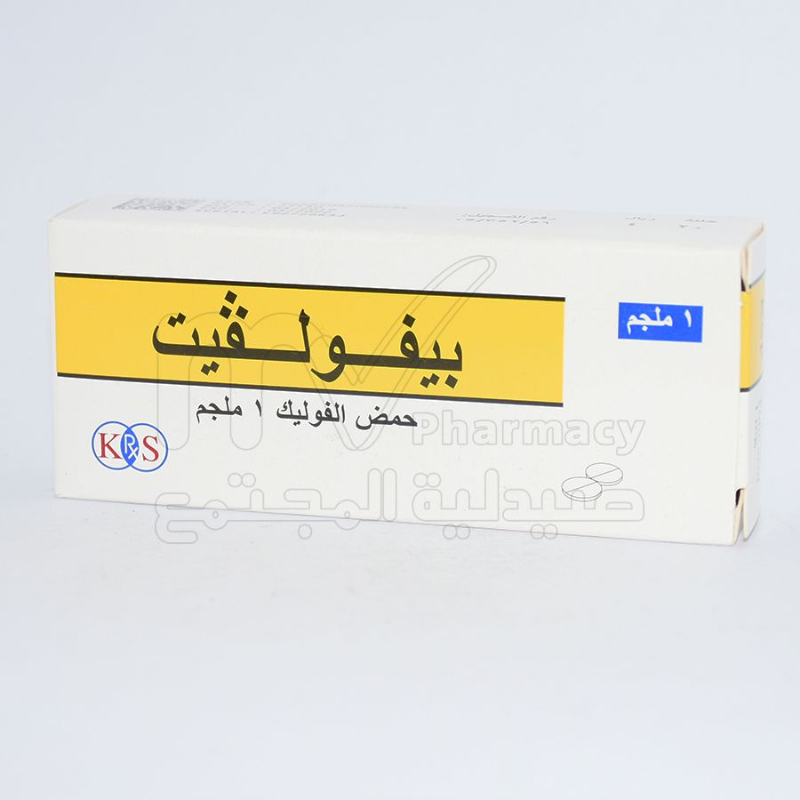
BEFOLVIT 1/MG TAB 30/TAB
- Sku : I-000638
Key features
BEFOLVIT 1/MG TAB is a tablet formulation delivering Folic Acid (Vitamin B9) 1 mg (1000 mcg) per tablet. It supports healthy cell growth and red blood cell formation and helps prevent neural tube defects during pregnancy, making it suitable for women who are pregnant or planning pregnancy and for individuals maintaining adequate folate levels. The product contains folic acid (synthetic pteroylmonoglutamic acid), which is approximately 85% bioavailable when taken without food and nearly 100% bioavailable with food, offering higher absorption than dietary folate. One tablet per serving; available in a pack of 30 tablets.- Brand: BEFOLVIT
- Supplement Type: Vitamin
- Active Compounds: Folic Acid (Vitamin B9) 1mg (1000mcg)
- Supplement Form: Tablet
- Serving Size: 1 tablet
- Servings Per Container: 30
- Pack Size: 30 Tablets
- Primary Benefit: Supports healthy cell growth, red blood cell formation, and helps prevent neural tube defects during pregnancy.
- Bioavailability Form: Folic acid (synthetic pteroylmonoglutamic acid) - approximately 85% bioavailable when taken without food, nearly 100% bioavailable when taken with food, compared to ~50% for food folate
- Prescription Status: OTC
- Certification: SFDA registered (Registration No. 1807245610); GMP manufactured
- Manufacturer: KUWAIT SAUDI PHARMACEUTICAL INDUSTRIES
- Country of Origin: Kuwait
- SFDA Registration No.: 1807245610
- Shelf Life: 36 months
- Multivitamin Target: Single Nutrient
- Nutrient Count: 1
Frequently bought together
Vitamins & Supplements > Iron & Anemia Supplements
Vitamins & Supplements > Iron & Anemia Supplements
Vitamins & Supplements > Omega-3 Supplements
Vitamins & Supplements > Omega-3 Supplements
Benefits & Uses
Primary Benefit
Supports healthy cell growth, red blood cell formation, and helps prevent neural tube defects during pregnancy.
Health Claims
Contributes to normal red blood cell formation; supports DNA synthesis and cell division; reduces risk of neural tube defects when taken periconceptionally; helps lower elevated homocysteine levels; supports normal maternal tissue growth during pregnancy
Common Deficiency Symptoms
Megaloblastic anemia, fatigue, weakness, mouth sores, tongue inflammation, neural tube defects in newborns, elevated homocysteine levels, cognitive impairment
Target Population
Women of childbearing age and those planning pregnancy, pregnant women, breastfeeding women, individuals with folate deficiency or megaloblastic anemia, patients on folate-depleting medications, individuals with elevated homocysteine
Scientific Evidence Level
Strong
Onset Timeline
Serum folate levels increase within 1-2 weeks; red blood cell folate levels normalize within 4-8 weeks; neural tube defect prevention requires supplementation starting at least 1 month before conception
Usage & Dosage
Suggested Use
Take 1 tablet daily, with or without food
Serving Size
1 tablet
Servings Per Container
30
Best Time to Take
Any time, but may be better absorbed on an empty stomach.
Recommended Daily Intake
Adults: 400mcg/day; Pregnant women: 600mcg/day; Breastfeeding women: 500mcg/day; Women planning pregnancy: 400-800mcg/day
Upper Tolerable Limit
1000mcg (1mg)/day for adults from synthetic sources (folic acid); no established UL for food folate
Absorption Inhibitors
Alcohol reduces folate absorption and increases urinary excretion; antacids and cholestyramine may impair absorption; heat and prolonged cooking destroy dietary folate
Side Effects
Possible Side Effects
Generally well-tolerated at recommended doses; high doses may cause nausea, bloating, flatulence, bitter taste, sleep disturbances, and may mask vitamin B12 deficiency neurological symptoms
Toxicity Risk
Low
Upper Tolerable Limit
1000mcg (1mg)/day for adults from synthetic sources (folic acid); no established UL for food folate
Safety & Warnings
Contraindications
Known hypersensitivity to folic acid or any excipients; folic acid should not be used as sole therapy in untreated/undiagnosed megaloblastic anemia (including pernicious anemia) because it may mask vitamin B12 deficiency and allow neurologic damage to progress.
Pregnancy Safety
Safe
Breastfeeding Safety
Safe
Children Suitability
Suitable for children under medical supervision; dosing should be adjusted by age and weight - standard adult 1mg dose is not recommended for young children without physician guidance
Interactions
Medication Interactions
Methotrexate antagonizes folate - use with caution; anticonvulsants (phenytoin, carbamazepine, valproate) reduce folate levels and folic acid may reduce their efficacy; sulfasalazine and trimethoprim inhibit folate metabolism; high-dose folic acid may mask vitamin B12 deficiency-related neurological symptoms
Supplement Interactions
High-dose zinc supplements may impair folate absorption; folic acid at high doses may mask B12 deficiency - co-supplementation with B12 is recommended
Synergistic Nutrients
Vitamin B12 (essential for folate metabolism and methylation cycle); Vitamin B6 (works with folate and B12 to reduce homocysteine); Vitamin C (supports folate retention in tissues)
Special Populations
Target Population
Women of childbearing age and those planning pregnancy, pregnant women, breastfeeding women, individuals with folate deficiency or megaloblastic anemia, patients on folate-depleting medications, individuals with elevated homocysteine
Children Suitability
Suitable for children under medical supervision; dosing should be adjusted by age and weight - standard adult 1mg dose is not recommended for young children without physician guidance
Pregnancy Safety
Safe
Breastfeeding Safety
Safe
Storage & Patient Advice
SFDA Storage Conditions
store below 30°c
Patient Counseling
Take 1 tablet (folic acid 1 mg) by mouth once daily as directed. For women planning pregnancy, start folic acid at least 1 month before conception and continue through the first trimester (or as advised). Do not exceed 1 mg/day unless medically supervised; folic acid can mask vitamin B12 deficiency-do not self-treat unexplained anemia without ruling out B12 deficiency. Tell your healthcare provider if you take antiepileptics (e.g., phenytoin, carbamazepine, valproate), methotrexate/trimethoprim, or sulfasalazine; limit alcohol as it can reduce folate status.
Science & Evidence
Bioavailability Form
Folic acid (synthetic pteroylmonoglutamic acid) - approximately 85% bioavailable when taken without food, nearly 100% bioavailable when taken with food, compared to ~50% for food folate
Water or Fat Soluble
Water-soluble
Scientific Evidence Level
Strong
Onset Timeline
Serum folate levels increase within 1-2 weeks; red blood cell folate levels normalize within 4-8 weeks; neural tube defect prevention requires supplementation starting at least 1 month before conception
Food Sources
Dark green leafy vegetables (spinach, kale), legumes (lentils, beans), asparagus, Brussels sprouts, beef liver, and fortified grains (bread, pasta, cereals).
Product Information
Supplement Type
Vitamin
Allergen Info
Contains corn starch; verify excipients with manufacturer for complete allergen profile
Certification
SFDA registered (Registration No. 1807245610); GMP manufactured
Multivitamin Target
Single Nutrient
Nutrient Count
1
Reviewed by Al Mujtama Pharmacy Medical Review Team. Last reviewed 10-08-2026
Similar Products
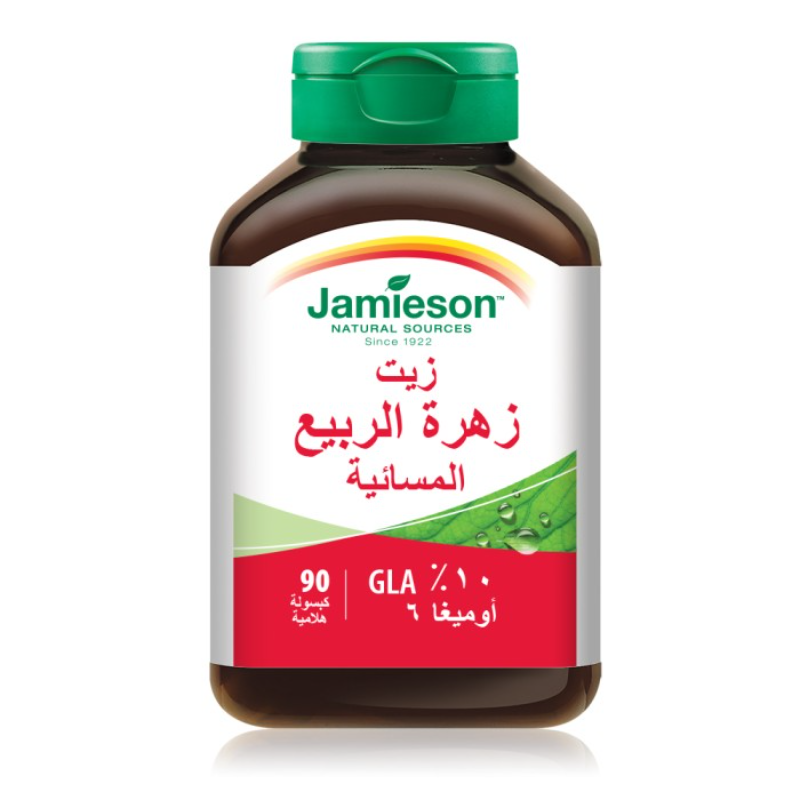
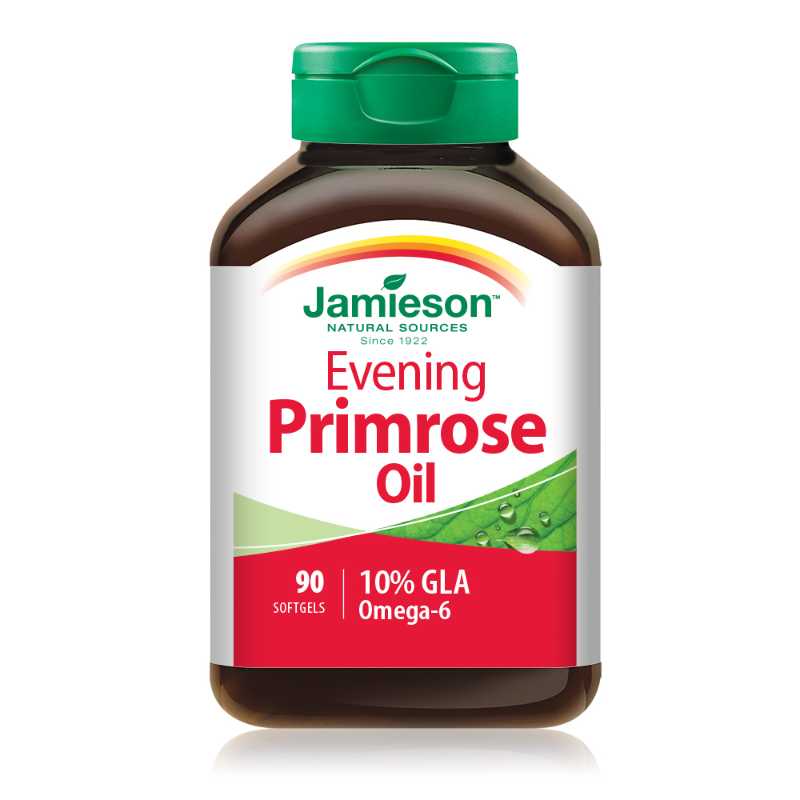
Vitamins & Supplements > Natural Supplements
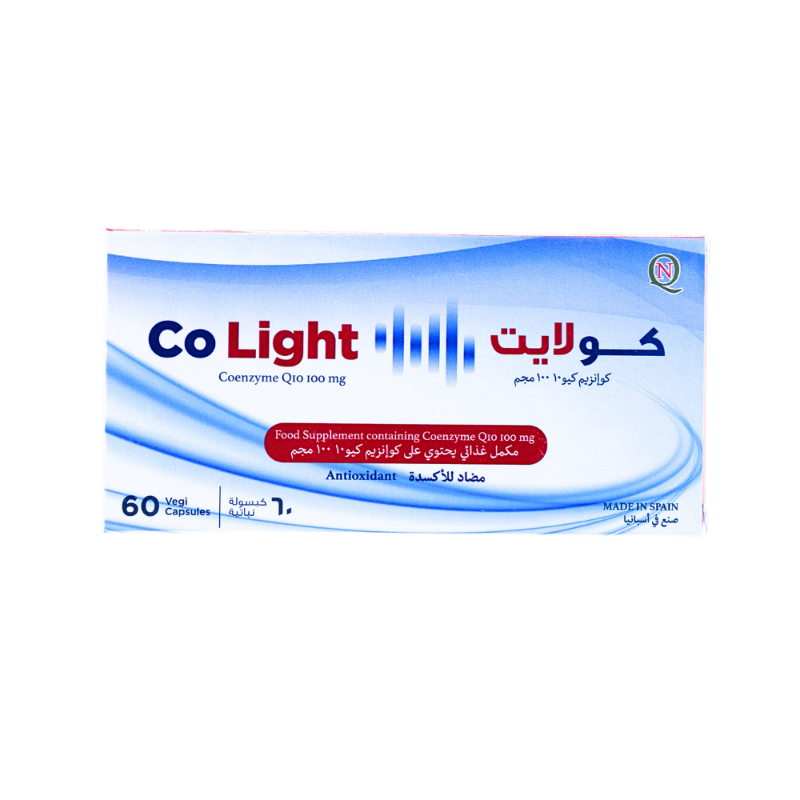
Vitamins & Supplements > Antioxidants & Amino Acids
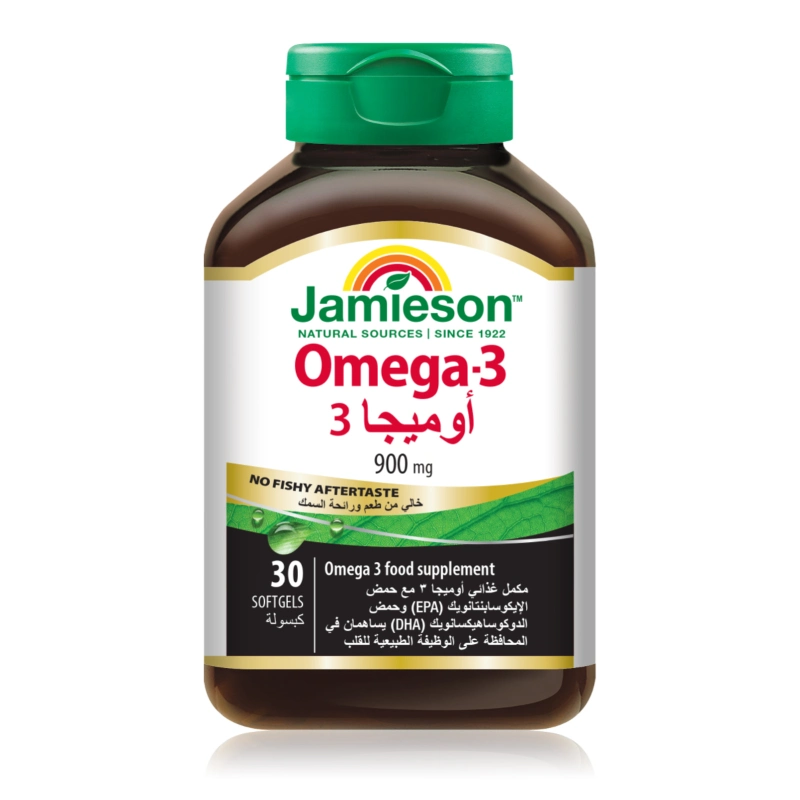
Vitamins & Supplements > Omega-3 Supplements
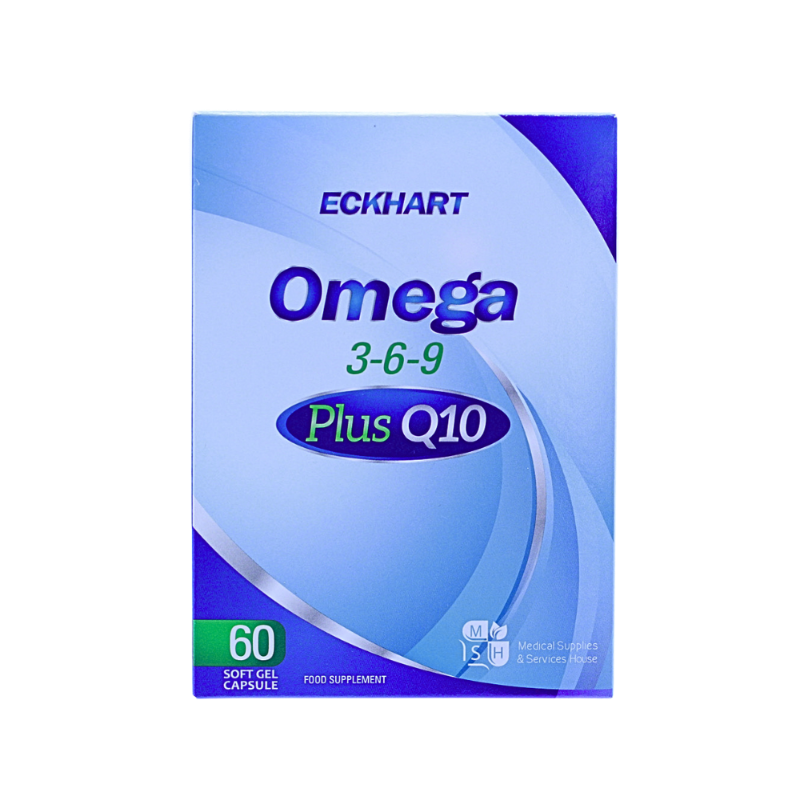
Vitamins & Supplements > Omega-3 Supplements
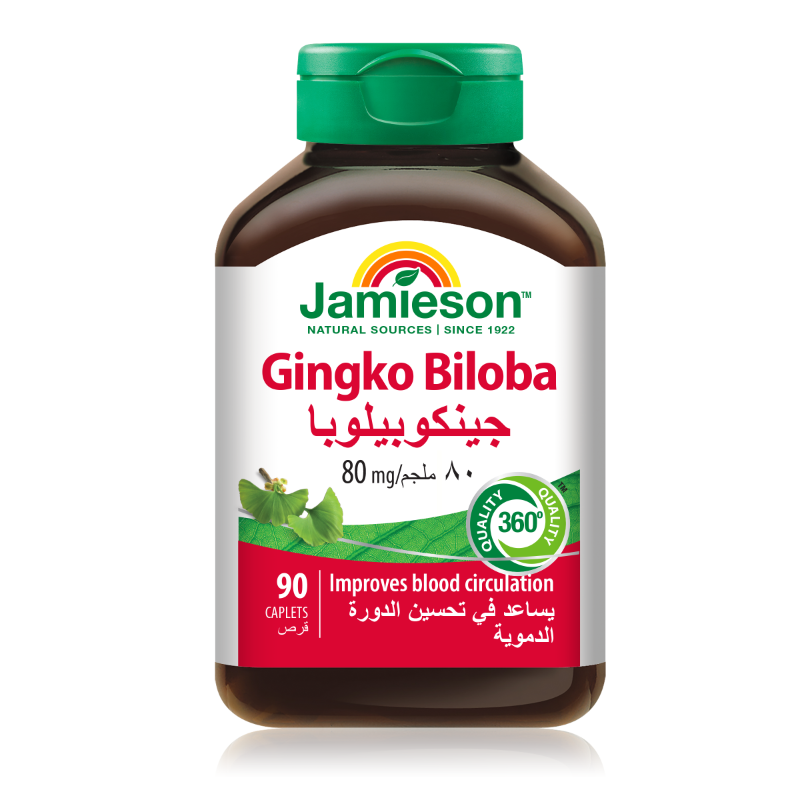
Vitamins & Supplements > Natural Supplements
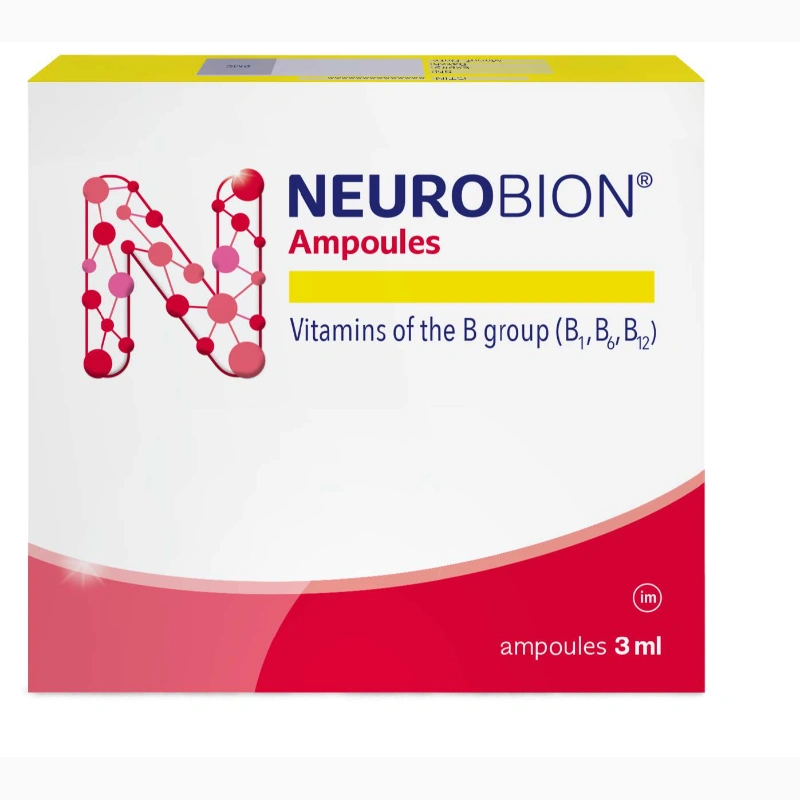
Vitamins & Supplements > Vitamins and Minerals
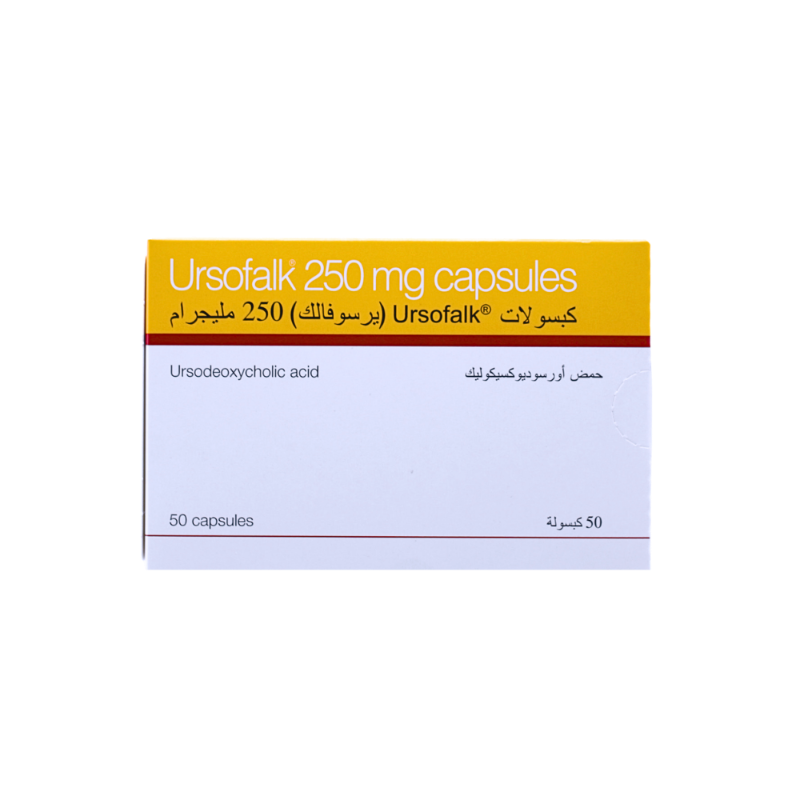
Vitamins & Supplements > Natural Supplements
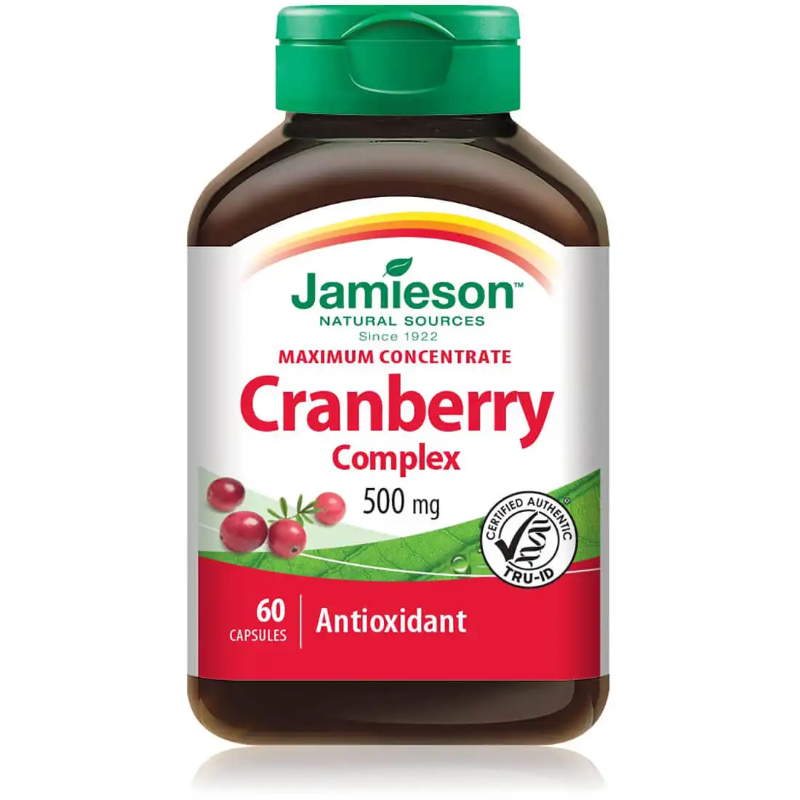
Vitamins & Supplements > Natural Supplements

Vitamins & Supplements > Weight Management Supplements
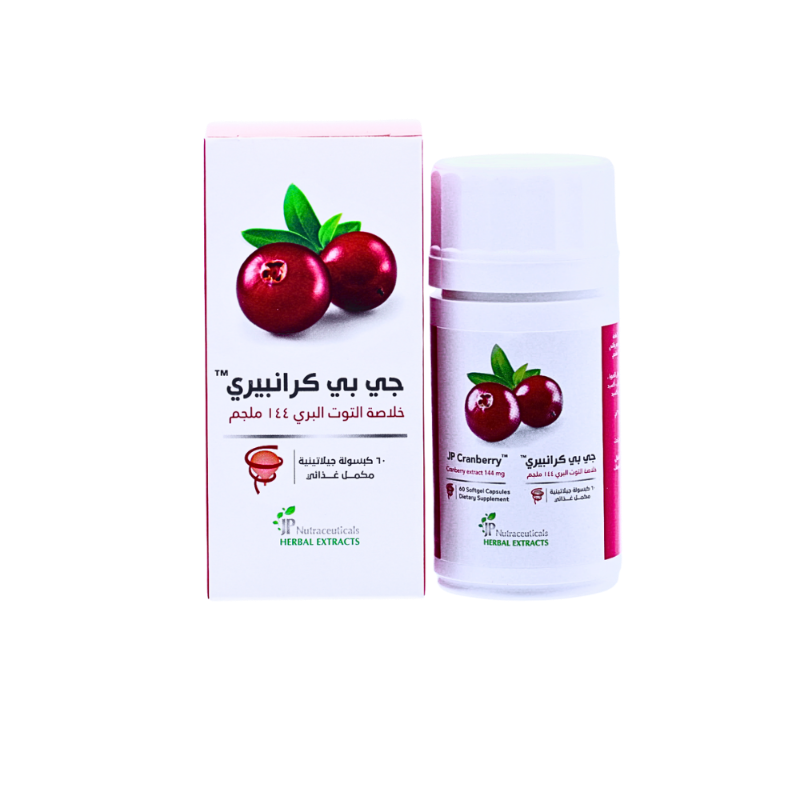
Vitamins & Supplements > Natural Supplements
