
Use Code: ND30 And Get 30% OFF | Get Free Delivery With No Minimum Order
-1744229570.gif "Almujtama Pharmacy logo")




Frequently bought together
Health Care & Wellness > Diabetes Care
Health Care & Wellness > Diabetes Care
Health Care & Wellness > Diabetes Care
Skin And Body Care > Moisturizers

Skin And Body Care > Moisturizers
Skin And Body Care > Moisturizers
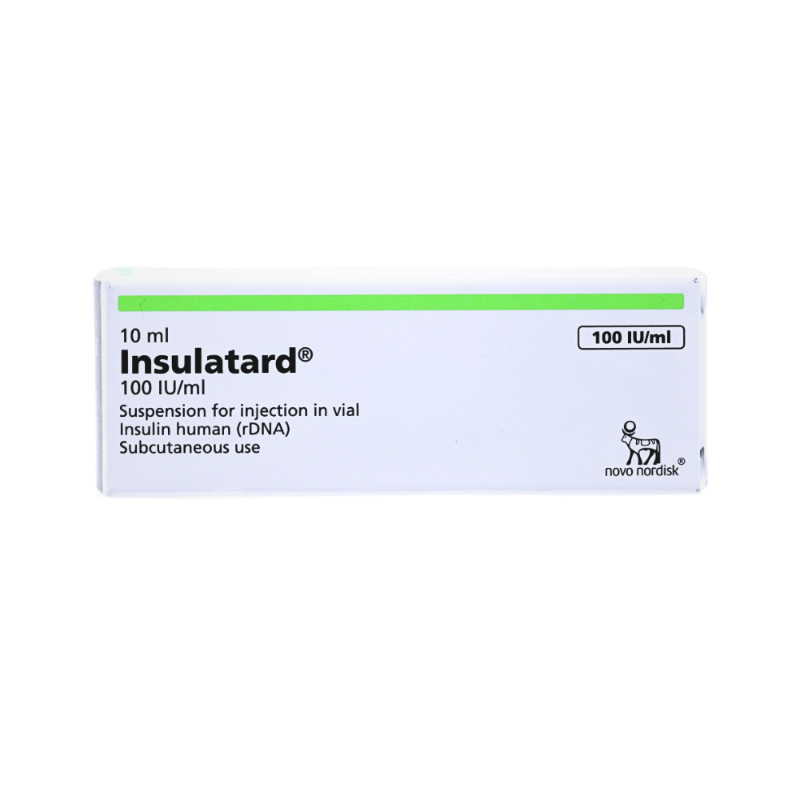
INSULATARD 100/UNITS/ML INSULIN HUMAN VIAL 10ML @
- Sku : I-002972
Key features
INSULATARD 100 IU/ml is a suspension for injection containing Insulin Human (100 IU/ml). As an intermediate-acting NPH (isophane) human insulin, the protamine-containing suspension delays subcutaneous absorption while insulin action increases peripheral glucose uptake and suppresses hepatic glucose production. It is indicated for the treatment of diabetes mellitus requiring insulin, including type 1 diabetes and type 2 diabetes when insulin is indicated. Available as a 10 ml vial; prescription only.- Brand: INSULATARD
- Active Ingredient: INSULIN HUMAN 100IU/ml
- Strength: 100IU/ml
- Dosage Form: Suspension for injection
- Pack Size: 10 ml
- Route: Subcutaneous use
- Prescription Status: Prescription
- Therapeutic Class: Antidiabetic
- Pharmacological Group: Insulins
- Drug Class: Intermediate-acting human insulin (NPH/isophane insulin).
- Manufacturer: NOVO NORDISK PRODUCTION S.A.S
- Country of Origin: France
- SFDA Registration No.: 1901233126
- Shelf Life: 30 months
- Storage: store in a refrigerator (2°c - 8°c)
- Diabetes Type: Type 1/Type 2
- Insulin Type: Intermediate-acting
Frequently bought together
Health Care & Wellness > Diabetes Care
Health Care & Wellness > Diabetes Care
Health Care & Wellness > Diabetes Care
Skin And Body Care > Moisturizers
Skin And Body Care > Moisturizers
Skin And Body Care > Moisturizers
Indications
Approved Uses
Treatment of diabetes mellitus requiring insulin (including type 1 diabetes and type 2 diabetes when insulin is indicated).
Off-Label Uses
Gestational diabetes mellitus and diabetes in pregnancy (insulin is standard therapy; NPH is commonly used as basal insulin).
Dosage & Administration
Dosing by Condition
Individualized dosing. Typical total daily insulin requirement is ~0.3-1.0 IU/kg/day (often higher in type 1 during some periods), with Insulatard (NPH) used as the basal component usually once or twice daily. In type 2 diabetes starting basal insulin, common starting doses are 10 units once daily or 0.1-0.2 IU/kg/day with titration to fasting glucose targets per clinician protocol.
Initial Dose
Type 2 diabetes (insulin-naive): 10 IU subcutaneously once daily at bedtime; Type 1 diabetes: individualized as part of basal-bolus regimen
Maintenance Dose
Individualized; typically 0.3-1.0 IU/kg/day as part of total insulin regimen, adjusted based on blood glucose monitoring
Maximum Dose
No fixed maximum dose; dose is individualized and titrated to glycaemic targets.
Children's Dosage
Approved for use in children and adolescents with Type 1 diabetes; dosing individualized based on weight and metabolic needs, typically 0.5-1.0 IU/kg/day total insulin
Dose Adjustment Notes
Dose must be individualized and adjusted based on SMBG/CGM and clinical status. Insulin requirements may decrease in renal or hepatic impairment and may change with intercurrent illness, stress, diet changes, or physical activity changes; close monitoring is required when switching insulin products. Specific titration algorithms (e.g., +2 units every 3 days) may be used locally but are not universal and should follow clinician-directed protocols.
How to Take
Subcutaneous injection only (per SFDA route). As a suspension (NPH/isophane), resuspend by gently rolling the vial between the palms and inverting until uniformly milky/white; do not shake vigorously. Inject into abdomen, thigh, upper arm (deltoid), or buttock and rotate sites within the same region to reduce lipodystrophy. Do not administer intravenously; intramuscular use is generally avoided unless specifically directed by a clinician. Use a new sterile needle/syringe each time; do not share. Mixing with short-acting insulin may be done only if specifically instructed and using correct technique (clear-to-cloudy).
Safety & Warnings
Warnings & Precautions
Risk of hypoglycaemia (most common) requiring dose adjustment with changes in diet/exercise/illness; inadequate dosing or interruption can cause hyperglycaemia and DKA; subcutaneous use only per SFDA (do not give IV/IM); rotate injection sites to reduce lipodystrophy; switching insulin type/brand requires close monitoring; beta-blockers may mask hypoglycaemia; monitor for hypokalaemia in at-risk patients; TZD + insulin may cause fluid retention/heart failure.
Age Restriction
No specific minimum age restriction; can be used in children and adults with individualized dosing under specialist supervision.
Drug Interactions
Interaction Severity
MAJOR: Thiazolidinediones (pioglitazone/rosiglitazone) with insulin-risk of fluid retention/heart failure. MODERATE: Alcohol (can potentiate and mask hypoglycemia); beta-blockers (mask hypoglycemia symptoms); MAO inhibitors, ACE inhibitors, salicylates, and other glucose-lowering drugs (increase hypoglycemia risk); corticosteroids, thiazide diuretics, thyroid hormones, and sympathomimetics (raise glucose/antagonize insulin). VARIABLE: Octreotide/lanreotide may increase or decrease insulin requirements.
Food Interaction
Coordinate dosing with meals and consistent carbohydrate intake to reduce hypoglycemia risk; missed meals or unplanned strenuous exercise can precipitate hypoglycemia. Timing relative to meals depends on the regimen (e.g., when used with prandial insulin vs as bedtime basal), so follow the prescribed schedule.
Special Populations
Children
Approved for use in children and adolescents with Type 1 diabetes; dosing individualized based on weight and metabolic needs, typically 0.5-1.0 IU/kg/day total insulin
Kidney Impairment
Renal impairment may reduce insulin requirements; use intensified glucose monitoring and individualize/titrate dose (often lower).
Liver Impairment
Hepatic impairment may reduce insulin requirements; use intensified glucose monitoring and individualize/titrate dose (often lower).
Storage & Patient Advice
Missed Dose
Do not double the next dose. Check blood glucose more frequently and take the next dose at the usual scheduled time; if unsure how to correct or if hyperglycemia/ketones occur, contact the treating clinician urgently (especially in type 1 diabetes).
Stopping the Medicine
Do not stop insulin abruptly; any change or discontinuation must be under medical supervision due to risk of severe hyperglycaemia/diabetic ketoacidosis (especially in type 1 diabetes).
Overdose
Overdose causes hypoglycaemia; treat mild/moderate with oral fast-acting carbohydrate; severe (unconscious/seizure) requires IM/SC glucagon or IV dextrose with urgent medical care and ongoing monitoring (risk of recurrence).
Patient Counseling
Confirm correct insulin and strength (SFDA: Insulatard 100 IU/mL vial) before each dose. Because it is a suspension, gently roll/invert to a uniformly milky appearance; do not shake vigorously. Inject subcutaneously only and rotate sites to prevent lipodystrophy; do not share vials/needles and use a new sterile needle/syringe each time. Recognize and treat hypoglycemia (carry fast-acting glucose) and avoid skipping meals after dosing; know hyperglycemia/ketone warning signs. Storage: unopened vials refrigerated 2-8°C (SFDA); do not freeze; protect from heat/light; follow local product labeling for in-use room-temperature limits.
Monitoring Requirements
Regular glucose monitoring (SMBG or CGM) with review of fasting and other readings per regimen; HbA1c about every 3 months until stable then at least twice yearly; monitor for hypoglycemia, weight gain, and injection-site/lipodystrophy. Check serum potassium in at-risk patients (e.g., high-dose insulin, renal impairment) and assess renal/hepatic function periodically as they affect insulin requirements.
Pharmacology
Mechanism of Action
Human NPH (isophane) insulin binds insulin receptors to increase peripheral glucose uptake and inhibit hepatic glucose production; the protamine-containing NPH suspension delays absorption from the subcutaneous depot, producing an intermediate duration of action.
Onset of Action
Approximately 1-2 hours after subcutaneous injection (commonly ~1.5 hours).
Duration of Effect
Approximately 18-24 hours
Half-Life
Terminal (apparent) half-life after subcutaneous dosing is absorption-rate limited and is approximately 5-10 hours (variable).
Bioavailability
Unknown / not reliably quantifiable for subcutaneous human isophane (NPH) insulin; absorption is variable and incomplete depending on site, dose, and local blood flow.
Protein Binding
Negligible plasma protein binding; may bind to circulating insulin antibodies if present.
Product Information
Available Dosage Forms
Suspension for injection (vial 10 ml), suspension for injection (prefilled pen cartridge 3 ml - Penfill), suspension for injection (prefilled pen - FlexPen 3 ml)
Composition per Dose
Each 1 ml: Insulin human 100 IU (as isophane/NPH suspension with protamine sulfate and zinc); Each vial (10 ml): Insulin human 1000 IU
OTC Alternatives
No OTC alternative
Diabetes Type
Type 1/Type 2
Insulin Type
Intermediate-acting
Reviewed by Al Mujtama Pharmacy Medical Review Team. Last reviewed 20-06-2026
Similar Products

Medications > Dermatology Medications
Medications > Gastrointestinal Medications
Medications > Painkillers and Antipyretics

Medications > Dermatology Medications
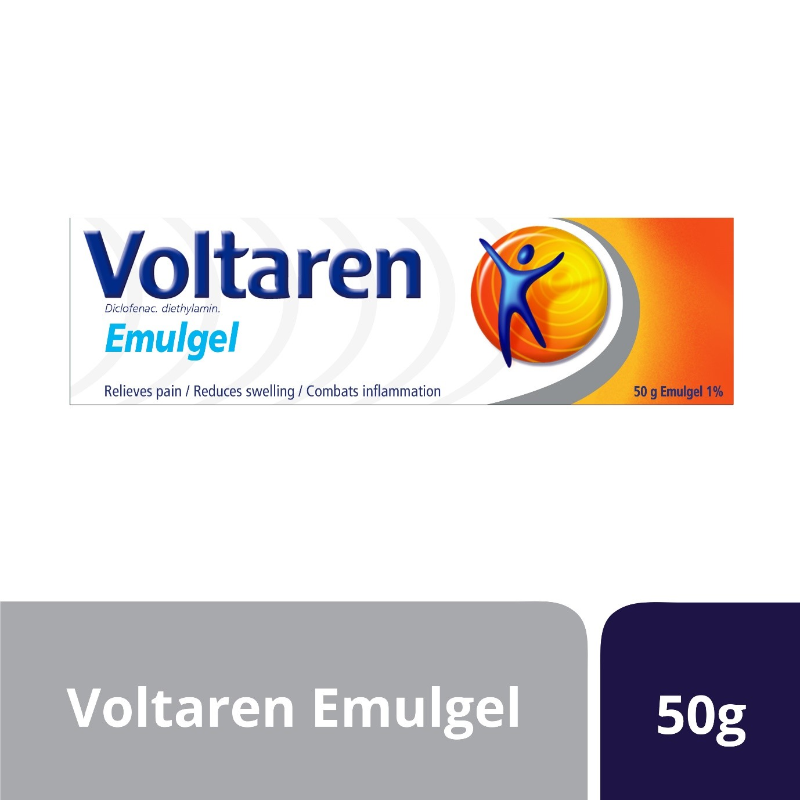
Medications > Painkillers and Antipyretics
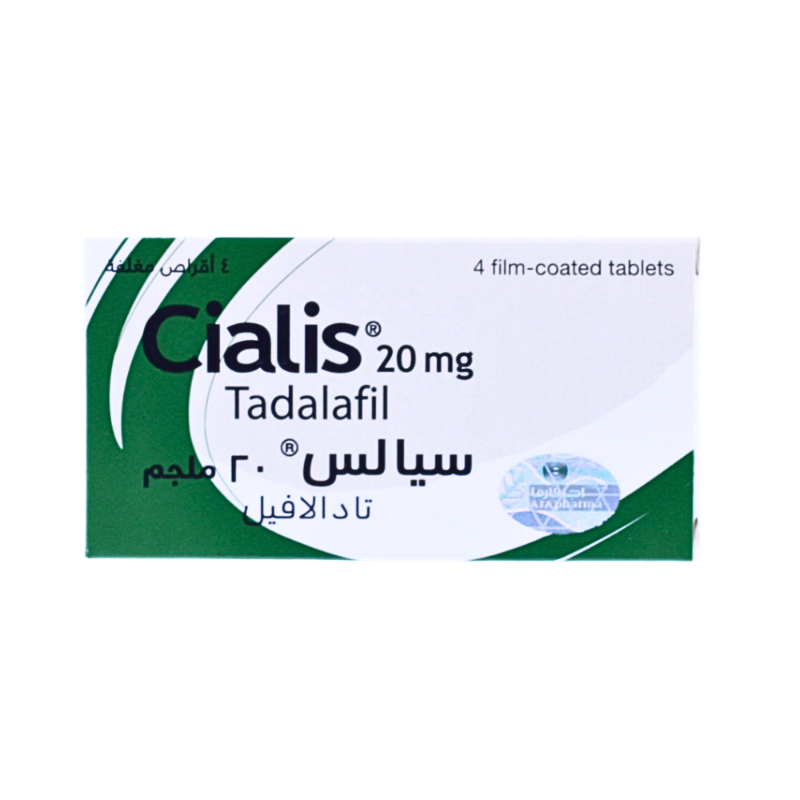
Medications > Sexual Health
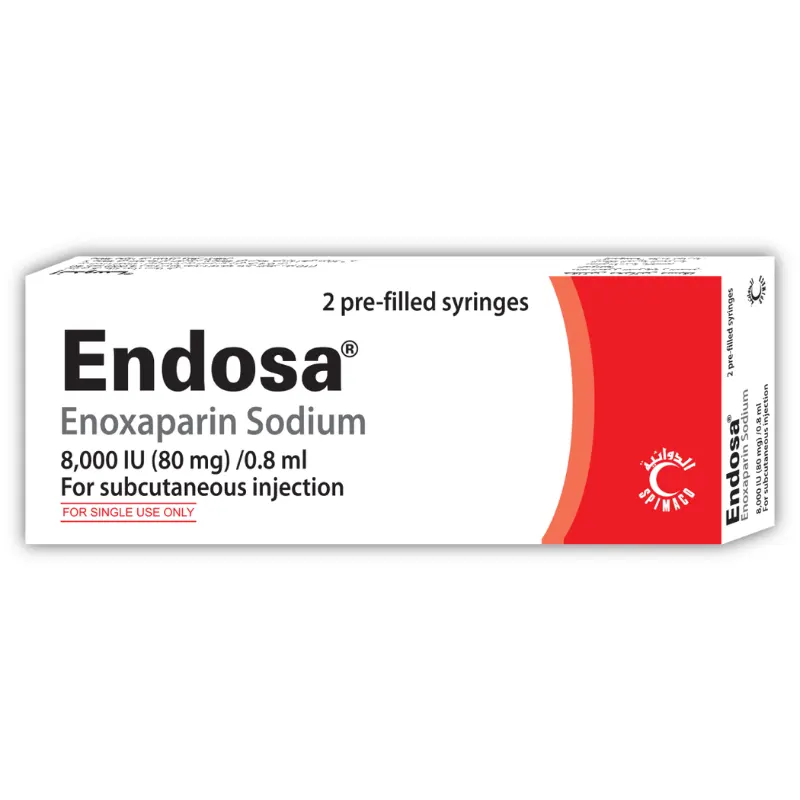
Medications > Hypertesion & Cardiovascular Medications
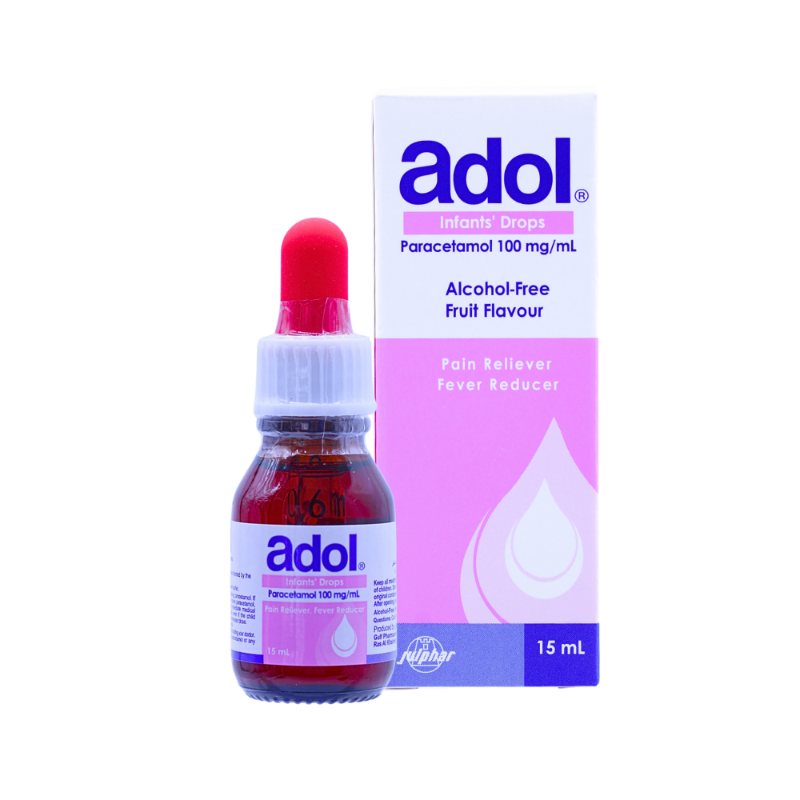
Medications > Painkillers and Antipyretics
Medications > Diabetes Medications
Medications > Painkillers and Antipyretics
