
Use Code: ND30 And Get 30% OFF | Get Free Delivery With No Minimum Order
-1744229570.gif "Almujtama Pharmacy logo")




Frequently bought together
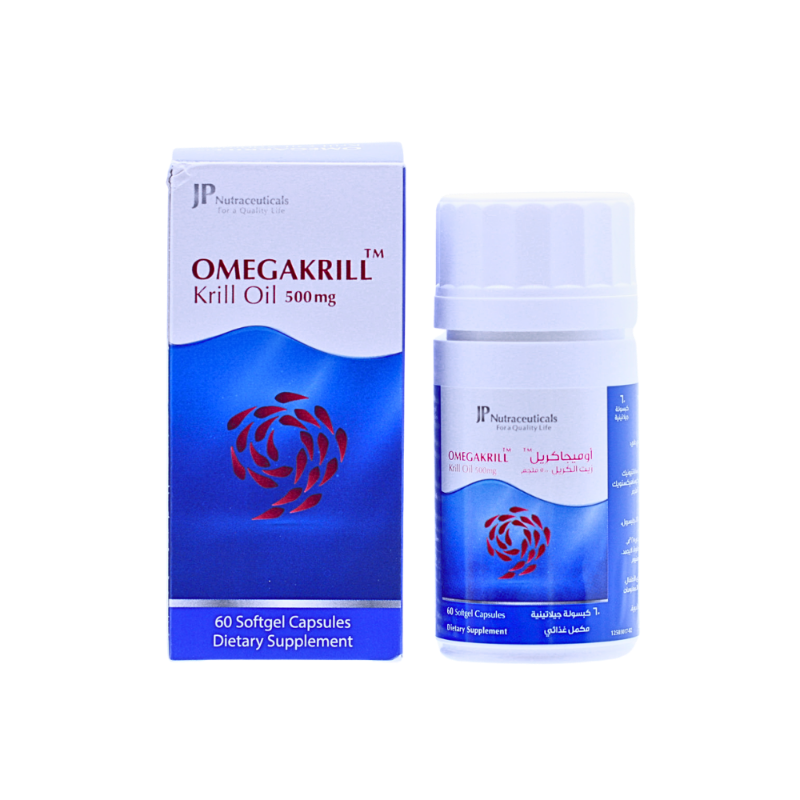
Vitamins & Supplements > Omega-3 Supplements
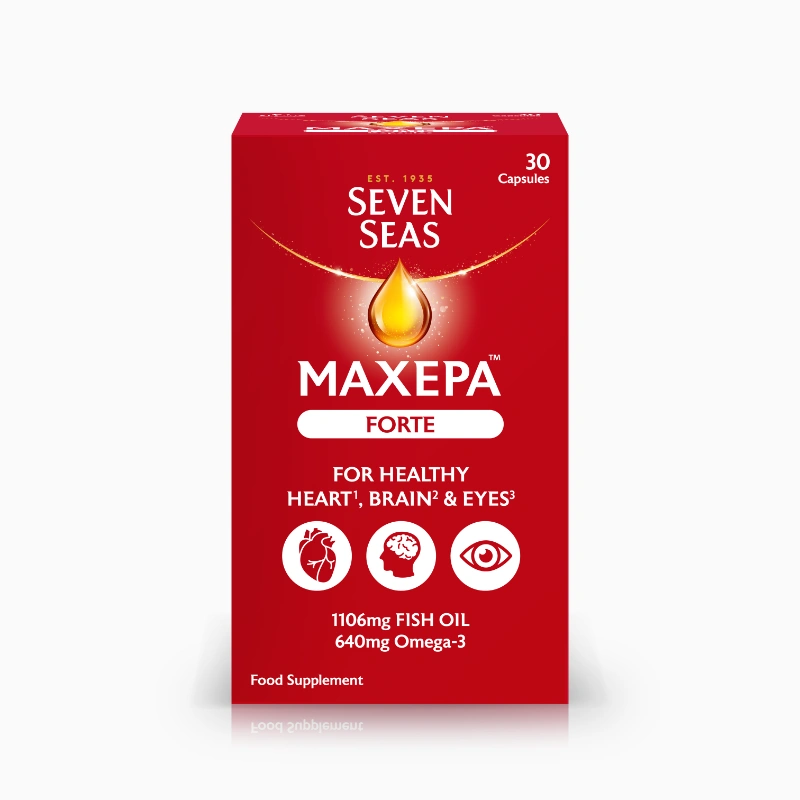
Vitamins & Supplements > Omega-3 Supplements
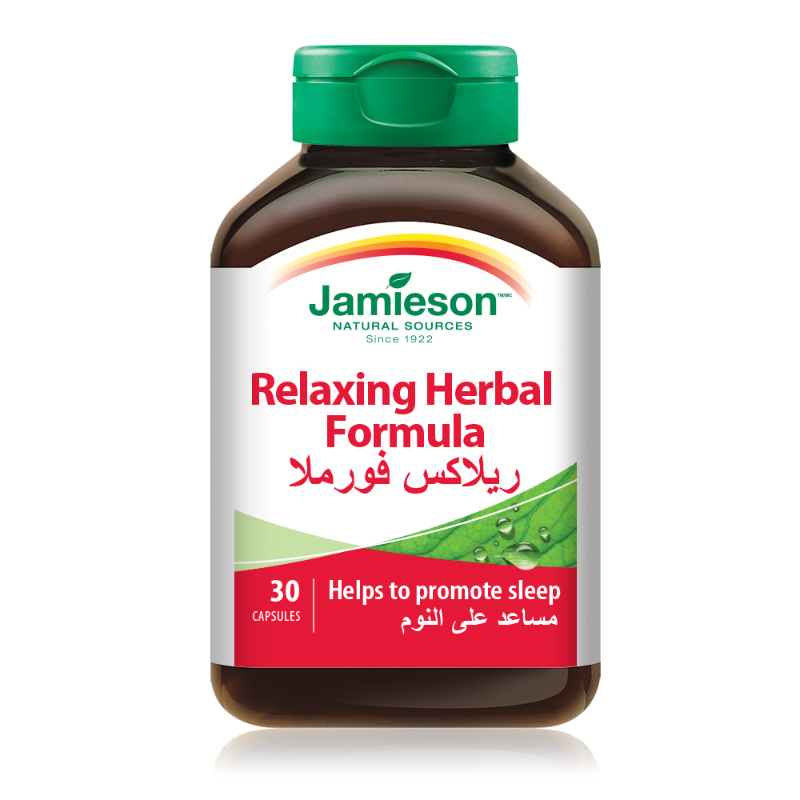
Vitamins & Supplements > Sleeping aid supplements

Vitamins & Supplements > Sleeping aid supplements
Vitamins & Supplements > Omega-3 Supplements
Vitamins & Supplements > Sleeping aid supplements
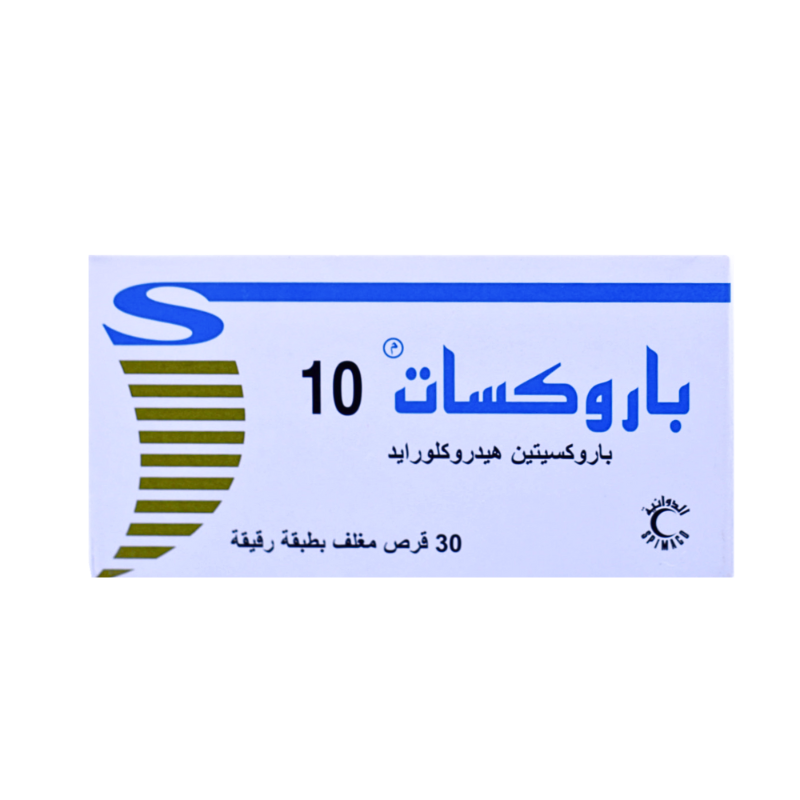
PAROXAT 10/MG FC TAB 30/FC TAB
- Sku : I-013287
Key features
Paroxat 10 Mg F-C Film-coated tablet is a prescription medicine containing paroxetine 10 mg. It is a selective serotonin reuptake inhibitor (SSRI) that works by increasing serotonin levels in the brain. It is used for the treatment of major depressive disorder, obsessive-compulsive disorder, panic disorder, social anxiety disorder, generalized anxiety disorder, post-traumatic stress disorder, and premenstrual dysphoric disorder. It is supplied as a pack of 30 film-coated tablets.- Brand: PAROXAT
- Active Ingredient: PAROXETINE 10mg
- Strength: 10mg
- Dosage Form: Film-coated tablet
- Pack Size: 30 Tablets
- Route: Oral use
- Prescription Status: Prescription
- Therapeutic Class: Psychiatric
- Pharmacological Group: SSRIs
- Drug Class: SSRI Antidepressant (Selective Serotonin Reuptake Inhibitor)
- Manufacturer: SPIMACO
- Country of Origin: Saudi Arabia
- SFDA Registration No.: 248-212-08
- Shelf Life: 36 months
- Storage: store below 25°c
- Psych Class: Antidepressant-SSRI
- Controlled Substance: No
Frequently bought together
Vitamins & Supplements > Omega-3 Supplements
Vitamins & Supplements > Omega-3 Supplements
Vitamins & Supplements > Sleeping aid supplements
Vitamins & Supplements > Sleeping aid supplements
Vitamins & Supplements > Omega-3 Supplements
Vitamins & Supplements > Sleeping aid supplements
Indications
Approved Uses
Approved indications (general paroxetine IR labeling): major depressive disorder, obsessive‑compulsive disorder, panic disorder, social anxiety disorder (social phobia), generalized anxiety disorder, post‑traumatic stress disorder, and premenstrual dysphoric disorder.
Off-Label Uses
Common off‑label uses: premature ejaculation; menopausal vasomotor symptoms (hot flashes); certain chronic pain syndromes/neuropathic pain; irritable bowel syndrome (in selected patients).
Dosage & Administration
Dosing by Condition
Adults (paroxetine immediate‑release): MDD: start 20 mg daily; usual 20-50 mg daily; max 50 mg/day. OCD: start 20 mg daily; usual 40-60 mg daily; max 60 mg/day. Panic disorder: start 10 mg daily; usual 40-60 mg daily; max 60 mg/day. Social anxiety disorder: start 20 mg daily; usual 20-50 mg daily; max 60 mg/day (many references use 50 mg as typical max for IR in some indications, but 60 mg/day is used in labeling for some anxiety disorders). GAD: start 20 mg daily; usual 20-50 mg daily; max 50 mg/day. PTSD: start 20 mg daily; usual 20-50 mg daily; max 50 mg/day. PMDD: IR 10-30 mg daily either continuously or during luteal phase; CR regimens may differ by product.
Initial Dose
20 mg once daily in the morning (10 mg for panic disorder and elderly
Maintenance Dose
20-50mg once daily, depending on the indication.
Maximum Dose
60 mg/day (OCD and panic disorder); 50 mg/day (depression, GAD, social anxiety, PTSD)
Children's Dosage
Not approved for Major Depressive Disorder in children and adolescents under 18. Off-label use for OCD and social anxiety disorder in children has been studied.
Dose Adjustment Notes
Use a lower starting dose and slower titration in older adults and in severe hepatic impairment or severe renal impairment (e.g., CrCl <30 mL/min); increase in 10 mg increments no more frequently than weekly based on response/tolerability.
How to Take
Oral: swallow the film‑coated tablet whole with water once daily, preferably in the morning; may be taken with or without food (taking with food can reduce nausea).
Side Effects
Common Side Effects
Common: nausea, headache, somnolence or insomnia, dizziness, dry mouth, sweating, tremor, diarrhea or constipation, fatigue/asthenia, decreased appetite, and sexual dysfunction (e.g., decreased libido, delayed ejaculation/anorgasmia); weight gain can occur with longer‑term use.
Safety & Warnings
Contraindications
Contraindicated with MAOIs (including within 14 days of stopping an MAOI; and at least 14 days after stopping paroxetine before starting an MAOI), and with thioridazine or pimozide; contraindicated in patients with hypersensitivity to paroxetine/excipients; avoid with linezolid or IV methylene blue unless no alternatives and with strict monitoring.
Warnings & Precautions
Monitor for suicidality/clinical worsening (especially <25) early and with dose changes; avoid serotonergic combinations/MAOIs due to serotonin syndrome; taper to discontinue; screen for bipolar disorder/mania; monitor for hyponatremia (elderly/diuretics), bleeding risk (NSAIDs/anticoagulants), seizures, and impaired alertness; consider angle-closure glaucoma risk in predisposed patients.
Age Restriction
Not approved for use in pediatric patients (<18 years) for depression; if used for any pediatric indication, it must be specialist-directed with close monitoring.
Driving Warning
May Cause Drowsiness
Drug Interactions
Drug Interactions
Major/contraindicated: MAOIs (incl. linezolid/IV methylene blue), thioridazine, pimozide. Clinically important: other serotonergic drugs (triptans, tramadol, fentanyl, TCAs, lithium, St John’s wort) → serotonin syndrome; anticoagulants/antiplatelets/NSAIDs → bleeding; tamoxifen → reduced efficacy (CYP2D6 inhibition); CYP2D6 substrates (e.g., TCAs, some antipsychotics, metoprolol) → increased levels; strong enzyme inhibitors/inducers may alter exposure.
Interaction Severity
MAJOR/contraindicated: MAOIs (and within 14 days), linezolid or IV methylene blue (serotonin syndrome risk), thioridazine and pimozide (QT/proarrhythmia risk). MODERATE/clinically significant: other serotonergic drugs (e.g., triptans, tramadol, lithium, other SSRIs/SNRIs/TCAs) → serotonin syndrome/bleeding risk; anticoagulants/antiplatelets/NSAIDs → increased bleeding; tamoxifen → reduced efficacy (CYP2D6 inhibition); CYP2D6 substrates with narrow therapeutic index (e.g., TCAs, some antipsychotics) → increased levels. MINOR/variable: enzyme inhibitors/inducers affecting exposure (e.g., cimetidine ↑; some anticonvulsants may ↓).
Food Interaction
With or without food
Alcohol Interaction
Avoid
Special Populations
Pregnancy
Category D
Children
Not approved for Major Depressive Disorder in children and adolescents under 18. Off-label use for OCD and social anxiety disorder in children has been studied.
Elderly
Start at 10 mg/day; titrate slowly with weekly increments of 10 mg as tolerated; maximum 40 mg/day. Monitor for hyponatremia, falls, and anticholinergic effects.
Kidney Impairment
Severe renal impairment (CrCl <30 mL/min): start 10 mg once daily and titrate cautiously; keep doses at the lower end of the range. Mild-moderate impairment: usually no change but use caution.
Liver Impairment
Hepatic impairment: start at 10 mg once daily and titrate cautiously; keep doses at the lower end of the range (maximum generally lower than in normal hepatic function).
Storage & Patient Advice
Stopping the Medicine
Do not stop abruptly; taper gradually under medical supervision (often over several weeks, longer if high dose/long duration) to reduce discontinuation symptoms.
Overdose
Overdose may cause nausea/vomiting, tremor, agitation/somnolence, tachycardia, seizures, ECG changes, and serotonin syndrome; management is supportive with airway/ventilation as needed, cardiac/temperature monitoring, activated charcoal if appropriate, and treatment of seizures/serotonin syndrome-seek emergency care.
Patient Counseling
Take once daily (usually morning); with or without food (food may reduce nausea). Expect several weeks for full benefit; do not stop abruptly-taper to avoid discontinuation symptoms. Avoid combining with MAOIs/linezolid/IV methylene blue; tell clinicians about all meds (bleeding risk with NSAIDs/anticoagulants; reduced tamoxifen effect). Use caution with driving if drowsy/dizzy; limit alcohol. Report suicidal thoughts, agitation, or serotonin‑syndrome symptoms; discuss sexual side effects.
Monitoring Requirements
Monitor for clinical worsening/suicidality especially early and after dose changes; monitor for serotonin syndrome when combined with serotonergic agents; consider serum sodium (hyponatremia/SIADH) in older adults or symptomatic patients; monitor weight and sexual adverse effects over time.
Pharmacology
Mechanism of Action
Selective serotonin reuptake inhibitor (SSRI): inhibits the serotonin transporter (SERT) to increase synaptic serotonin; it also has mild anticholinergic activity relative to some other SSRIs.
Onset of Action
Initial improvement may be seen in 1-2 weeks; full therapeutic effect typically takes 4-6 weeks.
Duration of Effect
Antidepressant/anxiolytic clinical effect persists with continued daily dosing; symptom control is maintained over weeks to months. (Paroxetine has an elimination half-life of ~21 hours, supporting once-daily dosing.)
Half-Life
Approximately 21 hours (range about 15-24 hours at steady state; may be prolonged with higher doses/poor CYP2D6 metabolizers due to saturable metabolism).
Bioavailability
Oral bioavailability is about ~50% due to first‑pass metabolism and may increase with repeated dosing because first‑pass metabolism can become saturated.
Metabolism
Extensive hepatic metabolism primarily via CYP2D6 (saturable/nonlinear); paroxetine is also a potent CYP2D6 inhibitor (minor contribution from other CYPs such as CYP3A4).
Protein Binding
Approximately 93-95%.
Product Information
Available Dosage Forms
Film-coated tablet, controlled-release tablet, oral suspension
Composition per Dose
Each film-coated tablet: Paroxetine 10 mg (as paroxetine hydrochloride)
Generic Availability
Yes
OTC Alternatives
No OTC alternative
Psych Class
Antidepressant-SSRI
Controlled Substance
No
Reviewed by Al Mujtama Pharmacy Medical Review Team. Last reviewed 19-05-2026
Similar Products
Medications > Eye and Ear Medications
Medications > Other Medicines
Medications > Eye and Ear Medications
Medications > Cold, Cough, and Allergy Medications

Medications > Urology Medications
Medications > Psychiatric Medications

Medications > Dermatology Medications

Medications > Painkillers and Antipyretics
Medications > Psychiatric Medications
Medications > Painkillers and Antipyretics
