
Use Code: ND30 And Get 30% OFF | Get Free Delivery With No Minimum Order
-1744229570.gif "Almujtama Pharmacy logo")




Frequently bought together
Personal Care > Sexual Care
Personal Care > Sexual Care

Vitamins & Supplements > Natural Supplements
Vitamins & Supplements > Natural Supplements
Vitamins & Supplements > Natural Supplements
VESICARE 10/MG FC TAB 30/FC TAB
- Sku : I-016067
Key features
VESICARE 10 mg film-coated tablets contain solifenacin succinate 10 mg, an antimuscarinic urinary antispasmodic. It works by selectively blocking muscarinic receptors in the bladder to help reduce involuntary detrusor muscle contractions. It is used for the treatment of overactive bladder, including symptoms of urinary urgency, frequency, and urge incontinence. This prescription medicine is supplied as a pack of 30 film-coated tablets.- Brand: VESICARE
- Active Ingredient: SOLIFENACIN SUCCINATE 10mg
- Strength: 10mg
- Dosage Form: Film-coated tablet
- Pack Size: 30 Tablets
- Route: Oral use
- Prescription Status: Prescription
- Therapeutic Class: Urological
- Pharmacological Group: Urologicals (BPH & Bladder)
- Drug Class: Antimuscarinic (anticholinergic) urinary antispasmodic; relatively M3-selective muscarinic receptor antagonist.
- Manufacturer: SAJA-SAUDI ARABIAN JAPANESE PHARMACEUTICAL CO
- Country of Origin: Saudi Arabia
- SFDA Registration No.: 0407210840
- Shelf Life: 48 months
- Storage: store below 30°c
- Urological Condition: Overactive Bladder
Frequently bought together
Personal Care > Sexual Care
Personal Care > Sexual Care
Vitamins & Supplements > Natural Supplements
Vitamins & Supplements > Natural Supplements
Vitamins & Supplements > Natural Supplements
Indications
Approved Uses
Treatment of overactive bladder (OAB) with symptoms of urge urinary incontinence, urgency, and urinary frequency.
Off-Label Uses
Neurogenic detrusor overactivity/neurogenic lower urinary tract dysfunction (off-label in some settings).
Dosage & Administration
Dosing by Condition
Overactive bladder (OAB): 5 mg orally once daily initially; may increase to 10 mg once daily if needed and well tolerated; maximum 10 mg/day.
Initial Dose
5 mg once daily (10 mg once daily may be used as starting dose if clinically indicated)
Maintenance Dose
5-10 mg once daily
Maximum Dose
10 mg once daily.
Children's Dosage
Tablets not approved for pediatric use
Dose Adjustment Notes
Do not exceed 5 mg daily in patients with severe renal impairment (CrCl <30 mL/min), moderate hepatic impairment (Child-Pugh B), or those taking potent CYP3A4 inhibitors. Contraindicated in severe hepatic impairment (Child-Pugh C)
How to Take
Swallow the tablet whole with water; do not crush or chew; may be taken with or without food; take once daily at about the same time each day.
Side Effects
Common Side Effects
Dry mouth, constipation, blurred vision, urinary tract infection, dyspepsia, nausea, abdominal pain.
Side Effect Frequency
Very common (>10%): Dry mouth, constipation. Common (1-10%): Blurred vision, nausea, dyspepsia, urinary tract infection, dry eyes. Uncommon (<1%): Urinary retention, QT prolongation, angioedema, hallucinations
Safety & Warnings
Contraindications
Contraindicated in: urinary retention; gastric retention; uncontrolled narrow‑angle glaucoma; hypersensitivity to solifenacin or excipients.
Warnings & Precautions
Use caution in: bladder outflow obstruction (risk urinary retention); decreased GI motility/obstructive GI disorders (risk severe constipation/ileus); controlled narrow‑angle glaucoma; renal impairment and hepatic impairment (dose limits/avoid with strong CYP3A4 inhibitors); patients with congenital/acquired QT prolongation, electrolyte abnormalities, bradyarrhythmias, or taking QT‑prolonging drugs; monitor for CNS effects (somnolence, confusion, hallucinations), especially in older adults.
Age Restriction
Not indicated/approved for overactive bladder in patients <18 years (adult use).
Driving Warning
Can cause blurred vision and drowsiness; use caution when driving or operating machinery until effects known
Drug Interactions
Drug Interactions
Clinically important interactions: strong CYP3A4 inhibitors (e.g., ketoconazole/itraconazole/ritonavir/clarithromycin) ↑ solifenacin exposure (dose limit/avoid in significant renal/hepatic impairment); CYP3A4 inducers (e.g., rifampin/carbamazepine/phenytoin/St John’s wort) may ↓ effect; other anticholinergics ↑ additive anticholinergic burden; QT‑prolonging drugs and conditions increase torsades risk in susceptible patients.
Interaction Severity
MAJOR: Strong CYP3A4 inhibitors (e.g., ketoconazole, itraconazole, clarithromycin, ritonavir) increase solifenacin exposure-avoid or limit solifenacin to 5 mg/day when co-administered; additive QT-prolongation risk with other QT-prolonging drugs in at-risk patients. MODERATE: Other anticholinergics (additive anticholinergic effects/urinary retention/constipation); CYP3A4 inducers (e.g., rifampin, carbamazepine, phenytoin, St John’s wort) may reduce efficacy. MINOR: No consistent clinically meaningful interaction with metformin is generally expected.
Food Interaction
No clinically significant food restriction; may be taken with or without food.
Special Populations
Pregnancy
Consult Doctor
Breastfeeding
Consult Doctor
Children
Tablets not approved for pediatric use
Elderly
Standard adult dosing; no routine dose adjustment required, but use with caution due to increased anticholinergic sensitivity in elderly patients
Kidney Impairment
CrCl ≥30 mL/min: No adjustment needed. CrCl <30 mL/min: Do not exceed 5 mg once daily.
Liver Impairment
Mild (Child-Pugh A): No adjustment needed. Moderate (Child-Pugh B): Do not exceed 5 mg once daily. Severe (Child-Pugh C): Not recommended.
Storage & Patient Advice
Missed Dose
If a dose is missed, take it as soon as remembered unless it is close to the next dose; otherwise skip the missed dose and resume the regular schedule-do not take two doses in the same day.
Stopping the Medicine
No taper is required; it can be stopped, but advise patients to consult the prescriber and expect OAB symptoms may recur.
Overdose
Overdose typically causes pronounced anticholinergic toxicity (e.g., mydriasis/blurred vision, dry mouth, tachycardia, agitation/confusion/hallucinations, urinary retention, decreased GI motility/ileus; possible QT prolongation); management is urgent medical evaluation with supportive care, consider activated charcoal if early, ECG monitoring, and specialist-directed use of physostigmine for severe central anticholinergic syndrome when appropriate.
Patient Counseling
Take once daily at the same time, with or without food; swallow whole (do not crush/chew). Common effects include dry mouth and constipation-use sugar-free gum/candy, adequate fluids, and fiber; avoid driving/operating machinery until effects on vision/drowsiness are known; seek care for inability to urinate, severe constipation/abdominal pain, palpitations, or eye pain/acute vision changes; review all medicines for interactions (especially strong CYP3A4 inhibitors and other anticholinergics).
Monitoring Requirements
Monitor for anticholinergic adverse effects (dry mouth, constipation, blurred vision, cognitive effects-especially in older adults) and for urinary retention; consider ECG/QT risk assessment in patients with risk factors or on QT-prolonging drugs.
Pharmacology
Mechanism of Action
Competitive muscarinic receptor antagonist (relatively M3-selective) that reduces acetylcholine-mediated detrusor smooth muscle contractions, improving urgency, frequency, and urge incontinence.
Onset of Action
Symptom improvement may begin within 1-2 weeks; maximal/steady benefit is often assessed by ~4 weeks.
Duration of Effect
Approximately 24 hours per dose (once-daily dosing); symptom improvement is typically noticed within 1-2 weeks, with maximal benefit often by ~4 weeks.
Half-Life
Approximately 45-68 hours.
Bioavailability
Approximately 90%
Metabolism
Hepatic metabolism primarily via CYP3A4 (minor contribution from CYP2D6), with formation of multiple metabolites including 4R-hydroxy-solifenacin and N-oxide metabolites; the 4R-hydroxy metabolite has pharmacologic activity but overall clinical effect is mainly from parent solifenacin.
Excretion
Approximately 70% recovered in urine and ~23% in feces (as metabolites and some unchanged drug).
Protein Binding
Approximately 98% (primarily to alpha1-acid glycoprotein)
Product Information
Available Dosage Forms
Film-coated tablet
Composition per Dose
Each film-coated tablet: 10 mg solifenacin succinate
Generic Availability
Yes
Urological Condition
Overactive Bladder
Reviewed by Al Mujtama Pharmacy Medical Review Team. Last reviewed 10-07-2026
Similar Products
Medications > Contraceptives and Hormonal Medications
Medications > Other Medicines
Medications > Gastrointestinal Medications
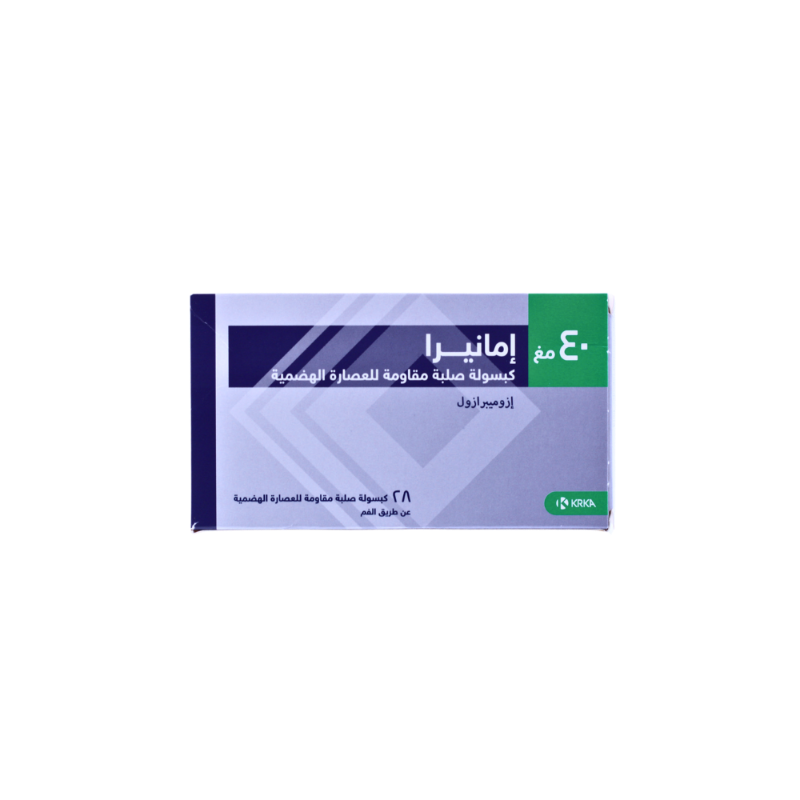
Medications > Gastrointestinal Medications
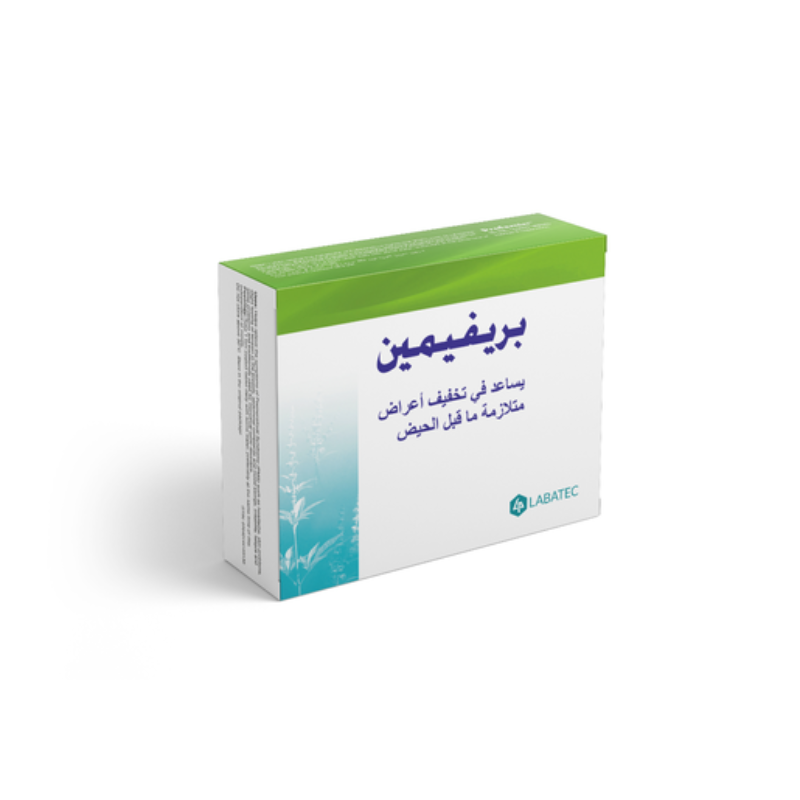
Medications > Painkillers and Antipyretics
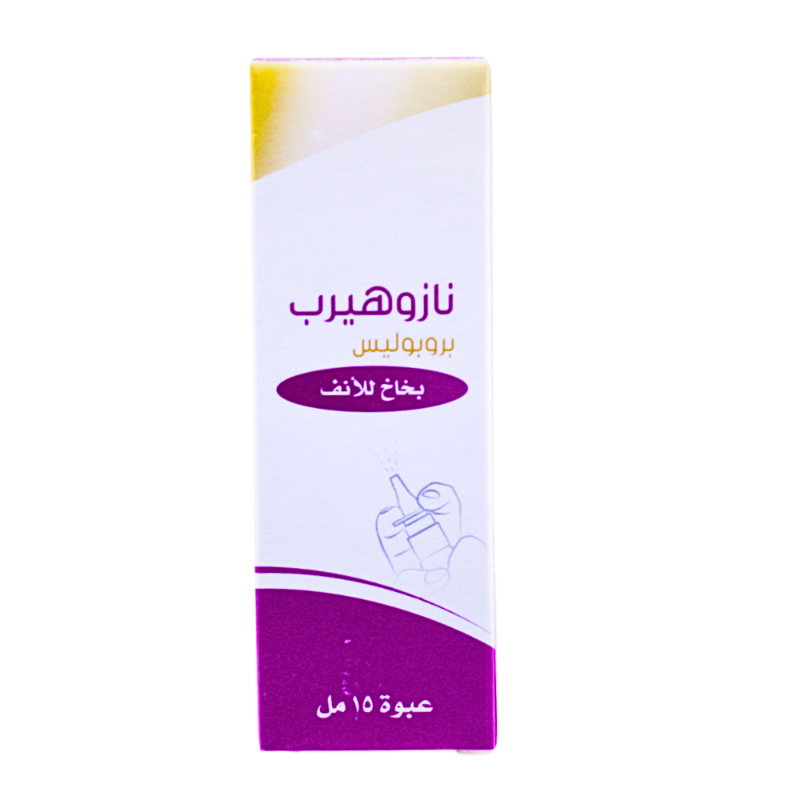
Medications > Cold, Cough, and Allergy Medications
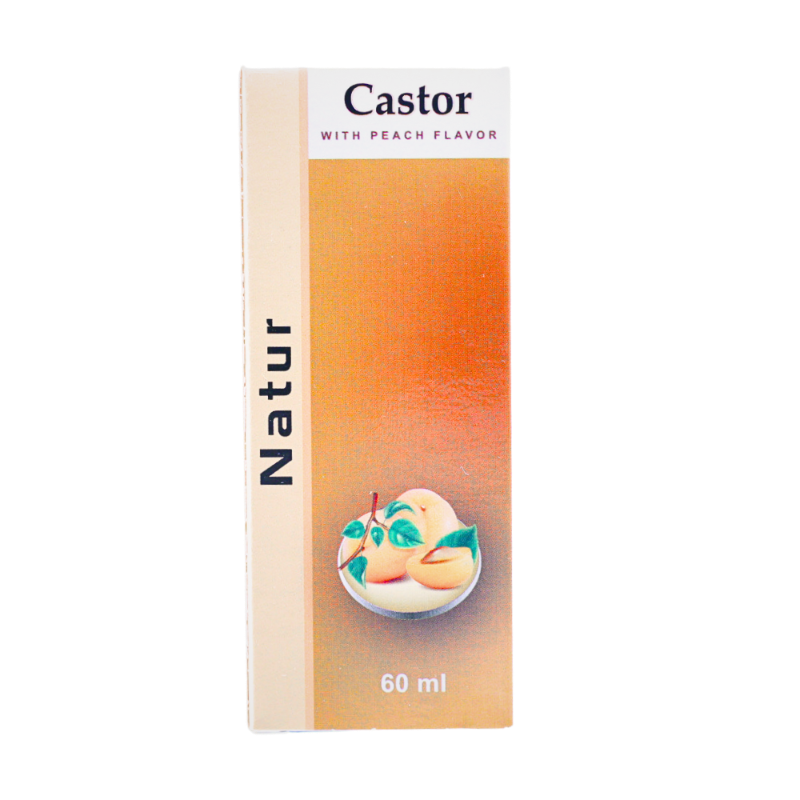
Medications > Gastrointestinal Medications
Medications > Painkillers and Antipyretics
Medications > Eye and Ear Medications
Medications > Painkillers and Antipyretics
