
Use Code: ND30 And Get 30% OFF | Get Free Delivery With No Minimum Order
-1744229570.gif "Almujtama Pharmacy logo")
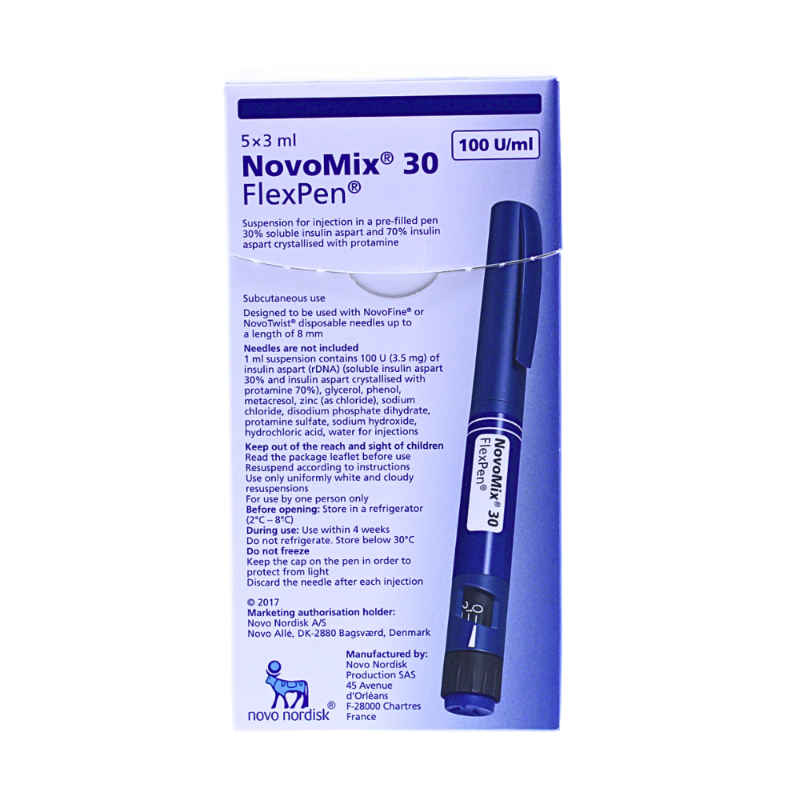




Frequently bought together
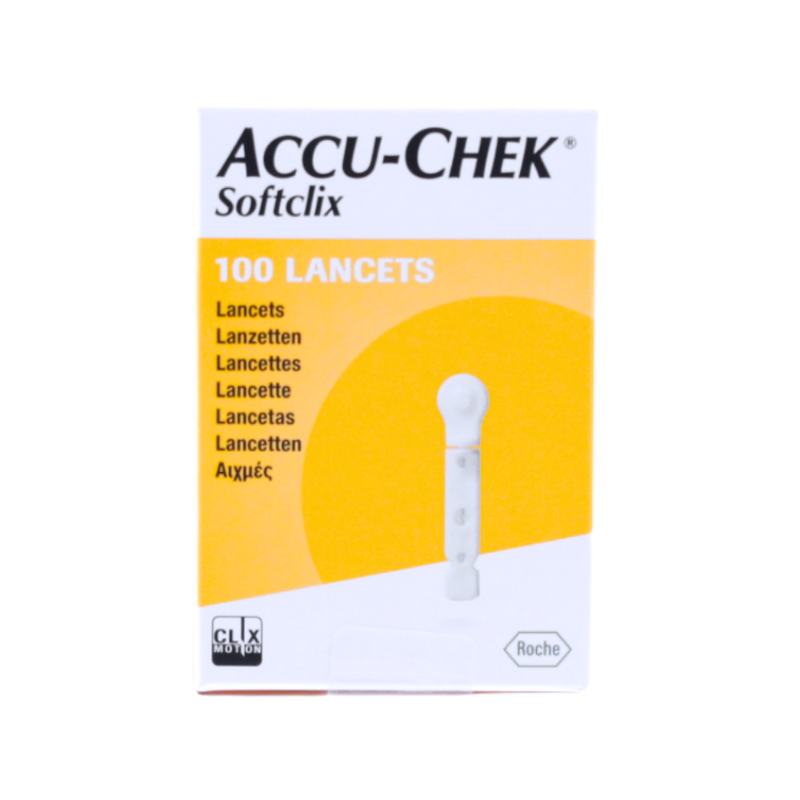
Health Care & Wellness > Diabetes Care
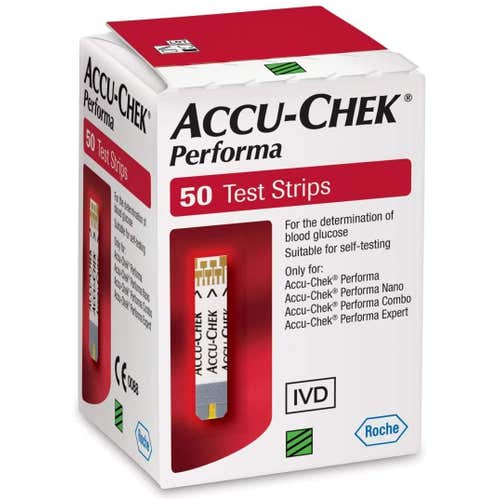
Health Care & Wellness > Diabetes Care
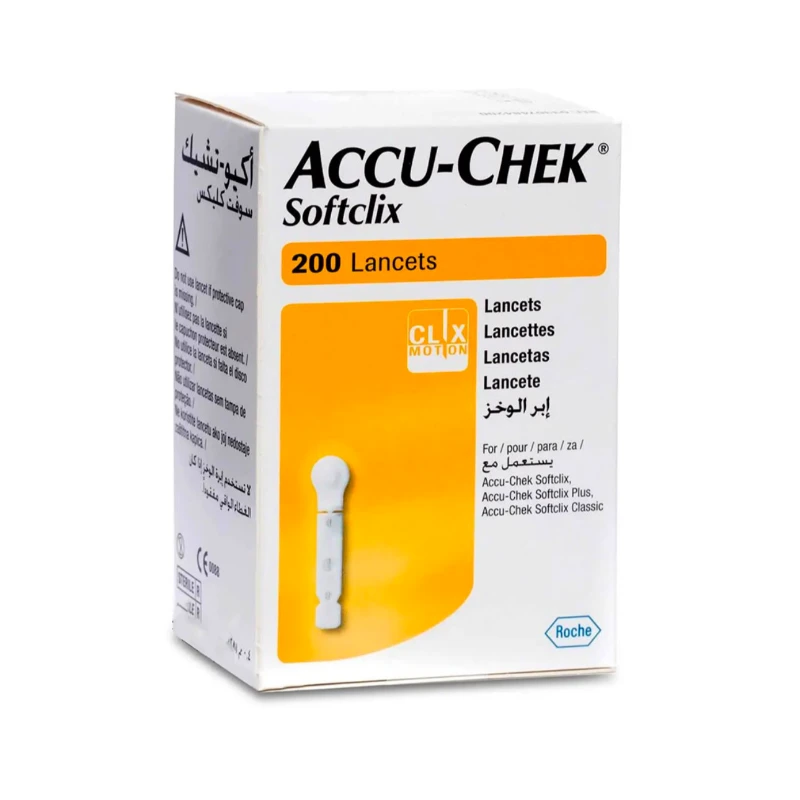
Health Care & Wellness > Diabetes Care
Skin And Body Care > Moisturizers
Skin And Body Care > Moisturizers
Skin And Body Care > Moisturizers
NOVOMIX 30 FLEXPEN 100/UNITS/ML 5×3ML/PENFILL @
- Sku : I-004437
Key features
NOVOMIX 30 FLEXPEN is a suspension for injection containing insulin aspart 50 IU/ml and insulin aspart protamine 50 IU/ml (biphasic 50/50). It binds to insulin receptors to increase peripheral glucose uptake and decrease hepatic glucose output, with soluble insulin aspart providing a rapid prandial effect and protamine-crystallised insulin aspart producing a slower intermediate basal effect via delayed subcutaneous absorption. It is indicated for the treatment of type 1 and type 2 diabetes mellitus in adults. Supplied as a 3 ml prefilled FlexPen; prescription only.- Brand: NOVOMIX
- Active Ingredient: INSULIN ASPART 50IU/ml, INSULIN ASPART PROTAMINE 50IU/ml
- Strength: 50,50IU/ml
- Dosage Form: Suspension for injection
- Pack Size: 3 ml
- Route: Subcutaneous use
- Prescription Status: Prescription
- Therapeutic Class: Antidiabetic
- Pharmacological Group: Insulins
- Drug Class: Premixed (biphasic) insulin analogue: biphasic insulin aspart 50/50 (rapid-acting insulin aspart + intermediate-acting protamine-crystallised insulin aspart).
- Manufacturer: NOVO NORDISK
- Country of Origin: Denmark
- SFDA Registration No.: 63-100-14
- Shelf Life: 24 months
- Storage: store in a refrigerator (2°c - 8°c)
- Diabetes Type: Both
- Insulin Type: Pre-mixed
Frequently bought together
Health Care & Wellness > Diabetes Care
Health Care & Wellness > Diabetes Care
Health Care & Wellness > Diabetes Care
Skin And Body Care > Moisturizers
Skin And Body Care > Moisturizers
Skin And Body Care > Moisturizers
Indications
Approved Uses
Treatment of type 2 diabetes mellitus in adults, treatment of type 1 diabetes mellitus in adults
Off-Label Uses
No specific off-label use should be asserted; insulin aspart mixtures may be used in pregnancy/gestational diabetes when clinically indicated, but this is jurisdiction- and product-label-dependent.
Dosage & Administration
Dosing by Condition
Individualize dosing for both type 1 and type 2 diabetes based on SMBG and glycaemic targets; typical total daily insulin needs are often ~0.5-1.0 units/kg/day (varies widely), and premixed regimens are commonly started and titrated (e.g., once or twice daily with meals) rather than using a fixed universal starting dose.
Initial Dose
0.5 units/kg/day for the protamine product; 6 IU twice daily administered with main meals (type 2 diabetes); individualised for type 1 diabetes
Maintenance Dose
Individualised; typically 0.5 units/kg/day divided into 2 doses before meals, with 70% of the daily dose before breakfast and 30% of the daily dose before dinner
Maximum Dose
No defined maximum dose; dose is individualised to glycaemic targets and patient needs.
Children's Dosage
Approved for children aged 10 years or older.
Dose Adjustment Notes
Titrate based on self-monitored blood glucose; dose needs may change with intercurrent illness/infection, stress, diet or activity changes; renal or hepatic impairment can reduce insulin requirements; switching from other insulin regimens requires close glucose monitoring and possible dose adjustment.
How to Take
For subcutaneous use only (do not give IV/IM). Inject into the subcutaneous tissue of the abdomen, thigh, upper arm, or buttock; rotate injection sites within the same region to reduce lipodystrophy. Because it is a suspension, resuspend before each dose by rolling the pen between the palms and inverting repeatedly until uniformly white/cloudy. Administer subcutaneously with a meal as directed by the prescriber.
How to Prepare
Allow to reach room temperature before first use if refrigerated; resuspend by rolling the pen 10 times and inverting 10 times until uniformly white and cloudy; do not use if clumps/particles remain; attach a new needle each time and perform a safety/air shot per pen-use instructions
Side Effects
Common Side Effects
Hypoglycaemia; injection-site reactions (pain, redness, swelling, itching); lipodystrophy (lipoatrophy/lipohypertrophy); weight gain; oedema.
Safety & Warnings
Contraindications
Hypoglycemia, Hypersensitivity to insulin aspart or any of the excipients.
Warnings & Precautions
Key precautions: high risk of hypoglycaemia (requires correct dose/timing with meals, exercise and interacting drugs); do not stop abruptly (risk hyperglycaemia/DKA); rotate injection sites to reduce lipodystrophy/amyloidosis; avoid product mix-ups; do not share pens; ensure proper resuspension of premix before each dose; not for IV use or pump use; caution in hypoglycaemia unawareness and monitor for hypokalaemia.
Age Restriction
Approved for adults, adolescents, and children aged 10 years or older.
Drug Interactions
Drug Interactions
Glucose-lowering effect may be increased by: other antidiabetics, ACE inhibitors, salicylates, MAO inhibitors, some beta-blockers; may be reduced by: corticosteroids, thiazide diuretics, thyroid hormones, sympathomimetics, oral contraceptives; beta-blockers can mask hypoglycaemia symptoms; alcohol may potentiate/prolong hypoglycaemia; octreotide/lanreotide may increase or decrease insulin requirement.
Interaction Severity
MAJOR: Pioglitazone/other thiazolidinediones with insulin (increased risk of fluid retention/heart failure); alcohol can increase hypoglycaemia risk (clinically significant). MODERATE: Beta-blockers (mask hypoglycaemia), ACE inhibitors/salicylates (may enhance glucose-lowering), corticosteroids/thiazides/thyroid hormones/sympathomimetics/oral contraceptives (may raise glucose and increase insulin needs), MAO inhibitors (may enhance hypoglycaemia). VARIABLE: Octreotide/lanreotide (may increase or decrease insulin requirements).
Food Interaction
Give with a meal: usually immediately before (within ~10 minutes of starting a meal); if necessary, it may be administered soon after starting a meal-avoid injecting without ensuring carbohydrate intake to reduce hypoglycaemia risk.
Alcohol Interaction
Dangerous
Special Populations
Children
Approved for children aged 10 years or older.
Elderly
Start at lower doses; titrate slowly with careful blood glucose monitoring due to increased risk of hypoglycaemia and potential renal impairment
Kidney Impairment
No fixed adjustment; renal impairment may reduce insulin requirements-individualise dose with intensified glucose monitoring and reduce as needed.
Liver Impairment
No fixed adjustment; hepatic impairment may reduce insulin requirements-individualise dose with intensified glucose monitoring and reduce as needed.
Storage & Patient Advice
Preparation Instructions
Allow to reach room temperature before first use if refrigerated; resuspend by rolling the pen 10 times and inverting 10 times until uniformly white and cloudy; do not use if clumps/particles remain; attach a new needle each time and perform a safety/air shot per pen-use instructions
Stopping the Medicine
Do not discontinue without medical supervision; stopping insulin can cause severe hyperglycaemia and diabetic ketoacidosis (especially in type 1 diabetes).
Overdose
Overdose primarily causes hypoglycaemia; treat mild/moderate with oral fast-acting carbohydrate, and severe episodes with glucagon (IM/SC) or IV glucose with medical supervision and continued monitoring for recurrence.
Patient Counseling
Confirm the correct pen/label and dose; resuspend until uniformly white/cloudy before each injection; inject subcutaneously with site rotation and never share the pen; take with a meal (immediately before, or soon after starting if needed) and do not skip meals after dosing; recognize and treat hypoglycaemia and carry fast-acting carbohydrate; store unopened pens refrigerated (2-8°C per API data) and follow product guidance for in-use storage/time at room temperature; seek advice during illness, major diet/activity changes, or recurrent hypo/hyperglycaemia.
Monitoring Requirements
Regular SMBG (fasting and postprandial as appropriate) and periodic HbA1c (typically every ~3 months until stable, then individualized); monitor for hypoglycaemia and injection-site/lipodystrophy; consider serum potassium in high-risk situations (e.g., high doses, renal impairment) and periodic renal/hepatic assessment to guide dosing.
Pharmacology
Mechanism of Action
Binds insulin receptors to increase peripheral glucose uptake and decrease hepatic glucose output; the soluble insulin aspart provides rapid prandial effect while protamine-crystallised insulin aspart provides a slower, intermediate basal effect via delayed absorption from the SC depot (50/50 for this product).
Onset of Action
Approximately 10-20 minutes after subcutaneous injection.
Duration of Effect
Up to about 24 hours (dose- and patient-dependent).
Half-Life
Apparent terminal half-life after subcutaneous dosing is governed by absorption (‘flip-flop’) and is longer than the plasma elimination half-life; for insulin aspart alone it is ~81 minutes, but for biphasic aspart/protamine the apparent terminal phase is prolonged (hours) due to the protamine component
Metabolism
Degraded by proteolytic enzymes in peripheral tissues and in insulin-clearing organs (liver and kidney), similar to human insulin
Excretion
Primarily renal elimination of metabolites (no clinically meaningful unchanged urinary excretion); specific renal clearance value (e.g., 1.2 L/h/kg) is not a standard label parameter for this product
Protein Binding
Low (<10%)
Product Information
Available Dosage Forms
Suspension for injection in 3 ml cartridge (FlexPen pre-filled pen), suspension for injection in 3 ml Penfill cartridge
Composition per Dose
Each 1 ml: insulin aspart 50 IU + insulin aspart protamine 50 IU (total 100 IU/ml); each 3 ml cartridge contains 300 IU total (150 IU insulin aspart + 150 IU insulin aspart protamine)
Generic Availability
No
OTC Alternatives
No OTC alternative
Diabetes Type
Both
Insulin Type
Pre-mixed
Reviewed by Al Mujtama Pharmacy Medical Review Team. Last reviewed 18-05-2026
Similar Products
Medications > Gastrointestinal Medications
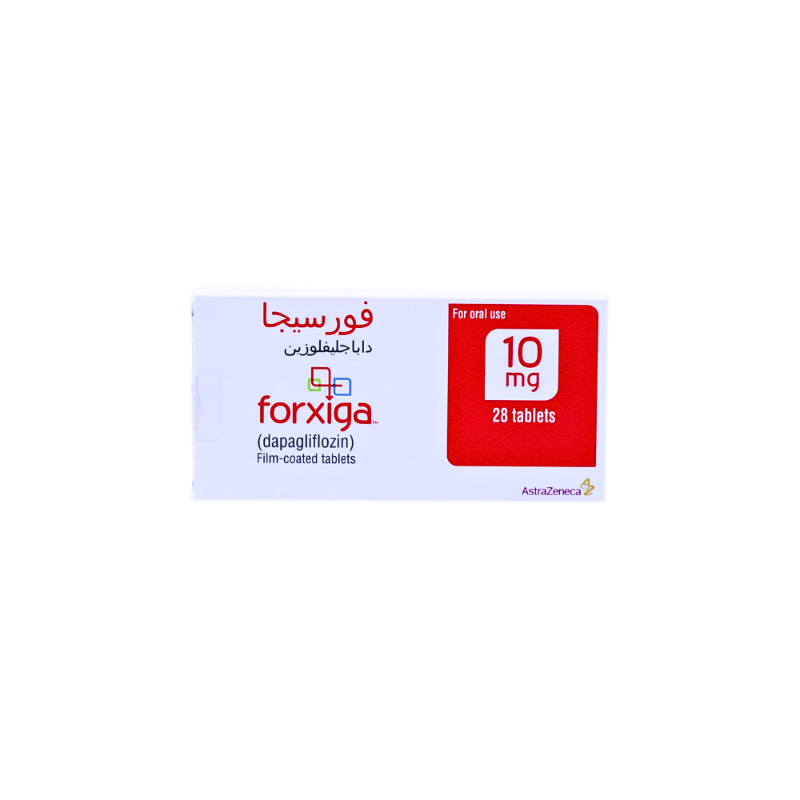
Medications > Diabetes Medications
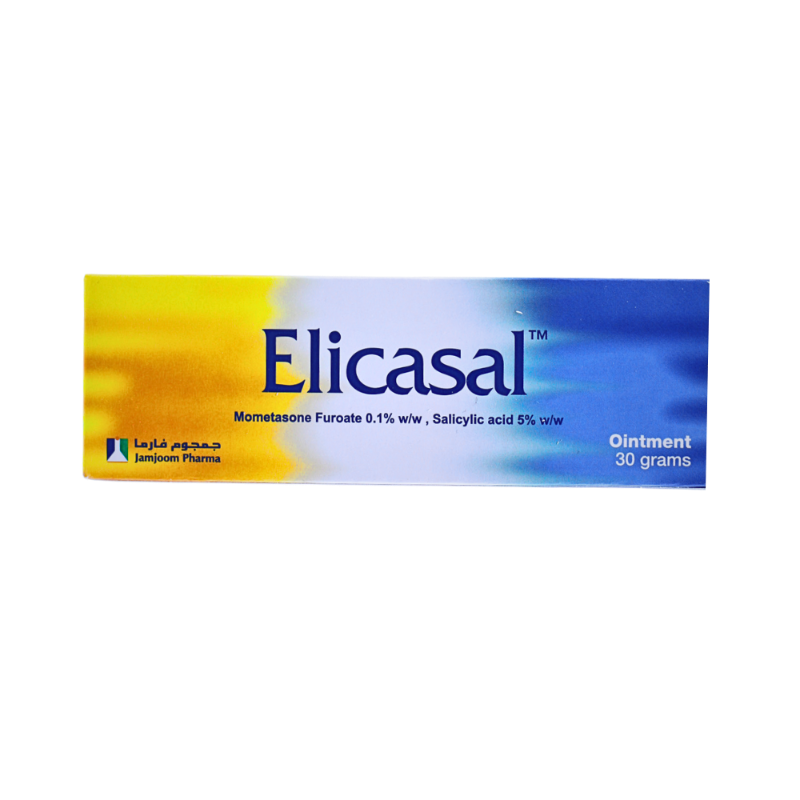
Medications > Dermatology Medications
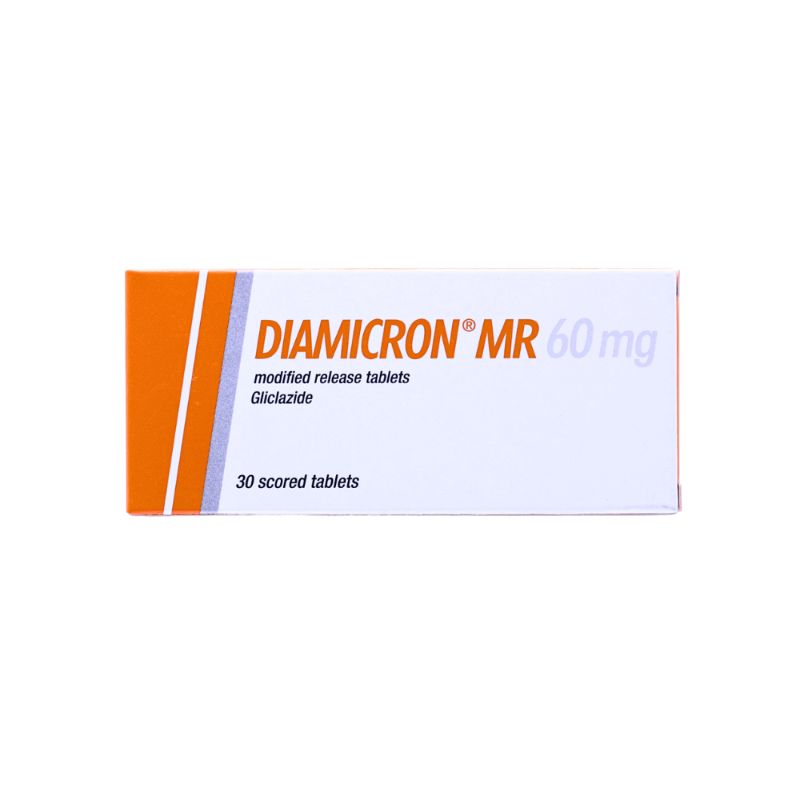
Medications > Diabetes Medications
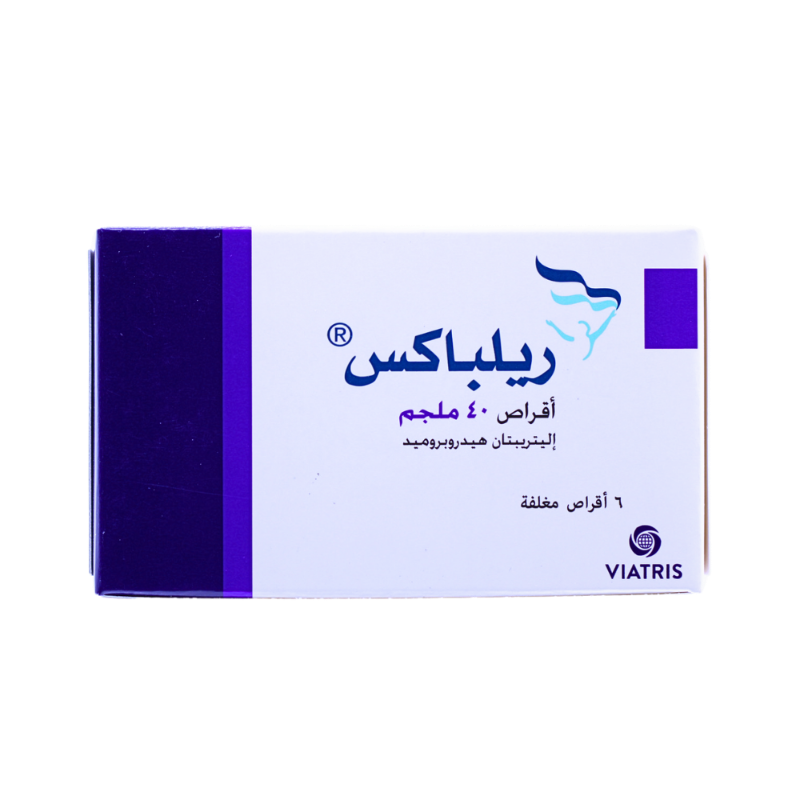
Medications > Painkillers and Antipyretics
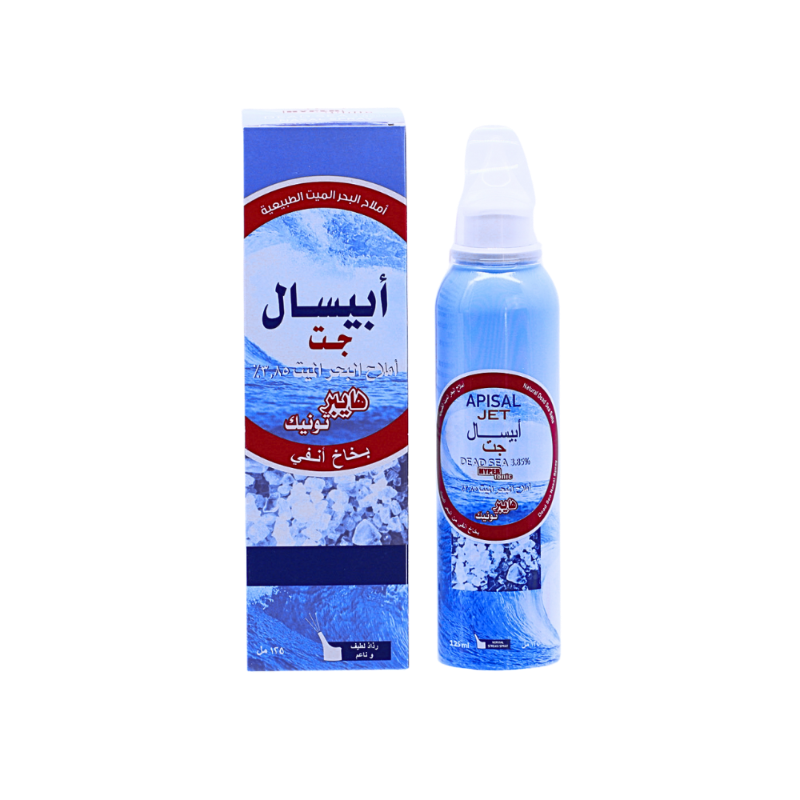
Medications > Cold, Cough, and Allergy Medications
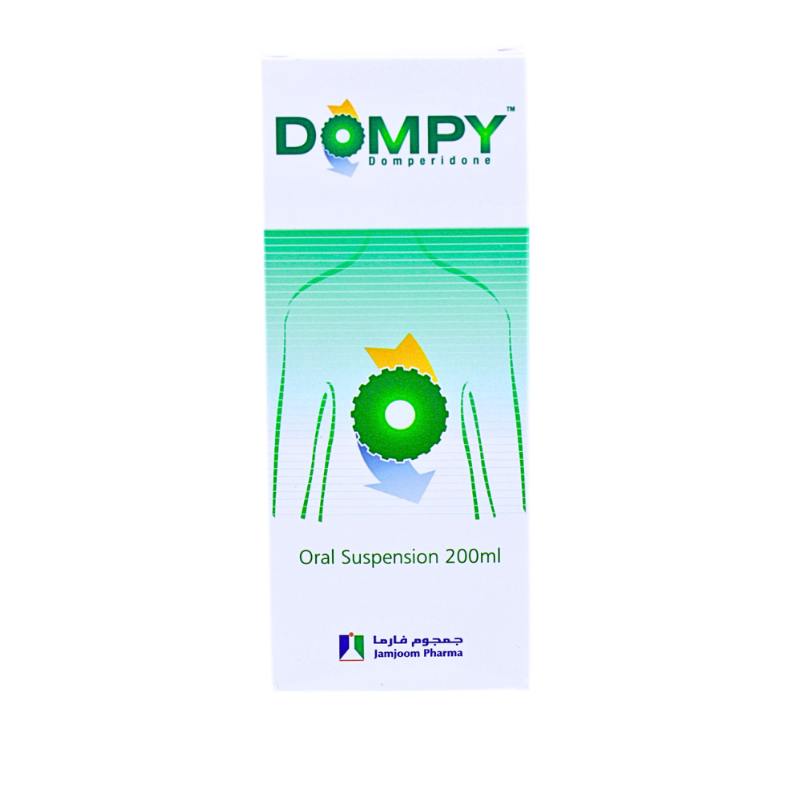
Medications > Gastrointestinal Medications
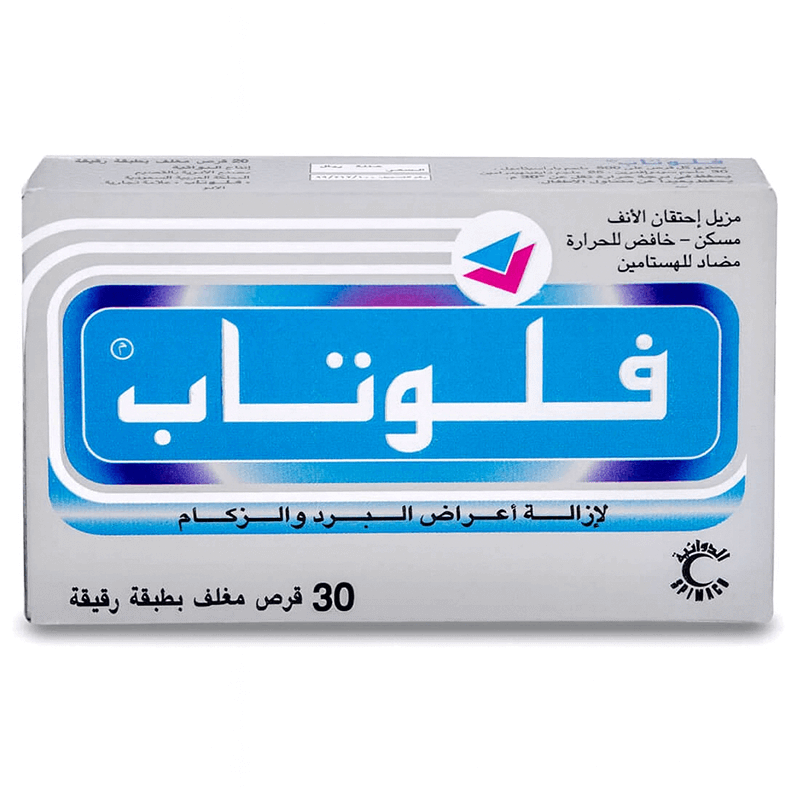
Medications > Cold, Cough, and Allergy Medications
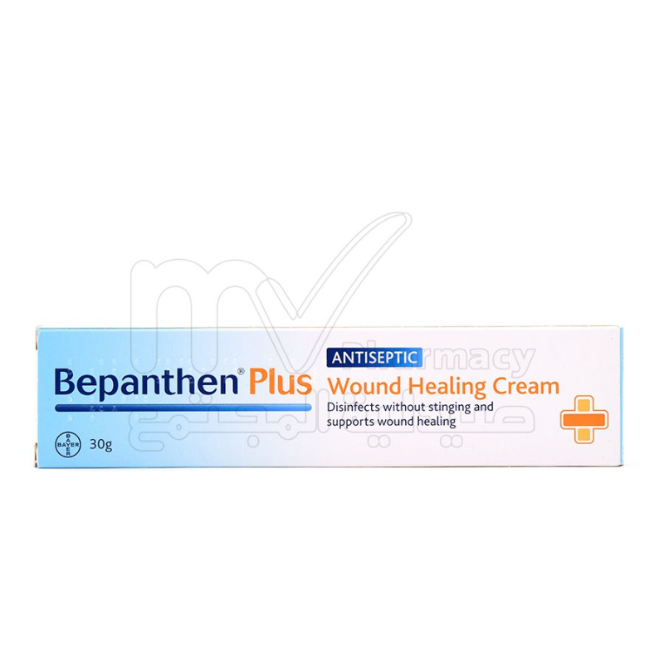
Medications > Dermatology Medications
Medications > Painkillers and Antipyretics
