
Use Code: ND30 And Get 30% OFF | Get Free Delivery With No Minimum Order
-1744229570.gif "Almujtama Pharmacy logo")




Frequently bought together
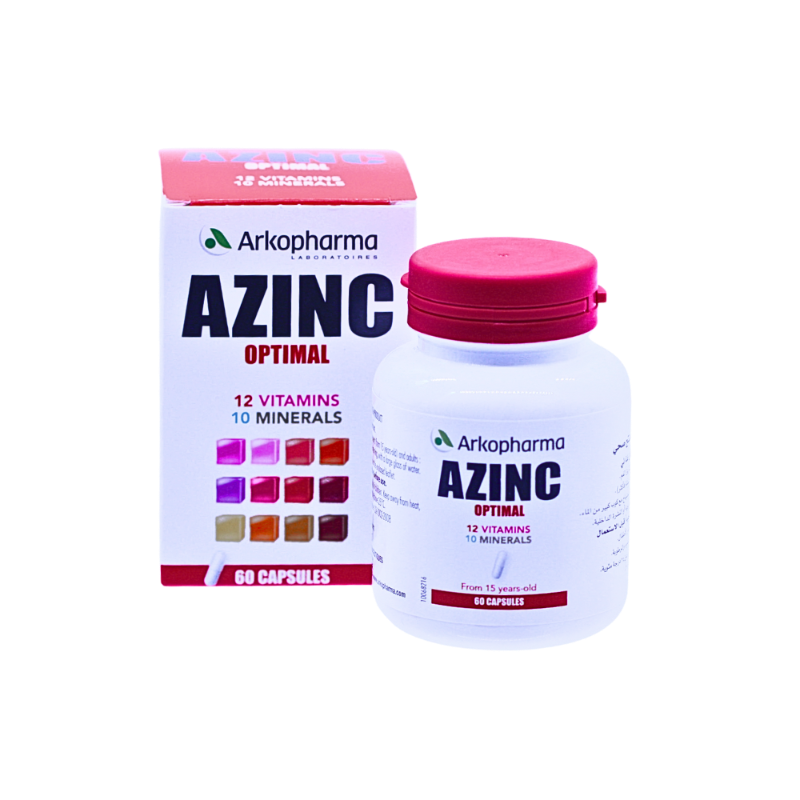
Vitamins & Supplements > Vitamins and Minerals
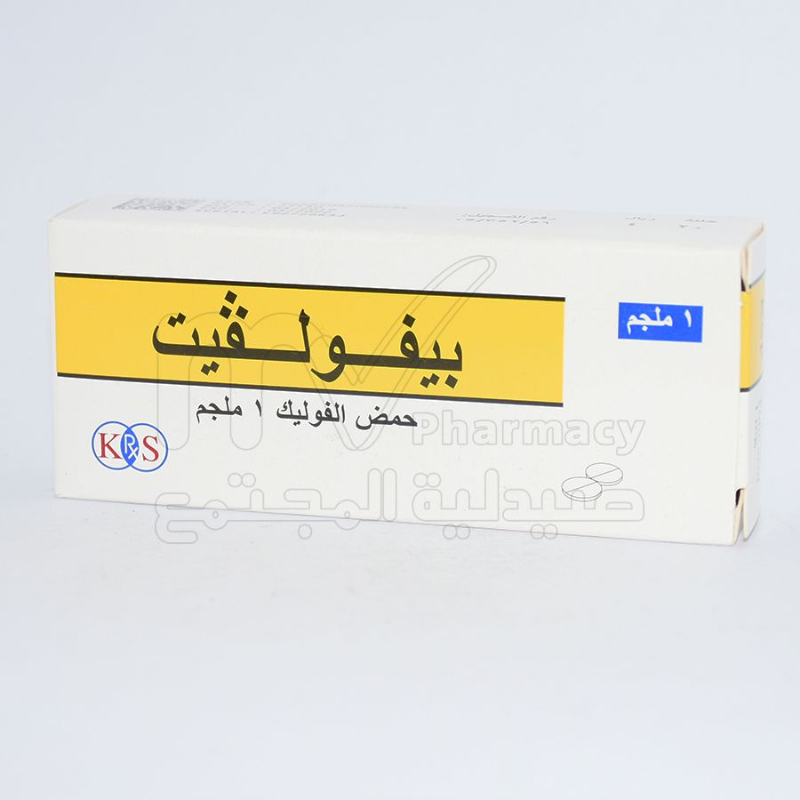
Vitamins & Supplements > Vitamins and Minerals
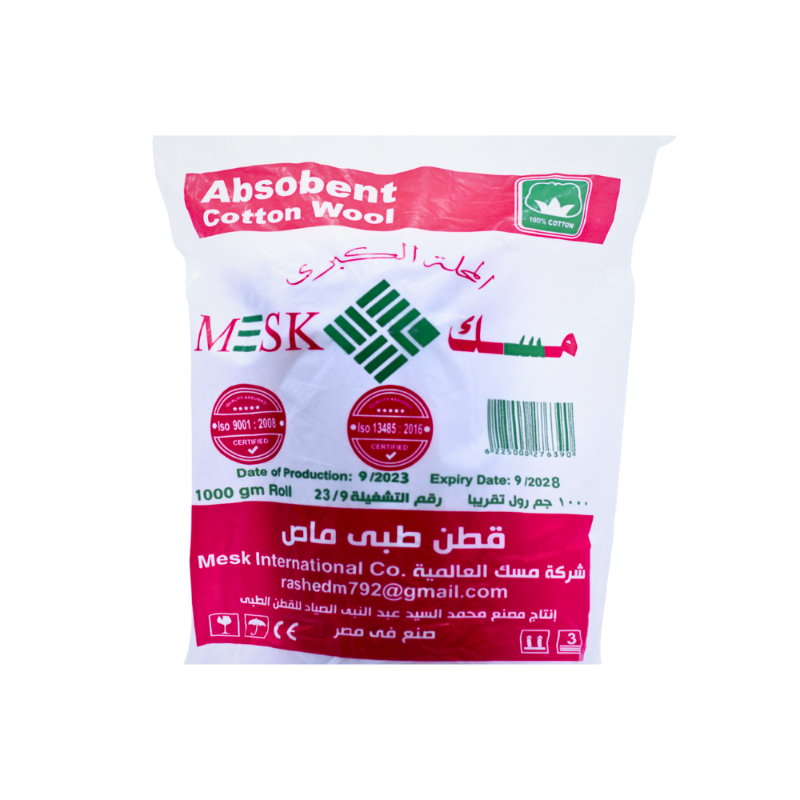
Health Care & Wellness > Medical Supplies
Health Care & Wellness > Medical Supplies
Skin And Body Care > Moisturizers
Skin And Body Care > Moisturizers
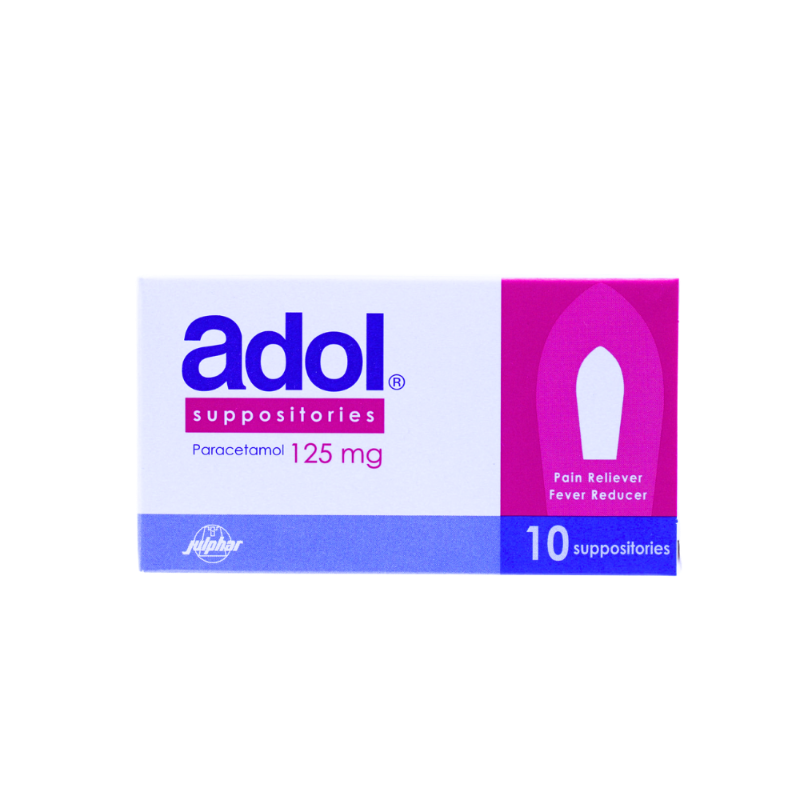
ADOL 125MG SUPP
- Sku : I-000085
Key features
ADOL 125MG SUPP is a suppository formulation containing paracetamol 125 mg as the active ingredient. It provides analgesic and antipyretic effects primarily via central inhibition of prostaglandin synthesis (COX activity in the CNS) and modulation of hypothalamic thermoregulatory pathways. The product is indicated for symptomatic relief of mild to moderate pain and fever, including pediatric patients where rectal administration is appropriate. Available OTC in packs of 10 suppositories.- Brand: ADOL
- Active Ingredient: PARACETAMOL
- Strength: 125mg
- Dosage Form: Suppository
- Pack Size: 10 Suppositories
- Route: Rectal use
- Prescription Status: OTC
- Therapeutic Class: Analgesic
- Pharmacological Group: Anilides (Paracetamol)
- Drug Class: Non-opioid analgesic and antipyretic (para-aminophenol/anilide derivative).
- Manufacturer: Gulf Pharmaceutical Industries (Julphar)
- Country of Origin: United Arab Emirates
- SFDA Registration No.: 1904221960
- Shelf Life: 36 months
- Storage: Store below 30°C , protect from Light
- Pain Type: General
- Nsaid: No
- Opioid: No
Frequently bought together
Vitamins & Supplements > Vitamins and Minerals
Vitamins & Supplements > Vitamins and Minerals
Health Care & Wellness > Medical Supplies
Health Care & Wellness > Medical Supplies
Skin And Body Care > Moisturizers
Skin And Body Care > Moisturizers
Indications
Approved Uses
Symptomatic treatment of mild to moderate pain and fever (antipyretic and analgesic), including in pediatric patients where rectal administration is appropriate.
Dosage & Administration
Dosing by Condition
Fever or mild-moderate pain (children): dose by weight-typically 10-15 mg/kg per dose every 4-6 hours as needed (rectal route acceptable), with a maximum of 4 doses in 24 hours (and do not exceed usual pediatric daily maximums per local guidance). A 125 mg suppository approximates a 10-15 mg/kg dose for a child ~8-12.5 kg.
Initial Dose
125mg rectally (single dose for children approximately 3 months to 1 year or as weight-based dosing: 10-15 mg/kg/dose)
Maintenance Dose
10-15 mg/kg/dose every 4-6 hours as needed
Maximum Dose
Rectal (paracetamol): 10-15 mg/kg per dose every 4-6 hours as needed; maximum 60 mg/kg/day (do not exceed 4 doses in 24 hours).
Children's Dosage
10-15 mg/kg/dose every 4-6 hours rectally; 125mg suppository suitable for children approximately 3 months to 2 years (5-12 kg); do not exceed 60 mg/kg/day
Dose Adjustment Notes
Renal impairment: if severe (e.g., CrCl <30 mL/min), extend dosing interval (e.g., at least every 6-8 hours) and avoid excessive total daily dose; hepatic impairment/chronic alcohol use/malnutrition: use the lowest effective dose, limit total daily dose, and avoid prolonged use without medical supervision.
Side Effects
Common Side Effects
Usually well tolerated; possible adverse effects include local rectal irritation/discomfort (with suppositories) and rare hypersensitivity reactions (e.g., rash); gastrointestinal effects such as nausea are uncommon at therapeutic doses.
Side Effect Frequency
Uncommon: local rectal irritation/discomfort; Rare: hypersensitivity reactions (e.g., rash/urticaria/angioedema) and blood dyscrasias (e.g., thrombocytopenia); Very rare: severe cutaneous adverse reactions (SJS/TEN/AGEP). Hepatic/renal injury is primarily associated with overdose (or prolonged high-dose use).
Safety & Warnings
Contraindications
Hypersensitivity to paracetamol or any excipients; avoid use in severe hepatic impairment/active liver disease; avoid rectal use if there is rectal/anal inflammation, bleeding, or recent anorectal surgery (product-specific).
Warnings & Precautions
Do not exceed recommended dose or use multiple paracetamol-containing products; seek urgent advice after any suspected overdose even if well; use caution in hepatic disease, chronic alcohol use, malnutrition/dehydration, and renal impairment; stop and seek care if rash/skin reaction occurs; avoid rectal use with rectal/anal pathology (inflammation/bleeding).
Age Restriction
May be used in infants and children when weight-based dosing is followed; in infants <3 months use only with medical advice/supervision.
Driving Warning
Safe
Drug Interactions
Drug Interactions
Warfarin (INR may increase with repeated/prolonged paracetamol use); alcohol and enzyme inducers (e.g., carbamazepine, phenytoin, rifampicin) and isoniazid (increased hepatotoxicity risk); cholestyramine (reduced absorption if given close together); metoclopramide/domperidone (faster absorption-mainly relevant to oral forms).
Interaction Severity
MAJOR/clinically significant: chronic heavy alcohol use or other hepatotoxic risk factors (increased hepatotoxicity risk with overdose/high doses); MODERATE: warfarin (regular scheduled paracetamol for several days can increase INR), enzyme inducers such as carbamazepine/phenytoin/phenobarbital/rifampicin and isoniazid (increase hepatotoxicity risk), cholestyramine (reduces absorption-separate dosing); MINOR: metoclopramide/domperidone (may increase absorption rate-less relevant for rectal).
Food Interaction
No restriction
Alcohol Interaction
Dangerous
Special Populations
Breastfeeding
Safe
Children
10-15 mg/kg/dose every 4-6 hours rectally; 125mg suppository suitable for children approximately 3 months to 2 years (5-12 kg); do not exceed 60 mg/kg/day
Elderly
Rectal: Use the lowest effective dose; typical maximum 3,000 mg/day in frail elderly or low body weight (do not exceed 4,000 mg/day).
Liver Impairment
Use with caution in hepatic impairment; in severe hepatic impairment/active liver disease avoid or use only under specialist/medical supervision with reduced total daily dose and/or extended interval.
Storage & Patient Advice
Missed Dose
If a dose is missed, give it when remembered if still needed; if it is close to the next dose, skip the missed dose-do not double; keep at least 4-6 hours between doses and do not exceed 4 doses in 24 hours.
Stopping the Medicine
May be stopped at any time when no longer needed; no tapering required.
Overdose
May be initially asymptomatic or cause nausea/vomiting/abdominal pain; serious hepatotoxicity can develop over 24-72 hours-seek urgent medical care; treatment is time-critical N-acetylcysteine (NAC) and supportive management (activated charcoal may be used early after ingestion).
Patient Counseling
For rectal use only; do not exceed 4 doses in 24 hours and keep at least 4-6 hours between doses; avoid using any other paracetamol-containing products concurrently; seek medical advice if symptoms persist (e.g., fever >3 days or pain persists) or if the child is very young/appears unwell; in overdose, seek urgent care immediately even if well; store below 30°C and protect from light (per SFDA data).
Monitoring Requirements
No routine monitoring is needed for short-term OTC use at recommended doses; consider liver function monitoring/clinical review with prolonged or high-dose use, or in hepatic risk (liver disease, chronic alcohol use, malnutrition) and monitor INR if used regularly with warfarin.
Pharmacology
Mechanism of Action
Analgesic/antipyretic effect primarily via central inhibition of prostaglandin synthesis (COX activity in the CNS) and action on hypothalamic thermoregulation; additional pathways (e.g., serotonergic descending modulation) may contribute.
Onset of Action
Rectal paracetamol has a variable onset, commonly about 30-60 minutes (may be slower than oral depending on formulation and rectal conditions).
Duration of Effect
4-6 hours
Half-Life
Approximately 2 hours in healthy subjects (typical range ~1-3 hours).
Bioavailability
Rectal bioavailability is lower and highly variable compared with oral; reported ranges vary widely (often roughly ~30-80% depending on formulation and placement), so it should be considered unpredictable rather than a single fixed value.
Metabolism
Primarily hepatic metabolism via glucuronidation and sulfation; a small fraction undergoes CYP-mediated oxidation (mainly CYP2E1, also CYP1A2/CYP3A4) to NAPQI, which is detoxified by glutathione at therapeutic doses.
Excretion
Renal excretion predominantly as inactive glucuronide and sulfate conjugates; a small fraction is excreted unchanged (typically <5%).
Protein Binding
Low protein binding at therapeutic concentrations (about 10-25%; often cited as <20%).
Product Information
Available Dosage Forms
Paracetamol is available (market-dependent) as tablets/caplets, capsules, oral liquid (solution/suspension), suppositories, and intravenous infusion/injection.
Composition per Dose
Each suppository: 125mg paracetamol
Generic Availability
Yes
OTC Alternatives
Paracetamol oral suspension (e.g., Adol syrup, Panadol syrup), paracetamol tablets for older children and adults, ibuprofen oral suspension for children over 3 months
Pain Type
General
Nsaid
No
Opioid
No
Reviewed by Al Mujtama Pharmacy Medical Review Team. Last reviewed 17-06-2026
Similar Products
Medications > Sexual Health
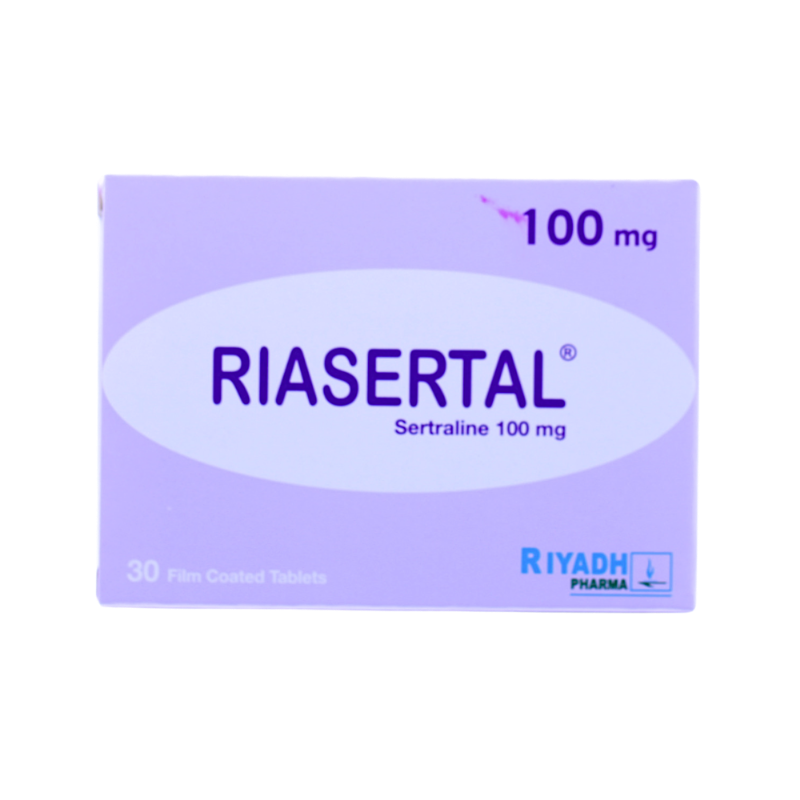
Medications > Psychiatric Medications
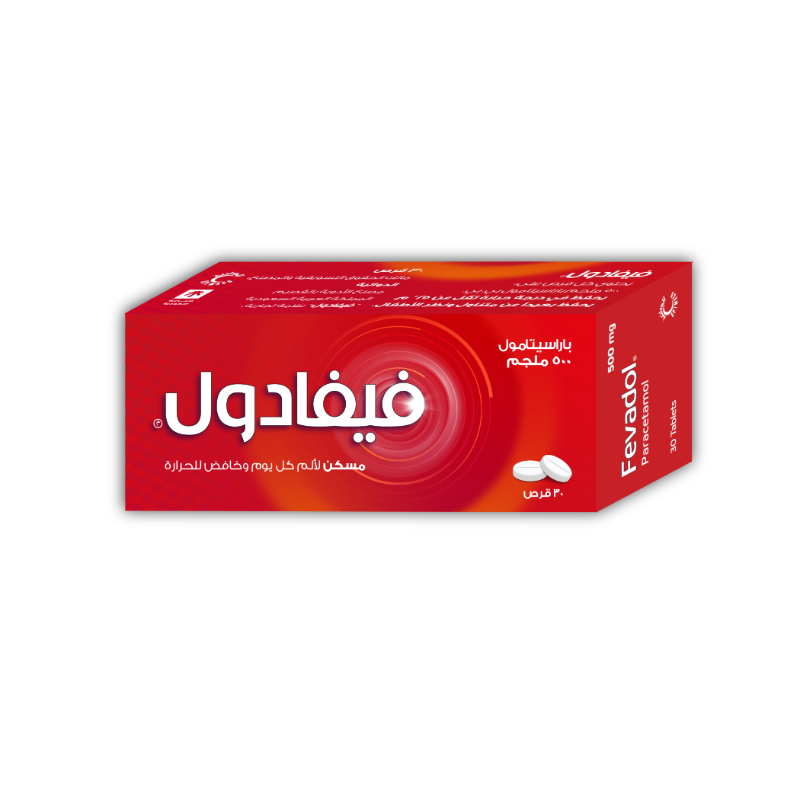
Medications > Painkillers and Antipyretics
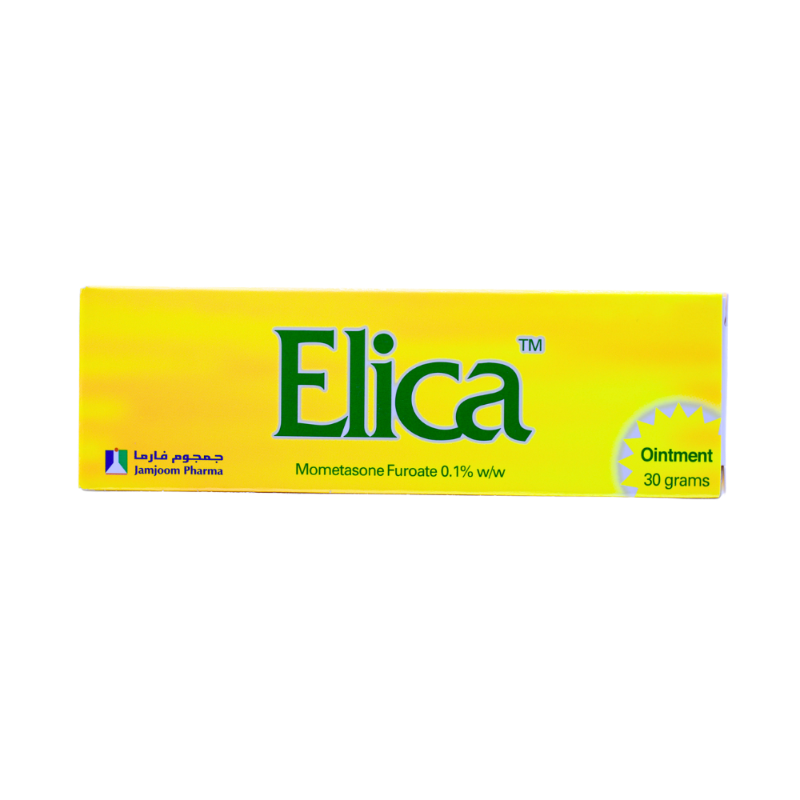
Medications > Dermatology Medications
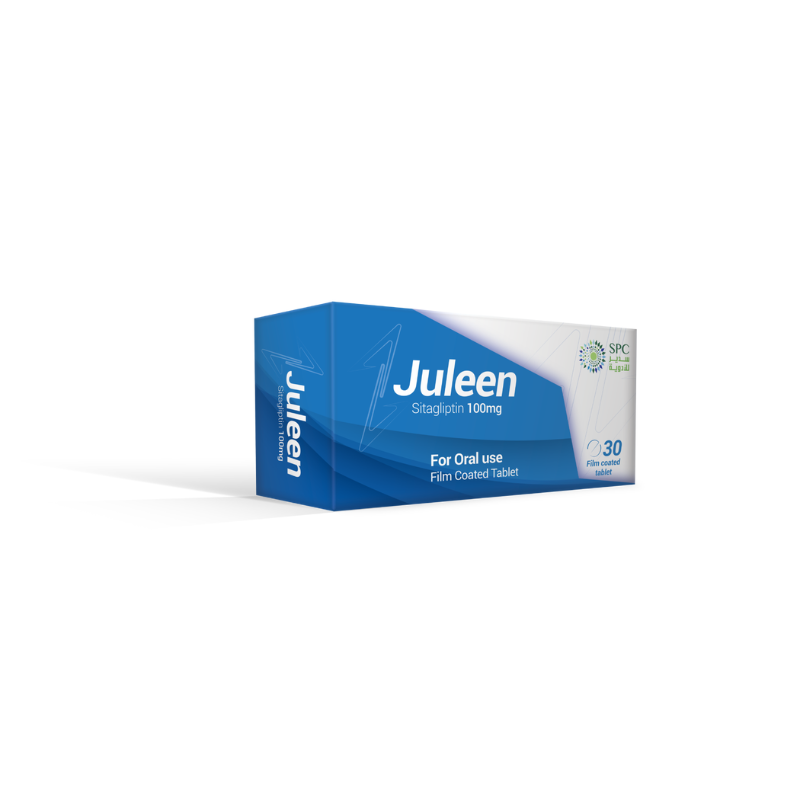
Medications > Diabetes Medications
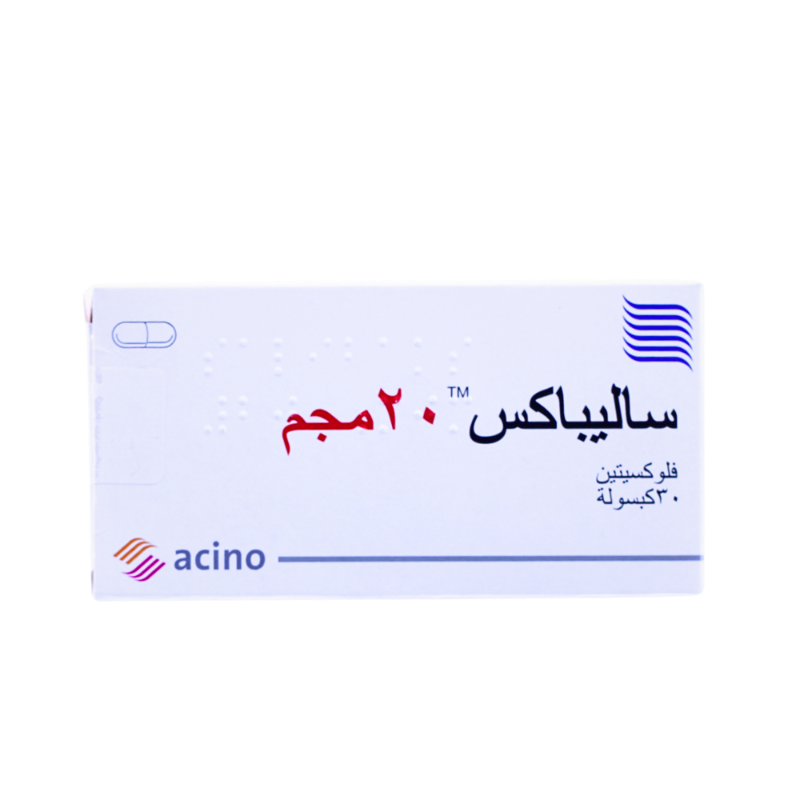
Medications > Psychiatric Medications
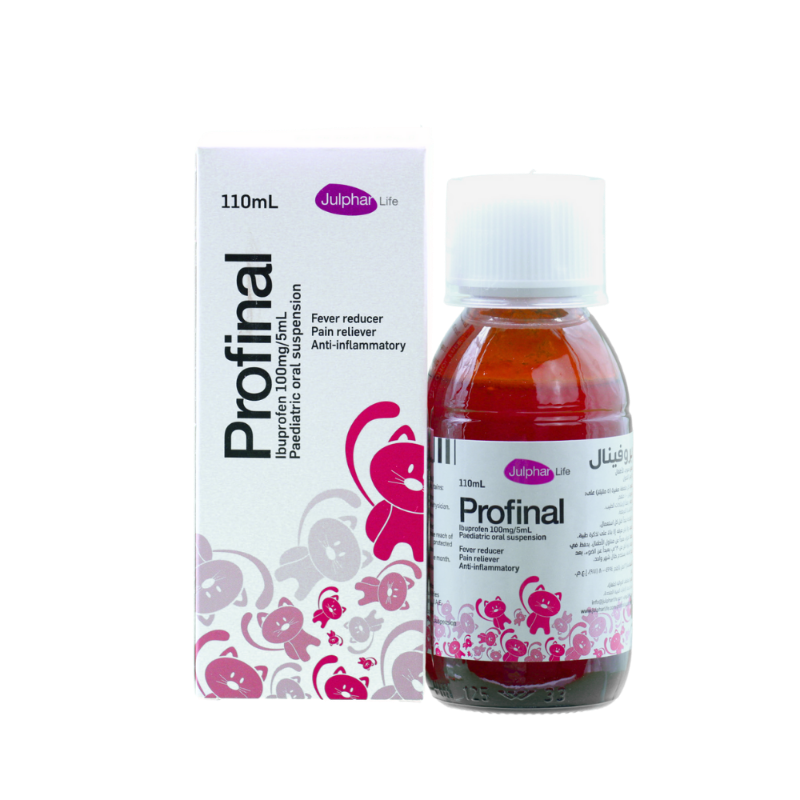
Medications > Painkillers and Antipyretics
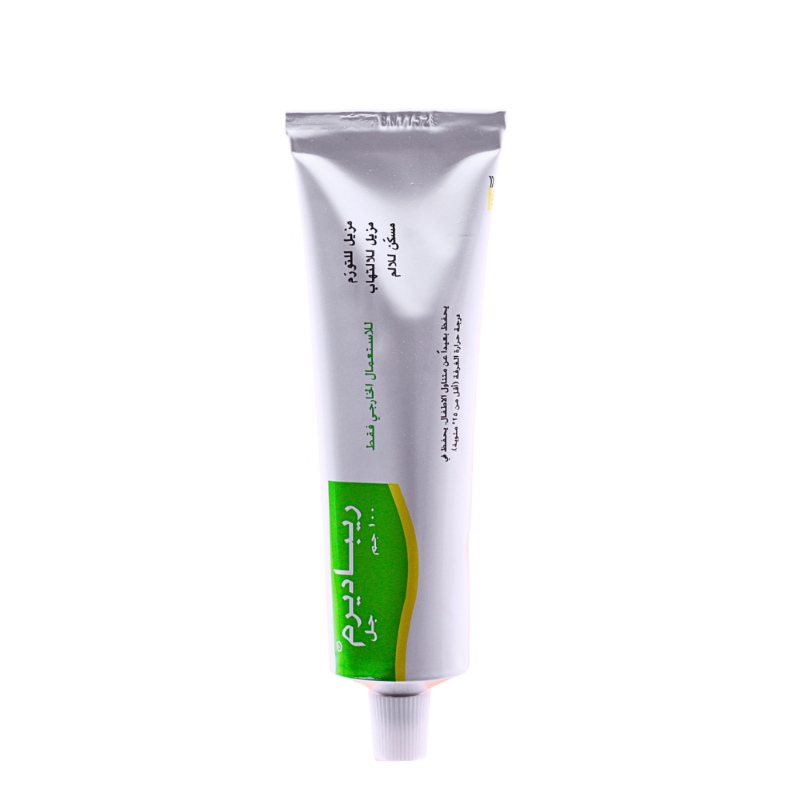
Medications > Painkillers and Antipyretics
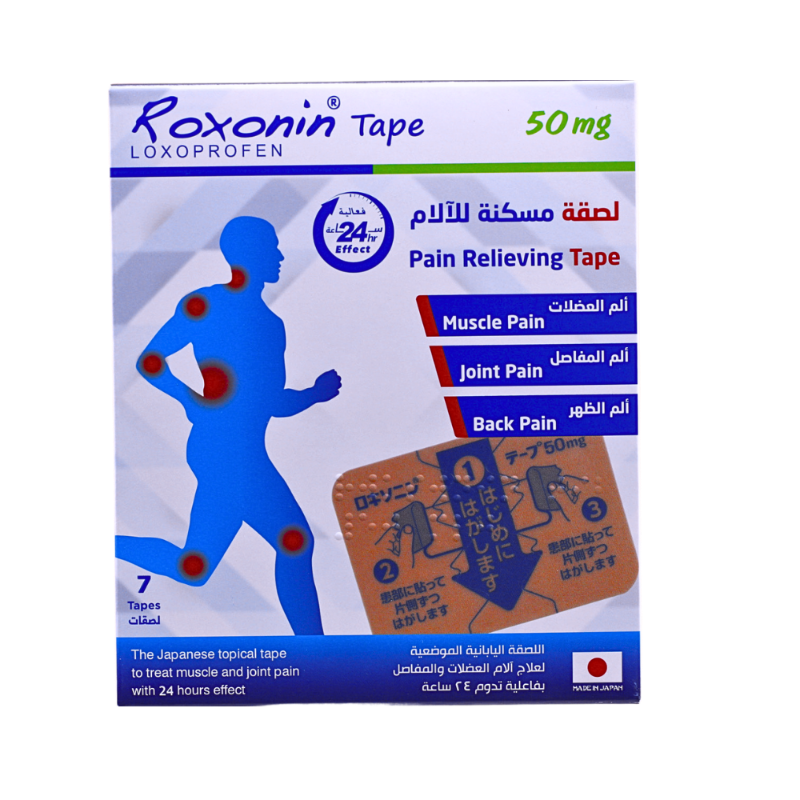
Medications > Painkillers and Antipyretics
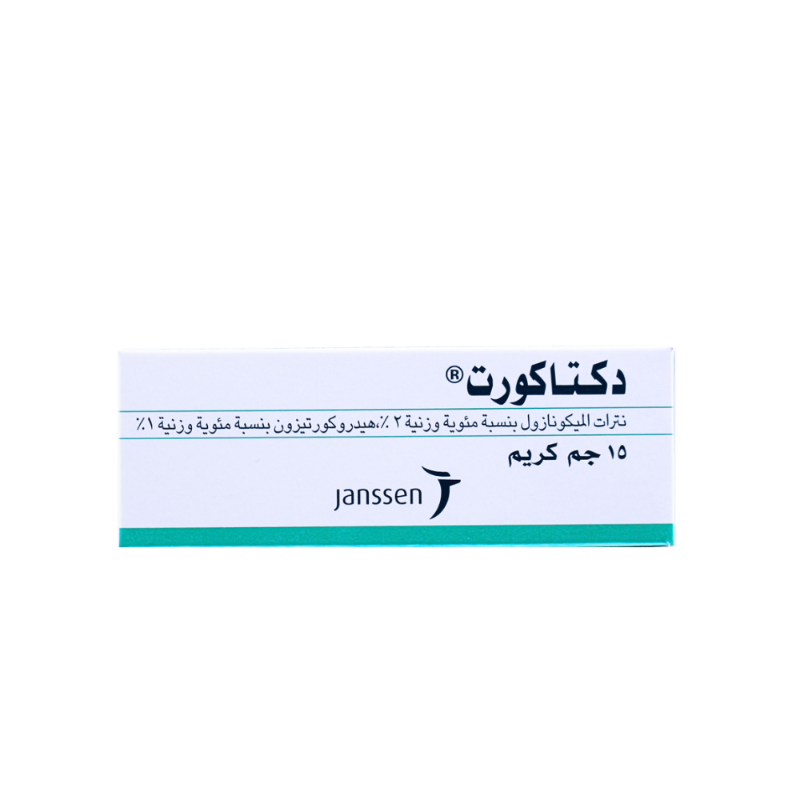
Medications > Dermatology Medications
