
Use Code: ND30 And Get 30% OFF | Get Free Delivery With No Minimum Order
-1744229570.gif "Almujtama Pharmacy logo")
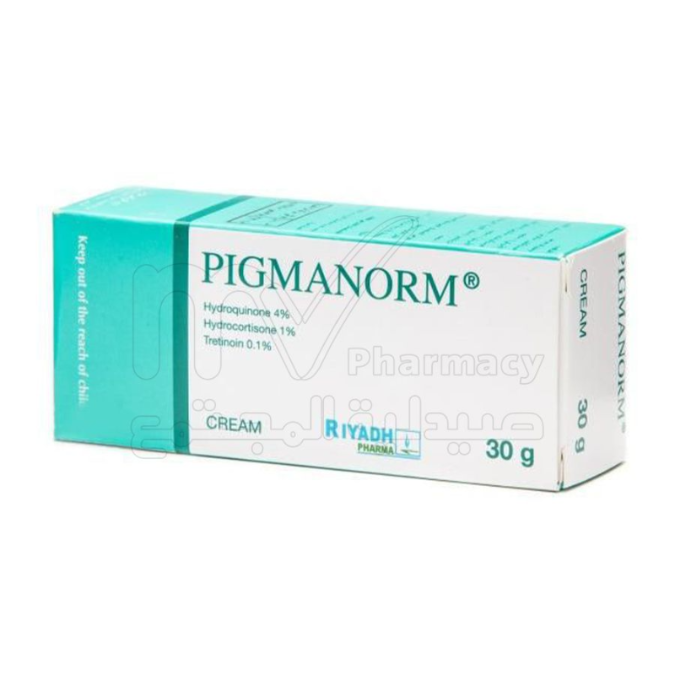




Frequently bought together
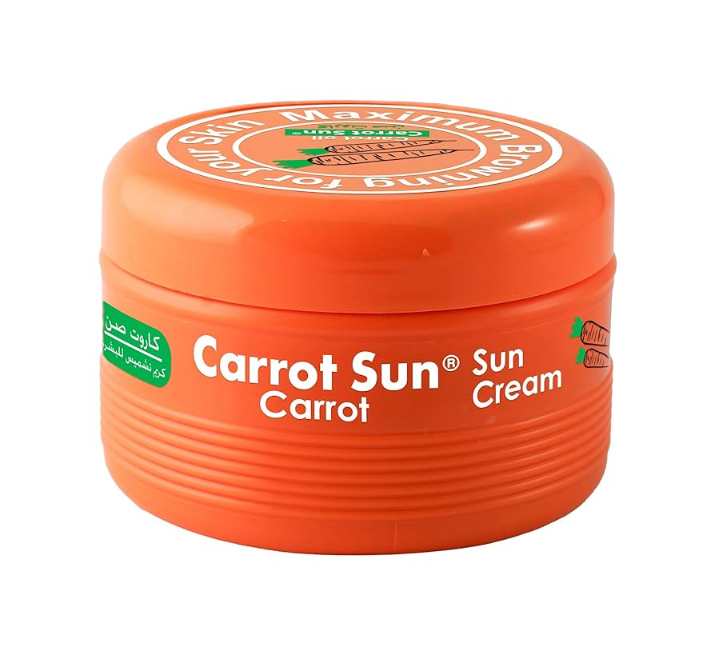
Skin And Body Care > Sun Protection And Tans
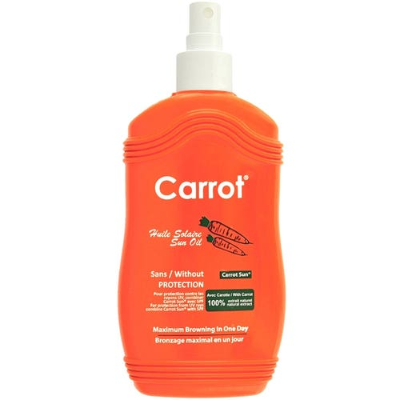
Skin And Body Care > Sun Protection And Tans
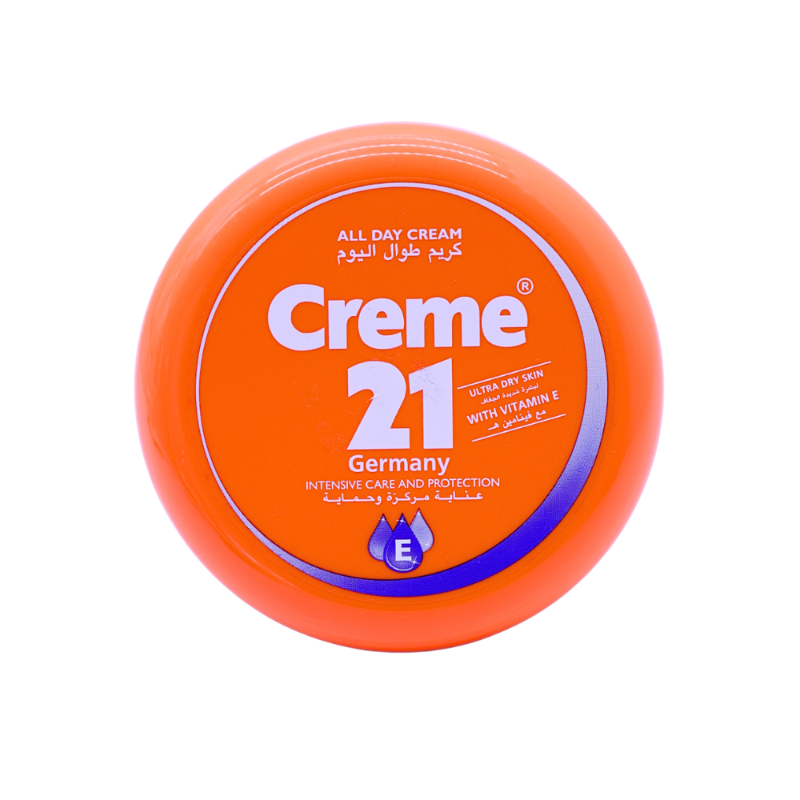
Skin And Body Care > Moisturizers
Skin And Body Care > Moisturizers
Skin And Body Care > Facial Wash And Exfoliators
PIGMANORM 30GM CREAM
- Sku : I-010377
Key features
PIGMANORM 30GM CREAM (Louis Widmer) is a topical cream containing hydroquinone 4%, hydrocortisone 1% and tretinoin 0.1%. Hydroquinone inhibits melanin synthesis, tretinoin increases epidermal turnover and enhances penetration and dispersion of pigment and hydroquinone, and hydrocortisone reduces inflammation and irritation. It is used for the treatment of localized hyperpigmentation, including melasma and post-inflammatory hyperpigmentation. Available as a 30 g cream.- Brand: LOUIS WIDMER
- Active Ingredient: HYDROQUINONE 4%, HYDROCORTISONE 1%, TRETINOIN 0.1%
- Strength: 4,1,0.1%
- Dosage Form: Cream
- Pack Size: 30 g
- Route: Topical
- Prescription Status: Prescription
- Therapeutic Class: Dermatological
- Pharmacological Group: Corticosteroids (Topical)
- Manufacturer: RIYADH PHARMA
- Country of Origin: Saudi Arabia
- SFDA Registration No.: 1111246181
- Shelf Life: 24 months
- Storage: Store below 25°C Don't Freez, Protect From Light
- Skin Condition: Hyperpigmentation, Melasma
- Steroid Potency: Mild
Frequently bought together
Skin And Body Care > Sun Protection And Tans
Skin And Body Care > Sun Protection And Tans
Skin And Body Care > Moisturizers
Skin And Body Care > Moisturizers
Skin And Body Care > Facial Wash And Exfoliators
Dosage & Administration
Dosing by Condition
Melasma/facial hyperpigmentation: apply a thin layer once daily at night to affected areas; typical course up to 8 weeks, and do not continue long-term without clinician review.
Maximum Dose
Apply a thin film once daily (typically at night) to affected areas only; avoid large surface areas and prolonged continuous use-reassess if no response by ~8 weeks and generally limit continuous courses to about 8-12 weeks unless specialist-directed.
Dose Adjustment Notes
If irritation occurs, reduce frequency (e.g., every other night) and/or use moisturizer; avoid prolonged continuous use and reassess if no meaningful improvement by ~8 weeks or if significant adverse effects occur.
How to Take
Cleanse gently and dry the skin; apply a thin film to the hyperpigmented areas only once daily at night (preferably 30 minutes before bedtime). Avoid eyes, lips, and mucous membranes; wash hands after application. Use daily broad‑spectrum sunscreen and minimize sun exposure during treatment.
Side Effects
Common Side Effects
Application-site irritation: erythema/redness, burning/stinging, dryness, peeling/desquamation, pruritus/itching; increased photosensitivity.
Safety & Warnings
Contraindications
Hypersensitivity to hydroquinone, tretinoin, hydrocortisone, or any excipient; application to eyes/mucous membranes; use on broken, sunburned, windburned, or acutely inflamed/irritated skin. Avoid use in pregnancy unless clearly needed (generally not recommended) and avoid during breastfeeding on/near the breast. Do not use in children unless directed by a specialist.
Drug Interactions
Drug Interactions
Primarily topical/dermatologic interactions: avoid or use caution with other irritating/peeling agents (e.g., other retinoids, benzoyl peroxide, salicylic acid, AHAs, abrasive cleansers, alcohol/astringents) due to additive irritation; avoid concurrent benzoyl peroxide or other oxidizing agents at the same time of day as they can oxidize/inactivate hydroquinone (separate timing if needed).
Food Interaction
No clinically relevant food interactions (topical product).
Alcohol Interaction
Safe
Special Populations
Pregnancy
Contraindicated
Breastfeeding
Contraindicated
Elderly
Standard adult dosing; use with caution due to increased risk of skin atrophy with corticosteroid component
Kidney Impairment
No dose adjustment needed.
Storage & Patient Advice
Missed Dose
Apply when remembered that night; if it is close to the next scheduled application, skip the missed dose and resume the usual once-nightly schedule-do not double apply.
Monitoring Requirements
Monitor for local irritation/contact dermatitis, skin atrophy/telangiectasia (steroid effect), and exogenous ochronosis (rare, with prolonged hydroquinone use); if used over large areas/prolonged periods, consider risk of systemic corticosteroid effects (HPA-axis suppression) though uncommon with low-potency topical use.
Pharmacology
Mechanism of Action
Hydroquinone inhibits tyrosinase to reduce melanin synthesis; tretinoin increases epidermal turnover and enhances dispersion/penetration of pigment and hydroquinone; hydrocortisone reduces inflammation and irritation and may suppress inflammatory drivers of hyperpigmentation.
Product Information
Available Dosage Forms
Cream (topical).
Composition per Dose
Each 1g of cream contains: 40mg Hydroquinone (4%), 10mg Hydrocortisone (1%), and 1mg Tretinoin (0.1%).
Skin Condition
Hyperpigmentation, Melasma
Steroid Potency
Mild
Reviewed by Al Mujtama Pharmacy Medical Review Team. Last reviewed 29-08-2026
Similar Products
Medications > Gastrointestinal Medications
Medications > Other Medicines
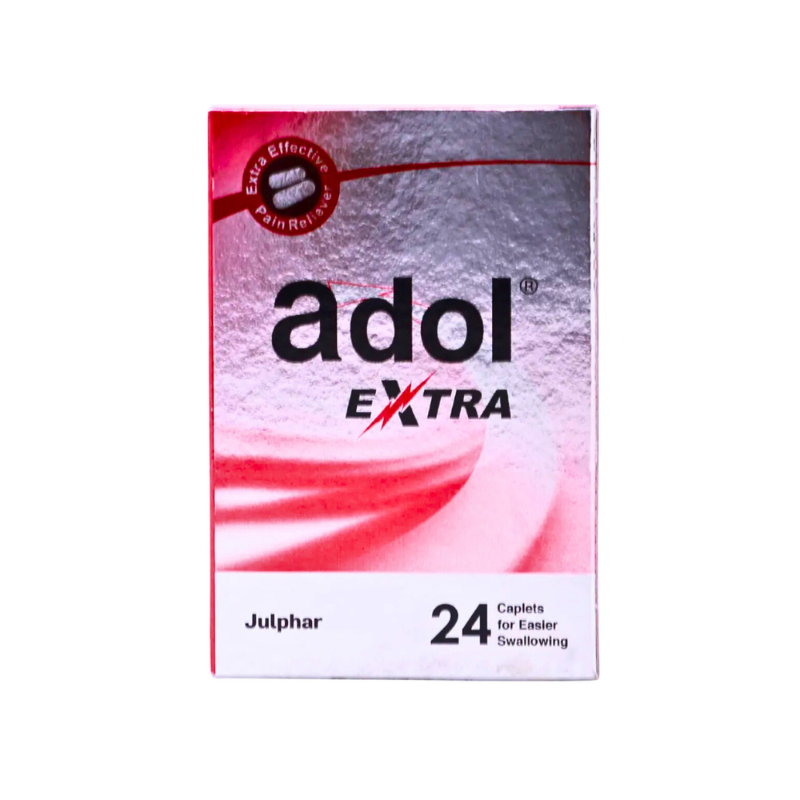
Medications > Painkillers and Antipyretics
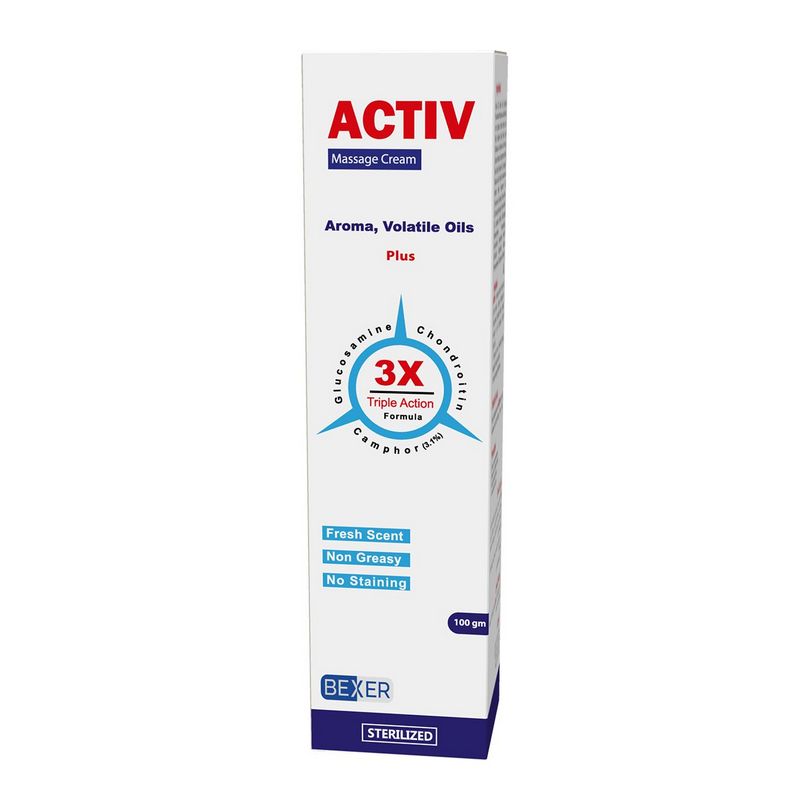
Medications > Other Medicines
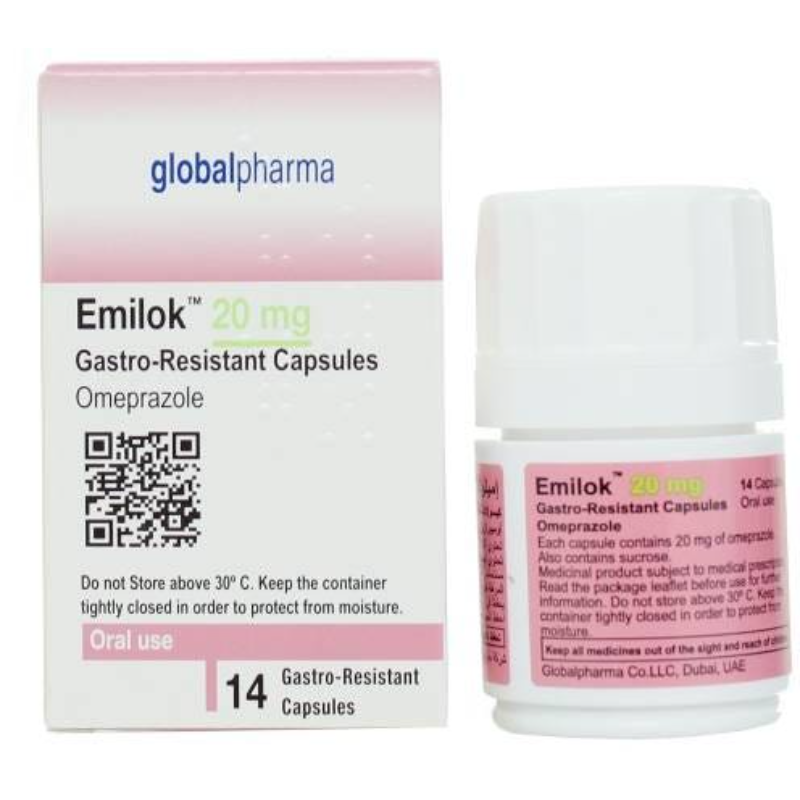
Medications > Gastrointestinal Medications
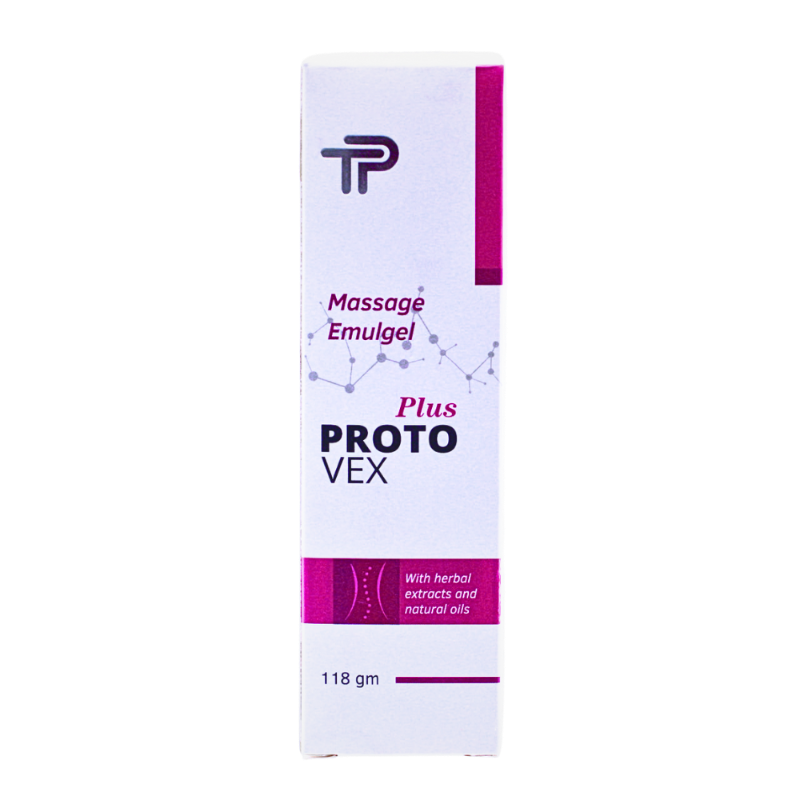
Medications > Painkillers and Antipyretics
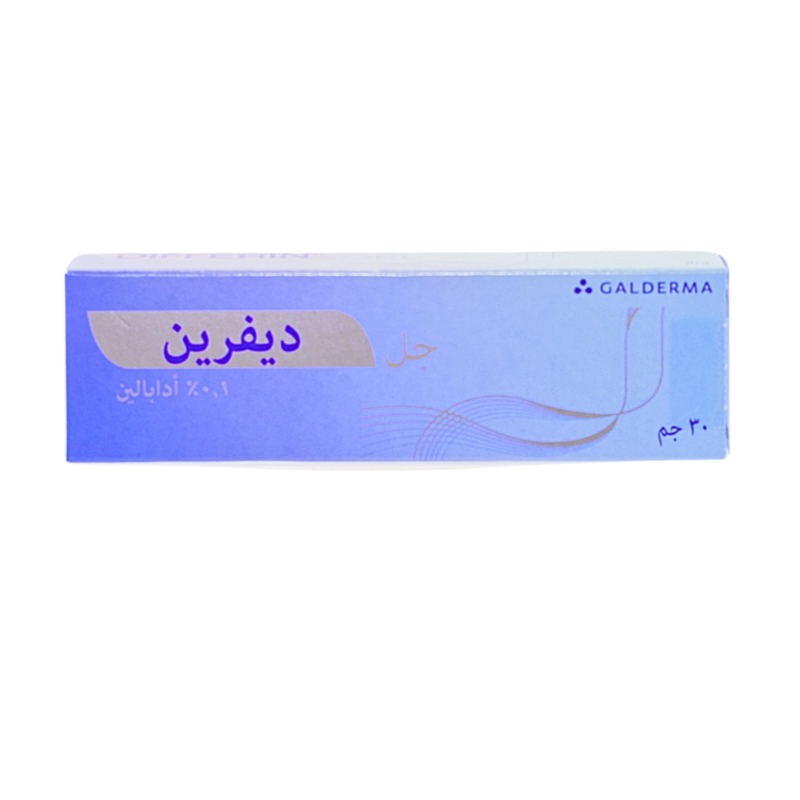
Medications > Dermatology Medications

Medications > Eye and Ear Medications
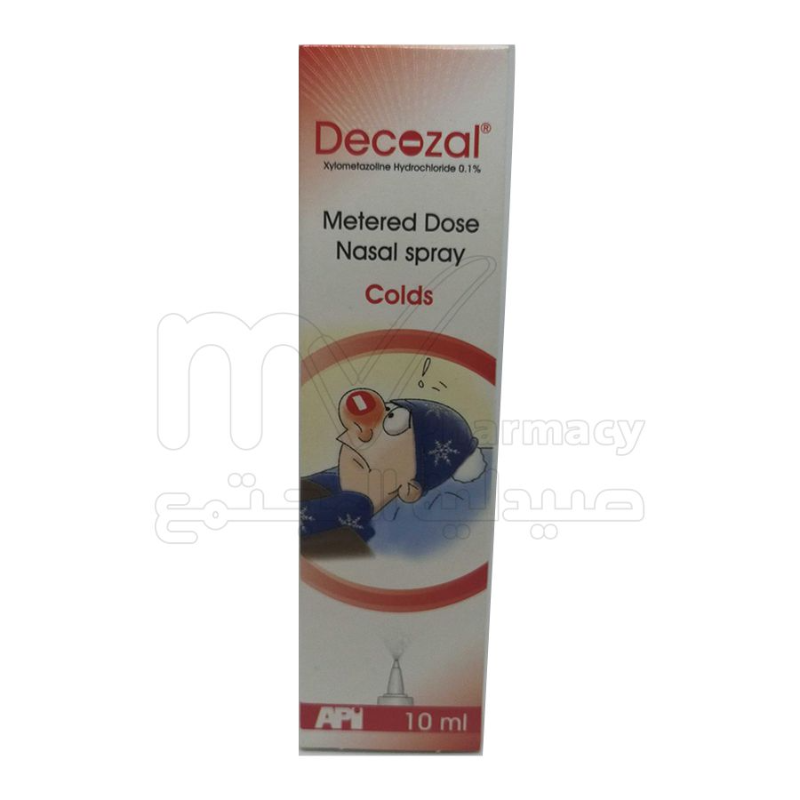
Medications > Cold, Cough, and Allergy Medications
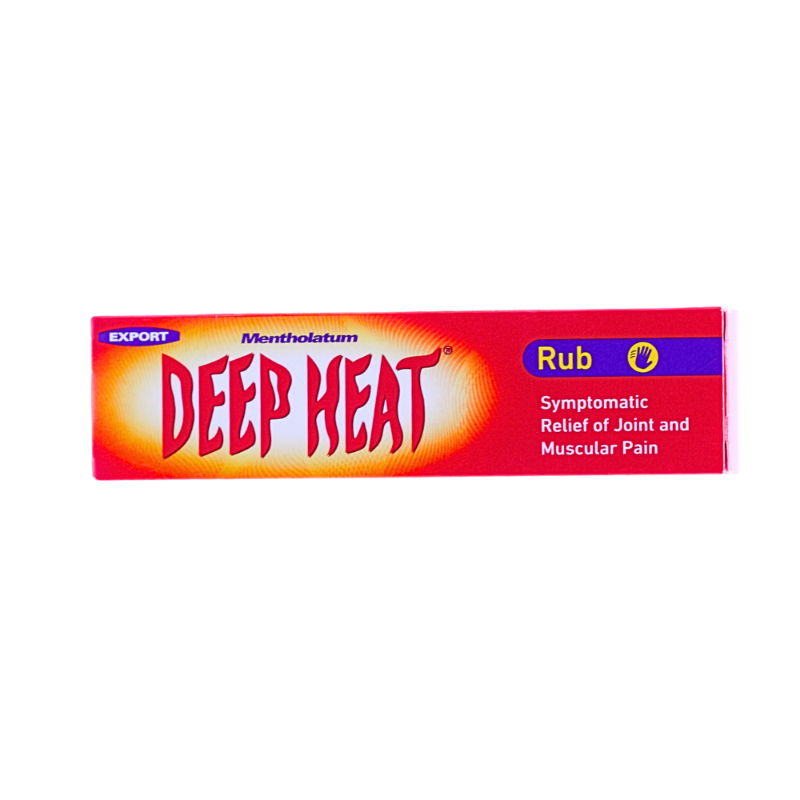
Medications > Painkillers and Antipyretics
