
Use Code: WF26 And Get 30% OFF, T&C Applay | Get Free Delivery With No Minimum Order
-1744229570.gif "Almujtama Pharmacy logo")


Frequently bought together
Oral & Dental Care > Throat & Oral Care

Oral & Dental Care > Throat & Oral Care
Oral & Dental Care > Throat & Oral Care
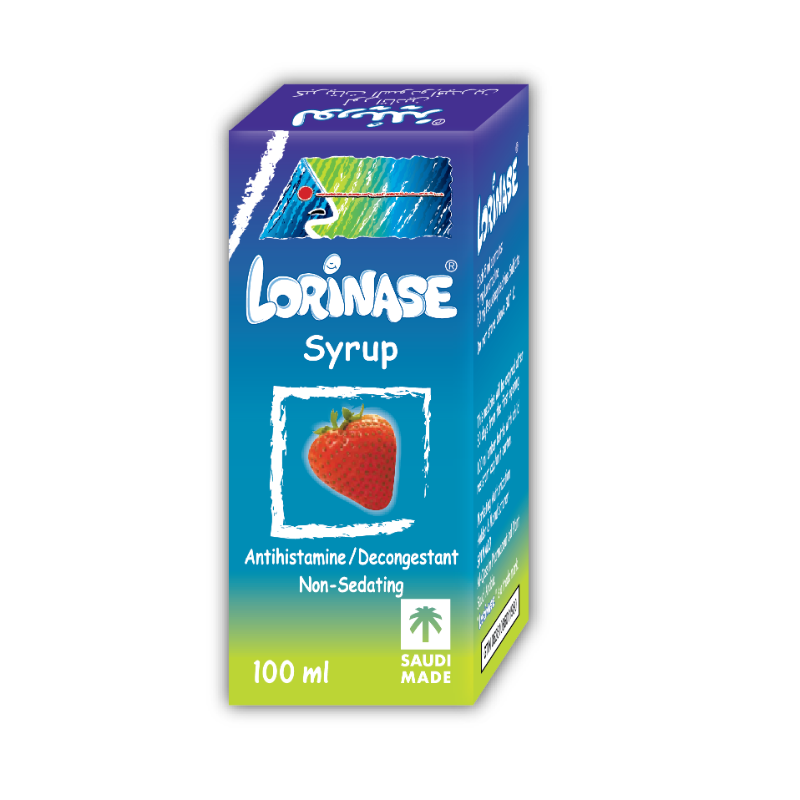
LORINASE SYRUP 100ML
- Sku : I-003660
Key features
LORINASE Syrup 100 ml is an oral syrup containing pseudoephedrine hydrochloride 12 mg/mL and loratadine 1 mg/mL. Loratadine selectively antagonizes peripheral H1 receptors to reduce histamine-mediated allergic symptoms, while pseudoephedrine produces vasoconstriction in the nasal mucosa as a sympathomimetic decongestant. It provides symptomatic relief of allergic rhinitis-seasonal or perennial-when accompanied by nasal congestion, including sneezing, rhinorrhea, nasal itching and watery eyes. Available OTC as a 100 ml syrup.- Brand: LORINASE
- Active Ingredient: PSEUDOEPHEDRINE HYDROCHLORIDE 12mg/ml, LORATADINE 1mg/ml
- Strength: 12,1mg/ml
- Dosage Form: Syrup
- Pack Size: 100 ml
- Route: Oral use
- Prescription Status: OTC
- Therapeutic Class: Antiallergic
- Pharmacological Group: Other Antihistamines
- Drug Class: Second-generation H1-antihistamine (loratadine) + sympathomimetic nasal decongestant (pseudoephedrine).
- Manufacturer: SPIMACO
- Country of Origin: Saudi Arabia
- SFDA Registration No.: 2212211498
- Shelf Life: 36 months
- Storage: store below 25°c
- Symptom Target: Congestion, Runny Nose, Allergy, Multi-symptom
- Sedating: No
Frequently bought together
Oral & Dental Care > Throat & Oral Care
Oral & Dental Care > Throat & Oral Care
Oral & Dental Care > Throat & Oral Care
Indications
Approved Uses
Symptomatic relief of allergic rhinitis (seasonal and/or perennial) when accompanied by nasal congestion (e.g., sneezing, rhinorrhea, nasal itching, itchy/watery eyes, and nasal congestion).
Dosage & Administration
Dose Adjustment Notes
Use caution in renal impairment and consider reducing dosing frequency (e.g., once daily) in severe renal impairment; use caution in hepatic impairment (loratadine exposure may increase) and consider longer dosing interval; use caution in older adults and in cardiovascular disease/hypertension due to pseudoephedrine.
Side Effects
Common Side Effects
Headache, insomnia, dry mouth, nervousness, dizziness, palpitations, tachycardia, nausea, fatigue
Safety & Warnings
Contraindications
Hypersensitivity to loratadine or pseudoephedrine, severe hypertension, severe coronary artery disease, use of MAO inhibitors within 14 days, narrow-angle glaucoma, urinary retention, hyperthyroidism
Warnings & Precautions
Use with caution/avoid in uncontrolled hypertension, significant cardiovascular disease/arrhythmias, hyperthyroidism, diabetes, glaucoma, prostatic hypertrophy/urinary retention; avoid with MAOIs (within 14 days); may cause insomnia/nervousness and raise BP/HR; do not exceed recommended dose.
Age Restriction
Not recommended for children under 2 years of age.
Drug Interactions
Drug Interactions
MAO inhibitors (contraindicated/avoid within 14 days), other sympathomimetics/stimulants, tricyclic antidepressants, antihypertensives (may reduce effect), beta-blockers (may increase BP/alter response), ergot alkaloids (additive vasoconstriction), and digoxin/cardiac glycosides (arrhythmia risk with sympathomimetics); CYP3A4 inhibitors (e.g., ketoconazole/erythromycin) can increase loratadine exposure but is usually not clinically significant.
Interaction Severity
MAJOR: MAO inhibitors (and within 14 days of stopping) - risk of hypertensive crisis. MODERATE: Other sympathomimetics/stimulants (additive BP/HR/CNS effects), tricyclic antidepressants (enhanced pressor effects), antihypertensives (may blunt antihypertensive effect), beta-blockers (possible BP effects), digoxin/digitalis (arrhythmia risk with sympathomimetics). MINOR: Strong CYP3A4/2D6 inhibitors (e.g., ketoconazole, macrolides) may increase loratadine/desloratadine exposure but usually limited clinical impact.
Special Populations
Kidney Impairment
CrCl <30 mL/min: use a lower starting dose and/or extend dosing interval (e.g., once daily); use with caution.
Storage & Patient Advice
Monitoring Requirements
No routine monitoring for short-term OTC use in healthy patients; monitor blood pressure and heart rate in patients with hypertension, cardiovascular disease, hyperthyroidism, or those experiencing palpitations/insomnia.
Pharmacology
Mechanism of Action
Loratadine selectively antagonizes peripheral H1 receptors to reduce histamine-mediated allergic symptoms; pseudoephedrine is a sympathomimetic that stimulates alpha-adrenergic receptors causing vasoconstriction in nasal mucosa, reducing edema and congestion.
Onset of Action
1-3 hours.
Duration of Effect
Approximately 12 hours.
Bioavailability
Loratadine: oral bioavailability is variable due to first-pass metabolism (commonly cited ~40%); pseudoephedrine: high oral bioavailability (commonly cited ~90% or higher) with predominant renal elimination.
Metabolism
Loratadine: extensive hepatic first-pass metabolism mainly via CYP3A4 and CYP2D6 to active metabolite (desloratadine/descarboethoxyloratadine). Pseudoephedrine: minimal metabolism; mostly excreted unchanged (minor hepatic metabolism may occur).
Excretion
Loratadine: eliminated as metabolites via both urine and feces (roughly similar proportions, ~40% each over several days). Pseudoephedrine: primarily renal excretion, largely unchanged (about 55-75% unchanged), with urinary pH affecting clearance.
Product Information
Available Dosage Forms
Syrup (oral), 100 mL bottle.
OTC Alternatives
For allergy without congestion: loratadine alone or cetirizine/levocetirizine/fexofenadine. For congestion: short-term topical nasal decongestant (e.g., xylometazoline/oxymetazoline) or intranasal corticosteroid (e.g., fluticasone) if allergic rhinitis predominates.
Symptom Target
Congestion, Runny Nose, Allergy, Multi-symptom
Sedating
No
Reviewed by Al Mujtama Pharmacy Medical Review Team. Last reviewed 30-08-2026
Similar Products
Medications > Contraceptives and Hormonal Medications
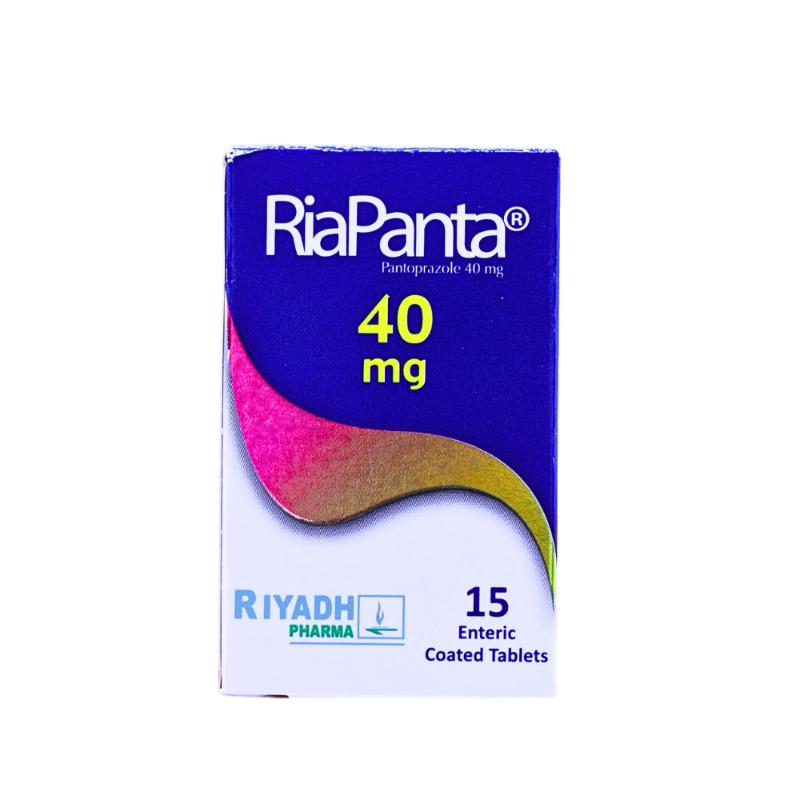
Medications > Gastrointestinal Medications
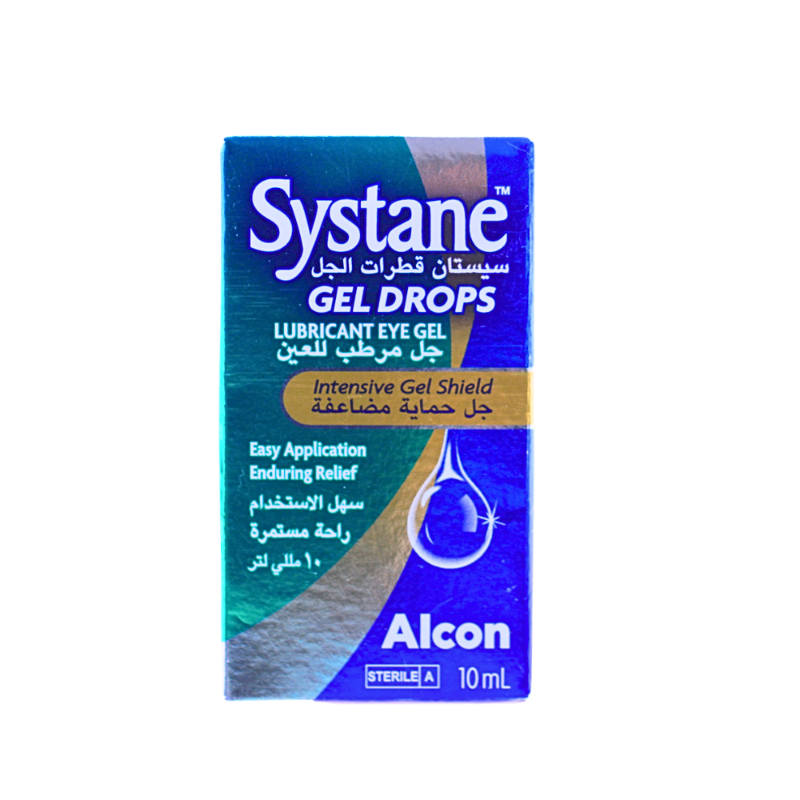
Medications > Eye and Ear Medications
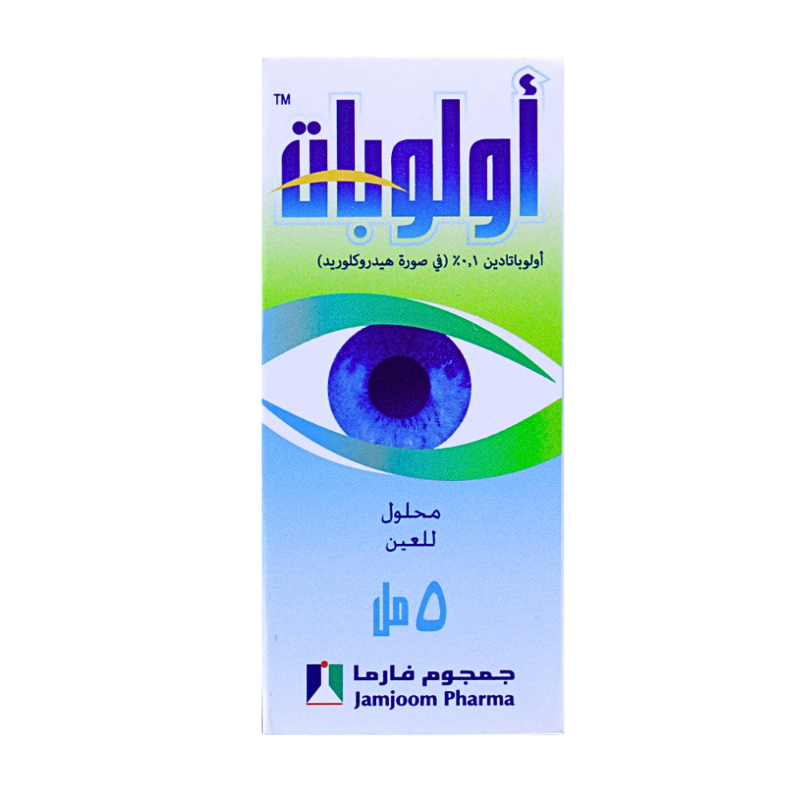
Medications > Eye and Ear Medications
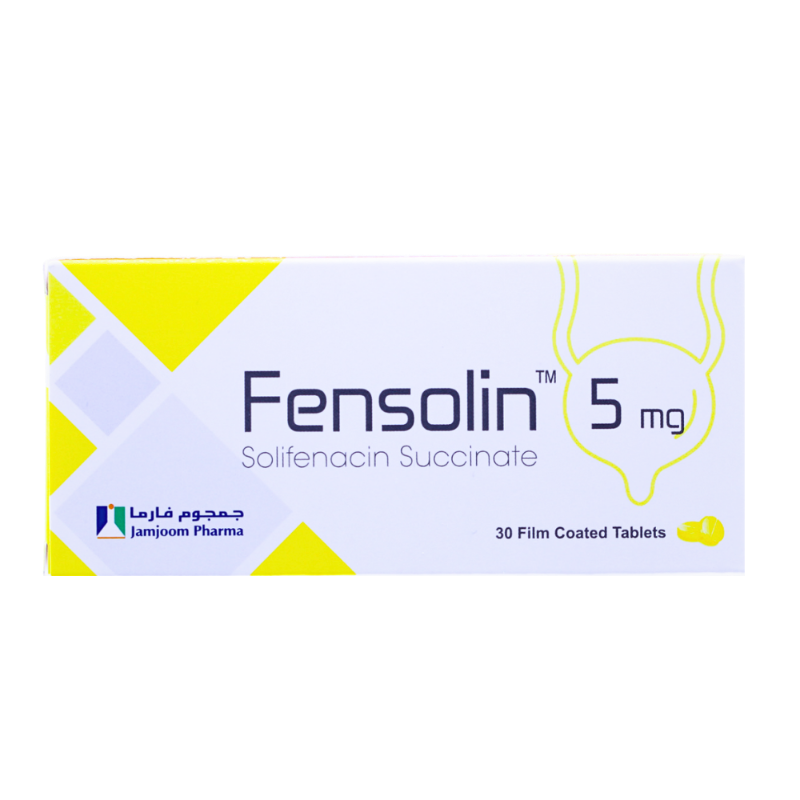
Medications > Urology Medications

Medications > Dermatology Medications

Medications > Painkillers and Antipyretics
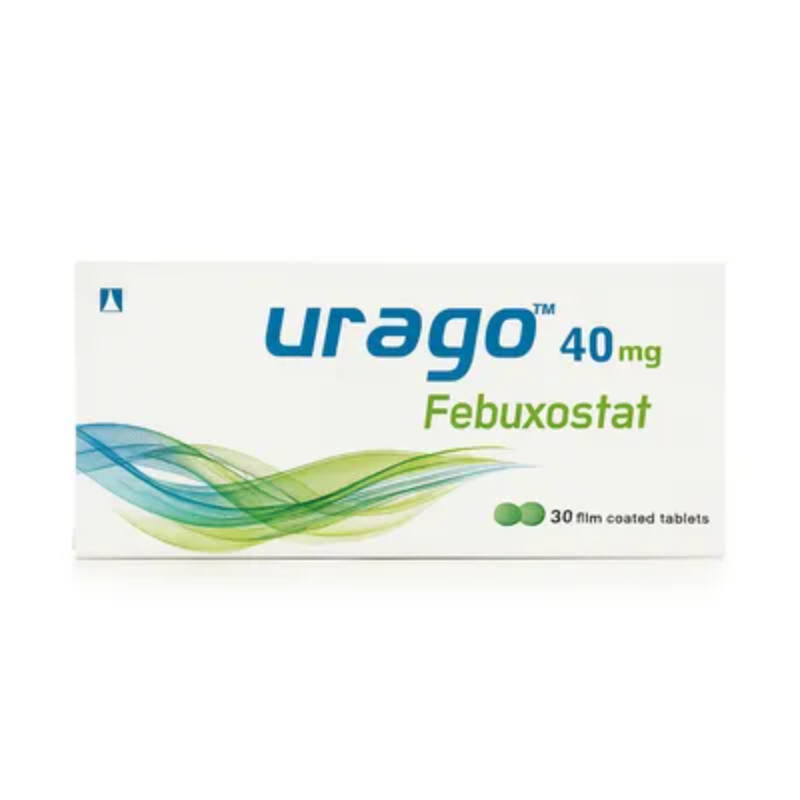
Medications > Urology Medications
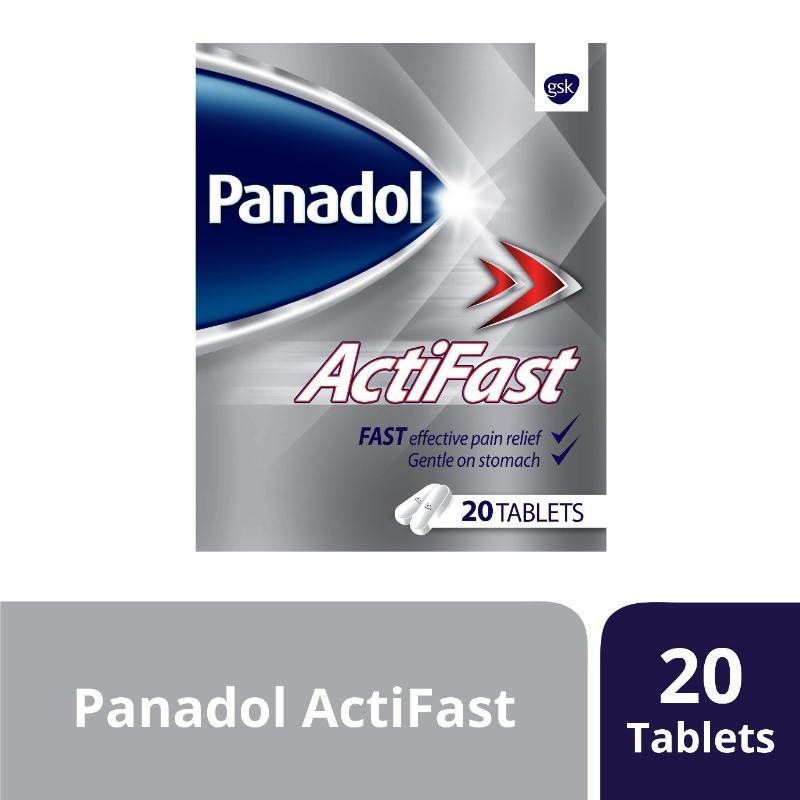
Medications > Painkillers and Antipyretics
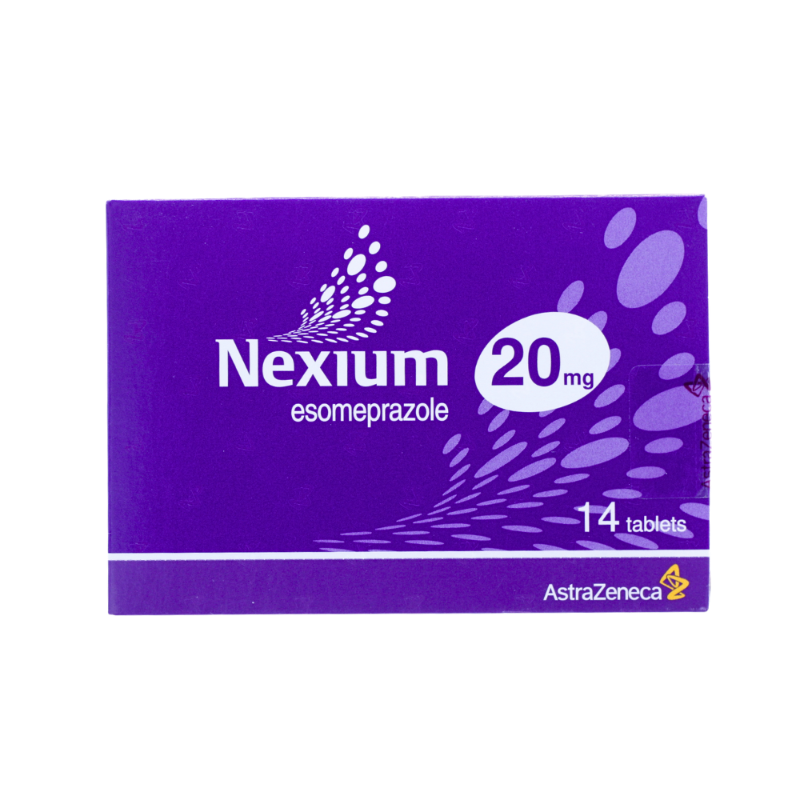
Medications > Gastrointestinal Medications
