
Use Code: WF26 And Get 30% OFF, T&C Applay | Get Free Delivery With No Minimum Order
-1744229570.gif "Almujtama Pharmacy logo")


Frequently bought together
Oral & Dental Care > Throat & Oral Care
Vitamins & Supplements > Vitamins and Minerals
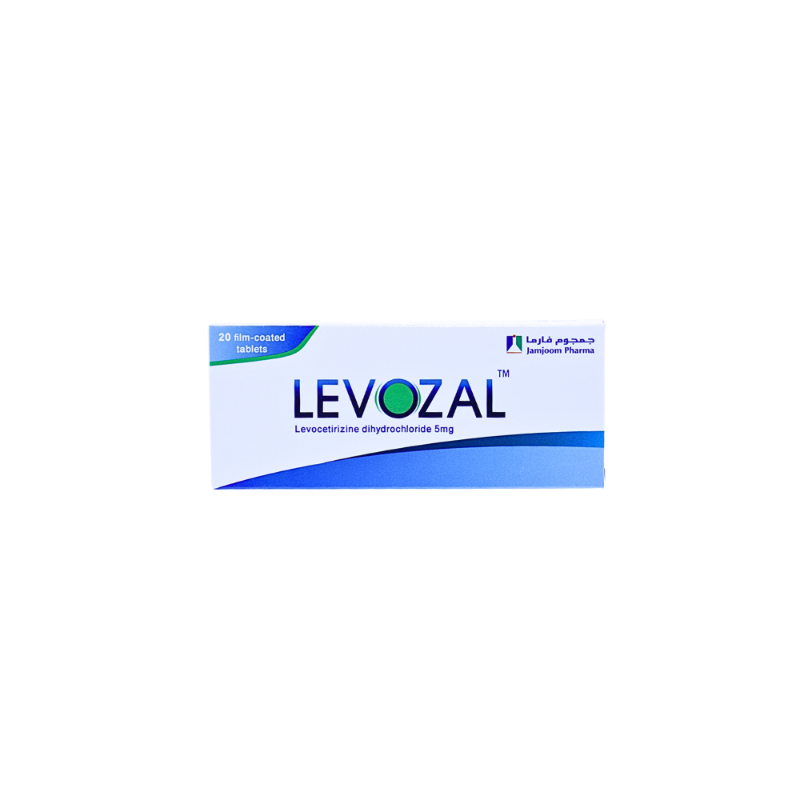
LEVOZAL 5/MG FC TAB 20/FC TAB
- Sku : I-012589
Key features
LEVOZAL 5 mg film-coated tablets contain levocetirizine dihydrochloride 5 mg as the active ingredient. It is a second‑generation H1 antihistamine (piperazine derivative) and the active R‑enantiomer of cetirizine, acting as a selective peripheral histamine H1‑receptor antagonist (inverse agonist) to reduce histamine‑mediated allergic symptoms. LEVOZAL is indicated for perennial allergic rhinitis (children 6 years and older), seasonal allergic rhinitis, and chronic idiopathic urticaria. Available OTC as film-coated tablets in a pack of 20 tablets.- Brand: LEVOZAL
- Active Ingredient: LEVOCETIRIZINE DIHYDROCHLORIDE 5mg
- Strength: 5mg
- Dosage Form: Film-coated tablet
- Pack Size: 20 Tablets
- Route: Oral use
- Prescription Status: OTC
- Therapeutic Class: Antiallergic
- Pharmacological Group: Piperazine Antihistamines
- Drug Class: Second‑generation H1 antihistamine (piperazine derivative); active R‑enantiomer of cetirizine.
- Manufacturer: Jamjoom Pharmaceuticals Factory Company
- Country of Origin: Saudi Arabia
- SFDA Registration No.: 128-368-12
- Shelf Life: 36 months
- Storage: store below 30°c
- Symptom Target: Allergy, Runny Nose
- Sedating: Yes
Frequently bought together
Oral & Dental Care > Throat & Oral Care
Vitamins & Supplements > Vitamins and Minerals
Indications
Approved Uses
Perennial allergic rhinitis (children 6 years and older), seasonal allergic rhinitis, chronic idiopathic urticaria
Off-Label Uses
Pruritus (e.g., associated with atopic dermatitis/eczema) is a commonly used off‑label symptomatic use; other off‑label uses may exist but are not core.
Dosage & Administration
Dosing by Condition
Allergic rhinitis (adults and children ≥12 years): 5 mg once daily in the evening. Chronic idiopathic urticaria (adults and children ≥12 years): 5 mg once daily in the evening. Children 6-11 years: 2.5 mg once daily in the evening. Children 2-5 years: 1.25 mg once daily in the evening (oral solution only)
Initial Dose
5mg once daily in the evening for adults.
Maintenance Dose
5mg once daily in the evening for adults.
Maximum Dose
5mg per day for adults and children ≥12 years; 2.5mg per day for children 6-11 years.
Children's Dosage
6-11 years: 2.5 mg once daily (1/2 tablet); under 6 years: not recommended for this formulation
Dose Adjustment Notes
Dose adjustment is required in renal impairment based on creatinine clearance; no adjustment is needed for hepatic impairment alone (but consider renal function if hepatic disease is associated with reduced CrCl).
How to Take
Swallow the 5 mg film‑coated tablet whole with water; may be taken with or without food; once daily, commonly in the evening (especially if it causes drowsiness).
Side Effects
Common Side Effects
Somnolence, fatigue, dry mouth, headache, dizziness; upper respiratory symptoms such as nasopharyngitis/pharyngitis can occur.
Side Effect Frequency
Common (1-10%): somnolence, dry mouth, fatigue, headache. Uncommon (0.1-1%): asthenia, abdominal pain. Post-marketing/rare: palpitations, tachycardia, hypersensitivity reactions (e.g., rash, pruritus, urticaria, angioedema), dyspnea, nausea, urinary retention, weight increase.
Safety & Warnings
Contraindications
Hypersensitivity to levocetirizine, cetirizine, hydroxyzine, or piperazine derivatives; end‑stage renal disease/severe renal impairment with CrCl <10 mL/min and patients on dialysis (contraindicated).
Warnings & Precautions
Renal impairment (dose reduction/avoid if severe); somnolence-caution with driving/machinery and with alcohol/CNS depressants; risk of urinary retention in predisposed patients (e.g., prostatic hyperplasia, spinal cord lesions); pruritus may occur after discontinuation (especially after long-term use).
Age Restriction
For this 5 mg film‑coated tablet: use in adults and children ≥6 years; not recommended for children <6 years (tablet strength/form not suitable).
Driving Warning
May Cause Drowsiness
Drug Interactions
Drug Interactions
CNS depressants/alcohol (additive sedation); ritonavir (may increase levocetirizine exposure); theophylline (may slightly reduce clearance).
Interaction Severity
MODERATE: Alcohol and other CNS depressants (additive sedation/impairment). Ritonavir may increase levocetirizine exposure-use caution. No established major interactions; theophylline interaction is not clinically significant for levocetirizine.
Food Interaction
No clinically significant food restriction; can be taken with or without food (food may delay Tmax but does not meaningfully reduce overall exposure).
Alcohol Interaction
Avoid
Special Populations
Pregnancy
Caution
Breastfeeding
Caution
Children
6-11 years: 2.5 mg once daily (1/2 tablet); under 6 years: not recommended for this formulation
Elderly
Start at the lowest dose; dosing should be selected with caution, usually starting at the low end of the dosing range, reflecting the greater frequency of decreased renal function.
Kidney Impairment
Adults/adolescents ≥12 years (5 mg tablet): CrCl 50-80 mL/min: 2.5 mg once daily; CrCl 30-50 mL/min: 2.5 mg once every other day; CrCl 10-30 mL/min: 2.5 mg twice weekly (every 3-4 days); CrCl <10 mL/min or dialysis: contraindicated.
Liver Impairment
No dose adjustment for hepatic impairment alone; if hepatic impairment coexists with renal impairment, adjust according to renal function.
Storage & Patient Advice
Missed Dose
Take the missed dose as soon as remembered; if it is close to the next scheduled dose, skip the missed dose and resume the regular schedule-do not double doses.
Stopping the Medicine
Safe to stop without tapering; however, pruritus (sometimes severe) can occur after discontinuation, especially after long-term use.
Overdose
Symptoms: somnolence in adults; agitation/restlessness (may precede somnolence) in children. Management: symptomatic/supportive; consider gastric decontamination if recent; no specific antidote; hemodialysis is not effective.
Patient Counseling
Take 5 mg once daily (often in the evening); may take with or without food; may cause drowsiness-avoid driving/operating machinery until effects are known; avoid alcohol/other sedatives; tell a clinician if you have kidney disease (dose may need adjustment); store below 30°C; seek medical advice if symptoms persist/worsen.
Monitoring Requirements
No routine monitoring required; monitor renal function in patients with renal impairment
Pharmacology
Mechanism of Action
Selective peripheral histamine H1‑receptor antagonist (inverse agonist), reducing histamine‑mediated allergic symptoms (e.g., sneezing, rhinorrhea, pruritus, urticaria).
Onset of Action
Within 1 hour.
Duration of Effect
24 hours.
Bioavailability
≥85%.
Metabolism
Minimal hepatic metabolism (roughly <14%); most of the dose is excreted unchanged.
Excretion
Primarily renal elimination, mostly unchanged in urine (about ~85%); minor fecal excretion.
Protein Binding
Approximately 90% (about 91-92%)
Product Information
Available Dosage Forms
For this product (LEVOZAL): film‑coated tablet for oral use (5 mg). Levocetirizine also exists in other markets as an oral solution, but that is not the dosage form of this SFDA-registered product.
Composition per Dose
Each film-coated tablet: 5 mg levocetirizine dihydrochloride
Generic Availability
Yes
OTC Alternatives
Other OTC non-sedating/less-sedating antihistamines: cetirizine, loratadine, fexofenadine (and desloratadine where available).
Symptom Target
Allergy, Runny Nose
Sedating
Yes
Reviewed by Al Mujtama Pharmacy Medical Review Team. Last reviewed 30-08-2026
Similar Products
Medications > Painkillers and Antipyretics
Medications > Cold, Cough, and Allergy Medications
Medications > Painkillers and Antipyretics
Medications > Cold, Cough, and Allergy Medications
Medications > Cold, Cough, and Allergy Medications

Medications > Other Medicines
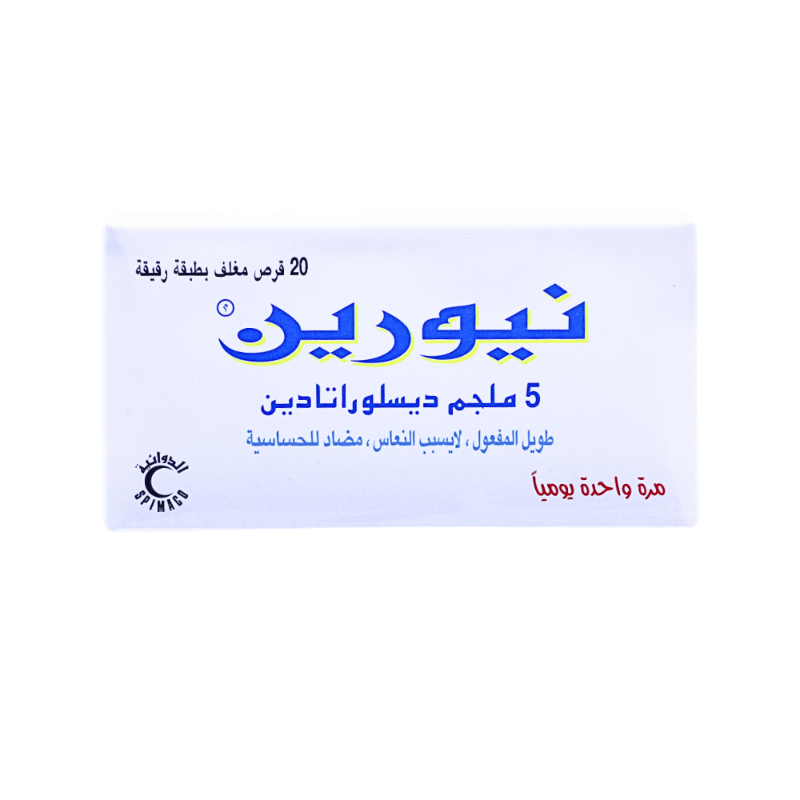
Medications > Cold, Cough, and Allergy Medications
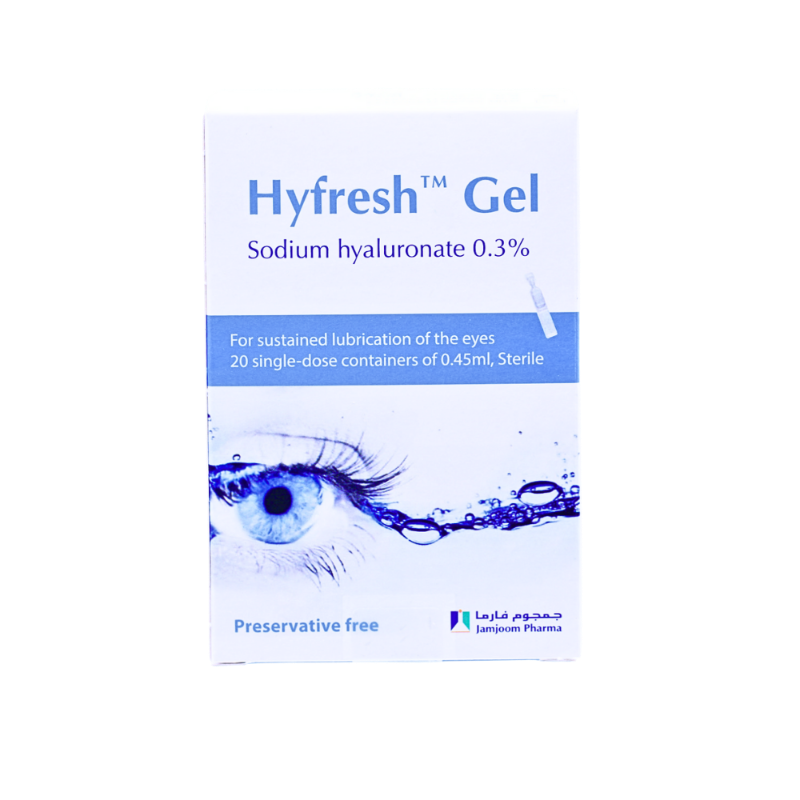
Medications > Eye and Ear Medications
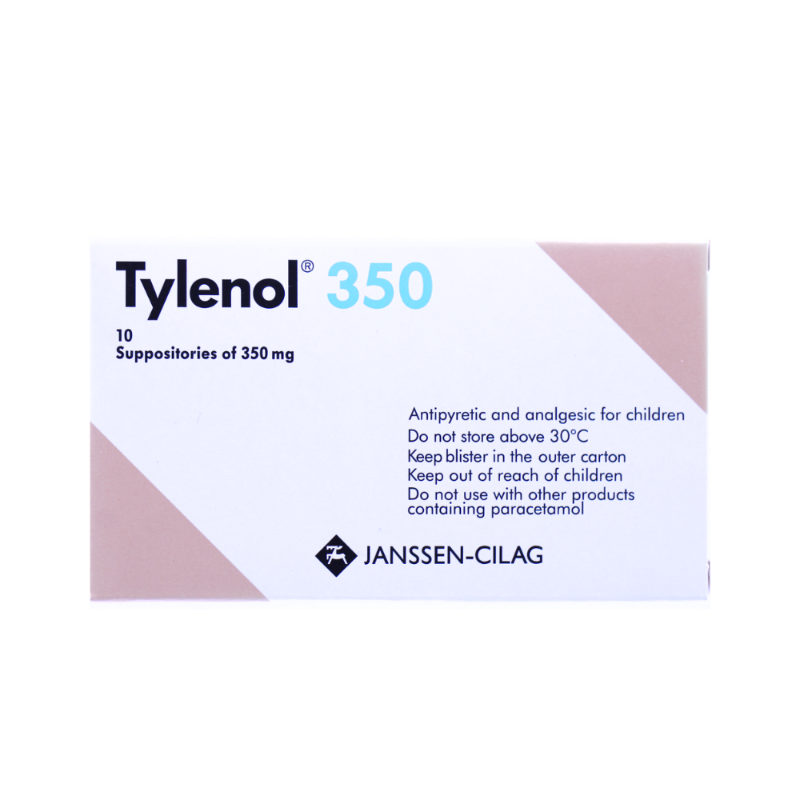
Medications > Painkillers and Antipyretics
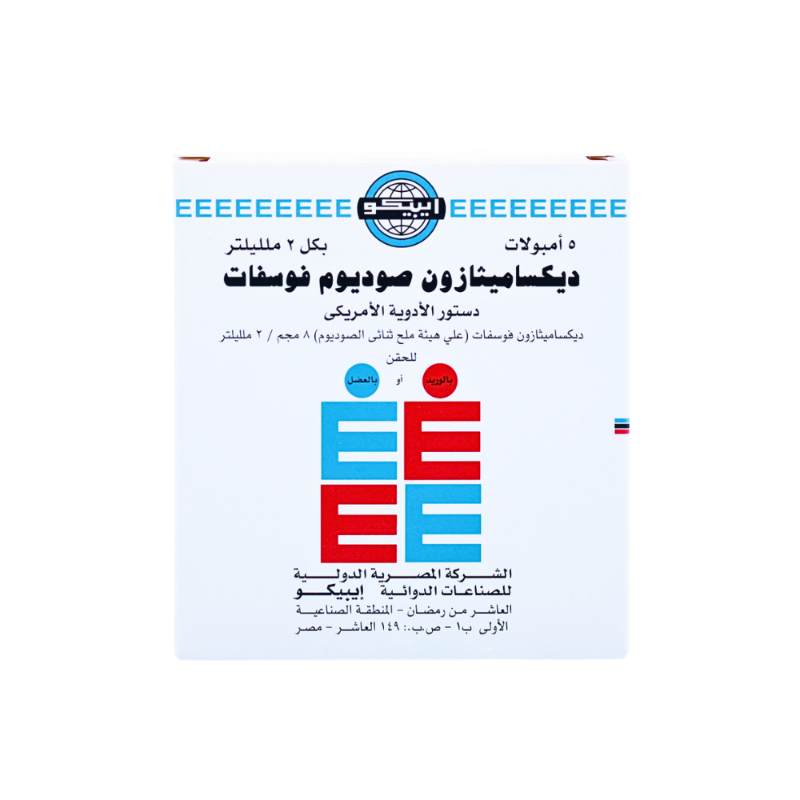
Medications > Cold, Cough, and Allergy Medications
