
Use Code: WF26 And Get 30% OFF, T&C Applay | Get Free Delivery With No Minimum Order
-1744229570.gif "Almujtama Pharmacy logo")
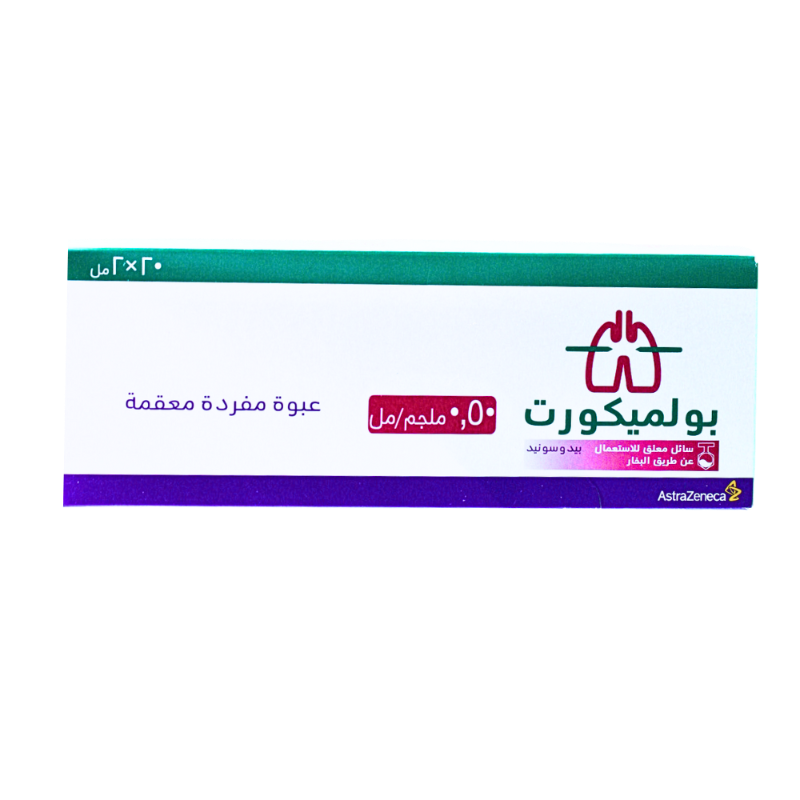


Frequently bought together
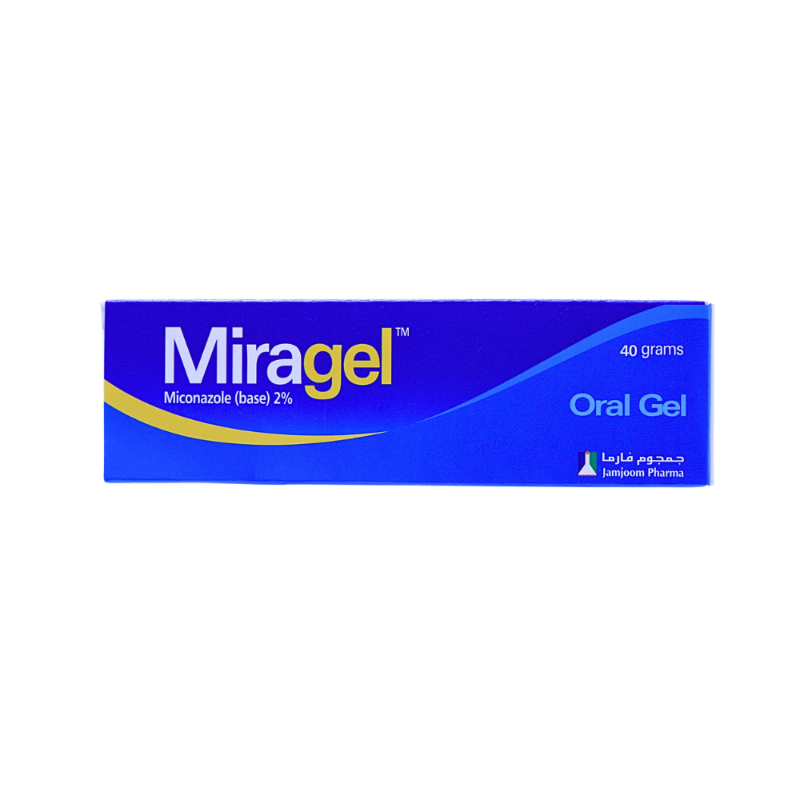
Oral & Dental Care > Throat & Oral Care
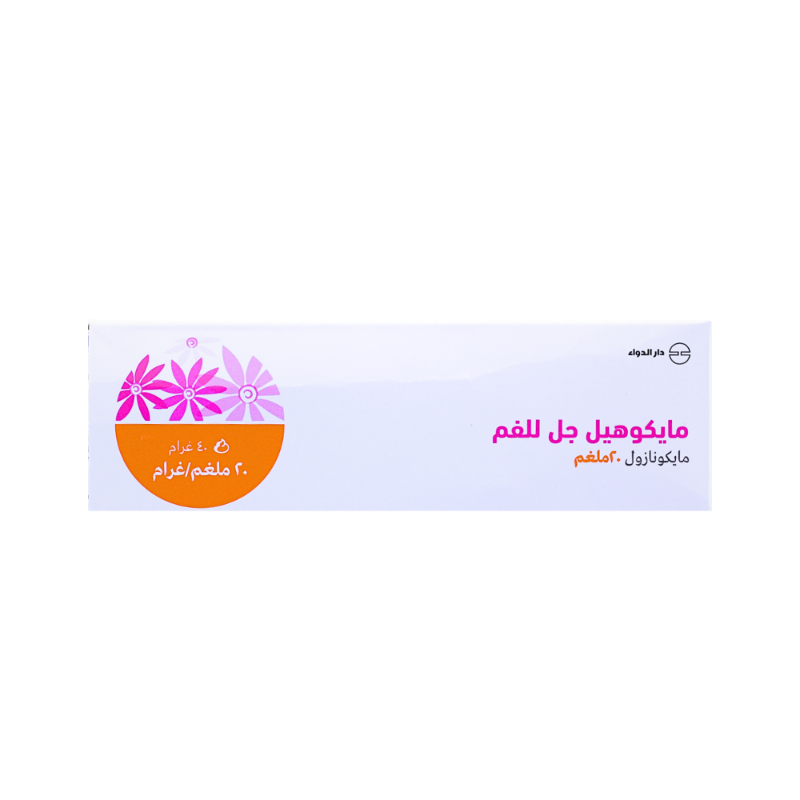
Oral & Dental Care > Throat & Oral Care
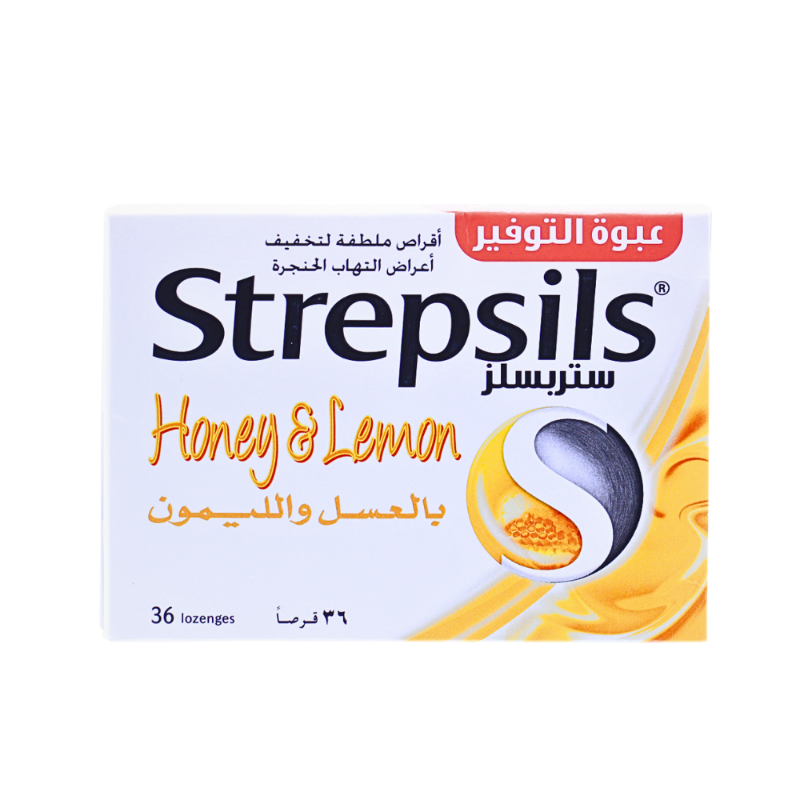
Oral & Dental Care > Throat & Oral Care
Vitamins & Supplements > Vitamins and Minerals
PULMICORT 0.5/MG/ML NEBULISER SUSP 2ML×20/UNIDOSE
- Sku : I-005390
Key features
PULMICORT Solution is a nebuliser suspension containing the inhaled corticosteroid budesonide at 0.5 mg/mL. Budesonide is a glucocorticoid receptor agonist that downregulates airway inflammatory gene transcription and mediator release, reducing airway inflammation, edema, mucus production and hyperresponsiveness. It is indicated for maintenance (controller) treatment and prophylaxis of asthma in paediatric patients (commonly 12 months to 8 years when nebulised) and, in many jurisdictions, for treatment of acute laryngotracheobronchitis (croup) in infants and children. Supplied as a nebuliser suspension in 2 mL single-dose ampoules.- Brand: PULMICORT
- Active Ingredient: BUDESONIDE
- Strength: 0.5mg/ml
- Dosage Form: Nebuliser suspension
- Pack Size: 2 ml
- Route: Inhalation use
- Prescription Status: Prescription
- Therapeutic Class: Respiratory
- Pharmacological Group: Inhaled Corticosteroids
- Drug Class: Inhaled Corticosteroid (ICS) - Glucocorticoid
- Manufacturer: AstraZeneca
- Country of Origin: Sweden
- SFDA Registration No.: 404233471
- Shelf Life: 24 months
- Storage: do not store above 30°c
- Symptom Target: Asthma
- Sedating: No
Frequently bought together
Oral & Dental Care > Throat & Oral Care
Oral & Dental Care > Throat & Oral Care
Oral & Dental Care > Throat & Oral Care
Vitamins & Supplements > Vitamins and Minerals
Indications
Approved Uses
Maintenance (controller) treatment/prophylaxis of asthma in pediatric patients (commonly 12 months to 8 years for nebulized budesonide) and, in many jurisdictions, treatment of acute laryngotracheobronchitis (croup) in infants/children.
Off-Label Uses
Eosinophilic esophagitis (using swallowed topical budesonide preparations) is a common off-label use; COPD is not routinely recommended for budesonide nebuliser suspension as a standard off-label indication (ICS use in COPD is phenotype- and product-specific).
Dosage & Administration
Dosing by Condition
Asthma (Children 12 months-8 years): Initial: 0.5 mg once or twice daily. Maintenance: 0.25 mg once or twice daily. Asthma (Adults & Children >8 years): Initial: 0.5-1 mg twice daily. Maintenance: 0.25-1 mg twice daily. Not indicated for croup.
Initial Dose
Children 12 months of age and older: 0.5 mg total daily dose administered once or twice daily in divided doses.
Maintenance Dose
Children 12 months of age and older: 0.5 mg total daily dose administered once or twice daily in divided doses.
Maximum Dose
Children 12 months to 8 years: maximum 1 mg/day (nebulized). Adults: nebulized budesonide dosing varies by indication and is not the primary labeled use for Pulmicort Respules; do not assume 4 mg/day as a universal adult maximum for this product.
Children's Dosage
Children 12 months of age and older: Starting dosage 0.5 mg total daily dose administered either once or twice daily in divided doses. Maximum 1 mg total daily dose.
Dose Adjustment Notes
Titrate to the lowest effective dose once control is achieved; step down gradually. No routine renal dose adjustment; use caution in severe hepatic impairment and with strong CYP3A4 inhibitors due to increased systemic exposure.
How to Take
For inhalation use via a jet nebulizer connected to an air compressor, using a mouthpiece or face mask. Gently shake the ampoule, open immediately before use, and empty the entire 2 mL ampoule into the nebulizer cup; inhale the mist until the nebulizer stops/empties. Rinse mouth with water and spit after each dose; if a face mask is used, wash the face after treatment. Clean the nebulizer per manufacturer instructions; do not mix with other medicines unless instructed.
How to Prepare
Detach one ampoule, gently shake, twist off the top, and squeeze/pour the contents into the nebuliser cup; if dilution is needed, use only 0.9% sodium chloride; use promptly after opening.
Side Effects
Common Side Effects
Common: oral candidiasis (thrush), dysphonia/hoarseness, throat irritation, cough; in children, upper respiratory tract infection/rhinitis and otitis media are also commonly reported.
Side Effect Frequency
Common local effects include oral candidiasis, dysphonia/hoarseness, throat irritation and cough; in children, respiratory infections/otitis media and rhinitis are also commonly reported; systemic corticosteroid effects (e.g., adrenal suppression, growth effects, behavioral changes) are uncommon/rare and mainly with higher doses/long-term use.
Safety & Warnings
Contraindications
Contraindicated in hypersensitivity to budesonide or any excipients; not indicated as primary treatment for status asthmaticus or other acute asthma episodes requiring intensive measures (i.e., not for acute relief).
Warnings & Precautions
Not for acute bronchospasm relief; risk of oral candidiasis-rinse mouth/clean oral cavity after use (and wash face if mask used); potential systemic corticosteroid effects (adrenal suppression, bone effects, ocular effects) with long-term/high-dose use; monitor growth in children; caution with tuberculosis/untreated infections/ocular herpes; careful taper when switching from systemic steroids; avoid/seek advice after exposure to chickenpox/measles if non-immune.
Age Restriction
Approved for asthma maintenance in children 6 months to 8 years (nebulized budesonide respules); use in infants <6 months is off-label and should be specialist-directed.
Driving Warning
Safe
Drug Interactions
Drug Interactions
Strong CYP3A4 inhibitors (e.g., ketoconazole, itraconazole, ritonavir/cobicistat, clarithromycin) can markedly increase systemic budesonide exposure; avoid or monitor closely and consider dose adjustment; other interactions are less clinically significant.
Interaction Severity
MAJOR: Strong CYP3A4 inhibitors (e.g., ketoconazole, itraconazole, ritonavir/cobicistat, clarithromycin) can markedly increase systemic budesonide exposure-avoid or monitor closely for systemic corticosteroid effects. MODERATE: Concomitant systemic corticosteroids (additive adrenal suppression) and other immunosuppressants; live vaccines are generally avoided in significantly immunosuppressed patients.
Food Interaction
No clinically relevant food restrictions for inhaled/nebulized budesonide; grapefruit juice interaction is mainly a concern with oral/systemic budesonide and is not expected to be clinically significant with inhaled use.
Alcohol Interaction
Safe
Special Populations
Pregnancy
Category B
Breastfeeding
Safe
Children
Children 12 months of age and older: Starting dosage 0.5 mg total daily dose administered either once or twice daily in divided doses. Maximum 1 mg total daily dose.
Kidney Impairment
No adjustment needed.
Liver Impairment
No specific dose adjustment is defined, but use with caution in hepatic impairment (especially moderate-severe) due to reduced metabolism and increased systemic exposure.
Storage & Patient Advice
Storage Conditions
Do not store above 30°C; keep ampoules in the protective foil envelope/carton to protect from light; once the foil envelope is opened, use remaining ampoules within 3 months; use an opened single-dose ampoule immediately and discard any remainder; do not freeze.
Preparation Instructions
Detach one ampoule, gently shake, twist off the top, and squeeze/pour the contents into the nebuliser cup; if dilution is needed, use only 0.9% sodium chloride; use promptly after opening.
Missed Dose
Use the missed dose as soon as remembered unless it is close to the next scheduled dose; if close, skip the missed dose and resume the regular schedule-do not double doses.
Stopping the Medicine
Do not stop abruptly if on high-dose/prolonged therapy or when transitioning from systemic corticosteroids; taper under medical supervision, and for routine maintenance discuss step-down/cessation with the prescriber.
Overdose
Acute inhaled overdose is unlikely to cause clinically significant toxicity; chronic excessive dosing may cause systemic corticosteroid effects (e.g., adrenal suppression/Cushingoid features)-manage by clinical assessment and gradual dose reduction, seeking medical care if symptomatic.
Patient Counseling
Controller therapy: use regularly as prescribed; not for acute relief-keep a fast-acting bronchodilator available. Use via jet nebulizer; gently shake, open ampoule just before use, use the full unit dose, and discard any remainder. Rinse mouth and spit after each dose (and wash face if mask used) to reduce thrush/skin irritation; clean equipment as directed. Seek medical advice if symptoms worsen, reliever use increases, or signs of thrush/infection or systemic steroid effects occur; do not stop abruptly without clinician guidance.
Monitoring Requirements
Monitor asthma control (symptoms, reliever use, exacerbations, and lung function when feasible); in children monitor growth. At higher doses/long-term use or with CYP3A4 inhibitors, monitor for adrenal suppression and other systemic corticosteroid effects; consider periodic eye exams (cataract/glaucoma risk) with prolonged therapy.
Pharmacology
Mechanism of Action
Inhaled budesonide is a glucocorticoid receptor agonist that downregulates airway inflammatory gene transcription and mediator release, reducing airway inflammation, edema, mucus production, and hyperresponsiveness.
Onset of Action
Some improvement may be seen within 24-48 hours, but clinically meaningful benefit typically develops over several days to 1-2 weeks; maximal benefit may take several weeks of regular use.
Duration of Effect
Not applicable as an immediate bronchodilator; anti-inflammatory control is maintained with regular once- or twice-daily dosing (clinical effect persists over the dosing interval rather than a single-dose 'duration').
Half-Life
Terminal plasma half-life is approximately 2-3 hours in adults.
Bioavailability
Systemic bioavailability after nebulised inhalation is low; in adults the systemic availability is ~15% of the nominal dose (with lung deposition roughly in the 10-20% range depending on nebuliser/technique).
Metabolism
Extensive hepatic first-pass metabolism primarily via CYP3A4 to metabolites with minimal corticosteroid activity (e.g., 6β-hydroxybudesonide and 16α-hydroxyprednisolone).
Excretion
Excreted mainly as metabolites: ~60% in urine and ~40% in feces; negligible unchanged budesonide in urine.
Protein Binding
Approximately 85-90% protein bound.
Product Information
Available Dosage Forms
Nebuliser suspension (respules/ampoules); dry powder inhaler (e.g., Turbuhaler) and pressurised metered-dose inhaler are other budesonide presentations.
Composition per Dose
Each 2 mL ampoule: 1 mg budesonide (as 0.5 mg/mL suspension)
OTC Alternatives
No OTC alternative
Symptom Target
Asthma
Sedating
No
Reviewed by Al Mujtama Pharmacy Medical Review Team. Last reviewed 21-08-2026
Similar Products
Medications > Diabetes Medications
Medications > Eye and Ear Medications
Medications > Psychiatric Medications
Medications > Urology Medications
Medications > Diabetes Medications
Medications > Psychiatric Medications
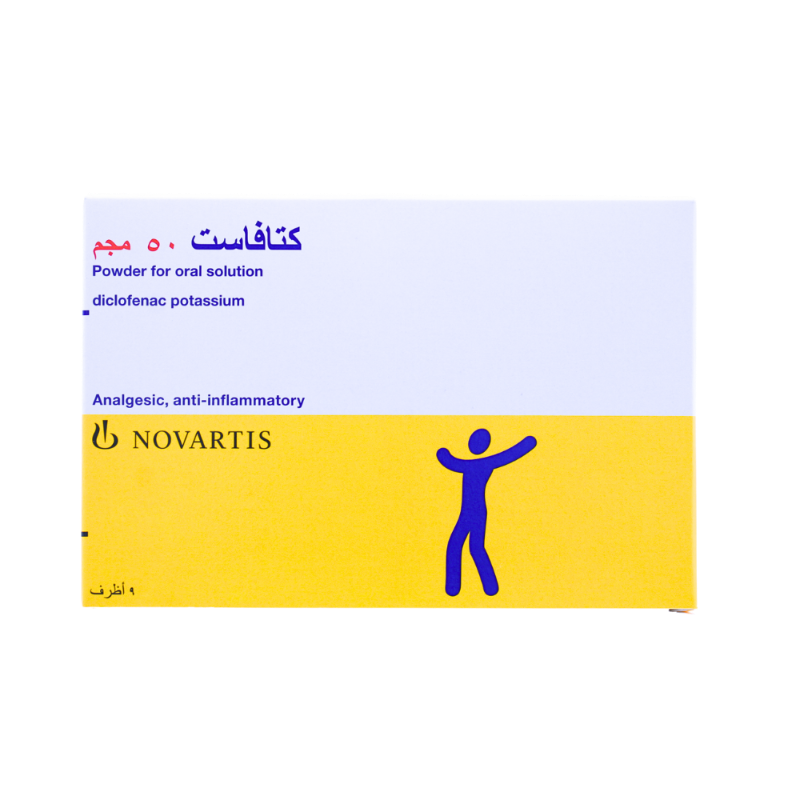
Medications > Painkillers and Antipyretics
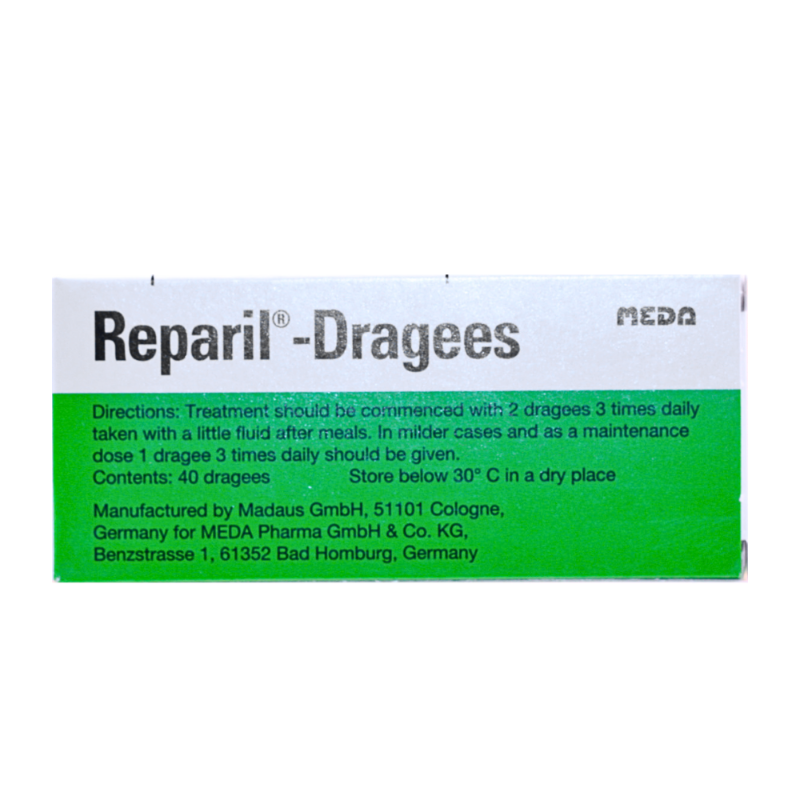
Medications > Painkillers and Antipyretics
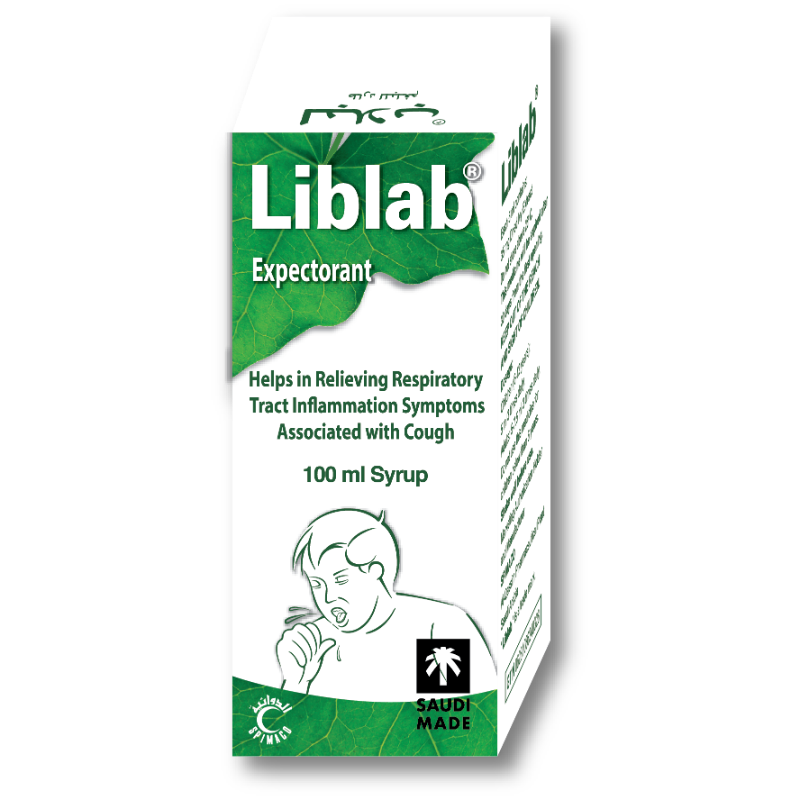
Medications > Cold, Cough, and Allergy Medications
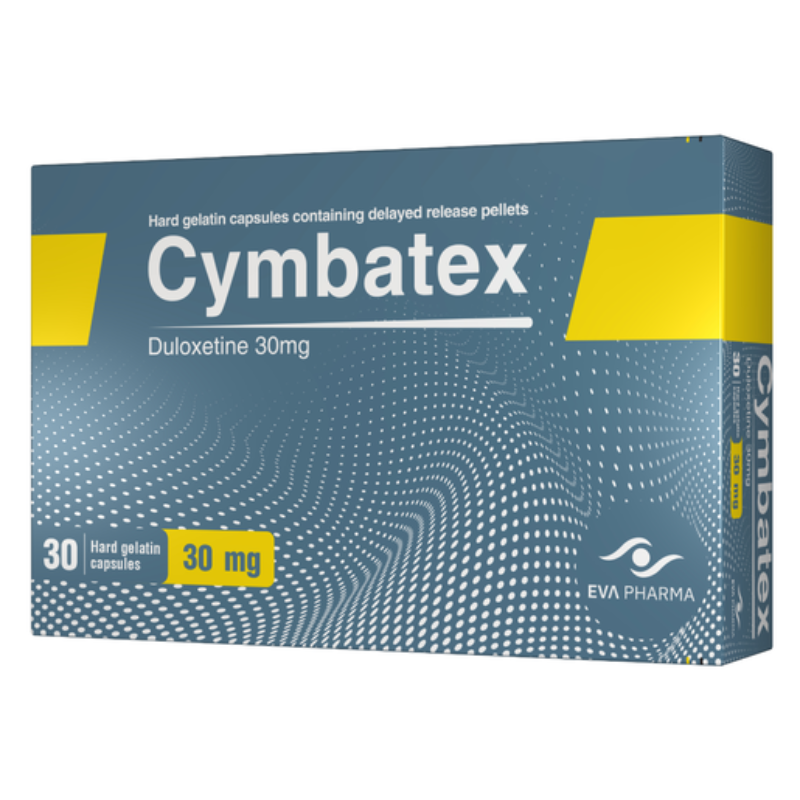
Medications > Anticonvulsants and antiepileptics
