
Use Code: ND30 And Get 30% OFF | Get Free Delivery With No Minimum Order
-1744229570.gif "Almujtama Pharmacy logo")




Frequently bought together
Vitamins & Supplements > Natural Supplements
Vitamins & Supplements > Probiotecs
Vitamins & Supplements > Probiotecs

Vitamins & Supplements > Natural Supplements
Vitamins & Supplements > Probiotecs
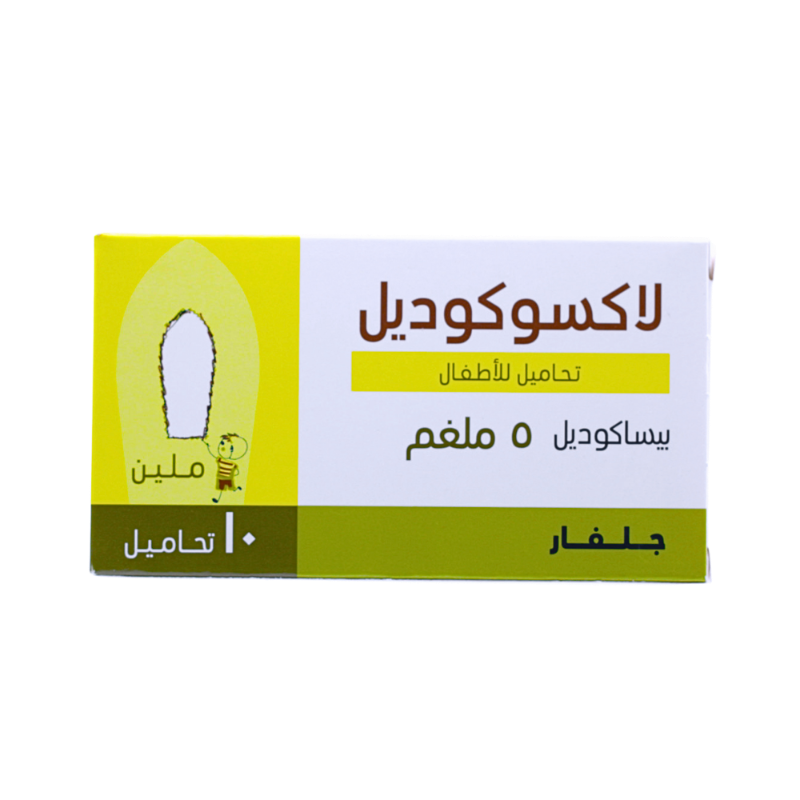
LAXOCODYL 5/MG SUPP FOR CHIDREN 10/SUPP
- Sku : I-029163
Key features
LAXOCODYL 5 mg suppositories for children contain the active ingredient bisacodyl. It is a stimulant laxative that locally stimulates colonic enteric nerves and mucosa to increase peristalsis and promote accumulation of water and electrolytes in the colon, softening stool. It is indicated for short-term relief of constipation and for bowel evacuation or preparation prior to diagnostic procedures (e.g., radiological examinations, colonoscopy) or surgery. Available by prescription in packs of 10 suppositories.- Brand: LAXOCODYL
- Active Ingredient: BISACODYL 5mg
- Strength: 5mg
- Dosage Form: Suppository
- Pack Size: 10 Suppositories
- Route: Rectal use
- Prescription Status: Prescription
- Therapeutic Class: Gastrointestinal
- Pharmacological Group: Laxatives
- Drug Class: Stimulant Laxative (Diphenylmethane derivative)
- Manufacturer: Gulf Pharmaceutical Industries (Julphar)
- Country of Origin: United Arab Emirates
- SFDA Registration No.: 0502269095
- Shelf Life: 24 months
- Storage: store below 30°c
- Gi Condition: Constipation
Frequently bought together
Vitamins & Supplements > Natural Supplements
Vitamins & Supplements > Probiotecs
Vitamins & Supplements > Probiotecs
Vitamins & Supplements > Natural Supplements
Vitamins & Supplements > Probiotecs
Indications
Approved Uses
Short-term relief of constipation; bowel evacuation/preparation before diagnostic procedures (e.g., radiological examinations/colonoscopy) or surgery when bowel emptying is required.
Dosage & Administration
Dosing by Condition
Constipation (rectal): children 2-10 years: 5 mg (1 suppository) once daily as needed; adults and children >10 years: 10 mg once daily as needed; bowel preparation: per physician-directed regimen.
Initial Dose
5mg rectally once daily (children 2-10 years)
Maintenance Dose
5mg rectally as needed, not to exceed once daily
Maximum Dose
Rectal use (suppository): Children 2-10 years: insert 1 suppository (5 mg) into the rectum once daily as needed; maximum 1 suppository per 24 hours. Adults and children ≥10 years: insert 1 suppository (5 mg) into the rectum once daily as needed; maximum 1 suppository per 24 hours.
Children's Dosage
Children 6-12 years: one-half suppository (approximately 2.5 mg) rectally once daily; children over 12 years: one full suppository (5 mg) rectally once daily. For children under 6 years, consult a healthcare provider.
Dose Adjustment Notes
No specific renal or hepatic dose adjustment is generally required; use the lowest effective dose for the shortest duration and avoid use for more than 5-7 days unless directed by a clinician.
How to Take
For rectal use: remove the suppository from the blister/foil, insert one suppository into the rectum (preferably pointed end first) and try to retain it for about 15-20 minutes if possible; wash hands before and after use.
Side Effects
Common Side Effects
Abdominal cramps/abdominal pain, diarrhea, nausea; rectal irritation/burning or discomfort can occur with suppositories.
Side Effect Frequency
Common: abdominal cramps/abdominal pain, diarrhea, nausea; Uncommon: vomiting, dizziness, rectal irritation/burning; Rare/with prolonged or excessive use: dehydration and electrolyte disturbances (e.g., hypokalemia), rectal mucosal injury, and blood in stool/rectal bleeding (requires evaluation).
Safety & Warnings
Contraindications
Contraindicated in: intestinal obstruction/ileus; acute surgical abdomen (e.g., appendicitis) or undiagnosed acute abdominal pain with nausea/vomiting; severe dehydration; hypersensitivity to bisacodyl; and (for rectal products) proctitis/rectal inflammation and painful anorectal conditions (e.g., anal fissure) where suppository insertion may worsen injury/bleeding.
Warnings & Precautions
Use for short-term relief only; if no bowel movement or symptoms persist, seek medical advice. Do not use when there is severe/undiagnosed abdominal pain, nausea/vomiting, or suspected obstruction. Avoid prolonged or frequent use due to risk of dependence and electrolyte imbalance/dehydration. Use with caution in children (especially <2 years), the elderly, and those at risk of fluid/electrolyte disturbances; rectal irritation may occur.
Age Restriction
Children 6-12 years: one-half suppository rectally; children over 12 years: one full suppository rectally. For children under 6 years, oral administration is not recommended. Pediatric use under 6 years requires medical advice.
Drug Interactions
Drug Interactions
Clinically relevant: diuretics and systemic corticosteroids (↑ risk of hypokalemia/dehydration); digoxin (hypokalemia may increase toxicity/arrhythmia risk). Not relevant to this rectal suppository: interactions involving premature dissolution of enteric coating with antacids/H2 blockers/milk apply to oral enteric-coated tablets, not suppositories.
Interaction Severity
MODERATE: diuretics and systemic corticosteroids (additive hypokalemia/electrolyte imbalance risk with excessive/prolonged laxative use); MODERATE: digoxin (hypokalemia may increase digoxin toxicity risk); Oral-form-only: antacids/H2 blockers/PPIs and milk may affect enteric-coated tablets (not relevant to suppository).
Food Interaction
Not applicable for this product (rectal suppository); food interactions are relevant only to oral bisacodyl tablets.
Special Populations
Pregnancy
Caution
Breastfeeding
Unknown; it is unknown if bisacodyl rectal is excreted into breast milk. Pregnant or breastfeeding patients should seek the advice of a health professional before using over-the-counter drugs.
Children
Children 6-12 years: one-half suppository (approximately 2.5 mg) rectally once daily; children over 12 years: one full suppository (5 mg) rectally once daily. For children under 6 years, consult a healthcare provider.
Elderly
Standard dosing; use with caution due to increased risk of electrolyte imbalance and dehydration; ensure adequate fluid intake
Storage & Patient Advice
Missed Dose
Usually used as needed; if on a scheduled regimen and a dose is missed, use it when remembered unless it is close to the next dose-do not use more than one suppository in 24 hours unless directed by a clinician.
Stopping the Medicine
May be stopped at any time; do not use continuously beyond 5-7 days without medical review (not intended for long-term daily use).
Overdose
Symptoms: profuse diarrhea, abdominal cramping, dehydration, and electrolyte disturbances (notably hypokalemia); management: stop drug, oral/IV fluid and electrolyte replacement, and medical assessment (urgent if severe symptoms, children, or comorbidities).
Patient Counseling
Rectal use only; insert one suppository into the rectum (pointed end first) and try to retain it until it works; onset is usually 15-60 minutes. Use the lowest effective dose and do not use more than once daily; use short-term only and seek medical advice if constipation persists beyond ~5-7 days or if recurrent. Stop and seek urgent advice if severe abdominal pain, vomiting, rectal bleeding, or no bowel movement after use. Store below 30°C (per SFDA).
Monitoring Requirements
No routine monitoring for short-term use; with prolonged/frequent use or in high-risk patients, monitor hydration status and electrolytes (especially potassium) and assess for laxative dependence.
Pharmacology
Mechanism of Action
Stimulant laxative: locally stimulates colonic enteric nerves/mucosa to increase peristalsis and promotes accumulation of water and electrolytes in the colon (reduced absorption and/or increased secretion), softening stool.
Onset of Action
15-60 minutes after rectal administration.
Duration of Effect
Typically produces a bowel movement within 15-60 minutes after rectal administration (often around 30 minutes).
Bioavailability
Minimal systemic absorption after rectal administration; clinically low bioavailability (generally only small amounts of active metabolite appear systemically).
Metabolism
Converted (hydrolyzed) in the intestine/colon by enzymes (including bacterial/intestinal esterases) to the active metabolite bis-(p-hydroxyphenyl)-pyridyl-2-methane (BHPM); minimal hepatic metabolism.
Excretion
Primarily excreted in feces; any absorbed active metabolite is mainly excreted in urine as glucuronide conjugates (with some biliary/fecal elimination).
Product Information
Available Dosage Forms
Suppository; gastro-resistant (enteric-coated) tablet.
Composition per Dose
Each suppository: 5mg bisacodyl
Generic Availability
Yes
OTC Alternatives
Glycerin suppositories (OTC); oral osmotic laxatives such as lactulose or polyethylene glycol/macrogol (OTC availability varies by country-use per local labeling/with pharmacist or clinician advice, especially in children).
Gi Condition
Constipation
Reviewed by Al Mujtama Pharmacy Medical Review Team. Last reviewed 25-08-2026
Similar Products
Medications > Psychiatric Medications
Medications > Eye and Ear Medications
Medications > Painkillers and Antipyretics
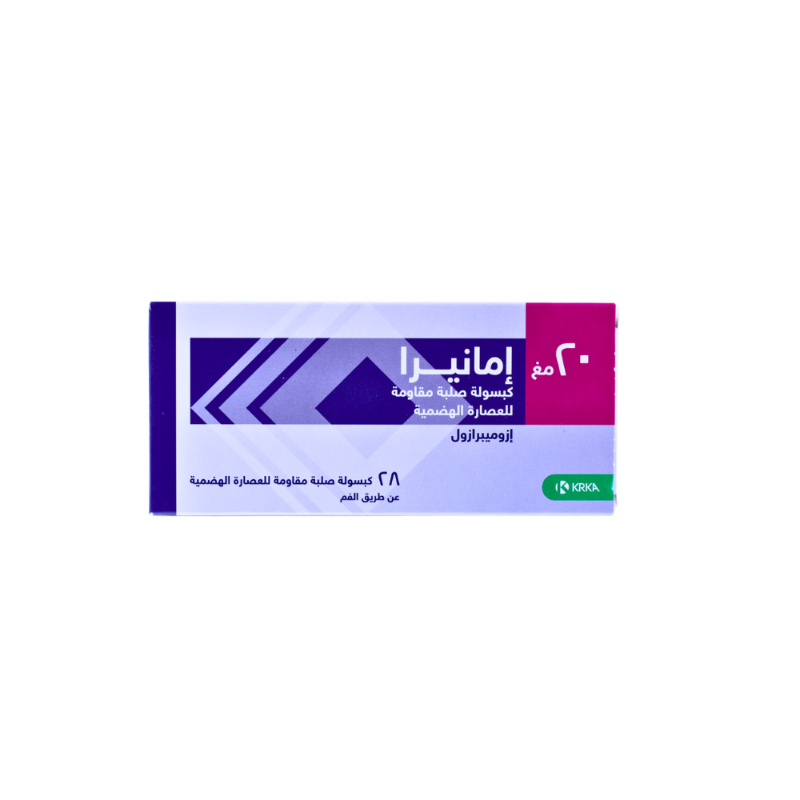
Medications > Gastrointestinal Medications
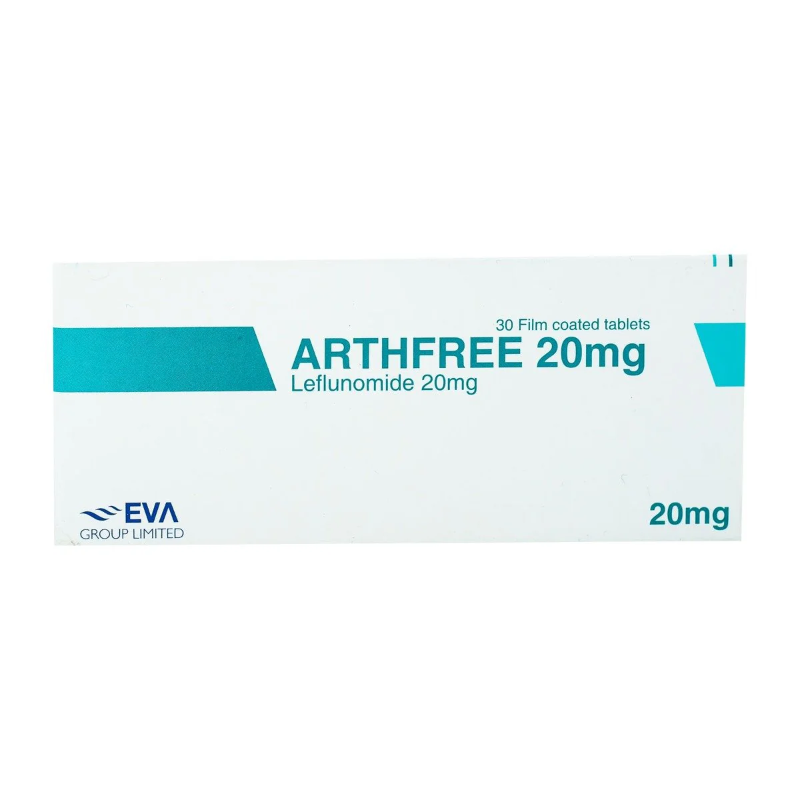
Medications > Other Medicines

Medications > Psychiatric Medications
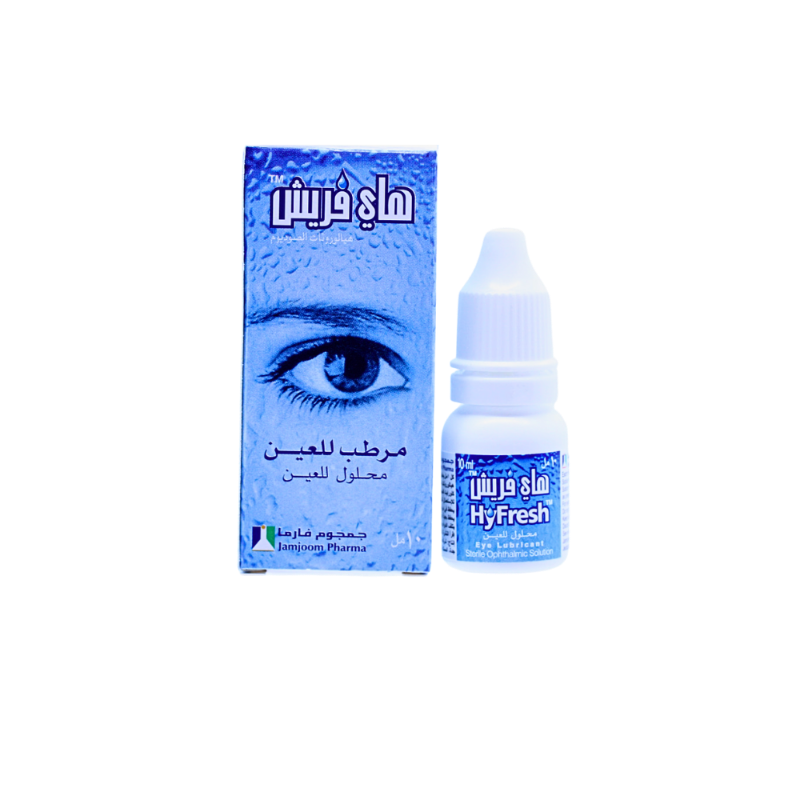
Medications > Eye and Ear Medications
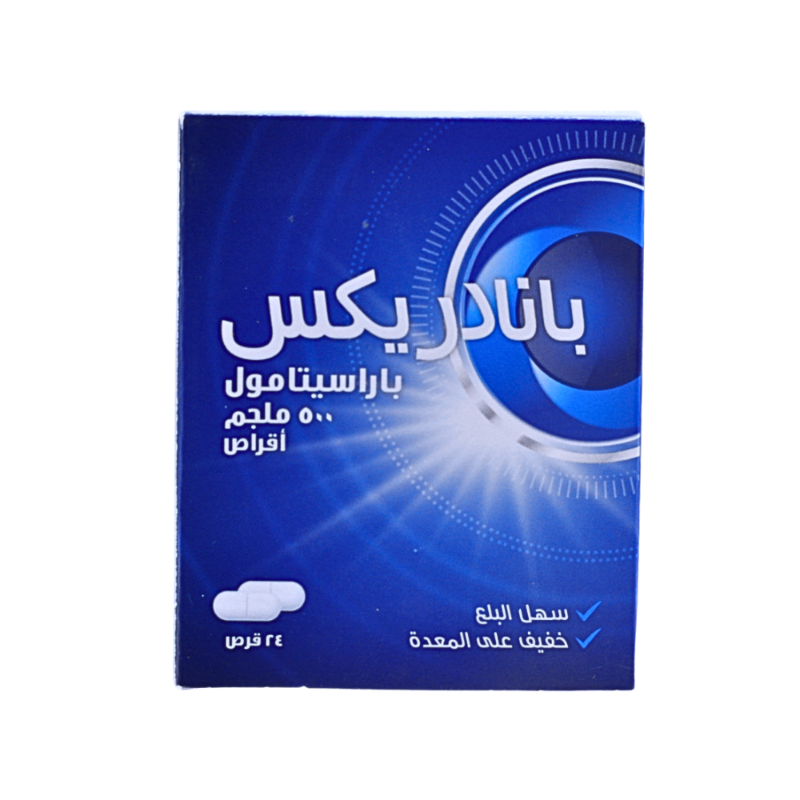
Medications > Painkillers and Antipyretics
Medications > Painkillers and Antipyretics
Medications > Diabetes Medications
