
Use Code: ND30 And Get 30% OFF | Get Free Delivery With No Minimum Order
-1744229570.gif "Almujtama Pharmacy logo")




Frequently bought together
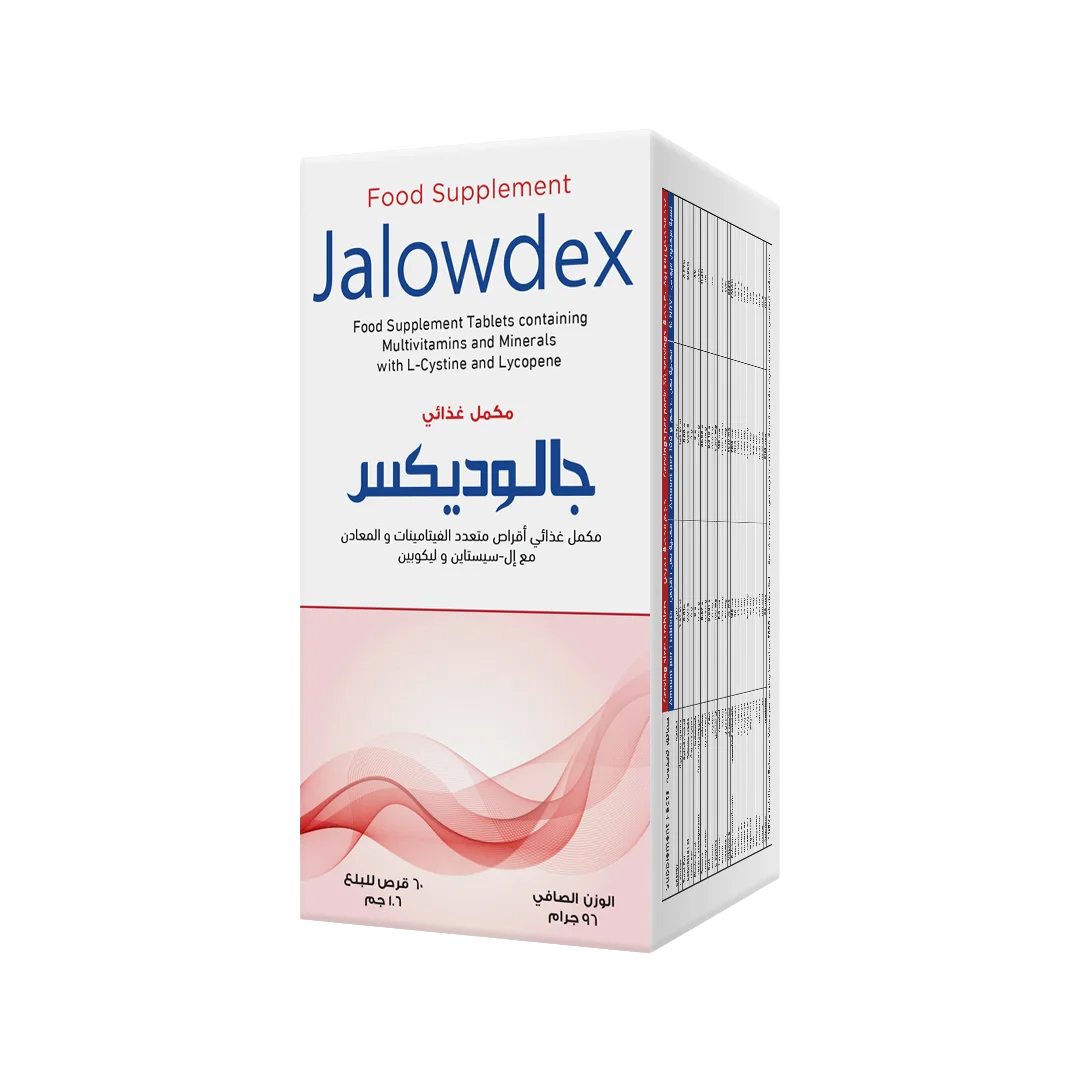
Vitamins & Supplements > Omega-3 Supplements

Vitamins & Supplements > Sleeping aid supplements
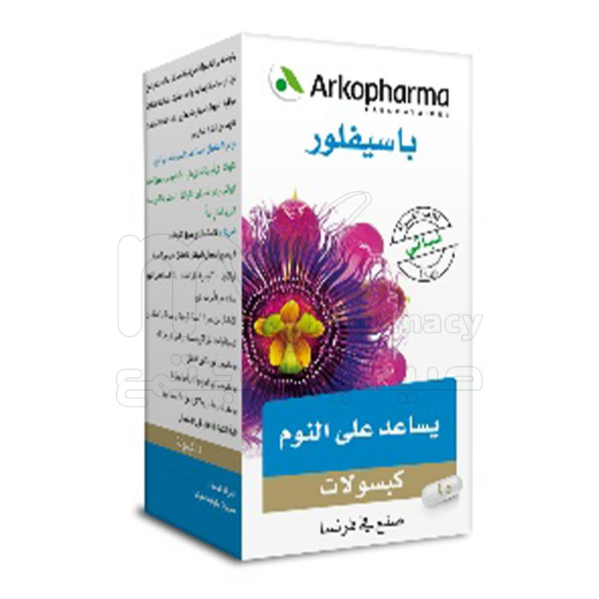
Vitamins & Supplements > Sleeping aid supplements
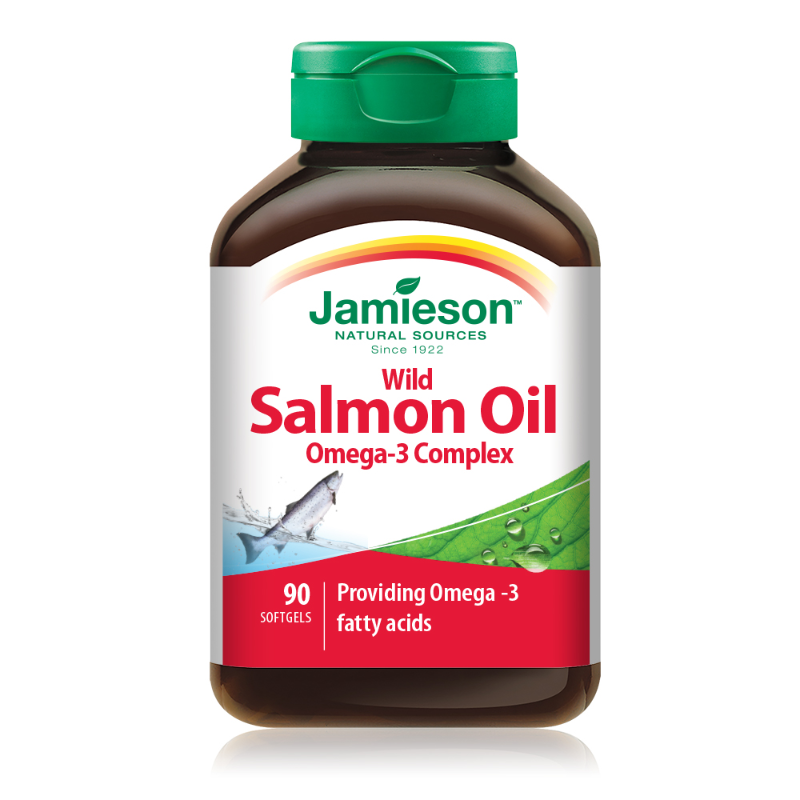
Vitamins & Supplements > Omega-3 Supplements
Vitamins & Supplements > Sleeping aid supplements
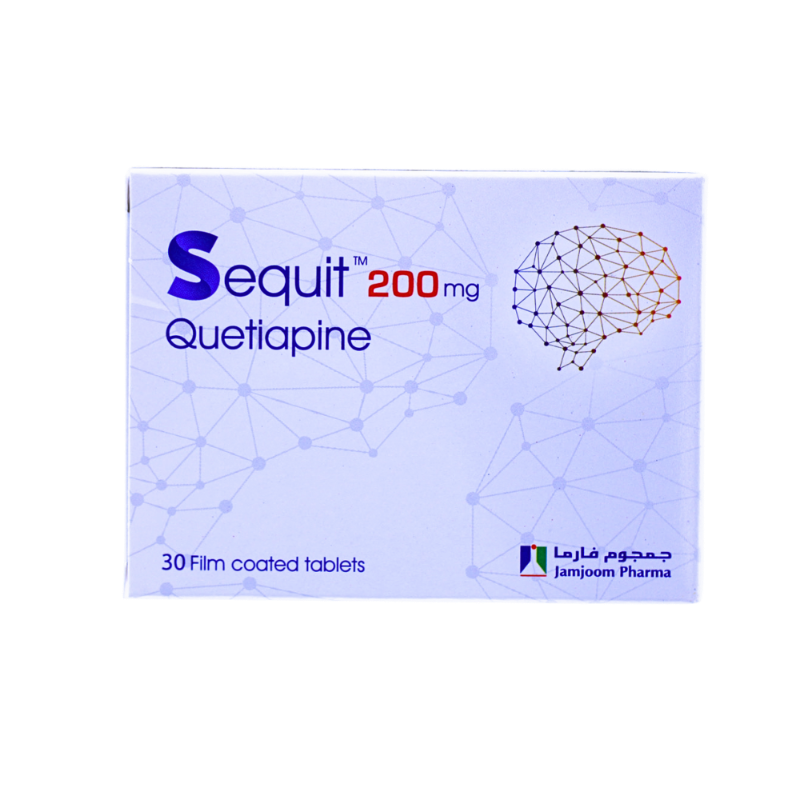
SEQUIT 200/MG FC TAB 30/FC TAB
- Sku : I-027902
Key features
SEQUIT 200 mg Film-coated tablets contain quetiapine 200 mg, an atypical antipsychotic medicine. It works by blocking serotonin and dopamine receptors in the brain, with additional effects on other receptors that help regulate mood and thought. It is used to treat schizophrenia and bipolar I disorder, including acute manic episodes, bipolar depression, and maintenance treatment as an adjunct to lithium or valproate. This product is supplied as a pack of 30 film-coated tablets and is available by prescription.- Brand: SEQUIT
- Active Ingredient: QUETIAPINE 200mg
- Strength: 200mg
- Dosage Form: Film-coated tablet
- Pack Size: 30 Tablets
- Route: Oral use
- Prescription Status: Prescription
- Therapeutic Class: Psychiatric
- Pharmacological Group: Antipsychotics
- Drug Class: Atypical (second‑generation) antipsychotic; dibenzothiazepine derivative.
- Manufacturer: Jamjoom Pharmaceuticals Factory Company
- Country of Origin: Saudi Arabia
- SFDA Registration No.: 1311234461
- Shelf Life: 36 months
- Storage: store below 30°c
- Psych Class: Antipsychotic-Atypical
- Controlled Substance: No
Frequently bought together
Vitamins & Supplements > Omega-3 Supplements
Vitamins & Supplements > Sleeping aid supplements
Vitamins & Supplements > Sleeping aid supplements
Vitamins & Supplements > Omega-3 Supplements
Vitamins & Supplements > Sleeping aid supplements
Indications
Approved Uses
Schizophrenia; Bipolar I disorder-acute manic episodes; Bipolar depression; Maintenance treatment of Bipolar I disorder (as adjunct to lithium or valproate). Adjunctive treatment of Major Depressive Disorder applies to the extended‑release formulation (XR) where approved.
Off-Label Uses
Common off‑label uses include insomnia (not recommended routinely due to risk), generalized anxiety disorder, PTSD, agitation in dementia/delirium (cautious use), and behavioral symptoms in certain psychiatric conditions; evidence varies and risks (metabolic effects, sedation, falls) often outweigh benefits for sleep-only use.
Dosage & Administration
Dosing by Condition
Schizophrenia (IR adults): start 25 mg twice daily; titrate to usual effective range ~300-450 mg/day in divided doses; maximum commonly 750 mg/day. Bipolar mania (IR adults): start 50 mg twice daily; titrate to 400-800 mg/day in divided doses; max 800 mg/day. Bipolar depression (adults): 50 mg at bedtime day 1, titrate to 300 mg at bedtime by day 4; max 300 mg/day (higher doses generally not recommended for bipolar depression). MDD adjunct: applies to XR-start 50 mg nightly; target 150-300 mg/day; max 300 mg/day.
Initial Dose
25-50 mg twice daily (schizophrenia/bipolar mania); 50 mg once daily at bedtime (bipolar depression)
Maintenance Dose
400-800 mg/day (schizophrenia); 400-800 mg/day (bipolar mania maintenance as adjunct); 300 mg/day (bipolar depression
Maximum Dose
800 mg/day (schizophrenia, bipolar mania); 300 mg/day (bipolar depression
Children's Dosage
Schizophrenia (13-17 years): Initial 25 mg twice daily, titrate to 400-800 mg/day. Bipolar mania (10-17 years): Initial 25 mg twice daily, titrate to 400-600 mg/day. Not approved under 10 years
Dose Adjustment Notes
Use lower starting doses and slower titration in elderly/debilitated patients, those predisposed to hypotension, and in hepatic impairment. Avoid concomitant strong CYP3A4 inhibitors or reduce quetiapine dose substantially if unavoidable; strong CYP3A4 inducers may require higher quetiapine doses and reassessment when the inducer is stopped.
How to Take
Swallow the film‑coated tablet whole with water; do not crush or chew. May be taken with or without food. (If this product is immediate‑release, it is typically dosed in divided doses as prescribed.)
Side Effects
Common Side Effects
Somnolence, Dizziness, Dry mouth, Constipation, Weight gain, Headache, Orthostatic hypotension, Tachycardia, Dyspepsia, Increased appetite
Side Effect Frequency
Very common (>10%): somnolence, dizziness, dry mouth, headache, weight gain. Common (1-10%): constipation, dyspepsia, tachycardia, orthostatic hypotension, increased appetite, fatigue/asthenia (and metabolic lab increases such as triglycerides/glucose are commonly reported). Serious events like NMS, QT prolongation, agranulocytosis, seizures are rare/uncommon.
Safety & Warnings
Contraindications
Contraindication: known hypersensitivity to quetiapine or any component of the formulation.
Warnings & Precautions
Key warnings/precautions: dementia-related psychosis mortality risk (not approved), suicidality monitoring in young patients, metabolic monitoring (weight, glucose, lipids), orthostatic hypotension (slow titration; caution CV/cerebrovascular disease), sedation/cognitive-motor impairment, QT prolongation risk (avoid high-risk combinations), NMS and tardive dyskinesia vigilance, seizure risk, cataract risk (lens changes-consider eye exam per local practice), and caution in hepatic impairment.
Age Restriction
Pediatric use is indication-specific: approved for schizophrenia ages 13-17 and for bipolar I mania ages 10-17; not approved for children <13 for schizophrenia or <10 for bipolar mania (and not established for other pediatric indications).
Driving Warning
May Cause Drowsiness
Drug Interactions
Drug Interactions
Major: strong CYP3A4 inhibitors (e.g., ketoconazole, itraconazole, clarithromycin, ritonavir) markedly increase quetiapine exposure-avoid/major dose adjustment; strong CYP3A4 inducers (e.g., carbamazepine, phenytoin, rifampin) decrease exposure-avoid or adjust. Other clinically important: additive CNS depression with alcohol/sedatives; additive hypotension with antihypertensives; additive QT-prolongation risk with QT-prolonging drugs; antagonism of dopamine agonists/levodopa.
Interaction Severity
MAJOR: Strong CYP3A4 inhibitors (e.g., ketoconazole, clarithromycin, ritonavir) ↑ quetiapine levels/toxicity; strong CYP3A4 inducers (e.g., carbamazepine, phenytoin, rifampin) ↓ levels/efficacy; additive QT‑risk with other QT‑prolonging drugs in susceptible patients. MODERATE: CNS depressants (alcohol, opioids, benzodiazepines) ↑ sedation/respiratory depression risk; antihypertensives ↑ orthostatic hypotension; other dopamine‑blocking drugs ↑ EPS/NMS risk.
Food Interaction
Immediate‑release tablets: may be taken with or without food. Extended‑release tablets: take without food or with a light meal (avoid high‑fat meals). Avoid grapefruit/grapefruit juice.
Alcohol Interaction
Avoid
Special Populations
Pregnancy
Pregnancy Category C
Breastfeeding
Caution
Children
Schizophrenia (13-17 years): Initial 25 mg twice daily, titrate to 400-800 mg/day. Bipolar mania (10-17 years): Initial 25 mg twice daily, titrate to 400-600 mg/day. Not approved under 10 years
Elderly
Start at 25 mg/day, titrate slowly in increments of 25-50 mg/day; monitor for orthostatic hypotension and sedation; lower maintenance doses may be sufficient
Kidney Impairment
No renal dose adjustment required.
Liver Impairment
Hepatic impairment: start 25 mg/day and increase by 25-50 mg/day to effective dose based on response/tolerability (titrate cautiously).
Storage & Patient Advice
Missed Dose
Take the missed dose as soon as remembered unless it is close to the next scheduled dose; then skip the missed dose and resume the regular schedule-do not double doses.
Stopping the Medicine
Do not stop abruptly - taper dose gradually over at least 1-2 weeks to avoid withdrawal symptoms like nausea, vomiting, and insomnia.
Overdose
Typical overdose effects: marked sedation/somnolence, tachycardia, hypotension; may include QT prolongation/arrhythmias, seizures, coma (rare). Management: supportive care with airway/ventilation as needed, IV fluids/vasopressors for hypotension, ECG/cardiac monitoring; consider activated charcoal if early and airway protected; no specific antidote.
Patient Counseling
Take exactly as prescribed and do not stop abruptly without medical advice. May cause drowsiness/dizziness and orthostatic hypotension-avoid driving until effects are known and rise slowly. Avoid alcohol and grapefruit products. Monitor/expect possible weight gain and metabolic changes; keep follow-up for glucose/lipids/weight. Seek urgent care for fever/rigidity/confusion (NMS), uncontrolled movements (tardive dyskinesia), severe dizziness/fainting, palpitations, or signs of hyperglycemia; report new/worsening depression or suicidal thoughts.
Monitoring Requirements
Baseline and periodic: weight/BMI (and waist circumference if feasible), blood pressure (including orthostatic if symptomatic), fasting plasma glucose or HbA1c, fasting lipid panel. Also monitor for EPS/tardive dyskinesia, sedation/falls, and suicidality; consider CBC if history of leukopenia/neutropenia and ECG/QTc if cardiac risk factors or QT‑prolonging co‑meds.
Pharmacology
Mechanism of Action
Antagonist at serotonin 5‑HT2A and dopamine D2 receptors (with relatively lower D2 affinity), also blocks H1 and α1/α2 receptors; the active metabolite norquetiapine inhibits NET and has 5‑HT1A partial agonism, contributing to antidepressant effects.
Onset of Action
Sedation can occur within hours (often after the first dose); peak plasma concentration occurs ~1-2 hours after immediate‑release dosing; antipsychotic/mood benefits typically begin over 1-2 weeks with fuller effect over several weeks.
Duration of Effect
Immediate‑release quetiapine has an elimination half‑life of ~6 hours; clinical dosing is typically twice daily (sometimes three times daily), while XR is designed for once‑daily dosing.
Half-Life
Approximately 6-7 hours
Bioavailability
Absolute oral bioavailability is not precisely established; quetiapine has extensive first-pass metabolism, and the tablet has ~100% relative bioavailability compared with an oral solution.
Metabolism
Extensive hepatic metabolism primarily via CYP3A4; minor contribution from CYP2D6; active metabolite norquetiapine (N-desalkylquetiapine).
Excretion
Renal ~73% and fecal ~20-21% (primarily as metabolites); <5% excreted unchanged.
Protein Binding
Approximately 83%.
Product Information
Available Dosage Forms
For this SFDA product: Film‑coated tablet (oral) 200 mg. (Other quetiapine products may exist as immediate‑release tablets and extended‑release tablets; oral suspension is not a standard widely marketed form and is not supported by the verified API for this product.)
Composition per Dose
Each film-coated tablet: 200 mg quetiapine (as quetiapine fumarate 230 mg)
Generic Availability
Yes
OTC Alternatives
No OTC alternative
Psych Class
Antipsychotic-Atypical
Controlled Substance
No
Reviewed by Al Mujtama Pharmacy Medical Review Team. Last reviewed 09-06-2026
Similar Products
Medications > Painkillers and Antipyretics
Medications > Other Medicines
Medications > Cold, Cough, and Allergy Medications
Medications > Diabetes Medications
Medications > Gastrointestinal Medications
Medications > Gastrointestinal Medications
Medications > Painkillers and Antipyretics
Medications > Diabetes Medications
Medications > Diabetes Medications
Medications > Eye and Ear Medications
