
Use Code: ND30 And Get 30% OFF | Get Free Delivery With No Minimum Order
-1744229570.gif "Almujtama Pharmacy logo")




Frequently bought together
Vitamins & Supplements > Omega-3 Supplements
Vitamins & Supplements > Sleeping aid supplements
Vitamins & Supplements > Sleeping aid supplements
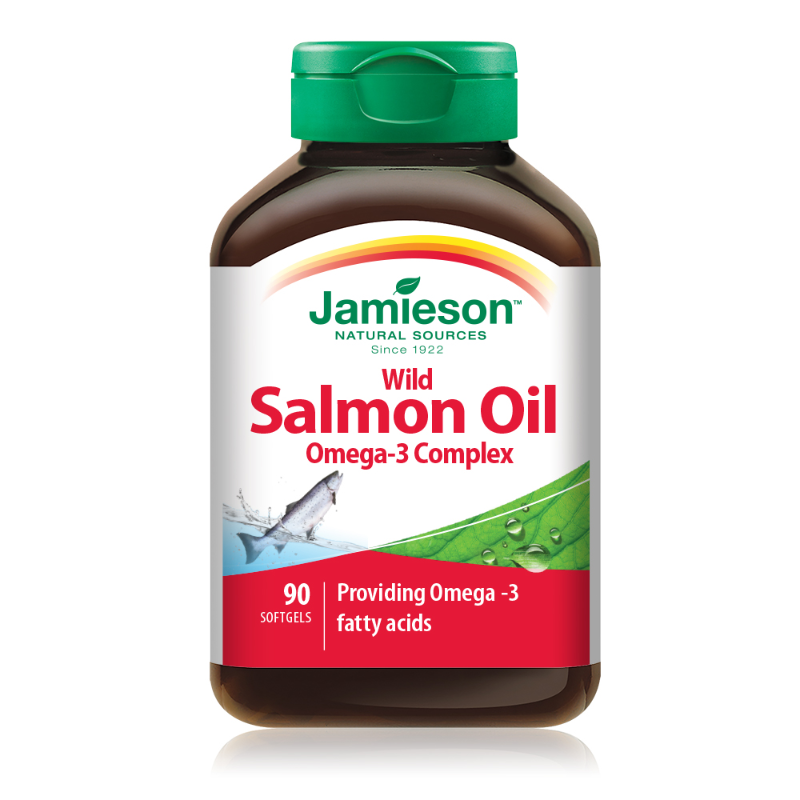
Vitamins & Supplements > Omega-3 Supplements
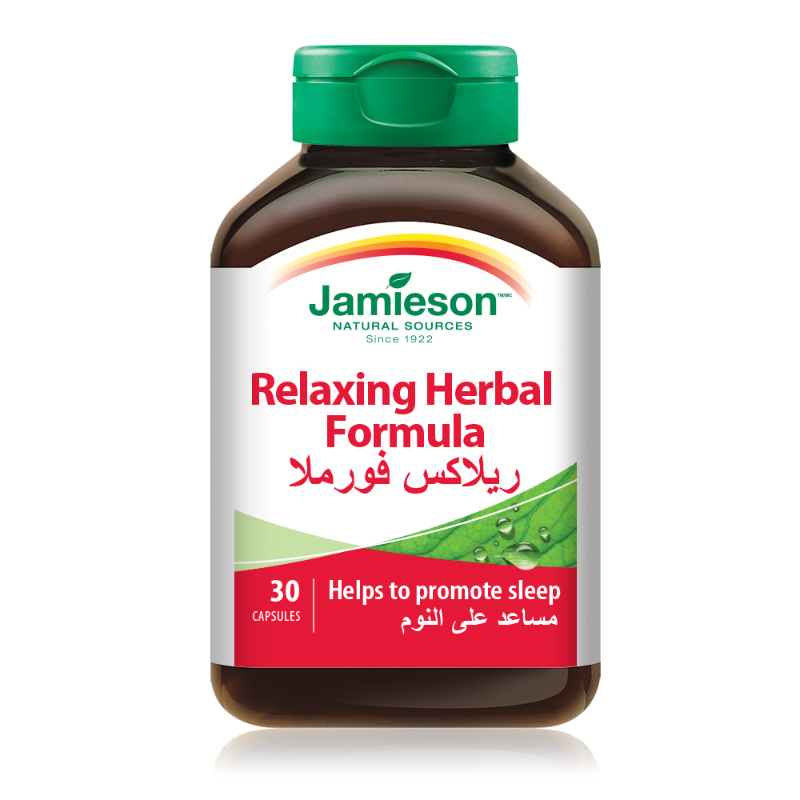
Vitamins & Supplements > Sleeping aid supplements
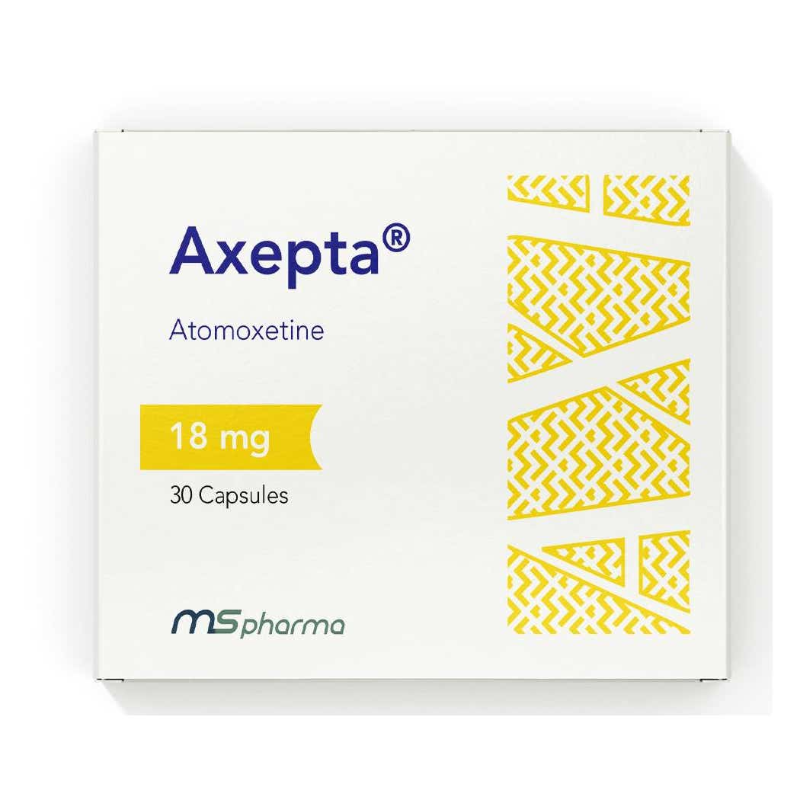
AXEPTA 18 MG 30 CAPSULES
- Sku : I-034169
Key features
Axepta Capsule, hard 18mg is a prescription medication containing atomoxetine hydrochloride in capsule form. It works by selectively inhibiting norepinephrine reuptake, helping increase neurotransmitter levels in the brain to support attention and impulse control. It is used for the treatment of attention deficit hyperactivity disorder (ADHD) in children aged 6 years and older, adolescents, and adults. This pack contains 30 hard capsules.- Brand: AXEPTA
- Active Ingredient: ATOMOXETINE HYDROCHLORIDE
- Strength: 18mg
- Dosage Form: Capsule, hard
- Pack Size: 30 Capsules
- Route: Oral use
- Prescription Status: Prescription
- Therapeutic Class: Psychiatric
- Pharmacological Group: Centrally Acting Sympathomimetics
- Drug Class: Selective Norepinephrine Reuptake Inhibitor (SNRI) - ADHD Non-stimulant
- Manufacturer: UNITED INTERNATIONAL COMPANY
- Country of Origin: Jordan
- SFDA Registration No.: 2612211506
- Shelf Life: 36 months
- Storage: store below 30°c
- Psych Class: ADHD Non-stimulant
- Controlled Substance: No
Frequently bought together
Vitamins & Supplements > Omega-3 Supplements
Vitamins & Supplements > Sleeping aid supplements
Vitamins & Supplements > Sleeping aid supplements
Vitamins & Supplements > Omega-3 Supplements
Vitamins & Supplements > Sleeping aid supplements
Indications
Approved Uses
Attention Deficit Hyperactivity Disorder (ADHD) in children aged 6 years and older, adolescents, and adults
Off-Label Uses
Off-label uses with some clinical precedent include adjunctive treatment in depression (e.g., residual fatigue/inattention) and certain anxiety-spectrum presentations; other proposed uses (e.g., enuresis, neurogenic orthostatic hypotension, 'cognitive disengagement syndrome') have limited/variable evidence and are not established guideline indications.
Dosage & Administration
Dosing by Condition
ADHD (children ≥6 years and adolescents ≤70 kg): Initial 0.5 mg/kg/day for minimum 7 days, then increase to target 1.2 mg/kg/day; max 1.4 mg/kg/day or 100 mg/day whichever is less. ADHD (adults and adolescents >70 kg): Initial 40 mg/day for minimum 7 days, then increase to target 80 mg/day; max 100 mg/day
Initial Dose
Children/adolescents ≤70 kg: 0.5 mg/kg/day; Adults and adolescents >70 kg: 40 mg/day
Maintenance Dose
Children/adolescents ≤70 kg: 1.2 mg/kg/day; Adults and adolescents >70 kg: 80 mg/day
Maximum Dose
100 mg/day (or 1.4 mg/kg/day in children/adolescents ≤70 kg, whichever is less)
Children's Dosage
Children ≥6 years and adolescents ≤70 kg: Initial 0.5 mg/kg/day once daily or divided twice daily; after ≥7 days increase to 1.2 mg/kg/day; max 1.4 mg/kg/day or 100 mg/day. Not approved for children under 6 years
Dose Adjustment Notes
Titrate no more frequently than every 7 days. With strong CYP2D6 inhibitors or known CYP2D6 poor metabolizers: use slower titration and lower effective/target doses (e.g., start 0.5 mg/kg/day in children/adolescents or 40 mg/day in adults; increase only if needed and tolerated after several weeks). Hepatic impairment: reduce dose (moderate: ~50%; severe: ~75%). Renal impairment: generally no adjustment required.
How to Take
Swallow the hard capsule whole with water; do not open, crush, or chew. May be taken with or without food. Usually given once daily in the morning; may be given as two divided doses (morning and late afternoon/early evening) if needed for tolerability or symptom control.
Side Effects
Common Side Effects
Decreased appetite, nausea, dry mouth, constipation, abdominal pain, vomiting, headache, insomnia, dizziness, fatigue/somnolence, irritability; may increase heart rate and blood pressure.
Side Effect Frequency
Very common (≥10%): decreased appetite, nausea, dry mouth, insomnia, headache, abdominal pain. Common (1-10%): vomiting, constipation, dizziness, fatigue, irritability, dyspepsia, increased heart rate, increased blood pressure, weight loss, erectile dysfunction/sexual dysfunction, urinary hesitation/retention. Uncommon (0.1-1%): suicidal ideation, aggression/hostility, psychotic or manic symptoms, syncope. Rare/very rare: severe hepatotoxicity, priapism, seizures, Raynaud’s phenomenon.
Safety & Warnings
Contraindications
Hypersensitivity to atomoxetine; concomitant use with MAO inhibitors or within 14 days of stopping an MAOI; narrow-angle glaucoma; pheochromocytoma or history of pheochromocytoma; severe cardiovascular disorders where increases in BP/HR could be clinically important.
Warnings & Precautions
Monitor for suicidality (especially early and with dose changes); assess cardiovascular history/exam and monitor BP/HR; caution in hypertension/tachycardia/cardiovascular disease; discontinue and evaluate if signs of liver injury occur; screen for bipolar disorder and monitor for psychosis/mania and aggression/hostility; monitor height/weight in children; counsel to seek urgent care for priapism.
Age Restriction
Approved for use in children 6 years of age and older (not approved for <6 years).
Drug Interactions
Drug Interactions
Contraindicated with MAOIs; strong CYP2D6 inhibitors (e.g., fluoxetine, paroxetine, quinidine, bupropion) increase atomoxetine exposure; caution with drugs that increase BP/HR (e.g., pressor agents, beta-agonists) and with QT-prolonging drugs in at-risk patients.
Interaction Severity
MAJOR/Contraindicated: MAO inhibitors (and within 14 days of stopping an MAOI). MODERATE: Strong CYP2D6 inhibitors (e.g., fluoxetine, paroxetine, quinidine) requiring dose adjustment/slow titration; pressor agents/systemic beta-agonists (e.g., albuterol/salbutamol) and other agents that raise BP/HR-monitor; QT-prolonging drugs-use caution/monitor in at-risk patients.
Food Interaction
No clinically significant food restriction; can be taken with or without food (food may improve GI tolerability in some patients).
Special Populations
Pregnancy
Caution
Children
Children ≥6 years and adolescents ≤70 kg: Initial 0.5 mg/kg/day once daily or divided twice daily; after ≥7 days increase to 1.2 mg/kg/day; max 1.4 mg/kg/day or 100 mg/day. Not approved for children under 6 years
Elderly
Limited data in elderly patients; start at lower doses and titrate cautiously with cardiovascular monitoring
Kidney Impairment
No dose adjustment needed, including in end-stage renal disease.
Liver Impairment
Mild (Child-Pugh A): no adjustment; Moderate (Child-Pugh B): use 50% of usual initial/target dose; Severe (Child-Pugh C): use 25% of usual initial/target dose (i.e., 75% reduction).
Storage & Patient Advice
Stopping the Medicine
Abrupt discontinuation is generally acceptable (no taper required), but stopping should be clinician-guided and ADHD symptoms may return.
Overdose
Symptoms may include GI upset, somnolence or agitation, tachycardia, hypertension, mydriasis, dry mouth, QTc prolongation and seizures; management is supportive with airway/ventilation as needed, cardiac monitoring, and consideration of activated charcoal if early-no specific antidote and dialysis is unlikely to help.
Patient Counseling
Take exactly as prescribed, with or without food; swallow capsules whole (do not open/crush/chew). Benefit may take several weeks (often 4-8 weeks). Do not stop without prescriber advice. Report mood/behavior changes or suicidal thoughts, and symptoms of liver injury (jaundice, dark urine, RUQ pain). Expect possible appetite/GI effects and possible dizziness-use caution with driving until effects are known. Avoid/limit alcohol and inform clinicians about all medicines, especially MAOIs and CYP2D6 inhibitors.
Monitoring Requirements
Monitor blood pressure and heart rate at baseline, after dose increases, and periodically; monitor weight/height (growth) in children/adolescents; monitor for new/worsening psychiatric symptoms including suicidality; assess for liver injury and check LFTs if symptoms/signs occur.
Pharmacology
Mechanism of Action
Selective norepinephrine reuptake inhibitor (NET inhibitor) increasing synaptic norepinephrine (and indirectly dopamine in the prefrontal cortex) to improve ADHD symptoms.
Onset of Action
Some symptom improvement may be noticed within 1-2 weeks; full therapeutic benefit often requires 4-6 weeks (may take longer in some patients).
Duration of Effect
Single-dose pharmacodynamic effect lasts about 24 hours (once-daily coverage in many patients); clinical symptom control is maintained with continuous daily dosing.
Half-Life
Approximately 5 hours in extensive metabolizers; up to 24 hours in poor metabolizers.
Bioavailability
Approximately 63% in extensive metabolizers and 94% in poor metabolizers.
Metabolism
Extensive hepatic metabolism primarily via CYP2D6 to 4-hydroxyatomoxetine (then rapidly conjugated); minor contribution from other pathways (e.g., CYP2C19).
Excretion
Primarily renal excretion of metabolites (majority of dose in urine, largely as conjugated metabolites); smaller fraction excreted in feces.
Protein Binding
Approximately 98% protein bound (primarily to albumin).
Product Information
Available Dosage Forms
Capsule, hard (oral).
Composition per Dose
Each hard capsule: 18 mg atomoxetine as hydrochloride
Generic Availability
Yes
OTC Alternatives
No OTC alternative
Psych Class
ADHD Non-stimulant
Controlled Substance
No
Reviewed by Al Mujtama Pharmacy Medical Review Team. Last reviewed 30-05-2026
Similar Products
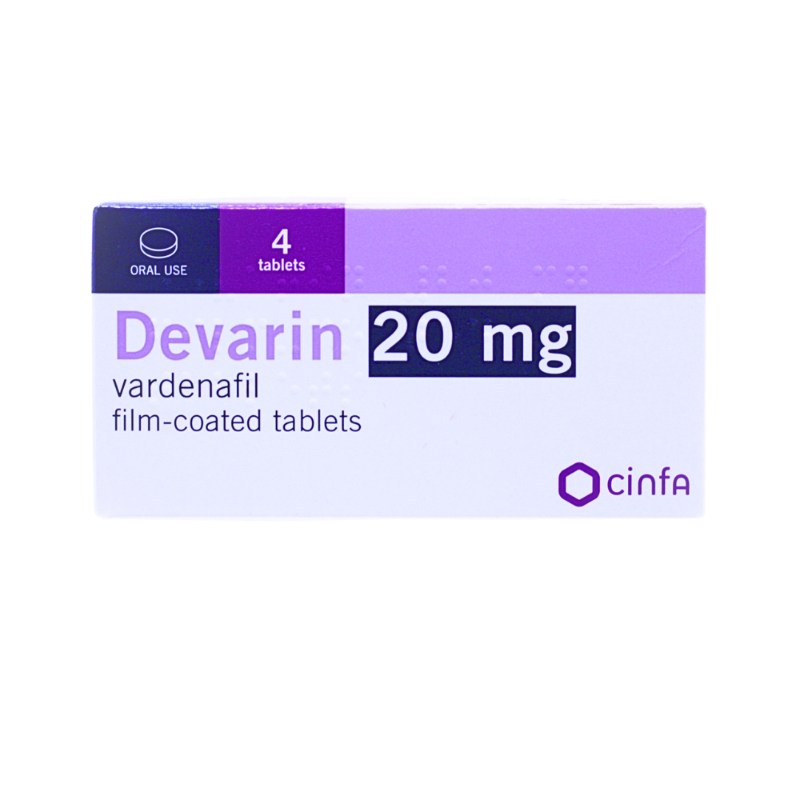
Medications > Sexual Health
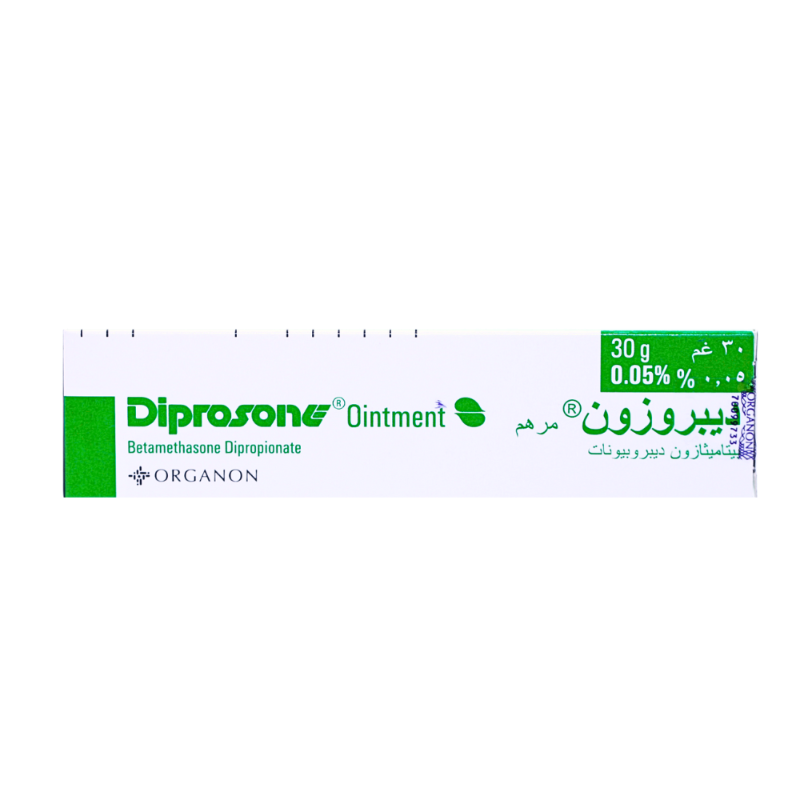
Medications > Dermatology Medications
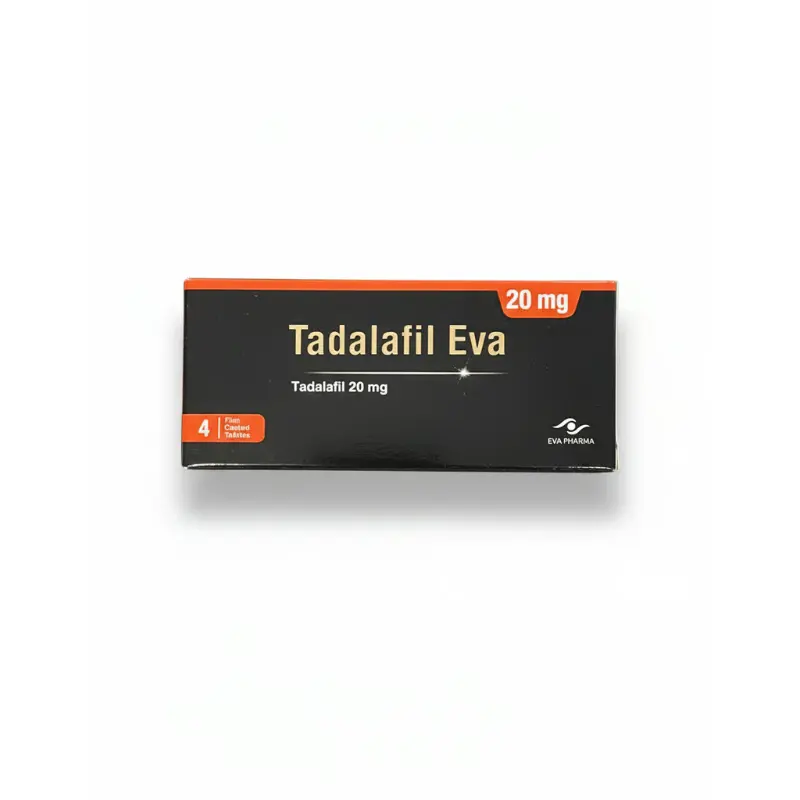
Medications > Sexual Health
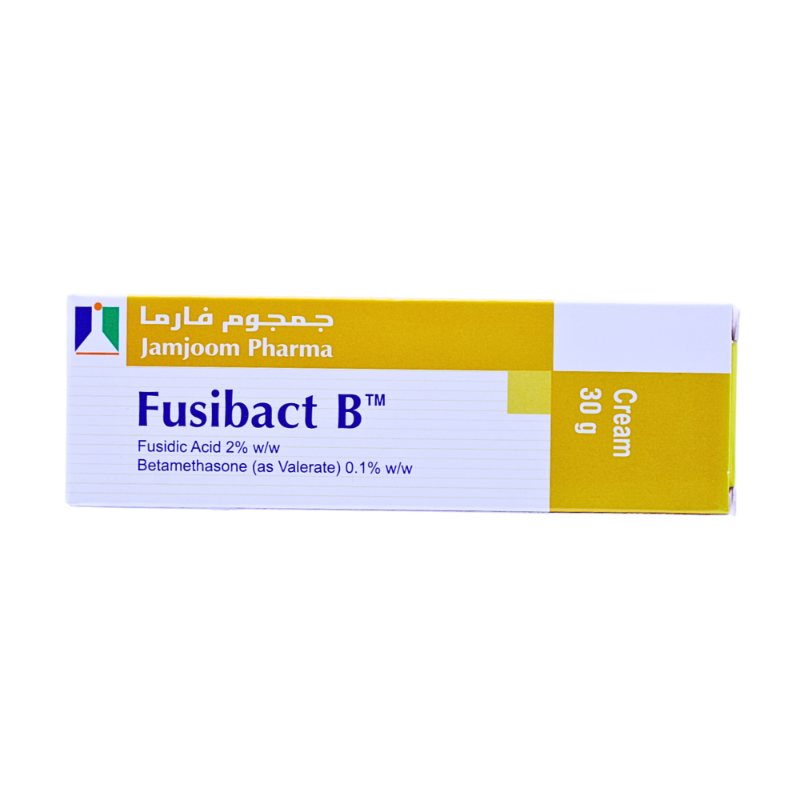
Medications > Dermatology Medications
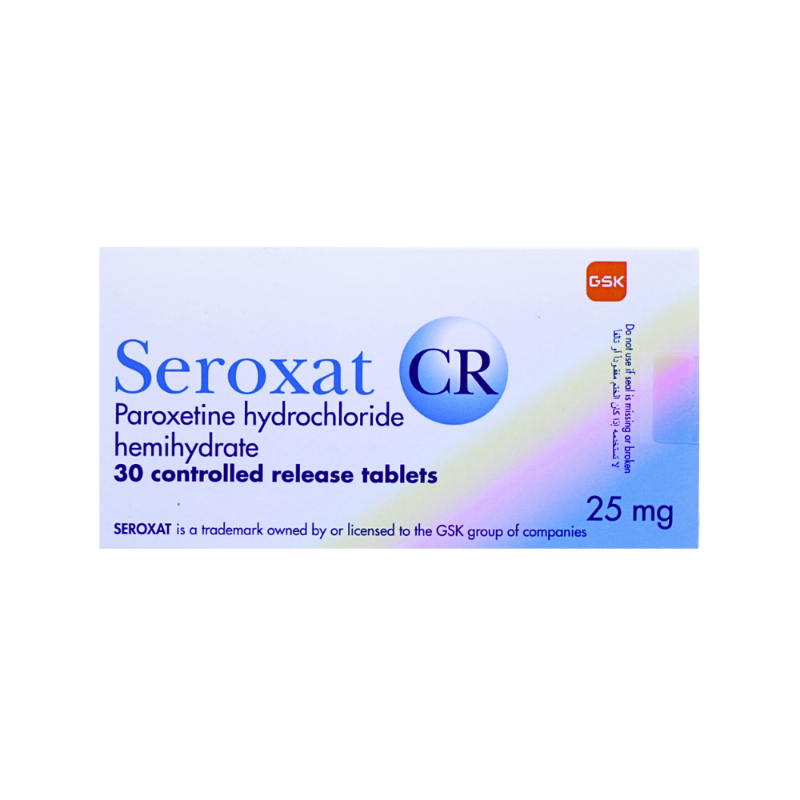
Medications > Psychiatric Medications
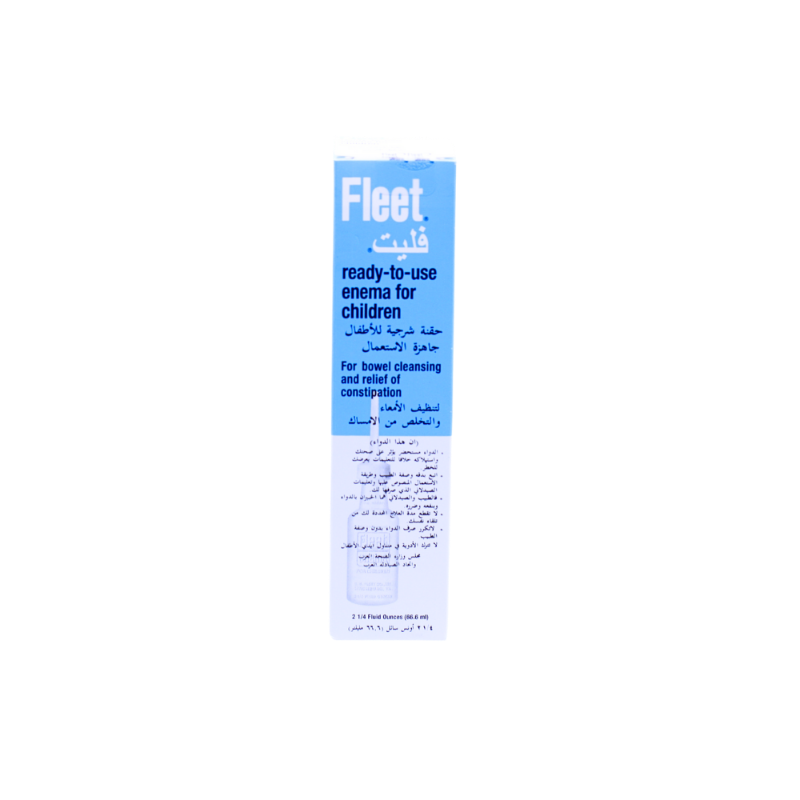
Medications > Gastrointestinal Medications
Medications > Painkillers and Antipyretics
Medications > Contraceptives and Hormonal Medications
Medications > Diabetes Medications
Medications > Psychiatric Medications
