
Use Code: WF26 And Get 30% OFF, T&C Applay | Get Free Delivery With No Minimum Order
-1744229570.gif "Almujtama Pharmacy logo")




Frequently bought together

Vitamins & Supplements > Omega-3 Supplements
Vitamins & Supplements > Omega-3 Supplements
Vitamins & Supplements > Sleeping aid supplements
Vitamins & Supplements > Sleeping aid supplements

Vitamins & Supplements > Sleeping aid supplements
EXELON 4.6 MG-24H 30 PATCH
- Sku : I-027088
Key features
Exelon 4.6Mg-24H Transdermal Patches are prescription transdermal patches containing rivastigmine, a cholinesterase inhibitor. They work by increasing acetylcholine levels in the brain through reversible inhibition of acetylcholinesterase and butyrylcholinesterase. This medicine is used for mild to moderate Alzheimer’s disease dementia, severe Alzheimer’s disease dementia, and mild to moderate dementia associated with Parkinson’s disease. It is supplied as a pack of 30 patches.- Brand: EXELON
- Active Ingredient: RIVASTIGMINE
- Strength: 4.6mg
- Dosage Form: Transdermal patch
- Pack Size: 30 Patches
- Route: Topical
- Prescription Status: Prescription
- Therapeutic Class: Psychiatric
- Pharmacological Group: Psychoanaleptics
- Drug Class: Cholinesterase Inhibitor (Acetylcholinesterase and Butyrylcholinesterase Inhibitor)
- Manufacturer: LTS LOHMANN Therapie-Systeme
- Country of Origin: Germany
- SFDA Registration No.: 0504233491
- Shelf Life: 24 months
- Storage: store below 30°c
- Psych Class: Cholinesterase Inhibitor (Cognitive Enhancer/Anti-dementia)
- Controlled Substance: No
Frequently bought together
Vitamins & Supplements > Omega-3 Supplements
Vitamins & Supplements > Omega-3 Supplements
Vitamins & Supplements > Sleeping aid supplements
Vitamins & Supplements > Sleeping aid supplements
Vitamins & Supplements > Sleeping aid supplements
Indications
Approved Uses
Mild to moderate Alzheimer's disease dementia, severe Alzheimer's disease dementia, mild to moderate dementia associated with Parkinson's disease
Off-Label Uses
Dementia with Lewy bodies (DLB) and vascular dementia are commonly cited off-label uses (evidence varies; not universally guideline-endorsed).
Dosage & Administration
Dosing by Condition
Alzheimer's dementia: Initial 4.6 mg/24h patch for minimum 4 weeks, then increase to 9.5 mg/24h (maintenance), may increase to 13.3 mg/24h if tolerated and needed. Parkinson's disease dementia: Same titration schedule as Alzheimer's dementia
Initial Dose
4.6 mg/24h transdermal patch applied once daily
Maintenance Dose
9.5 mg/24h patch once daily; may increase to 13.3 mg/24h if clinically indicated
Maximum Dose
Maximum: apply 1 transdermal patch delivering 13.3 mg/24 h to intact skin once daily (replace every 24 hours); remove the previous patch before applying a new one.
Children's Dosage
Not approved for children.
Dose Adjustment Notes
Titrate only after a minimum of 4 weeks at the current patch strength and only if well tolerated; if treatment is interrupted for >3 days, restart at 4.6 mg/24 h and re-titrate. Use caution and slower titration in patients with low body weight (<50 kg) and in hepatic impairment; renal impairment generally does not require a preset adjustment but titrate to tolerability.
How to Take
Apply one patch daily to clean, dry, hairless, intact skin on the upper or lower back, upper arm, or chest. Press firmly for 30 seconds. Remove the old patch before applying a new one. Rotate application sites; do not use the same spot for at least 14 days. Avoid applying creams, lotions, or powders to the skin area where the patch will be placed.
Side Effects
Common Side Effects
Application site reactions (erythema, pruritus, irritation), nausea, vomiting, diarrhea, anorexia, weight loss, dizziness, headache, somnolence, abdominal pain
Side Effect Frequency
Very common (≥10%): nausea, vomiting, application-site reactions. Common (1-10%): diarrhea, anorexia/decreased appetite, weight loss, dizziness, headache, tremor, insomnia/somnolence, abdominal pain, anxiety/depression. Uncommon/rare: bradycardia, syncope, GI ulcer/bleeding, seizures, severe skin reactions (e.g., allergic contact dermatitis).
Safety & Warnings
Contraindications
Known hypersensitivity to rivastigmine, other carbamate derivatives, or any components of the patch, History of application site reaction with rivastigmine patch suggestive of allergic contact dermatitis.
Warnings & Precautions
Key warnings/precautions: medication errors/overdose from multiple patches or not removing old patch; rotate sites and avoid reusing the same site for ~14 days; discontinue if allergic contact dermatitis or disseminated hypersensitivity occurs; monitor for severe GI effects, dehydration and weight loss; caution in conduction disorders/bradycardia, peptic ulcer/GI bleed risk (esp. with NSAIDs), seizure disorders, asthma/COPD, urinary obstruction; may worsen tremor/extrapyramidal symptoms; do not use multiple rivastigmine formulations concurrently; remove patch before MRI/cardioversion/diathermy to prevent burns.
Age Restriction
Not approved for use in patients <18 years; safety and efficacy have not been established.
Driving Warning
May Cause Drowsiness
Drug Interactions
Interaction Severity
MAJOR: Succinylcholine and other neuromuscular blocking agents (may prolong neuromuscular blockade); other cholinomimetic agents/cholinesterase inhibitors (additive cholinergic toxicity). MODERATE: Beta-blockers and other bradycardia-conduction-slowing drugs (additive bradycardia/syncope risk); anticholinergic drugs (pharmacodynamic antagonism reducing benefit); NSAIDs/other ulcerogenic drugs (increased GI ulcer/bleeding risk).
Food Interaction
No restriction
Special Populations
Pregnancy
Consult Doctor
Children
Not approved for children.
Elderly
Standard adult dosing applies; titrate slowly and monitor tolerability closely, particularly for GI side effects and weight loss
Kidney Impairment
No routine dose adjustment; titrate based on tolerability, and use extra caution in severe renal impairment.
Liver Impairment
Mild-moderate hepatic impairment: no fixed adjustment but titrate cautiously/slowly; severe hepatic impairment: insufficient data-use with caution.
Storage & Patient Advice
Missed Dose
If a patch falls off, apply a new patch for the remainder of the day and replace at the usual time the next day; never wear two patches at once. If you miss changing the patch for ≤3 days, apply a new patch as soon as remembered and continue the usual schedule; if >3 days, restart at 4.6 mg/24 h (contact prescriber for re-titration).
Stopping the Medicine
Do not stop without medical advice; if interrupted for >3 days, restart at 4.6 mg/24 h and re-titrate based on tolerability.
Overdose
Symptoms: cholinergic toxicity (severe nausea/vomiting/diarrhea, salivation/sweating, bradycardia, hypotension, syncope, bronchospasm/respiratory depression, seizures). Management: remove all patches, supportive care, urgent medical/poison center contact; atropine may be used for significant cholinergic symptoms (e.g., bradycardia).
Patient Counseling
Apply once daily to clean, dry, hairless intact skin (upper back/chest/upper arm); remove the old patch before applying a new one; rotate sites and avoid reusing the same site for ~14 days; press firmly ~30 seconds; wash hands after handling; fold/dispose used patches safely; do not use heat sources over the patch; report severe nausea/vomiting, weight loss, dizziness/syncope, or severe/worsening skin reactions; if missed >3 days, restart at 4.6 mg/24 h after contacting prescriber; inform clinicians before procedures (e.g., anesthesia due to neuromuscular blocker interaction).
Monitoring Requirements
Monitor weight/appetite and GI tolerability; heart rate and symptoms of bradycardia/syncope; skin application-site reactions (including allergic contact dermatitis); cognitive/functional status and neuropsychiatric symptoms; consider ulcer/bleeding risk in susceptible patients.
Pharmacology
Mechanism of Action
Enhances central cholinergic neurotransmission via reversible inhibition of acetylcholinesterase and butyrylcholinesterase, increasing acetylcholine availability.
Duration of Effect
24 hours per patch application.
Half-Life
Terminal plasma half-life is short (~1.5 hours), but the apparent half-life after patch removal is longer (~3-4 hours) due to continued absorption from skin (flip-flop kinetics).
Bioavailability
Absolute bioavailability for the transdermal system is not typically expressed as a single fixed percentage; clinically, the patch provides smoother, more consistent exposure than oral rivastigmine and reduces peak-related GI adverse effects.
Metabolism
Extensively metabolized via cholinesterase-mediated hydrolysis to inactive metabolites; minimal cytochrome P450 involvement.
Protein Binding
Approximately 40%.
Product Information
Available Dosage Forms
Transdermal patch
Composition per Dose
Each patch: delivers 4.6 mg rivastigmine over 24 hours; total rivastigmine content per patch: 9 mg
Generic Availability
Yes
OTC Alternatives
No OTC alternative
Psych Class
Cholinesterase Inhibitor (Cognitive Enhancer/Anti-dementia)
Controlled Substance
No
Reviewed by Al Mujtama Pharmacy Medical Review Team. Last reviewed 23-05-2026
Similar Products
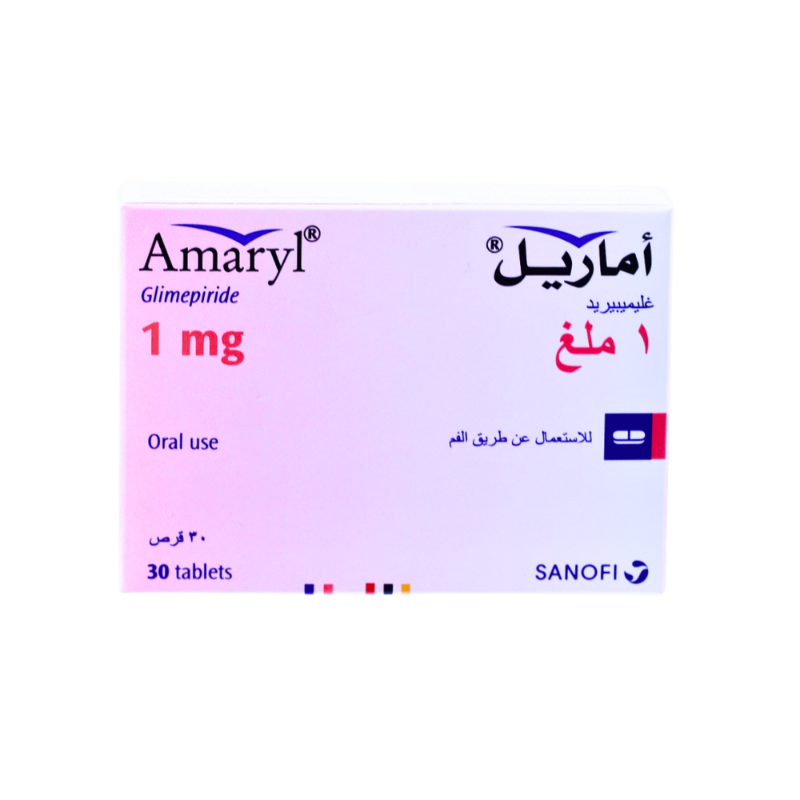
Medications > Diabetes Medications

Medications > Painkillers and Antipyretics
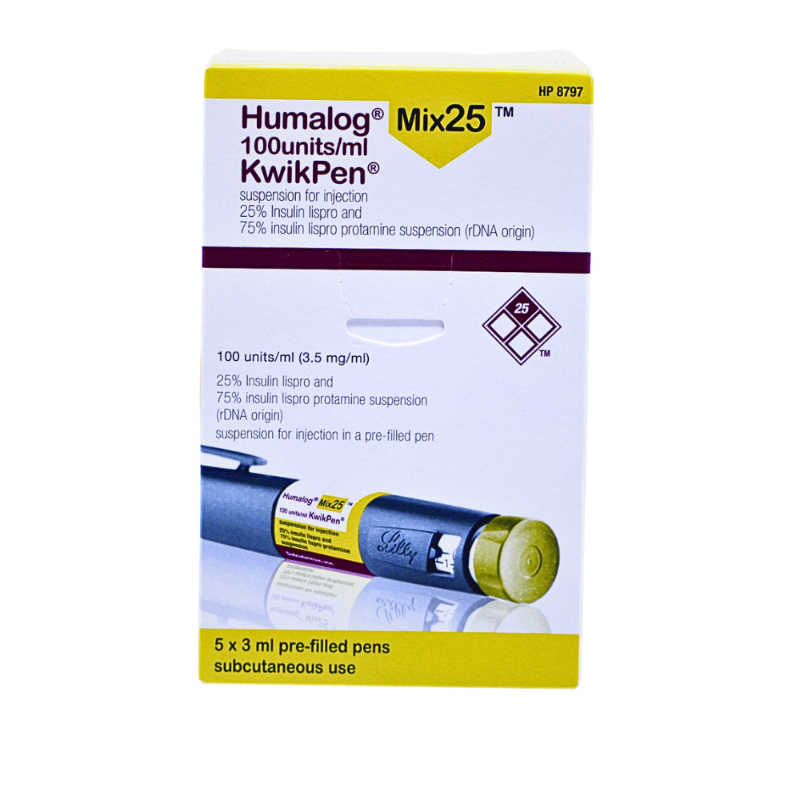
Medications > Diabetes Medications
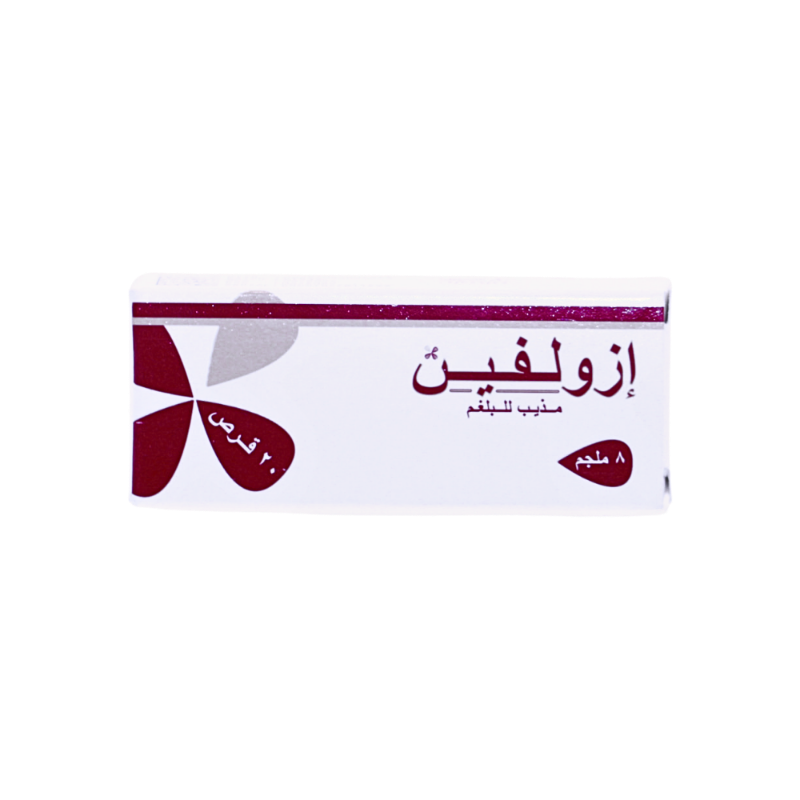
Medications > Cold, Cough, and Allergy Medications
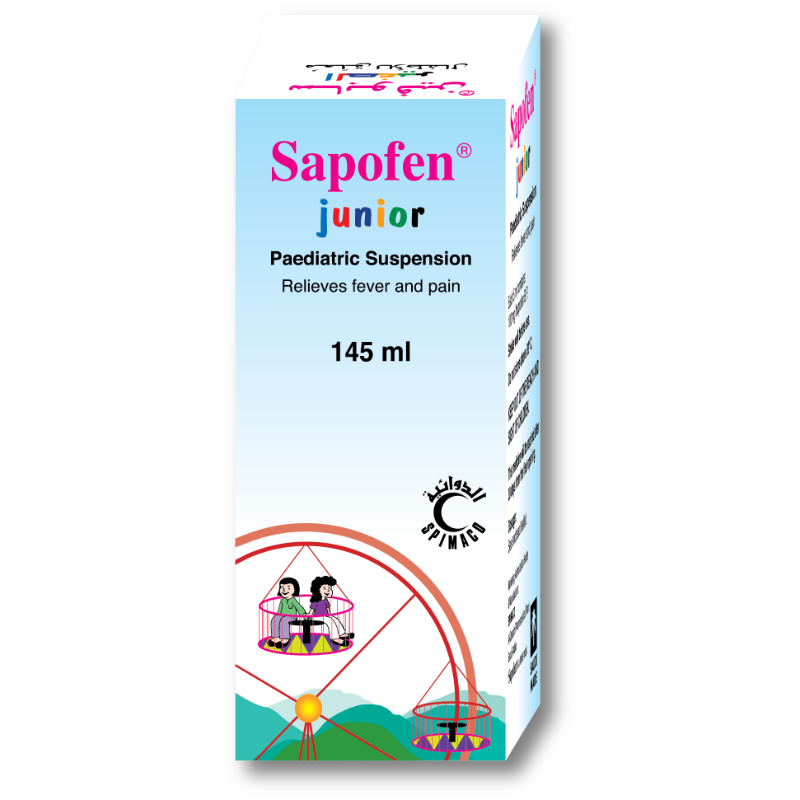
Medications > Painkillers and Antipyretics

Medications > Cold, Cough, and Allergy Medications
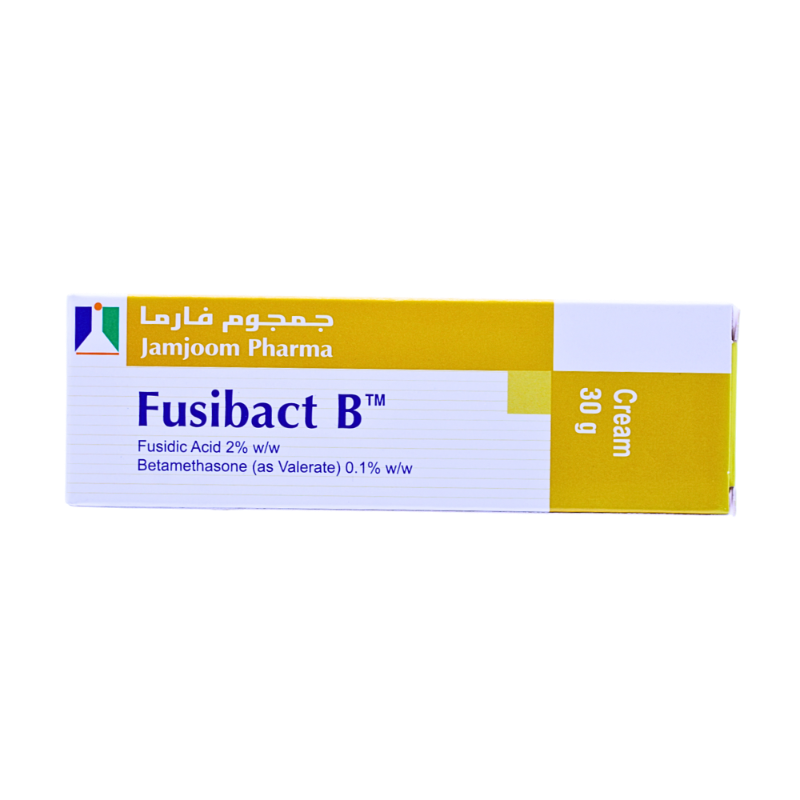
Medications > Dermatology Medications
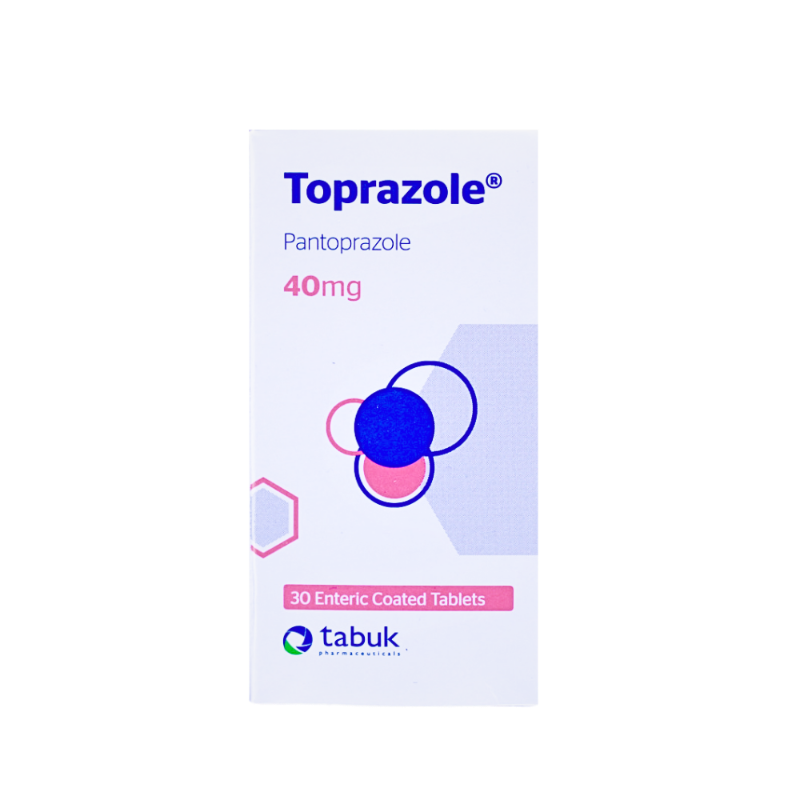
Medications > Gastrointestinal Medications
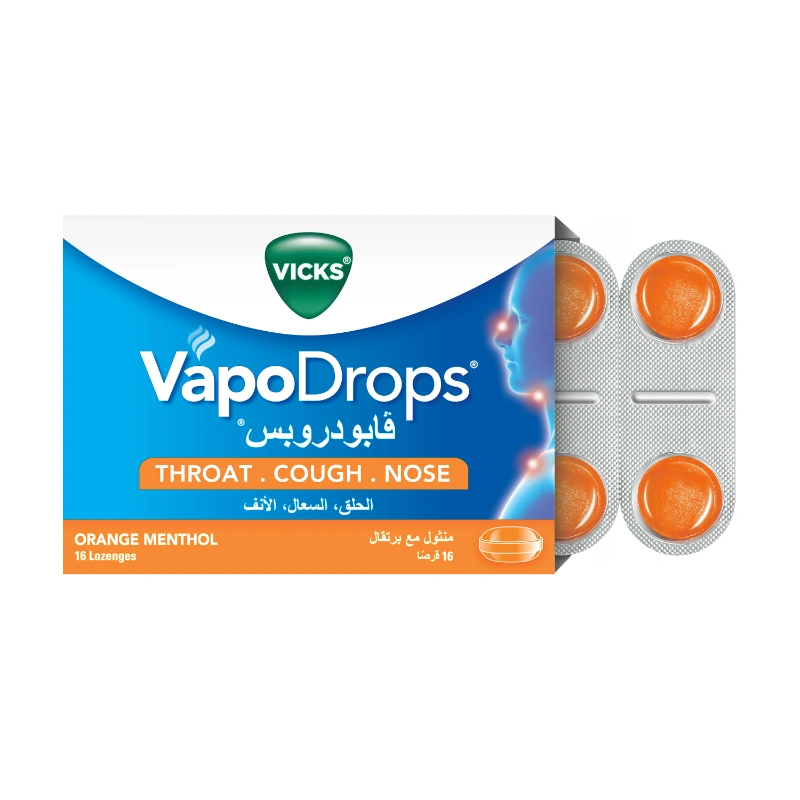
Medications > Cold, Cough, and Allergy Medications
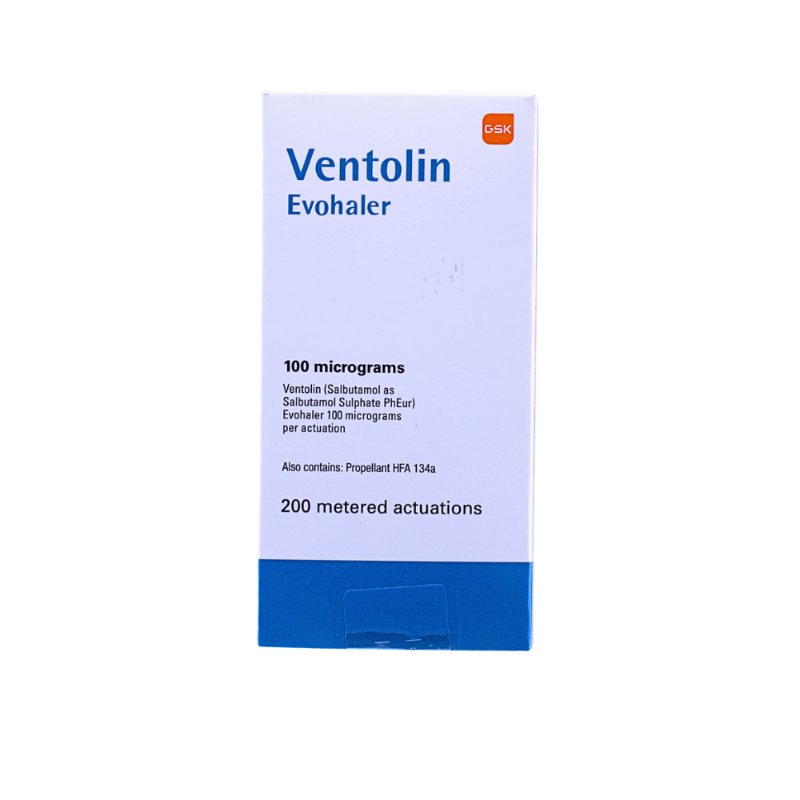
Medications > Cold, Cough, and Allergy Medications
