
Use Code: ND30 And Get 30% OFF | Get Free Delivery With No Minimum Order
-1744229570.gif "Almujtama Pharmacy logo")




Frequently bought together
Skin And Body Care > Sun Protection And Tans
Skin And Body Care > Sun Protection And Tans
Skin And Body Care > Moisturizers
Skin And Body Care > Moisturizers
Skin And Body Care > Facial Wash And Exfoliators
Skin And Body Care > Facial Wash And Exfoliators
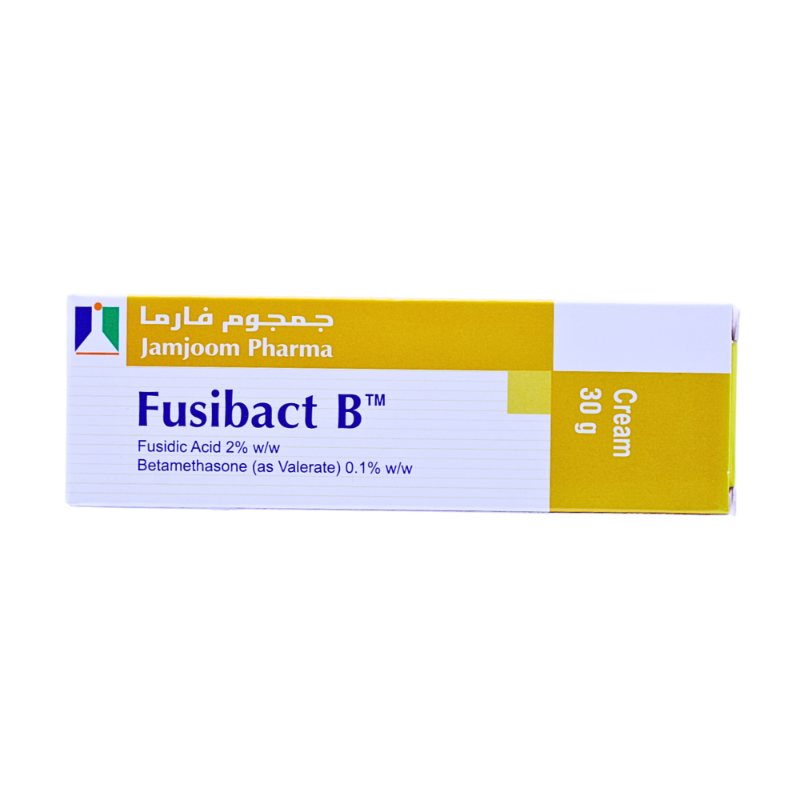
FUSIBACT-B CREAM 30G
- Sku : I-031152
Key features
FUSIBACT-B Cream 30 g is a topical prescription cream containing fusidic acid 2% and betamethasone valerate 0.1%. Fusidic acid inhibits bacterial protein synthesis by blocking EF‑G-mediated ribosomal translocation, while betamethasone valerate activates glucocorticoid receptors to suppress inflammatory gene expression and mediator release, reducing erythema, pruritus and swelling. It is indicated for short-term treatment of infected inflammatory dermatoses, such as eczema or dermatitis, where infection with susceptible organisms (notably staphylococci) is present or suspected. Available by prescription in a 30 g tube.- Brand: FUSIBACT
- Active Ingredient: FUSIDIC ACID 2%, BETAMETHASONE VALERATE 0.1%
- Strength: 2,0.1%
- Dosage Form: Cream
- Pack Size: 30 g
- Route: Topical
- Prescription Status: Prescription
- Therapeutic Class: Dermatological
- Pharmacological Group: Antibiotics & Antiseptics (Topical)
- Drug Class: Topical antibiotic (fusidic acid; steroidal antibiotic inhibiting bacterial protein synthesis) + topical corticosteroid (betamethasone valerate; potent glucocorticoid).
- Manufacturer: Jamjoom Pharmaceuticals Factory Company
- Country of Origin: Saudi Arabia
- SFDA Registration No.: 2005257423
- Shelf Life: 24 months
- Storage: do not store above 30°c
- Skin Condition: Eczema, Bacterial
- Steroid Potency: Moderate
Frequently bought together
Skin And Body Care > Sun Protection And Tans
Skin And Body Care > Sun Protection And Tans
Skin And Body Care > Moisturizers
Skin And Body Care > Moisturizers
Skin And Body Care > Facial Wash And Exfoliators
Skin And Body Care > Facial Wash And Exfoliators
Indications
Approved Uses
Short-term treatment of infected inflammatory dermatoses (e.g., eczema/dermatitis) where infection with susceptible organisms (notably staphylococci) is present or suspected.
Dosage & Administration
Dosing by Condition
Infected inflammatory dermatoses: apply a thin layer to affected area 2-3 times daily for a short course (generally up to 2 weeks); reassess if not improving within ~7 days.
Initial Dose
Apply a thin layer to the affected area 3 times daily
Maintenance Dose
Apply a thin layer to the affected area 3 times daily for up to 2 weeks
Maximum Dose
A treatment course should not normally exceed 2 weeks; apply thinly 1-2 times daily to affected areas only and avoid large surface areas/occlusion unless directed.
Dose Adjustment Notes
No renal/hepatic dose adjustment is required for topical use; minimize duration and avoid large surface areas, occlusion, and use on thin skin/face, and use extra caution in children to reduce systemic corticosteroid absorption.
How to Take
For topical use: clean and dry the affected area, then apply a thin layer and rub in gently; wash hands before and after application (unless treating the hands); avoid eyes, mouth and other mucous membranes; do not use under occlusive/airtight dressings unless directed; use for the shortest duration needed.
Side Effects
Common Side Effects
Common: application-site burning/stinging, itching, irritation, dryness, and erythema; less common: contact dermatitis and folliculitis; with prolonged use: skin atrophy/striae/telangiectasia.
Side Effect Frequency
Common: application-site burning/stinging/irritation, pruritus, erythema, dryness. Uncommon: contact dermatitis, rash/eczema aggravation, folliculitis, acneiform eruption. Rare (usually with prolonged/extensive use, occlusion, or use on thin skin): skin atrophy, striae, telangiectasia, perioral dermatitis/rosacea-like dermatitis, and systemic corticosteroid effects (HPA-axis suppression/Cushingoid features).
Safety & Warnings
Contraindications
Contraindicated in hypersensitivity to fusidic acid, betamethasone valerate, or excipients; and in primary viral (e.g., herpes simplex, varicella), fungal, or mycobacterial skin infections; and in rosacea, acne vulgaris, and perioral dermatitis.
Warnings & Precautions
Avoid eyes and mucous membranes; do not use under occlusion unless directed; limit duration (generally ≤2 weeks) and avoid prolonged facial use; use extra caution in children and when treating large areas; discontinue if irritation/sensitization occurs; prolonged use may promote fusidic acid resistance; not for ophthalmic use.
Driving Warning
Safe
Drug Interactions
Drug Interactions
No clinically significant drug interactions are expected with appropriate topical use; additive systemic corticosteroid effects are theoretically possible if used extensively/occluded with other corticosteroids.
Interaction Severity
No clinically significant drug-drug interactions are expected with normal topical use; theoretical additive systemic corticosteroid effects may occur only with extensive/prolonged use or occlusion alongside other corticosteroids.
Food Interaction
Not applicable (no food interactions expected with topical administration).
Alcohol Interaction
Safe
Special Populations
Pregnancy
Caution
Breastfeeding
Caution
Elderly
Standard adult dosing; use with caution on fragile or atrophic skin common in elderly patients
Kidney Impairment
No adjustment needed
Liver Impairment
No adjustment needed
Storage & Patient Advice
Missed Dose
Apply when remembered; if it is close to the next scheduled application, skip the missed dose and continue as usual; do not apply extra to make up for a missed dose.
Stopping the Medicine
Stop when the condition has cleared; if used for prolonged periods/large areas or on the face, taper (reduce frequency) rather than abrupt cessation to reduce rebound.
Overdose
Acute topical overdose is unlikely; prolonged/excessive use (large areas, occlusion, children) may cause systemic corticosteroid effects (HPA-axis suppression/Cushingoid features) and local skin atrophy-manage by stopping/reducing use and supportive care; ingestion warrants medical assessment.
Patient Counseling
Apply a thin layer to the affected area only, as prescribed (typically 2-3 times daily), and use for the shortest duration-generally not more than 1-2 weeks unless your prescriber advises. Avoid eyes, mouth, and mucous membranes; avoid use on the face, groin, or underarms unless specifically directed. Do not use on large areas, broken/infected skin beyond the prescribed site, or under occlusive dressings/tight bandages unless instructed (increases steroid absorption). Wash hands after application (unless treating hands). Stop and seek advice if worsening, no improvement within ~7 days, or signs of spreading infection/irritation; do not share as it is prescription-only (SFDA legal status: Prescription).
Monitoring Requirements
Short courses: monitor clinically for improvement and local irritation; prolonged/extensive/occlusive use or pediatric use: monitor for skin atrophy/striae/telangiectasia and rare systemic corticosteroid effects (e.g., HPA-axis suppression).
Pharmacology
Mechanism of Action
Fusidic acid inhibits bacterial protein synthesis by preventing EF-G-mediated translocation on the ribosome; betamethasone valerate activates glucocorticoid receptors to suppress inflammatory gene expression and mediator release, reducing erythema, pruritus, and swelling.
Onset of Action
Symptomatic anti-inflammatory improvement is often seen within 1-3 days; antibacterial response is typically evident within a few days-reassess if no improvement by ~7 days.
Duration of Effect
No single-dose duration is defined; clinical benefit is maintained with regular application during the treatment course and wanes after discontinuation.
Half-Life
Topical half-life is not well-defined; if systemically absorbed, fusidic acid has an elimination half-life around ~5-6 hours, and betamethasone has a longer systemic half-life (variable, often reported in the tens of hours).
Bioavailability
Systemic absorption is low from intact skin; absorption increases with inflamed/damaged skin, large surface area use, prolonged use, or occlusion.
Metabolism
Fusidic acid: hepatic metabolism with biliary excretion. Betamethasone valerate: hydrolyzed in skin to betamethasone; absorbed fraction undergoes hepatic metabolism (largely CYP3A-mediated pathways) to inactive metabolites.
Excretion
Fusidic acid: mainly excreted via bile/feces. Betamethasone (after systemic absorption): metabolites excreted primarily in urine.
Protein Binding
Fusidic acid: highly protein bound (>95%, commonly ~97%). Betamethasone: moderately protein bound (about ~64%).
Product Information
Available Dosage Forms
Cream (this product).
Composition per Dose
Each 1g of cream contains: 20mg Fusidic Acid and 1mg Betamethasone (as valerate).
Generic Availability
Yes
OTC Alternatives
No OTC equivalent for this antibiotic-potent steroid combination; if inflammation is mild and not infected, OTC hydrocortisone 1% may be an option, but suspected infection generally requires prescription therapy.
Skin Condition
Eczema, Bacterial
Steroid Potency
Moderate
Reviewed by Al Mujtama Pharmacy Medical Review Team. Last reviewed 11-07-2026
Similar Products
Medications > Urology Medications
Medications > Gastrointestinal Medications
Medications > Sexual Health
Medications > Gastrointestinal Medications
Medications > Dermatology Medications
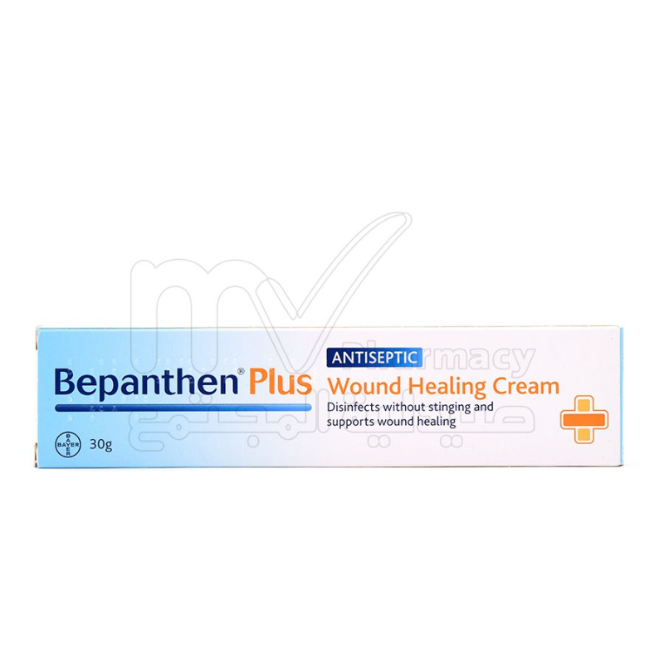
Medications > Dermatology Medications
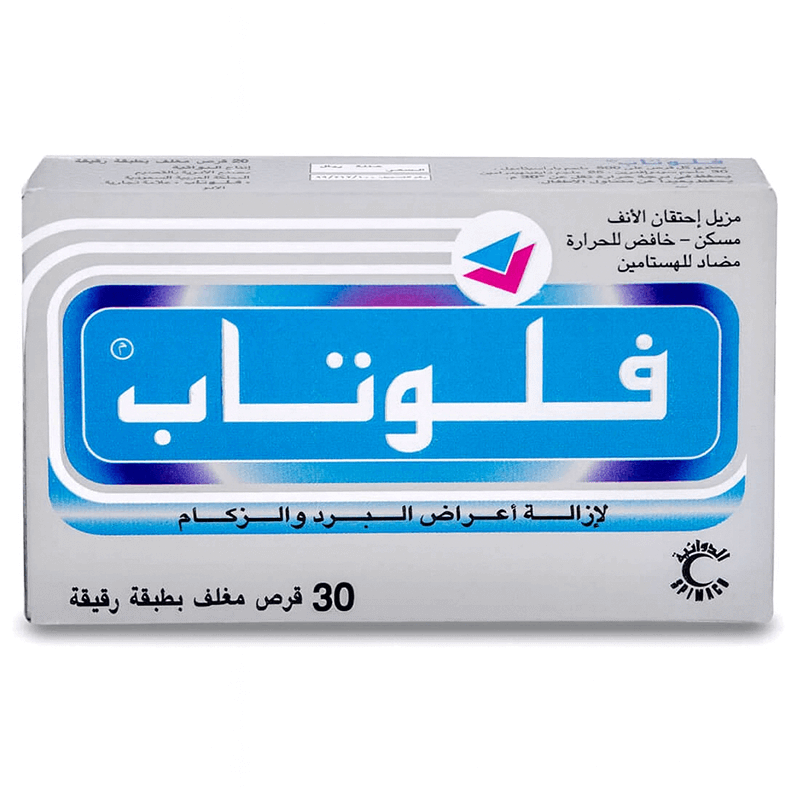
Medications > Cold, Cough, and Allergy Medications
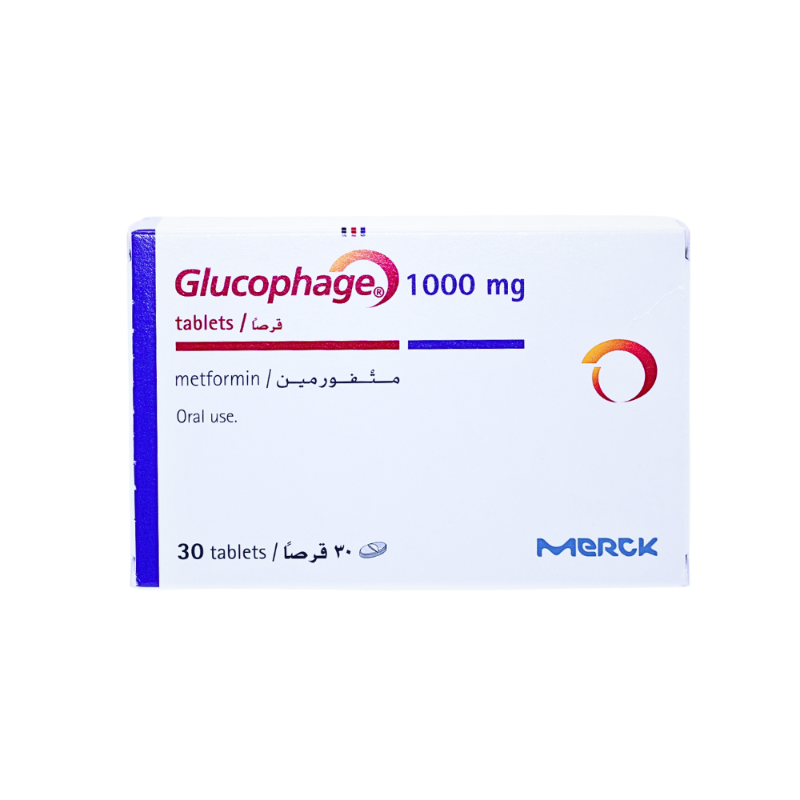
Medications > Diabetes Medications
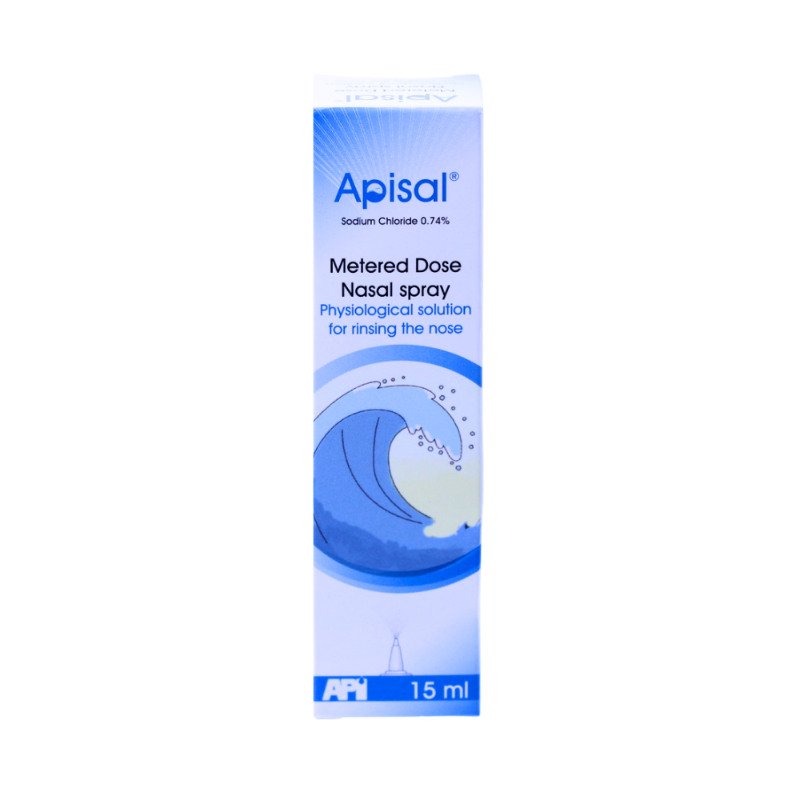
Medications > Cold, Cough, and Allergy Medications
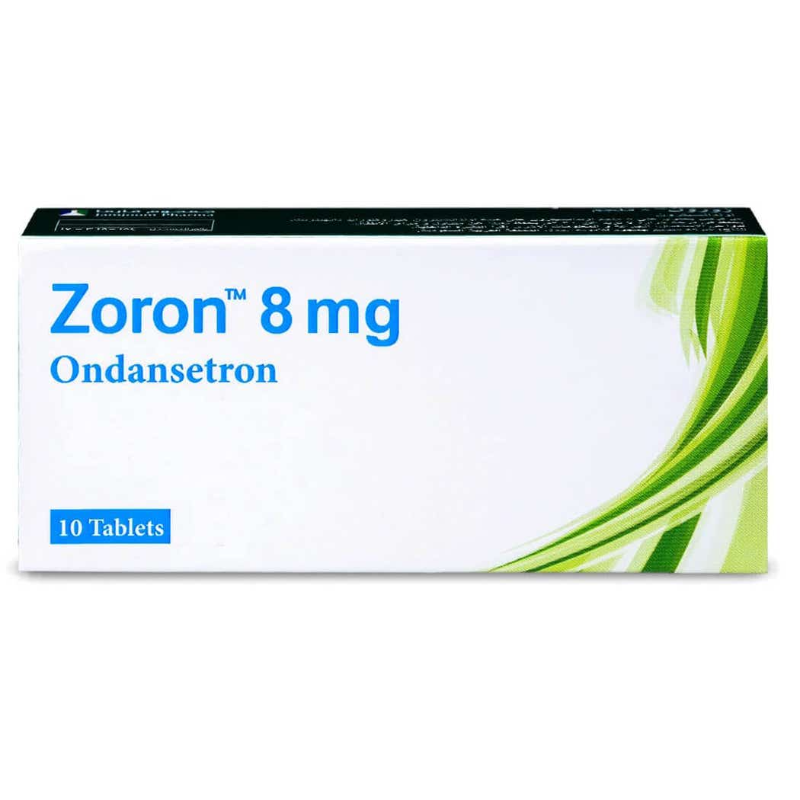
Medications > Gastrointestinal Medications
