
Use Code: ND30 And Get 30% OFF | Get Free Delivery With No Minimum Order
-1744229570.gif "Almujtama Pharmacy logo")




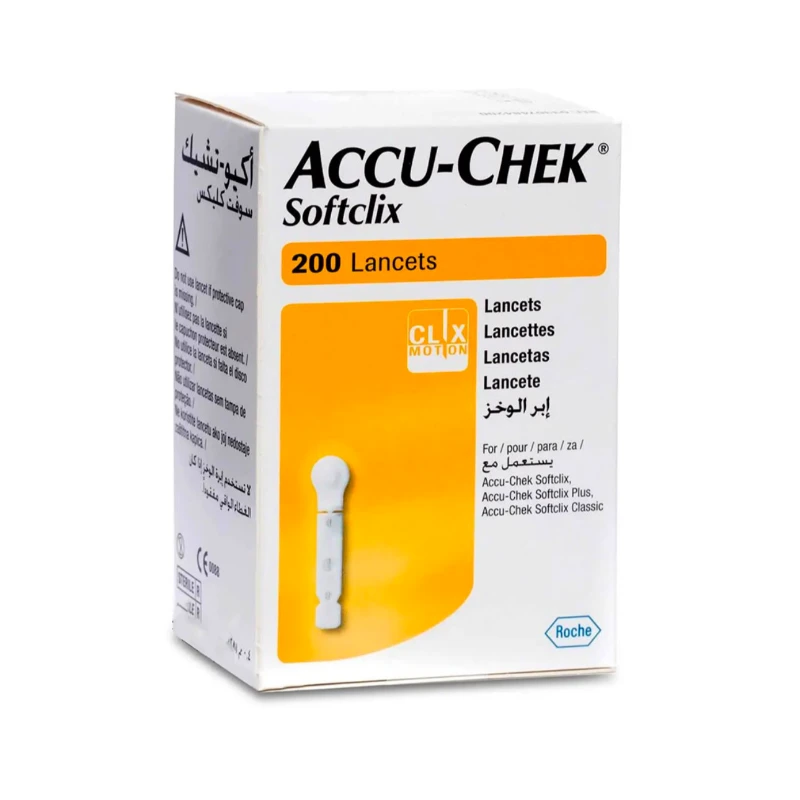
Frequently bought together
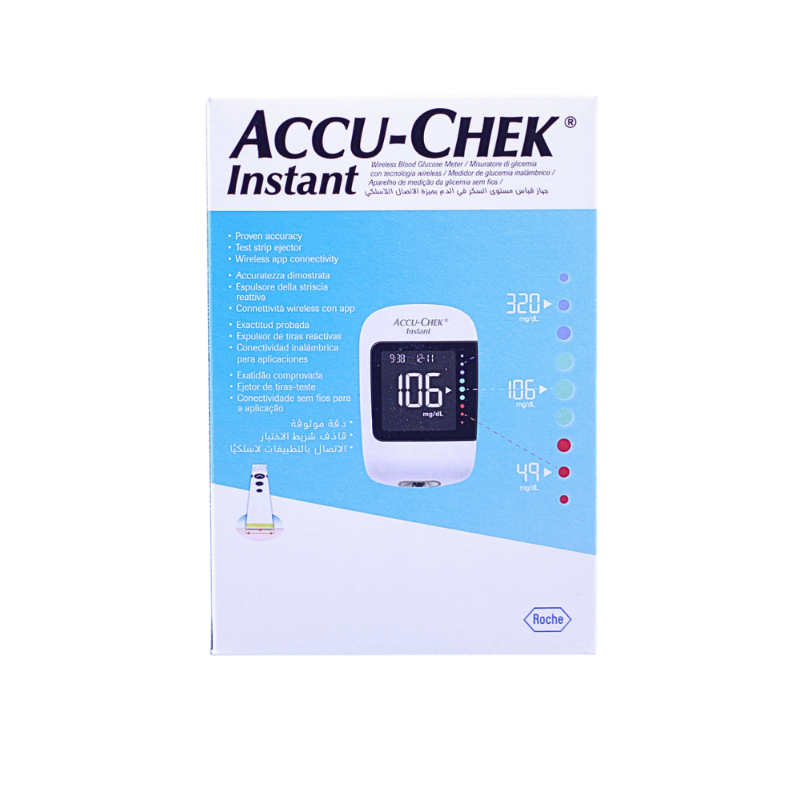
Health Care & Wellness > Diabetes Care
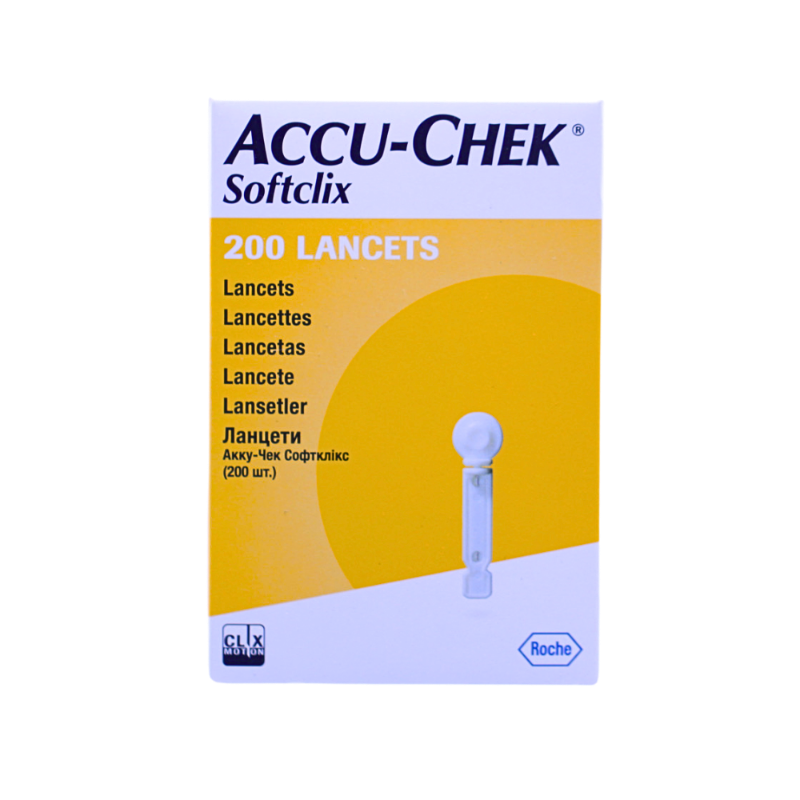
Health Care & Wellness > Diabetes Care
Health Care & Wellness > Diabetes Care
Skin And Body Care > Moisturizers
Skin And Body Care > Moisturizers
Skin And Body Care > Moisturizers
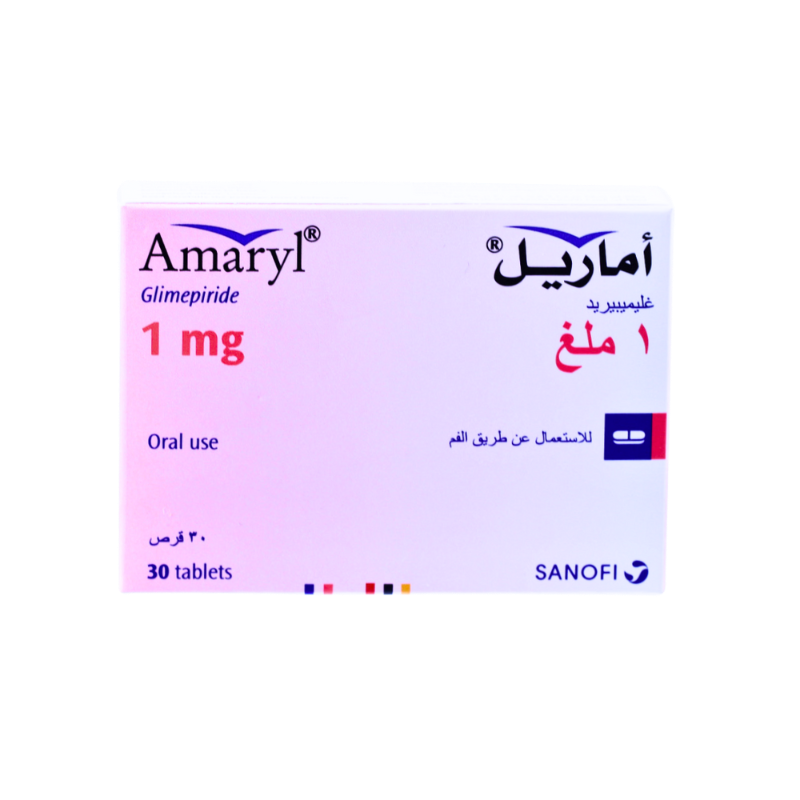
AMARYL 1/MG TAB 30/TAB
- Sku : I-000189
Key features
AMARYL 1 mg tablets contain glimepiride, a second‑generation sulfonylurea antidiabetic. It stimulates insulin release from pancreatic beta cells by binding the SUR1 subunit of ATP‑sensitive potassium channels, causing membrane depolarization and calcium influx, and may also enhance peripheral insulin sensitivity. It is indicated for the treatment of type 2 diabetes mellitus in adults as an adjunct to diet and exercise and may be used as monotherapy or in combination with other antidiabetic agents such as metformin or insulin. Available by prescription in tablet form, pack size 30 tablets.- Brand: AMARYL
- Active Ingredient: GLIMEPIRIDE
- Strength: 1mg
- Dosage Form: Tablet
- Pack Size: 30 Tablets
- Route: Oral use
- Prescription Status: Prescription
- Therapeutic Class: Antidiabetic
- Pharmacological Group: Sulfonylureas
- Drug Class: Second-generation Sulfonylurea Antidiabetic.
- Manufacturer: Sanofi S.r.l.
- Country of Origin: Italy
- SFDA Registration No.: 40-23-99
- Shelf Life: 36 months
- Storage: store below 30°c
- Diabetes Type: Type 2.
- Insulin Type: Not an insulin
Frequently bought together
Health Care & Wellness > Diabetes Care
Health Care & Wellness > Diabetes Care
Health Care & Wellness > Diabetes Care
Skin And Body Care > Moisturizers
Skin And Body Care > Moisturizers
Skin And Body Care > Moisturizers
Indications
Approved Uses
Type 2 diabetes mellitus in adults as an adjunct to diet and exercise; may be used as monotherapy or in combination with other antidiabetic agents (e.g., metformin and/or insulin) when appropriate.
Dosage & Administration
Dosing by Condition
Type 2 diabetes mellitus (adults): Initial 1 mg orally once daily with breakfast/first main meal; titrate by 1 mg at 1-2 week intervals; usual maintenance 1-4 mg once daily; maximum 8 mg once daily.
Initial Dose
1 mg once daily with breakfast or first main meal
Maintenance Dose
1-4mg once daily; most patients are controlled on 4mg or less.
Maximum Dose
8 mg once daily.
Children's Dosage
Data are insufficient to recommend pediatric use of AMARYL.
Dose Adjustment Notes
Start low and titrate based on glycemic response; increase by 1 mg (some references allow 1-2 mg) no more frequently than every 1-2 weeks; use conservative dosing and close monitoring in renal or hepatic impairment and when switching from other sulfonylureas.
How to Take
Swallow whole with water immediately before or with the first main meal of the day; do not crush or chew
Side Effects
Common Side Effects
Hypoglycemia, dizziness, headache, nausea, asthenia (weakness), and weight gain.
Safety & Warnings
Contraindications
Known hypersensitivity to the drug; diabetic ketoacidosis, with or without coma.
Warnings & Precautions
High hypoglycemia risk (elderly, malnourished, irregular meals, renal/hepatic impairment); educate on recognition/management and monitor glucose; caution in G6PD deficiency (hemolysis risk); beta-blockers may mask symptoms; intercurrent illness/surgery/stress may require therapy adjustment (often temporary insulin); possible weight gain; consider class warning regarding cardiovascular risk and use individualized risk-benefit.
Age Restriction
Pediatric use: Data are insufficient to recommend pediatric use of AMARYL.
Driving Warning
Hypoglycemia may impair ability to drive or operate machinery; patients should be advised accordingly.
Drug Interactions
Drug Interactions
Increased hypoglycemia risk with CYP2C9 inhibitors (e.g., fluconazole/miconazole), NSAIDs/salicylates, sulfonamides, MAOIs, ACE inhibitors; decreased effect with enzyme inducers (e.g., rifampicin) and hyperglycemia-inducing drugs (e.g., corticosteroids, thiazides, thyroid hormones, phenytoin); beta-blockers may mask hypoglycemia; alcohol may potentiate hypoglycemia; warfarin effect may be altered.
Interaction Severity
MAJOR: Miconazole (especially systemic/oromucosal) and other strong CYP2C9 inhibitors (e.g., fluconazole) and concomitant insulin/other secretagogues due to severe/additive hypoglycemia risk. MODERATE: NSAIDs/salicylates, sulfonamides, MAOIs, ACE inhibitors, beta-blockers (may potentiate or mask hypoglycemia); corticosteroids and thiazide diuretics (may reduce glycemic control); rifampicin (may reduce effect). MINOR: H2 blockers (cimetidine/ranitidine) and alcohol (variable glycemic effects).
Food Interaction
Take once daily with breakfast or the first main meal; skipping or delaying meals after dosing increases the risk of hypoglycemia.
Special Populations
Pregnancy
Consult Doctor
Breastfeeding
Contraindicated
Children
Data are insufficient to recommend pediatric use of AMARYL.
Elderly
Start with 1mg once daily and titrate slowly due to increased risk of hypoglycemia. Monitor renal function.
Kidney Impairment
Renal impairment: start at 1 mg once daily and titrate cautiously with close glucose monitoring; severe renal impairment (e.g., eGFR <30 mL/min/1.73 m²) generally avoid/not recommended due to hypoglycemia risk.
Liver Impairment
Mild-moderate hepatic impairment: use with caution and start low (e.g., 1 mg daily) with careful titration; severe hepatic impairment: avoid/not recommended (often treated as contraindicated).
Storage & Patient Advice
Stopping the Medicine
Do not stop without prescriber advice; if discontinuing, ensure close glucose monitoring and timely transition to alternative therapy to avoid hyperglycemia.
Overdose
Overdose causes potentially prolonged severe hypoglycemia (seizures/coma); treat immediately with oral glucose if conscious, and IV dextrose (bolus then infusion) if severe/unconscious, with prolonged monitoring (often 24-48 hours) due to recurrence risk.
Patient Counseling
Take once daily with breakfast/first main meal at the same time each day; do not skip meals after taking it; recognize and treat hypoglycemia (carry fast-acting glucose); monitor glucose as directed; avoid/limit alcohol; inform clinicians about illness, surgery, or new medications due to interaction and hypoglycemia risks.
Monitoring Requirements
Monitor capillary/SMBG (or CGM) as clinically indicated and HbA1c about every 3 months until stable then at least twice yearly; monitor for hypoglycemia and weight; consider periodic renal function and liver tests based on comorbidity/risk and when clinically indicated.
Pharmacology
Mechanism of Action
Stimulates insulin release from pancreatic beta cells by closing ATP-sensitive potassium (KATP) channels via SUR1 binding, leading to depolarization and calcium influx; may also improve peripheral insulin sensitivity.
Duration of Effect
24 hours.
Half-Life
Approximately 5-9 hours.
Bioavailability
100%.
Metabolism
Hepatic metabolism primarily via CYP2C9 to two main metabolites (M1 active, M2 inactive).
Excretion
Approximately 60% excreted in urine and 40% in feces, primarily as metabolites.
Protein Binding
>99% (very highly protein bound).
Product Information
Available Dosage Forms
Tablet.
Composition per Dose
Each tablet: 1 mg glimepiride
Generic Availability
Yes
OTC Alternatives
No OTC alternative
Diabetes Type
Type 2.
Insulin Type
Not an insulin
Reviewed by Al Mujtama Pharmacy Medical Review Team. Last reviewed 04-05-2026
Similar Products
Medications > Dermatology Medications
Medications > Diabetes Medications
Medications > Urology Medications
Medications > Painkillers and Antipyretics
Medications > Diabetes Medications
Medications > Painkillers and Antipyretics
Medications > Gastrointestinal Medications
Medications > Eye and Ear Medications
Medications > Painkillers and Antipyretics
Medications > Gastrointestinal Medications
