
Use Code: ND30 And Get 30% OFF | Get Free Delivery With No Minimum Order
-1744229570.gif "Almujtama Pharmacy logo")





Frequently bought together
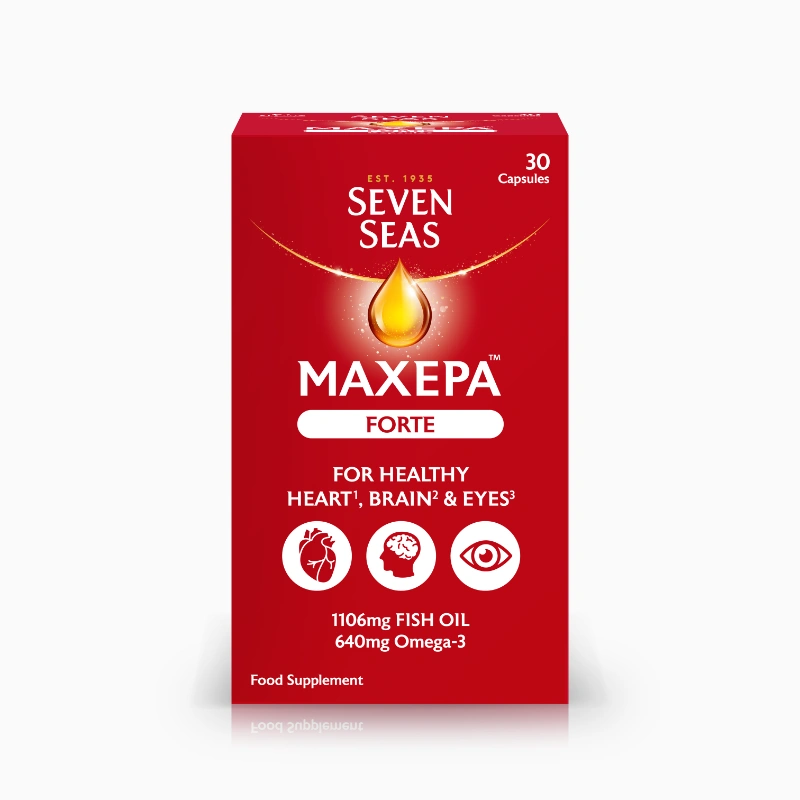
Vitamins & Supplements > Omega-3 Supplements
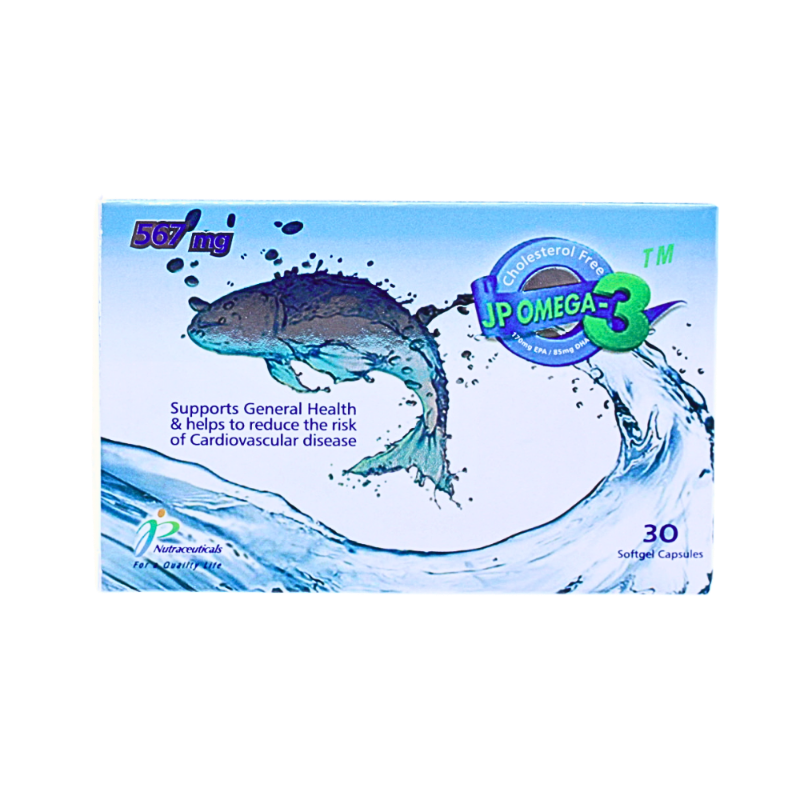
Vitamins & Supplements > Omega-3 Supplements
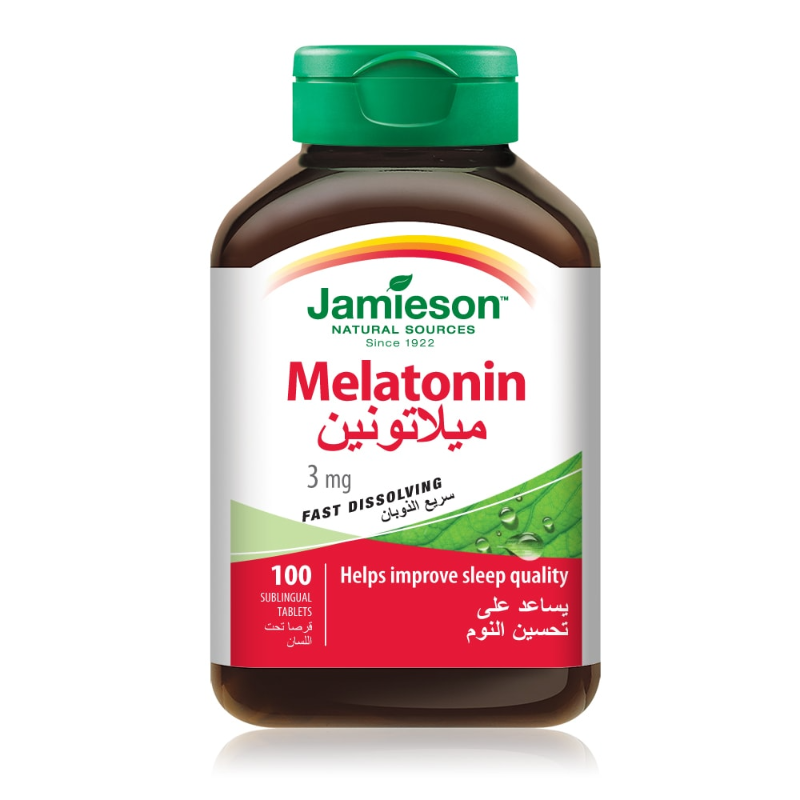
Vitamins & Supplements > Sleeping aid supplements
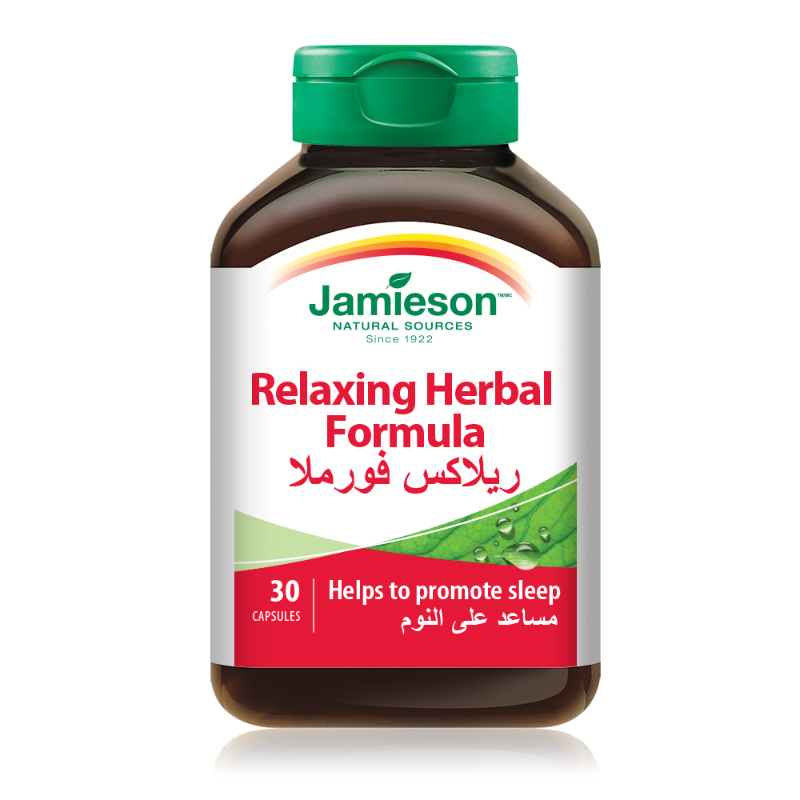
Vitamins & Supplements > Sleeping aid supplements
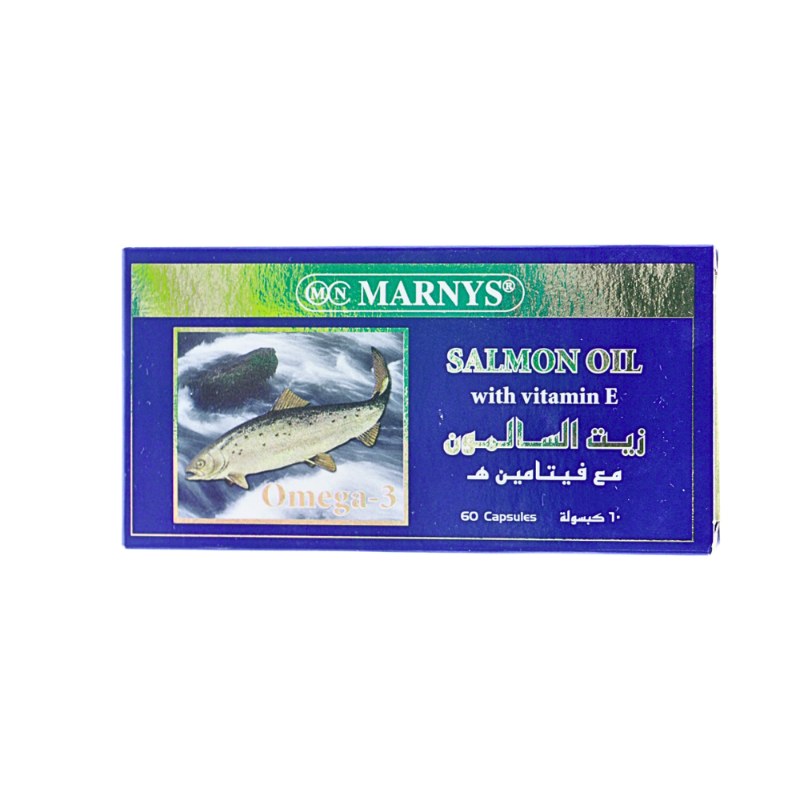
Vitamins & Supplements > Omega-3 Supplements
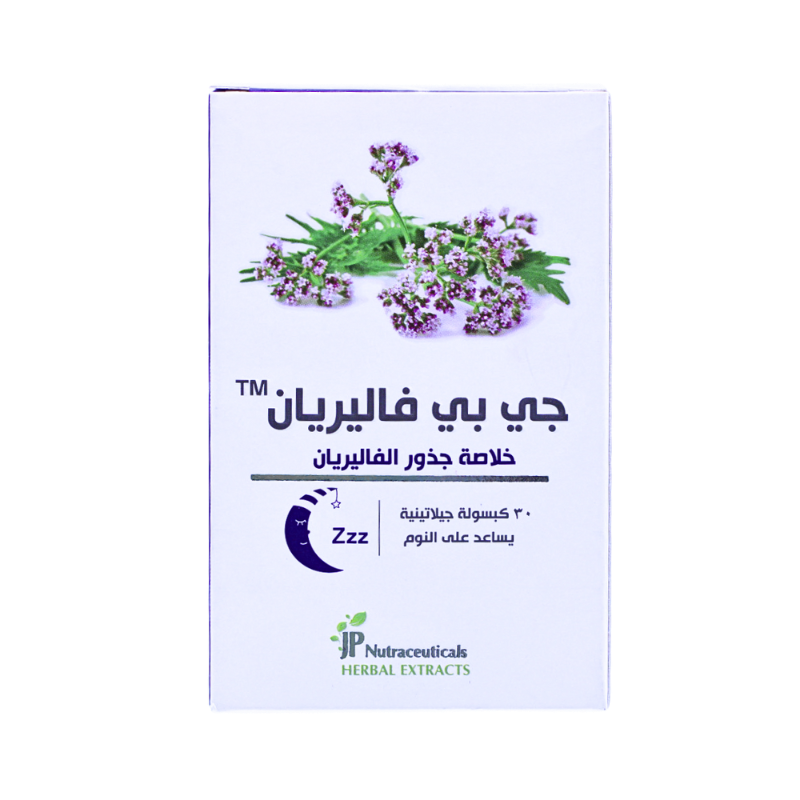
Vitamins & Supplements > Sleeping aid supplements
ENTAPRO 20/MG FC TAB 30/FC TAB
- Sku : I-012120
Key features
Entapro 20mg Film-coated Tablet is a prescription medicine containing escitalopram 20mg as its active ingredient. It works as a selective serotonin reuptake inhibitor (SSRI) by increasing serotonin levels in the brain. It is used for the treatment of major depressive disorder (MDD) and generalized anxiety disorder (GAD). It is supplied as film-coated tablets in a pack of 30 tablets.- Brand: ENTAPRO
- Active Ingredient: ESCITALOPRAM 20mg
- Strength: 20mg
- Dosage Form: Film-coated tablet
- Pack Size: 30 Tablets
- Route: Oral use
- Prescription Status: Prescription
- Therapeutic Class: Psychiatric
- Pharmacological Group: SSRIs
- Drug Class: SSRI Antidepressant (Selective Serotonin Reuptake Inhibitor)
- Manufacturer: SPIMACO
- Country of Origin: Saudi Arabia
- SFDA Registration No.: 2101256693
- Shelf Life: 36 months
- Storage: store below 25°c
- Psych Class: Antidepressant-SSRI
- Controlled Substance: No
Frequently bought together
Vitamins & Supplements > Omega-3 Supplements
Vitamins & Supplements > Omega-3 Supplements
Vitamins & Supplements > Sleeping aid supplements
Vitamins & Supplements > Sleeping aid supplements
Vitamins & Supplements > Omega-3 Supplements
Vitamins & Supplements > Sleeping aid supplements
Indications
Approved Uses
Major depressive disorder (MDD) and generalized anxiety disorder (GAD).
Off-Label Uses
Examples of off‑label uses (jurisdiction-dependent): PTSD, PMDD, vasomotor symptoms of menopause, premature ejaculation.
Dosage & Administration
Dosing by Condition
MDD (adults): 10 mg once daily initially; may increase to 20 mg once daily after ≥1 week; max 20 mg/day. GAD (adults): 10 mg once daily initially; may increase to 20 mg once daily after ≥1 week; max 20 mg/day.
Initial Dose
10 mg once daily.
Maintenance Dose
10-20 mg once daily.
Maximum Dose
20 mg once daily.
Children's Dosage
Adolescents 12-17 years (MDD only, some guidelines): 10mg once daily, max 20mg/day. Not approved for children under 12 years
Dose Adjustment Notes
If needed, dose may be increased after at least 1 week; elderly and hepatic impairment: use lower doses and generally do not exceed 10 mg/day; severe renal impairment: use with caution; when discontinuing, taper gradually to reduce withdrawal symptoms; consider lower doses with strong CYP2C19 inhibition/poor metabolizer status.
How to Take
Swallow the film‑coated tablet whole with water, once daily, with or without food; take at the same time each day.
Side Effects
Common Side Effects
Nausea, insomnia, somnolence, dizziness, dry mouth, sweating, diarrhea, constipation, fatigue, headache, sexual dysfunction (decreased libido, ejaculation disorder, anorgasmia), tremor, increased sweating
Side Effect Frequency
Very common (≥10%): nausea, headache. Common (1-10%): insomnia, somnolence, dizziness, diarrhea, constipation, dry mouth, increased sweating, fatigue, decreased appetite, sexual dysfunction (e.g., decreased libido, ejaculation disorder/anorgasmia).
Safety & Warnings
Contraindications
Contraindicated with: (1) concomitant use of MAOIs or within 14 days of stopping an MAOI (and vice versa), (2) concomitant pimozide, (3) known hypersensitivity to escitalopram/citalopram. Also avoid/contraindicated with linezolid or IV methylene blue unless no alternatives and with close monitoring due to serotonin syndrome risk.
Warnings & Precautions
Warnings/precautions: suicidality monitoring (boxed warning), serotonin syndrome risk (esp. with serotonergic drugs/MAOIs), QT prolongation risk (avoid/add caution with QT-prolonging drugs, cardiac disease, electrolyte abnormalities), bleeding risk with NSAIDs/anticoagulants/antiplatelets, hyponatremia/SIADH (higher risk in elderly/diuretics), mania/hypomania activation (screen for bipolar), seizure risk, angle-closure glaucoma risk, and discontinuation syndrome with abrupt stopping.
Age Restriction
Pediatric: approved for Major Depressive Disorder (MDD) in adolescents 12-17 years; not approved for MDD in children <12 years. Generalized Anxiety Disorder (GAD): approved in adults only (not pediatric).
Drug Interactions
Drug Interactions
Key interactions: MAOIs (contraindicated-serotonin syndrome), pimozide (contraindicated-QT risk), linezolid/IV methylene blue (avoid/contraindicated-serotonin syndrome), other serotonergic agents (triptans, tramadol, fentanyl, lithium, other SSRIs/SNRIs, St John’s wort-serotonin syndrome), anticoagulants/antiplatelets/NSAIDs (bleeding risk), QT-prolonging drugs (additive QT prolongation), strong CYP2C19 inhibitors (e.g., omeprazole/cimetidine-↑ escitalopram exposure; may require dose limitation).
Interaction Severity
MAJOR/Contraindicated: MAOIs (including linezolid and IV methylene blue) due to serotonin syndrome risk; pimozide due to QT prolongation. MODERATE: other serotonergic agents (e.g., triptans, tramadol, lithium, St John’s wort) → serotonin syndrome risk; QT‑prolonging drugs → additive QT risk; NSAIDs/antiplatelets/anticoagulants → increased bleeding risk; strong CYP2C19 inhibitors (e.g., omeprazole) → increased escitalopram exposure/QT risk.
Food Interaction
No clinically significant food interaction; may be taken with or without food.
Special Populations
Pregnancy
Category C
Children
Adolescents 12-17 years (MDD only, some guidelines): 10mg once daily, max 20mg/day. Not approved for children under 12 years
Elderly
Recommended dose is 10mg once daily; maximum dose is 10mg per day due to increased risk of QT prolongation, hyponatremia, and falls
Kidney Impairment
Mild-moderate renal impairment: no dose adjustment. Severe renal impairment (CrCl <20 mL/min): use with caution (no specific adjustment established).
Liver Impairment
Hepatic impairment: recommended dose 10 mg once daily (and generally do not exceed 10 mg/day), especially in moderate to severe impairment.
Storage & Patient Advice
Stopping the Medicine
Do not stop abruptly; taper gradually over several weeks (commonly at least 2-4 weeks, individualized) to reduce discontinuation symptoms (e.g., dizziness, anxiety, irritability, nausea, paresthesias, sleep disturbance).
Overdose
Overdose may cause nausea/vomiting, dizziness, tremor, agitation, somnolence, seizures, serotonin syndrome, tachycardia, and QT prolongation/torsades; management is supportive with urgent emergency evaluation, ECG/cardiac monitoring, activated charcoal if appropriate, and benzodiazepines for agitation/seizures (no specific antidote).
Patient Counseling
Take once daily at the same time, with or without food; benefit may take several weeks; do not stop abruptly-taper with prescriber; report worsening depression/suicidal thoughts, agitation, or unusual behavior; avoid/limit alcohol and use caution with driving until effects known; check with a clinician before combining with other serotonergic drugs or NSAIDs/anticoagulants; seek urgent care for serotonin syndrome symptoms; discuss sexual dysfunction if bothersome.
Monitoring Requirements
Monitor for clinical worsening/suicidality especially early and after dose changes; consider serum sodium in at‑risk patients (e.g., elderly/diuretics) for hyponatremia; consider ECG/QT risk assessment in patients with cardiac disease, electrolyte abnormalities, or concomitant QT‑prolonging drugs; monitor for serotonin syndrome when combined with serotonergic agents.
Pharmacology
Mechanism of Action
Selective serotonin reuptake inhibitor (SSRI) that inhibits the serotonin transporter (SERT), increasing synaptic serotonin in the CNS.
Bioavailability
Approximately 80%.
Metabolism
Hepatic metabolism primarily via CYP2C19, with contributions from CYP3A4 and CYP2D6; major metabolites include S-desmethylcitalopram (S-DCT) and S-didesmethylcitalopram (S-DDCT).
Excretion
Eliminated mainly via hepatic metabolism with subsequent renal excretion of metabolites; ~8% is excreted in urine as unchanged escitalopram, with the remainder largely as metabolites (minor fecal excretion).
Protein Binding
Approximately 56% protein bound.
Product Information
Available Dosage Forms
Film‑coated tablet (this product); escitalopram may also be available in some markets as an oral solution/drops.
Composition per Dose
Each film-coated tablet: 20mg escitalopram (as oxalate)
Generic Availability
Yes
OTC Alternatives
No OTC alternative
Psych Class
Antidepressant-SSRI
Controlled Substance
No
Reviewed by Al Mujtama Pharmacy Medical Review Team. Last reviewed 14-05-2026
Similar Products

Medications > Hemorrhoid Medications
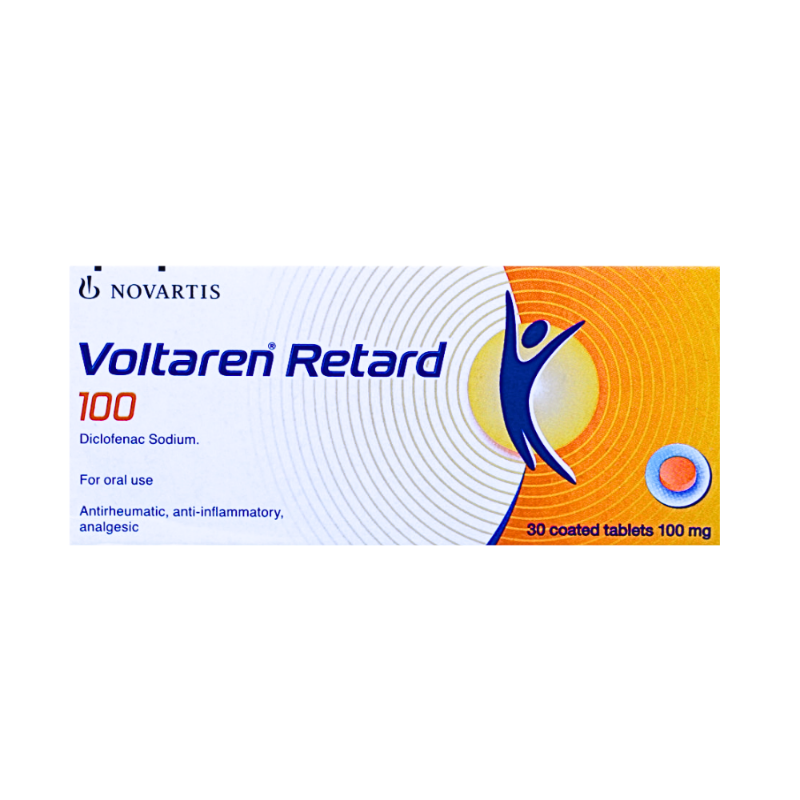
Medications > Painkillers and Antipyretics
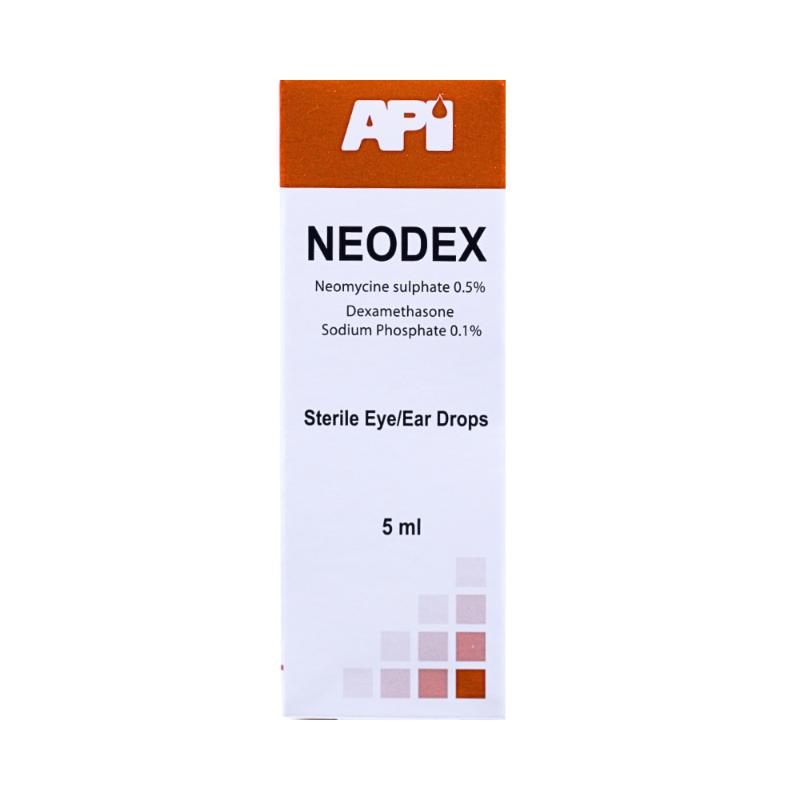
Medications > Eye and Ear Medications
Medications > Hypertesion & Cardiovascular Medications
Medications > Eye and Ear Medications
Medications > Diabetes Medications
Medications > Other Medicines
Medications > Painkillers and Antipyretics
Medications > Dermatology Medications
Medications > Gastrointestinal Medications
