
Use Code: ND30 And Get 30% OFF | Get Free Delivery With No Minimum Order
-1744229570.gif "Almujtama Pharmacy logo")




Frequently bought together
Skin And Body Care > Eye Care
Skin And Body Care > Eye Care
Skin And Body Care > Eye Care
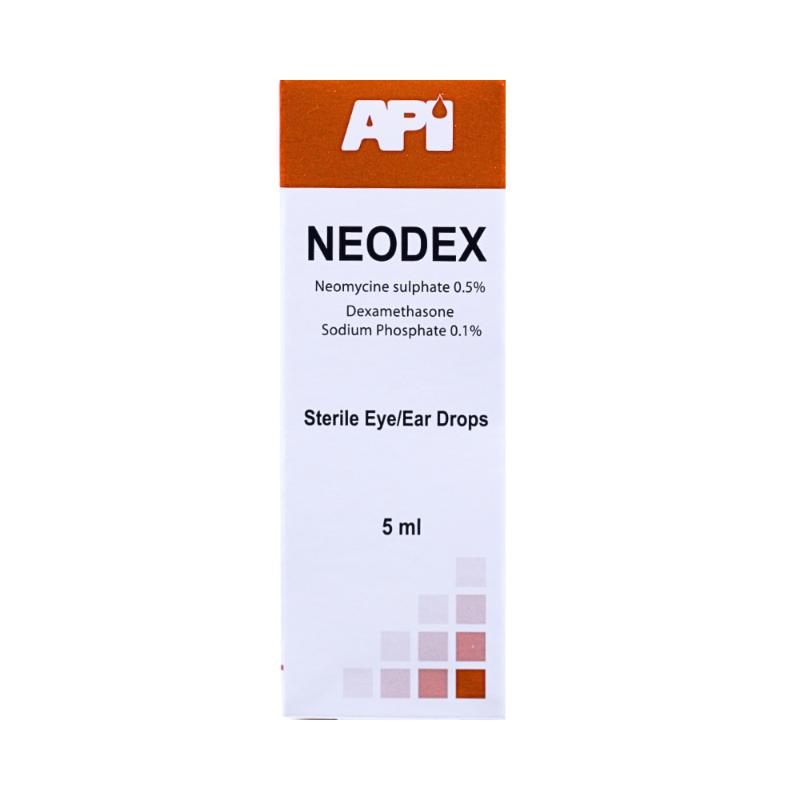
NEODEX EYE/EAR DROPS 5ML
- Sku : I-004072
Key features
Neodex 0.1 E-E Drop Ear/eye drops, solu is an ophthalmic/otic solution containing dexamethasone 1 mg and neomycin sulfate 5 mg. Dexamethasone suppresses inflammatory mediator production to reduce redness and swelling, while neomycin provides bactericidal activity by inhibiting bacterial protein synthesis. It is indicated for steroid‑responsive inflammatory conditions of the eye and external ear where bacterial infection is present or suspected, including bacterial conjunctivitis, blepharoconjunctivitis, keratoconjunctivitis and otitis externa. Supplied as an ear/eye drops solution; pack size: 10 ml.- Brand: NEODEX
- Active Ingredient: DEXAMETHASONE 1mg, NEOMYCIN SULFATE 5mg
- Strength: 1,5mg
- Dosage Form: Ear/eye drops, solution
- Pack Size: 10 ml
- Route: Auricular use
- Prescription Status: Prescription
- Therapeutic Class: Ophthalmic
- Pharmacological Group: Ophthalmologicals
- Drug Class: Topical corticosteroid + aminoglycoside antibiotic combination (ophthalmic/otic).
- Manufacturer: Amman Pharmaceutical Industries (API)
- Country of Origin: Jordan
- SFDA Registration No.: 0509211008
- Shelf Life: 24 months
- Storage: do not store above 30°c
- Target Organ: Both
- Preservative Free: No
Frequently bought together
Skin And Body Care > Eye Care
Skin And Body Care > Eye Care
Skin And Body Care > Eye Care
Indications
Approved Uses
Steroid-responsive inflammatory conditions of the eye and/or external ear where bacterial infection is present or suspected (e.g., bacterial conjunctivitis/blepharoconjunctivitis/keratoconjunctivitis with inflammation; otitis externa or infected eczematous conditions of the external ear canal).
Dosage & Administration
Dosing by Condition
Eye: 1-2 drops in affected eye(s) every 4-6 hours; in severe inflammation, may use every 1-2 hours initially then taper. Ear (otitis externa): 3-4 drops into affected ear 3-4 times daily; typical duration ~7-10 days with reassessment if not improving.
Initial Dose
1-2 drops into the affected eye(s) or 3-4 drops into the affected ear every 4-6 hours
Maintenance Dose
1-2 drops (ophthalmic) or 3-4 drops (otic) 3-4 times daily after initial response
Maximum Dose
Ophthalmic: 1-2 drops may be used as often as every 1-2 hours initially in severe inflammation, then taper; reassess if no improvement and avoid prolonged use (e.g., >7-10 days) without review/IOP monitoring. Otic dosing is condition-specific and physician-directed.
Children's Dosage
Use with caution in children; same drop dosing as adults but duration should be minimized. Not recommended in neonates without specialist supervision due to risk of systemic corticosteroid absorption.
Dose Adjustment Notes
No routine renal/hepatic dose adjustment is required for topical ophthalmic/otic use; taper frequency as symptoms improve, especially if used more than a few days, to reduce rebound inflammation and steroid-related adverse effects.
How to Take
Wash hands. For eye: tilt head back, pull down lower eyelid to form a pocket, instill prescribed drops without touching the tip, close eye gently 1-2 minutes and (optionally) apply nasolacrimal occlusion; recap immediately. For ear: warm bottle in hand, lie/tilt with affected ear up, instill drops without touching tip, keep position 2-5 minutes; recap. Separate from other eye drops by at least 5 minutes.
Side Effects
Common Side Effects
Local burning/stinging/irritation, itching/redness, transient blurred vision (eye use), increased tearing; hypersensitivity/contact dermatitis (notably neomycin); with prolonged ocular use: increased intraocular pressure, cataract risk, delayed healing/secondary infection; with ear use: local irritation.
Side Effect Frequency
Frequency is product-label dependent and often not precisely quantifiable; commonly reported: transient burning/stinging/irritation, itching, blurred vision (ocular use) or local irritation (auricular use). Less common/rare but clinically important with prolonged use: hypersensitivity/contact dermatitis (neomycin), secondary infection, delayed healing; for ocular use specifically: increased intraocular pressure/glaucoma, cataract, corneal/scleral thinning/perforation.
Safety & Warnings
Contraindications
Hypersensitivity to dexamethasone, neomycin/other aminoglycosides, or excipients; viral disease of cornea/conjunctiva (e.g., epithelial herpes simplex keratitis, vaccinia, varicella); fungal infection; mycobacterial ocular infection; and (for ear use) suspected/known tympanic membrane perforation.
Warnings & Precautions
Avoid use in viral/fungal/mycobacterial ocular disease; monitor intraocular pressure if used ~10 days or longer or in glaucoma risk; taper after prolonged/intensive use; discontinue if hypersensitivity/sensitization to neomycin occurs; do not use otically with suspected/known tympanic membrane perforation; avoid contact lenses during treatment (especially soft lenses) and remove lenses before instillation; space other eye drops by 5-15 minutes.
Age Restriction
No fixed minimum age in labeling; pediatric use (including infants) only if clearly needed and under physician supervision.
Driving Warning
Safe
Drug Interactions
Drug Interactions
Clinically significant systemic interactions are unlikely; separate from other topical eye products by 5-15 minutes; use caution with concurrent systemic corticosteroids or systemic aminoglycosides only in prolonged/high-dose use where absorption could be clinically relevant.
Interaction Severity
Clinically relevant interactions are uncommon with topical use; potential MODERATE interactions include: topical ophthalmic NSAIDs (may increase risk of corneal healing complications when combined with steroids) and strong CYP3A4 inhibitors (may increase systemic corticosteroid effects if significant absorption occurs, especially with prolonged/high-frequency use).
Food Interaction
No restriction
Alcohol Interaction
Safe
Special Populations
Pregnancy
Caution
Breastfeeding
Caution
Children
Use with caution in children; same drop dosing as adults but duration should be minimized. Not recommended in neonates without specialist supervision due to risk of systemic corticosteroid absorption.
Elderly
Standard adult dosing; monitor intraocular pressure more closely due to higher risk of glaucoma in elderly patients
Kidney Impairment
No adjustment needed
Liver Impairment
No adjustment needed
Storage & Patient Advice
Storage Conditions
Do not store above 30°C; keep container tightly closed. In-use discard period is label-specific and cannot be confirmed from the provided SFDA API fields (shelf life: 24 months unopened per SFDA data).
Missed Dose
Use/apply as soon as remembered; if it is close to the next scheduled dose, skip the missed dose and continue the regular schedule; do not double doses.
Stopping the Medicine
If used for more than a short course or at high frequency, taper rather than stop abruptly; otherwise stopping after the prescribed short course is acceptable.
Overdose
Topical overdose is unlikely to cause systemic toxicity; manage by rinsing/irrigating the eye/ear with water or saline; accidental ingestion is usually low risk but warrants medical advice/poison center contact, especially in children.
Patient Counseling
Use exactly as prescribed; do not share. Avoid touching dropper tip; recap promptly. Remove contact lenses before eye use and wait at least 15 minutes before reinserting (and avoid lenses during active infection if advised). Temporary blurred vision may occur-avoid driving until clear. Seek care if worsening pain/redness, vision changes, no improvement in 48-72 hours, or signs of allergy (rash/swelling). Do not use for suspected viral/fungal eye infection unless directed. For ear use, do not use if eardrum perforation/ear tubes are suspected unless clinician confirms safety. Discard after the in-use period per local labeling (commonly 28 days after opening unless the product leaflet states otherwise).
Monitoring Requirements
If ocular use for ≥10 days or repeated courses: monitor intraocular pressure and assess for cataract/secondary infection or delayed healing; for ear use: monitor clinical response and avoid use if tympanic membrane perforation is suspected.
Pharmacology
Mechanism of Action
Dexamethasone: glucocorticoid that suppresses inflammatory gene expression and mediator production (e.g., via inhibition of phospholipase A2/COX-2 pathways), reducing edema, redness, and pain. Neomycin: aminoglycoside that binds the 30S ribosomal subunit, causing misreading of mRNA and inhibition of bacterial protein synthesis (bactericidal against susceptible organisms).
Onset of Action
Symptomatic relief may begin within 1-3 hours; clinically noticeable improvement is usually seen within 24-48 hours.
Duration of Effect
Local effect typically lasts about 4-6 hours, consistent with usual dosing intervals (may be shorter in severe inflammation requiring more frequent dosing).
Half-Life
Not well-defined for topical eye/ear use; if systemically absorbed: dexamethasone biological half-life ~36-54 hours (plasma half-life ~3-5 hours), and neomycin elimination half-life ~2-3 hours in normal renal function.
Bioavailability
Topical ophthalmic/otic administration; systemic absorption can occur but is generally low/minimal with short-term use on intact ocular/auricular epithelium (may increase with prolonged use, inflamed tissue, occlusion, or tympanic membrane perforation).
Metabolism
Dexamethasone: hepatic metabolism (primarily CYP3A4) if systemically absorbed; Neomycin: not significantly metabolized (excreted largely unchanged).
Excretion
If systemically absorbed: dexamethasone metabolites are eliminated mainly in urine; neomycin is eliminated renally largely unchanged (active).
Protein Binding
Dexamethasone: moderately protein bound (~70-80%); Neomycin: negligible/very low protein binding.
Product Information
Available Dosage Forms
Ear/eye drops, solution (dropper container).
Composition per Dose
Each ml: Dexamethasone 1mg (0.1%) + Neomycin Sulfate 5mg (0.5% as neomycin sulfate equivalent to approximately 3.5mg neomycin base)
Generic Availability
Yes
OTC Alternatives
No OTC alternative
Target Organ
Both
Preservative Free
No
Reviewed by Al Mujtama Pharmacy Medical Review Team. Last reviewed 19-07-2026
Similar Products

Medications > Other Medicines
Medications > Gastrointestinal Medications
Medications > Gastrointestinal Medications
Medications > Painkillers and Antipyretics
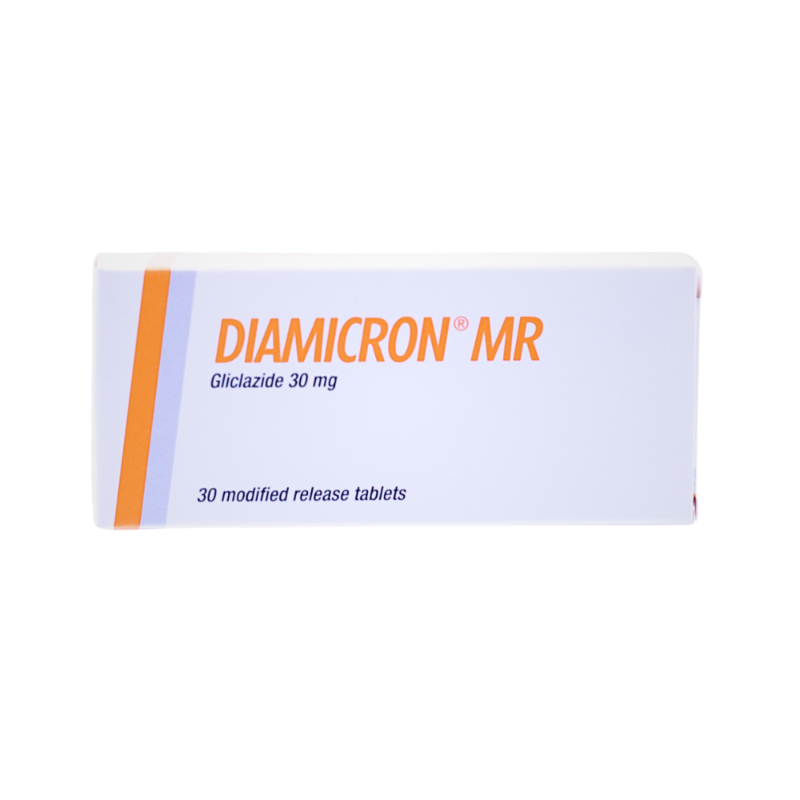
Medications > Diabetes Medications
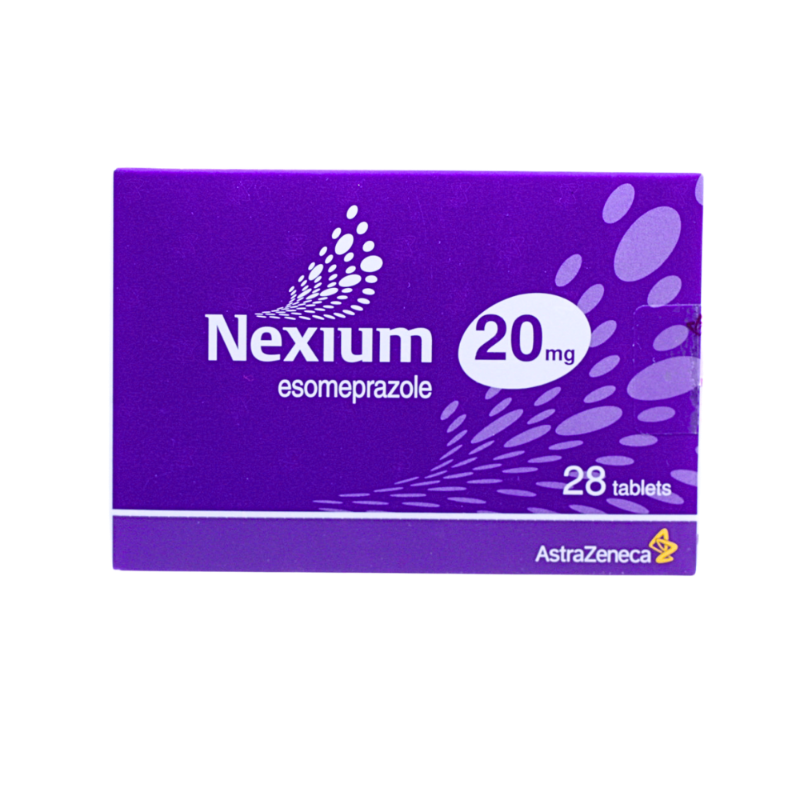
Medications > Gastrointestinal Medications
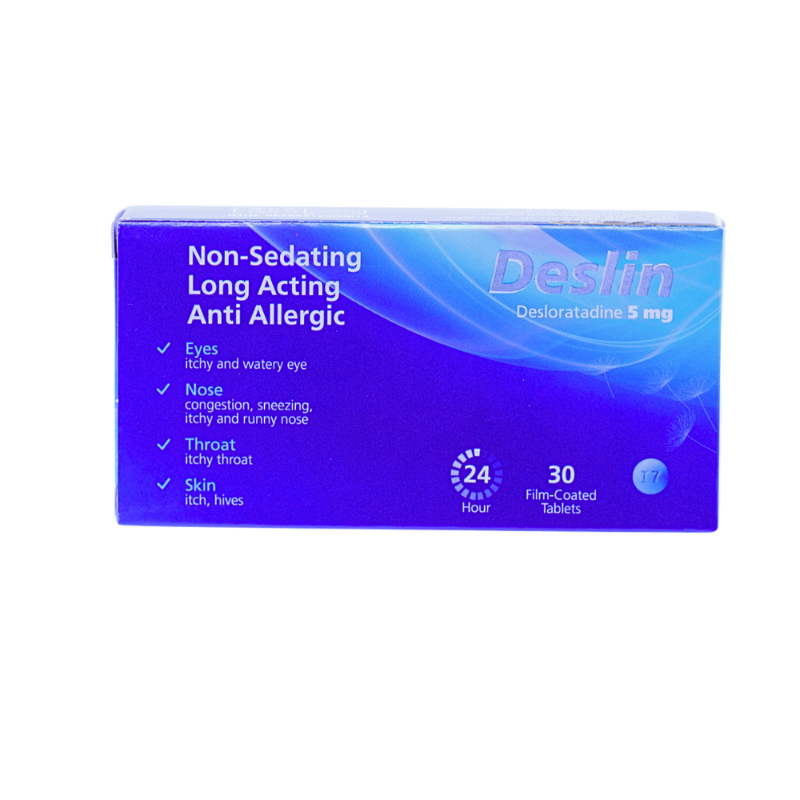
Medications > Cold, Cough, and Allergy Medications
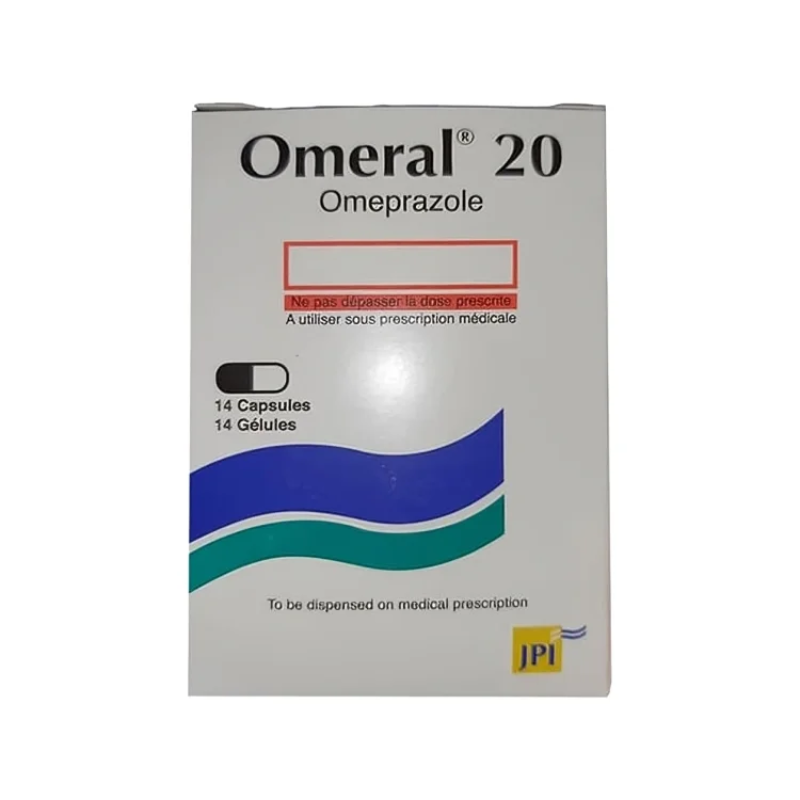
Medications > Gastrointestinal Medications
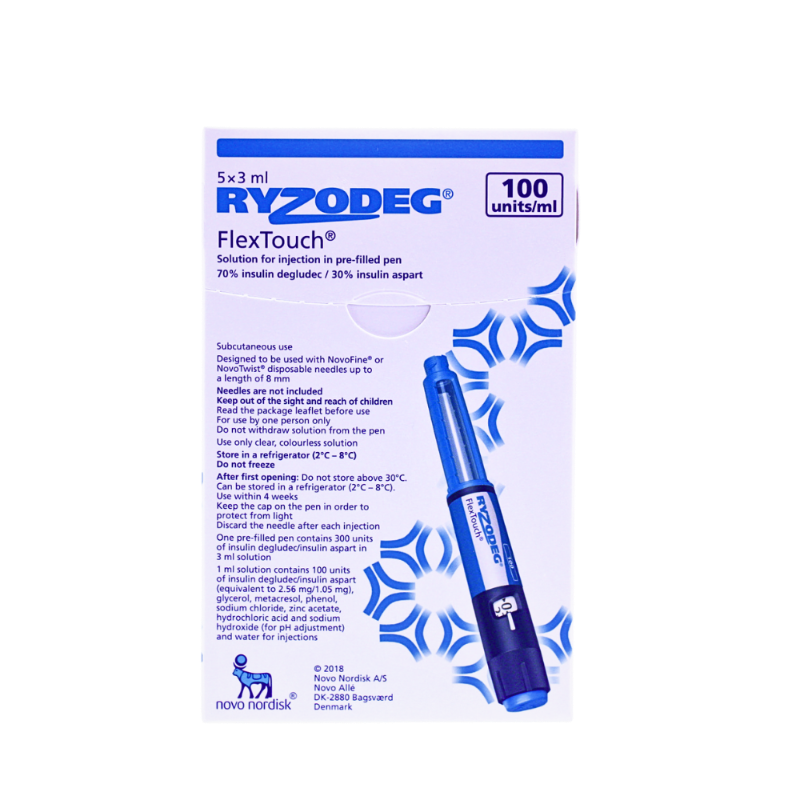
Medications > Diabetes Medications

Medications > Painkillers and Antipyretics
