
Use Code: ND30 And Get 30% OFF | Get Free Delivery With No Minimum Order
-1744229570.gif "Almujtama Pharmacy logo")
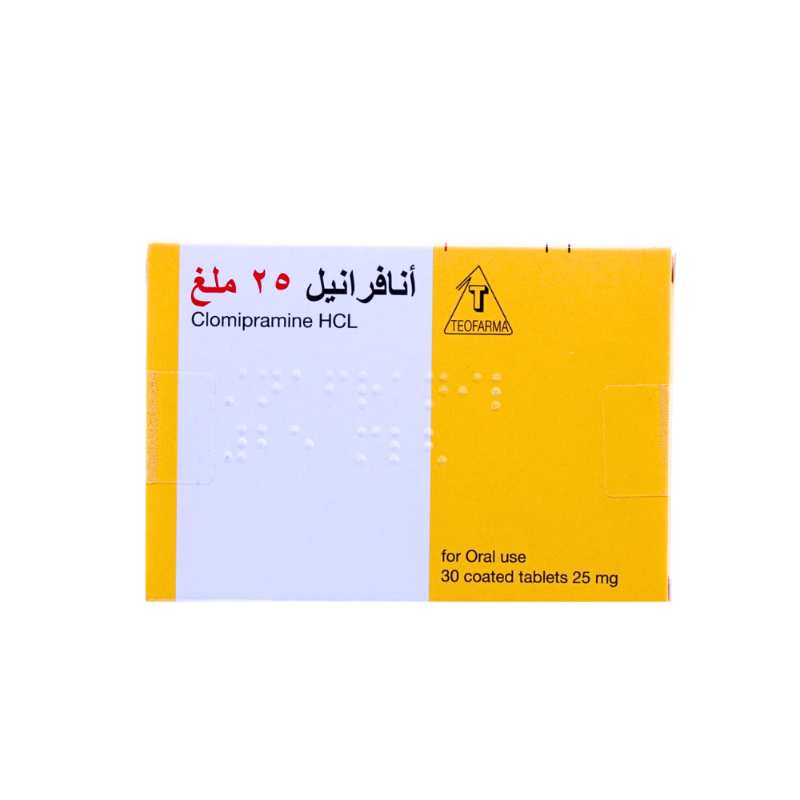




Frequently bought together
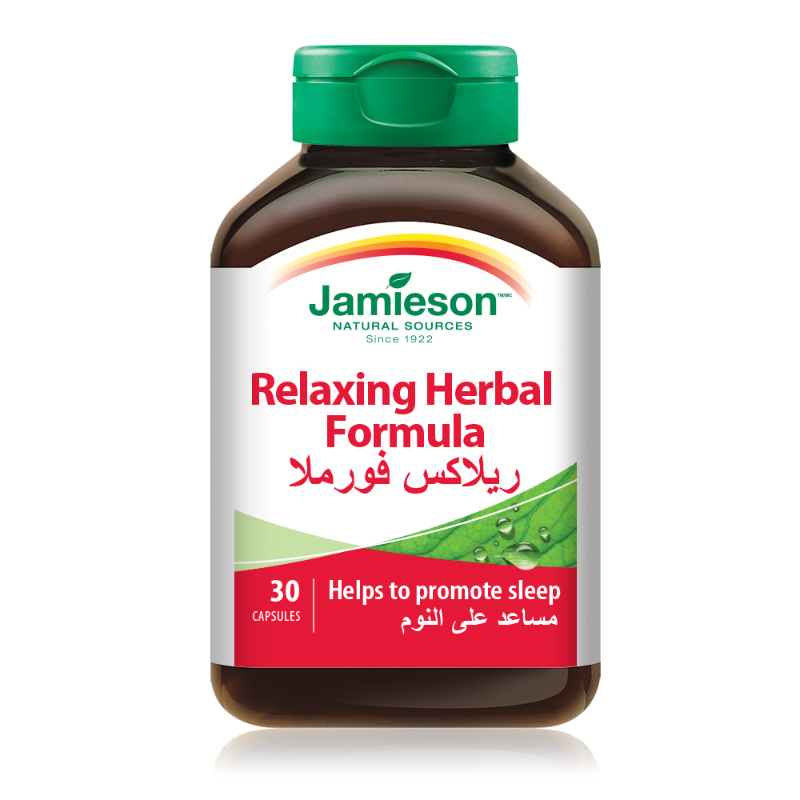
Vitamins & Supplements > Sleeping aid supplements
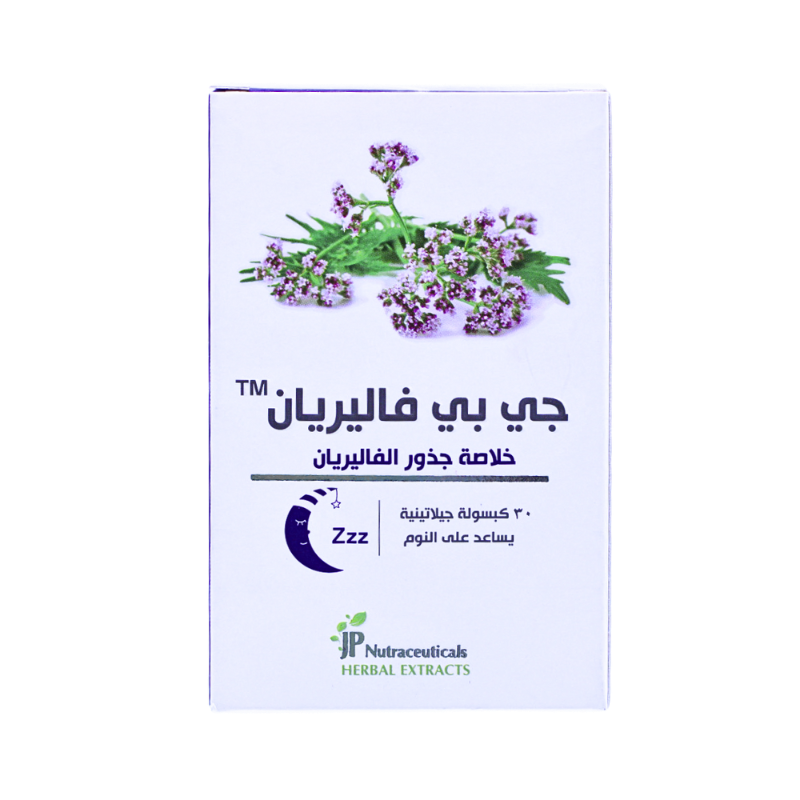
Vitamins & Supplements > Sleeping aid supplements
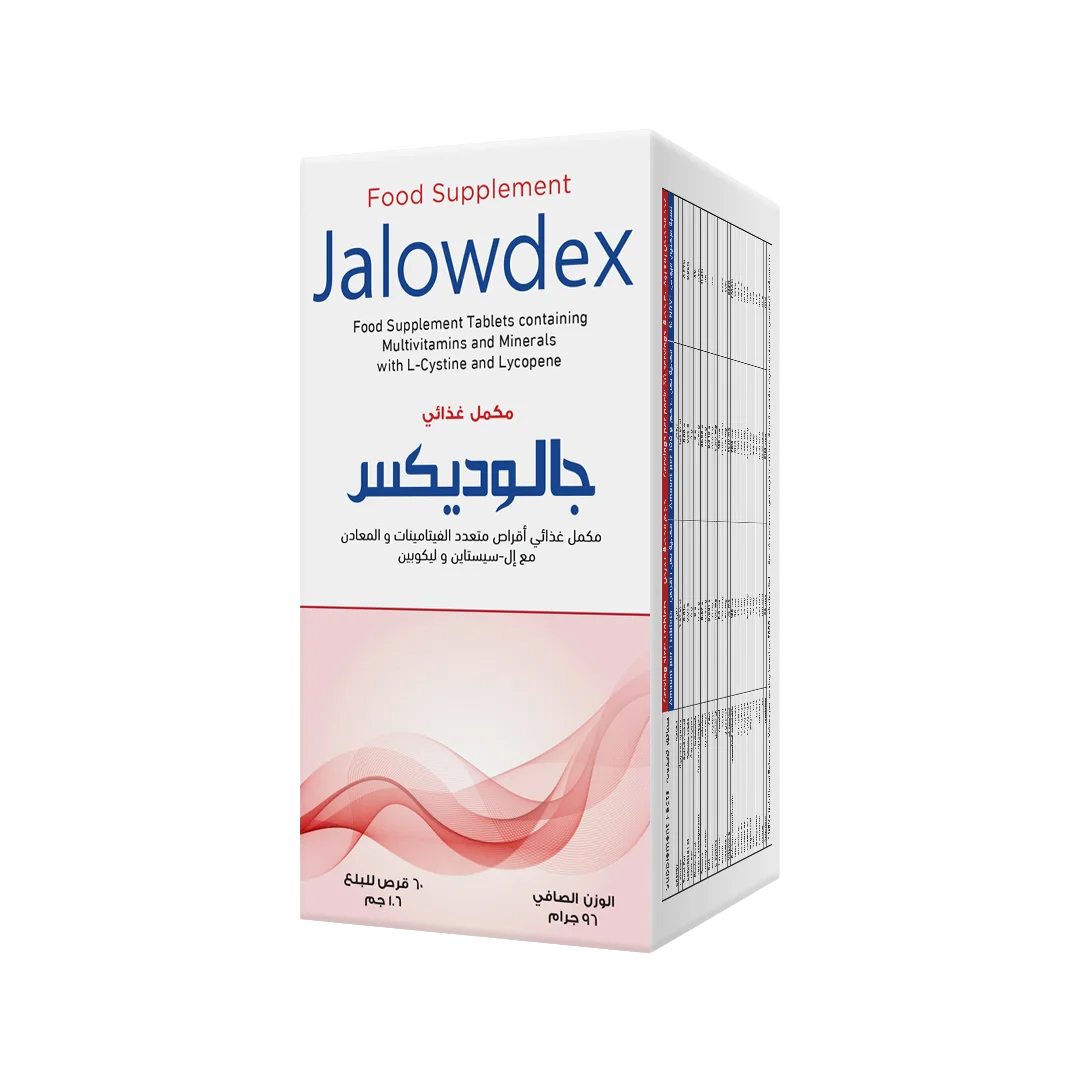
Vitamins & Supplements > Omega-3 Supplements
Vitamins & Supplements > Sleeping aid supplements
ANAFRANIL 25/MG FC TAB 30/FC TAB
- Sku : I-000226
Key features
Anafranil Coated Tablet 25 mg contains clomipramine hydrochloride 25 mg and is presented as a coated tablet. It is a tricyclic antidepressant that primarily works by inhibiting serotonin reuptake, with additional effects on norepinephrine and other receptor systems. It is used for the treatment of obsessive-compulsive disorder (OCD). This product is supplied as a pack of 30 tablets.- Brand: ANAFRANIL
- Active Ingredient: CLOMIPRAMINE HYDROCHLORIDE 25mg
- Strength: 25mg
- Dosage Form: Coated tablet
- Pack Size: 30 Tablets
- Route: Oral use
- Prescription Status: Prescription
- Therapeutic Class: Psychiatric
- Pharmacological Group: Antidepressants
- Drug Class: Tricyclic Antidepressant (TCA) - Dibenzazepine derivative
- Manufacturer: NOVARTIS
- Country of Origin: Italy
- SFDA Registration No.: 2406257597
- Shelf Life: 36 months
- Storage: store below 25°c
- Psych Class: Antidepressant-TCA
- Controlled Substance: No
Frequently bought together
Vitamins & Supplements > Sleeping aid supplements
Vitamins & Supplements > Sleeping aid supplements
Vitamins & Supplements > Omega-3 Supplements
Vitamins & Supplements > Sleeping aid supplements
Indications
Approved Uses
Obsessive-compulsive disorder (OCD
Off-Label Uses
Off-label examples: neuropathic/chronic pain syndromes, premature ejaculation, body dysmorphic disorder, trichotillomania; (note: depression and panic disorder are established indications in many references/regions rather than off-label).
Dosage & Administration
Dosing by Condition
OCD (adults): start 25 mg/day, increase gradually (often over ~2 weeks) to ~100 mg/day; usual maintenance 100-150 mg/day; maximum 250 mg/day; give in divided doses initially with meals, then may give once daily at bedtime when tolerated.
Initial Dose
25 mg/day, taken with meals; increase gradually over 2 weeks
Maintenance Dose
100-150 mg/day in divided doses or as a single bedtime dose
Maximum Dose
250mg daily for adults; for children, the lesser of 3mg/kg or 200mg daily.
Children's Dosage
Approved for OCD in children 10 years and older. Initial dose is 25mg daily, gradually increased to a maximum of 3mg/kg/day or 100mg/day (whichever is less) over two weeks. May be further increased to a maximum of 3mg/kg/day or 200mg/day (whichever is less).
Dose Adjustment Notes
Titrate gradually to improve tolerability; during early titration use divided doses with meals, then consider once‑daily bedtime dosing when stable; use lower starting doses and slower titration in older adults and use caution in hepatic impairment.
How to Take
Oral film‑coated tablet: swallow whole with water (do not crush/chew unless specifically directed); during initiation/titration give in divided doses with meals to reduce GI upset; once tolerated/at maintenance, the total daily dose may be taken once daily at bedtime to reduce daytime sedation.
Side Effects
Common Side Effects
Dry mouth, constipation, nausea, dizziness, somnolence/drowsiness, tremor, increased sweating, blurred vision, weight gain, urinary hesitancy/retention, fatigue, headache, sexual dysfunction.
Safety & Warnings
Contraindications
Hypersensitivity to clomipramine/TCAs; concomitant use with MAO inhibitors or within 14 days of stopping an MAOI (and vice versa); acute recovery period after myocardial infarction; concomitant use with linezolid or IV methylene blue (unless no alternatives and with close monitoring).
Warnings & Precautions
Key warnings/precautions: boxed warning for suicidality (monitor closely, especially during initiation/dose changes); seizure risk (dose-dependent); serotonin syndrome with serotonergic agents; cardiovascular risk (conduction abnormalities/QT prolongation-consider baseline ECG in at-risk patients); mania/hypomania in bipolar disorder; anticholinergic effects (urinary retention, constipation; caution in narrow-angle glaucoma/BPH); orthostatic hypotension; hepatic impairment (caution); renal impairment (caution); avoid abrupt discontinuation (taper).
Age Restriction
Approved for OCD in patients aged 10 years and older; safety/efficacy not established in children <10 years.
Driving Warning
May Cause Drowsiness
Drug Interactions
Drug Interactions
Major interactions include: MAOIs/linezolid/IV methylene blue (contraindicated-serotonin syndrome); other serotonergic drugs (SSRIs/SNRIs, triptans, tramadol) (serotonin syndrome risk); CYP2D6 inhibitors (e.g., fluoxetine, paroxetine) and CYP inhibitors like cimetidine (↑ clomipramine levels/toxicity); CYP inducers (e.g., carbamazepine, phenobarbital) (↓ levels); QT-prolonging/antiarrhythmic drugs (additive arrhythmia risk); CNS depressants/alcohol (↑ sedation); anticholinergics (additive anticholinergic effects); warfarin (possible altered anticoagulant effect-monitor INR).
Interaction Severity
MAJOR/Contraindicated: MAOIs (and within 14 days), linezolid, IV methylene blue (serotonin syndrome/hypertensive crisis); significant QT‑prolonging drugs (additive arrhythmia risk). MODERATE: SSRIs/SNRIs and other serotonergic drugs; strong CYP2D6/CYP inhibitors (e.g., fluoxetine/paroxetine) increasing levels; CNS depressants; anticholinergics; sympathomimetics; anticoagulants (monitor INR).
Food Interaction
May take with food/meals to reduce gastrointestinal upset; no routine food restrictions are required-avoid grapefruit juice only as a precaution due to potential CYP-mediated increases in levels (cranberry juice is not a standard interaction).
Alcohol Interaction
Dangerous
Special Populations
Breastfeeding
Caution
Children
Approved for OCD in children 10 years and older. Initial dose is 25mg daily, gradually increased to a maximum of 3mg/kg/day or 100mg/day (whichever is less) over two weeks. May be further increased to a maximum of 3mg/kg/day or 200mg/day (whichever is less).
Elderly
Start at 10-25 mg/day; titrate slowly; maximum dose typically 75-100 mg/day; monitor cardiac function and orthostatic blood pressure
Kidney Impairment
No specific renal dose adjustment is established; use with caution in severe renal impairment and monitor for adverse effects.
Liver Impairment
Use with caution in hepatic impairment; consider lower starting dose/slower titration and monitor clinically (and LFTs if indicated); avoid use or use only with extreme caution in severe hepatic impairment.
Storage & Patient Advice
Stopping the Medicine
Do not stop abruptly; taper gradually (individualized-often over weeks) to reduce discontinuation symptoms (e.g., nausea, headache, malaise, irritability, insomnia).
Overdose
Overdose can cause life-threatening TCA toxicity: CNS depression/coma, seizures, anticholinergic effects, hypotension, and cardiac conduction abnormalities/arrhythmias (QRS widening, QT prolongation); management is emergency care with airway/ventilation, continuous ECG monitoring, activated charcoal if appropriate, and IV sodium bicarbonate for QRS widening/ventricular arrhythmias, plus supportive care (dialysis is not effective).
Patient Counseling
Take exactly as prescribed and do not stop abruptly; may take several weeks to improve (OCD often 6-12 weeks for full effect); take with meals during titration and may be moved to bedtime once tolerated; may cause drowsiness/dizziness and orthostatic hypotension-avoid driving until effects known; avoid alcohol; manage dry mouth/constipation with hydration and fiber; seek urgent help for suicidal thoughts, severe agitation, serotonin syndrome symptoms, or palpitations/syncope; check with a clinician before combining with other antidepressants/serotonergic drugs or St. John’s wort.
Monitoring Requirements
Monitor clinical response and suicidality (especially early and with dose changes); consider baseline and follow-up ECG in patients with cardiac disease/risk factors or higher doses; monitor blood pressure/orthostasis and anticholinergic effects; consider weight and, when clinically indicated, liver function tests.
Pharmacology
Mechanism of Action
Tricyclic antidepressant that inhibits serotonin reuptake strongly and norepinephrine reuptake to a lesser extent; desmethylclomipramine contributes relatively more NE reuptake inhibition; also has anticholinergic (muscarinic), antihistaminic (H1), and alpha‑1 adrenergic blocking activity.
Half-Life
Parent drug (Clomipramine): 19-37 hours; Active metabolite (Desmethylclomipramine): 54-77 hours.
Metabolism
Extensive hepatic metabolism; major pathways include CYP2D6 (key), with contributions from CYP1A2, CYP3A4, and CYP2C19; active metabolite: desmethylclomipramine (norclomipramine).
Protein Binding
High protein binding approximately 97% (primarily to albumin
Product Information
Available Dosage Forms
Capsules (25 mg, 50 mg, 75 mg
Composition per Dose
Each film-coated tablet: 25 mg clomipramine hydrochloride
Generic Availability
Yes
OTC Alternatives
No OTC alternative
Psych Class
Antidepressant-TCA
Controlled Substance
No
Reviewed by Al Mujtama Pharmacy Medical Review Team. Last reviewed 05-06-2026
Similar Products
Medications > Urology Medications
Medications > Painkillers and Antipyretics
Medications > Dermatology Medications
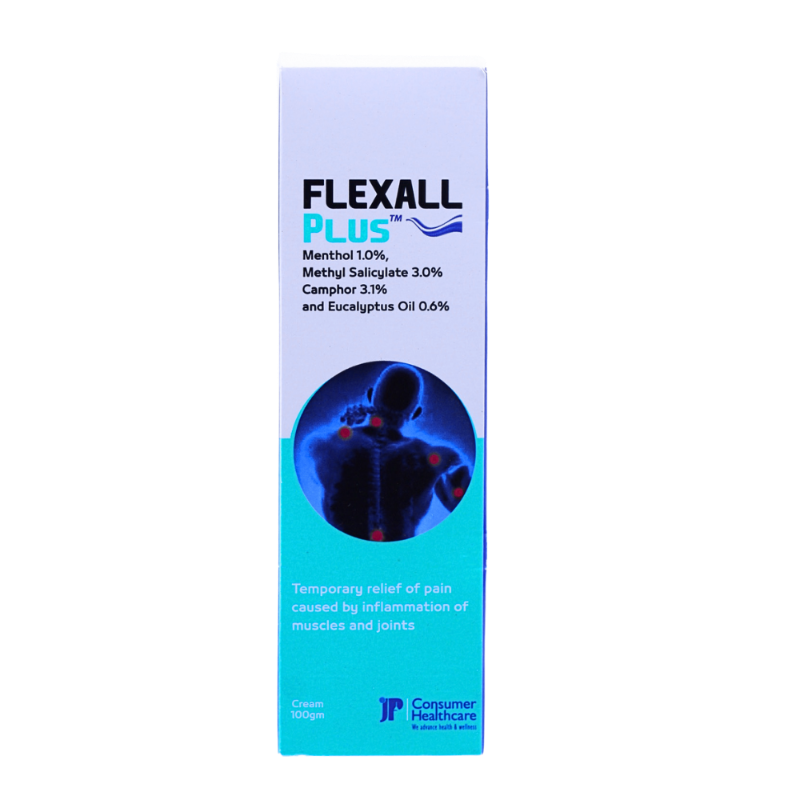
Medications > Painkillers and Antipyretics
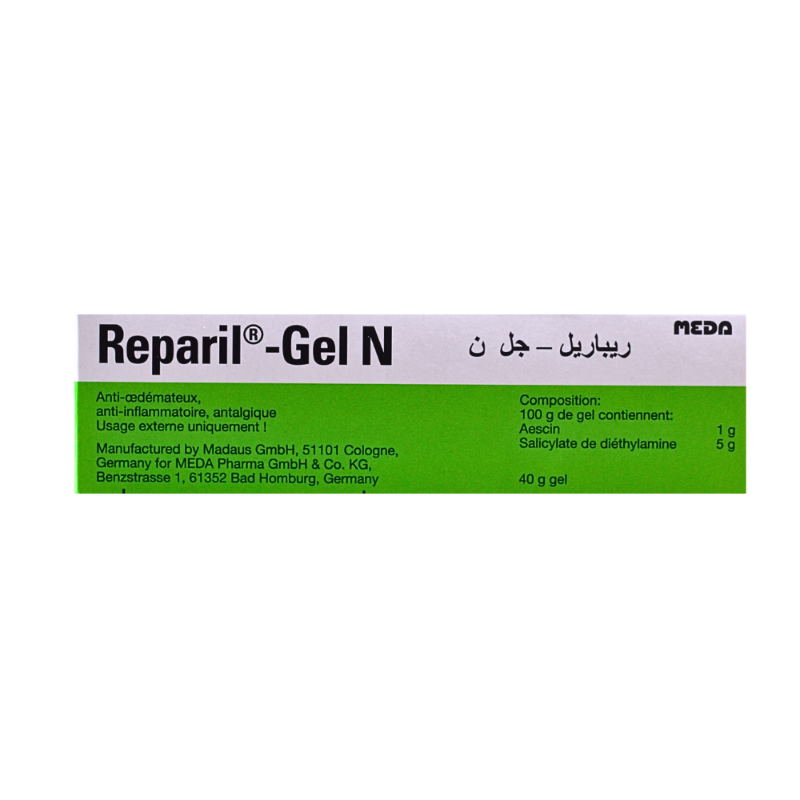
Medications > Painkillers and Antipyretics

Medications > Dermatology Medications
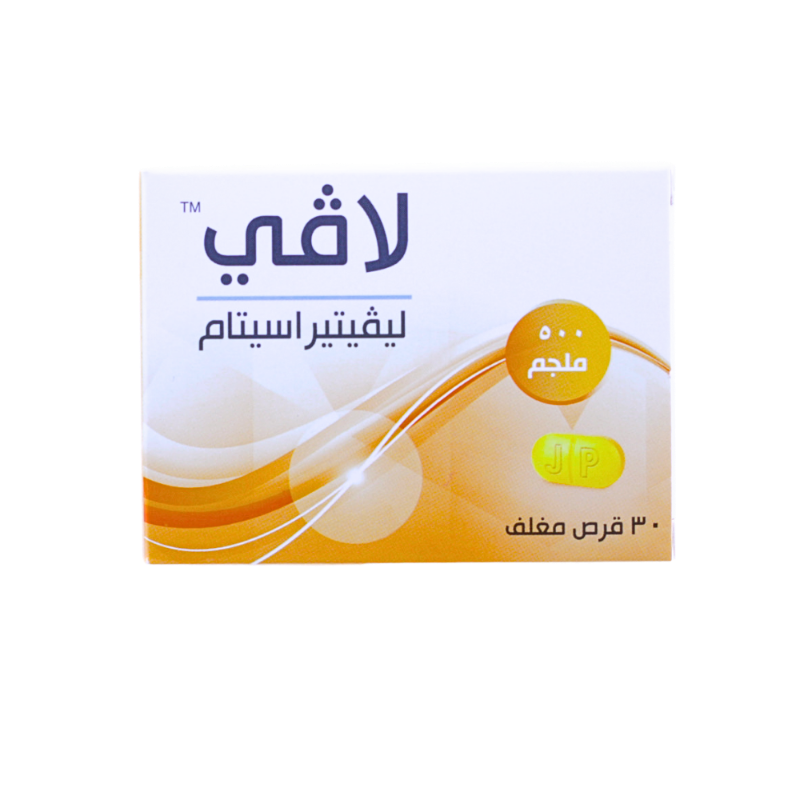
Medications > Anticonvulsants and antiepileptics
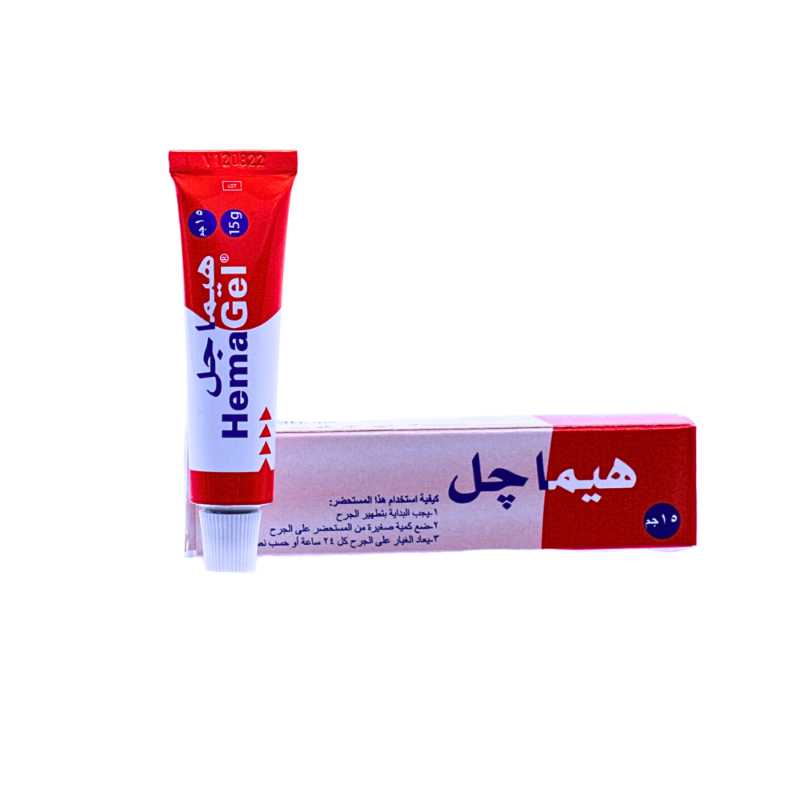
Medications > Dermatology Medications
Medications > Dermatology Medications
Medications > Psychiatric Medications
