
Use Code: WF26 And Get 30% OFF, T&C Applay | Get Free Delivery With No Minimum Order
-1744229570.gif "Almujtama Pharmacy logo")
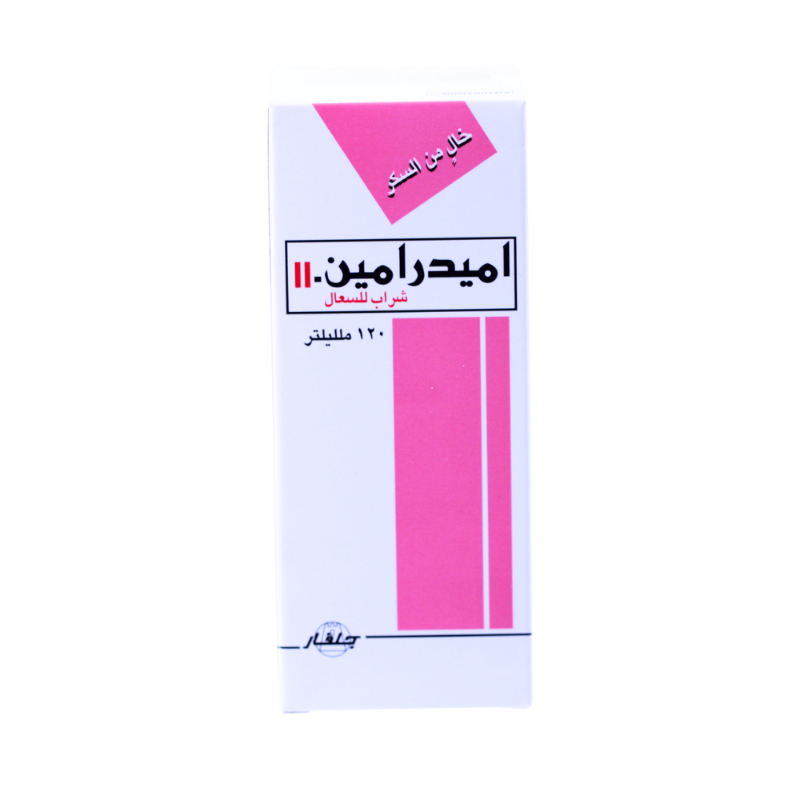


Frequently bought together
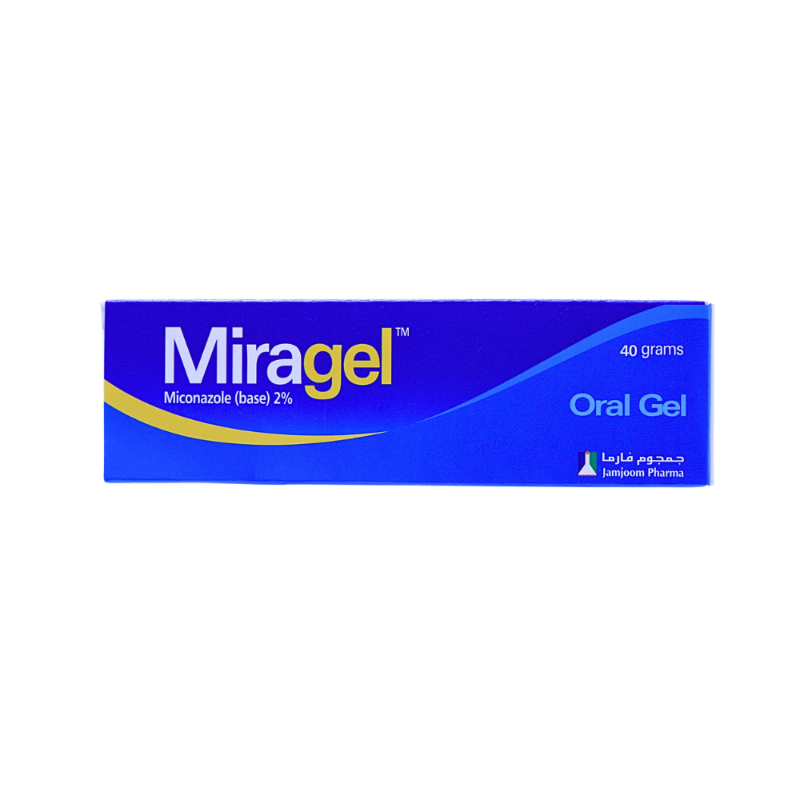
Oral & Dental Care > Throat & Oral Care

Oral & Dental Care > Throat & Oral Care
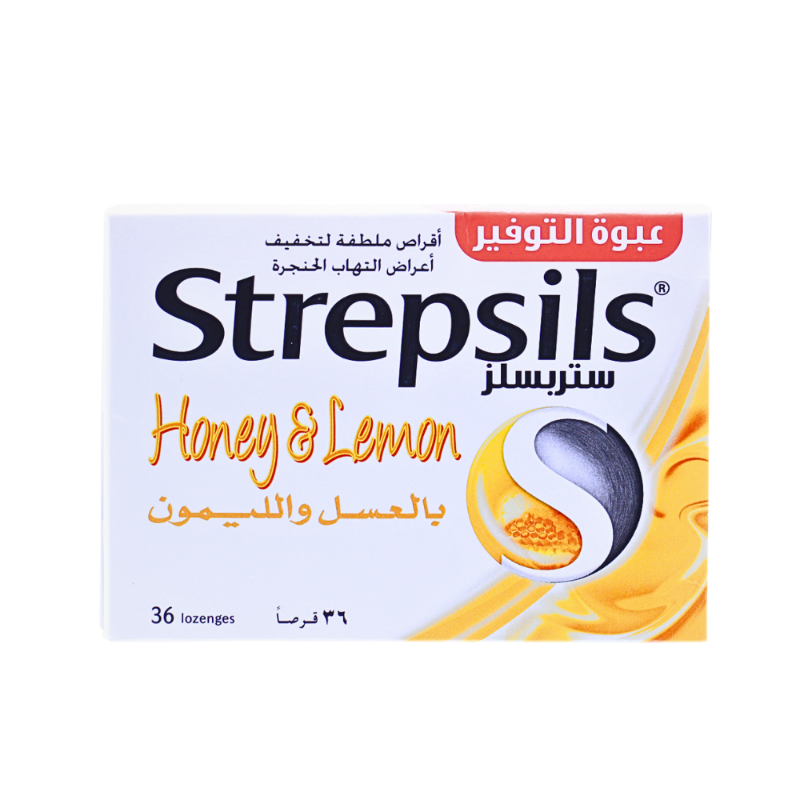
Oral & Dental Care > Throat & Oral Care
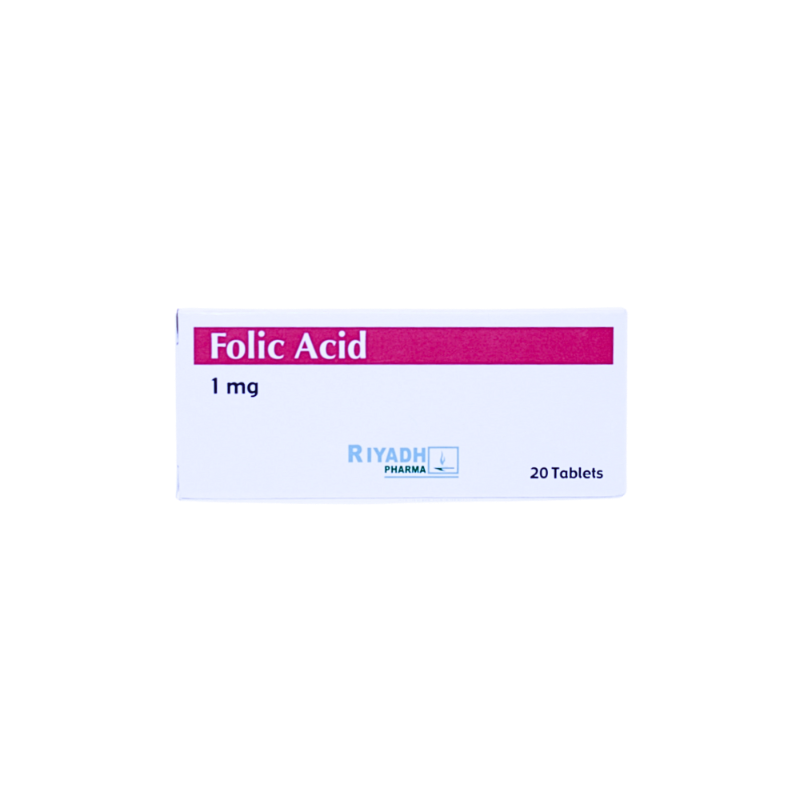
Vitamins & Supplements > Vitamins and Minerals
Vitamins & Supplements > Vitamins and Minerals

Vitamins & Supplements > Vitamins and Minerals
AMYDRAMINE-II SYRUP 120ML
- Sku : I-000224
Key features
AMYDRAMINE-II Syrup is a liquid formulation containing sodium citrate 5.7 mg/mL and diphenhydramine hydrochloride 1.4 mg/mL. Diphenhydramine is a first‑generation H1‑antagonist with central antitussive, sedative and anticholinergic effects, while sodium citrate acts as an alkalinizing expectorant to help reduce mucus acidity and aid secretion clearance. It provides symptomatic relief of cough and associated upper‑respiratory symptoms such as runny nose, sneezing and watery eyes due to the common cold or allergic conditions where a sedating antihistamine is appropriate. Available OTC as a 120 mL syrup pack.- Brand: AMYDRAMINE
- Active Ingredient: SODIUM CITRATE 5.7mg/ml, DIPHENHYDRAMINE HYDROCHLORIDE 1.4mg/ml
- Strength: 5.7,1.4mg/ml
- Dosage Form: Syrup
- Pack Size: 120 ml
- Route: Oral use
- Prescription Status: OTC
- Therapeutic Class: Antiallergic
- Pharmacological Group: Antihistamines
- Drug Class: First-generation sedating H1-antihistamine (diphenhydramine) combined with an alkalinizing agent/expectorant component (sodium citrate) used in cough mixtures.
- Manufacturer: Gulf Pharmaceutical Industries (Julphar)
- Country of Origin: United Arab Emirates
- SFDA Registration No.: 78-186-99
- Shelf Life: 24 months
- Storage: store below 30°c
- Symptom Target: Multi-symptom
- Sedating: Yes
Frequently bought together
Oral & Dental Care > Throat & Oral Care
Oral & Dental Care > Throat & Oral Care
Oral & Dental Care > Throat & Oral Care
Vitamins & Supplements > Vitamins and Minerals
Vitamins & Supplements > Vitamins and Minerals
Vitamins & Supplements > Vitamins and Minerals
Indications
Approved Uses
Symptomatic relief of cough and associated upper-respiratory symptoms (e.g., runny nose/sneezing/watery eyes) due to common cold or allergy where a sedating antihistamine is appropriate.
Off-Label Uses
For diphenhydramine (component): short-term insomnia (adults), motion sickness, and acute dystonic reactions (adjunct); it should not be used to sedate children.
Dosage & Administration
Dosing by Condition
Dose should follow the product label for this specific Julphar formulation; in general pediatric practice for diphenhydramine-containing cough/cold products, dosing is age/weight-based and many guidelines advise against routine OTC cough/cold use in children <6 years without clinician direction.
Dose Adjustment Notes
Use with caution in hepatic impairment (may require lower dose/longer interval); in renal impairment, clinically significant adjustment is usually not required but caution is advised; avoid use in older adults when possible due to high anticholinergic burden (Beers criteria).
How to Take
Shake well before use; administer orally using a calibrated measuring spoon/cup or oral syringe; may be taken with or without food; do not exceed the recommended dose/frequency and avoid duplicate antihistamine-containing products.
Side Effects
Common Side Effects
Drowsiness/sedation, dizziness, dry mouth/nose/throat, blurred vision, constipation, nausea/vomiting, and thickened bronchial secretions.
Safety & Warnings
Contraindications
Hypersensitivity to diphenhydramine or any component; neonates/premature infants; concomitant use of MAO inhibitors (or within 14 days); acute asthma/lower respiratory tract symptoms; narrow-angle glaucoma; urinary retention; pyloroduodenal obstruction/stenosing peptic ulcer.
Warnings & Precautions
May cause marked drowsiness-avoid alcohol/other sedatives and activities requiring alertness; paradoxical excitation can occur in children; avoid use in <2 years and do not use to induce sleep; avoid duplicate antihistamines; use caution in asthma/COPD, glaucoma, prostatic hypertrophy/urinary retention, cardiovascular disease, hyperthyroidism, and in hepatic/renal impairment.
Age Restriction
Not recommended in children <2 years (OTC cough/cold use); for ages 2-5 only on clinician advice and per label dosing.
Driving Warning
Avoid Driving
Drug Interactions
Drug Interactions
MAO inhibitors (avoid; enhanced/prolonged anticholinergic/CNS effects); CNS depressants including alcohol, opioids, benzodiazepines/sedatives (additive sedation/respiratory depression); other anticholinergics incl. TCAs and some bladder antimuscarinics (additive anticholinergic toxicity); other antihistamines (additive sedation/anticholinergic effects).
Interaction Severity
MAJOR: other CNS depressants (alcohol, opioids, benzodiazepines, sedatives) due to additive sedation/respiratory depression; MODERATE: MAO inhibitors and tricyclic antidepressants due to enhanced/prolonged anticholinergic/CNS effects; MODERATE: other anticholinergics/first-generation antihistamines due to additive anticholinergic toxicity and sedation.
Food Interaction
No restriction
Alcohol Interaction
Dangerous
Special Populations
Pregnancy
Consult Doctor
Breastfeeding
Use with caution; may cause sleepiness and irritability in nursing infant
Elderly
Use with caution; elderly patients are more sensitive to anticholinergic and sedative effects. Start at lower doses and monitor for confusion, urinary retention, and excessive sedation.
Kidney Impairment
No specific renal dose adjustment established; use with caution in renal impairment and consider reduced dose/frequency in severe renal dysfunction.
Liver Impairment
No specific dose adjustment established; use with caution in hepatic impairment and consider lower dose/longer interval in severe impairment (not an absolute contraindication).
Storage & Patient Advice
Missed Dose
Take as soon as remembered; skip if near the time of the next dose. Do not double the dose.
Stopping the Medicine
Safe to stop anytime; no tapering required for short-term use
Overdose
Symptoms: anticholinergic toxidrome (dry mouth, mydriasis, flushing, hyperthermia, urinary retention, tachycardia), CNS depression or paradoxical excitation/delirium, seizures, arrhythmias/QRS widening; Management: urgent medical care, activated charcoal if appropriate, supportive care/benzodiazepines for seizures, sodium bicarbonate for wide-complex dysrhythmias; physostigmine may be considered in severe anticholinergic delirium by experienced clinicians when no contraindications.
Patient Counseling
May cause marked drowsiness-avoid driving/operating machinery; avoid alcohol and other sedatives; measure doses with a calibrated device; do not combine with other products containing antihistamines/anticholinergics; do not use to make a child sleepy; seek medical advice if symptoms persist/worsen or if the child is very young (especially <2 years) or has breathing difficulty.
Monitoring Requirements
No routine monitoring required for short-term use. Monitor for paradoxical excitation in young children.
Pharmacology
Mechanism of Action
Diphenhydramine competitively antagonizes H1 receptors and has central antitussive/sedative and anticholinergic effects; sodium citrate acts as an alkalinizing agent that can help reduce mucus acidity/irritation and is used as an expectorant component in cough mixtures.
Onset of Action
15-30 minutes.
Duration of Effect
4-6 hours.
Half-Life
Diphenhydramine elimination half-life is variable, typically ~4-9 hours in adults (often cited ~8-9 h), and can be shorter in children; sodium citrate is rapidly metabolized to bicarbonate/CO2.
Metabolism
Hepatic metabolism: diphenhydramine undergoes extensive first‑pass metabolism mainly via CYP2D6 with contributions from other CYPs (e.g., CYP1A2/CYP2C9/CYP2C19/CYP3A4) to N‑demethylation/deamination; sodium citrate is systemically metabolized to bicarbonate (alkalinizing effect) as part of normal citrate metabolism.
Excretion
Primarily renal excretion as metabolites (diphenhydramine), with minimal unchanged drug.
Product Information
Available Dosage Forms
Syrup
Composition per Dose
Each 5 ml: Diphenhydramine Hydrochloride 7 mg + Sodium Citrate 28.5 mg
Generic Availability
Yes
OTC Alternatives
For allergy symptoms: non-sedating antihistamines such as loratadine or cetirizine; for cough with mucus: an expectorant such as guaifenesin; for fever/pain with colds: paracetamol/ibuprofen as appropriate.
Symptom Target
Multi-symptom
Sedating
Yes
Reviewed by Al Mujtama Pharmacy Medical Review Team. Last reviewed 28-06-2026
Similar Products

Medications > Painkillers and Antipyretics
Medications > Eye and Ear Medications
Medications > Dermatology Medications
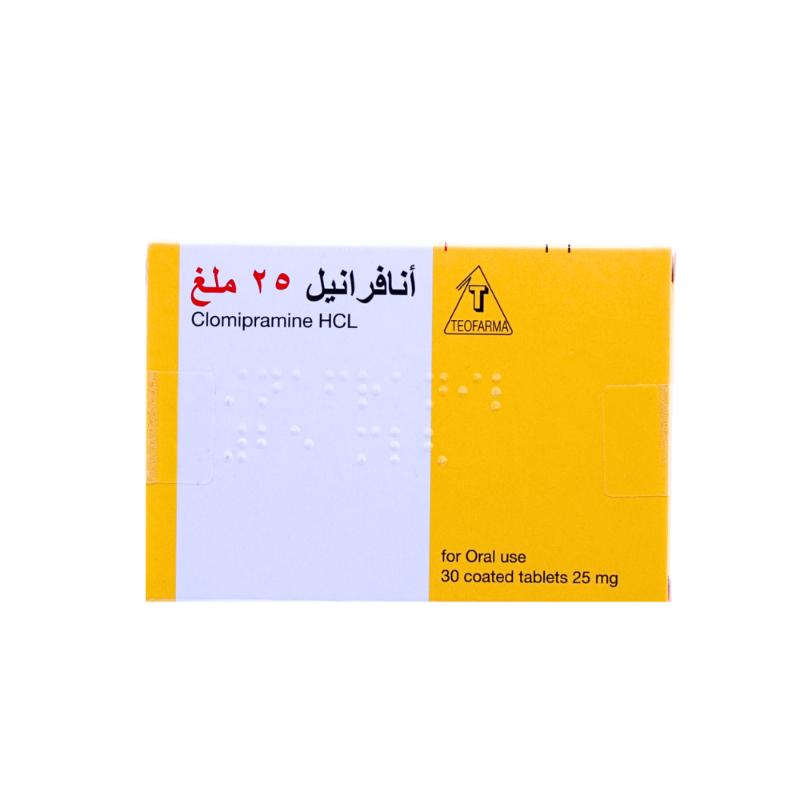
Medications > Psychiatric Medications
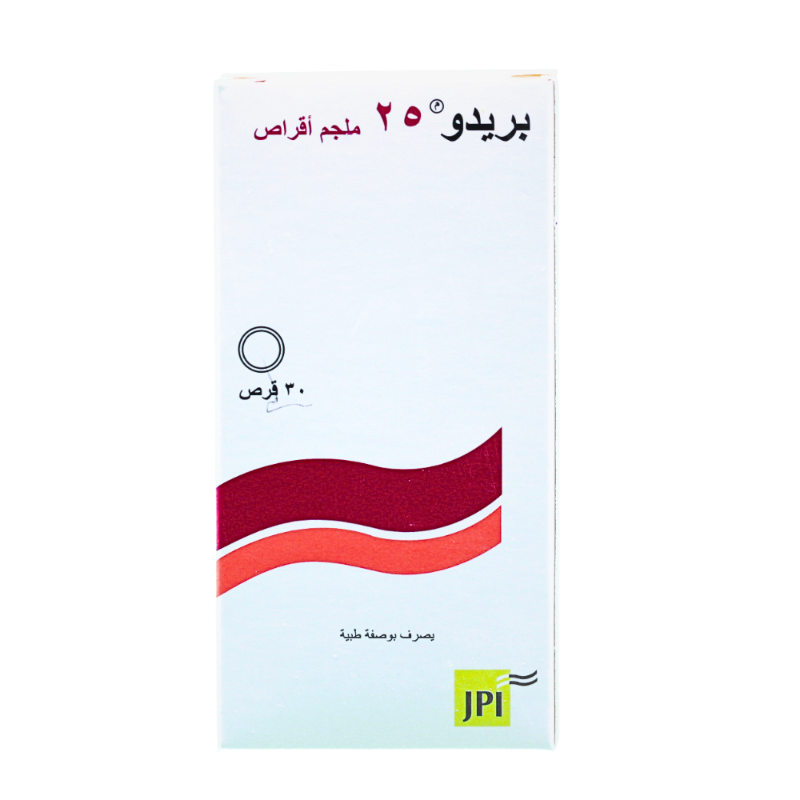
Medications > Cold, Cough, and Allergy Medications
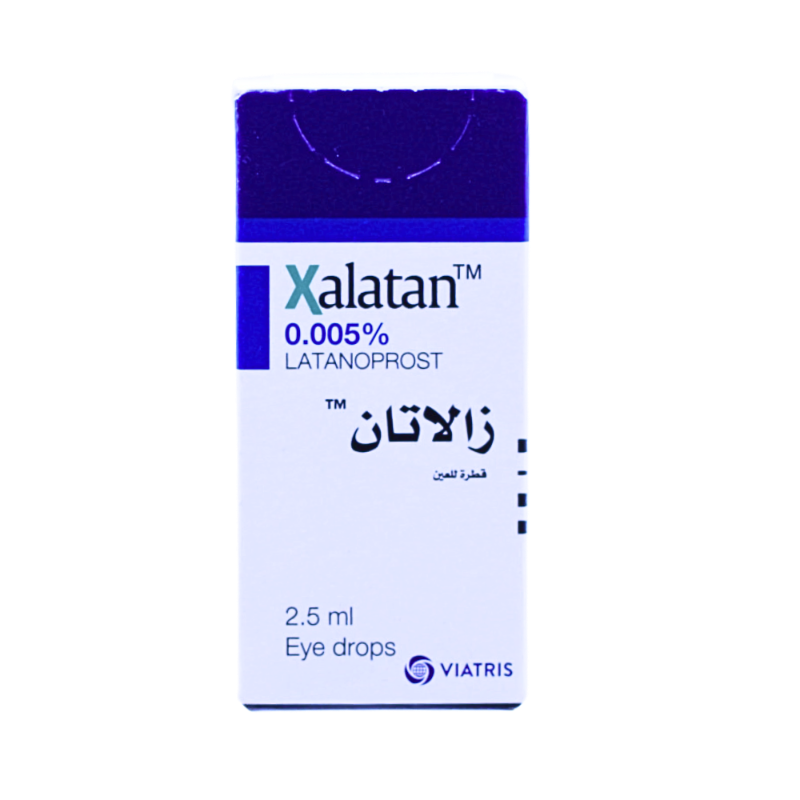
Medications > Eye and Ear Medications
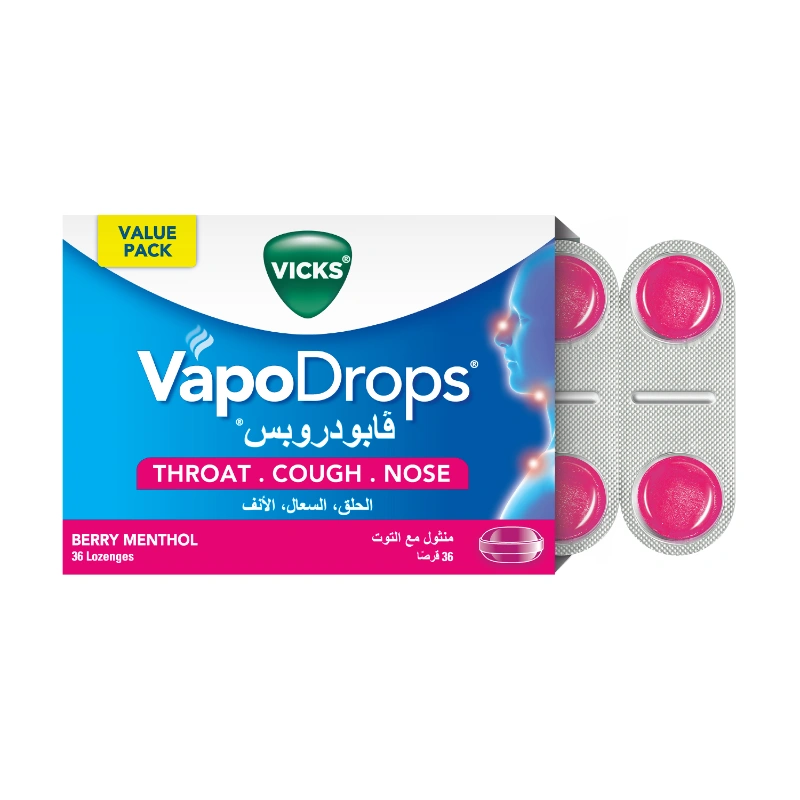
Medications > Cold, Cough, and Allergy Medications
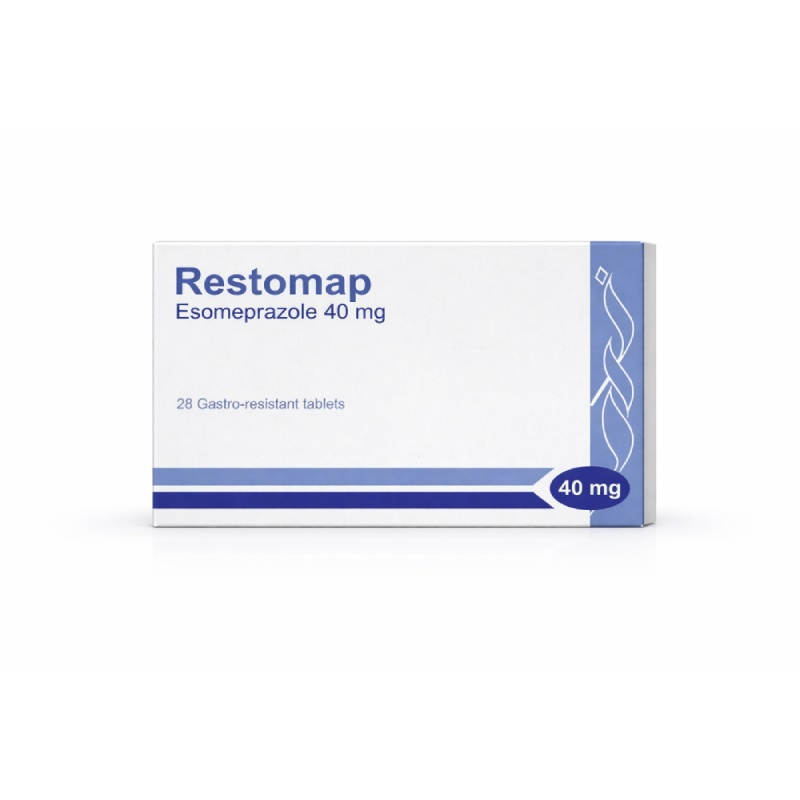
Medications > Gastrointestinal Medications
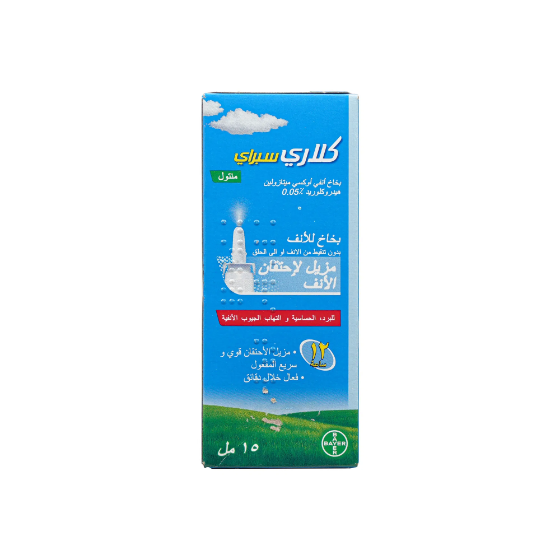

Medications > Cold, Cough, and Allergy Medications
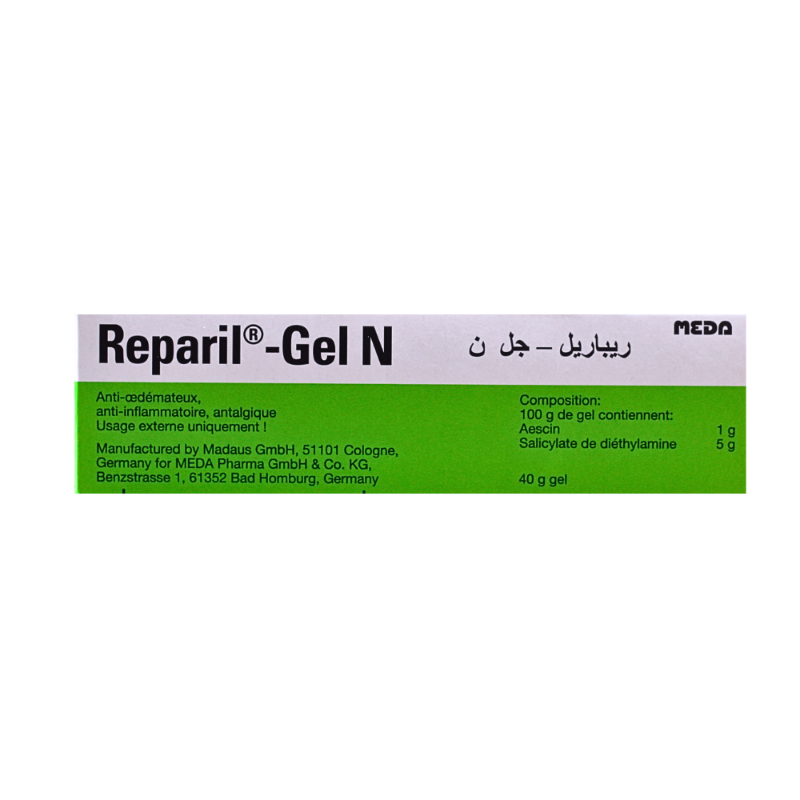
Medications > Painkillers and Antipyretics
