
Use Code: ND30 And Get 30% OFF | Get Free Delivery With No Minimum Order
-1744229570.gif "Almujtama Pharmacy logo")




Frequently bought together

Oral & Dental Care > Throat & Oral Care
Oral & Dental Care > Throat & Oral Care
Oral & Dental Care > Throat & Oral Care
Vitamins & Supplements > Vitamins and Minerals
Vitamins & Supplements > Vitamins and Minerals
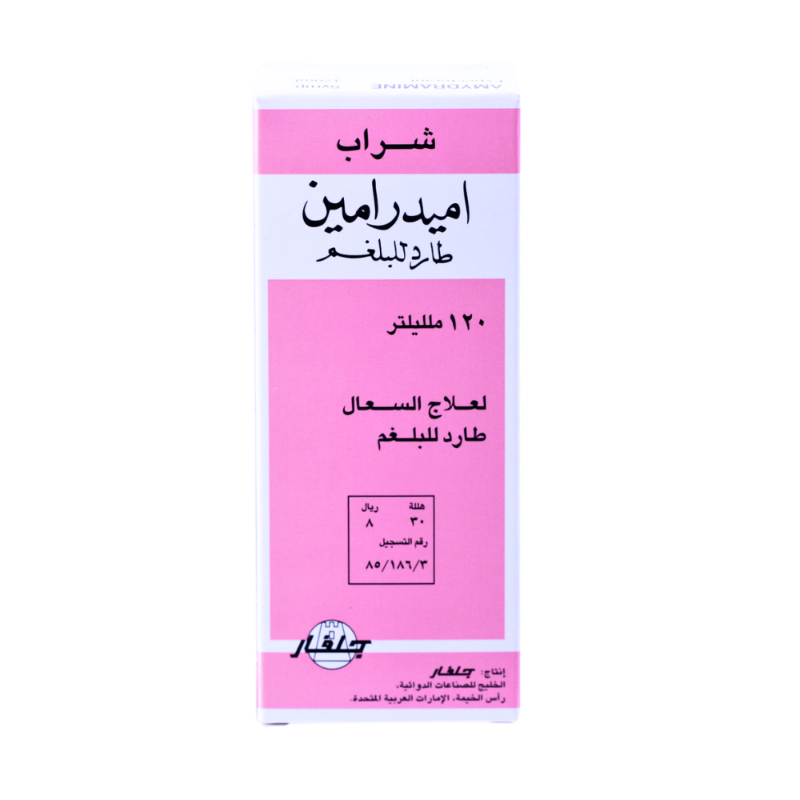
AMYDRAMINE EXPECTORANT SYRUP 120ML
- Sku : I-000222
Key features
AMYDRAMINE EXPECTORANT SYRUP (AMYDRAMIN) is an over-the-counter syrup containing diphenhydramine hydrochloride 2.7 mg/ml, sodium citrate 11.4 mg/ml and ammonium chloride 26.3 mg/ml. Diphenhydramine provides H1‑receptor antagonism with anticholinergic effects that can reduce cough reflex, while ammonium chloride and sodium citrate act as expectorant and alkalinizing agents to increase and loosen respiratory secretions. It is used for symptomatic relief of productive cough associated with upper respiratory tract infections and for relief of associated allergic or irritative nasal symptoms such as rhinorrhea and sneezing. Available OTC in a 120 ml syrup pack.- Brand: AMYDRAMIN
- Active Ingredient: DIPHENHYDRAMINE HYDROCHLORIDE 2.7mg/ml, SODIUM CITRATE 11.4mg/ml, AMMONIUM CHLORIDE 26.3mg/ml
- Strength: 2.7,11.4,26.3mg/ml
- Dosage Form: Syrup
- Pack Size: 120 ml
- Route: Oral use
- Prescription Status: OTC
- Therapeutic Class: Antiallergic
- Pharmacological Group: Antihistamines
- Drug Class: Antihistamine/expectorant combination: first-generation H1 antihistamine (diphenhydramine) plus expectorant/saline agents (ammonium chloride, sodium citrate).
- Manufacturer: Gulf Pharmaceutical Industries (Julphar)
- Country of Origin: United Arab Emirates
- SFDA Registration No.: 3-186-85
- Shelf Life: 24 months
- Storage: store below 30°c
- Symptom Target: Cough, Runny Nose, Allergy
- Sedating: Yes
Frequently bought together
Oral & Dental Care > Throat & Oral Care
Oral & Dental Care > Throat & Oral Care
Oral & Dental Care > Throat & Oral Care
Vitamins & Supplements > Vitamins and Minerals
Vitamins & Supplements > Vitamins and Minerals
Indications
Approved Uses
Symptomatic relief of cough associated with upper respiratory tract infections/common cold where mucus is present (expectorant use), and relief of associated allergic/irritative symptoms (e.g., rhinorrhea/sneezing) due to diphenhydramine.
Dosage & Administration
Dose Adjustment Notes
Elderly: use the lowest effective dose and avoid if possible due to strong anticholinergic/sedative burden. Hepatic impairment: use caution (diphenhydramine is hepatically metabolized). Renal impairment: use caution (metabolites/excretion are renal). No routine dose adjustment is specified; avoid excessive dosing and monitor for toxicity.
Side Effects
Common Side Effects
Drowsiness/sedation, dizziness, dry mouth, blurred vision, nausea/GI upset, constipation, and urinary retention (especially in men with BPH).
Side Effect Frequency
Frequency categories cannot be reliably assigned (e.g., very common/common/rare) for this specific combination product from the provided authoritative API data; expected adverse effects include drowsiness/sedation, dizziness, dry mouth, blurred vision, GI upset (nausea/vomiting/epigastric discomfort), urinary retention, palpitations and hypotension, and paradoxical excitation (especially in children).
Safety & Warnings
Warnings & Precautions
May cause significant drowsiness-avoid driving/operating machinery; avoid alcohol and other CNS depressants; caution in glaucoma, prostatic hypertrophy/urinary retention, cardiovascular disease, epilepsy; caution in asthma/COPD/chronic bronchitis due to secretion thickening; avoid MAOIs; caution in renal/hepatic impairment and in children due to paradoxical excitation.
Age Restriction
Do not use in children <2 years unless directed by a physician; contraindicated in neonates/premature infants.
Drug Interactions
Drug Interactions
MAO inhibitors (contraindicated/avoid); CNS depressants including alcohol, opioids, benzodiazepines and sedatives (additive sedation/respiratory depression); other anticholinergics and TCAs (additive anticholinergic effects); caution with other sedating antihistamines.
Interaction Severity
MAJOR: Alcohol and other CNS depressants (opioids, benzodiazepines, sedative-hypnotics) due to additive sedation/respiratory/CNS depression. MODERATE: Other anticholinergics (e.g., TCAs, antipsychotics, antiparkinsonian antimuscarinics) due to additive anticholinergic toxicity. MAJOR/AVOID: MAO inhibitors within 14 days-may potentiate anticholinergic/CNS effects (and can intensify adverse reactions).
Food Interaction
Avoid alcohol.
Storage & Patient Advice
Stopping the Medicine
May be stopped at any time; no tapering required (stop when symptoms resolve or if adverse effects occur).
Overdose
Symptoms: marked drowsiness or paradoxical excitation (children), confusion/hallucinations, seizures, anticholinergic signs (dry/flushed skin, mydriasis, tachycardia, urinary retention), possible coma/arrhythmias; Management: urgent medical care, activated charcoal if appropriate, supportive/symptomatic treatment (airway/ventilation, seizure control).
Patient Counseling
May cause marked drowsiness-avoid driving/operating machinery. Avoid alcohol and other sedatives. Use a calibrated measuring device; do not exceed the recommended dose/frequency. Do not use in children <2 years; for 2-6 years use only with medical advice. Seek medical care if symptoms persist >7 days, worsen, or are accompanied by high fever, rash, shortness of breath, or persistent productive cough. Maintain hydration; store below 30°C (SFDA).
Monitoring Requirements
No routine monitoring required for short-term OTC use; monitor for signs of CNS depression in elderly and pediatric patients
Pharmacology
Mechanism of Action
Diphenhydramine: H1-receptor antagonism with anticholinergic and central sedative effects that can reduce cough reflex. Ammonium chloride: expectorant by increasing respiratory tract fluid/secretions to help mobilize mucus. Sodium citrate: alkalinizing/saline expectorant that can help loosen mucus and soothe irritated mucosa.
Onset of Action
15-30 minutes
Bioavailability
Diphenhydramine oral bioavailability is variable due to first-pass metabolism, commonly cited around ~40-60%.
Metabolism
Diphenhydramine: extensive hepatic metabolism (primarily via CYP2D6; also other pathways) to inactive metabolites. Ammonium chloride: metabolized to urea with systemic acidifying effect; sodium citrate is metabolized to bicarbonate.
Excretion
Diphenhydramine: primarily renal excretion as metabolites (minimal unchanged drug). Ammonium chloride: renal excretion (as chloride/ammonium with systemic acidifying effect).
Product Information
Available Dosage Forms
Syrup
Composition per Dose
Each 5 ml: Diphenhydramine hydrochloride 13.5 mg + Sodium citrate 57 mg + Ammonium chloride 131.5 mg
Generic Availability
Yes
OTC Alternatives
Guaifenesin expectorant syrups; dextromethorphan-containing antitussives (for dry cough); non-sedating antihistamines for allergic rhinitis (e.g., loratadine/cetirizine) if cough is allergy-related; simple supportive care (honey for >1 year, saline, hydration).
Symptom Target
Cough, Runny Nose, Allergy
Sedating
Yes
Reviewed by Al Mujtama Pharmacy Medical Review Team. Last reviewed 21-07-2026
Similar Products
Medications > Cold, Cough, and Allergy Medications
Medications > Other Medicines
Medications > Painkillers and Antipyretics
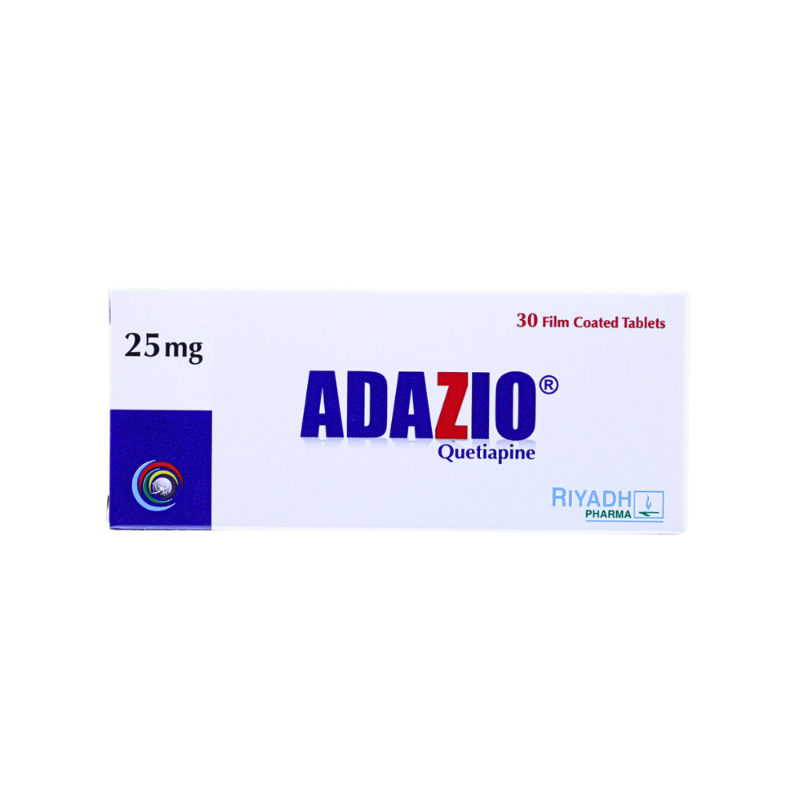
Medications > Psychiatric Medications
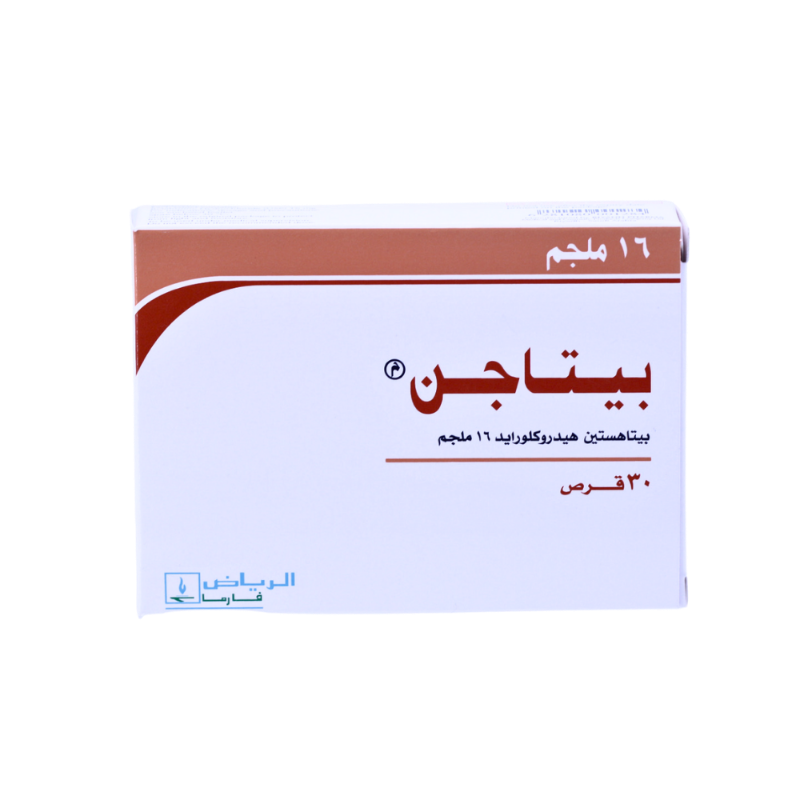
Medications > Other Medicines
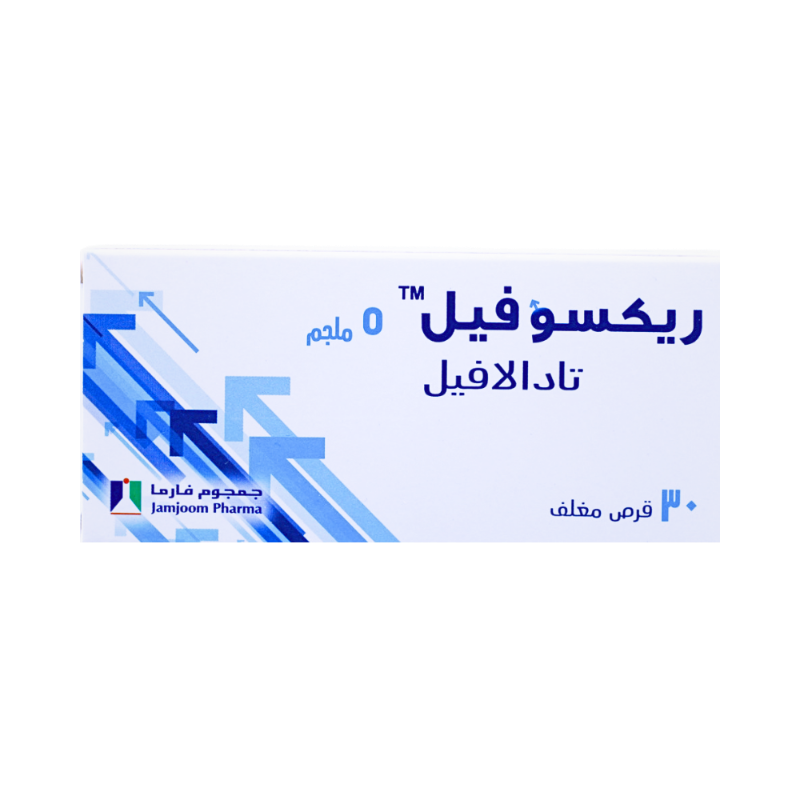
Medications > Sexual Health
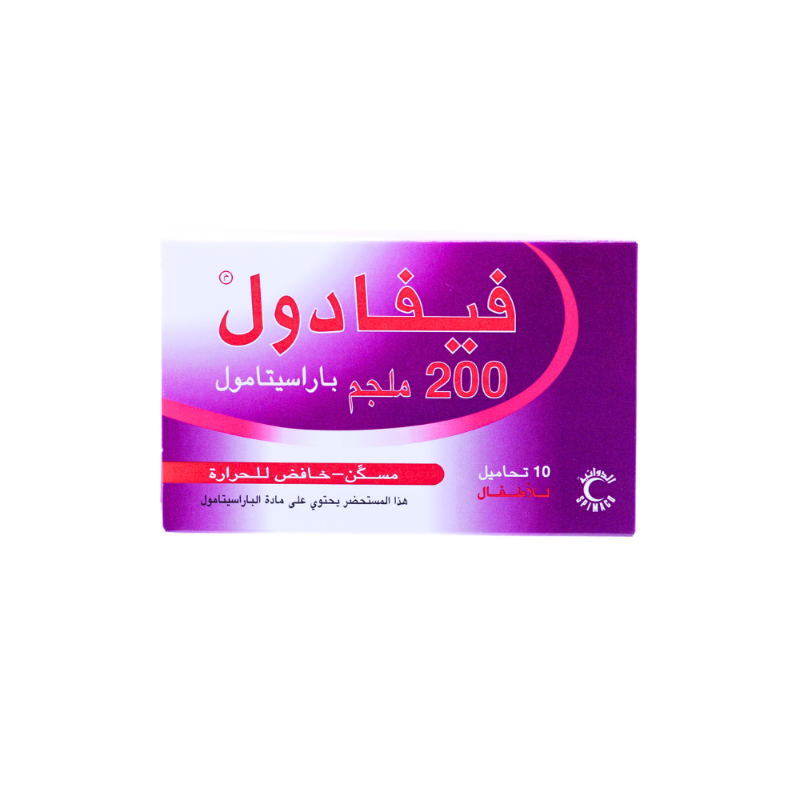
Medications > Painkillers and Antipyretics

Medications > Eye and Ear Medications
Medications > Sexual Health

Medications > Dermatology Medications
