
Use Code: ND30 And Get 30% OFF | Get Free Delivery With No Minimum Order
-1744229570.gif "Almujtama Pharmacy logo")





Frequently bought together
Skin And Body Care > Sun Protection And Tans
Skin And Body Care > Sun Protection And Tans
Skin And Body Care > Moisturizers
Skin And Body Care > Moisturizers
ACRETIN C GEL 30G
- Sku : I-028932
Key features
ACRETIN C Gel 30 g is a prescription topical gel containing clindamycin phosphate 1.2% and tretinoin 0.025%. Clindamycin reduces Cutibacterium acnes and inflammation by inhibiting bacterial protein synthesis, while tretinoin binds retinoic acid receptors to normalize follicular keratinization, reduce microcomedone formation and increase epidermal turnover. It is indicated for the topical treatment of acne vulgaris, addressing both inflammatory and noninflammatory lesions. Supplied as a 30 g prescription gel.- Brand: ACRETIN
- Active Ingredient: CLINDAMYCIN PHOSPHATE 1.2%, TRETINOIN 0.025%
- Strength: 1.2,0.025%
- Dosage Form: Gel
- Pack Size: 30 g
- Route: Topical
- Prescription Status: Prescription
- Drug Class: Combination topical antibiotic (Lincosamide) + Topical retinoid
- Manufacturer: Jamjoom Pharmaceuticals Factory Company
- Country of Origin: Saudi Arabia
- SFDA Registration No.: 2711258674
- Shelf Life: 18 months
- Storage: do not store above 30°c
- Skin Condition: Acne
Frequently bought together
Skin And Body Care > Sun Protection And Tans
Skin And Body Care > Sun Protection And Tans
Skin And Body Care > Moisturizers
Skin And Body Care > Moisturizers
Indications
Approved Uses
Acne vulgaris (topical treatment of acne lesions).
Dosage & Administration
Dosing by Condition
Acne vulgaris: Apply a pea-sized amount in a thin layer to the entire affected area once daily at bedtime (do not exceed once daily).
Initial Dose
Apply a pea-sized amount as a thin layer to the entire affected area once daily at bedtime.
Maintenance Dose
Apply a pea-sized amount as a thin layer to the entire affected area once daily at bedtime.
Maximum Dose
Apply once daily (typically a thin layer to affected areas); do not apply more than once per day unless specifically directed.
Children's Dosage
Not approved for children under 12 years of age
Dose Adjustment Notes
No systemic dose adjustment is applicable for topical use; if significant irritation occurs, reduce frequency temporarily (e.g., every other night) and/or use moisturizer, then increase as tolerated.
How to Take
Cleanse gently and pat skin completely dry; apply a pea-sized amount as a thin film to the entire acne-prone/affected area once daily at bedtime; avoid eyes, lips, nostrils, and mucous membranes; wash hands after application; use moisturizer as needed and apply broad-spectrum sunscreen each morning.
Side Effects
Common Side Effects
Application-site irritation (dryness, peeling/scaling, erythema/redness, burning/stinging, pruritus) and increased photosensitivity/sunburn risk.
Side Effect Frequency
Very common (≥10%): application-site dryness, erythema/redness, peeling/scaling. Common (1-10%): burning/stinging, pruritus/itching, irritation, photosensitivity/sunburn. Uncommon/rare: contact dermatitis; gastrointestinal effects such as diarrhea/colitis are rare but possible due to clindamycin class effect with systemic absorption.
Safety & Warnings
Contraindications
Hypersensitivity to clindamycin, lincomycin, tretinoin, or any component; history of regional enteritis, ulcerative colitis, or antibiotic-associated colitis; concomitant use with erythromycin-containing products (avoid).
Warnings & Precautions
Avoid eyes/lips/mucous membranes; not for oral/ophthalmic/intravaginal use; photosensitivity-minimize sun/sunlamps and use sunscreen; expect irritation early and reduce frequency/stop if severe; discontinue and seek care if significant diarrhea occurs; avoid/space other irritating topicals and avoid waxing on treated areas.
Age Restriction
Not approved under 12 years.
Driving Warning
Safe
Drug Interactions
Drug Interactions
Avoid erythromycin-containing products; caution with other irritating/drying topicals (e.g., benzoyl peroxide, salicylic acid, sulfur, astringents) due to additive irritation; benzoyl peroxide can oxidize tretinoin-separate application times; clindamycin may potentiate neuromuscular blocking agents if systemically absorbed.
Interaction Severity
MODERATE: Topical erythromycin (possible antagonism with clindamycin); MODERATE: Benzoyl peroxide (may oxidize/inactivate tretinoin-separate application times); MODERATE: Other topical retinoids/irritants (additive irritation); MINOR: Abrasive/drying cleansers or alcohol-based products (additive irritation).
Food Interaction
None (not applicable for topical administration).
Alcohol Interaction
Safe
Special Populations
Pregnancy
Category C
Children
Not approved for children under 12 years of age
Kidney Impairment
No adjustment needed
Liver Impairment
No adjustment needed
Storage & Patient Advice
Stopping the Medicine
Can be stopped if significant irritation or diarrhea/colitis symptoms occur; otherwise discontinue per prescriber plan (acne may recur after stopping).
Overdose
Excess topical application may cause marked local irritation/erythema/peeling; manage by stopping/reducing use and supportive skin care; systemic toxicity is unlikely but ingestion warrants medical evaluation.
Patient Counseling
Use once nightly on clean, completely dry skin; apply a pea-sized amount thinly to the whole affected area and avoid eyes/lips/nasal creases and broken skin; expect dryness/peeling/redness early and use non-comedogenic moisturizer; use daily broad-spectrum sunscreen and limit sun/UV exposure; avoid harsh scrubs/astringents and consider separating benzoyl peroxide to morning if used; stop and seek care for severe/watery/bloody diarrhea (rare but serious with clindamycin); store below 30°C and keep tube closed.
Monitoring Requirements
No routine monitoring required. Monitor for severe skin irritation or persistent diarrhea.
Pharmacology
Mechanism of Action
Clindamycin phosphate (converted to clindamycin) inhibits bacterial protein synthesis by binding the 50S ribosomal subunit, reducing Cutibacterium acnes and inflammation; tretinoin (a retinoid) binds retinoic acid receptors to normalize follicular keratinization, reduce microcomedone formation, and increase epidermal turnover.
Bioavailability
Systemic absorption after topical use is low: clindamycin is minimally absorbed (typically a few percent at most; often reported <5%), and tretinoin has minimal percutaneous absorption (generally <2%).
Metabolism
Clindamycin phosphate is hydrolyzed in the skin to active clindamycin; any absorbed clindamycin undergoes hepatic metabolism. Tretinoin is metabolized mainly in the liver via CYP-mediated oxidation/isomerization to multiple metabolites (including isomers such as 13-cis-retinoic acid).
Protein Binding
Protein binding (systemic, if absorbed): clindamycin ~90-95%; tretinoin >99% (primarily albumin).
Product Information
Available Dosage Forms
Gel (topical).
Composition per Dose
Per gram of gel: Clindamycin 10 mg (as clindamycin phosphate 1.2%) + Tretinoin 0.25 mg (0.025%)
Generic Availability
Yes
Skin Condition
Acne
Reviewed by Al Mujtama Pharmacy Medical Review Team. Last reviewed 12-07-2026
Similar Products
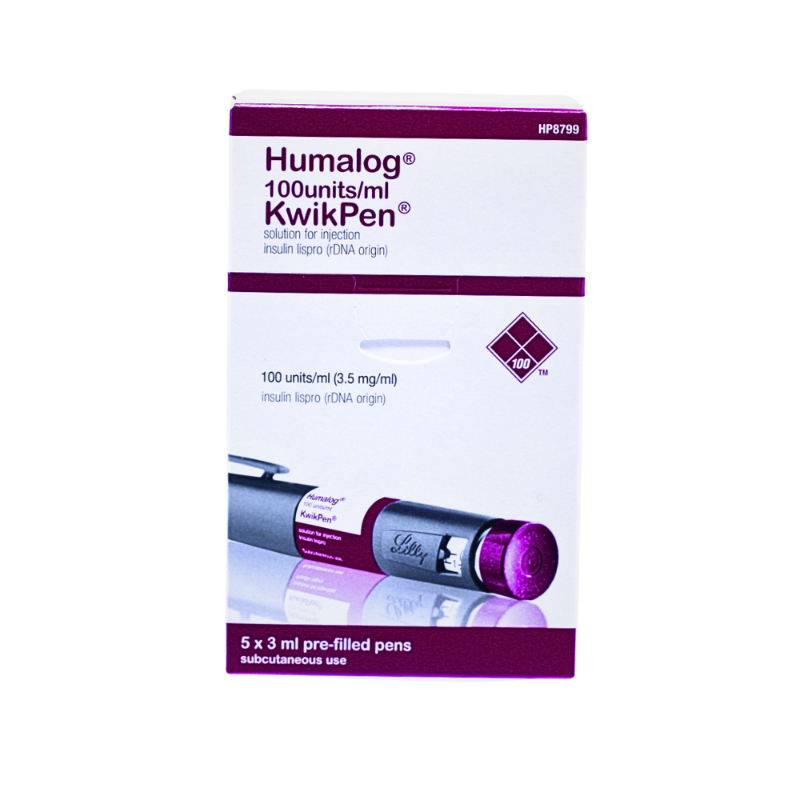
Medications > Diabetes Medications
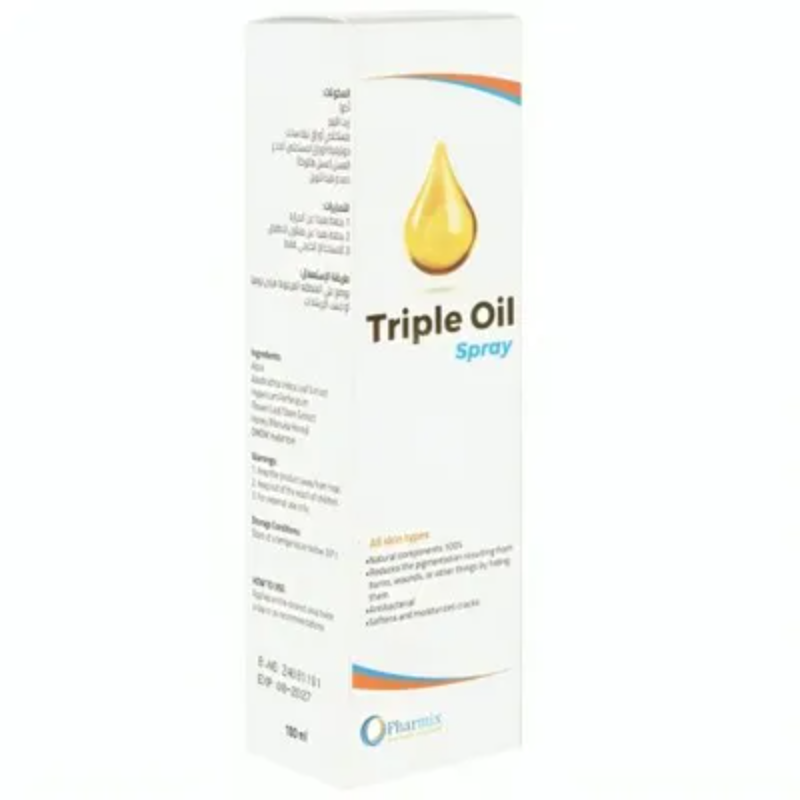
Medications > Dermatology Medications
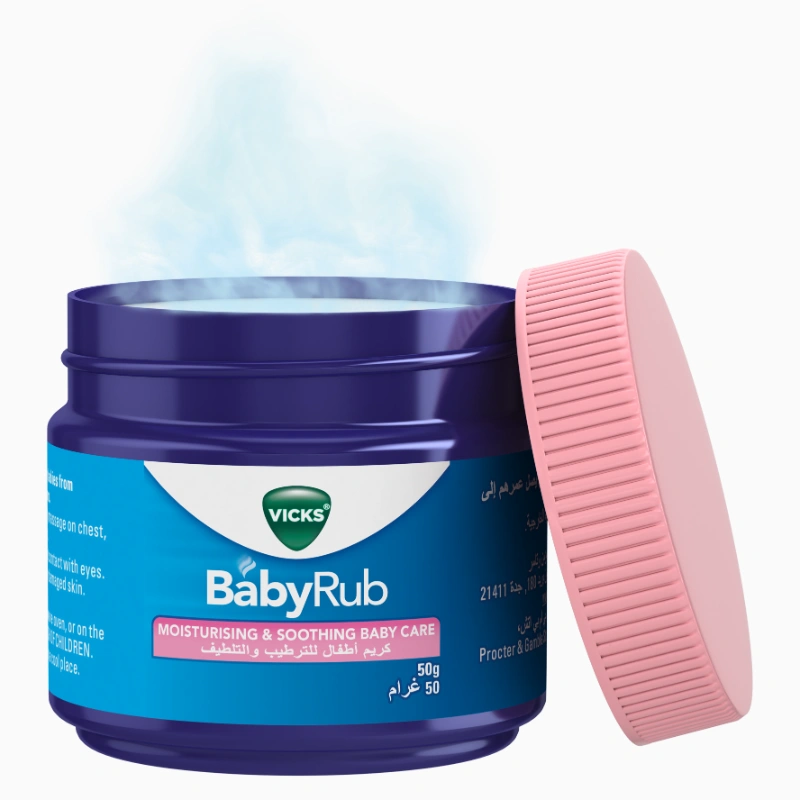
Medications > Painkillers and Antipyretics
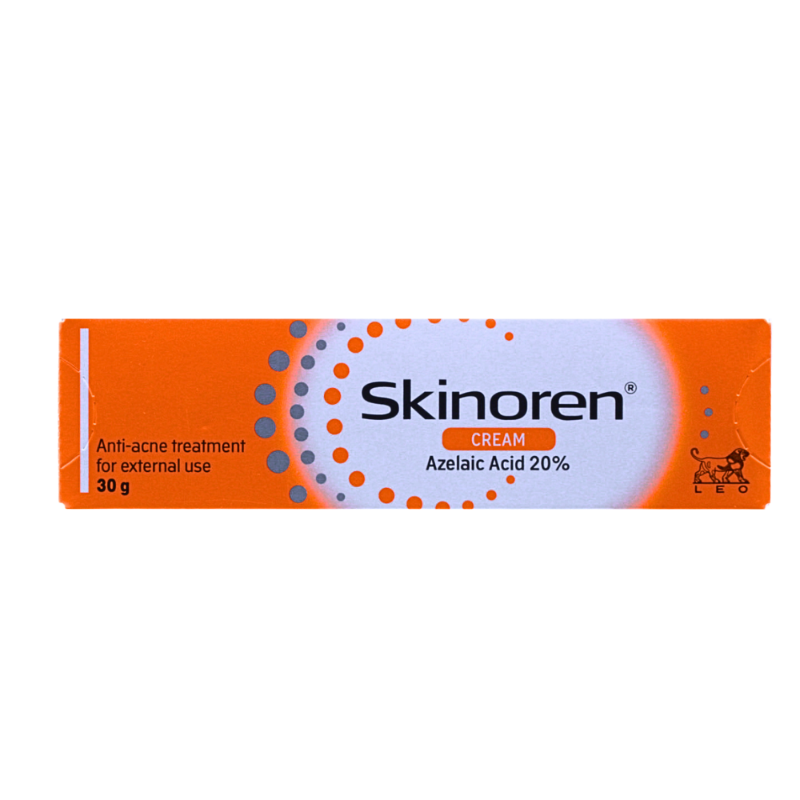
Medications > Dermatology Medications
Medications > Dermatology Medications
Medications > Painkillers and Antipyretics
Medications > Diabetes Medications
Medications > Psychiatric Medications
Medications > Gastrointestinal Medications
Medications > Other Medicines
