
Use Code: WF26 And Get 30% OFF, T&C Applay | Get Free Delivery With No Minimum Order
-1744229570.gif "Almujtama Pharmacy logo")


Frequently bought together

Vitamins & Supplements > Vitamins and Minerals

Vitamins & Supplements > Vitamins and Minerals
Vitamins & Supplements > Vitamins and Minerals
Vitamins & Supplements > Vitamins and Minerals
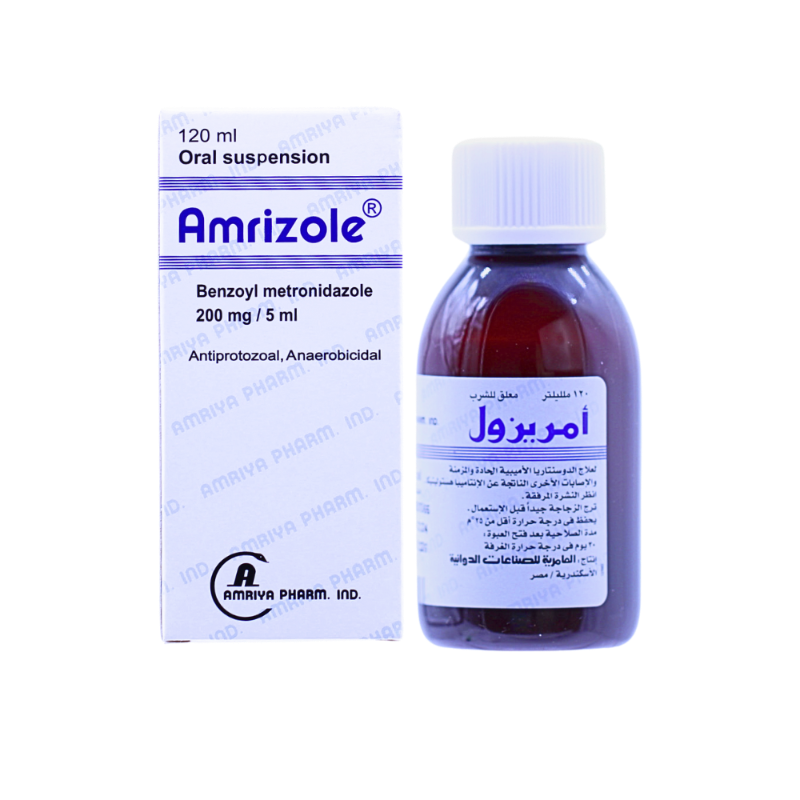
AMRIZOLE 200/MG/5/ML SUSP 120ML
- Sku : I-000216
Key features
Amrizole Susp 125mg/5ml Suspension 25mg/ml 120 is an oral suspension containing the active ingredient metronidazole (25 mg/ml). It is activated by reduction of its nitro group in anaerobic organisms and certain protozoa, generating reactive intermediates that damage DNA and inhibit nucleic acid synthesis, leading to cell death. It is indicated for treatment of susceptible anaerobic bacterial infections and protozoal infections including trichomoniasis, bacterial vaginosis, intestinal and hepatic amoebiasis, and giardiasis. Available as a 120 ml oral suspension.- Brand: AMRIZOLE
- Active Ingredient: METRONIDAZOLE 25mg/ml
- Strength: 25mg/ml
- Dosage Form: Suspension
- Pack Size: 120 ml
- Route: Oral use
- Prescription Status: Prescription
- Therapeutic Class: Antiparasitic
- Pharmacological Group: Antiprotozoals
- Drug Class: Nitroimidazole antibacterial and antiprotozoal agent (active mainly against anaerobes and certain protozoa).
- Manufacturer: ALAMRIAH FOR PHARMACEUTICALS INDUSTRIES
- Country of Origin: Egypt
- SFDA Registration No.: 2108245794
- Shelf Life: 48 months
- Storage: store below 25°c
- Spectrum: Active against anaerobes (e.g., Bacteroides fragilis group, Clostridium) and certain protozoa.
- Antibiotic Class: Nitroimidazole
Frequently bought together
Vitamins & Supplements > Vitamins and Minerals
Vitamins & Supplements > Vitamins and Minerals
Vitamins & Supplements > Vitamins and Minerals
Vitamins & Supplements > Vitamins and Minerals
Indications
Approved Uses
Treatment of susceptible anaerobic bacterial infections and protozoal infections including trichomoniasis, bacterial vaginosis, amoebiasis (intestinal and hepatic), and giardiasis.
Off-Label Uses
Common off-label uses include: part of combination regimens for Helicobacter pylori eradication (where used), perioperative prophylaxis for colorectal surgery (in combination), and certain dental/periodontal anaerobic infections; topical metronidazole is used for rosacea (topical indication may be labeled in some markets).
Dosage & Administration
Dosing by Condition
Use condition-specific guideline/label dosing; common adult oral regimens include: bacterial vaginosis 500 mg twice daily for 7 days; trichomoniasis 2 g single dose OR 500 mg twice daily for 7 days (often preferred in women); amoebiasis 500-750 mg three times daily for 5-10 days; giardiasis 250 mg three times daily for 5-7 days. Pediatric dosing is weight-based (commonly ~7.5 mg/kg/dose every 8 hours for invasive anaerobic/protozoal infections, per indication).
Initial Dose
Usual adult oral dosage is 7.5 mg/kg every six hours (approximately 500 mg for a 70-kg adult).
Maintenance Dose
Varies by indication; e.g., 500mg twice daily for 7 days for bacterial vaginosis.
Maximum Dose
4 g/day (adult maximum total daily dose, depending on indication).
Children's Dosage
7.5mg/kg (up to 400mg) three times daily; for neonates: 7.5mg/kg twice daily; suspension formulation suitable for pediatric use
Dose Adjustment Notes
Hepatic impairment: reduce dose in severe hepatic dysfunction (e.g., Child-Pugh C) and monitor for toxicity. Renal impairment: no routine adjustment, but metabolites may accumulate in severe renal failure; hemodialysis removes drug-consider post-dialysis dosing if on scheduled doses.
How to Take
Shake well before each dose. Measure with an oral syringe/medicine spoon. May be taken with food or milk to reduce GI upset; take with water as needed. Complete the full prescribed course.
How to Prepare
N/A (ready-to-use oral suspension); shake well before each use.
Side Effects
Common Side Effects
Nausea, vomiting, diarrhea/abdominal pain, metallic taste, headache, dizziness, and dark urine; less commonly dry mouth and constipation.
Side Effect Frequency
Common: nausea, metallic taste, headache, abdominal pain, diarrhea. Uncommon/rare but serious: peripheral neuropathy, seizures/encephalopathy, leukopenia, pancreatitis, severe hypersensitivity reactions, hepatotoxicity.
Safety & Warnings
Contraindications
Contraindications: hypersensitivity to metronidazole/other nitroimidazoles; concomitant disulfiram use or use within the last 14 days; patients with Cockayne syndrome; (for trichomoniasis) use in the first trimester of pregnancy. Alcohol/propylene glycol are not absolute contraindications but must be avoided during therapy and for at least 3 days after.
Warnings & Precautions
Key warnings/precautions: avoid alcohol and propylene glycol during therapy and for at least 3 days after; monitor for and discontinue if significant neurologic toxicity (seizures, encephalopathy, peripheral neuropathy) occurs; risk of superinfection (e.g., candidiasis) with prolonged use; use caution/monitor in hepatic impairment and in patients with blood dyscrasias; urine darkening may occur and is usually benign.
Age Restriction
No strict minimum age; metronidazole oral suspension may be used in neonates, infants, children, and adults when clinically indicated under prescriber supervision (pediatric dosing is indication-specific).
Drug Interactions
Drug Interactions
Clinically important interactions include: disulfiram (psychotic reactions-avoid/contraindicated within 14 days); alcohol and propylene glycol (disulfiram-like reaction-avoid during and ≥3 days after); warfarin/other coumarins (↑INR/bleeding-monitor/adjust); lithium (↑lithium-monitor/adjust); phenytoin/phenobarbital (enzyme induction may ↓metronidazole; metronidazole may also affect phenytoin-monitor levels/response); cimetidine (may ↑metronidazole-monitor); busulfan (↑busulfan exposure/toxicity-avoid/monitor closely); fluorouracil (↑5-FU toxicity-monitor).
Interaction Severity
MAJOR: Disulfiram (avoid; psychotic reactions), alcohol/propylene glycol (avoid during and for at least 48-72 hours after; disulfiram-like reaction), busulfan (avoid/monitor closely; increased exposure/toxicity). MODERATE: Warfarin (↑INR/bleeding-monitor/adjust), lithium (↑levels/toxicity-monitor), phenytoin/phenobarbital (enzyme induction may ↓metronidazole; metronidazole may ↑phenytoin-monitor), cimetidine (may ↑metronidazole levels).
Food Interaction
May be taken with food or milk to reduce gastrointestinal upset; food does not meaningfully reduce efficacy.
Special Populations
Children
7.5mg/kg (up to 400mg) three times daily; for neonates: 7.5mg/kg twice daily; suspension formulation suitable for pediatric use
Kidney Impairment
No routine dose adjustment in renal impairment; in end-stage renal disease/metronidazole metabolite accumulation may occur-monitor for adverse effects, and hemodialysis can remove drug/metabolites so consider post-dialysis dosing if clinically needed (especially with prolonged therapy).
Storage & Patient Advice
Storage Conditions
Store below 25°C (per SFDA) and keep the bottle tightly closed. If this product is supplied as a dry powder for reconstitution: after reconstitution store at 2-8°C and discard after 7 days (follow the package insert if different).
Preparation Instructions
N/A (ready-to-use oral suspension); shake well before each use.
Missed Dose
Take the missed dose as soon as remembered; if it is close to the next dose, skip the missed dose and resume the regular schedule-do not double doses.
Stopping the Medicine
Complete the full course of therapy as prescribed, even if symptoms improve, to prevent the development of resistance.
Overdose
Overdose may cause nausea, vomiting, and ataxia; neurotoxicity (e.g., seizures, peripheral neuropathy, confusion/encephalopathy) has been reported with very high doses/prolonged exposure; management is supportive/symptomatic (no specific antidote) and consider GI decontamination if recent ingestion per toxicology guidance.
Patient Counseling
Complete the full prescribed course. Shake well before each dose and measure with an oral syringe/cup. May take with food to reduce GI upset; metallic taste, nausea, and headache can occur. Avoid alcohol during treatment and for at least 48-72 hours after the last dose (disulfiram-like reaction); also avoid products containing propylene glycol during this period. Urine may darken (usually harmless). Seek medical advice urgently if you develop numbness/tingling (peripheral neuropathy), seizures, severe dizziness/confusion, or severe rash/allergic reaction. This is a prescription medicine and should not be shared. Store below 25°C (per SFDA).
Monitoring Requirements
Short courses: usually no routine labs. Prolonged/high-dose therapy: consider CBC (risk of leukopenia), LFTs in hepatic disease, and clinical monitoring for neurotoxicity (peripheral neuropathy, seizures) and severe GI effects.
Pharmacology
Mechanism of Action
Prodrug-like activation in anaerobic organisms/protozoa via reduction of the nitro group to reactive intermediates that damage DNA (strand breaks) and inhibit nucleic acid synthesis, leading to cell death.
Onset of Action
Peak plasma concentrations are reached in 1-2 hours after oral administration.
Duration of Effect
Approximate dosing interval effect is consistent with a half-life ~8 hours in adults; typical oral dosing is every 8-12 hours depending on indication.
Bioavailability
Oral bioavailability: >90% (approximately 90-100%).
Metabolism
Metabolism: hepatic, mainly via oxidation and glucuronidation; forms active metabolites (e.g., hydroxy-metronidazole).
Excretion
Excretion: primarily renal/urinary (~60-80% as parent drug and metabolites), with a smaller fecal component (~6-15%).
Protein Binding
<20% (low protein binding).
Product Information
Available Dosage Forms
Oral suspension (this product), oral tablets/capsules, IV infusion/solution, topical dermatologic preparations (gel/cream/lotion), and vaginal gel/cream (market-dependent).
Composition per Dose
Each 5ml: 125mg metronidazole
Generic Availability
Yes
OTC Alternatives
No OTC alternative
Spectrum
Active against anaerobes (e.g., Bacteroides fragilis group, Clostridium) and certain protozoa.
Antibiotic Class
Nitroimidazole
Reviewed by Al Mujtama Pharmacy Medical Review Team. Last reviewed 08-07-2026
Similar Products
Medications > Psychiatric Medications
Medications > Psychiatric Medications
Medications > Other Medicines

Medications > Other Medicines
Medications > Cold, Cough, and Allergy Medications
Medications > Cholesterol Medications
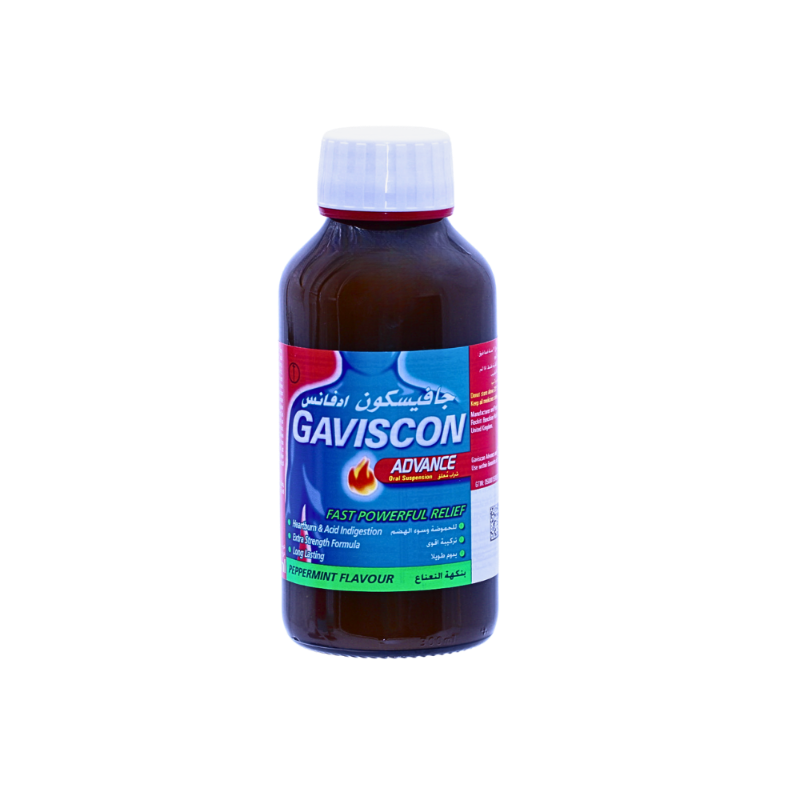
Medications > Gastrointestinal Medications

Medications > Cold, Cough, and Allergy Medications
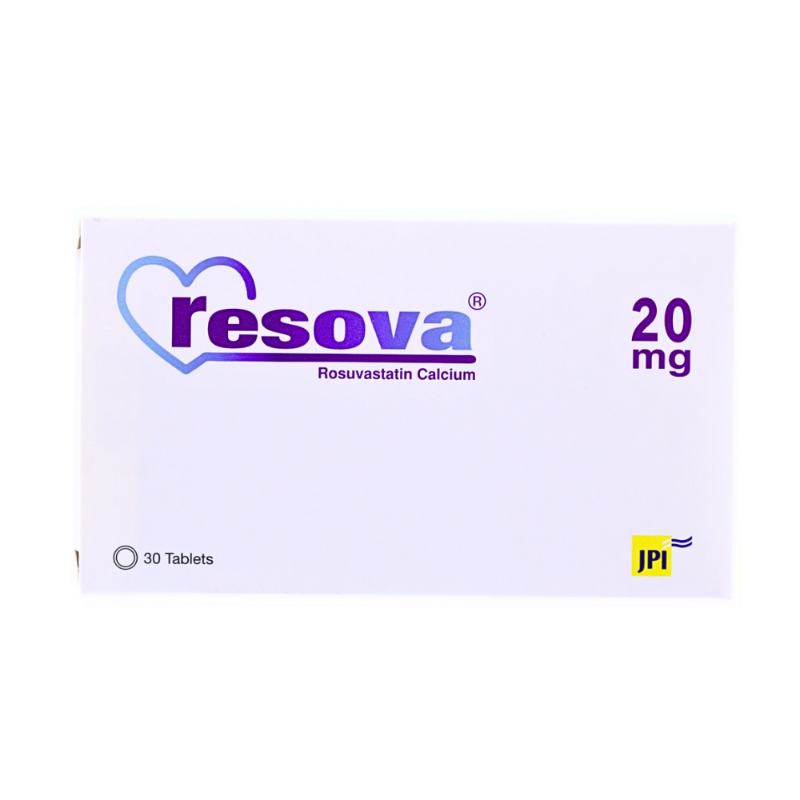
Medications > Cholesterol Medications
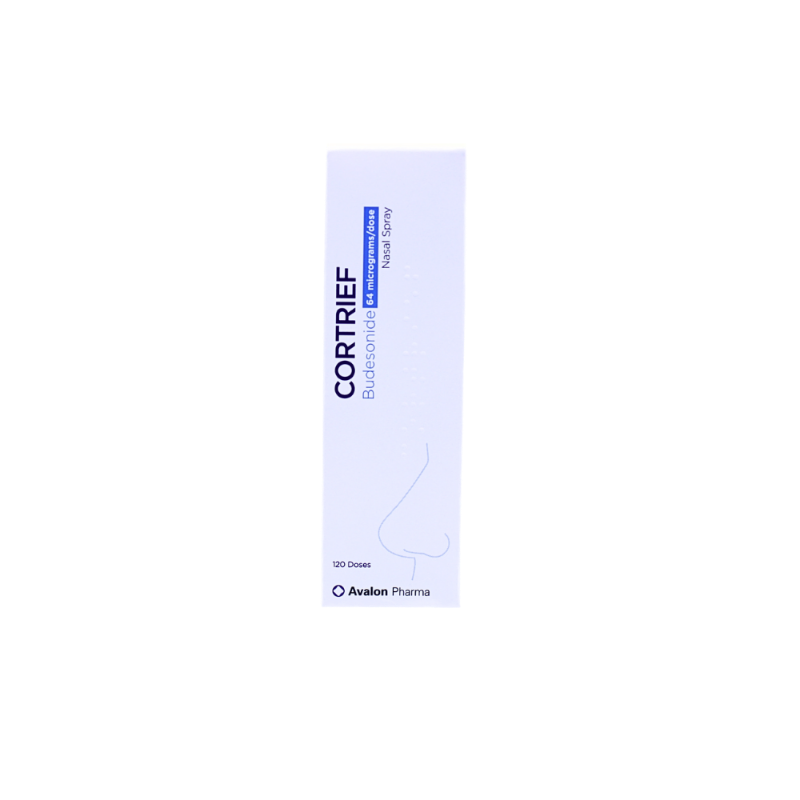
Medications > Cold, Cough, and Allergy Medications
