
Use Code: ND30 And Get 30% OFF | Get Free Delivery With No Minimum Order
-1744229570.gif "Almujtama Pharmacy logo")




Frequently bought together
Skin And Body Care > Moisturizers
Skin And Body Care > Moisturizers
Health Care & Wellness > Medical Supplies
Vitamins & Supplements > Vitamins and Minerals
Vitamins & Supplements > Vitamins and Minerals
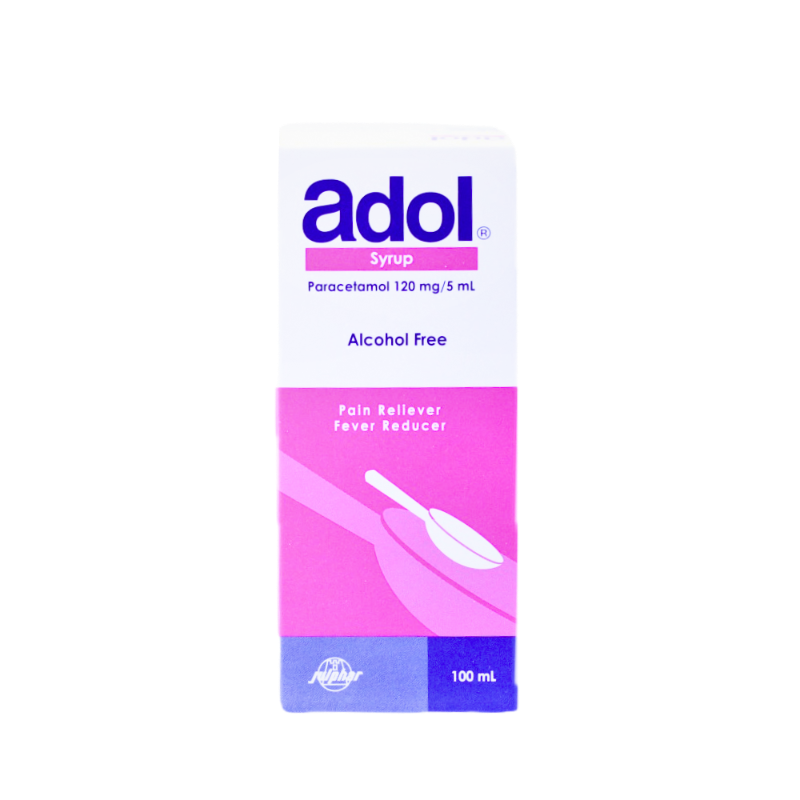
ADOL 120/MG/5/ML SYRUP 100ML
- Sku : I-000095
Key features
ADOL 120 mg/5 mL Syrup contains the active ingredient paracetamol at 24 mg/mL. It provides analgesic and antipyretic effects primarily through central inhibition of prostaglandin synthesis, with antipyresis mediated at the hypothalamic heat‑regulating center and possible contribution from descending serotonergic pathways. ADOL is indicated for the symptomatic treatment of mild to moderate pain and for reduction of fever. The product is available over the counter as a 100 mL syrup.- Brand: ADOL
- Active Ingredient: PARACETAMOL
- Strength: 24mg/ml
- Dosage Form: Syrup
- Pack Size: 100 ml
- Route: Oral use
- Prescription Status: OTC
- Therapeutic Class: Analgesic
- Pharmacological Group: Anilides (Paracetamol)
- Drug Class: Non-opioid analgesic and antipyretic; an anilide (para-aminophenol derivative).
- Manufacturer: SPIMACO
- Country of Origin: Saudi Arabia
- SFDA Registration No.: 156-212-02
- Shelf Life: 48 months
- Storage: store below 30°c
- Pain Type: General
- Nsaid: No
- Opioid: No
Frequently bought together
Skin And Body Care > Moisturizers
Skin And Body Care > Moisturizers
Health Care & Wellness > Medical Supplies
Vitamins & Supplements > Vitamins and Minerals
Vitamins & Supplements > Vitamins and Minerals
Indications
Approved Uses
Symptomatic treatment of mild to moderate pain and fever (antipyretic/analgesic).
Off-Label Uses
No specific off-label use is necessary to state for this OTC syrup; paracetamol is commonly used for osteoarthritis pain as an analgesic option (use has declined due to limited efficacy).
Dosage & Administration
Dosing by Condition
Fever/mild-moderate pain: Children: 10-15 mg/kg/dose orally every 4-6 hours as needed (max 4 doses/24 h; typical max 60 mg/kg/day). Adults/adolescents: 500-1000 mg every 4-6 hours as needed (max 4 g/day; lower max in hepatic risk). For this syrup (24 mg/mL): dose volume (mL) = (weight(kg) × 10-15 mg/kg) ÷ 24 mg/mL.
Initial Dose
Children: 10-15 mg/kg per dose orally every 4-6 hours as needed (max 4 doses/24 h). For this 24 mg/mL syrup: dose volume (mL) = (weight in kg × 10-15) ÷ 24.
Maintenance Dose
10-15 mg/kg/dose every 4-6 hours as needed
Maximum Dose
Children: max 60 mg/kg/day (do not exceed 15 mg/kg per dose; max 4 doses/24 h). Adults: max 4,000 mg/day (consider ≤3,000 mg/day if risk factors for hepatotoxicity).
Children's Dosage
3-6 months: 2.5ml (60mg) every 4-6 hours; 6 months-2 years: 5ml (120mg) every 4-6 hours; 2-4 years: 7.5ml (180mg) every 4-6 hours; 4-6 years: 10ml (240mg) every 4-6 hours; maximum 4 doses per 24 hours; dose based on weight: 10-15 mg/kg/dose
Dose Adjustment Notes
Renal impairment: if CrCl <30 mL/min, extend dosing interval (e.g., every ≥6-8 hours) and avoid excessive total daily dose; hepatic impairment/chronic alcohol use/malnutrition: use the lowest effective dose, consider reduced maximum daily dose, and avoid prolonged high-dose use.
How to Take
Oral use: shake well before each dose; measure with a calibrated oral syringe/cup; give every 4-6 hours as needed; do not exceed 4 doses in 24 hours; may be given with or without food.
Side Effects
Common Side Effects
Usually well tolerated; possible nausea, vomiting, and abdominal discomfort; rash/hypersensitivity is uncommon; constipation is not a typical common effect.
Side Effect Frequency
At therapeutic doses: adverse effects are uncommon/rare; may include nausea/vomiting and hypersensitivity reactions (rash/urticaria/bronchospasm). Rare: blood dyscrasias (e.g., thrombocytopenia), severe cutaneous adverse reactions (SJS/TEN), and hepatic injury primarily with overdose or prolonged high dosing
Safety & Warnings
Contraindications
Hypersensitivity to paracetamol, severe hepatic impairment, active liver disease, chronic alcoholism
Warnings & Precautions
Do not exceed recommended dose; do not use with other paracetamol-containing products; use caution in hepatic disease, chronic alcohol use, malnutrition/low glutathione states (e.g., dehydration), and renal impairment; stop and seek care if rash or hypersensitivity occurs. (G6PD deficiency is not a standard major precaution for paracetamol compared with other analgesics.)
Age Restriction
Usable from birth, but infants <3 months should only be treated on a doctor’s advice (especially for fever); routine OTC use is generally for ≥3 months.
Driving Warning
Safe
Drug Interactions
Drug Interactions
Key interactions: warfarin/coumarins (↑INR with regular/prolonged paracetamol use), alcohol and other hepatotoxins (↑hepatotoxicity risk), enzyme inducers such as rifampicin, carbamazepine, phenytoin, phenobarbital (↑toxic metabolite formation/hepatotoxicity risk), isoniazid (↑hepatotoxicity risk), cholestyramine (↓absorption if given close together), metoclopramide/domperidone (↑rate of absorption).
Interaction Severity
MAJOR: chronic heavy alcohol use or active alcohol misuse (increased hepatotoxicity risk, especially with supratherapeutic dosing). MODERATE: warfarin with repeated regular paracetamol use (e.g., ≥2 g/day for several days) may increase INR; isoniazid and enzyme inducers (carbamazepine, phenytoin, phenobarbital, rifampicin) increase hepatotoxicity risk. MINOR: cholestyramine (reduced absorption if given close together), metoclopramide/domperidone (faster absorption/onset).
Food Interaction
No food restriction; food may delay onset by slowing absorption, but overall exposure is not clinically meaningfully reduced.
Alcohol Interaction
Dangerous
Special Populations
Pregnancy
FDA Category B; Australian Category A
Breastfeeding
Safe
Children
3-6 months: 2.5ml (60mg) every 4-6 hours; 6 months-2 years: 5ml (120mg) every 4-6 hours; 2-4 years: 7.5ml (180mg) every 4-6 hours; 4-6 years: 10ml (240mg) every 4-6 hours; maximum 4 doses per 24 hours; dose based on weight: 10-15 mg/kg/dose
Elderly
Use standard adult dosing but consider a lower maximum daily dose in older/frail adults: do not exceed 3,000 mg/day; use the lowest effective dose and extend dosing interval if hepatic impairment or significant renal impairment.
Kidney Impairment
Renal impairment: extend dosing interval-CrCl 10-50 mL/min give every 6 hours; CrCl <10 mL/min give every 8 hours (and keep within max daily dose).
Liver Impairment
Mild-moderate hepatic impairment: use with caution and reduce total daily dose and/or extend dosing interval; severe hepatic impairment or active liver disease: avoid/contraindicated.
Storage & Patient Advice
Missed Dose
Take as soon as remembered; skip if near next scheduled dose; do not double the dose
Stopping the Medicine
May be stopped abruptly when no longer needed; no taper required.
Overdose
Early (0-24 h): nausea, vomiting, diaphoresis, pallor, abdominal pain; delayed (24-72 h+): rising transaminases, RUQ pain, jaundice, coagulopathy, hypoglycemia, encephalopathy/acute liver failure. Management: urgent medical evaluation, consider activated charcoal if within ~1 hour, measure level and use nomogram where applicable, and give N-acetylcysteine (most effective if started within 8-10 h but beneficial later) with supportive care and LFT/INR monitoring.
Patient Counseling
Measure doses accurately and shake well; dose by weight when possible; give every 4-6 hours as needed and do not exceed 4 doses/24 h; do not use with any other paracetamol-containing products; seek urgent help after overdose even if well; use caution/seek advice in liver disease, chronic alcohol use, malnutrition, or if taking warfarin; see a clinician if fever persists >3 days or pain >5 days or if rash/allergy occurs; store below 30°C (per SFDA).
Monitoring Requirements
No routine monitoring for short-term, therapeutic OTC use; consider liver function tests (and INR if on warfarin) with prolonged regular use, high doses, or hepatic risk factors.
Pharmacology
Mechanism of Action
Central inhibition of prostaglandin synthesis (COX activity) leading to analgesic and antipyretic effects; antipyresis via hypothalamic heat-regulating center; additional contribution from serotonergic descending pathways has been proposed.
Onset of Action
30-60 minutes.
Duration of Effect
4-6 hours.
Half-Life
Approximately 2 hours (typical range ~1-3 hours in healthy subjects)
Bioavailability
Approximately 60-90% (variable; may be dose-dependent)
Metabolism
Hepatic metabolism mainly via glucuronidation and sulfation; a minor fraction undergoes CYP-mediated oxidation (primarily CYP2E1, also CYP1A2/CYP3A4) to NAPQI, detoxified by glutathione at therapeutic doses
Excretion
Renal excretion predominantly as conjugated metabolites; >90% recovered in urine within 24 hours, with <5% excreted unchanged
Protein Binding
Low protein binding at therapeutic concentrations (~10-25%; increases in overdose)
Product Information
Available Dosage Forms
Paracetamol is available (market-wide) as oral liquid (syrup/suspension), tablets/caplets, effervescent tablets, suppositories, and IV infusion/injection; capsules and ODT exist in some markets.
Composition per Dose
Each 5ml: 120mg paracetamol
Generic Availability
Yes
OTC Alternatives
Ibuprofen (age-appropriate) is the main OTC alternative for pain/fever; avoid aspirin for children/teens due to Reye’s syndrome risk; non-drug options include hydration and tepid measures for comfort.
Pain Type
General
Nsaid
No
Opioid
No
Reviewed by Al Mujtama Pharmacy Medical Review Team. Last reviewed 15-07-2026
Similar Products
Medications > Hemorrhoid Medications
Medications > Gastrointestinal Medications
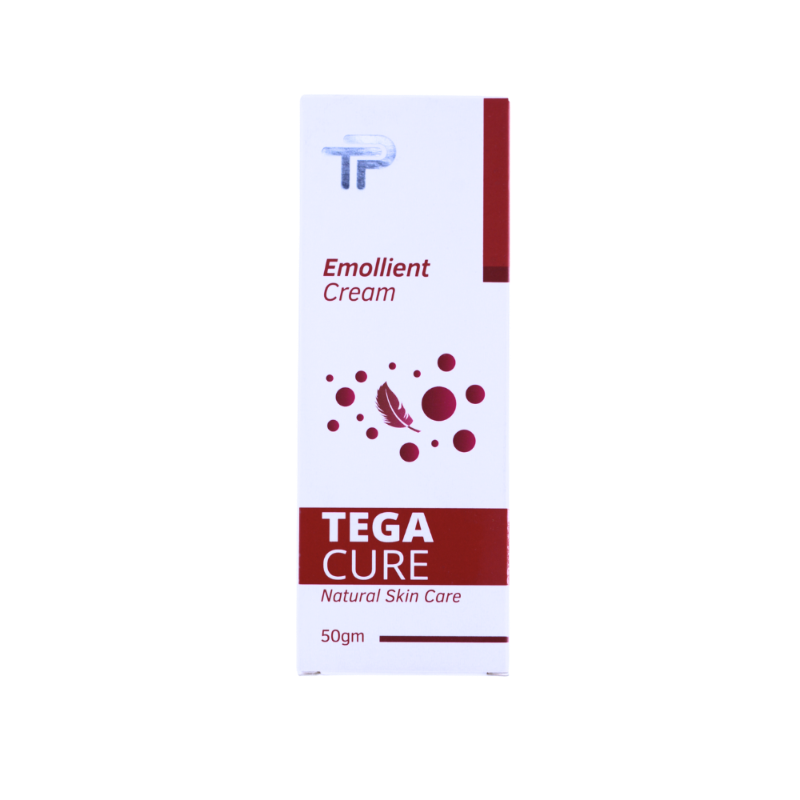
Medications > Hemorrhoid Medications
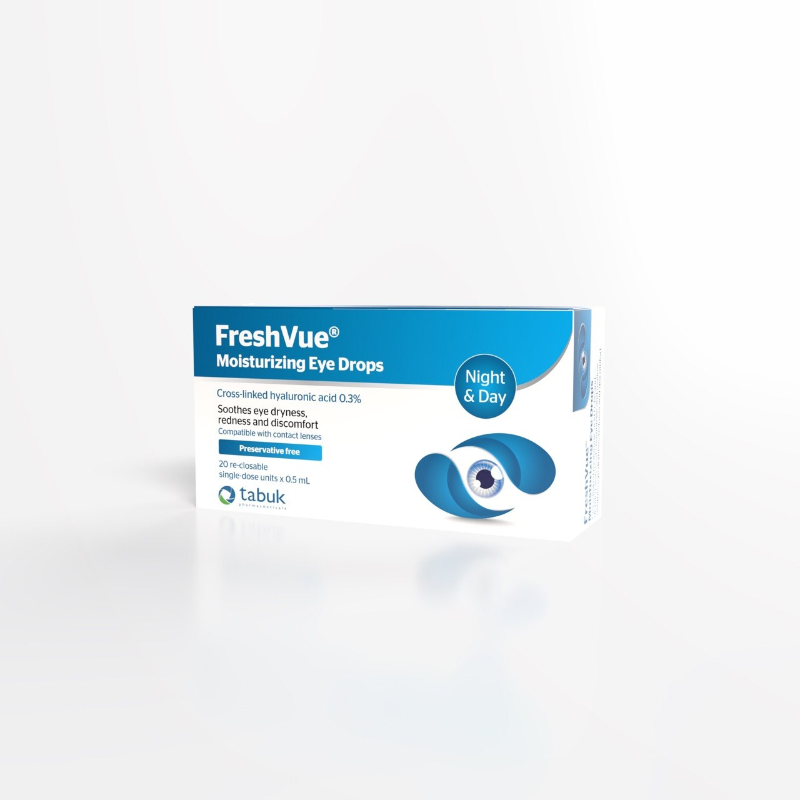
Medications > Eye and Ear Medications
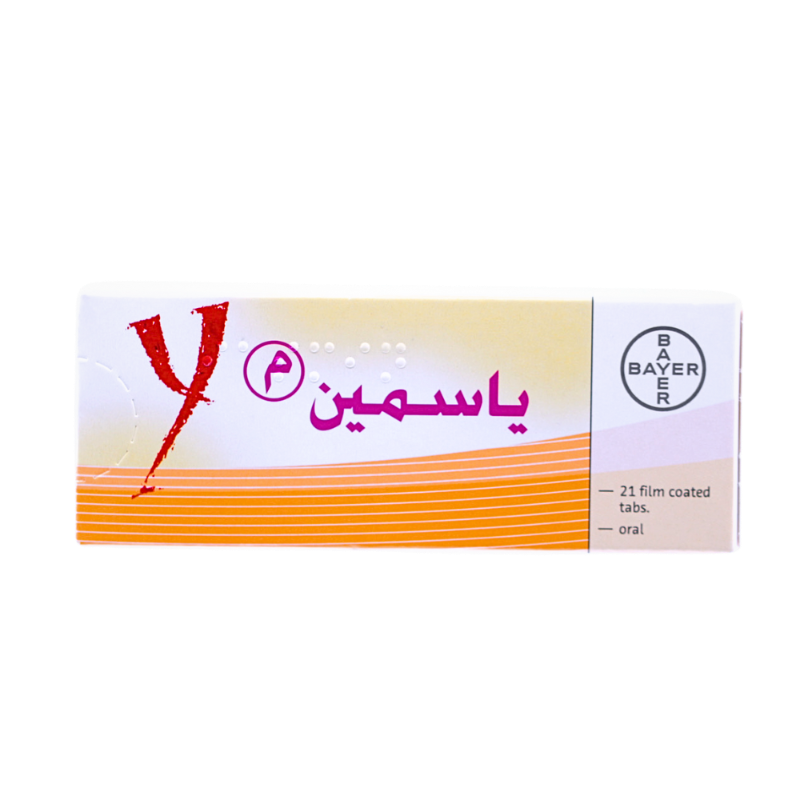
Medications > Contraceptives and Hormonal Medications
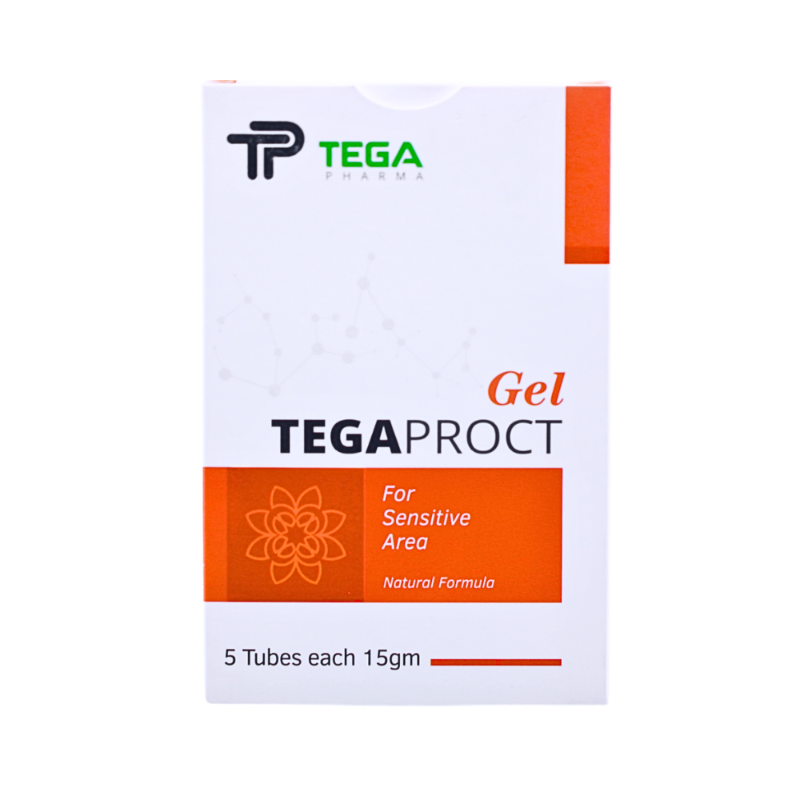
Medications > Hemorrhoid Medications
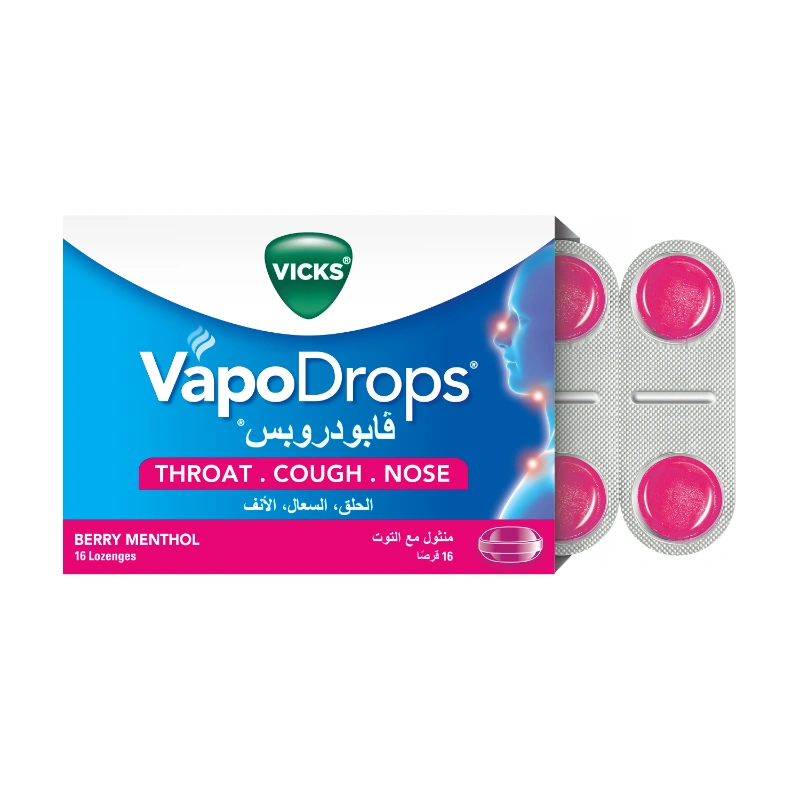
Medications > Cold, Cough, and Allergy Medications
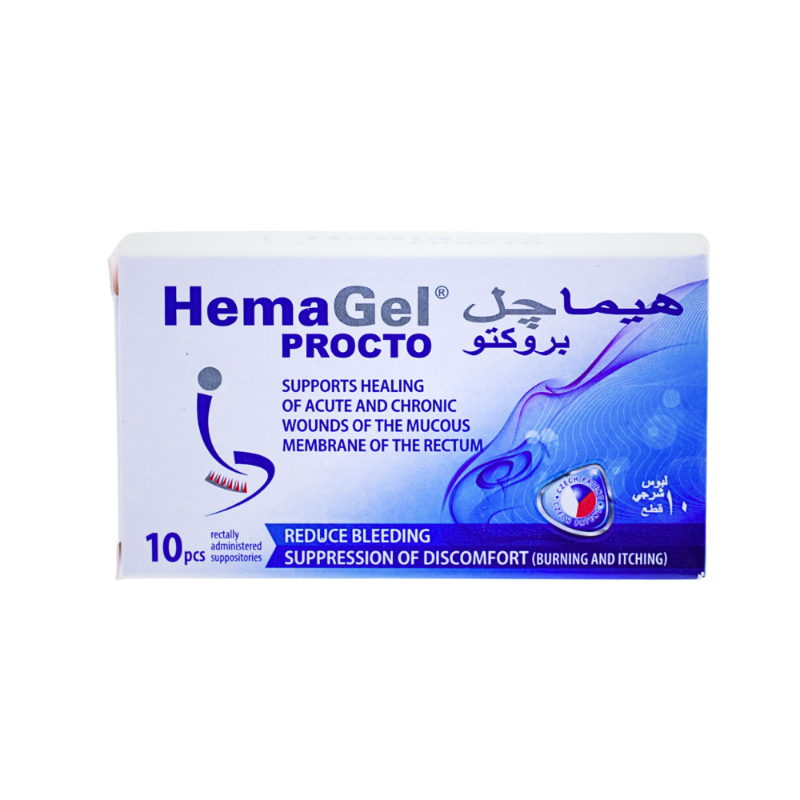
Medications > Hemorrhoid Medications
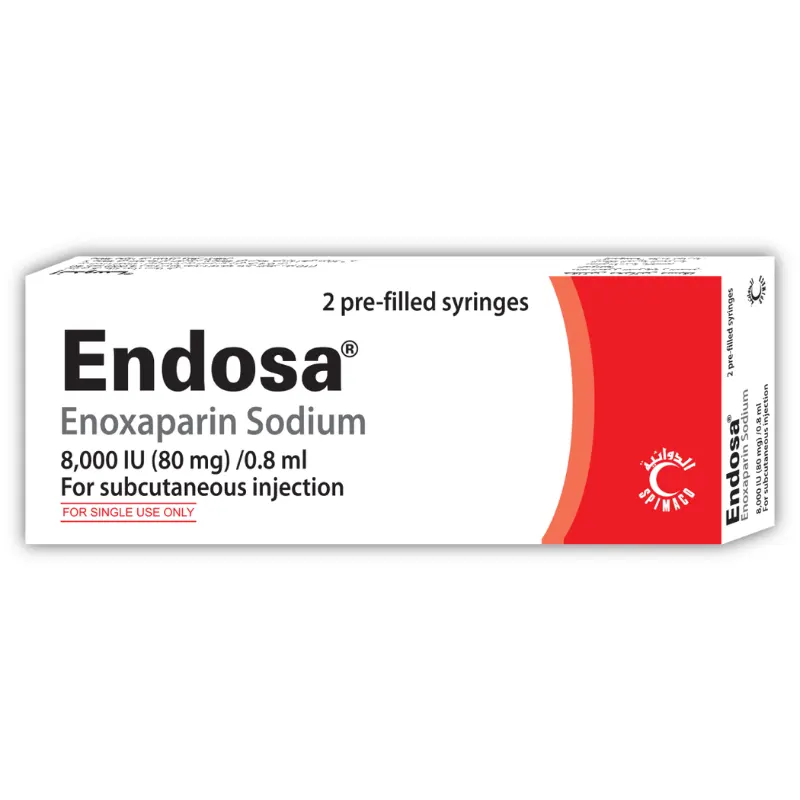
Medications > Hypertesion & Cardiovascular Medications
Medications > Dermatology Medications
