
Use Code: SAVE26 And Get 30% OFF | Get Free Delivery With No Minimum Order
-1744229570.gif "Almujtama Pharmacy logo")




Frequently bought together
Health Care & Wellness > Medical Devices And Accessories
Health Care & Wellness > Medical Devices And Accessories
Vitamins & Supplements > Omega-3 Supplements
Vitamins & Supplements > Omega-3 Supplements
Vitamins & Supplements > Omega-3 Supplements
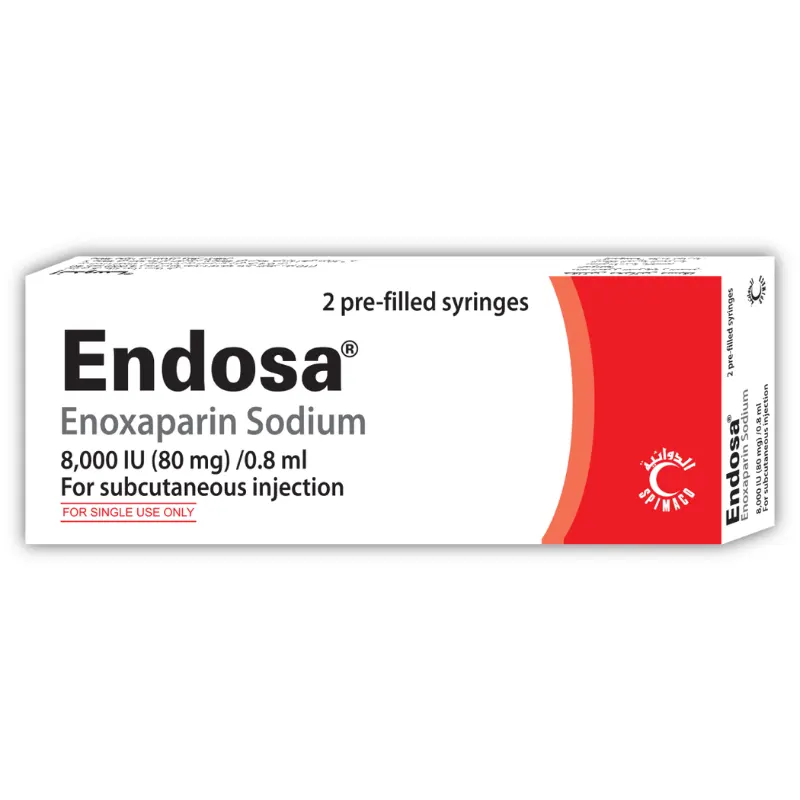
ENDOSA 8000 IU ENOXAPARIN PRE‑FILLED SYRINGESX2
- Sku : I-034182
Key features
ENDOSA 8000 IU enoxaparin pre-filled syringes contain enoxaparin sodium 80 mg as a solution for injection. It potentiates antithrombin (ATIII), producing predominant inhibition of Factor Xa and lesser inhibition of thrombin (Factor IIa), thereby reducing fibrin formation and thrombus propagation. It is indicated for venous thromboembolism prophylaxis in surgical and acutely ill medical patients, treatment of acute deep vein thrombosis with or without pulmonary embolism, prevention of ischemic complications in unstable angina/NSTEMI with antiplatelet therapy, treatment of STEMI, and prevention of clotting during extracorporeal circulation such as hemodialysis. Available as 0.8 ml pre-filled syringes, supplied in packs of two.- Brand: ENDOSA
- Active Ingredient: ENOXAPARIN SODIUM 80mg
- Strength: 80mg
- Dosage Form: Solution for injection
- Pack Size: 0.8 ml
- Route: Subcutaneous use
- Prescription Status: Prescription
- Therapeutic Class: Antithrombotic
- Pharmacological Group: Heparin Group
- Drug Class: Low Molecular Weight Heparin (LMWH) - Antithrombotic, Heparin Group
- Manufacturer: SPIMACO
- Country of Origin: Saudi Arabia
- SFDA Registration No.: 1801221608
- Shelf Life: 24 months
- Storage: Store below 30°C Don't Freez
- Cv Drug Class: Anticoagulant
Frequently bought together
Health Care & Wellness > Medical Devices And Accessories
Health Care & Wellness > Medical Devices And Accessories
Vitamins & Supplements > Omega-3 Supplements
Vitamins & Supplements > Omega-3 Supplements
Vitamins & Supplements > Omega-3 Supplements
Indications
Approved Uses
Venous thromboembolism (VTE) prophylaxis in surgical patients (e.g., abdominal surgery; orthopedic surgery such as hip/knee replacement) and in acutely ill medical patients with restricted mobility; Treatment of acute DVT with or without pulmonary embolism (PE), including outpatient treatment of DVT without PE when appropriate; Prevention of ischemic complications in unstable angina and non-ST-elevation MI (NSTEMI) with concomitant antiplatelet therapy; Treatment of acute ST-elevation MI (STEMI) (with fibrinolysis or primary PCI per protocol); Prevention of clotting in extracorporeal circulation during hemodialysis.
Dosage & Administration
Dosing by Condition
DVT/PE treatment: 1 mg/kg SC every 12 hours OR 1.5 mg/kg SC once daily; VTE prophylaxis-abdominal/general surgery: 40 mg SC once daily (some moderate-risk regimens use 20 mg daily depending on local protocol); VTE prophylaxis-hip/knee replacement: commonly 30 mg SC every 12 hours OR 40 mg SC once daily (regimen varies by guideline/region); Unstable angina/NSTEMI: 1 mg/kg SC every 12 hours with antiplatelet therapy; STEMI (<75 years): 30 mg IV bolus then 1 mg/kg SC, then 1 mg/kg SC every 12 hours; STEMI (≥75 years): no IV bolus, 0.75 mg/kg SC every 12 hours; Hemodialysis circuit anticoagulation: dose into the arterial line at start of dialysis per protocol (often ~1 mg/kg, adjusted by session length/bleeding risk).
Initial Dose
1mg/kg SC every 12 hours (for DVT treatment and ACS); 40mg SC once daily (for prophylaxis)
Maintenance Dose
1mg/kg SC every 12 hours for treatment indications; 40mg SC once daily for prophylaxis
Maximum Dose
Subcutaneous: dose is indication- and weight-based. For STEMI (adults), do not exceed 100 mg for each of the first two subcutaneous doses when using the 1 mg/kg every-12-hours regimen (after the initial IV bolus).
Dose Adjustment Notes
Severe renal impairment (CrCl <30 mL/min): reduce treatment dosing to 1 mg/kg SC once daily and use reduced prophylaxis dosing per indication (commonly 30 mg SC once daily for general prophylaxis; some protocols use 20 mg daily in selected settings); STEMI age ≥75 years: omit the IV bolus and use 0.75 mg/kg SC every 12 hours (with dose caps for initial doses per protocol); use caution/individualization in elderly and extremes of body weight.
How to Take
For subcutaneous use only. Administer by deep subcutaneous injection (not intramuscular). Inject into the left or right anterolateral or posterolateral abdominal wall; alternate sites. Do not expel the air bubble from the pre-filled syringe before injection. Do not rub the injection site after administration.
How to Prepare
Ready-to-use pre-filled syringe for subcutaneous use; do not dilute or mix; inspect solution for particulate matter/discoloration and integrity before administration.
Side Effects
Common Side Effects
Bleeding (including minor bleeding/bruising), injection-site reactions (pain, bruising, hematoma/erythema), anemia, thrombocytopenia (including risk of HIT), and transient elevations in liver enzymes (ALT/AST); nausea can occur.
Side Effect Frequency
Very common (≥10%): injection-site hematoma/ecchymosis; asymptomatic elevations in ALT/AST. Common (1-10%): bleeding (overall), injection-site pain/irritation, anemia, nausea. Uncommon/rare (<1%): thrombocytopenia including HIT, major hemorrhage, hyperkalemia, hypersensitivity/anaphylaxis, spinal/epidural hematoma (with neuraxial anesthesia), osteoporosis with prolonged use.
Safety & Warnings
Contraindications
Contraindicated in: active major bleeding; hypersensitivity to enoxaparin/heparin or pork products; history of immune-mediated HIT within the past 100 days or in the presence of circulating antibodies. (Benzyl alcohol hypersensitivity applies only to preserved multi-dose vials, not typically to pre-filled syringes.)
Warnings & Precautions
Key warnings/precautions: bleeding risk; spinal/epidural hematoma risk with neuraxial anesthesia/spinal puncture (monitor neurologic status); HIT monitoring (platelets); caution in renal impairment, elderly, low body weight, recent surgery/ulcer/hemorrhagic stroke; not interchangeable unit-for-unit with other LMWHs/UFH; benzyl alcohol warning applies to preserved multi-dose vials (avoid in neonates).
Age Restriction
Safety and efficacy not established in children under 18 years; use only if potential benefit justifies risk with specialist oversight.
Driving Warning
Safe
Drug Interactions
Drug Interactions
Additive bleeding risk with other anticoagulants (warfarin, DOACs, UFH), antiplatelets (aspirin, clopidogrel), NSAIDs, thrombolytics; also increased bleeding risk reported with SSRIs/SNRIs and other agents affecting hemostasis.
Interaction Severity
MAJOR: Concomitant anticoagulants (e.g., warfarin, DOACs, heparins) and thrombolytics (e.g., alteplase/tenecteplase) due to markedly increased bleeding risk; MODERATE: Antiplatelets (aspirin, clopidogrel, ticagrelor) and NSAIDs (ibuprofen/diclofenac) and SSRIs/SNRIs-additive bleeding risk; MINOR/variable: Herbal products with antiplatelet effects (e.g., ginkgo/garlic/ginger) and other agents that increase bleeding tendency.
Food Interaction
No restriction
Special Populations
Breastfeeding
Safe
Elderly
Use standard adult dosing with caution; monitor renal function closely as age-related decline in CrCl increases drug accumulation risk; in STEMI patients ≥75 years, omit initial IV bolus and reduce dose to 0.75mg/kg SC every 12 hours
Kidney Impairment
CrCl ≥30 mL/min: no adjustment typically required. CrCl <30 mL/min: treatment dose 1 mg/kg SC once daily; prophylaxis dose 30 mg SC once daily (for general medical/surgical prophylaxis).
Storage & Patient Advice
Storage Conditions
Store below 30°C. Do not freeze. Keep in original packaging. No special post-use storage applicable (single-use pre-filled syringe).
Preparation Instructions
Ready-to-use pre-filled syringe for subcutaneous use; do not dilute or mix; inspect solution for particulate matter/discoloration and integrity before administration.
Missed Dose
Take/administer the missed dose as soon as remembered unless it is close to the next scheduled dose; if close, skip the missed dose and resume the regular schedule-do not double doses.
Stopping the Medicine
Do not stop without prescriber guidance; no taper is required, but abrupt discontinuation can increase thromboembolic risk if anticoagulation is still indicated.
Overdose
Primary risk is hemorrhage; manage with supportive care and consider protamine sulfate (slow IV) for reversal-approximately 1 mg protamine per 1 mg enoxaparin given in the last ~8 hours, with incomplete neutralization of anti-Xa activity; urgent medical evaluation is required.
Patient Counseling
Inject subcutaneously as instructed (commonly abdomen), rotate sites, and do not rub the site; watch for and urgently report bleeding/bruising, black stools, hematuria, or severe headache; inform all healthcare providers/dentists and report planned neuraxial anesthesia/spinal puncture (risk of spinal/epidural hematoma-seek urgent care for back pain, numbness, weakness, bowel/bladder changes); avoid unnecessary NSAIDs/OTC antiplatelet/herbal products unless advised; store below 30°C and do not freeze (per SFDA storage conditions).
Monitoring Requirements
Routine coagulation tests (PT/INR, aPTT) are not used to monitor effect; monitor for bleeding, baseline and periodic CBC/platelets (for thrombocytopenia/HIT), and renal function (SCr/CrCl) especially if prolonged therapy or at-risk; consider anti-Xa levels in special populations (pregnancy, severe renal impairment, extremes of body weight, pediatrics) and consider potassium monitoring in patients at risk of hyperkalemia.
Pharmacology
Mechanism of Action
Enoxaparin potentiates antithrombin (ATIII), producing predominant inhibition of Factor Xa and lesser inhibition of thrombin (Factor IIa), thereby reducing fibrin formation and thrombus propagation.
Onset of Action
After subcutaneous administration, peak anti-Factor Xa activity occurs approximately 3-5 hours.
Duration of Effect
Clinically relevant anti-Factor Xa activity persists about 12 hours after a SC dose (supporting q12h regimens) and can extend closer to 24 hours with once-daily regimens depending on dose/patient factors.
Half-Life
Approximately 4.5 hours after a single subcutaneous dose; increases to ~7 hours at steady state with repeated dosing (e.g., once- or twice-daily regimens).
Bioavailability
Subcutaneous bioavailability is high and consistent (approximately ~90% in standard references).
Metabolism
Primarily hepatic metabolism via desulfation and depolymerization to lower-molecular-weight fragments with reduced anticoagulant activity; not meaningfully CYP450-mediated.
Excretion
Primarily renal elimination (excreted in urine as active/inactive fragments), with accumulation risk in renal impairment.
Protein Binding
Binds to antithrombin (its pharmacologic target) and has relatively low non-specific plasma protein binding compared with unfractionated heparin.
Product Information
Available Dosage Forms
Solution for injection in a pre-filled syringe
Composition per Dose
Each pre-filled syringe (0.8ml): Enoxaparin sodium 80mg (8000 IU anti-Xa activity)
Generic Availability
Yes
OTC Alternatives
No OTC alternative
Cv Drug Class
Anticoagulant
Reviewed by Al Mujtama Pharmacy Medical Review Team. Last reviewed 19-08-2026
Similar Products
Medications > Gastrointestinal Medications
Medications > Dermatology Medications

Medications > Diabetes Medications
Medications > Painkillers and Antipyretics
Medications > Psychiatric Medications
Medications > Painkillers and Antipyretics
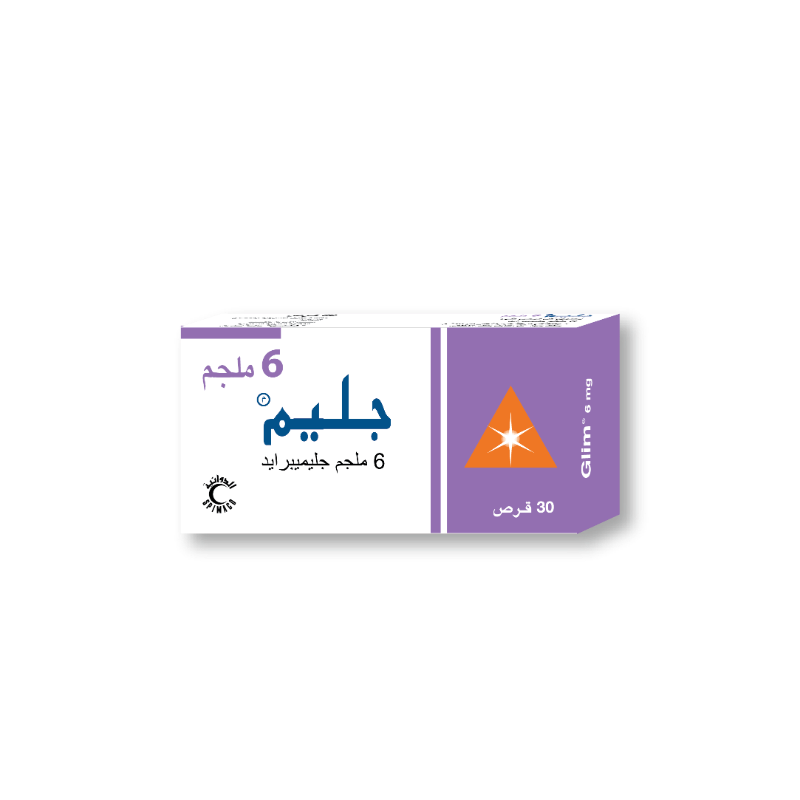
Medications > Diabetes Medications
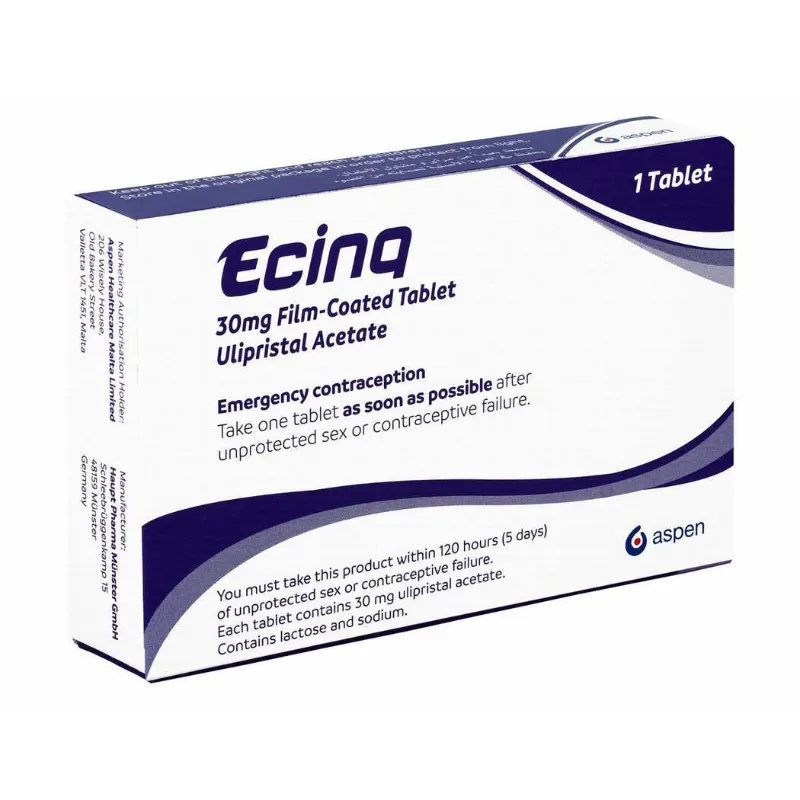
Medications > Contraceptives and Hormonal Medications
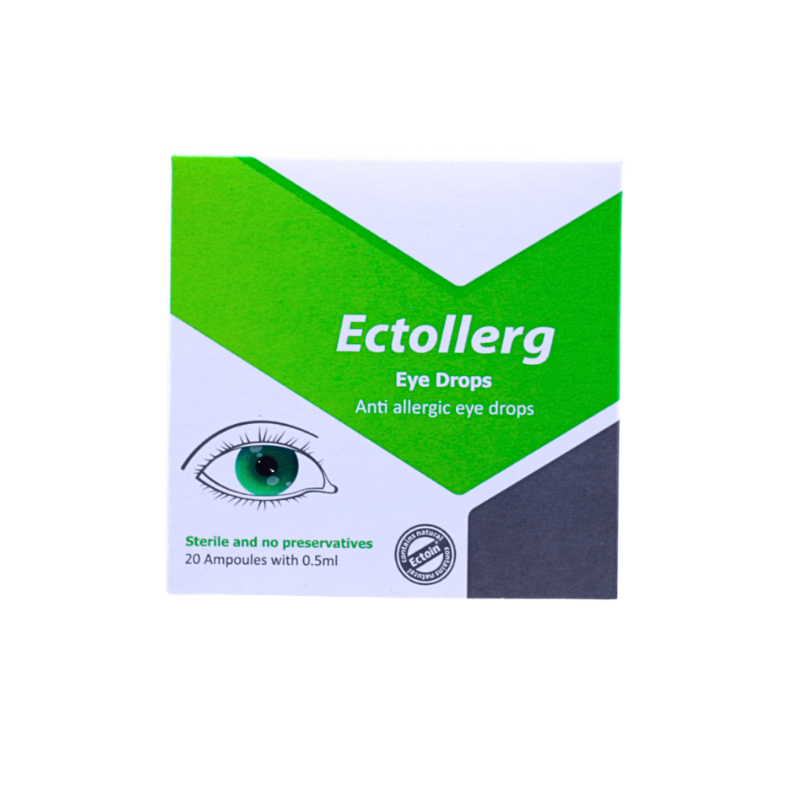
Medications > Eye and Ear Medications
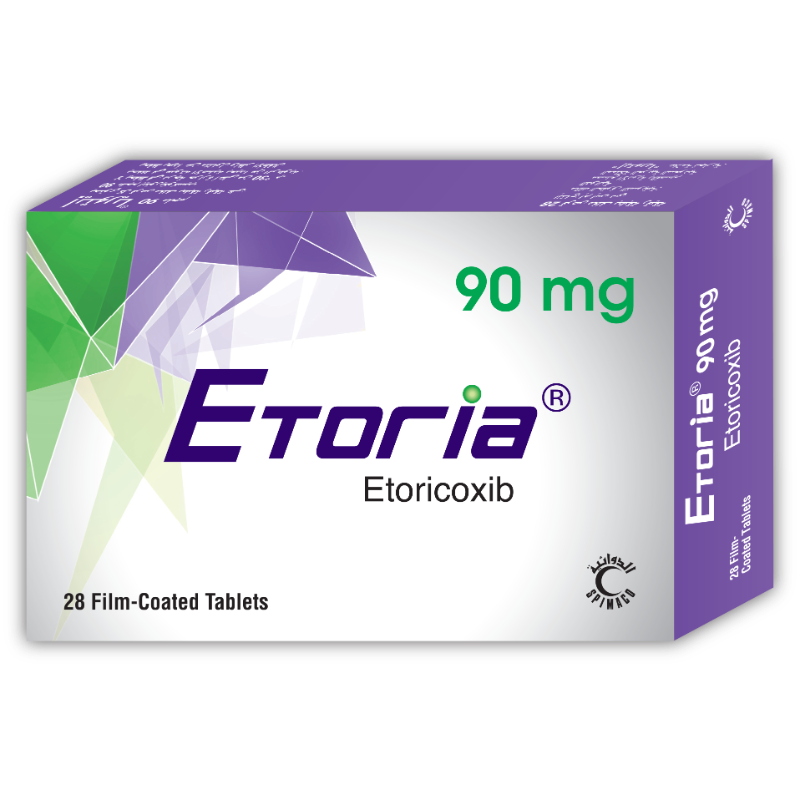
Medications > Painkillers and Antipyretics
