
Use Code: SAVE26 And Get 30% OFF | Get Free Delivery With No Minimum Order
-1744229570.gif "Almujtama Pharmacy logo")




Frequently bought together
Skin And Body Care > Sun Protection And Tans
Skin And Body Care > Moisturizers
Skin And Body Care > Facial Wash And Exfoliators
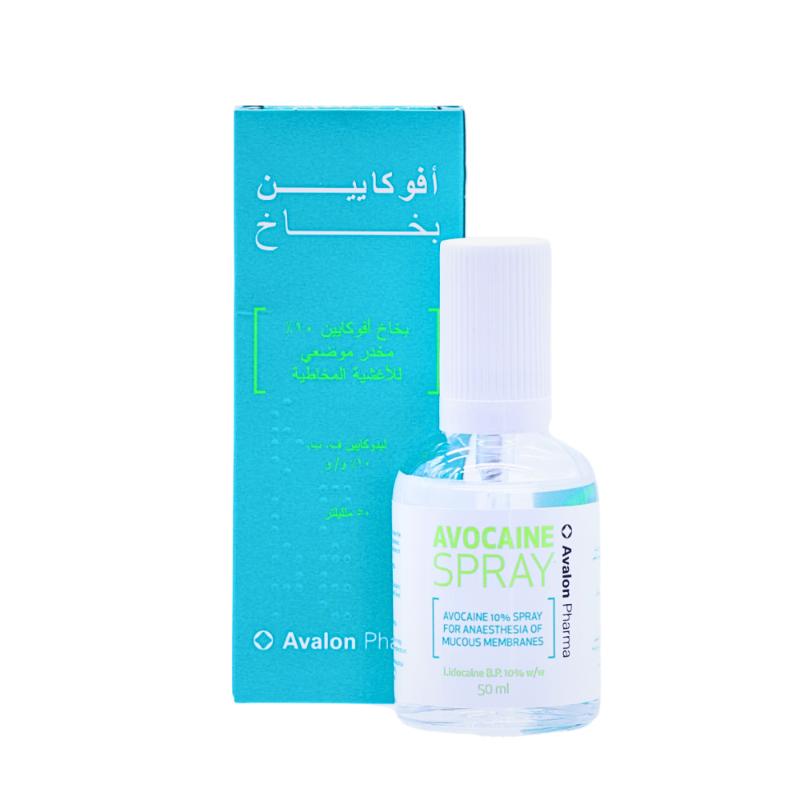
AVOCAINE 10% SPRAY SPRAY 50ML
- Sku : I-000392
Key features
AVOCAINE 10% Spray (Avalon) is a topical 50 ml spray containing lidocaine hydrochloride 10% as the active ingredient. It produces local anesthesia by reversibly blocking voltage-gated sodium channels, inhibiting the initiation and conduction of nerve impulses. It is indicated for topical anesthesia of accessible mucous membranes-particularly oropharyngeal/ENT sites-and skin to facilitate minor procedures such as dental and ENT procedures, endoscopy, laryngoscopy/intubation and bronchoscopy. Available by prescription as a 50 ml spray.- Brand: AVALON
- Active Ingredient: LIDOCAINE HYDROCHLORIDE
- Strength: 10%
- Dosage Form: Spray
- Pack Size: 50 ml
- Route: Topical
- Prescription Status: Prescription
- Therapeutic Class: Dermatological
- Drug Class: Amide-type local anesthetic
- Manufacturer: (Avalon Pharma) Middle East Pharmaceutical Industries Co. Ltd
- Country of Origin: Saudi Arabia
- SFDA Registration No.: 1109234161
- Shelf Life: 36 months
- Storage: store below 30°c
- Skin Condition: Local Anesthesia
Frequently bought together
Skin And Body Care > Sun Protection And Tans
Skin And Body Care > Moisturizers
Skin And Body Care > Facial Wash And Exfoliators
Indications
Approved Uses
Topical anesthesia of accessible mucous membranes (especially oropharyngeal/ENT) and skin to facilitate minor procedures (e.g., dental/ENT procedures, endoscopy, laryngoscopy/intubation/bronchoscopy) where topical surface anesthesia is required.
Dosage & Administration
Dosing by Condition
Oropharyngeal/accessible mucous membrane anesthesia: 1-5 sprays (≈10-50 mg) as needed; do not exceed about 20 sprays (≈200 mg) per session/procedure and avoid repeated high-dose applications over short intervals.
Initial Dose
1-3 actuations (10-30 mg) to the target mucous membrane or skin area
Maximum Dose
For normal healthy adults using topical lidocaine solution, the maximum recommended dose should be kept below 300 mg and should not exceed 4.5 mg/kg (2 mg/lb) body weight. Dosing frequency and application instructions vary by indication and should be determined by the prescribing physician.
Children's Dosage
Dose should be reduced commensurate with age, body weight, and physical condition. Maximum dose may be determined by standard pediatric drug formulas (e.g., Clark's rule).
Dose Adjustment Notes
Use the minimum effective dose; consider reduced doses in elderly, debilitated, acutely ill patients, and in hepatic impairment (especially severe) due to reduced lidocaine clearance and higher systemic toxicity risk.
How to Take
Prime if first use; hold the pressurised container upright and spray directly onto the target mucous membrane/skin from a short distance (about 5-10 cm) using the minimum number of actuations needed; avoid eyes and avoid inhalation; for oropharyngeal use, apply to the area and do not eat/drink until sensation returns.
Side Effects
Side Effect Frequency
Common: local application-site reactions (burning/stinging/irritation, erythema, transient numbness); Uncommon/Rare: hypersensitivity reactions (e.g., contact dermatitis/urticaria); Very rare but serious: systemic lidocaine toxicity (CNS/cardiovascular effects) and methemoglobinemia, especially with excessive dosing or high-absorption sites.
Safety & Warnings
Contraindications
Hypersensitivity to lidocaine, other amide-type local anesthetics, or any excipient; avoid use on severely traumatized/infected mucosa/skin at the application site.
Warnings & Precautions
Avoid contact with eyes and inhalation; do not apply to large areas or broken/inflamed/traumatized mucosa/skin; use the minimum effective dose and avoid prolonged/frequent use; caution in severe hepatic disease, cardiac conduction disorders, epilepsy; monitor for systemic toxicity and rare methemoglobinemia; use appropriate clinical readiness when used in healthcare settings.
Age Restriction
No fixed age cutoff in the verified data; use in children only under medical supervision with careful dose limitation (avoid use in very young children/infants unless specifically directed).
Drug Interactions
Drug Interactions
Clinically relevant mainly if significant systemic absorption: additive toxicity with other local anesthetics and class I antiarrhythmics (e.g., mexiletine/tocainide); increased lidocaine levels with cimetidine and strong CYP3A4/1A2 inhibitors; beta-blockers may reduce hepatic clearance and increase toxicity risk.
Interaction Severity
MAJOR: Concomitant class I antiarrhythmics (e.g., mexiletine/tocainide) and other agents with significant cardiac conduction effects-additive cardiodepression; MODERATE: cimetidine and some beta-blockers (e.g., propranolol) can increase lidocaine exposure by reducing hepatic clearance; MINOR: other local anesthetics/topical anesthetics-additive local/systemic toxicity risk.
Food Interaction
No specific food interaction, but after oral/pharyngeal application avoid eating or drinking until normal sensation/gag reflex returns (often ~30-60 minutes) to reduce aspiration/biting risk.
Special Populations
Pregnancy
Caution
Breastfeeding
Caution
Children
Dose should be reduced commensurate with age, body weight, and physical condition. Maximum dose may be determined by standard pediatric drug formulas (e.g., Clark's rule).
Elderly
Use minimum effective dose; elderly patients are more susceptible to systemic toxicity due to reduced hepatic clearance and altered pharmacokinetics
Kidney Impairment
No adjustment needed for topical use; in severe renal impairment use the minimum effective dose if repeated/large-area use could increase systemic exposure.
Liver Impairment
No formal adjustment for topical use, but in moderate-severe hepatic impairment use the minimum effective dose and avoid large areas/prolonged use.
Storage & Patient Advice
Missed Dose
Not applicable-used as needed for topical/procedural anesthesia; if a dose is missed, apply when needed, without exceeding maximum recommended sprays.
Stopping the Medicine
Safe to stop at any time; effects are temporary and wear off after a short period (typically minutes to ~1 hour depending on site/dose).
Overdose
Systemic toxicity may include perioral numbness, tinnitus, dizziness, confusion, tremor/seizures, respiratory depression, bradycardia/hypotension, arrhythmias/cardiac arrest; management is immediate discontinuation, airway/oxygen/ventilation, benzodiazepines for seizures, cardiovascular support, and urgent emergency care (consider lipid emulsion for severe LAST per guidelines).
Patient Counseling
Use only as prescribed on the directed area; avoid eyes and inhalation; do not apply to broken/irritated/infected skin or large areas; use the minimum effective sprays and do not exceed the prescribed dose; if used in the mouth/throat, avoid eating/drinking until sensation returns (aspiration/bite risk); stop and seek care for systemic toxicity symptoms (e.g., dizziness, tinnitus, drowsiness, palpitations) or allergy; store below 30°C and keep the pressurised container away from heat/flames.
Monitoring Requirements
No routine monitoring for typical limited topical use; monitor clinically for systemic toxicity (CNS symptoms, cardiovascular effects) when using higher doses, repeated applications, or on large/highly vascular mucosal surfaces.
Pharmacology
Mechanism of Action
Reversibly blocks voltage-gated sodium channels, inhibiting initiation and conduction of nerve impulses to produce local anesthesia.
Half-Life
Approximately 1.5 to 2 hours after systemic absorption.
Bioavailability
Systemic absorption is highly variable and depends on dose, duration, and site; absorption is greater from mucous membranes and damaged/inflamed skin than from intact skin-no single fixed bioavailability percentage is appropriate for a 10% topical spray.
Metabolism
Extensive hepatic metabolism mainly via CYP1A2 and CYP3A4 to active metabolites (e.g., monoethylglycinexylidide [MEGX], glycinexylidide [GX]) and further inactive metabolites.
Protein Binding
Approximately 60-80% protein bound, primarily to alpha-1-acid glycoprotein.
Product Information
Available Dosage Forms
For lidocaine (active ingredient) in general: topical spray/aerosol, gel/jelly, cream, ointment, solution (topical/viscous), transdermal patch, and injection (various presentations).
Generic Availability
Yes
OTC Alternatives
Lower-strength lidocaine topical products (e.g., 2-5% creams/gels/patches) may be available OTC in some countries for minor pain/itching; however, this specific product (lidocaine 10% topical spray) is Prescription-only per SFDA.
Skin Condition
Local Anesthesia
Reviewed by Al Mujtama Pharmacy Medical Review Team. Last reviewed 11-08-2026
Similar Products
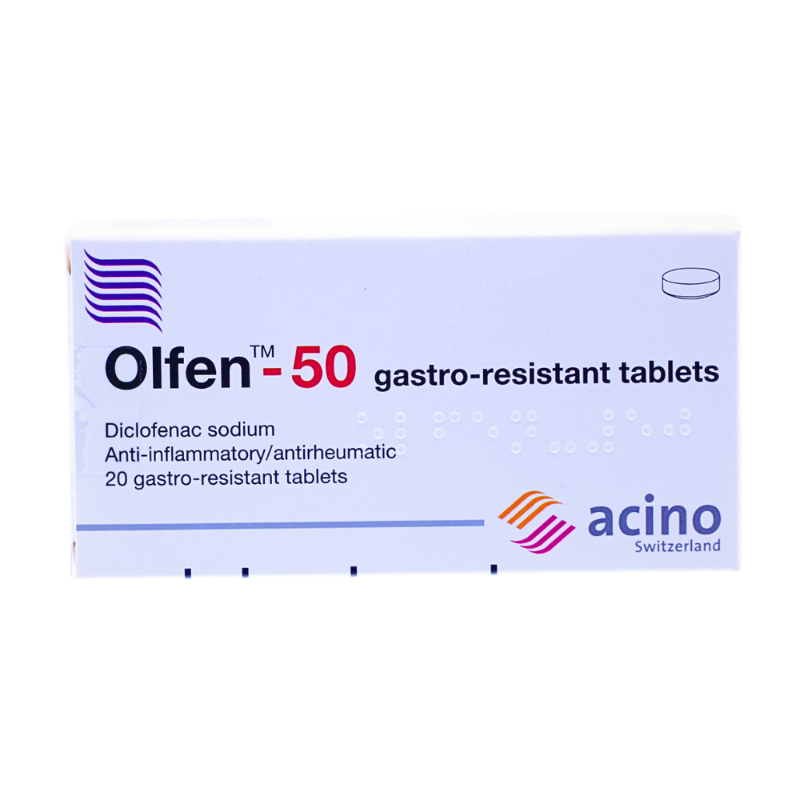
Medications > Painkillers and Antipyretics
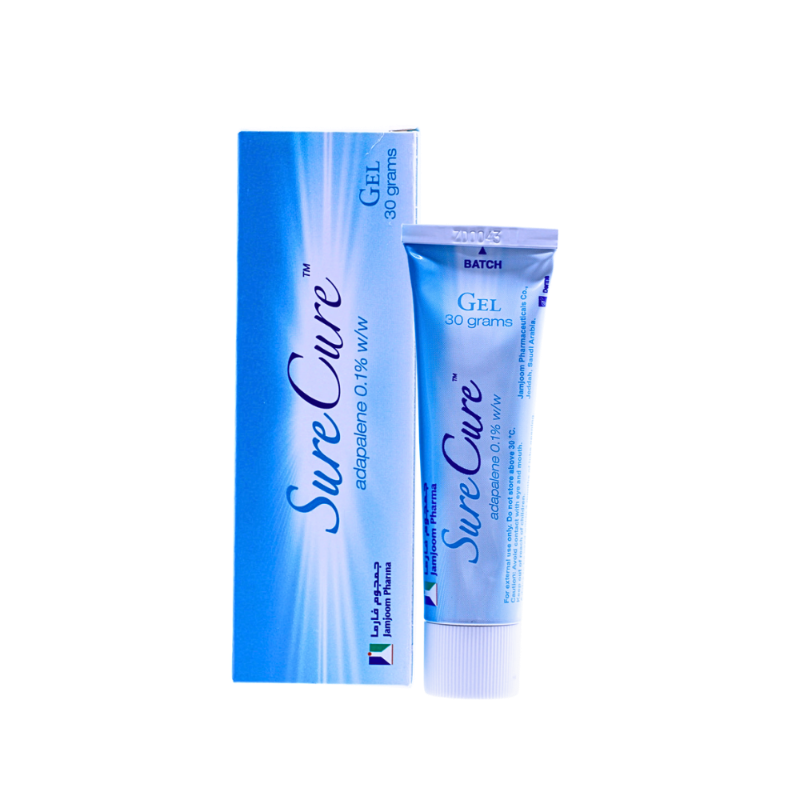
Medications > Dermatology Medications
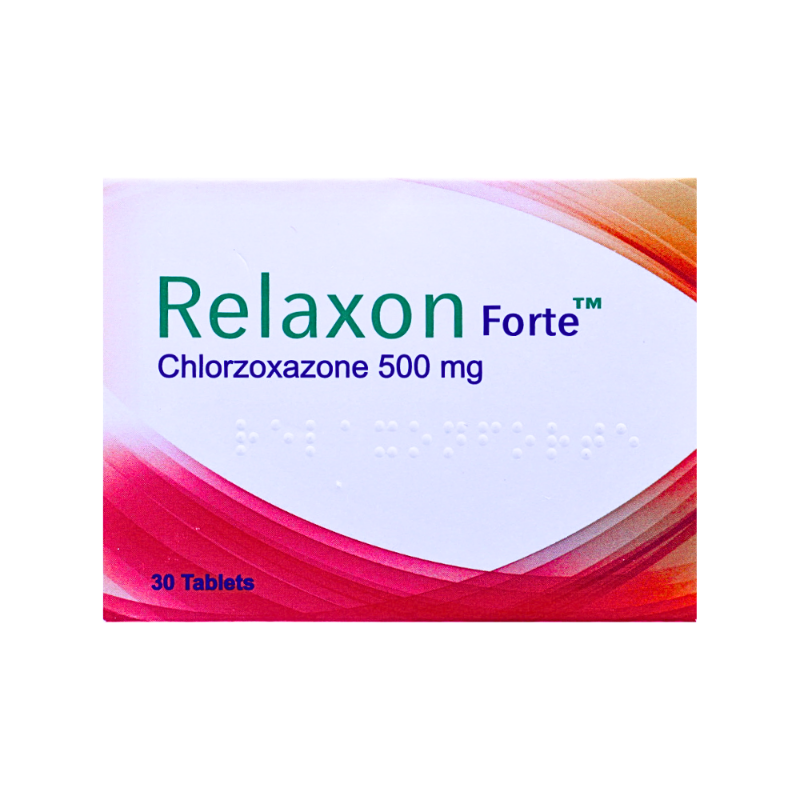
Medications > Painkillers and Antipyretics
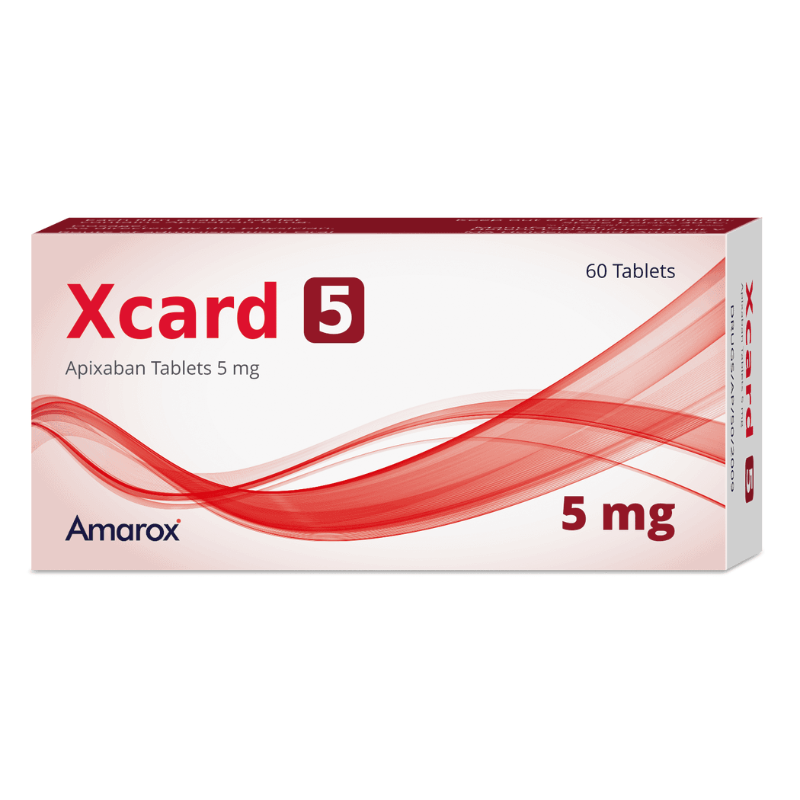
Medications > Hypertesion & Cardiovascular Medications
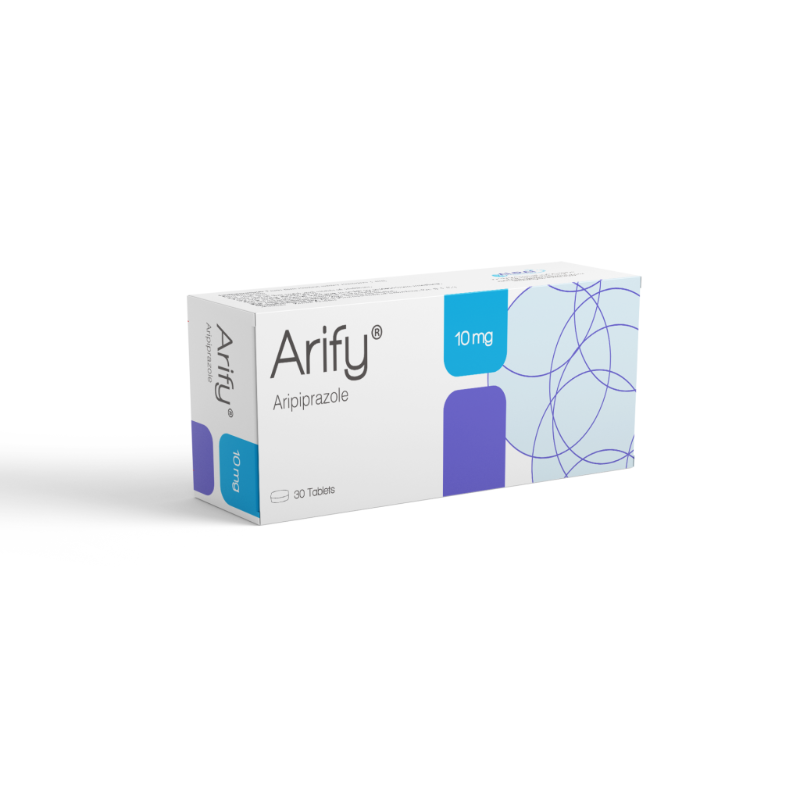
Medications > Psychiatric Medications
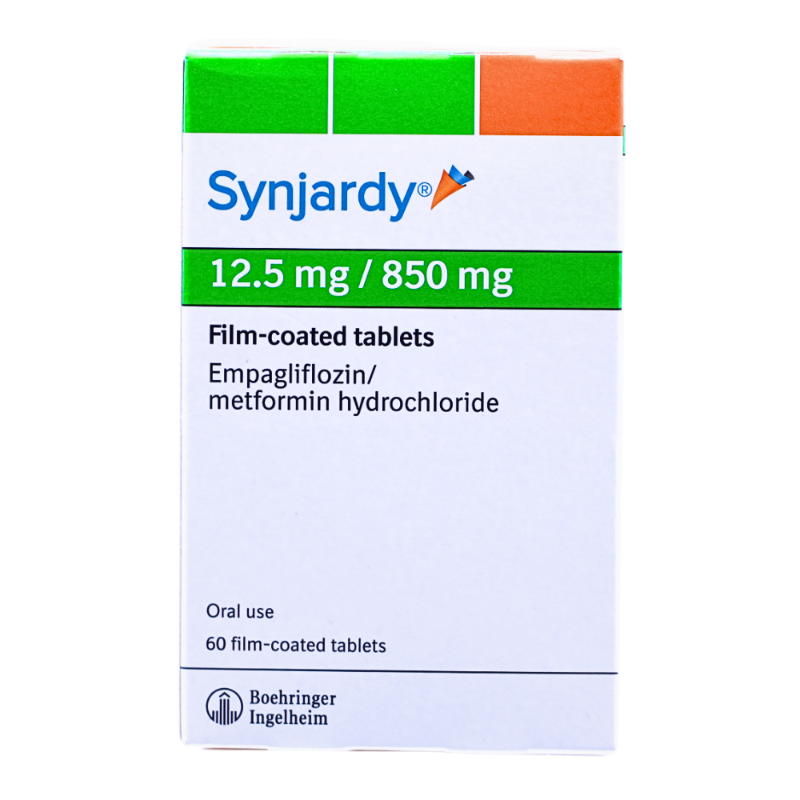
Medications > Diabetes Medications
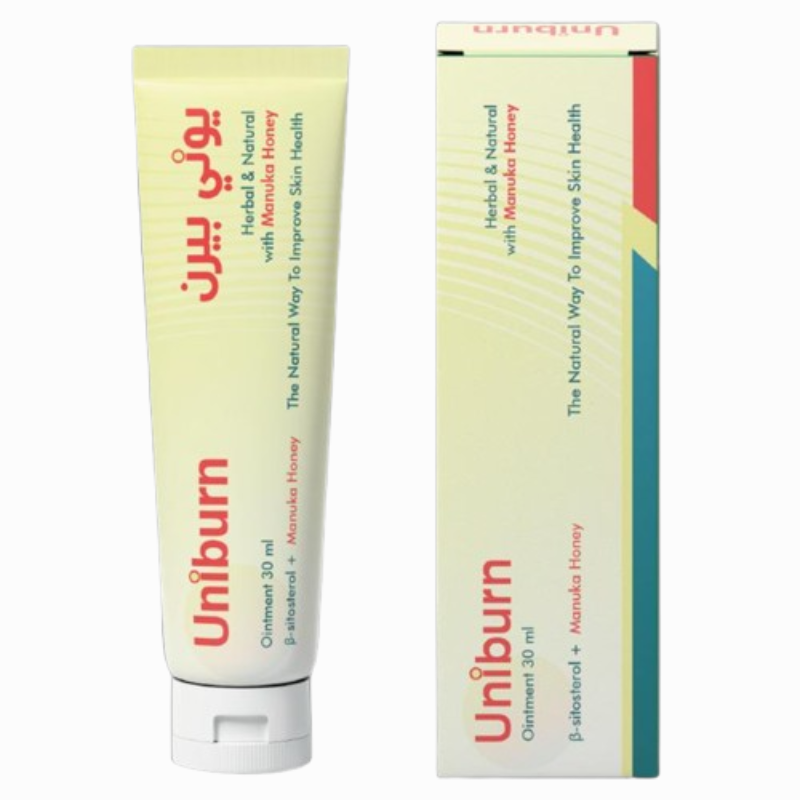
Medications > Dermatology Medications
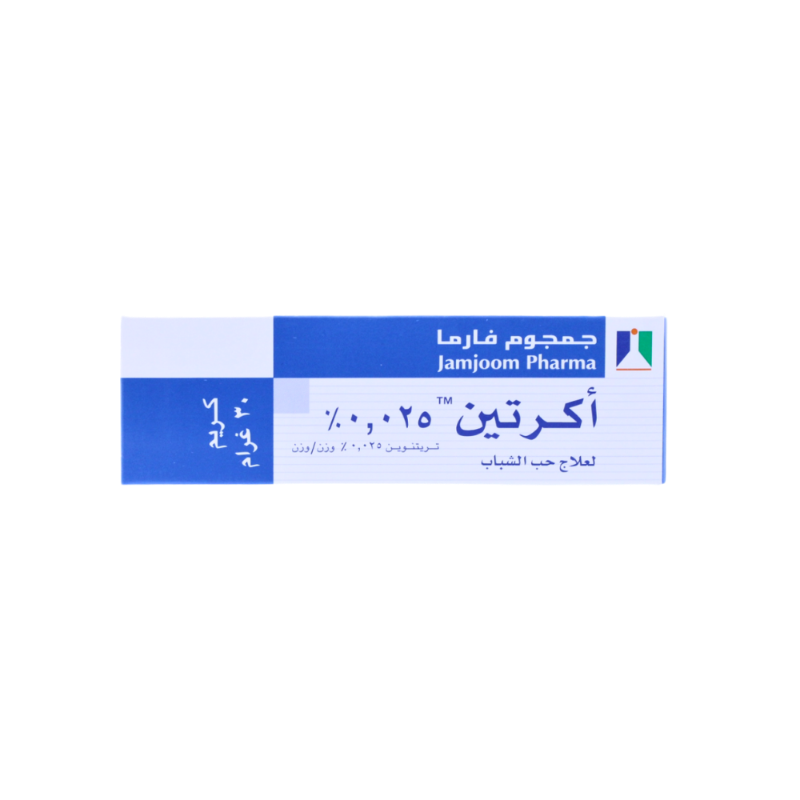
Medications > Dermatology Medications
Medications > Dermatology Medications
Medications > Painkillers and Antipyretics
