
Use Code: ND30 And Get 30% OFF | Get Free Delivery With No Minimum Order
-1744229570.gif "Almujtama Pharmacy logo")




Frequently bought together

Skin And Body Care > Sun Protection And Tans
Skin And Body Care > Sun Protection And Tans
Skin And Body Care > Moisturizers
Skin And Body Care > Moisturizers
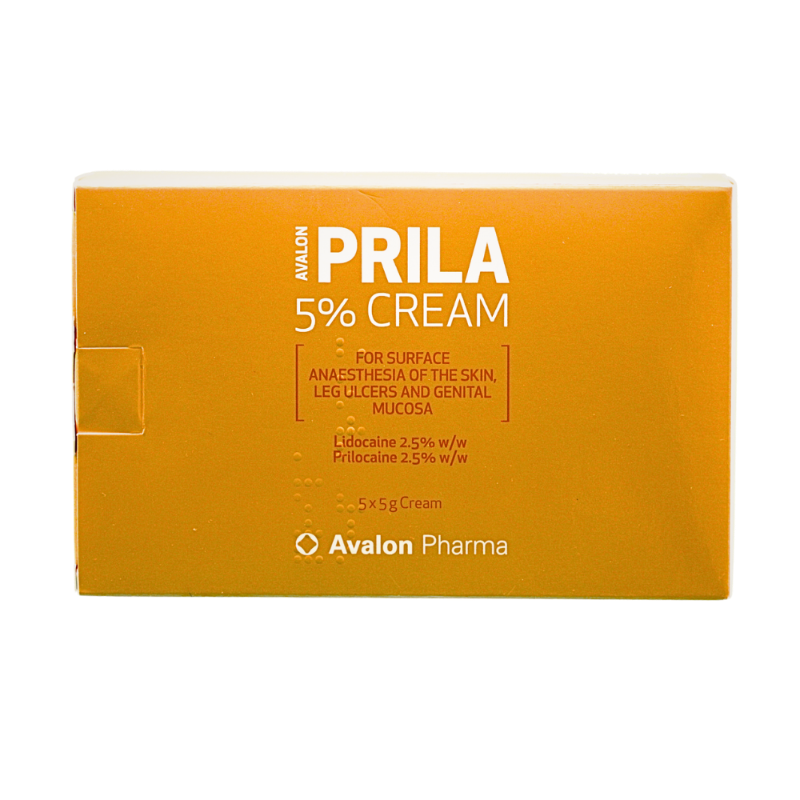
PRILA 5% CREAM 5×5G
- Sku : I-005295
Key features
PRILA 5% Cream is a topical cream containing a eutectic mixture of lidocaine hydrochloride 2.5% and prilocaine 2.5%. Lidocaine and prilocaine reversibly block voltage‑gated sodium channels in peripheral nerves, inhibiting the initiation and conduction of nerve impulses to produce local anesthesia. It is indicated for topical anesthesia of intact skin prior to needle procedures (such as venipuncture and IV cannulation), for superficial or minor dermal procedures, and for topical anesthesia of genital mucosa before local injection or minor superficial genital procedures. Available by prescription as a 5 g cream.- Brand: PRILA
- Active Ingredient: LIDOCAINE HYDROCHLORIDE 2.5%, PRILOCAINE 2.5%
- Strength: 2.5,2.5%
- Dosage Form: Cream
- Pack Size: 5 g
- Route: Topical
- Prescription Status: Prescription
- Therapeutic Class: Anesthetic
- Pharmacological Group: Anesthetics
- Drug Class: Topical local anesthetic (amide-type) combination: lidocaine + prilocaine (eutectic mixture).
- Manufacturer: (Avalon Pharma) Middle East Pharmaceutical Industries Co. Ltd
- Country of Origin: Saudi Arabia
- SFDA Registration No.: 0407245483
- Shelf Life: 36 months
- Storage: store below 25°c
- Skin Condition: General (procedural anesthesia - not a skin disease treatment)
Frequently bought together
Skin And Body Care > Sun Protection And Tans
Skin And Body Care > Sun Protection And Tans
Skin And Body Care > Moisturizers
Skin And Body Care > Moisturizers
Indications
Approved Uses
Topical anesthesia of intact skin prior to needle procedures (e.g., venipuncture/IV cannulation) and superficial/minor dermal procedures; topical anesthesia of genital mucosa prior to local anesthetic injection and for minor superficial genital procedures.
Off-Label Uses
Off-label: premature ejaculation (penile application with careful timing/removal), analgesia for dermatologic laser procedures, and other minor painful skin procedures where topical anesthesia is desired.
Dosage & Administration
Dosing by Condition
Intact skin-venipuncture/IV cannulation: apply ~2 g to ~20 cm² under occlusion for at least 60 minutes; Intact skin-minor dermal procedures: apply ~2 g per 10 cm² under occlusion for 1-5 hours depending on depth/need; Genital mucosa (minor procedures): apply 5-10 g for 5-10 minutes (typically without occlusion).
Initial Dose
Apply 2g (approximately 2cm thick layer) to intact skin under occlusive dressing for at least 60 minutes prior to procedure
Maintenance Dose
Single application per procedure; not intended for repeated daily dosing
Maximum Dose
For adults, the maximum application area for major procedures is not explicitly defined but doses up to 60g over 400 cm² have been studied. For children, dosing is strictly based on age and weight, ranging from a max of 1g over 10 cm² for infants to 20g over 200 cm² for children 7-12 years.
Children's Dosage
Neonates (0-3 months or <5 kg): max 1g over 10 cm² for up to 1 hour. Infants 3-12 months (>5 kg): max 2g over 20 cm² for up to 4 hours. Children 1-6 years (>10 kg): max 10g over 100 cm² for up to 5 hours. Children 7-12 years (>20 kg): max 20g over 200 cm² for up to 5 hours
Dose Adjustment Notes
No routine dose adjustment is specified for standard use, but use the lowest effective amount/area and avoid prolonged/large-area application in severe hepatic impairment, debilitated/elderly patients, and in atopic dermatitis (often shorter application time is sufficient and irritation risk is higher).
How to Take
Apply a thick layer to intact skin (do not rub in), cover with an occlusive dressing, leave for the recommended time, then remove dressing and wipe off cream immediately before the procedure; wash hands after application and avoid contact with eyes/mucosa.
Side Effects
Common Side Effects
Application-site reactions: pallor (blanching), erythema, edema, burning/stinging, pruritus, and altered temperature sensation.
Side Effect Frequency
Very common: application-site pallor and erythema; Common: application-site edema, burning, pruritus, altered temperature sensation; Uncommon/Rare: rash/urticaria, allergic reactions, and methemoglobinemia (risk increased in infants/large areas/prolonged occlusion).
Safety & Warnings
Contraindications
Hypersensitivity to lidocaine, prilocaine, or other amide-type local anesthetics; congenital or idiopathic methemoglobinemia.
Warnings & Precautions
Avoid excessive dose/large areas/prolonged application or occlusion; avoid contact with eyes and do not apply to broken/inflamed skin or open wounds unless specifically indicated; increased methemoglobinemia risk in infants (especially <12 months), G6PD deficiency, and with methemoglobin-inducing drugs; use caution in severe hepatic disease; keep out of reach of children.
Age Restriction
Not recommended in preterm neonates (<37 weeks gestational age); in infants <12 months, avoid use if receiving methemoglobin-inducing drugs; otherwise may be used with age-appropriate dosing and exposure limits.
Drug Interactions
Drug Interactions
Drugs that induce methemoglobinemia (e.g., sulfonamides, dapsone, nitrates/nitrites, phenobarbital, phenytoin; also other oxidizing agents); other local anesthetics (additive systemic toxicity); Class I antiarrhythmics (e.g., mexiletine/tocainide-additive cardiac/CNS toxicity).
Interaction Severity
MAJOR: Concomitant methemoglobin-inducing agents (e.g., dapsone, nitrates/nitrites, sulfonamides, primaquine, phenazopyridine) due to additive methemoglobinemia risk; MODERATE: Other local anesthetics or class I antiarrhythmics (e.g., mexiletine/tocainide) due to additive systemic/cardiac/CNS toxicity if absorption is increased; CAUTION: Class III antiarrhythmics (e.g., amiodarone) mainly warrants clinical monitoring rather than being a typical 'major' interaction for topical use.
Special Populations
Children
Neonates (0-3 months or <5 kg): max 1g over 10 cm² for up to 1 hour. Infants 3-12 months (>5 kg): max 2g over 20 cm² for up to 4 hours. Children 1-6 years (>10 kg): max 10g over 100 cm² for up to 5 hours. Children 7-12 years (>20 kg): max 20g over 200 cm² for up to 5 hours
Storage & Patient Advice
Missed Dose
Not used on a fixed schedule; apply as directed sufficiently in advance of the procedure-if not left on for the required time, anesthesia may be inadequate and the procedure may need to be delayed/reapplied per clinician direction.
Stopping the Medicine
Safe to stop anytime; single-use topical application - no tapering required
Overdose
Overdose/toxicity may cause CNS excitation (tremor, seizures) then depression (drowsiness, respiratory depression), cardiovascular toxicity (hypotension, bradycardia/arrhythmias, arrest), and methemoglobinemia (cyanosis/gray skin); management: remove product, supportive care/airway/oxygen, treat seizures per standard protocols, and give methylene blue 1-2 mg/kg IV for symptomatic methemoglobinemia (seek urgent care).
Patient Counseling
Use a thick layer on intact skin without rubbing; cover with an occlusive dressing and leave in place for the recommended time (often ~60 minutes for many procedures), then remove cream/dressing just before the procedure; avoid eyes/mucosa and broken/irritated skin; wash hands after application; protect the numb area from heat/trauma until sensation returns; keep out of reach of children; seek urgent care for systemic toxicity or methemoglobinemia symptoms (e.g., gray/blue skin/lips, dizziness, shortness of breath); store below 25°C.
Monitoring Requirements
Routine monitoring is not required for typical use; in high-risk patients (infants/young children, G6PD deficiency, significant anemia, or those receiving methemoglobin-inducing drugs), monitor clinically for methemoglobinemia (cyanosis, gray/pale skin, fatigue, tachycardia) and consider methemoglobin measurement if symptomatic; consider closer supervision if used with antiarrhythmics in situations of potential high systemic absorption.
Pharmacology
Mechanism of Action
Lidocaine and prilocaine reversibly block voltage-gated sodium channels in peripheral nerves, inhibiting initiation and conduction of nerve impulses to produce local anesthesia.
Onset of Action
Intact skin: meaningful anesthesia typically requires at least ~60 minutes under occlusion; genital mucosa: onset is faster, typically ~5-10 minutes.
Duration of Effect
After removal, dermal anesthesia typically persists for about 1-2 hours.
Half-Life
Lidocaine: ~1.5-2.5 hours; prilocaine: ~1-2.5 hours (10 to 150 minutes; values typically derived from systemic/IV data; effective half-life after topical use is less clinically relevant due to limited absorption).
Bioavailability
Systemic absorption is low and highly dependent on site, surface area, duration, and skin integrity; under occlusion on intact skin, approximately ~3% of lidocaine and ~5% of prilocaine may be absorbed in high-exposure scenarios (e.g., large area/long duration).
Metabolism
Lidocaine is primarily hepatically metabolized (mainly CYP1A2 and CYP3A4) to active/inactive metabolites (e.g., MEGX); prilocaine is metabolized mainly in the liver (and partly extrahepatically) to o-toluidine, which is implicated in methemoglobinemia.
Excretion
Metabolites of lidocaine and prilocaine are primarily excreted renally; only a small fraction of parent drug is excreted unchanged in urine.
Protein Binding
Lidocaine: ~70%; Prilocaine: ~55%
Product Information
Available Dosage Forms
Cream (topical).
Composition per Dose
Each gram of cream: Lidocaine hydrochloride 25 mg (2.5%) + Prilocaine 25 mg (2.5%)
Generic Availability
Yes
Skin Condition
General (procedural anesthesia - not a skin disease treatment)
Reviewed by Al Mujtama Pharmacy Medical Review Team. Last reviewed 07-06-2026
Similar Products
Medications > Diabetes Medications
Medications > Eye and Ear Medications
Medications > Urology Medications
Medications > Sexual Health
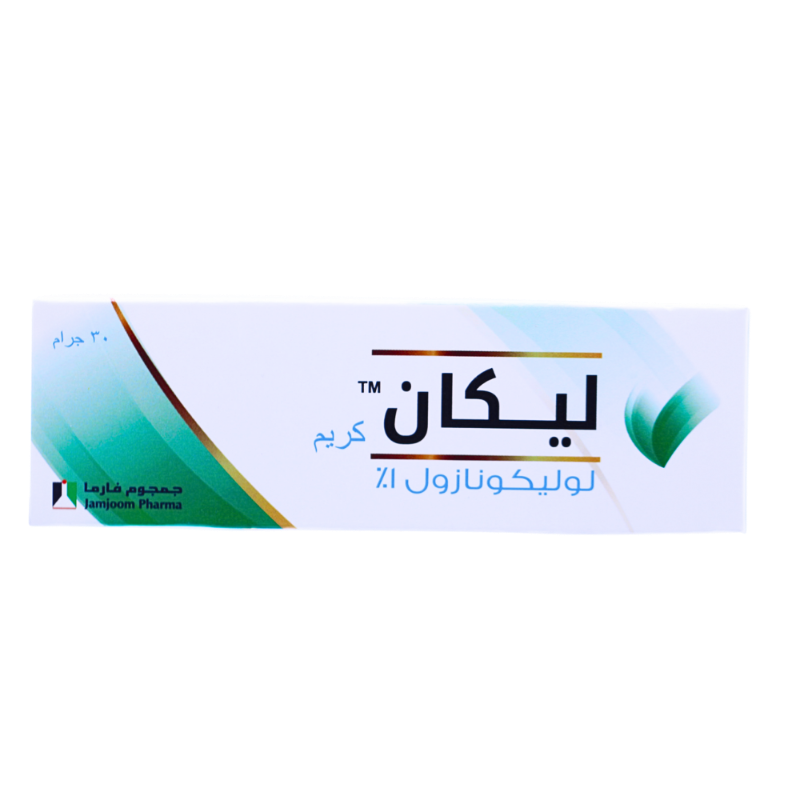
Medications > Dermatology Medications
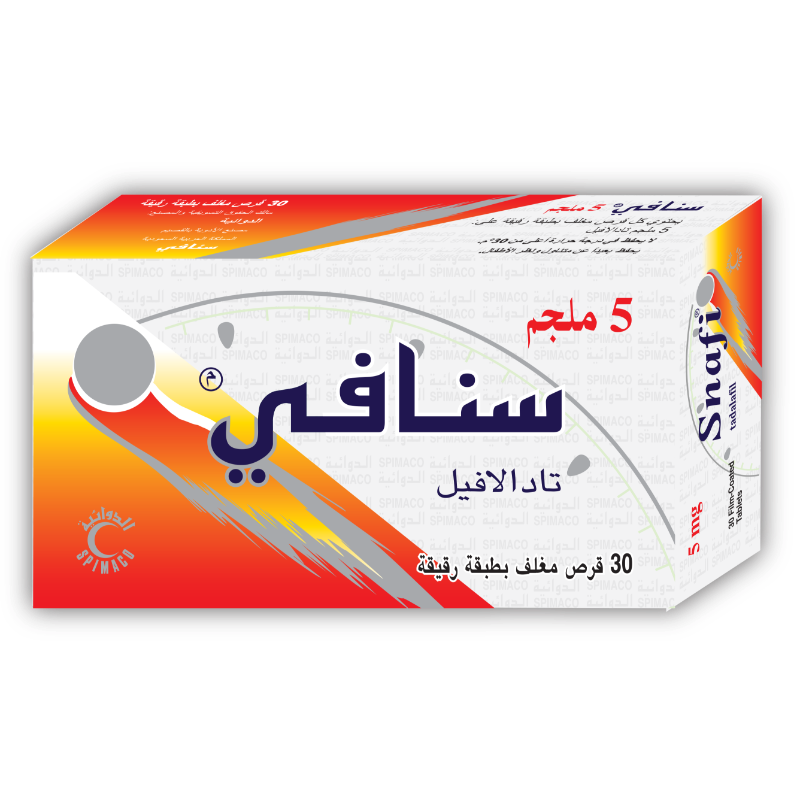
Medications > Sexual Health
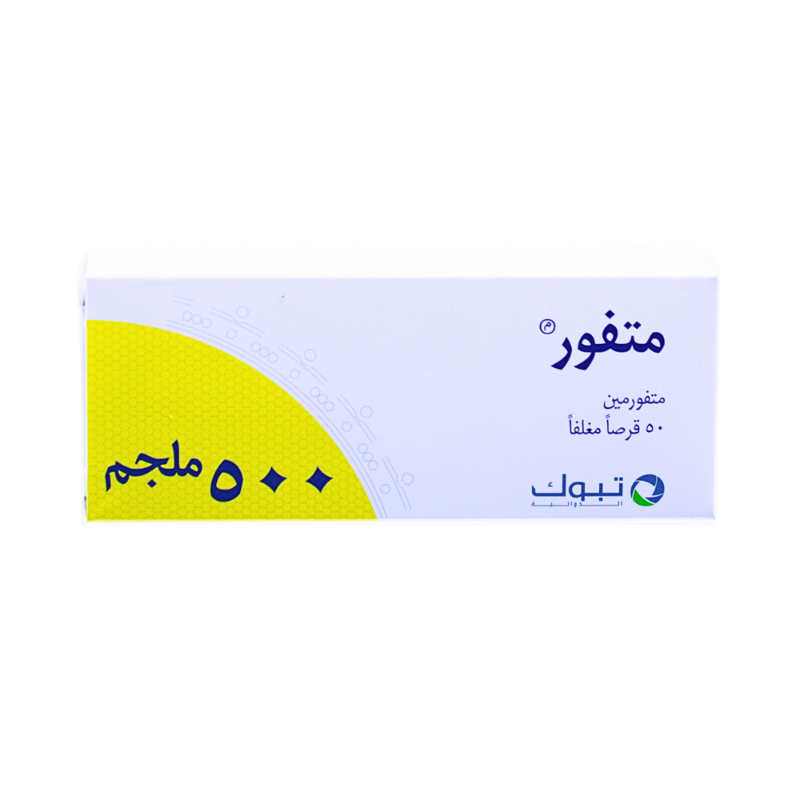
Medications > Diabetes Medications
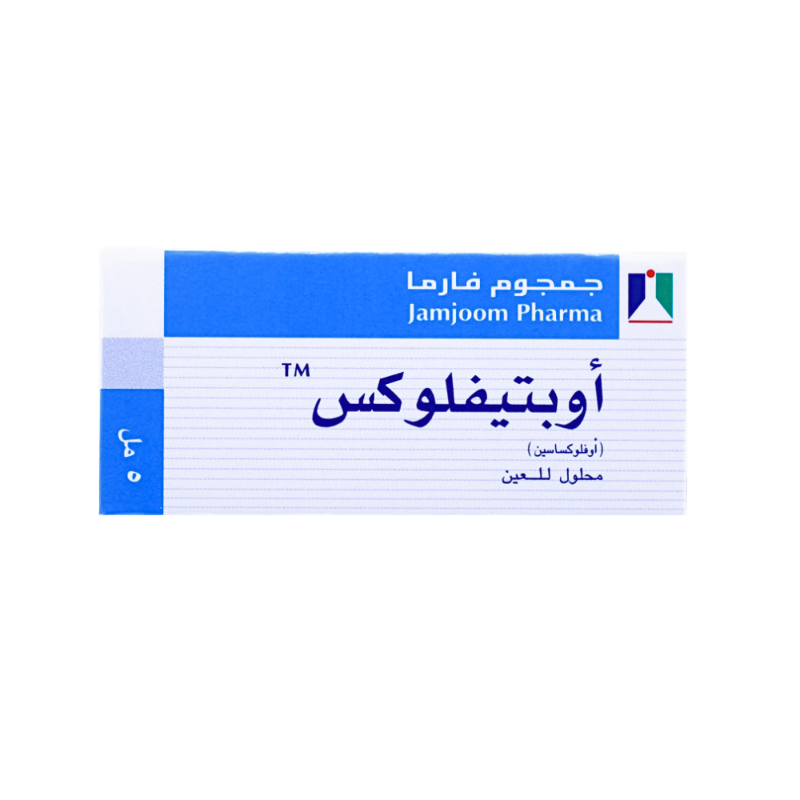
Medications > Eye and Ear Medications
Medications > Gastrointestinal Medications
Medications > Psychiatric Medications
