
Up To 50 SAR OFF Your First Order Use Code : APP50 | Get Free Delivery With No Minimum Order
-1744229570.gif "Almujtama Pharmacy logo")




Frequently bought together
Vitamins & Supplements > Natural Supplements
Vitamins & Supplements > Probiotecs
Vitamins & Supplements > Probiotecs
Vitamins & Supplements > Natural Supplements
Vitamins & Supplements > Probiotecs
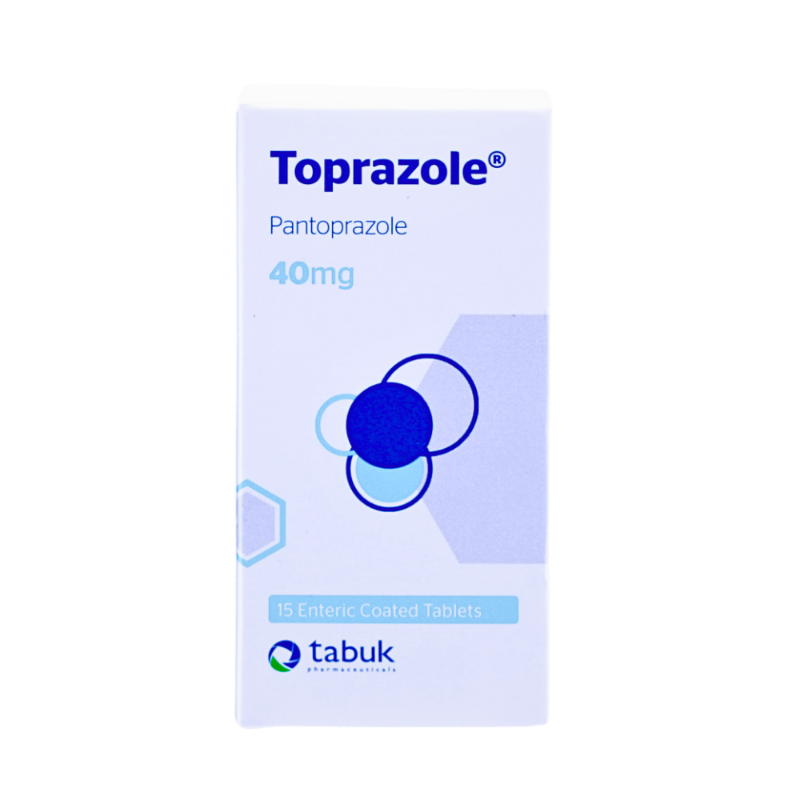
TOPRAZOLE 40/MG EC TAB 15/TAB
- Sku : I-006317
Key features
TOPRAZOLE 40 mg enteric-coated tablets contain pantoprazole 40 mg as the active ingredient. Pantoprazole irreversibly inhibits the H+/K+ ATPase (proton pump) in gastric parietal cells, suppressing both basal and stimulated gastric acid secretion. It is indicated for healing and maintenance of healing of erosive esophagitis associated with gastroesophageal reflux disease (GERD) and for pathological hypersecretory conditions such as Zollinger-Ellison syndrome. Available by prescription in enteric-coated tablet form, pack of 15 tablets.- Brand: TOPRAZOLE
- Active Ingredient: PANTOPRAZOLE 40mg
- Strength: 40mg
- Dosage Form: Enteric-coated tablet
- Pack Size: 15 Tablets
- Route: Oral use
- Prescription Status: Prescription
- Therapeutic Class: Gastrointestinal
- Pharmacological Group: Proton Pump Inhibitors
- Drug Class: Proton Pump Inhibitor (PPI), Benzimidazole derivative
- Manufacturer: TABUK PHARMACEUTICAL MANUFACTURING CO.
- Country of Origin: Saudi Arabia
- SFDA Registration No.: 0411246141
- Shelf Life: 36 months
- Storage: store below 30°c
- Gi Condition: Acid Reflux/GERD, Ulcer
Frequently bought together
Vitamins & Supplements > Natural Supplements
Vitamins & Supplements > Probiotecs
Vitamins & Supplements > Probiotecs
Vitamins & Supplements > Natural Supplements
Vitamins & Supplements > Probiotecs
Indications
Approved Uses
Erosive esophagitis associated with GERD (healing and maintenance of healing) and pathological hypersecretory conditions (e.g., Zollinger-Ellison syndrome).
Off-Label Uses
Common off‑label uses include H. pylori eradication as part of combination therapy, prevention/treatment of NSAID‑associated ulcers, stress‑ulcer prophylaxis in critically ill patients, Barrett’s esophagus/GERD symptom control strategies, laryngopharyngeal reflux, and functional dyspepsia.
Dosage & Administration
Dosing by Condition
Erosive esophagitis (healing): 40 mg PO once daily for up to 8 weeks (may extend to another 8 weeks if needed). Maintenance of healed erosive esophagitis: 40 mg PO once daily. Pathological hypersecretory conditions (e.g., Zollinger-Ellison): start 40 mg PO twice daily and titrate to clinical response (doses up to 240 mg/day have been used). H. pylori eradication and NSAID-ulcer prevention: may be used in practice as part of combination/ulcer prophylaxis regimens but are generally off‑label depending on local labeling.
Initial Dose
40 mg once daily
Maintenance Dose
20-40 mg once daily
Maximum Dose
240 mg/day (Zollinger-Ellison syndrome); 80 mg/day for standard indications
Children's Dosage
Approved for children 5 years and older for erosive esophagitis. 15kg to <40kg: 20mg once daily for up to 8 weeks. ≥40kg: 40mg once daily for up to 8 weeks.
Dose Adjustment Notes
Renal impairment: no dosage adjustment required. Hepatic impairment: no adjustment in mild-moderate; in severe hepatic impairment, use with caution and consider dose reduction/monitoring (some references limit to 20 mg/day), especially for prolonged therapy.
How to Take
Swallow the 40 mg enteric‑coated tablet whole with water; do not crush, chew, or split. Take once daily preferably 30-60 minutes before a meal (commonly before breakfast); if prescribed twice daily, take before morning and evening meals.
Side Effects
Common Side Effects
Headache, diarrhea, abdominal pain, nausea, vomiting, flatulence, dizziness, joint pain.
Safety & Warnings
Contraindications
Hypersensitivity to pantoprazole/other substituted benzimidazoles (PPIs) or excipients; concomitant use with rilpivirine-containing products.
Warnings & Precautions
May mask gastric malignancy-evaluate alarm symptoms; risk of C. difficile diarrhea; long-term therapy risks: hypomagnesemia (consider monitoring esp. with diuretics/digoxin), vitamin B12 deficiency, osteoporosis-related fractures, fundic gland polyps; acute interstitial nephritis; cutaneous/systemic lupus-discontinue if suspected.
Age Restriction
Not approved for children <5 years for erosive esophagitis; pediatric use is indication- and age-dependent (typically ≥5 years for EE, and ≥1 year for certain GERD indications depending on local labeling).
Drug Interactions
Interaction Severity
MAJOR/CONTRAINDICATED: rilpivirine; avoid with atazanavir or nelfinavir (reduced absorption/virologic failure risk). MODERATE: warfarin (INR changes-monitor), high‑dose methotrexate (delayed clearance/toxicity-consider holding PPI), drugs needing acidic pH for absorption such as ketoconazole/itraconazole/posaconazole suspension and iron salts (reduced absorption). MINOR/variable: digoxin (possible increased levels via hypomagnesemia), mycophenolate (reduced exposure in some patients).
Food Interaction
Administer 30-60 minutes before a meal for optimal effect; food may delay absorption and can reduce the timing/extent of acid suppression, so consistent pre‑meal dosing is recommended.
Special Populations
Pregnancy
Category B (old US system); use during pregnancy only if clearly needed
Children
Approved for children 5 years and older for erosive esophagitis. 15kg to <40kg: 20mg once daily for up to 8 weeks. ≥40kg: 40mg once daily for up to 8 weeks.
Elderly
Standard adult dosing; no routine dose adjustment required. Use the lowest effective dose for the shortest duration necessary.
Kidney Impairment
No adjustment needed for renal impairment.
Storage & Patient Advice
Stopping the Medicine
If used long-term, consult prescriber before stopping; rebound acid hypersecretion can occur-consider tapering/step-down rather than abrupt cessation in chronic users.
Patient Counseling
Swallow the enteric‑coated tablet whole with water (do not crush/chew/split) and take 30-60 minutes before a meal at the same time each day; symptom relief may start in 1 day but full effect can take several days. Seek care for severe/persistent diarrhea, rash, new/worsening joint pain, or signs of low magnesium (cramps, palpitations); with long‑term use discuss fracture risk and possible low magnesium/vitamin B12. Tell clinicians about all medicines, especially HIV therapy (rilpivirine/atazanavir/nelfinavir), warfarin, methotrexate, and azole antifungals/iron.
Monitoring Requirements
Long‑term therapy: consider periodic magnesium (especially with diuretics/digoxin) and assess for vitamin B12 deficiency if prolonged use; consider bone fracture risk in at‑risk patients; monitor INR/PT when used with warfarin; monitor for persistent diarrhea (C. difficile) and renal injury symptoms (AIN).
Pharmacology
Mechanism of Action
Inhibits the final step in gastric acid production by irreversibly binding to the H+/K+ ATPase pump (proton pump) in gastric parietal cells, suppressing both basal and stimulated acid secretion.
Onset of Action
Onset begins within a few hours after the first dose (about 2-3 hours), but maximal acid suppression typically occurs after 3-4 days of daily dosing.
Duration of Effect
Approximately 24 hours of acid suppression with once‑daily dosing (though maximal effect requires several days of continuous dosing).
Bioavailability
Approximately 77%.
Metabolism
Hepatic metabolism primarily via CYP2C19 with a smaller contribution from CYP3A4; pantoprazole has low potential for clinically significant CYP induction/inhibition at therapeutic doses.
Excretion
Approximately 71% excreted in urine as metabolites and about 18% in feces.
Protein Binding
Approximately 98%, mainly to albumin.
Product Information
Available Dosage Forms
For this SFDA product: enteric‑coated tablet (oral) 40 mg. (Pantoprazole also exists in other markets as IV powder for injection and oral granules/suspension, but those are different products.)
Composition per Dose
Each enteric-coated tablet: 40mg pantoprazole (as pantoprazole sodium sesquihydrate).
OTC Alternatives
OTC alternatives for acid symptoms (market-dependent) include antacids (aluminum/magnesium hydroxide, calcium carbonate), H2 blockers (e.g., famotidine), and in some countries OTC PPIs (e.g., omeprazole 20 mg).
Gi Condition
Acid Reflux/GERD, Ulcer
Legal Disclaimer - Al Mujtama Pharmacy
The product information provided is derived from verified pharmaceutical references and is intended for general health education only. It is not a substitute for professional medical advice, diagnosis, or treatment.
Al Mujtama Pharmacy assumes no legal or medical liability for:
- Any therapeutic decision made based on the information displayed without consulting a licensed physician or pharmacist
- Any discrepancy between the information provided and the product's package insert or SFDA guidelines
- Any misuse of medication resulting from personal interpretation of the content displayed
Important notice: Drug formulations and instructions may vary between production batches. Always rely on the leaflet included inside the product packaging you have, and consult your pharmacist or physician before starting, adjusting, or discontinuing any medication.
By using this content, you acknowledge that you have read this disclaimer and agree that Al Mujtama Pharmacy bears no liability arising from reliance on this information as a substitute for direct medical consultation.
Your health is a trust - always consult your doctor first.
Similar Products
Medications > Diabetes Medications
Medications > Gastrointestinal Medications
Medications > Urology Medications
Medications > Other Medicines
Medications > Gastrointestinal Medications
Medications > Other Medicines
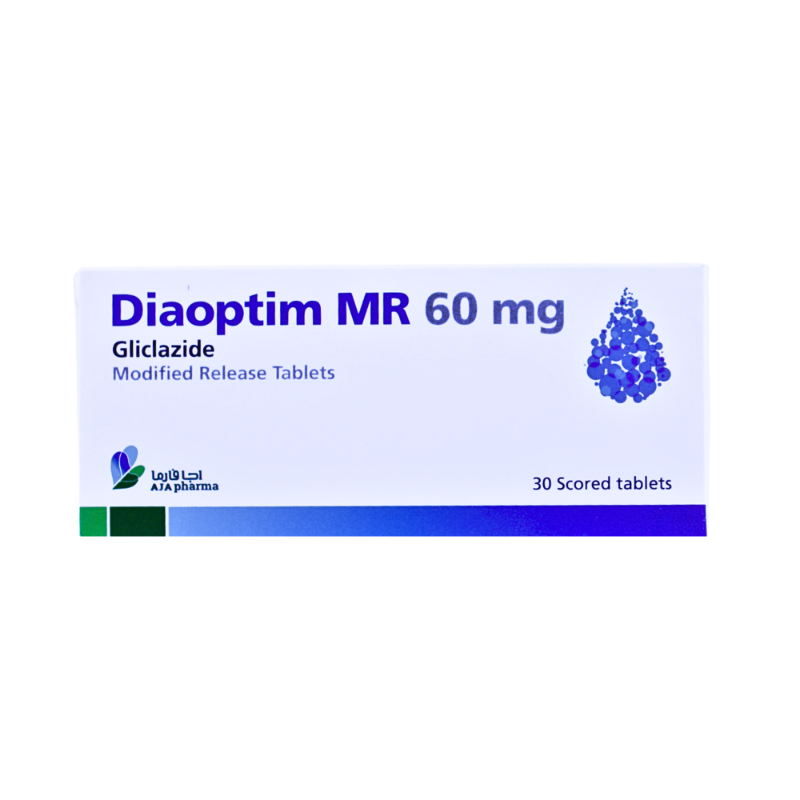
Medications > Diabetes Medications
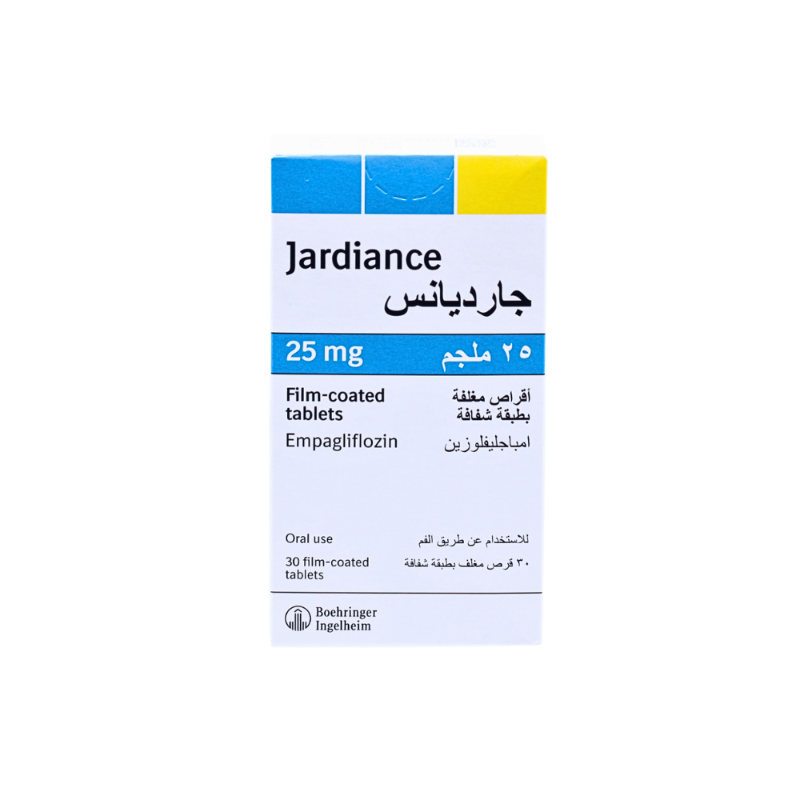
Medications > Diabetes Medications
Medications > Painkillers and Antipyretics
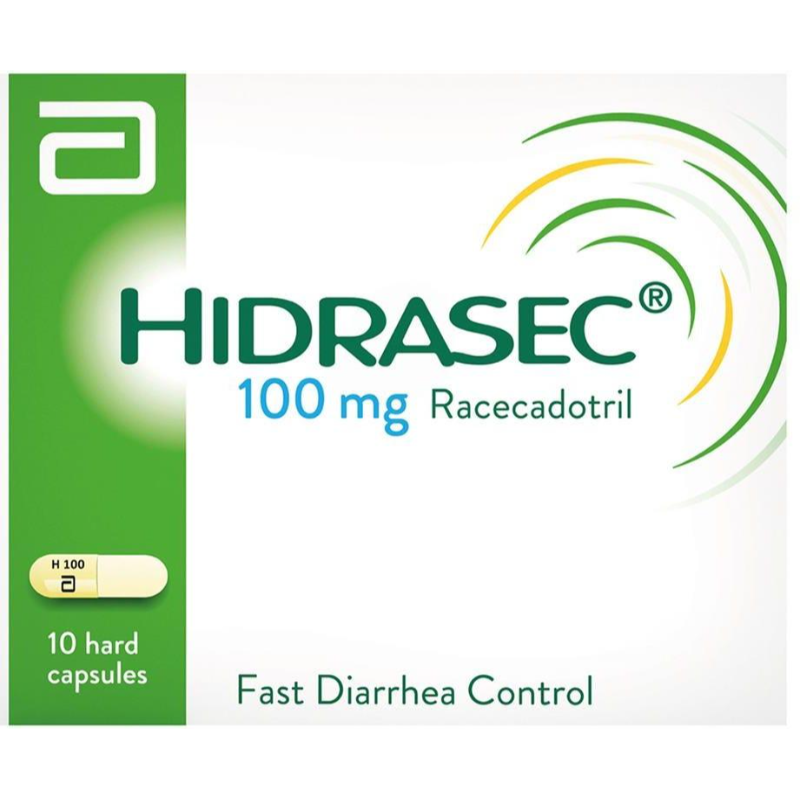
Medications > Gastrointestinal Medications
