
Use Code: ND30 And Get 30% OFF | Get Free Delivery With No Minimum Order
-1744229570.gif "Almujtama Pharmacy logo")




Frequently bought together
Vitamins & Supplements > Natural Supplements
Vitamins & Supplements > Probiotecs
Vitamins & Supplements > Probiotecs
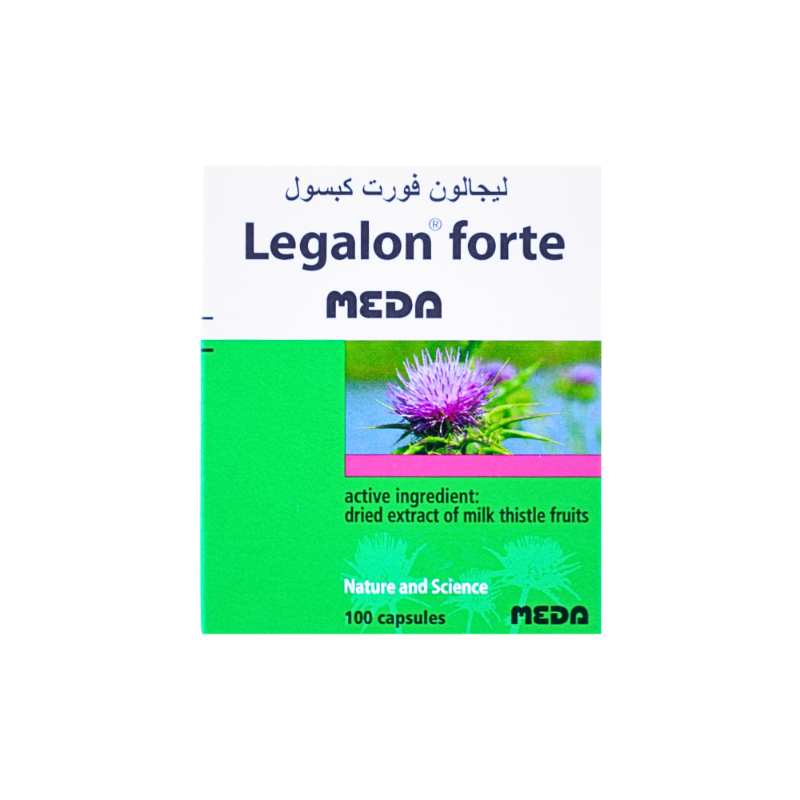
Vitamins & Supplements > Natural Supplements
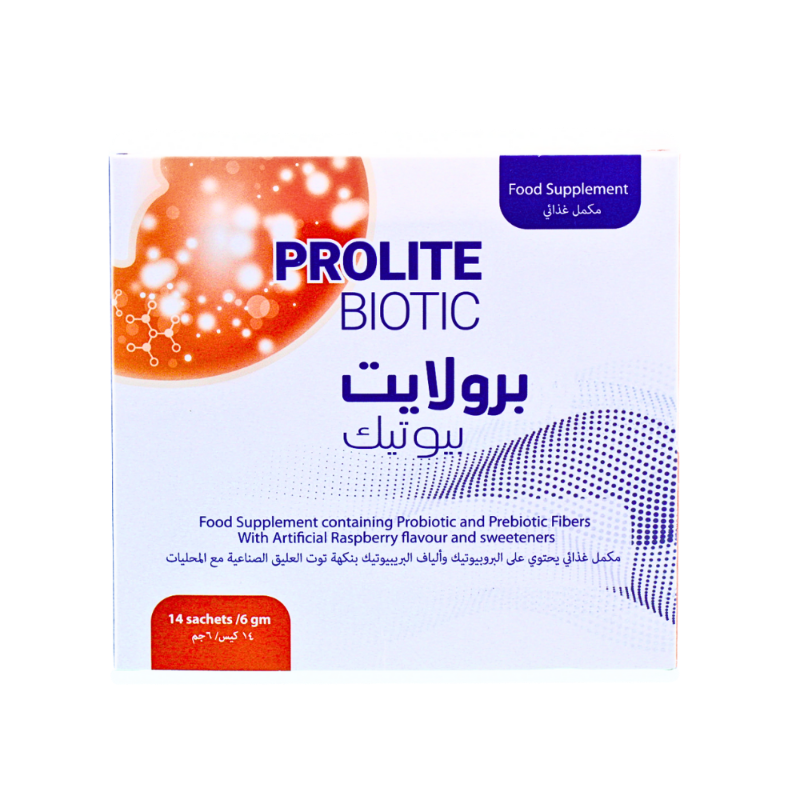
Vitamins & Supplements > Probiotecs
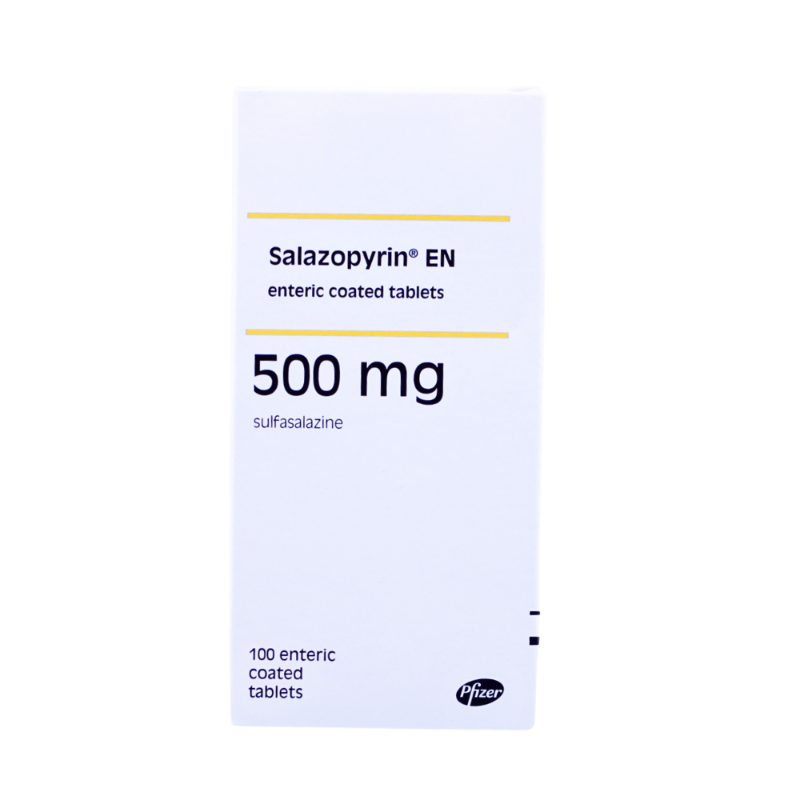
SALAZOPYRIN EN 500/MG TAB 100/TAB
- Sku : I-005717
Key features
Salazopyrin-En Tablet 500mg 100 Tablets is a tablet formulation containing sulfasalazine 500 mg as the active ingredient. Sulfasalazine is cleaved by colonic bacteria into 5‑aminosalicylic acid (5‑ASA) and sulfapyridine, with 5‑ASA exerting local anti‑inflammatory effects in the colon and sulfapyridine contributing systemic immunomodulatory activity. It is used for the treatment of active ulcerative colitis and for maintenance of remission in ulcerative colitis, and as a conventional synthetic disease‑modifying antirheumatic drug for rheumatoid arthritis. Available by prescription in tablet form, pack size 100 tablets.- Brand: SALAZOPYRIN
- Active Ingredient: SULFASALAZINE 500mg
- Strength: 500mg
- Dosage Form: Tablet
- Pack Size: 100 Tablets
- Route: Oral use
- Prescription Status: Prescription
- Therapeutic Class: Gastrointestinal
- Pharmacological Group: Antidiarrheals & Anti-inflammatory
- Drug Class: Aminosalicylate (5‑ASA) prodrug linked to a sulfonamide; anti‑inflammatory for IBD and also a conventional synthetic DMARD for inflammatory arthritis.
- Manufacturer: Recipharm Uppsala AB
- Country of Origin: Sweden
- SFDA Registration No.: 1703257080
- Shelf Life: 48 months
- Storage: store below 25°c
- Gi Condition: Inflammatory Bowel Disease
Frequently bought together
Vitamins & Supplements > Natural Supplements
Vitamins & Supplements > Probiotecs
Vitamins & Supplements > Probiotecs
Vitamins & Supplements > Natural Supplements
Vitamins & Supplements > Probiotecs
Indications
Approved Uses
Ulcerative colitis (treatment of active disease and maintenance of remission) and rheumatoid arthritis; Crohn’s disease and juvenile idiopathic arthritis are not consistently approved indications for this product across regulators and are best treated as off‑label unless specifically stated in local labeling.
Off-Label Uses
Common off‑label uses include ankylosing spondylitis, psoriatic arthritis, and (depending on local labeling) Crohn’s disease and juvenile idiopathic arthritis.
Dosage & Administration
Dosing by Condition
Ulcerative colitis (adult, active): Typically 3-4 g/day in divided doses (some references allow up to 6 g/day in severe cases under specialist supervision).
Ulcerative colitis (adult, maintenance): Typically 2 g/day in divided doses (range often 2-3 g/day depending on response/tolerability).
Rheumatoid arthritis (adult): Start 500 mg once daily (or 500 mg twice daily) and increase by 500 mg weekly as tolerated to 2 g/day in divided doses; may increase to 3 g/day if needed and tolerated.
Juvenile idiopathic arthritis (≥6 years, specialist use): 30-50 mg/kg/day in 2 divided doses (max commonly 2 g/day; some specialist protocols may use higher maxima).
Initial Dose
500mg-1g twice daily, increasing gradually over 1-2 weeks
Maintenance Dose
IBD (ulcerative colitis): 2g/day in divided doses; Rheumatoid arthritis: 2g/day in divided doses (range 2-3g/day depending on response/tolerability)
Maximum Dose
Ulcerative Colitis: 4g/day. Rheumatoid Arthritis: 3g/day.
Children's Dosage
Children ≥2 years (IBD): 40-60mg/kg/day in 3-6 divided doses (induction); 20-30mg/kg/day in 4 divided doses (maintenance). Not recommended under 2 years
Dose Adjustment Notes
Start low and titrate upward to improve GI tolerability; use with caution in renal or hepatic impairment (no universally specified dose adjustment, but closer monitoring and dose reduction/avoidance may be needed in significant impairment).
How to Take
Swallow the enteric‑coated tablets whole with a full glass of water; do not crush, chew, or split. Preferably take after meals (or with food) and maintain adequate fluid intake.
Side Effects
Common Side Effects
Common: nausea, vomiting, loss of appetite/dyspepsia/abdominal discomfort, headache, diarrhea, rash; orange‑yellow discoloration of urine/skin may occur; reversible oligospermia (reduced sperm count) can occur.
Side Effect Frequency
Very common (≥10%): nausea/GI upset, headache, anorexia; Common (1-10%): vomiting, abdominal pain/dyspepsia, rash/pruritus, dizziness, reversible oligospermia, orange-yellow discoloration of urine/skin, folate deficiency; Rare/serious (<1%): severe blood dyscrasias (e.g., agranulocytosis/aplastic anemia), severe cutaneous reactions (SJS/TEN), hepatotoxicity, pulmonary toxicity, hemolysis (esp. G6PD deficiency), lupus-like syndrome.
Safety & Warnings
Contraindications
Hypersensitivity to sulfasalazine, sulfonamides, or salicylates; intestinal or urinary obstruction; porphyria.
Warnings & Precautions
Baseline and periodic CBC and LFT monitoring; stop immediately for rash/mucosal lesions, fever/sore throat, bruising/bleeding, or pulmonary symptoms; ensure adequate hydration to reduce crystalluria risk; consider folic acid supplementation; caution in G6PD deficiency and severe allergy/asthma; may cause reversible male infertility (oligospermia) and orange discoloration of body fluids.
Age Restriction
Not recommended/avoid use in children under 2 years of age (safety not established).
Drug Interactions
Drug Interactions
Key interactions: digoxin (reduced absorption), folic acid/folate (reduced absorption/folate deficiency), warfarin (INR effect may be altered-monitor closely), methotrexate (additive hematologic/hepatic toxicity risk), oral hypoglycemics (potentiation reported), iron salts (reduced sulfasalazine absorption).
Food Interaction
Take with food or after meals to reduce gastrointestinal upset.
Special Populations
Children
Children ≥2 years (IBD): 40-60mg/kg/day in 3-6 divided doses (induction); 20-30mg/kg/day in 4 divided doses (maintenance). Not recommended under 2 years
Kidney Impairment
Use with caution in renal impairment; avoid in severe renal impairment and ensure adequate hydration/monitor renal function.
Storage & Patient Advice
Stopping the Medicine
Do not stop without medical advice; stopping may worsen/relapse disease (tapering may be considered based on indication and clinical status).
Patient Counseling
Take after meals/with food and a full glass of water; swallow enteric-coated tablets whole (do not crush/chew); maintain good hydration; harmless orange-yellow discoloration of urine/skin may occur; keep scheduled monitoring (CBC and LFTs) and seek urgent care for sore throat/fever, rash, unusual bruising/bleeding, jaundice, or breathing difficulty; folic acid supplementation may be advised; may cause reversible oligospermia in males; do not stop without prescriber advice.
Monitoring Requirements
Baseline CBC (with differential/platelets), LFTs, and renal function; then CBC/LFTs every 2 weeks for the first 3 months, monthly for the next 3 months, then every 3 months thereafter (or per local protocol); monitor renal function periodically and consider folate status in long‑term therapy.
Pharmacology
Mechanism of Action
Sulfasalazine is cleaved by colonic bacteria into 5‑aminosalicylic acid (5‑ASA) and sulfapyridine; 5‑ASA acts mainly locally in the colon to reduce inflammatory mediator production, while sulfapyridine contributes more to systemic immunomodulatory effects (e.g., in RA).
Onset of Action
IBD (ulcerative colitis): clinical improvement typically within 2-4 weeks; Rheumatoid arthritis: onset in ~4-8 weeks with maximal/near-full effect by ~12 weeks (≈3 months).
Duration of Effect
Not immediate; requires continuous dosing-clinical response in ulcerative colitis is often seen within days to weeks, while rheumatoid arthritis benefit typically begins after ~4-12 weeks (maximal effect may take longer).
Bioavailability
Systemic absorption of parent sulfasalazine is low (generally <15% absorbed intact); most reaches the colon where bacterial cleavage releases sulfapyridine (well absorbed, ~60%) and 5-ASA (limited systemic absorption).
Metabolism
Prodrug is cleaved by colonic bacteria into sulfapyridine and 5-ASA; sulfapyridine undergoes hepatic acetylation (NAT2) with additional hydroxylation and glucuronidation; 5-ASA is largely acetylated to N-acetyl-5-ASA.
Excretion
Elimination is mainly renal as sulfapyridine and its metabolites (and some 5-ASA metabolites), with a portion excreted in feces (notably 5-ASA/acetyl-5-ASA and unabsorbed drug).
Product Information
Available Dosage Forms
For this SFDA-registered product: enteric‑coated oral tablet (SALAZOPYRIN‑EN) 500 mg.
Composition per Dose
Each enteric-coated tablet: 500mg sulfasalazine
Generic Availability
Yes
Gi Condition
Inflammatory Bowel Disease
Reviewed by Al Mujtama Pharmacy Medical Review Team. Last reviewed 03-06-2026
Similar Products
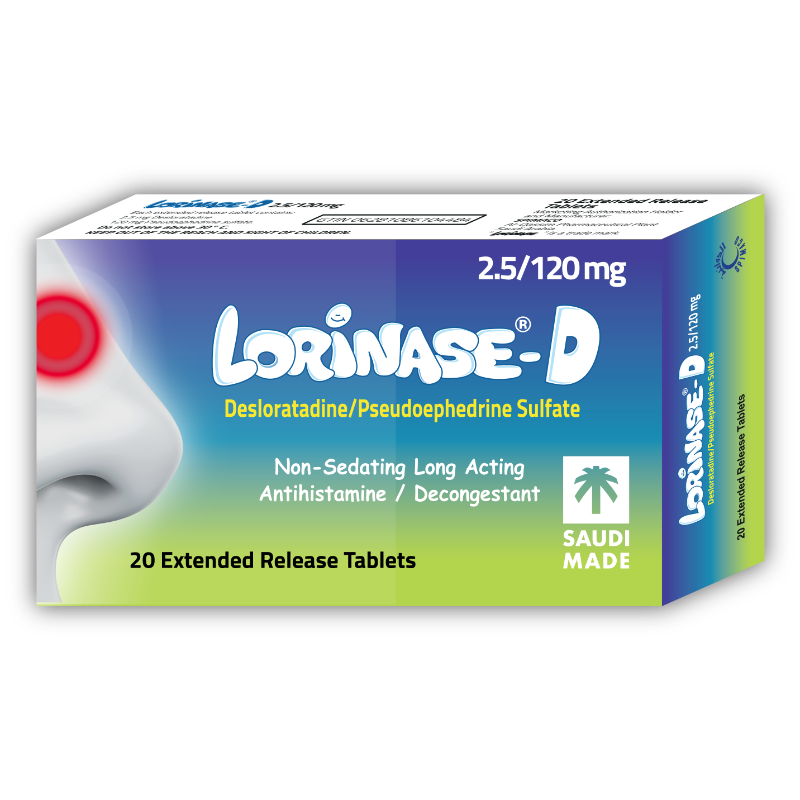
Medications > Cold, Cough, and Allergy Medications
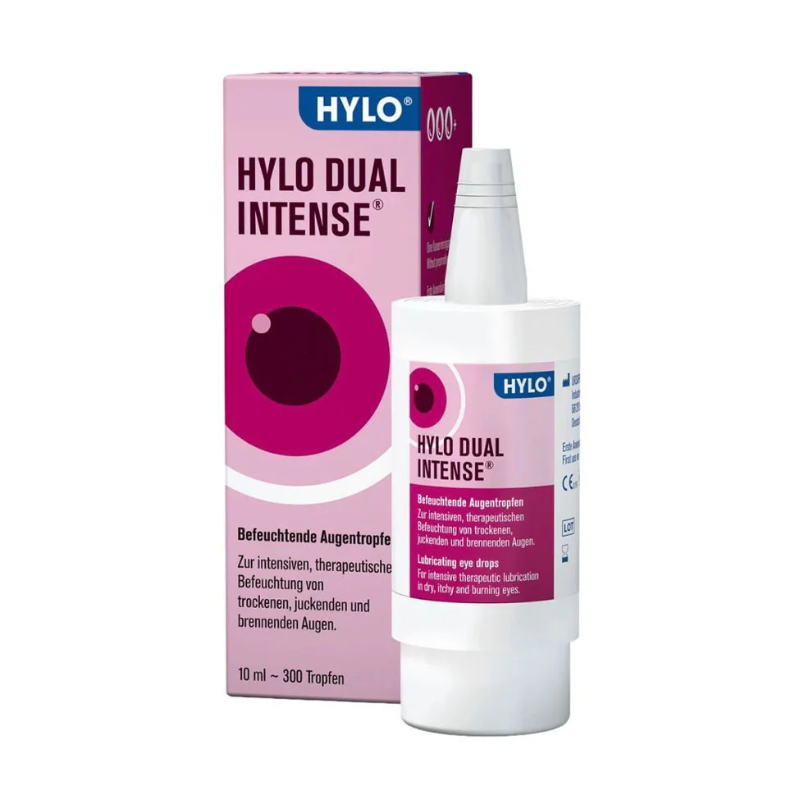
Medications > Eye and Ear Medications
Medications > Gastrointestinal Medications
Medications > Gastrointestinal Medications
Medications > Painkillers and Antipyretics
Medications > Gastrointestinal Medications
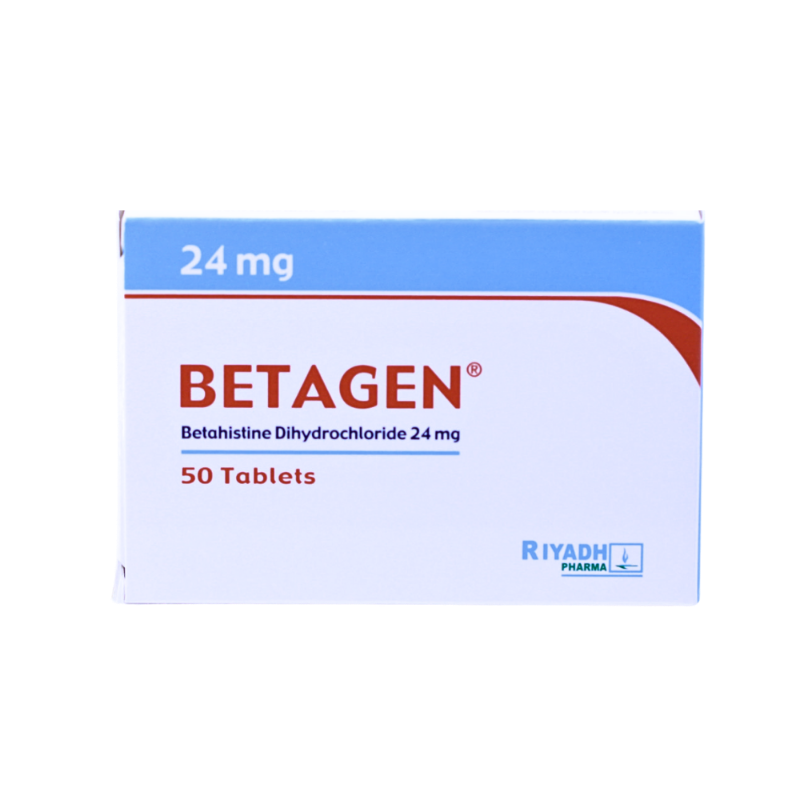
Medications > Other Medicines
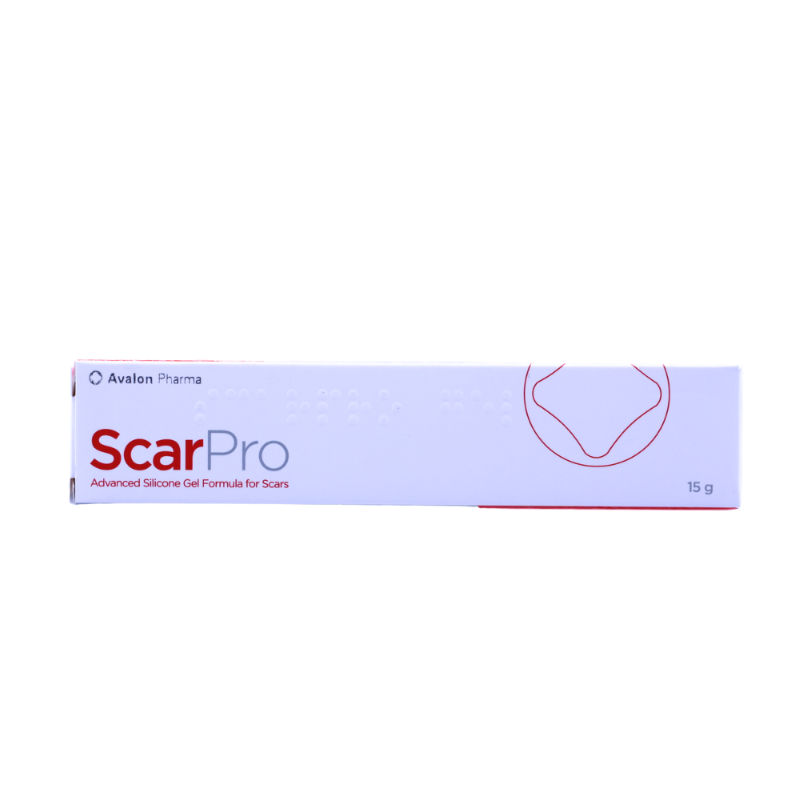
Medications > Dermatology Medications
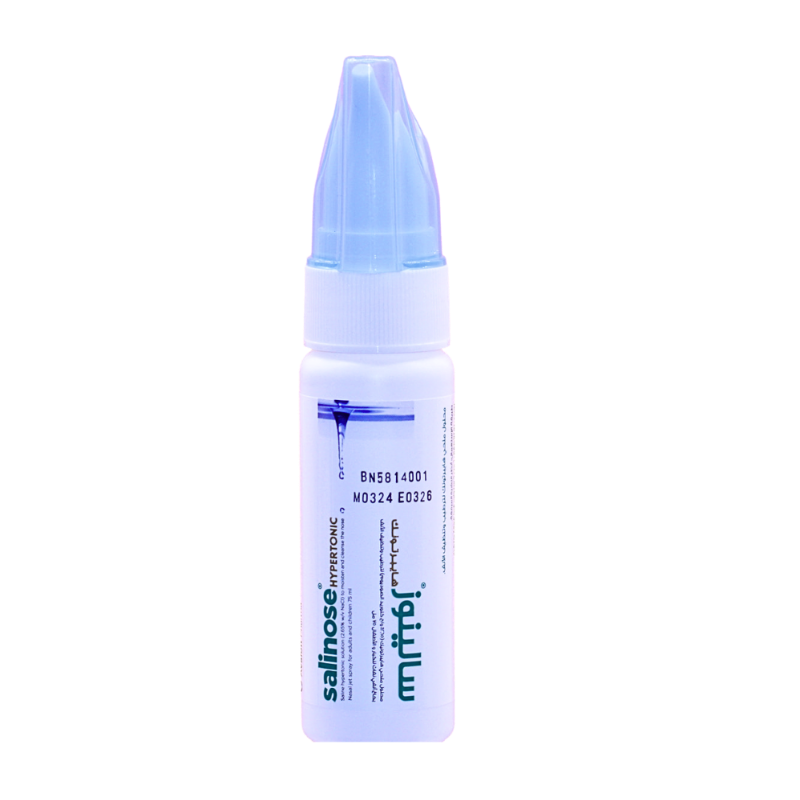
Medications > Cold, Cough, and Allergy Medications
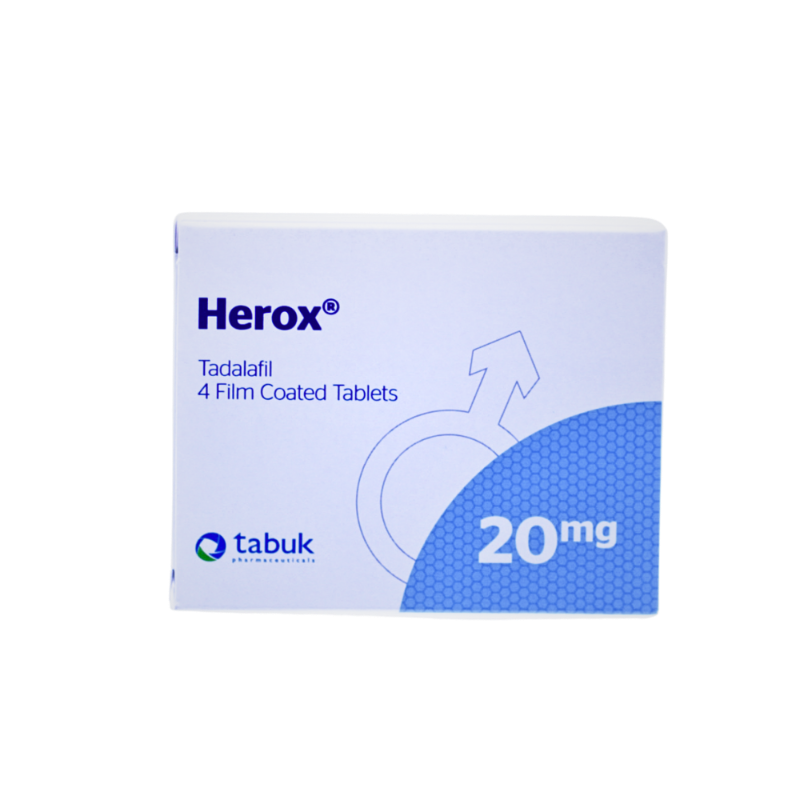
Medications > Sexual Health
