
Use Code: ND30 And Get 30% OFF | Get Free Delivery With No Minimum Order
-1744229570.gif "Almujtama Pharmacy logo")




Frequently bought together
Oral & Dental Care > Throat & Oral Care

Oral & Dental Care > Throat & Oral Care

Vitamins & Supplements > Vitamins and Minerals

Vitamins & Supplements > Vitamins and Minerals
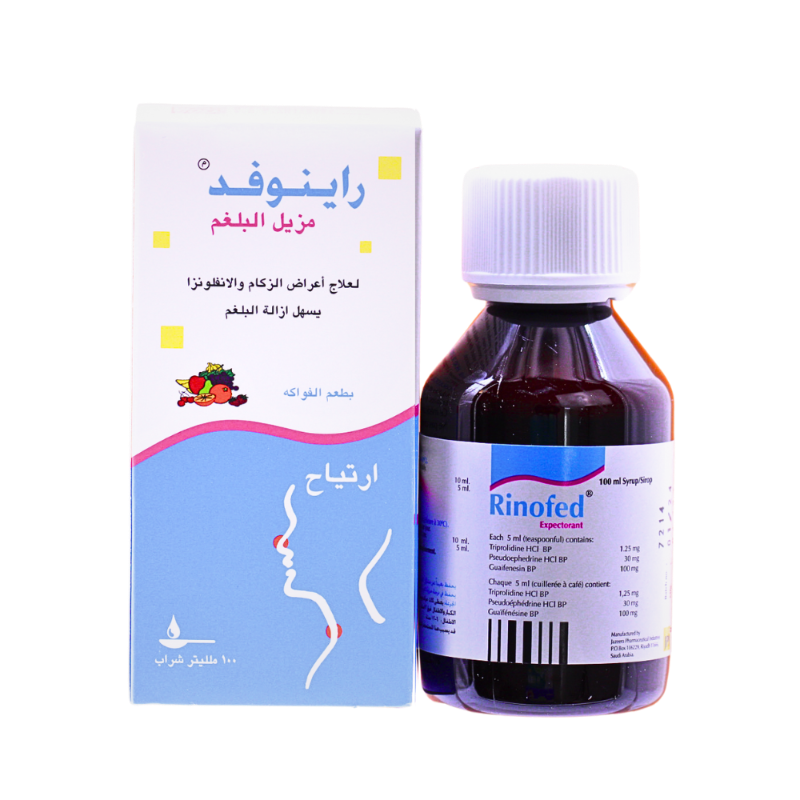
RINOFED EXPECTORANT SYRUP 100ML
- Sku : I-005590
Key features
RINOFED Expectorant Syrup 100 ml contains guaifenesin 20 mg/ml, pseudoephedrine hydrochloride 6 mg/ml and triprolidine 0.25 mg/ml. Guaifenesin thins and hydrates respiratory secretions to aid expectoration, pseudoephedrine causes nasal mucosal vasoconstriction to reduce congestion, and triprolidine is an H1 antihistamine that lessens histamine‑mediated symptoms. It is indicated for symptomatic relief of productive cough with chest congestion and accompanying upper respiratory symptoms such as nasal congestion, rhinorrhea and sneezing due to the common cold or allergic rhinitis (including hay fever). Available over the counter as a 100 ml syrup.- Brand: RINOFED
- Active Ingredient: GUAIFENESIN 20mg/ml, PSEUDOEPHEDRINE HYDROCHLORIDE 6mg/ml, TRIPROLIDINE 0.25mg/ml
- Strength: 20,6,0.25mg/ml
- Dosage Form: Syrup
- Pack Size: 100 ml
- Route: Oral use
- Prescription Status: OTC
- Therapeutic Class: Respiratory
- Pharmacological Group: Nasal Preparations
- Drug Class: Combination product: Expectorant (guaifenesin) + Sympathomimetic nasal decongestant (pseudoephedrine HCl) + First‑generation H1 antihistamine (triprolidine).
- Manufacturer: Jazeera Pharmaceutical Industries (JPI)
- Country of Origin: Saudi Arabia
- SFDA Registration No.: 0408257919
- Shelf Life: 36 months
- Storage: store below 25°c
- Symptom Target: Cough, Congestion, Runny Nose, Allergy, Multi-symptom
- Sedating: Yes
Frequently bought together
Oral & Dental Care > Throat & Oral Care
Oral & Dental Care > Throat & Oral Care
Vitamins & Supplements > Vitamins and Minerals
Vitamins & Supplements > Vitamins and Minerals
Indications
Approved Uses
Symptomatic relief of cough with chest congestion (productive cough) and associated upper respiratory symptoms such as nasal congestion, rhinorrhea, and sneezing due to the common cold and allergic rhinitis (including hay fever).
Dosage & Administration
Dosing by Condition
For cough with chest congestion and nasal/allergic symptoms (oral syrup): Adults and ≥12 years: 10 mL every 4-6 hours as needed (max 4 doses/24 h). Children 6-12 years: 5 mL every 4-6 hours (max 4 doses/24 h). Children 2-6 years: 2.5 mL every 4-6 hours (max 4 doses/24 h). Do not use in children <2 years unless directed by a clinician.
Dose Adjustment Notes
No routine dose adjustment is defined, but use caution in older adults (greater sensitivity to sedation/anticholinergic and sympathomimetic effects) and in moderate-severe renal impairment (pseudoephedrine is primarily renally eliminated); use caution in hepatic impairment due to triprolidine metabolism.
How to Take
Shake well before use. Measure doses with a calibrated oral syringe/medicine spoon/cup (do not estimate). May be taken with or without food; take with food if stomach upset occurs. Do not exceed the recommended dose or frequency.
Side Effects
Common Side Effects
Drowsiness/sedation, dizziness, dry mouth/throat/nose, nausea/GI upset, headache, nervousness or insomnia, blurred vision, palpitations/tachycardia, and urinary hesitancy/retention (especially in men with BPH).
Side Effect Frequency
Frequency is not reliably quantifiable for this exact fixed-dose OTC combination across labels; counsel that common effects include drowsiness/sedation and dry mouth/throat/nose, with less common effects including dizziness, nausea, headache, nervousness/insomnia, blurred vision, palpitations/tachycardia, and urinary retention.
Safety & Warnings
Contraindications
Hypersensitivity to ingredients; concomitant use of MAO inhibitors or within 14 days of stopping; severe hypertension; severe coronary artery disease; narrow-angle glaucoma; urinary retention/prostatic hypertrophy; hyperthyroidism; children <2 years.
Warnings & Precautions
Use with caution in hypertension, ischemic heart disease/arrhythmias, diabetes, hyperthyroidism, glaucoma/increased intraocular pressure, prostatic hypertrophy/urinary retention, and renal impairment; may cause drowsiness/dizziness-avoid driving/operating machinery; avoid alcohol/CNS depressants; avoid other products containing decongestants/antihistamines; do not exceed recommended dose and avoid near bedtime if insomnia occurs.
Age Restriction
Do not use in children <2 years; for children 2-<12 years use only on doctor’s advice; routine OTC dosing from ≥12 years.
Driving Warning
Avoid Driving
Drug Interactions
Drug Interactions
MAO inhibitors (contraindicated-hypertensive crisis); other sympathomimetics/decongestants (additive CV/CNS effects); tricyclic antidepressants (potentiate sympathomimetic effects); antihypertensives including beta‑blockers/methyldopa (reduced antihypertensive effect/possible BP rise); alcohol and other CNS depressants/sedatives (additive sedation with triprolidine).
Interaction Severity
MAJOR/Contraindicated: MAO inhibitors (and within 14 days of stopping) due to risk of hypertensive crisis with pseudoephedrine. MODERATE: Other CNS depressants (including alcohol) may increase sedation (triprolidine); tricyclic antidepressants and other sympathomimetics can potentiate pressor/CNS effects; antihypertensives may have reduced effect. Use caution with beta‑blockers and other agents affecting BP/HR. MINOR: Other anticholinergic/antihistamine drugs may increase anticholinergic effects.
Alcohol Interaction
Avoid
Special Populations
Pregnancy
Consult Doctor
Breastfeeding
Consult Doctor
Elderly
Start at lower end of dose range; elderly patients are more susceptible to anticholinergic effects of triprolidine (confusion, urinary retention, constipation) and cardiovascular effects of pseudoephedrine. Monitor closely.
Kidney Impairment
No specific dose adjustment established; use with caution in moderate-severe renal impairment and consider dose reduction/extended interval in severe renal impairment.
Liver Impairment
No specific dose adjustment established; use with caution in hepatic impairment (especially severe).
Storage & Patient Advice
Missed Dose
Take as soon as remembered; skip if near the time of the next dose. Do not double the dose.
Stopping the Medicine
Safe to stop anytime; this is a symptomatic treatment with no dependence or withdrawal effects.
Overdose
Symptoms: CNS depression or stimulation (drowsiness, agitation, hallucinations, seizures), tachycardia/arrhythmias, hypertension (or hypotension), anticholinergic effects (dry mouth, mydriasis), urinary retention; Management: stop drug, urgent medical evaluation/poison center, supportive care (airway/ventilation, cardiac/BP monitoring), consider activated charcoal if early and appropriate.
Patient Counseling
Measure doses accurately and do not exceed the maximum daily dosing. May cause drowsiness and blurred vision-avoid driving/operating machinery until effects are known; avoid alcohol and other sedatives. Do not use with (or within 14 days of) MAOIs. Check other cold/cough/allergy products to avoid duplicate pseudoephedrine/antihistamines. Seek medical advice before use if you have hypertension/heart disease, hyperthyroidism, glaucoma, diabetes, or difficulty urinating/BPH; stop and seek care for severe palpitations, chest pain, or allergic reaction. If symptoms persist >7 days, worsen, or are accompanied by high fever, consult a clinician. Store below 25°C.
Monitoring Requirements
No routine monitoring required in healthy individuals. Monitor blood pressure in hypertensive patients.
Pharmacology
Mechanism of Action
Guaifenesin increases hydration of respiratory secretions and reduces mucus viscosity to aid expectoration. Pseudoephedrine is a sympathomimetic that stimulates adrenergic receptors (predominantly alpha effects) causing vasoconstriction in nasal mucosa to reduce congestion. Triprolidine is a first‑generation H1 receptor antagonist with anticholinergic and sedative properties that reduces histamine‑mediated symptoms (sneezing, rhinorrhea).
Onset of Action
Typically within ~15-30 minutes for symptom relief after an oral immediate‑release dose (with peak effects often around 1-2 hours).
Duration of Effect
4-6 hours
Bioavailability
Guaifenesin: well absorbed orally (absolute bioavailability not consistently defined). Pseudoephedrine: high oral bioavailability (commonly reported ~90% or higher). Triprolidine: well absorbed orally; absolute bioavailability not consistently defined.
Metabolism
Guaifenesin: rapidly metabolized (primarily hepatic) to inactive metabolites and excreted in urine. Pseudoephedrine: minimal hepatic metabolism; largely excreted unchanged in urine (renal clearance affected by urinary pH). Triprolidine: hepatic metabolism (CYP involvement reported, including CYP2D6) with renal excretion of metabolites.
Excretion
Guaifenesin: Renal (as metabolites). Pseudoephedrine: Renal (primarily as unchanged drug). Triprolidine: Renal (primarily as metabolites).
Protein Binding
Guaifenesin: Unknown; Pseudoephedrine: ~20%; Triprolidine: ~Unknown
Product Information
Available Dosage Forms
Syrup
Composition per Dose
Each 5 ml: Guaifenesin 100 mg + Pseudoephedrine hydrochloride 30 mg + Triprolidine hydrochloride 1.25 mg
OTC Alternatives
Depending on symptoms: (1) Expectorant only: guaifenesin single‑ingredient syrup/tablets. (2) Decongestant: pseudoephedrine (where available) or topical nasal decongestants for short courses. (3) Antihistamine: non‑sedating options such as loratadine or cetirizine for allergic symptoms. (4) Combination cold products only if avoiding duplicate ingredients.
Symptom Target
Cough, Congestion, Runny Nose, Allergy, Multi-symptom
Sedating
Yes
Reviewed by Al Mujtama Pharmacy Medical Review Team. Last reviewed 11-06-2026
Similar Products
Medications > Gastrointestinal Medications

Medications > Gastrointestinal Medications
Medications > Painkillers and Antipyretics
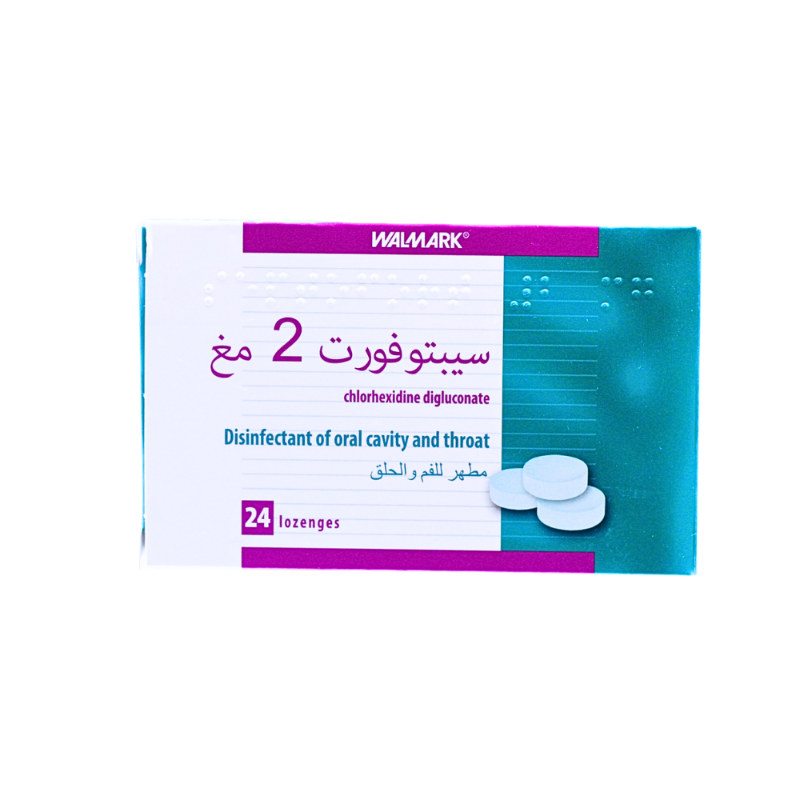
Medications > Cold, Cough, and Allergy Medications
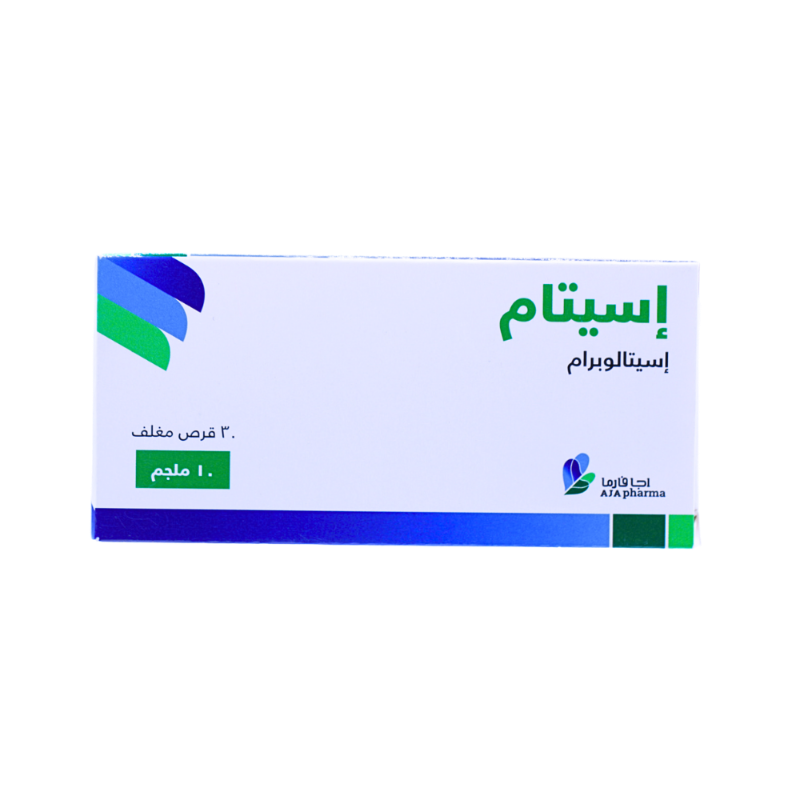
Medications > Psychiatric Medications
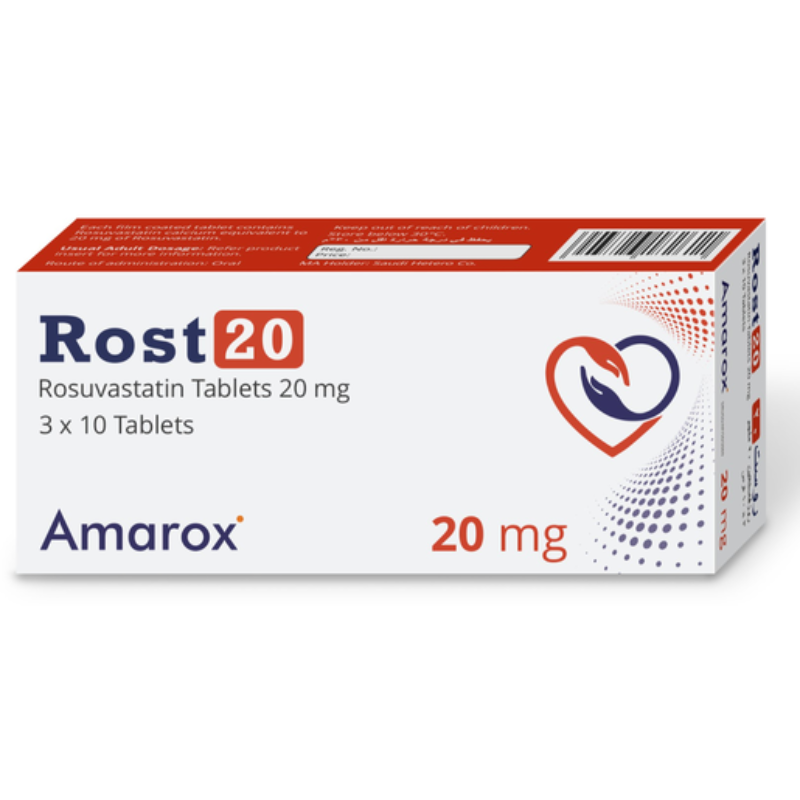
Medications > Cholesterol Medications

Medications > Contraceptives and Hormonal Medications
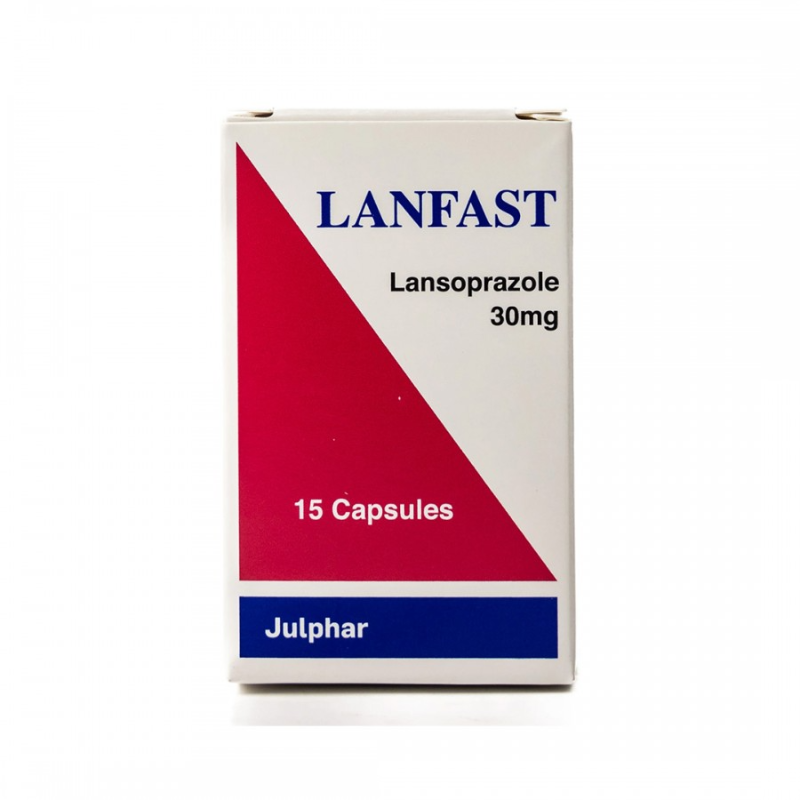
Medications > Gastrointestinal Medications
Medications > Hypertesion & Cardiovascular Medications
Medications > Psychiatric Medications
