
Use Code: ND30 And Get 30% OFF | Get Free Delivery With No Minimum Order
-1744229570.gif "Almujtama Pharmacy logo")




Frequently bought together
Oral & Dental Care > Throat & Oral Care
Vitamins & Supplements > Vitamins and Minerals
Vitamins & Supplements > Vitamins and Minerals
Vitamins & Supplements > Vitamins and Minerals
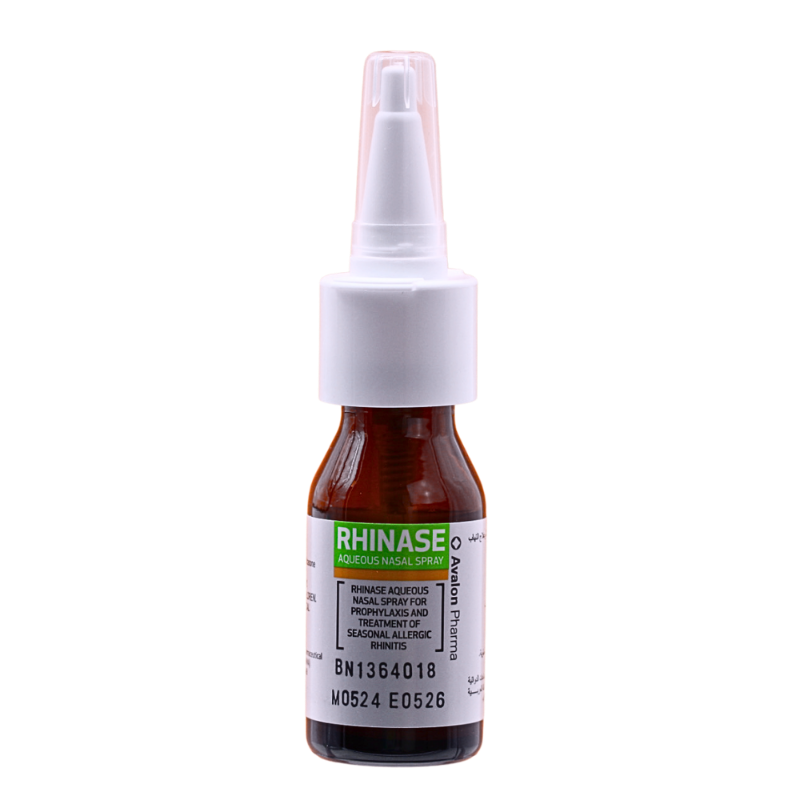
RHINASE 0.05% AQUA NASAL SP 120/SPRAYS
- Sku : I-022922
Key features
RHINASE 0.05% Aqua Nasal SP (120 sprays) is a nasal spray containing the active ingredient fluticasone propionate 0.05%. As an intranasal corticosteroid, it binds glucocorticoid receptors in the nasal mucosa to downregulate inflammatory mediators and reduce mucosal swelling and secretions. It is used for management of nasal symptoms of seasonal and perennial allergic rhinitis, including nasal congestion, rhinorrhea and sneezing, and may be used for nonallergic rhinitis according to local labeling. Available OTC as a single 120-spray unit.- Brand: RHINASE
- Active Ingredient: FLUTICASONE PROPIONATE
- Strength: 0.05%
- Dosage Form: Nasal spray
- Pack Size: 1 Unit
- Route: Nasal use
- Prescription Status: OTC
- Therapeutic Class: Respiratory
- Pharmacological Group: Nasal Preparations
- Drug Class: Intranasal Corticosteroid (Glucocorticoid)
- Manufacturer: (Avalon Pharma) Middle East Pharmaceutical Industries Co. Ltd
- Country of Origin: Saudi Arabia
- SFDA Registration No.: 0206245388
- Shelf Life: 24 months
- Storage: store below 30°c
- Symptom Target: Allergy, Congestion, Runny Nose
- Sedating: No
Frequently bought together
Oral & Dental Care > Throat & Oral Care
Vitamins & Supplements > Vitamins and Minerals
Vitamins & Supplements > Vitamins and Minerals
Vitamins & Supplements > Vitamins and Minerals
Indications
Approved Uses
Management of nasal symptoms of seasonal allergic rhinitis and perennial allergic rhinitis; may also be used for nonallergic rhinitis depending on local labeling.
Off-Label Uses
Chronic rhinosinusitis (with or without nasal polyps) as part of medical management; eustachian tube dysfunction/otitis media with effusion and adenoid hypertrophy are sometimes used in practice but evidence/labeling varies.
Dosage & Administration
Dosing by Condition
Allergic rhinitis: Adults/adolescents ≥12 years: 2 sprays per nostril once daily initially (total 200 mcg/day), then reduce to 1 spray per nostril once daily (100 mcg/day) when controlled. Children 4-11 years: 1 spray per nostril once daily (100 mcg/day).
Initial Dose
Adults and adolescents ≥12 years: 2 sprays (50 mcg each) per nostril once daily (total 200 mcg/day)
Maintenance Dose
1 spray per nostril once daily (total 100 mcg/day) once symptoms are controlled
Maximum Dose
Adults/adolescents (≥12 years): up to 2 sprays per nostril once daily (total 200 mcg/day); Children 4-11 years: 1 spray per nostril once daily (total 100 mcg/day).
Children's Dosage
Children 4-11 years: 1 spray (50 mcg) per nostril once daily (100 mcg/day); not recommended under 4 years of age
Dose Adjustment Notes
Titrate to the lowest effective dose for maintenance; no routine dose adjustment is required in renal or hepatic impairment at usual intranasal doses due to low systemic bioavailability, but use caution with strong CYP3A4 inhibitors.
How to Take
For intranasal use only. Gently shake. Prime the pump before first use (typically 6 sprays) and re-prime if not used for several days (per product leaflet). Blow nose, tilt head slightly forward, insert nozzle, aim away from the nasal septum toward the outer wall, spray while breathing in gently, then breathe out through the mouth; repeat in the other nostril. Avoid eyes; wipe nozzle and replace cap after use.
How to Prepare
Prime the pump before first use until a fine mist appears (commonly ~6 actuations); re-prime if not used for a prolonged period per the product leaflet. Shaking is not a universal requirement for aqueous fluticasone sprays-follow the specific RHINASE leaflet.
Side Effects
Common Side Effects
Epistaxis (nosebleed), nasal irritation/burning, nasal dryness, headache, unpleasant taste/smell, throat irritation/pharyngitis.
Side Effect Frequency
Common: epistaxis, nasal irritation/burning/dryness, headache, unpleasant taste/smell, throat irritation/pharyngitis. Uncommon/Rare: nasal septal perforation, hypersensitivity reactions; very rare/with prolonged high exposure: glaucoma, cataracts, adrenal suppression (risk increased with strong CYP3A4 inhibitors).
Safety & Warnings
Contraindications
Hypersensitivity to fluticasone propionate or any excipients.
Warnings & Precautions
Avoid use with unhealed nasal ulcers or after nasal surgery/trauma until healed; monitor nasal mucosa for epistaxis/ulceration and rare septal perforation; use caution with ocular disease (glaucoma/cataracts); monitor for systemic corticosteroid effects (adrenal suppression, growth effects in children) especially with high doses or strong CYP3A4 inhibitors; use caution in patients with untreated/local infections or TB; avoid spraying into eyes; when switching from systemic steroids, watch for adrenal insufficiency.
Age Restriction
Not recommended for children under 4 years of age (OTC use); for ages 4-11 use pediatric dosing; <4 only if specifically directed by a physician.
Driving Warning
Safe
Drug Interactions
Drug Interactions
Avoid/closely monitor with strong CYP3A4 inhibitors (especially ritonavir/cobicistat; also ketoconazole/itraconazole/clarithromycin) due to increased systemic steroid exposure and adrenal suppression; additive effects possible with other corticosteroids.
Interaction Severity
MAJOR: Strong CYP3A4 inhibitors (especially ritonavir or cobicistat; also ketoconazole/itraconazole) can markedly increase systemic fluticasone exposure causing adrenal suppression/Cushing’s-avoid if possible. MODERATE: Other CYP3A4 inhibitors (e.g., clarithromycin/erythromycin, diltiazem/verapamil, fluconazole) may increase exposure-use caution/monitor. ADDITIVE: Concurrent corticosteroids may increase systemic steroid burden.
Food Interaction
No clinically meaningful food interaction; grapefruit juice is not routinely restricted, but strong CYP3A4 inhibition (including large grapefruit intake) could theoretically increase systemic exposure-main concern is with potent CYP3A4 inhibitors (e.g., ritonavir/cobicistat).
Alcohol Interaction
Safe
Special Populations
Pregnancy
Consult Doctor
Breastfeeding
Consult Doctor
Children
Children 4-11 years: 1 spray (50 mcg) per nostril once daily (100 mcg/day); not recommended under 4 years of age
Kidney Impairment
No adjustment needed.
Liver Impairment
No routine dose adjustment; use with caution in moderate-severe hepatic impairment and monitor for systemic corticosteroid effects.
Storage & Patient Advice
Preparation Instructions
Prime the pump before first use until a fine mist appears (commonly ~6 actuations); re-prime if not used for a prolonged period per the product leaflet. Shaking is not a universal requirement for aqueous fluticasone sprays-follow the specific RHINASE leaflet.
Missed Dose
Use the missed dose as soon as remembered the same day; if it is close to the next scheduled dose, skip the missed dose and resume the regular schedule-do not double doses.
Stopping the Medicine
Do not stop abruptly if used regularly for long periods or at higher-than-recommended doses; reduce to the lowest effective dose and consult a clinician if symptoms worsen. Abrupt discontinuation is generally acceptable after short-term use at recommended intranasal doses.
Overdose
Acute intranasal overdose is unlikely to cause significant toxicity; chronic excessive dosing may cause systemic corticosteroid effects (e.g., adrenal suppression/Cushingoid features); manage by stopping/reducing, supportive care, and assess HPA axis if symptomatic or prolonged high-dose exposure; seek urgent care if large oral ingestion occurs.
Patient Counseling
Use regularly (daily) for best effect; onset may be within 12-24 hours but maximum benefit often takes several days up to ~1-2 weeks. Prime before first use and re-prime if unused for a prolonged period per product instructions; aim the nozzle slightly outward away from the nasal septum, avoid eyes, and do not exceed labeled dose. Seek advice if frequent nosebleeds, significant irritation/ulceration, visual changes, or no improvement after an appropriate trial; caution with strong CYP3A4 inhibitors (e.g., ritonavir/cobicistat) due to increased systemic steroid exposure. Store below 30°C (per SFDA).
Monitoring Requirements
For prolonged/recurrent use: periodic nasal examination for mucosal irritation, ulceration, epistaxis, or septal perforation; monitor growth in children with long-term use; assess for ocular effects (glaucoma/cataracts) and rare systemic corticosteroid effects, especially with CYP3A4 inhibitors.
Pharmacology
Mechanism of Action
Intranasal corticosteroid: binds glucocorticoid receptors in nasal mucosa to downregulate inflammatory gene transcription and mediator release (e.g., cytokines, leukotrienes), reducing mucosal edema, congestion, rhinorrhea, and sneezing.
Onset of Action
Some symptom improvement may occur within ~12 hours, but maximal benefit typically requires several days and may take 1-2 weeks of regular daily use.
Duration of Effect
Up to 24 hours with once-daily dosing after regular use.
Bioavailability
Very low systemic bioavailability after intranasal use, typically reported as <2% (often ~<1%).
Metabolism
Extensive hepatic first-pass metabolism predominantly via CYP3A4 to inactive metabolites (including the 17β-carboxylic acid metabolite).
Excretion
Primarily fecal excretion via biliary elimination of metabolites; renal excretion is minimal (generally <5%).
Protein Binding
Approximately 99%.
Product Information
Available Dosage Forms
Aqueous nasal spray.
Composition per Dose
Each spray (100 mcL): 50 mcg fluticasone propionate (0.05%)
Generic Availability
Yes
OTC Alternatives
Other OTC intranasal corticosteroids for allergic rhinitis (e.g., budesonide, triamcinolone, mometasone where available OTC) and OTC oral second‑generation antihistamines (e.g., loratadine, cetirizine, fexofenadine); cromolyn sodium nasal spray is an OTC non-steroid option in some markets.
Symptom Target
Allergy, Congestion, Runny Nose
Sedating
No
Reviewed by Al Mujtama Pharmacy Medical Review Team. Last reviewed 27-08-2026
Similar Products
Medications > Painkillers and Antipyretics
Medications > Painkillers and Antipyretics
Medications > Gastrointestinal Medications
Medications > Gastrointestinal Medications
Medications > Sexual Health
Medications > Gastrointestinal Medications
Medications > Dermatology Medications
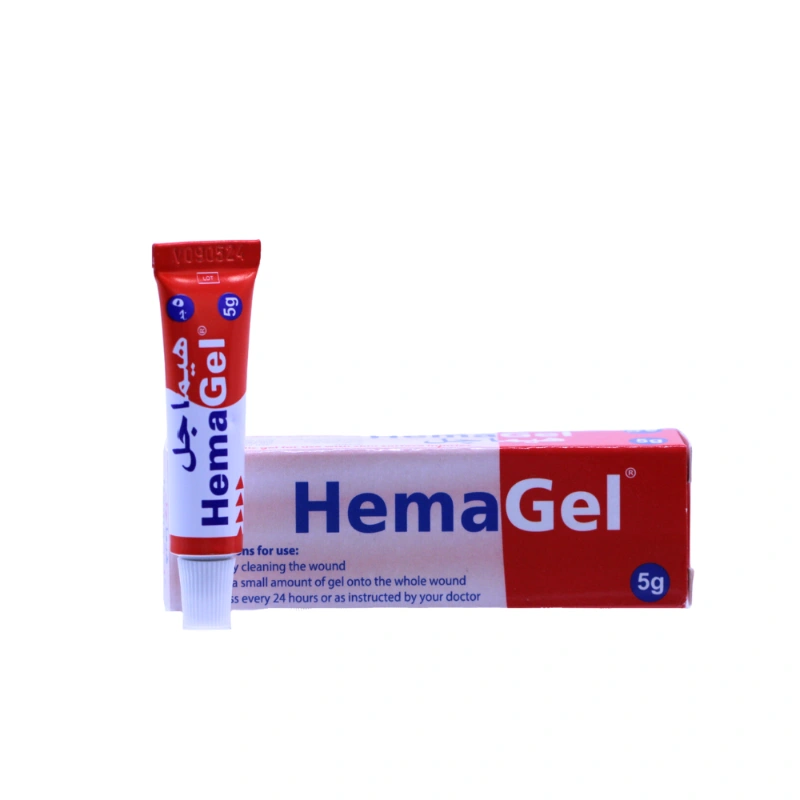
Medications > Dermatology Medications
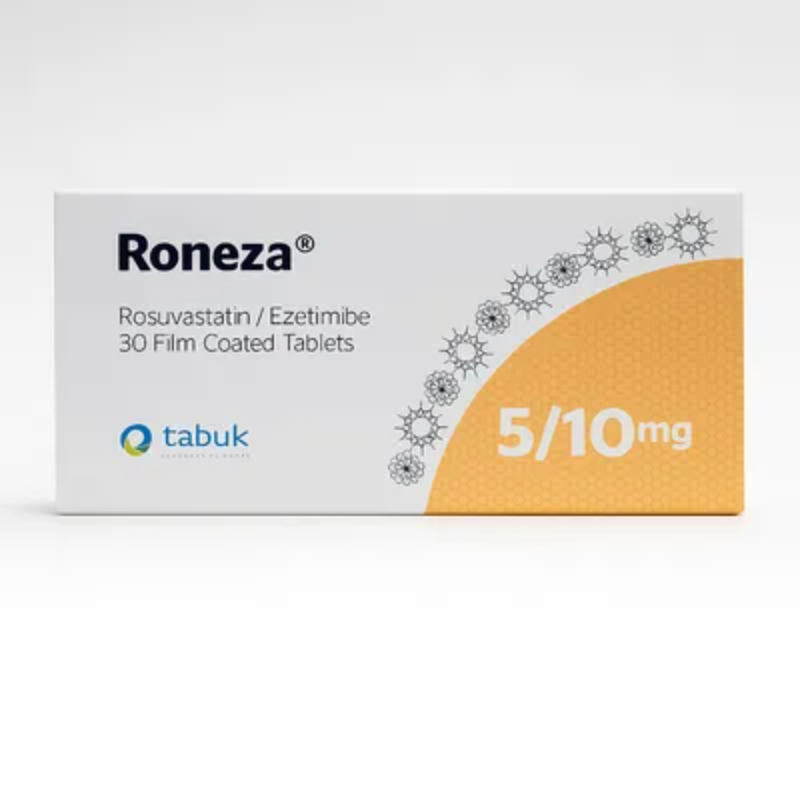
Medications > Cholesterol Medications
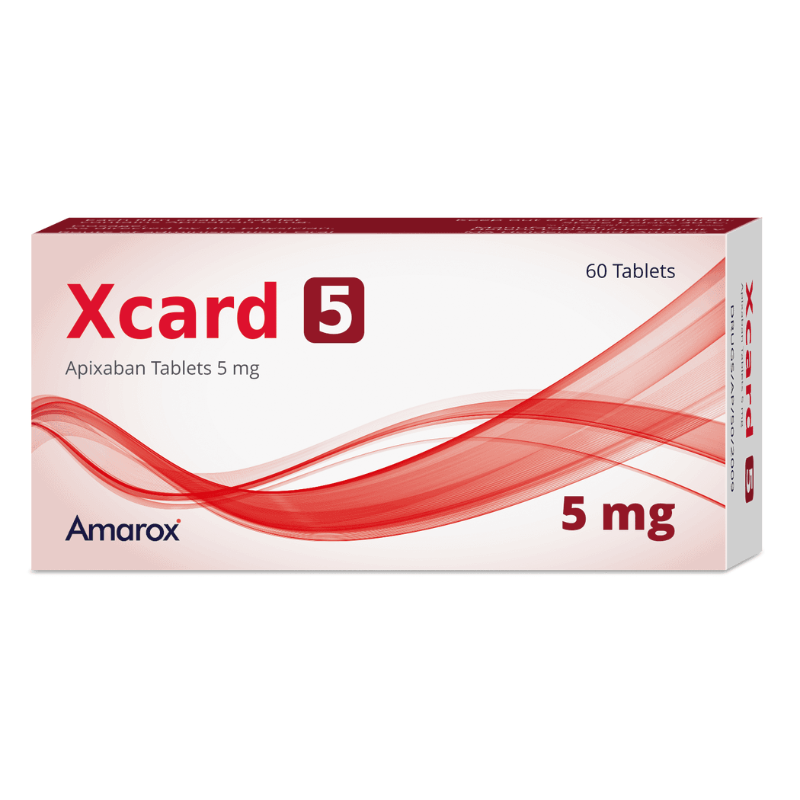
Medications > Hypertesion & Cardiovascular Medications
