
Use Code: ND30 And Get 30% OFF | Get Free Delivery With No Minimum Order
-1744229570.gif "Almujtama Pharmacy logo")




Frequently bought together
Vitamins & Supplements > Natural Supplements
Vitamins & Supplements > Natural Supplements
Vitamins & Supplements > Probiotecs
Vitamins & Supplements > Probiotecs
Vitamins & Supplements > Natural Supplements
Vitamins & Supplements > Probiotecs
ZORON 8/MG TAB 10/TAB
- Sku : I-033429
Key features
ZORON 8 mg Film-coated tablet 10 Tab is a film-coated tablet containing ondansetron 8 mg as the active ingredient. It acts as a 5-HT3 receptor antagonist, blocking serotonin-mediated signals involved in the vomiting reflex. It is indicated for prevention of nausea and vomiting associated with cancer chemotherapy, radiotherapy, and postoperative settings. Supplied in packs of 10 film-coated tablets and available by prescription.- Brand: ZORON
- Active Ingredient: ONDANSETRON 8mg
- Strength: 8mg
- Dosage Form: Film-coated tablet
- Pack Size: 10 Tablets
- Route: Oral use
- Prescription Status: Prescription
- Therapeutic Class: Alimentary Tract & Metabolism
- Drug Class: 5-HT3 Receptor Antagonist (Serotonin Antagonist Antiemetic)
- Manufacturer: Jamjoom Pharmaceuticals Factory Company
- Country of Origin: Saudi Arabia
- SFDA Registration No.: 1001233084
- Shelf Life: 36 months
- Storage: store below 30°c
- Gi Condition: Nausea/Vomiting
Frequently bought together
Vitamins & Supplements > Natural Supplements
Vitamins & Supplements > Natural Supplements
Vitamins & Supplements > Probiotecs
Vitamins & Supplements > Probiotecs
Vitamins & Supplements > Natural Supplements
Vitamins & Supplements > Probiotecs
Indications
Approved Uses
Prevention of nausea and vomiting associated with cancer chemotherapy; prevention of nausea and vomiting associated with radiotherapy; prevention of postoperative nausea and vomiting (PONV).
Dosage & Administration
Dosing by Condition
Chemotherapy-induced N/V (adult oral): 8 mg 30 minutes before chemotherapy, then 8 mg 8 hours later; thereafter 8 mg every 12 hours for 1-2 days (moderately emetogenic). For highly emetogenic chemotherapy: 24 mg orally 30 minutes before chemotherapy (typically with dexamethasone). Radiotherapy-induced N/V: 8 mg 1-2 hours before radiotherapy, then 8 mg every 8 hours after (duration varies by fractionation). PONV prophylaxis: 16 mg orally 1 hour before induction of anesthesia.
Initial Dose
8 mg orally 30 minutes before chemotherapy or radiotherapy
Maintenance Dose
8 mg every 12 hours for 1 to 2 days after completion of chemotherapy (for moderately emetogenic chemotherapy); dosing intervals vary by indication
Maximum Dose
Oral: up to 24 mg as a single dose for highly emetogenic chemotherapy (adult); do not exceed 24 mg/day for oral dosing in typical regimens (8 mg BID is common for other indications).
Children's Dosage
4 to 11 years (moderately emetogenic chemotherapy): 4 mg 30 min before chemo, then 4 mg at 4 and 8 hours, then 4 mg every 8 hours for 1-2 days; 12-17 years: adult dose (8 mg).
Dose Adjustment Notes
Severe hepatic impairment (Child‑Pugh ≥10/Child‑Pugh C): total daily dose should not exceed 8 mg. No dosage adjustment is required in renal impairment.
How to Take
Swallow the 8 mg film‑coated tablet whole with water; may be taken with or without food. For prevention of CINV/RINV/PONV, administer at the timing specified for the indication (e.g., before chemotherapy/radiotherapy or before anesthesia) per the prescribed regimen.
Side Effects
Common Side Effects
Headache, constipation, diarrhea, dizziness (and sometimes fatigue); less commonly somnolence/drowsiness. (Injection-site reactions apply only to parenteral formulations.)
Side Effect Frequency
Very common: headache. Common: constipation, diarrhea, fatigue/malaise, dizziness. QT prolongation/arrhythmias and hypersensitivity are uncommon/rare but clinically important.
Safety & Warnings
Contraindications
Hypersensitivity to ondansetron (or other 5‑HT3 antagonists) and concomitant use with apomorphine; avoid/use contraindicated in congenital long QT syndrome per many product labels due to QT risk.
Warnings & Precautions
QT prolongation risk (avoid in congenital long QT; caution with electrolyte abnormalities, heart failure, bradyarrhythmias, and QT‑prolonging drugs; correct hypokalemia/hypomagnesemia); serotonin syndrome risk with serotonergic agents; may mask progressive ileus/gastric distension; caution in hepatic impairment.
Age Restriction
Oral ondansetron tablets: approved for children 4 years and older for chemotherapy-induced nausea/vomiting (4-11 years: 4 mg; ≥12 years: adult dose); safety and efficacy not established in children <4 years.
Driving Warning
May Cause Drowsiness
Drug Interactions
Drug Interactions
Key interactions: apomorphine (contraindicated); other QT‑prolonging drugs (additive QT risk); serotonergic drugs (SSRI/SNRI/MAOI, tramadol, etc.-serotonin syndrome risk); strong CYP3A4 inducers (phenytoin, carbamazepine, rifampin-reduced ondansetron exposure/efficacy).
Interaction Severity
MAJOR/Contraindicated: apomorphine (risk of profound hypotension and loss of consciousness). MODERATE: other serotonergic drugs (e.g., SSRIs/SNRIs/MAOIs, linezolid, triptans) due to serotonin syndrome risk; QT‑prolonging drugs and risk factors (additive QT prolongation/torsades risk). MINOR: strong CYP inducers (e.g., rifampin, phenytoin, carbamazepine) may reduce ondansetron exposure; tramadol may have reduced analgesic effect and additive serotonergic risk (generally moderate/clinical monitoring).
Special Populations
Breastfeeding
Caution
Children
4 to 11 years (moderately emetogenic chemotherapy): 4 mg 30 min before chemo, then 4 mg at 4 and 8 hours, then 4 mg every 8 hours for 1-2 days; 12-17 years: adult dose (8 mg).
Elderly
Standard adult dosing - no routine dose reduction required, but use with caution due to increased risk of QT prolongation
Kidney Impairment
No adjustment needed
Liver Impairment
Severe hepatic impairment (Child‑Pugh C or score ≥10): maximum total daily dose 8 mg; mild-moderate impairment: no adjustment.
Storage & Patient Advice
Overdose
Symptoms may include visual disturbances/transient blindness, severe constipation, hypotension/vasovagal episodes, and cardiac conduction effects including QT prolongation/arrhythmias; management is supportive/symptomatic (no specific antidote) and dialysis is unlikely to help.
Monitoring Requirements
ECG monitoring in patients with risk factors for QT prolongation (e.g., congenital long QT, CHF, bradyarrhythmias) or when used with other QT‑prolonging drugs; monitor/correct electrolytes (K+, Mg2+) in at‑risk patients.
Pharmacology
Half-Life
Approximately 3-6 hours in adults (commonly ~5-6 hours).
Bioavailability
Approximately 60%.
Metabolism
Extensive hepatic metabolism primarily via CYP3A4, CYP2D6, and CYP1A2 (multiple pathways; no single enzyme predominates).
Product Information
Available Dosage Forms
Ondansetron is available (by product line, depending on market) as film‑coated tablets, orally disintegrating tablets, oral solution, and injection (IV/IM). For ZORON specifically per SFDA: film‑coated tablet.
Composition per Dose
Each film-coated tablet: 8 mg ondansetron (as ondansetron hydrochloride dihydrate)
Generic Availability
Yes
Gi Condition
Nausea/Vomiting
Reviewed by Al Mujtama Pharmacy Medical Review Team. Last reviewed 24-06-2026
Similar Products
Medications > Eye and Ear Medications
Medications > Gastrointestinal Medications
Medications > Painkillers and Antipyretics
Medications > Diabetes Medications
Medications > Cold, Cough, and Allergy Medications
Medications > Painkillers and Antipyretics
Medications > Painkillers and Antipyretics
Medications > Sexual Health
Medications > Sexual Health
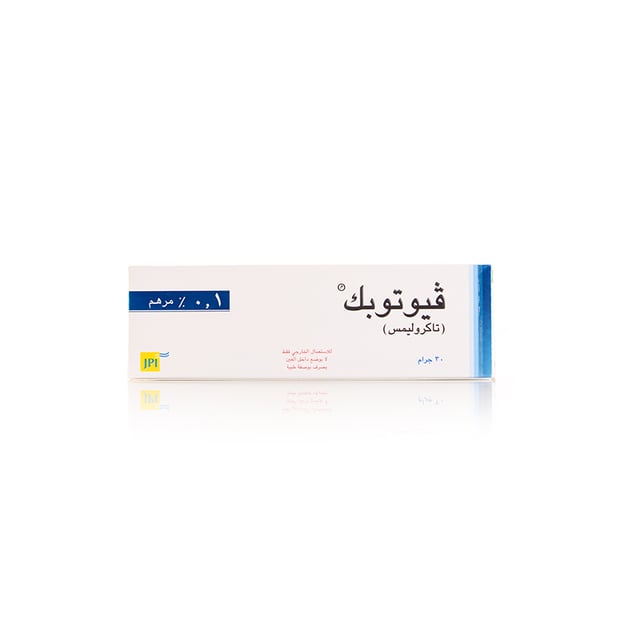
Medications > Dermatology Medications
