
Use Code: ND30 And Get 30% OFF | Get Free Delivery With No Minimum Order
-1744229570.gif "Almujtama Pharmacy logo")




Frequently bought together
Vitamins & Supplements > Natural Supplements

Vitamins & Supplements > Natural Supplements

Vitamins & Supplements > Probiotecs
Vitamins & Supplements > Probiotecs
Vitamins & Supplements > Probiotecs
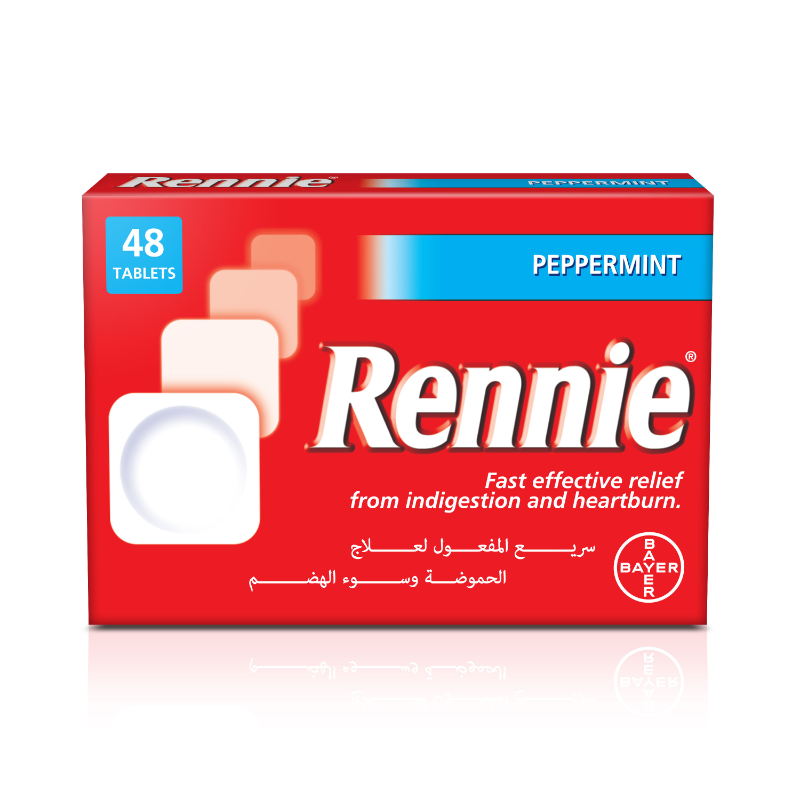
RENNIE TAB 48/TAB
- Sku : I-005469
Key features
RENNIE Tab is an antacid tablet containing calcium carbonate 680 mg and magnesium carbonate 80 mg. It works by locally neutralizing gastric hydrochloric acid, raising intragastric pH and reducing pepsin activity to provide rapid relief. It is used for the symptomatic relief of heartburn, acid indigestion/dyspepsia and other acid-related stomach complaints, including reflux-related symptoms. Available OTC in tablet form in packs of 48 tablets.- Brand: RENNIE
- Active Ingredient: CALCIUM CARBONATE 680mg, MAGNESIUM CARBONATE 80mg
- Strength: 680,80mg
- Dosage Form: Tablet
- Pack Size: 48 Tablets
- Route: Oral use
- Prescription Status: OTC
- Drug Class: Antacid (calcium carbonate + magnesium carbonate combination).
- Manufacturer: DELPHARM GAILLARD
- Country of Origin: France
- SFDA Registration No.: 1-949-14
- Shelf Life: 36 months
- Storage: store below 25°c
- Gi Condition: Acid Reflux/GERD
Frequently bought together
Vitamins & Supplements > Natural Supplements
Vitamins & Supplements > Natural Supplements
Vitamins & Supplements > Probiotecs
Vitamins & Supplements > Probiotecs
Vitamins & Supplements > Probiotecs
Indications
Approved Uses
Symptomatic relief of heartburn, acid indigestion/dyspepsia, and other acid-related stomach complaints (including reflux-related symptoms).
Dosage & Administration
Dosing by Condition
Heartburn/acid indigestion: 1-2 tablets chewed or sucked as needed, preferably after meals and at bedtime; do not exceed 8 tablets in 24 hours; seek medical advice if symptoms persist beyond ~14 days.
Initial Dose
1-2 tablets as symptoms occur.
Maintenance Dose
1-2 tablets as needed. For heartburn, an additional 1-2 tablets may be taken between regular doses.
Maximum Dose
Maximum 10 tablets in 24 hours.
Dose Adjustment Notes
No routine dose adjustment for short-term OTC use in normal renal function; use with caution in mild-moderate renal impairment and avoid/contraindicate in severe renal impairment due to risk of hypermagnesemia/hypercalcemia-consider monitoring calcium/magnesium/phosphate if prolonged or high-dose use is necessary.
How to Take
Oral: chew or suck the tablet until fully dissolved, then swallow; water is not required. Take when symptoms occur, typically after meals and at bedtime.
Side Effects
Common Side Effects
Constipation; diarrhea/loose stools; nausea/abdominal discomfort; belching/flatulence. With excessive/prolonged use: hypercalcemia, hypermagnesemia (especially in renal impairment), and milk-alkali syndrome.
Side Effect Frequency
At recommended doses, adverse effects are generally uncommon; GI effects can occur (constipation more with calcium salts; diarrhea more with magnesium salts), and excessive/prolonged use can cause hypercalcemia and milk-alkali syndrome (and hypermagnesemia particularly in renal impairment); hypersensitivity reactions are very rare.
Safety & Warnings
Contraindications
Hypersensitivity to ingredients; severe renal impairment; hypercalcemia and conditions predisposing to hypercalcemia/hypercalciuria; nephrolithiasis (calcium stones); hypophosphataemia.
Warnings & Precautions
Do not use continuously for >14 days without medical advice; avoid excessive doses and large amounts of milk/dairy (milk-alkali risk); use caution in renal impairment; separate from other oral medicines by ≥2 hours; seek medical review if symptoms persist/alarms occur.
Drug Interactions
Interaction Severity
MODERATE (reduced absorption): tetracyclines, fluoroquinolones, bisphosphonates, levothyroxine, iron salts-separate administration (typically ≥2 hours; levothyroxine ≥4 hours).
Food Interaction
Can be taken after meals for better symptom control; avoid excessive milk/dairy or other high-calcium intake when using frequently/high doses (risk of hypercalcemia/milk-alkali syndrome).
Special Populations
Pregnancy
Consult Doctor
Elderly
Use with caution; start with lowest effective dose; monitor renal function and serum electrolytes with regular use due to increased risk of accumulation
Kidney Impairment
Mild-moderate renal impairment: use with caution and avoid prolonged/high-dose use; severe renal impairment: contraindicated/avoid.
Storage & Patient Advice
Missed Dose
Not applicable (PRN): take only when symptoms occur; do not double doses.
Stopping the Medicine
Safe to stop anytime.
Overdose
Symptoms: GI upset (nausea, vomiting, constipation), thirst/polyuria, weakness; severe/prolonged overdose may cause hypercalcemia, hypermagnesemia (especially in renal impairment), metabolic alkalosis/milk-alkali syndrome and renal dysfunction; management: stop product, ensure hydration, check electrolytes/renal function and seek urgent care if significant symptoms.
Patient Counseling
Chew (or suck) 1-2 tablets as needed for symptom relief, preferably after meals and at bedtime; separate from other oral medicines by at least 2 hours; avoid prolonged continuous use (>14 days) without medical review; do not exceed the product-labeled maximum daily dose; seek advice before use in renal impairment and avoid excessive calcium intake (e.g., large amounts of milk/dairy or calcium supplements).
Monitoring Requirements
No routine monitoring for short-term use in healthy patients; if prolonged/high-dose use or renal impairment: monitor serum calcium, magnesium (and phosphate) and renal function.
Pharmacology
Mechanism of Action
Locally neutralizes gastric hydrochloric acid (buffering) to raise intragastric pH and reduce pepsin activity, providing rapid relief of acid-related symptoms.
Onset of Action
Within minutes (typically ~5-10 minutes; median ~5-6 minutes to raise gastric pH >3 in studies)
Duration of Effect
Approximately 1-3 hours (shorter if taken on an empty stomach; longer after meals).
Bioavailability
Low and variable: calcium absorption typically ~10-30% (can be higher with food/acidic conditions); magnesium absorption is limited, generally ~15-30% (higher risk of accumulation in renal impairment).
Metabolism
No metabolism (not applicable); acts locally by neutralizing gastric acid.
Excretion
Absorbed calcium and magnesium are excreted primarily by the kidneys; unabsorbed salts are eliminated in feces.
Product Information
Available Dosage Forms
Tablet (chewable/suckable) for oral use.
Composition per Dose
Each chewable tablet: 680mg Calcium Carbonate, 80mg heavy Magnesium Carbonate.
OTC Alternatives
Other OTC antacids (e.g., alginate/antacid products like Gaviscon; aluminum/magnesium hydroxide combinations like Maalox; sodium bicarbonate products), OTC H2-receptor antagonists (e.g., famotidine), and OTC PPIs for frequent heartburn (e.g., omeprazole)
Gi Condition
Acid Reflux/GERD
Reviewed by Al Mujtama Pharmacy Medical Review Team. Last reviewed 09-06-2026
Similar Products
Medications > Eye and Ear Medications

Medications > Gastrointestinal Medications
Medications > Gastrointestinal Medications
Medications > Dermatology Medications
Medications > Psychiatric Medications
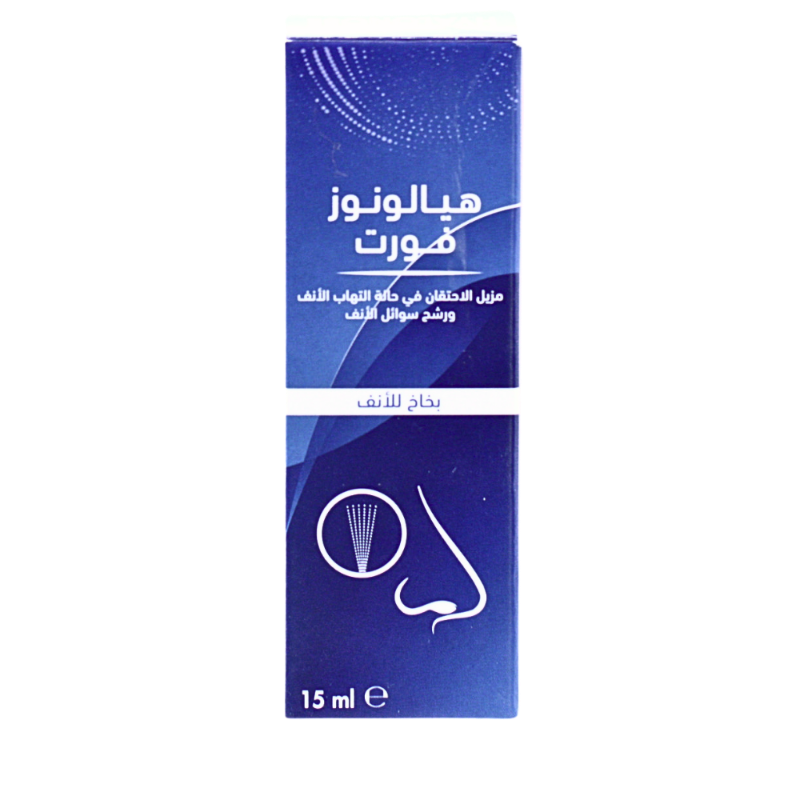
Medications > Cold, Cough, and Allergy Medications
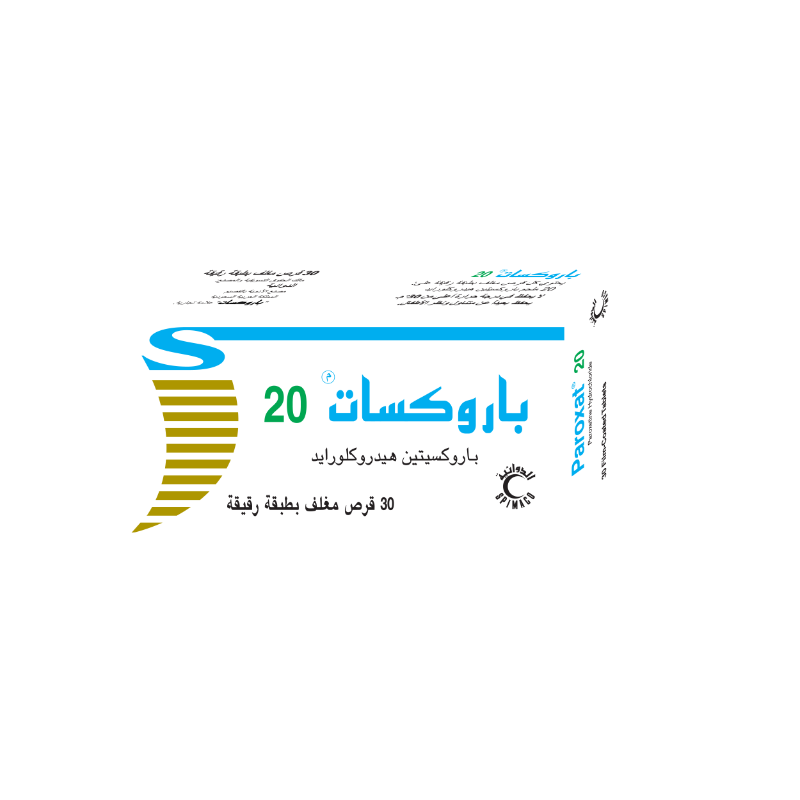
Medications > Psychiatric Medications
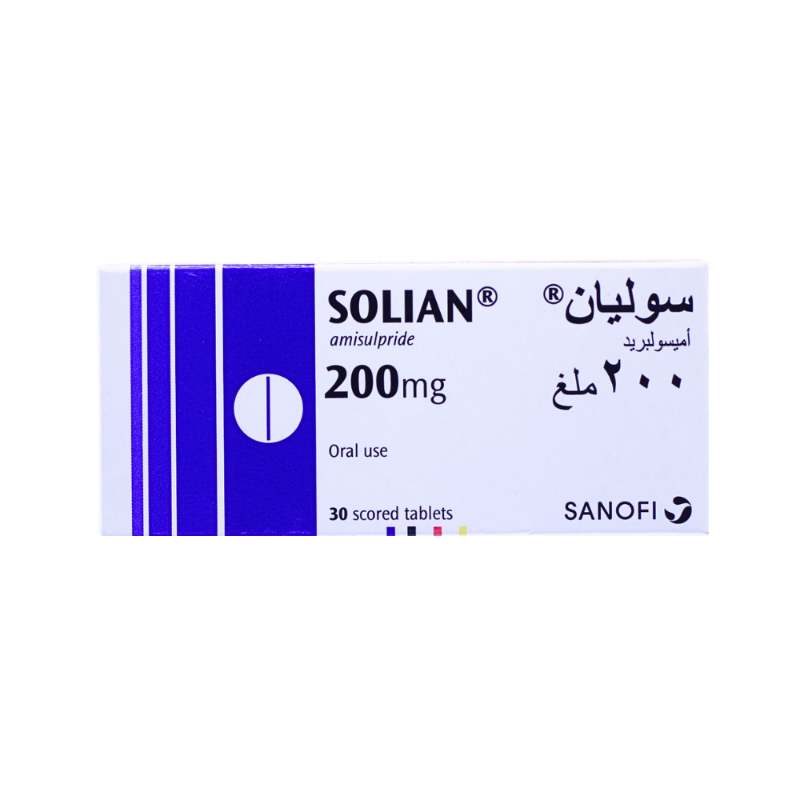
Medications > Psychiatric Medications
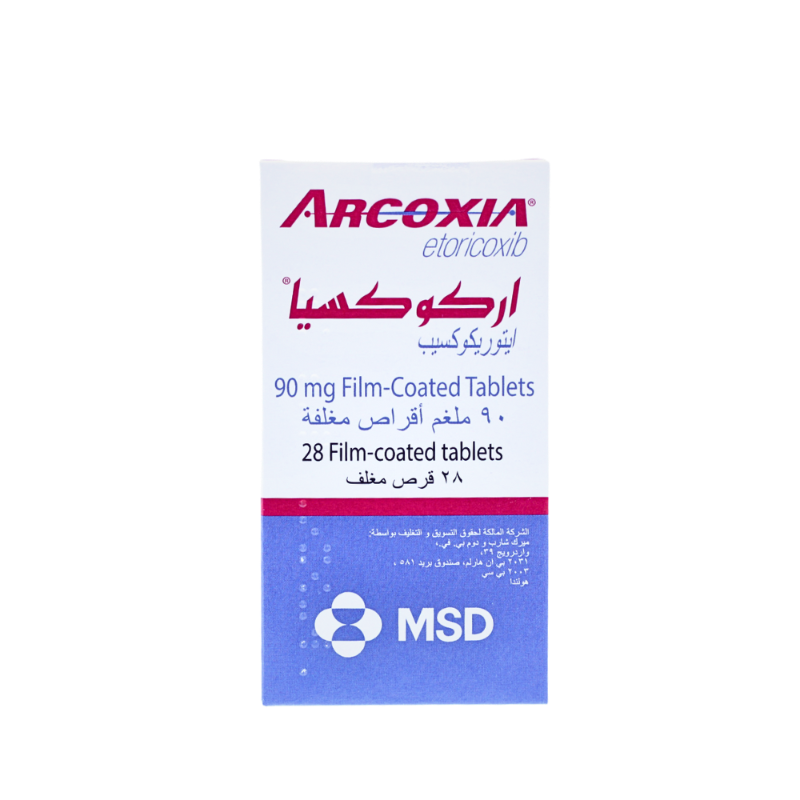
Medications > Painkillers and Antipyretics
Medications > Psychiatric Medications
