
Use Code: ND30 And Get 30% OFF | Get Free Delivery With No Minimum Order
-1744229570.gif "Almujtama Pharmacy logo")
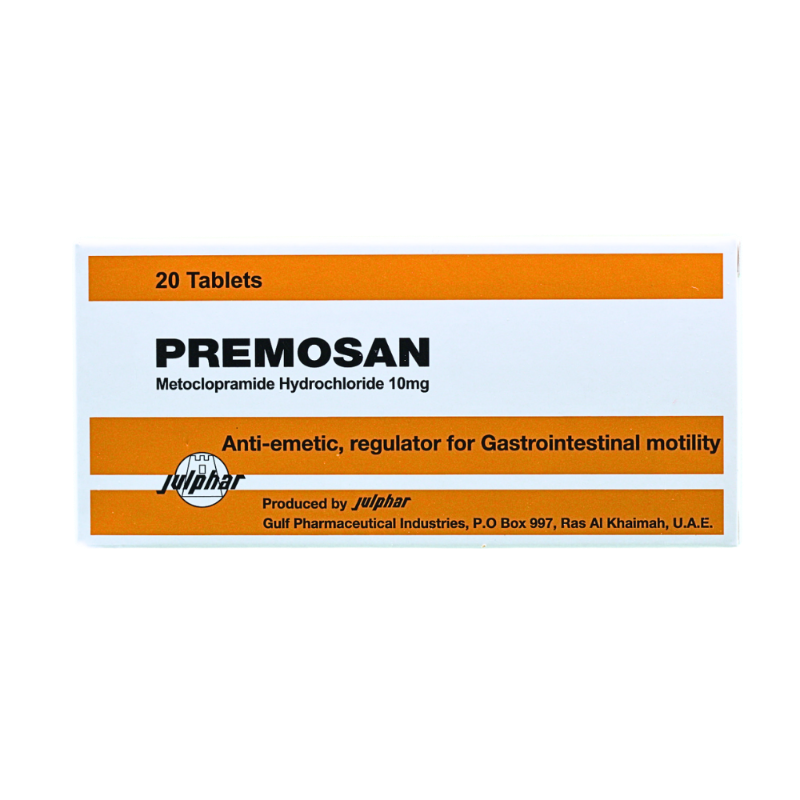




Frequently bought together

Vitamins & Supplements > Natural Supplements
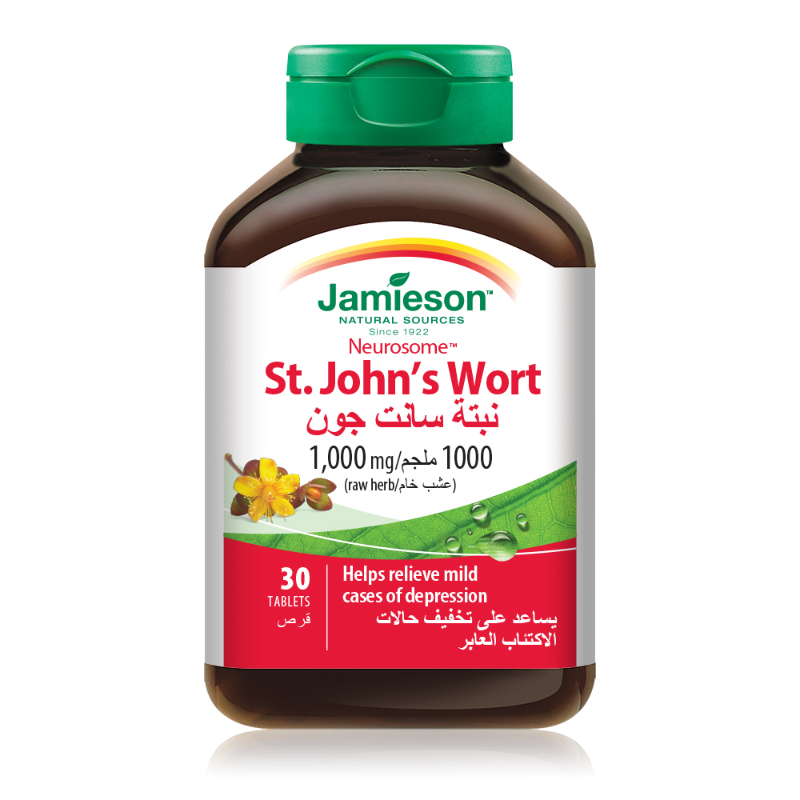
Vitamins & Supplements > Natural Supplements
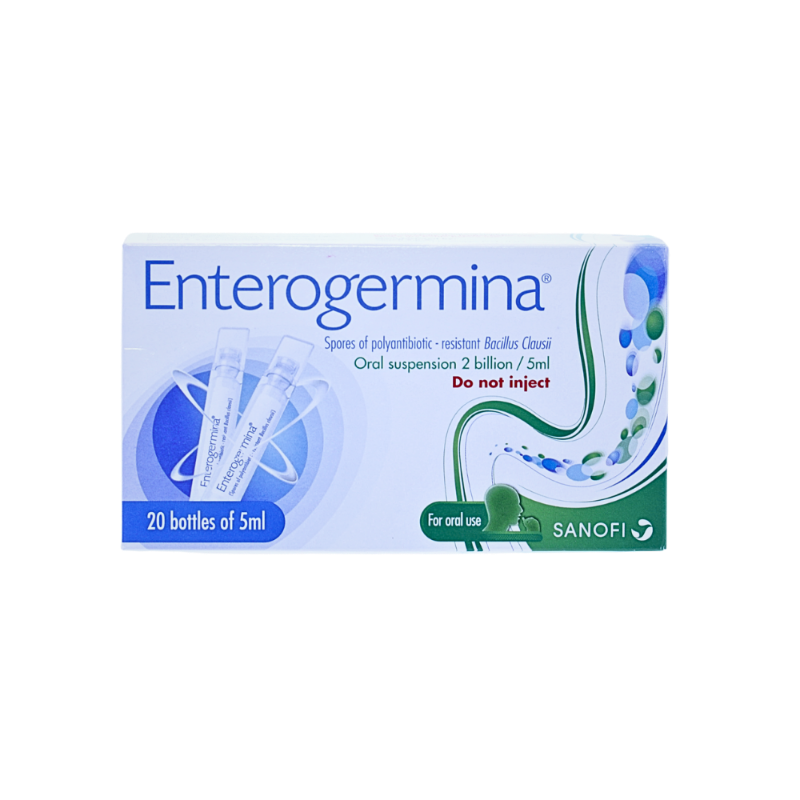
Vitamins & Supplements > Probiotecs
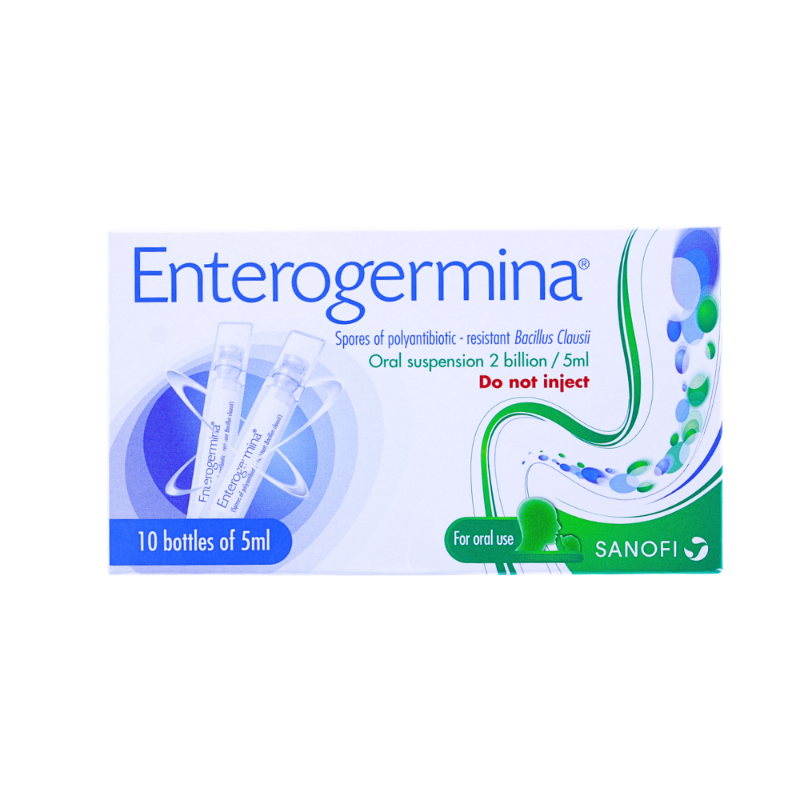
Vitamins & Supplements > Probiotecs
Vitamins & Supplements > Natural Supplements
Vitamins & Supplements > Probiotecs
PREMOSAN 10/MG TAB 20/TAB
- Sku : I-005293
Key features
PREMOSAN 10 mg tablet 20 Tablets is a prescription tablet containing metoclopramide hydrochloride 10 mg. It antagonizes dopamine D2 receptors in the chemoreceptor trigger zone and gastrointestinal tract and exerts 5-HT4 agonist activity to enhance gastrointestinal motility and reduce nausea and vomiting. Indications include short-term treatment of symptomatic gastroesophageal reflux disease in adults unresponsive to conventional therapy, relief of acute and recurrent diabetic gastroparesis, prevention of chemotherapy-induced nausea and vomiting, and prevention of postoperative nausea and vomiting (postoperative use is primarily parenteral). Available by prescription in packs of 20 tablets.- Brand: PREMOSAN
- Active Ingredient: METOCLOPRAMIDE HYDROCHLORIDE 10mg
- Strength: 10mg
- Dosage Form: Tablet
- Pack Size: 20 Tablets
- Route: Oral use
- Prescription Status: Prescription
- Therapeutic Class: Gastrointestinal
- Pharmacological Group: Antispasmodics
- Drug Class: Prokinetic agent / Dopamine D2 receptor antagonist
- Manufacturer: Gulf Pharmaceutical Industries (Julphar)
- Country of Origin: United Arab Emirates
- SFDA Registration No.: 2001268960
- Shelf Life: 24 months
- Storage: store below 25°c
- Gi Condition: Nausea/Vomiting
Frequently bought together
Vitamins & Supplements > Natural Supplements
Vitamins & Supplements > Natural Supplements
Vitamins & Supplements > Probiotecs
Vitamins & Supplements > Probiotecs
Vitamins & Supplements > Natural Supplements
Vitamins & Supplements > Probiotecs
Indications
Approved Uses
Short-term treatment of symptomatic gastroesophageal reflux disease (GERD) in adults who fail conventional therapy; relief of symptoms in acute and recurrent diabetic gastroparesis; prevention of nausea and vomiting associated with emetogenic cancer chemotherapy; prevention of postoperative nausea and vomiting (primarily via parenteral use).
Off-Label Uses
Migraine-associated nausea/vomiting (often in ED/acute care, frequently parenteral), refractory hiccups, and lactation augmentation (galactagogue-discouraged due to safety concerns); nausea/vomiting of pregnancy has been used off-label in some settings but is not universally recommended as first-line.
Dosage & Administration
Dosing by Condition
Diabetic gastroparesis (adults): 10 mg PO 30 minutes before meals and at bedtime (up to 40 mg/day) for 2-8 weeks; GERD (adults): 10-15 mg PO up to 4 times daily, 30 minutes before meals and at bedtime, typically for 4-12 weeks; nonspecific nausea/vomiting (where used): 10 mg up to 3 times daily is commonly used short-term, but indication varies by label; CINV/PONV prevention is typically with IV/IM regimens rather than this oral tablet product.
Initial Dose
10 mg four times daily, 30 minutes before each meal and at bedtime.
Maintenance Dose
10 mg 30 minutes before each meal and at bedtime for 2-8 weeks (diabetic gastroparesis) or 10-15 mg up to q.i.d. 30 minutes before meals and at bedtime for 4-12 weeks (GERD), depending on response.
Maximum Dose
Adults (oral): typically 10 mg up to 3-4 times daily; maximum 40 mg/day (and do not exceed 0.5 mg/kg/day).
Children's Dosage
Not recommended for use in children due to increased risk of extrapyramidal symptoms. Use should be limited to specific indications like facilitating small bowel intubation at a dose of 0.1 mg/kg.
Dose Adjustment Notes
Renal impairment: reduce dose (commonly ~50%) when CrCl <40 mL/min and further reduction in severe impairment/ESRD; hepatic impairment: use caution (no uniform adjustment but consider lower doses); duration: use the lowest effective dose for the shortest time-avoid treatment >12 weeks except in rare cases where benefit outweighs risk.
How to Take
Swallow tablet whole with water, 30 minutes before meals and at bedtime
Side Effects
Common Side Effects
Drowsiness/somnolence, fatigue/asthenia, restlessness/akathisia, dizziness, headache, and diarrhea; extrapyramidal symptoms (e.g., dystonia) can occur, especially in younger patients and with higher doses.
Side Effect Frequency
Very common (>10%): drowsiness/fatigue (somnolence, asthenia). Common (1-10%): restlessness/akathisia, insomnia, headache, dizziness, diarrhea. Uncommon (0.1-1%): extrapyramidal reactions (acute dystonia/parkinsonism). Rare/very rare: tardive dyskinesia (risk increases with duration), neuroleptic malignant syndrome, depression/hallucinations; cardiac conduction effects are mainly reported with parenteral use rather than oral tablets.
Safety & Warnings
Contraindications
Contraindicated in GI hemorrhage, mechanical obstruction, or perforation; pheochromocytoma; epilepsy/seizure disorders; history of tardive dyskinesia; hypersensitivity to metoclopramide; and concomitant use with levodopa/dopaminergic agonists (and generally avoid with other dopamine antagonists due to additive EPS).
Warnings & Precautions
Warnings/precautions: boxed warning for tardive dyskinesia-avoid >12 weeks; higher EPS risk in children/young adults and with higher doses; risk of NMS; may worsen Parkinson’s disease; monitor for depression/suicidality; use caution in hypertension/heart failure (fluid retention risk) and in renal impairment (dose reduce) and severe hepatic impairment (caution).
Age Restriction
Contraindicated in infants <1 year; in children/adolescents use only when clearly indicated at the lowest effective dose for the shortest duration due to higher risk of extrapyramidal reactions (no specific cutoff at 18 or 20 years).
Driving Warning
May Cause Drowsiness
Drug Interactions
Drug Interactions
Key interactions: levodopa/dopaminergic agonists (contraindicated/avoid-mutual antagonism); antipsychotics/other dopamine antagonists (additive extrapyramidal effects/NMS risk); CNS depressants/alcohol/opioids/sedatives (additive sedation); anticholinergics and opioids (reduce prokinetic effect); serotonergic drugs incl. SSRIs/SNRIs/MAOIs/linezolid (serotonin syndrome risk); digoxin (reduced absorption); cyclosporine (increased exposure).
Interaction Severity
MAJOR/CONTRAINDICATED: Levodopa/dopamine agonists (pharmacologic antagonism); other dopamine antagonists/antipsychotics (markedly increased EPS/NMS risk). MODERATE: SSRIs/SNRIs/MAOIs and other serotonergic drugs (serotonin syndrome risk); CNS depressants/alcohol (additive sedation); anticholinergics and opioids (reduce prokinetic effect); cyclosporine (may increase levels). MINOR/VARIABLE: digoxin (may reduce absorption).
Food Interaction
Take 30 minutes before meals (and at bedtime when prescribed) to optimize prokinetic effect; it is effectively taken on an empty stomach before meals.
Alcohol Interaction
Avoid
Special Populations
Pregnancy
Not assigned (consult doctor)
Breastfeeding
Caution
Children
Not recommended for use in children due to increased risk of extrapyramidal symptoms. Use should be limited to specific indications like facilitating small bowel intubation at a dose of 0.1 mg/kg.
Elderly
Start at lower dose (5 mg three times daily); elderly patients are at higher risk of extrapyramidal side effects and tardive dyskinesia; limit duration of use
Kidney Impairment
Reduce dose in renal impairment: if CrCl <40 mL/min, use ~50% of usual dose; if CrCl 40-60 mL/min, consider ~25% reduction; ESRD/hemodialysis generally uses reduced maintenance dosing (no routine supplemental post-dialysis dose).
Liver Impairment
No specific routine adjustment is required in mild-moderate hepatic impairment; in severe hepatic impairment use caution and consider dose reduction based on tolerability/clinical response.
Storage & Patient Advice
Missed Dose
Take as soon as remembered; skip if it is almost time for the next dose; do not double the dose
Overdose
Overdose may cause drowsiness, confusion/disorientation, extrapyramidal reactions/dystonia, agitation, and seizures; manage with supportive care, consider activated charcoal if early, and treat EPS with anticholinergic/antiparkinsonian agents (e.g., benztropine/diphenhydramine).
Patient Counseling
Take 30 minutes before meals (and at bedtime if prescribed); may cause drowsiness-avoid driving/alcohol until you know the effect; use the lowest effective dose for the shortest duration and generally avoid use >12 weeks unless specifically directed; seek urgent care for involuntary movements, muscle stiffness/spasms, restlessness/akathisia, or fever/confusion (possible EPS/NMS); tell your clinician if you have Parkinson’s disease, seizure disorder, depression, or kidney impairment.
Monitoring Requirements
No routine labs are required, but clinically monitor for extrapyramidal symptoms, akathisia, and tardive dyskinesia (especially with higher doses/longer duration), and monitor mental status/sedation; if using IV/IM (not this product), monitor for acute dystonia and hemodynamic effects as clinically indicated.
Pharmacology
Mechanism of Action
Blocks dopamine D2 receptors in the chemoreceptor trigger zone (CTZ) and peripherally in the gastrointestinal tract, which prevents nausea and vomiting. It also has 5-HT4 receptor agonist activity, which enhances gastrointestinal motility and accelerates gastric emptying.
Onset of Action
Oral: ~30-60 minutes; IV: ~1-3 minutes; IM: ~10-15 minutes.
Duration of Effect
2-3 hours (at higher doses)
Half-Life
Approximately 5-6 hours in normal renal function; prolonged in renal impairment.
Bioavailability
Approximately 60-80% (variable due to first-pass metabolism).
Metabolism
Hepatic metabolism primarily via conjugation (glucuronidation/sulfation) with a minor oxidative component; CYP2D6 contributes and poor metabolizers may have higher exposure.
Excretion
Primarily renal; approximately 85% of an oral dose is excreted in the urine within 72 hours as unchanged drug or metabolites.
Protein Binding
Approximately 30% (low protein binding; commonly cited range ~20-30%)
Product Information
Available Dosage Forms
For PREMOSAN specifically: 10 mg oral tablet (blister pack of 20). For metoclopramide in general: tablets, oral solution, and injection (IV/IM); orally disintegrating tablets exist in some markets; nasal spray is a separate product in limited markets and is not applicable to this SFDA-registered PREMOSAN tablet.
Composition per Dose
Each tablet: 10 mg metoclopramide as hydrochloride
Generic Availability
Yes
Gi Condition
Nausea/Vomiting
Reviewed by Al Mujtama Pharmacy Medical Review Team. Last reviewed 15-08-2026
Similar Products
Medications > Psychiatric Medications
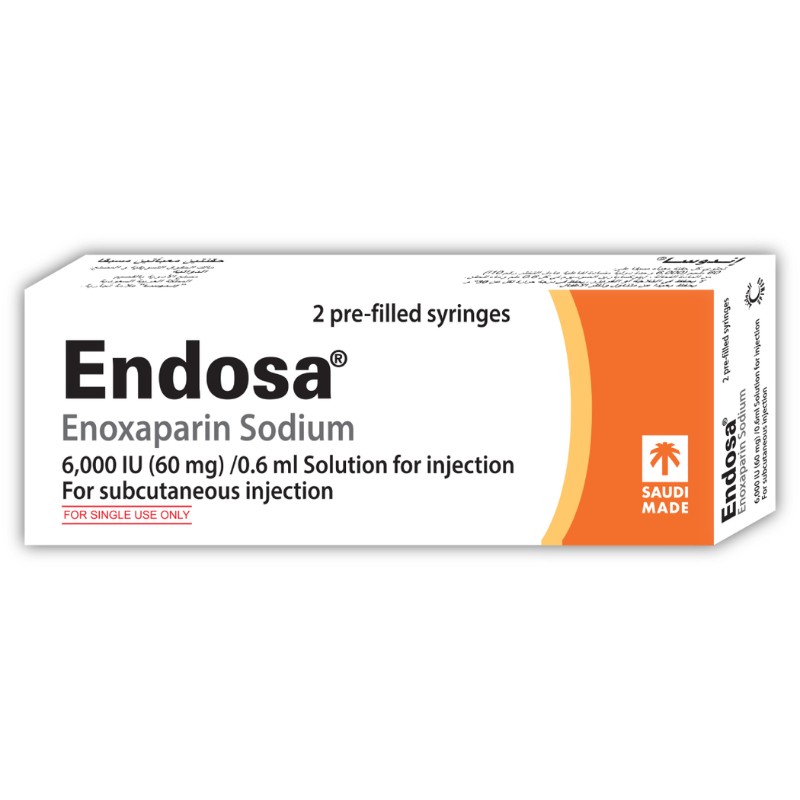
Medications > Hypertesion & Cardiovascular Medications
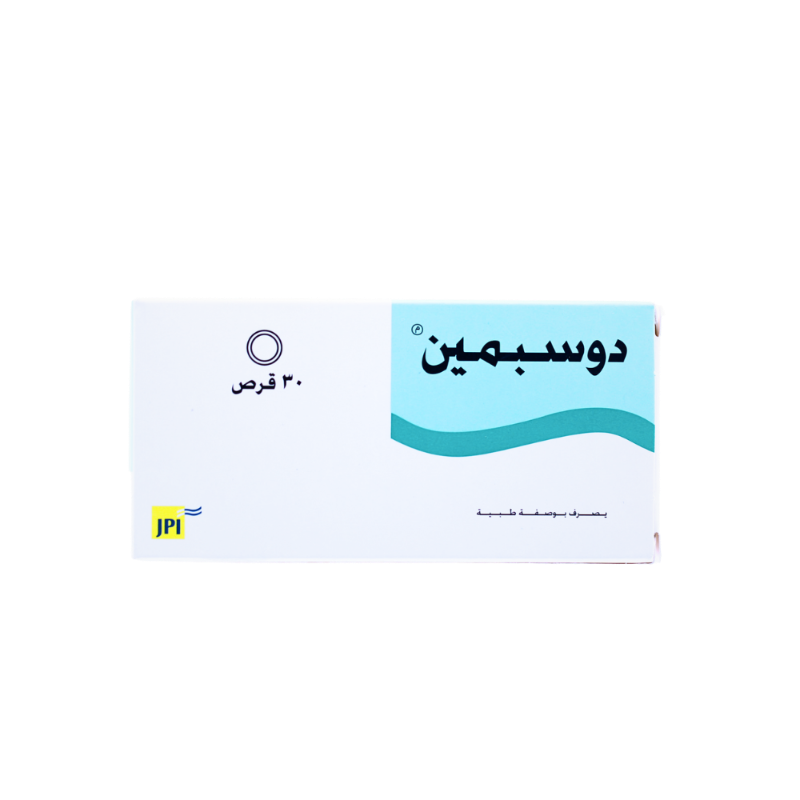
Medications > Gastrointestinal Medications
Medications > Cholesterol Medications
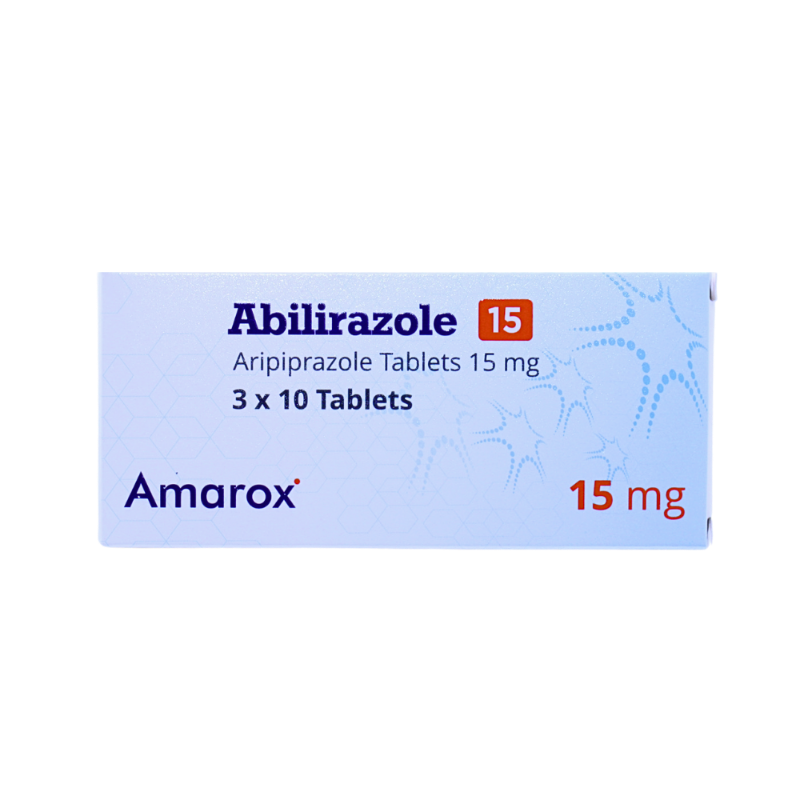
Medications > Psychiatric Medications
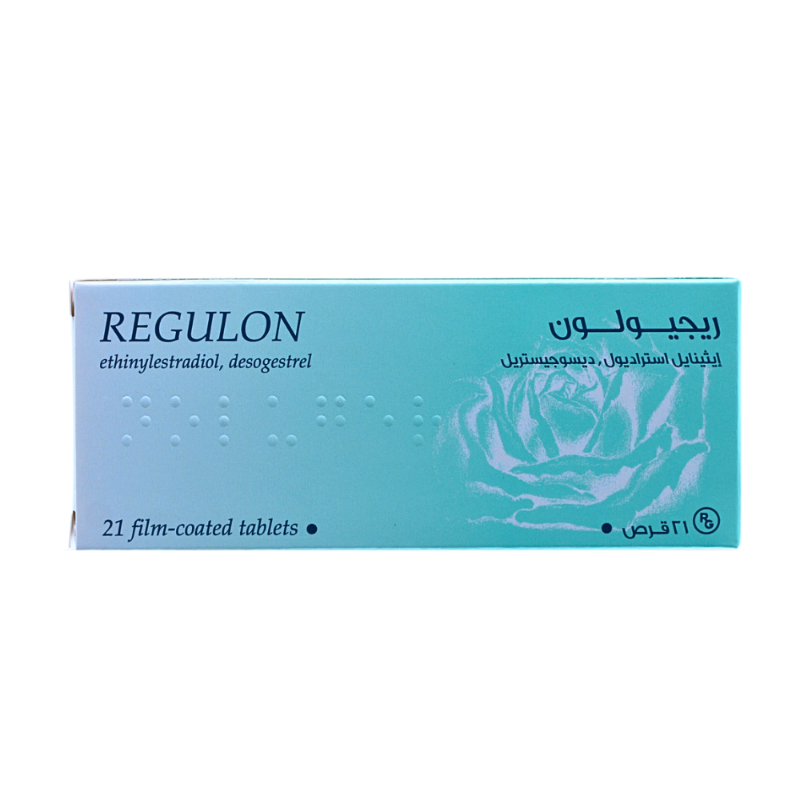
Medications > Contraceptives and Hormonal Medications
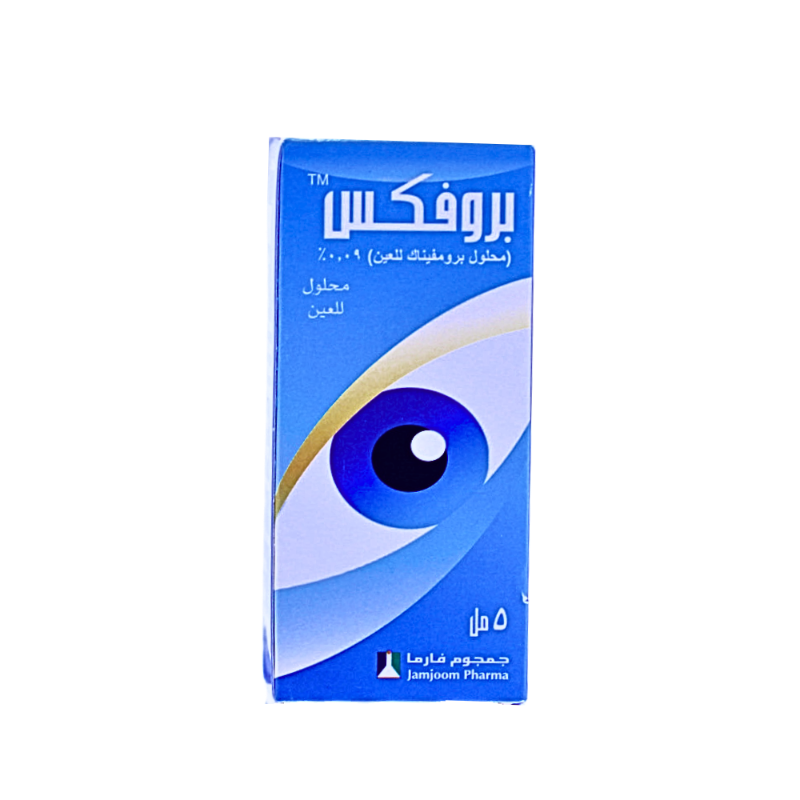
Medications > Eye and Ear Medications
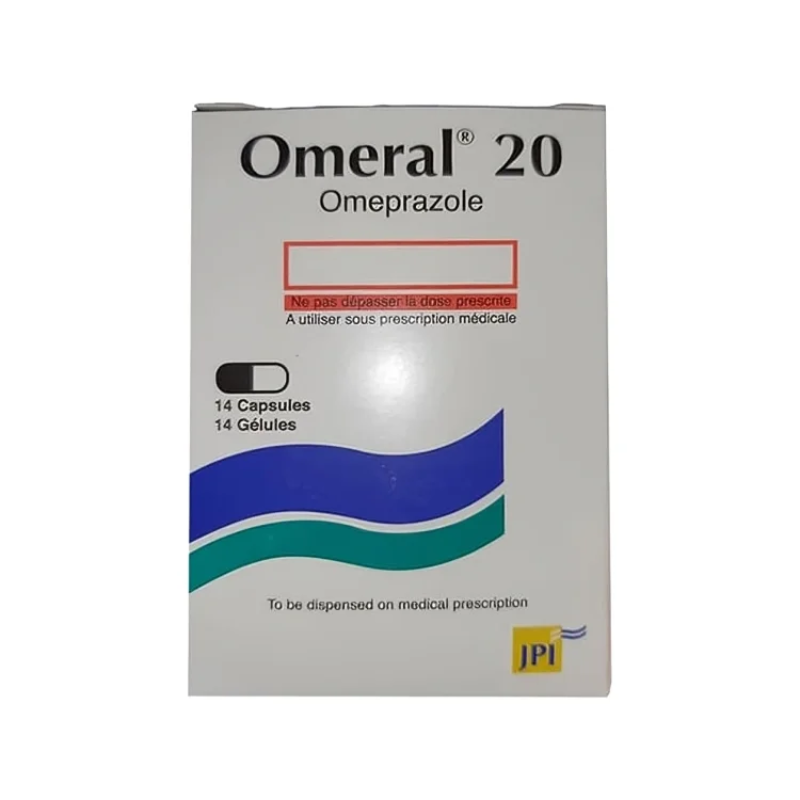
Medications > Gastrointestinal Medications
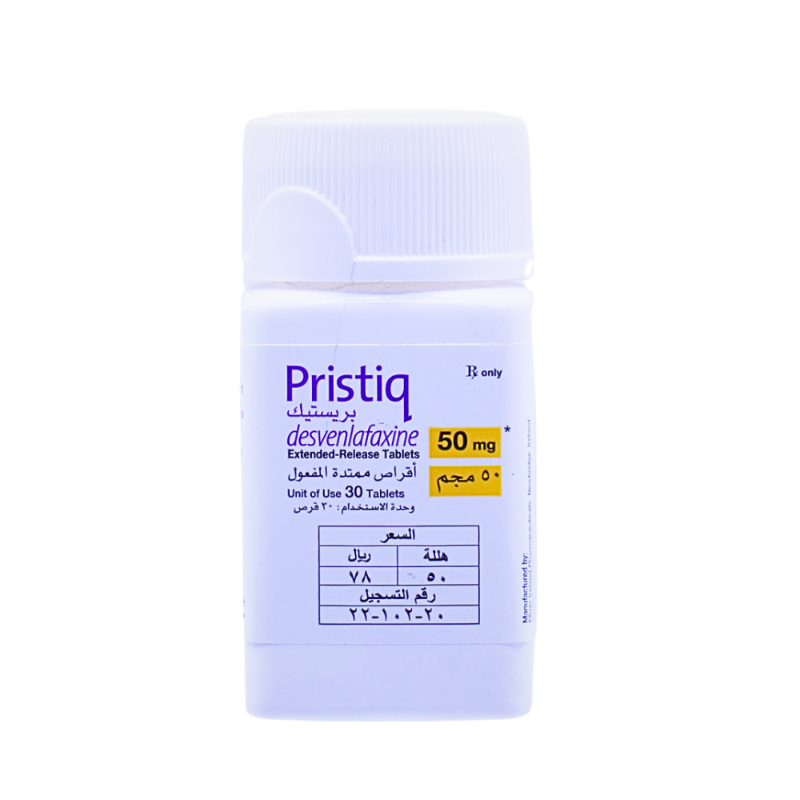
Medications > Psychiatric Medications
Medications > Eye and Ear Medications
