
Up To 50 SAR OFF Your First Order Use Code : APP50 | Get Free Delivery With No Minimum Order
-1744229570.gif "Almujtama Pharmacy logo")




Frequently bought together
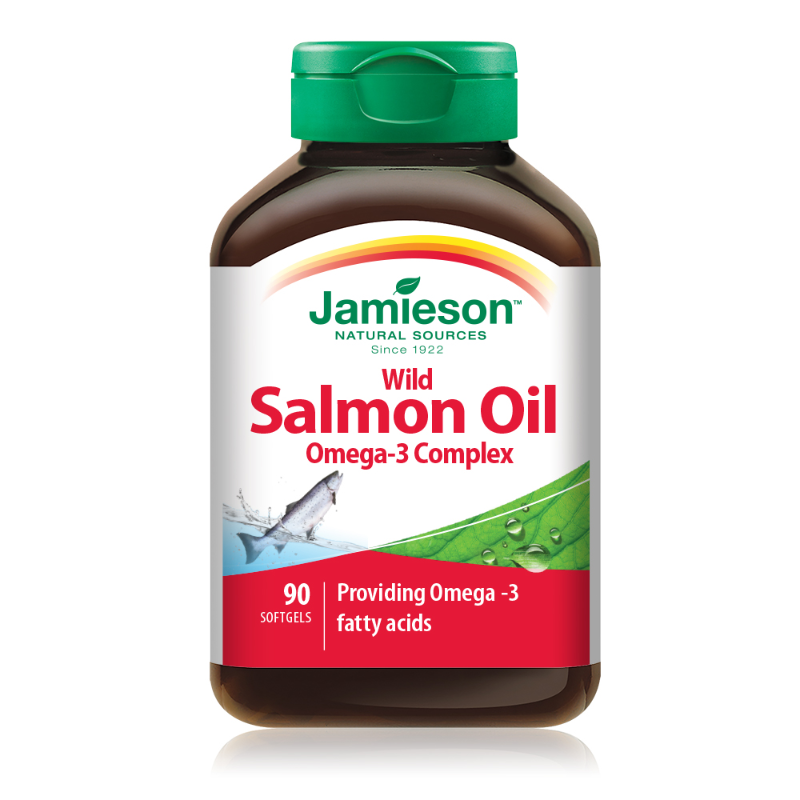
Vitamins & Supplements > Omega-3 Supplements
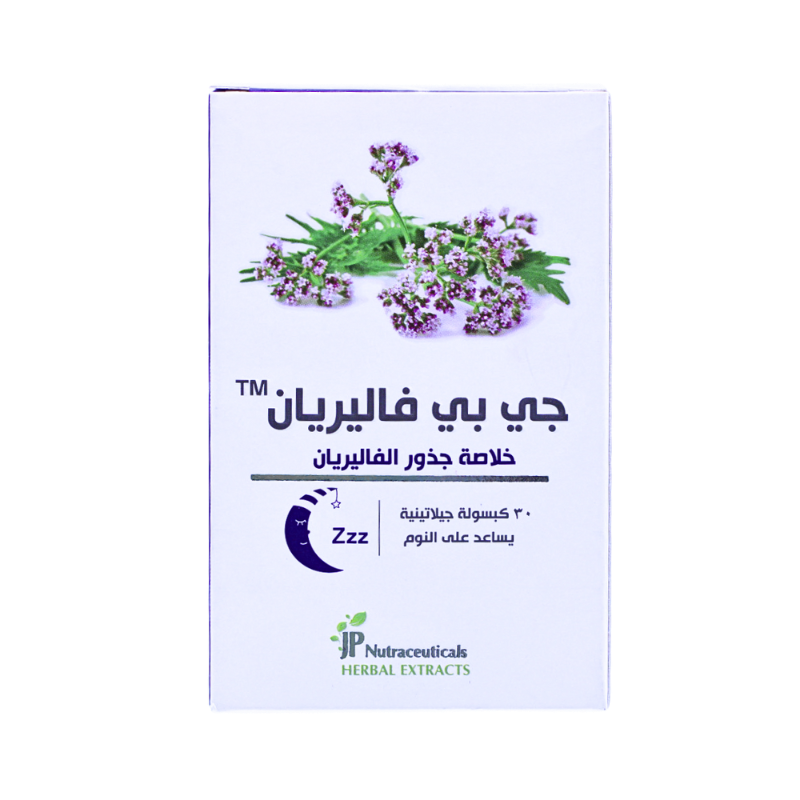
Vitamins & Supplements > Sleeping aid supplements
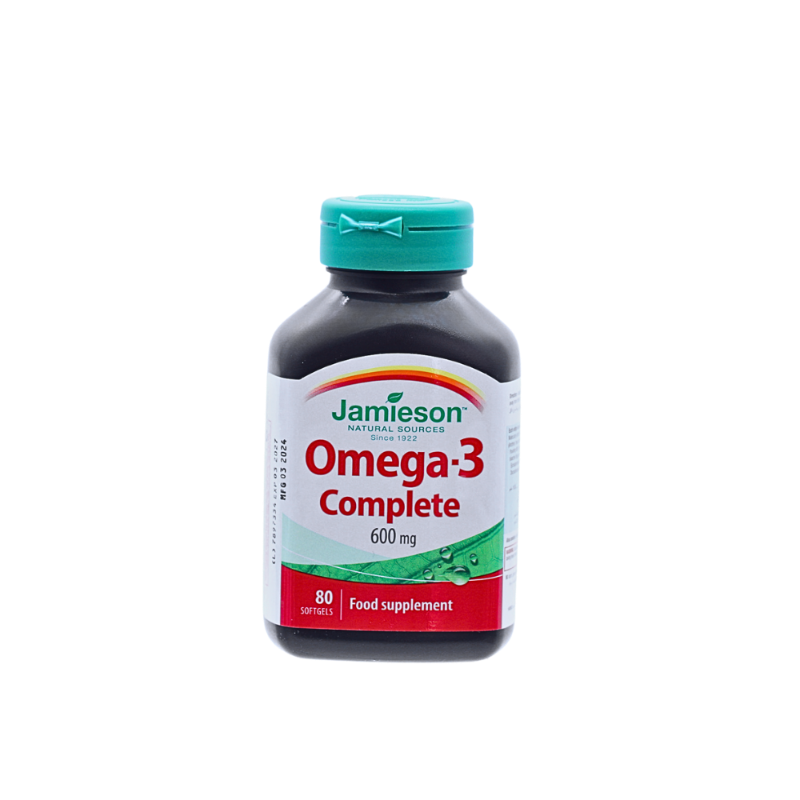
Vitamins & Supplements > Omega-3 Supplements
Vitamins & Supplements > Sleeping aid supplements
ABILIRAZOLE 15/MG TAB 30/TAB
- Sku : I-032058
Key features
Abilirazole Tablet 15mg is a prescription tablet containing aripiprazole 15mg, supplied under the ABILIRAZOLE brand. It works as an atypical antipsychotic that helps balance dopamine and serotonin activity in the brain. It is used for the treatment of schizophrenia, bipolar I disorder, adjunctive treatment of major depressive disorder in adults, and certain pediatric conditions including irritability associated with autistic disorder and Tourette’s disorder. This pack contains 30 tablets.- Brand: ABILIRAZOLE
- Active Ingredient: ARIPIPRAZOLE 15mg
- Strength: 15mg
- Dosage Form: Tablet
- Pack Size: 30 Tablets
- Route: Oral use
- Prescription Status: Prescription
- Therapeutic Class: Psychiatric
- Pharmacological Group: Antipsychotics
- Drug Class: Atypical Antipsychotic (Third-generation / Dopamine-Serotonin System Stabilizer)
- Manufacturer: Hetero Labs Limited Unit - V
- Country of Origin: India
- SFDA Registration No.: 7-5362-20
- Shelf Life: 36 months
- Storage: store below 30°c
- Psych Class: Antipsychotic-Atypical
- Controlled Substance: No
Frequently bought together
Vitamins & Supplements > Omega-3 Supplements
Vitamins & Supplements > Sleeping aid supplements
Vitamins & Supplements > Omega-3 Supplements
Vitamins & Supplements > Sleeping aid supplements
Indications
Approved Uses
Schizophrenia; Bipolar I disorder (acute manic/mixed episodes and maintenance); Adjunctive treatment of major depressive disorder (adults); Irritability associated with autistic disorder (pediatric); Tourette’s disorder (pediatric).
Off-Label Uses
Common off-label uses include augmentation in OCD, PTSD, and anxiety disorders; behavioral symptoms/agitation in dementia (not recommended routinely due to boxed warning and risk); borderline personality disorder symptoms; substance-related disorders in select cases.
Dosage & Administration
Dosing by Condition
Adults-Schizophrenia: 10-15 mg PO once daily (target 15 mg), max 30 mg/day. Bipolar I (acute mania/mixed): 15 mg once daily (mono- or adjunct), may increase, max 30 mg/day. Adjunct MDD: start 2-5 mg once daily, target 5-10 mg/day, max 15 mg/day. Pediatrics-Schizophrenia (13-17): start 2 mg/day, titrate to 10 mg/day (target), max 30 mg/day. Bipolar I mania (10-17): start 2 mg/day, titrate to 10 mg/day, max 30 mg/day. Autism irritability (6-17): start 2 mg/day, usual 5-15 mg/day, max 15 mg/day. Tourette’s (6-18): weight-based; typical target 5 mg/day (<50 kg) or 10 mg/day (≥50 kg), max 10 mg/day (<50 kg) or 20 mg/day (≥50 kg).
Initial Dose
10-15mg once daily for schizophrenia and bipolar mania in adults
Maintenance Dose
15mg once daily (range 10-30mg/day depending on indication and response)
Maximum Dose
30 mg per day.
Children's Dosage
Schizophrenia (13-17 years): 10mg/day target, max 30mg/day. Bipolar I mania (10-17 years): 10mg/day target, max 30mg/day. Autism irritability (6-17 years): 5-15mg/day, max 15mg/day. Tourette's disorder (6-18 years): <50kg: 2mg/day initial, target 5mg/day, max 10mg/day; ≥50kg: 2mg/day initial, target 10mg/day, max 20mg/day.
Dose Adjustment Notes
Reduce aripiprazole dose by 50% with strong CYP2D6 inhibitors or strong CYP3A4 inhibitors; if both strong CYP2D6 and CYP3A4 inhibitors are used, reduce to 25% of usual dose. For strong CYP3A4 inducers, generally double the dose (do not exceed recommended max) and reduce back when the inducer is stopped. CYP2D6 poor metabolizers: use ~50% of usual dose; if also on a strong CYP3A4 inhibitor, use ~25%.
How to Take
Swallow the 15 mg tablet whole with water; may be taken with or without food; take once daily at the same time each day. Do not crush/chew unless specifically instructed (this product is a standard tablet, not an ODT).
Side Effects
Common Side Effects
Akathisia/restlessness, insomnia or somnolence, anxiety, headache, nausea/vomiting, constipation, dizziness, fatigue; weight gain can occur (generally less than some other SGAs).
Side Effect Frequency
Common (≥1% to <10%): akathisia, headache, insomnia, anxiety, nausea, vomiting, constipation, dizziness/lightheadedness, somnolence/sedation, fatigue, tremor, blurred vision; frequency of some effects varies by indication and age group (e.g., akathisia can be very common in some adult trials).
Safety & Warnings
Contraindications
Contraindication: known hypersensitivity to aripiprazole or any component of the formulation.
Warnings & Precautions
Key warnings/precautions: boxed warnings (dementia-related psychosis mortality; suicidality in young people with antidepressant-treated conditions), NMS, tardive dyskinesia, metabolic monitoring (glucose/lipids/weight), orthostatic hypotension/falls (caution with cardiovascular/cerebrovascular disease and dehydration), seizures (caution with seizure history), leukopenia/neutropenia (CBC if risk factors), dysphagia/aspiration risk, and monitor for impulse-control disorders and akathisia.
Age Restriction
Indication-specific pediatric use; generally not for children <6 years. Approved from age 6 years for irritability associated with autistic disorder; from age 10 years for bipolar I mania; from age 13 years for schizophrenia (and Tourette’s disorder is also approved from age 6 years in some jurisdictions).
Driving Warning
May Cause Drowsiness
Drug Interactions
Drug Interactions
Major interactions: strong CYP3A4 inducers (e.g., carbamazepine, rifampin) ↓ aripiprazole exposure; strong CYP3A4 inhibitors (e.g., ketoconazole, clarithromycin) and strong CYP2D6 inhibitors (e.g., fluoxetine, paroxetine, quinidine) ↑ exposure-dose adjustment is typically required; additive CNS depression/orthostatic hypotension with alcohol, benzodiazepines/opioids and antihypertensives; lithium/valproate generally do not require dose adjustment but monitor clinically.
Interaction Severity
MAJOR: Strong CYP3A4 inducers (e.g., carbamazepine, rifampin) ↓ levels-dose increase usually required; strong CYP2D6 inhibitors (fluoxetine, paroxetine, quinidine) and strong CYP3A4 inhibitors (ketoconazole, itraconazole, clarithromycin) ↑ levels-dose reduction required. MODERATE: Additive CNS depression/impairment with alcohol, benzodiazepines, opioids; additive hypotension with antihypertensives. OTHER/CAUTION: Dopamine agonists/antagonists may counteract effects; QT risk is generally low but consider additive risk with other QT-prolonging drugs in susceptible patients.
Food Interaction
No clinically meaningful food effect; may be taken with or without food.
Alcohol Interaction
Avoid
Special Populations
Pregnancy
Consult Doctor
Breastfeeding
Consult Doctor
Children
Schizophrenia (13-17 years): 10mg/day target, max 30mg/day. Bipolar I mania (10-17 years): 10mg/day target, max 30mg/day. Autism irritability (6-17 years): 5-15mg/day, max 15mg/day. Tourette's disorder (6-18 years): <50kg: 2mg/day initial, target 5mg/day, max 10mg/day; ≥50kg: 2mg/day initial, target 10mg/day, max 20mg/day.
Elderly
No specific dose adjustment required; however, start at lower end of dosing range, monitor for orthostatic hypotension and sedation. Not approved for dementia-related psychosis in elderly patients.
Kidney Impairment
No adjustment needed
Liver Impairment
No dosage adjustment needed for mild-to-severe hepatic impairment (including severe); use clinical caution and monitor tolerability.
Storage & Patient Advice
Missed Dose
Take the missed dose as soon as remembered. If it is almost time for the next dose, skip the missed dose and resume the regular schedule. Do not double the dose.
Stopping the Medicine
Do not stop abruptly - taper gradually under medical supervision to avoid withdrawal symptoms and relapse of psychiatric condition
Overdose
Symptoms may include somnolence, vomiting/nausea, tremor, tachycardia, hypotension, agitation, and rarely QT prolongation/arrhythmias, seizures, or respiratory depression; management is supportive (airway/ventilation, cardiovascular monitoring, consider activated charcoal if early, treat hypotension/arrhythmias as needed) and there is no specific antidote-seek emergency care/poison center.
Patient Counseling
Take once daily at the same time, with or without food; do not stop without prescriber advice. May cause dizziness/somnolence or akathisia-use caution with driving and avoid alcohol/other sedatives. Report new/worsening mood or suicidal thoughts, severe restlessness, or signs of NMS (fever, rigidity, confusion). Report impulse-control problems (e.g., gambling, shopping, hypersexuality, binge eating). Keep follow-ups for weight and metabolic monitoring.
Monitoring Requirements
Baseline and periodic: weight/BMI and waist circumference, blood pressure, fasting glucose or HbA1c, fasting lipids; assess for EPS/akathisia and tardive dyskinesia, sedation/orthostasis, and suicidality/clinical worsening. Consider CBC if history of leukopenia/neutropenia; monitor for impulse-control problems and metabolic changes.
Pharmacology
Mechanism of Action
Partial agonist at dopamine D2 (and D3) and serotonin 5-HT1A receptors, and antagonist at serotonin 5-HT2A receptors (with additional receptor activity), producing a dopamine-serotonin stabilizing effect.
Onset of Action
Initial clinical improvement may be seen within several days to 2 weeks; full therapeutic effect may take 4-6 weeks.
Duration of Effect
Approximately 24 hours per dose (supports once-daily dosing); clinical symptom control is maintained with continued daily administration, with full therapeutic benefit typically requiring 4-6 weeks.
Half-Life
Aripiprazole: approximately 75 hours. Active metabolite (dehydro-aripiprazole): approximately 94 hours.
Bioavailability
Approximately 87% (oral bioavailability).
Metabolism
Extensively hepatic metabolism primarily via CYP2D6 and CYP3A4; major active metabolite is dehydro-aripiprazole.
Excretion
Approximately 25-27% recovered in urine and ~55-60% recovered in feces; <1% excreted unchanged in urine.
Protein Binding
>99% protein bound (primarily to albumin).
Product Information
Available Dosage Forms
Immediate-release oral tablet; orally disintegrating tablet (ODT); oral solution; short-acting IM injection (for acute agitation); long-acting IM injectable suspension (aripiprazole LAI products).
Composition per Dose
Each tablet: 15mg aripiprazole
Generic Availability
Yes
OTC Alternatives
No OTC alternative
Psych Class
Antipsychotic-Atypical
Controlled Substance
No
Legal Disclaimer - Al Mujtama Pharmacy
The product information provided is derived from verified pharmaceutical references and is intended for general health education only. It is not a substitute for professional medical advice, diagnosis, or treatment.
Al Mujtama Pharmacy assumes no legal or medical liability for:
- Any therapeutic decision made based on the information displayed without consulting a licensed physician or pharmacist
- Any discrepancy between the information provided and the product's package insert or SFDA guidelines
- Any misuse of medication resulting from personal interpretation of the content displayed
Important notice: Drug formulations and instructions may vary between production batches. Always rely on the leaflet included inside the product packaging you have, and consult your pharmacist or physician before starting, adjusting, or discontinuing any medication.
By using this content, you acknowledge that you have read this disclaimer and agree that Al Mujtama Pharmacy bears no liability arising from reliance on this information as a substitute for direct medical consultation.
Your health is a trust - always consult your doctor first.
Similar Products
Medications > Painkillers and Antipyretics
Medications > Gastrointestinal Medications
Medications > Diabetes Medications
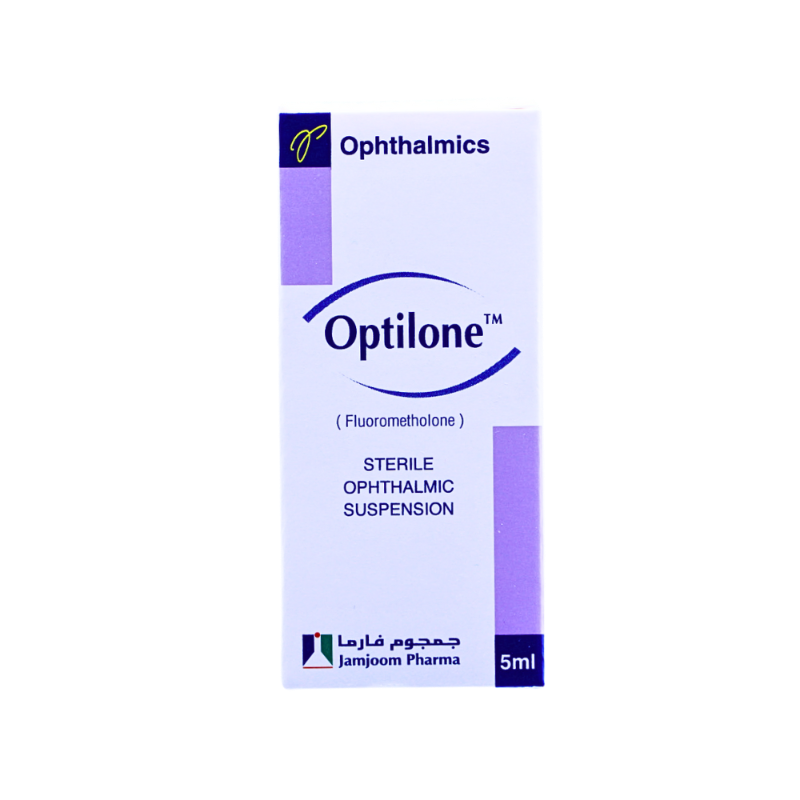
Medications > Eye and Ear Medications

Medications > Painkillers and Antipyretics
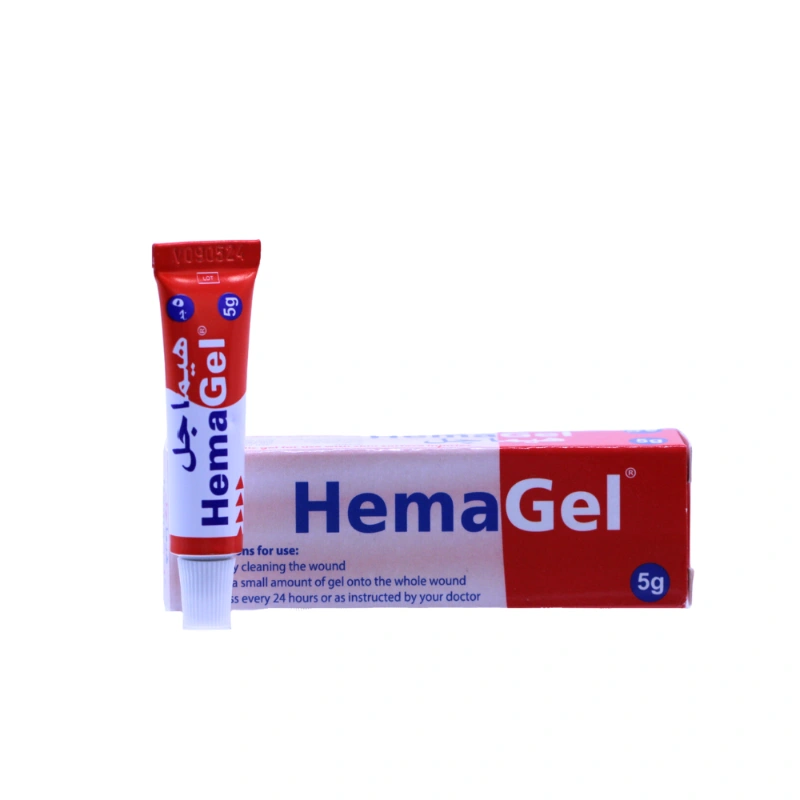
Medications > Dermatology Medications

Medications > Painkillers and Antipyretics
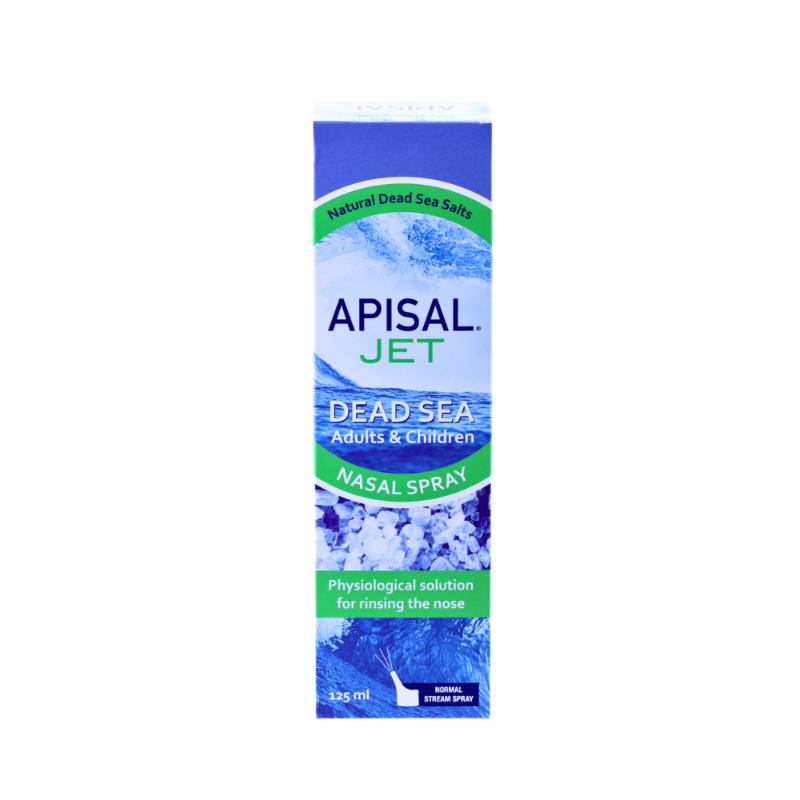
Medications > Cold, Cough, and Allergy Medications
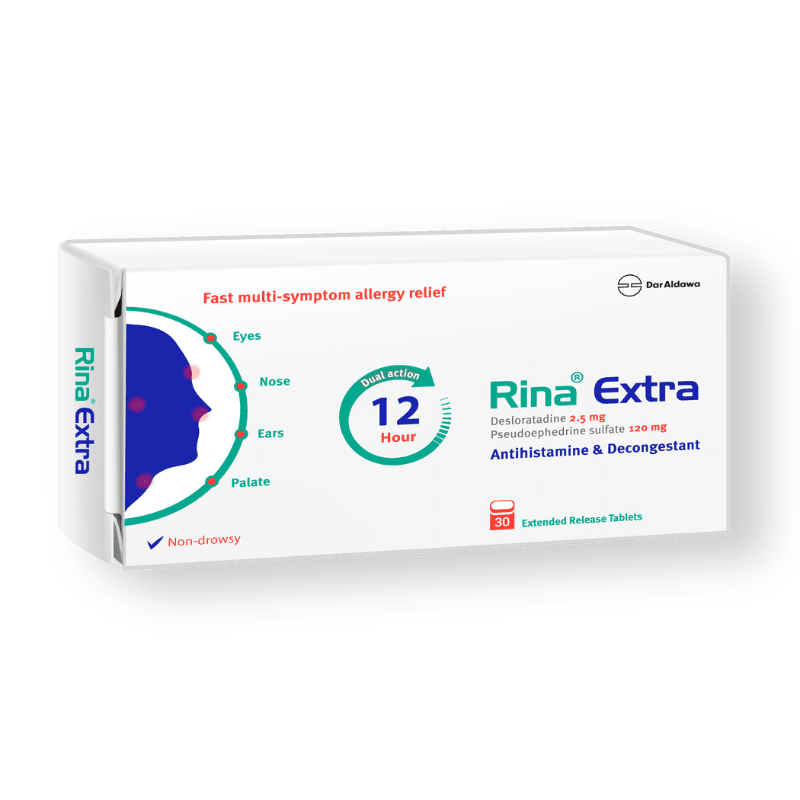
Medications > Cold, Cough, and Allergy Medications
Medications > Painkillers and Antipyretics
