
Use Code: ND30 And Get 30% OFF | Get Free Delivery With No Minimum Order
-1744229570.gif "Almujtama Pharmacy logo")
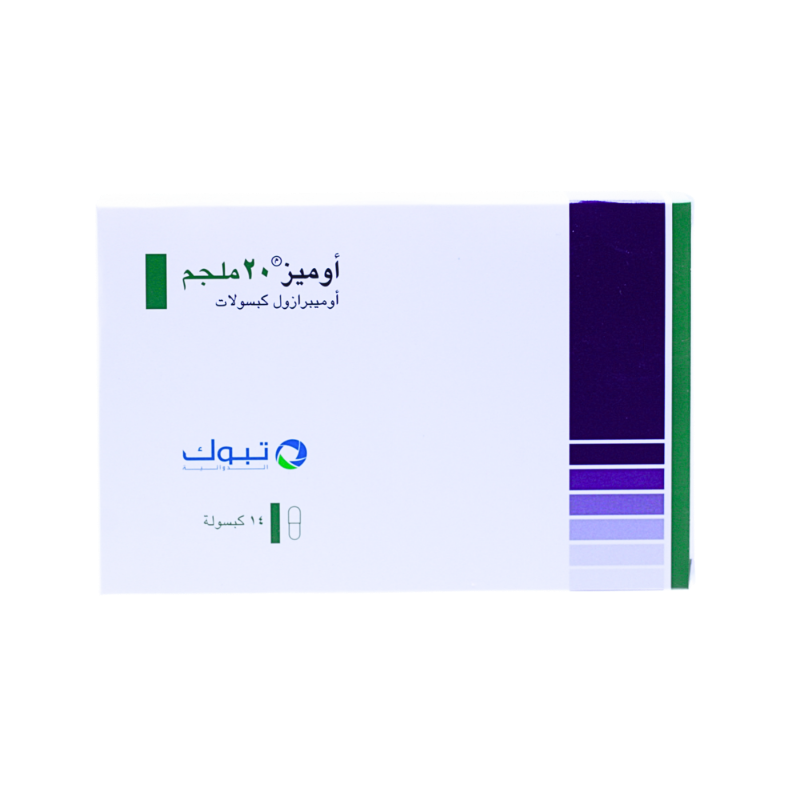




Frequently bought together
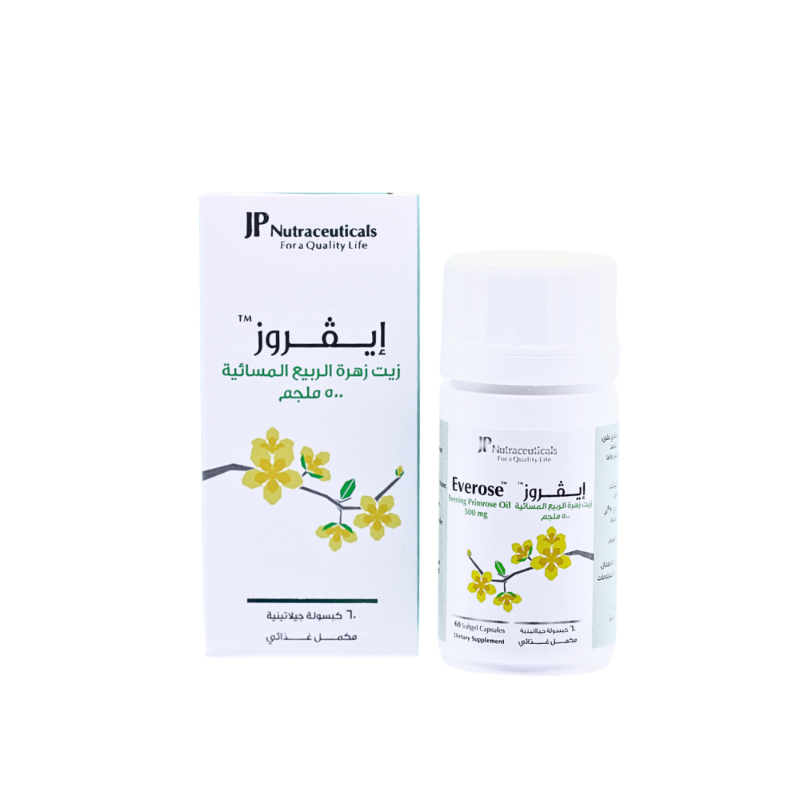
Vitamins & Supplements > Natural Supplements
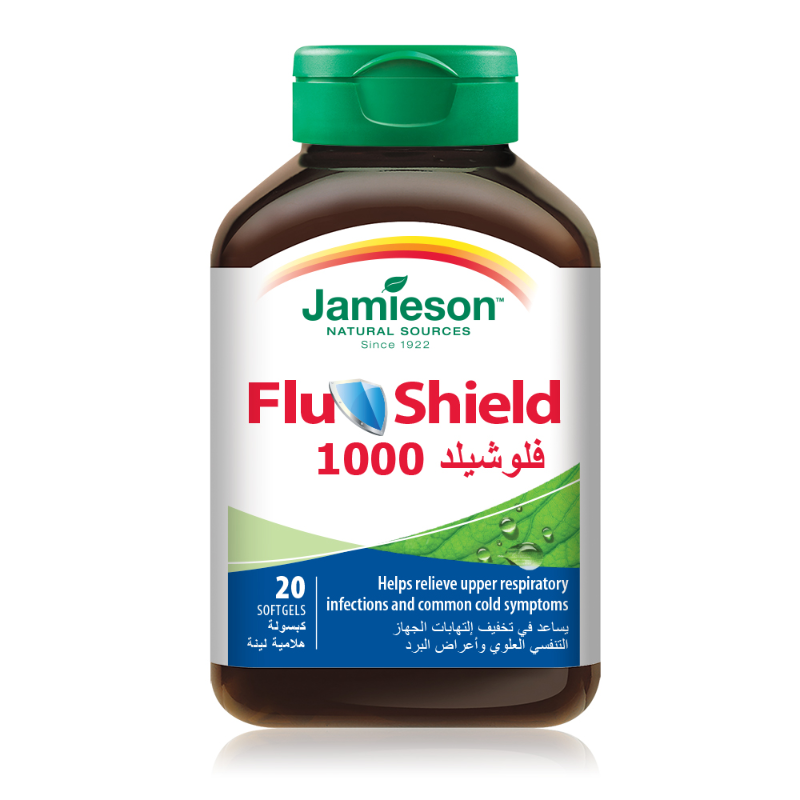
Vitamins & Supplements > Natural Supplements
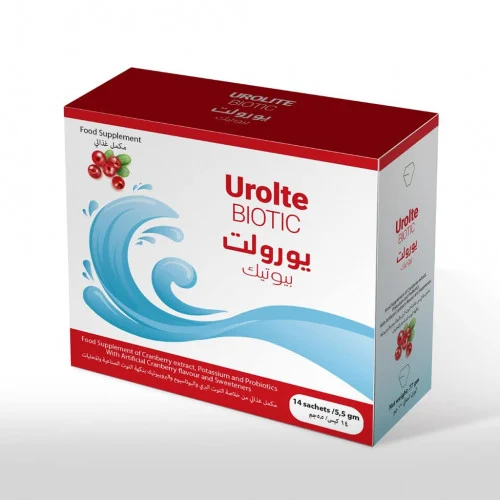
Vitamins & Supplements > Probiotecs
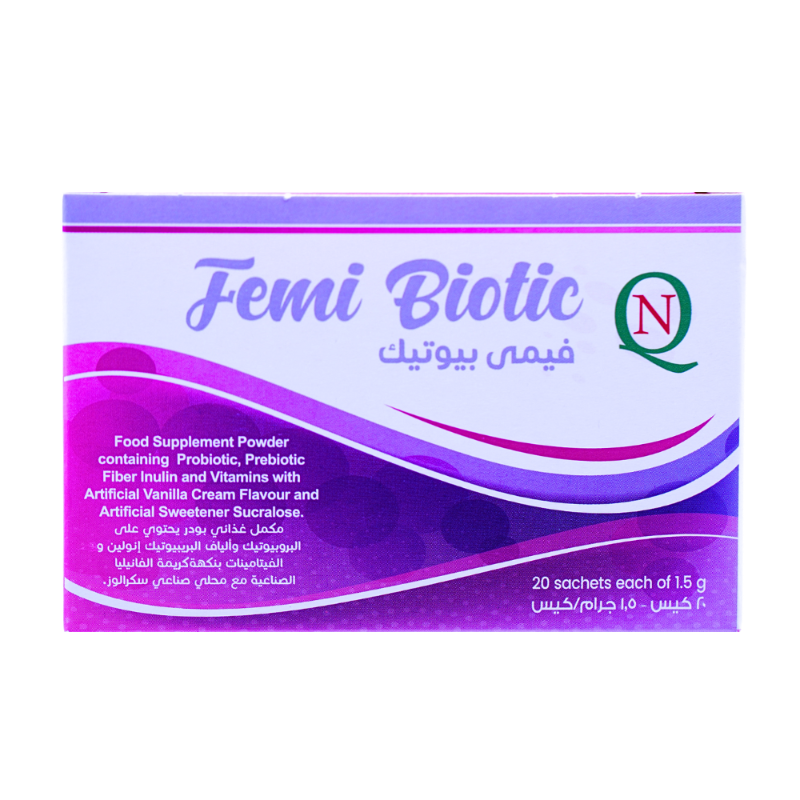
Vitamins & Supplements > Natural Supplements
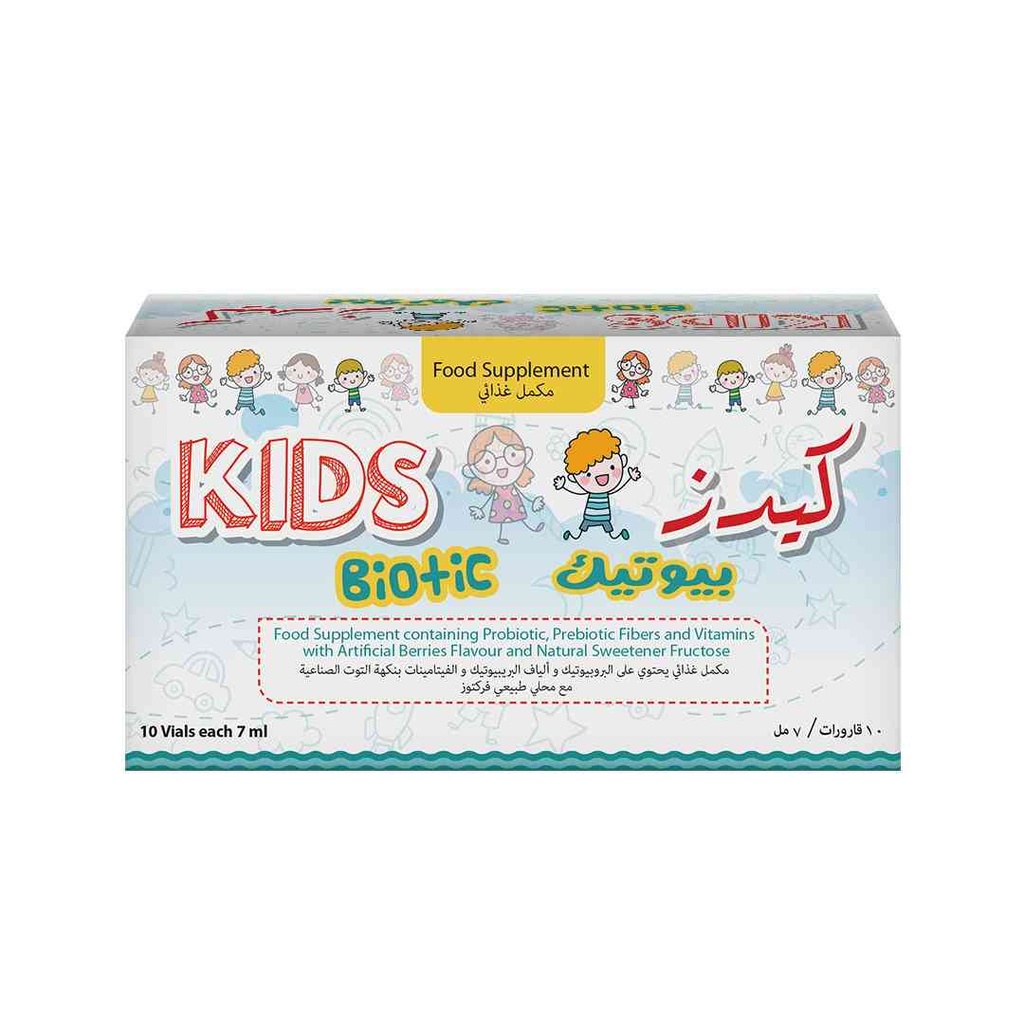
Vitamins & Supplements > Probiotecs
OMIZ 20/MG CAP 14/CAP
- Sku : I-004614
Key features
OMIZ 20MG 14TAB is a capsule formulation of OMIZ containing omeprazole 20 mg, a proton pump inhibitor. It irreversibly inhibits the gastric parietal cell H+/K+-ATPase (proton pump), blocking the final step of gastric acid secretion. It is indicated for acid-related disorders including gastroesophageal reflux disease (with or without erosive esophagitis), peptic ulcer disease (duodenal and gastric ulcers), Helicobacter pylori eradication as part of combination therapy, and pathological hypersecretory conditions such as Zollinger-Ellison syndrome, and may be used for NSAID-associated ulcer treatment or prevention per local labeling. Available in capsule form in packs of 14.- Brand: OMIZ
- Active Ingredient: OMEPRAZOLE 20mg
- Strength: 20mg
- Dosage Form: Capsule
- Pack Size: 14 Capsules
- Route: Oral use
- Prescription Status: Prescription
- Therapeutic Class: Gastrointestinal
- Pharmacological Group: Proton Pump Inhibitors
- Drug Class: Proton Pump Inhibitor (PPI)
- Manufacturer: TABUK PHARMACEUTICAL MANUFACTURING CO.
- Country of Origin: Saudi Arabia
- SFDA Registration No.: 1707257772
- Shelf Life: 24 months
- Storage: store below 25°c
- Gi Condition: Acid Reflux/GERD, Ulcer
Frequently bought together
Vitamins & Supplements > Natural Supplements
Vitamins & Supplements > Natural Supplements
Vitamins & Supplements > Probiotecs
Vitamins & Supplements > Natural Supplements
Vitamins & Supplements > Probiotecs
Indications
Approved Uses
Acid-related disorders including GERD (with/without erosive esophagitis), peptic ulcer disease (duodenal and gastric ulcers), Helicobacter pylori eradication as part of combination therapy, and pathological hypersecretory conditions (e.g., Zollinger-Ellison syndrome); also used for NSAID-associated ulcer treatment/prevention depending on local labeling.
Dosage & Administration
Dosing by Condition
Typical adult dosing: GERD (symptomatic): 20 mg once daily for 4 weeks (may extend to 8 weeks if needed). Erosive esophagitis: 20 mg once daily for 4-8 weeks (some patients may require 40 mg daily per severity/label). Duodenal ulcer: 20 mg once daily for 4 weeks. Gastric ulcer: 20-40 mg once daily for 4-8 weeks. H. pylori eradication: 20 mg twice daily for 10-14 days with appropriate antibiotics (regimen-dependent). Zollinger-Ellison: start ~60 mg once daily and titrate; doses >80 mg/day should be divided.
Initial Dose
20mg once daily.
Maintenance Dose
20mg once daily
Maximum Dose
120mg per day (Zollinger-Ellison syndrome); 40mg per day for standard indications
Children's Dosage
Children 1-11 years (body weight 10-19kg): 10mg once daily; body weight ≥20kg: 20mg once daily. Children ≥12 years: 20-40mg once daily. Not recommended in children under 1 year
How to Take
Take orally on an empty stomach, ideally 30-60 minutes before a meal (often before breakfast). Swallow the capsule whole with water; do not crush or chew. If unable to swallow, the capsule may be opened and the enteric-coated granules sprinkled on a small amount of soft/acidic food (e.g., applesauce) and swallowed immediately without chewing; do not store the mixture.
Side Effects
Common Side Effects
Headache, nausea, diarrhea, abdominal pain, flatulence, constipation, vomiting, dizziness
Safety & Warnings
Contraindications
Hypersensitivity to omeprazole, substituted benzimidazoles, or any excipient; concomitant use with rilpivirine-containing products; concomitant use with nelfinavir
Warnings & Precautions
May mask gastric malignancy-evaluate alarm features; long-term use associated with hypomagnesemia, fractures, and vitamin B12 deficiency; risk of C. difficile diarrhea; acute interstitial nephritis; possible drug-induced lupus; consider interaction risk (e.g., clopidogrel/warfarin/phenytoin) and reassess ongoing need for chronic therapy.
Age Restriction
Pediatric use is condition- and formulation-specific; generally approved/used in children ≥1 year for GERD/erosive esophagitis, and in infants (≥1 month) only for limited indications under specialist direction-this 20 mg capsule is typically not suitable for infants.
Driving Warning
Safe
Drug Interactions
Drug Interactions
Key interactions: clopidogrel (reduced activation via CYP2C19 inhibition-avoid/consider alternative PPI), high-dose methotrexate (delayed clearance-consider holding PPI), warfarin (↑INR/bleeding-monitor), phenytoin/diazepam/cilostazol (↑levels via CYP2C19-monitor), digoxin (↑absorption-monitor), drugs needing acidic pH (e.g., ketoconazole/itraconazole/posaconazole, iron salts-reduced absorption), antiretrovirals with pH dependence/contraindications (rilpivirine contraindicated; atazanavir/nelfinavir reduced exposure), tacrolimus (↑levels-monitor), and strong CYP inducers (rifampin, St. John’s wort) may reduce omeprazole effect.
Interaction Severity
MAJOR/Contraindicated: rilpivirine; nelfinavir (and generally avoid with atazanavir due to reduced absorption/exposure). IMPORTANT/Clinically significant: clopidogrel (reduced activation via CYP2C19-avoid or consider alternative PPI if needed). MODERATE: warfarin (monitor INR), high-dose methotrexate (consider temporary PPI hold), tacrolimus (monitor levels), phenytoin (monitor levels), digoxin (monitor in high-risk), azole antifungals requiring acidity (reduced absorption).
Food Interaction
Take on an empty stomach, 30-60 minutes before a meal for best effect.
Special Populations
Pregnancy
Category C
Children
Children 1-11 years (body weight 10-19kg): 10mg once daily; body weight ≥20kg: 20mg once daily. Children ≥12 years: 20-40mg once daily. Not recommended in children under 1 year
Elderly
Standard adult dosing; no routine dose adjustment required, but monitor for hypomagnesemia and bone fracture risk with long-term use
Kidney Impairment
No adjustment needed.
Liver Impairment
Mild-moderate hepatic impairment: usually no adjustment; severe hepatic impairment: use the lowest effective dose and generally do not exceed 20 mg/day.
Storage & Patient Advice
Stopping the Medicine
Safe to stop after short-term courses; after prolonged use, rebound acid hypersecretion can occur-consider step-down/taper and reassess indication with a clinician.
Patient Counseling
Take on an empty stomach 30-60 minutes before a meal; swallow capsule whole (or sprinkle granules on a small amount of soft food and swallow without chewing if needed). Seek care for persistent/severe diarrhea, rash, or signs of low magnesium; discuss long-term risks (fracture risk, B12 deficiency) if prolonged therapy. Tell your clinician about all medicines, especially clopidogrel, warfarin, tacrolimus, phenytoin, and certain HIV medicines (rilpivirine/nelfinavir/atazanavir).
Monitoring Requirements
Short-term: usually no routine labs. Long-term/prolonged therapy: consider magnesium (especially if >3 months or with diuretics), assess for vitamin B12 deficiency with prolonged use, consider bone/fracture risk in high-risk patients, and monitor INR if on warfarin; monitor for renal adverse effects (e.g., AIN) if symptomatic.
Pharmacology
Mechanism of Action
Irreversibly inhibits the gastric parietal cell H+/K+-ATPase (proton pump), blocking the final step of gastric acid secretion.
Onset of Action
Onset within ~1 hour; maximal acid suppression after a single dose occurs within a few hours, but full therapeutic effect typically requires 1-4 days of daily dosing.
Duration of Effect
Approximately 24 hours of acid suppression per dose, with maximal/steady effect reached after ~3-4 days of daily dosing.
Half-Life
0.5-1.2 hours.
Bioavailability
Oral bioavailability is ~30-40% after a single dose and increases to ~60% with repeated dosing (range varies by individual and formulation).
Metabolism
Extensive hepatic metabolism primarily via CYP2C19, with contribution from CYP3A4.
Excretion
Approximately 77% renal excretion (as metabolites), 20% fecal.
Protein Binding
Approximately 95%.
Product Information
Available Dosage Forms
For this product: oral capsule 20 mg (SFDA-verified). Omeprazole as an active ingredient is also available in other markets/forms (e.g., delayed-release tablets/capsules, powder for oral suspension, and IV injection), but those are not the dosage form of OMIZ 20MG CAP.
Composition per Dose
Each capsule: 20mg omeprazole (as enteric-coated granules)
Generic Availability
Yes
OTC Alternatives
OTC options for mild/intermittent symptoms include antacids (e.g., calcium carbonate; aluminum/magnesium hydroxide) and H2-receptor antagonists (e.g., famotidine).
Gi Condition
Acid Reflux/GERD, Ulcer
Reviewed by Al Mujtama Pharmacy Medical Review Team. Last reviewed 19-08-2026
Similar Products
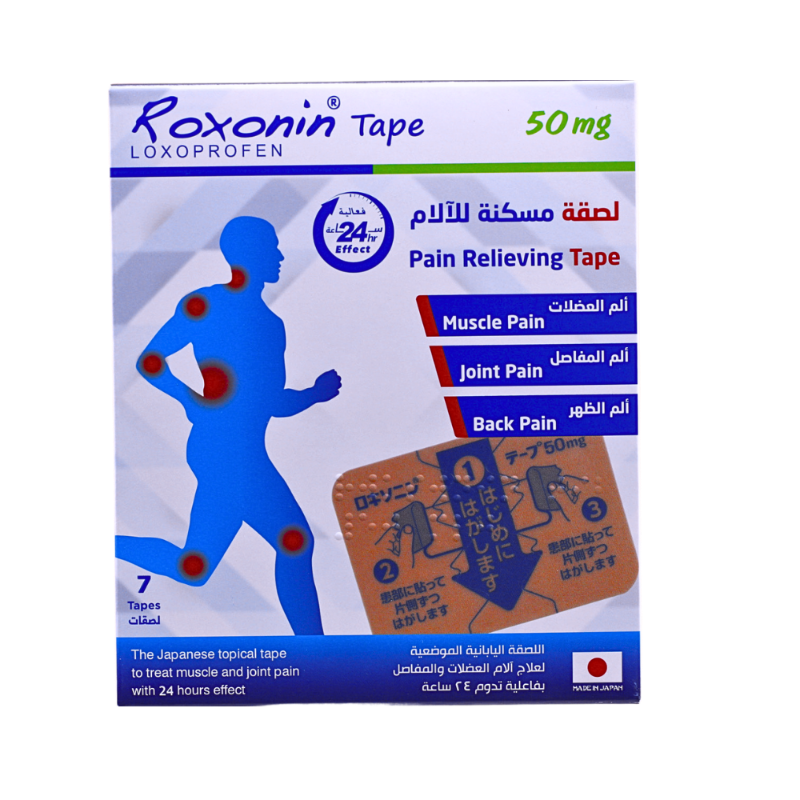
Medications > Painkillers and Antipyretics
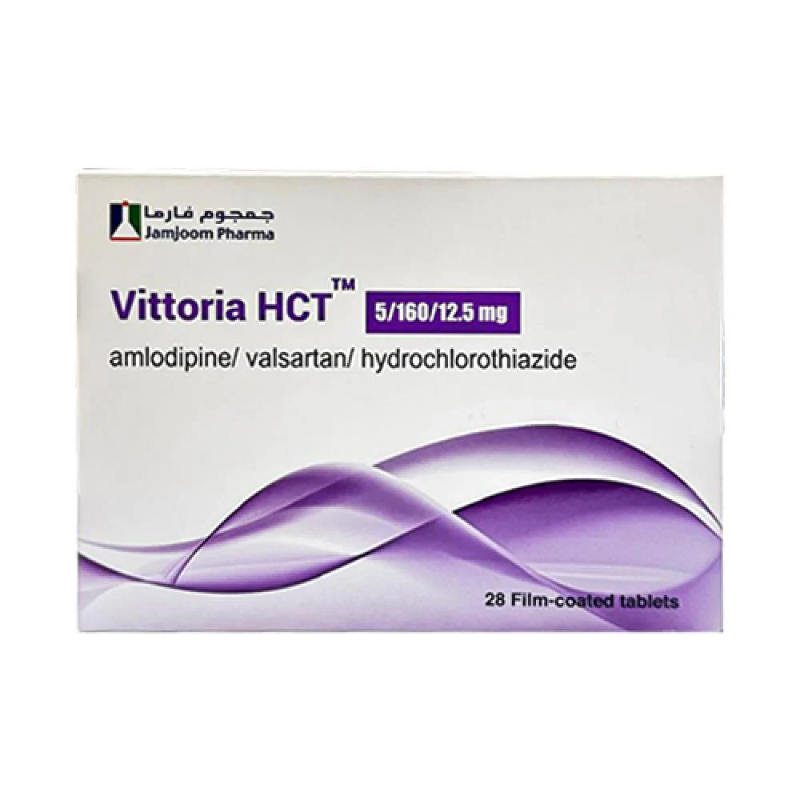
Medications > Hypertesion & Cardiovascular Medications
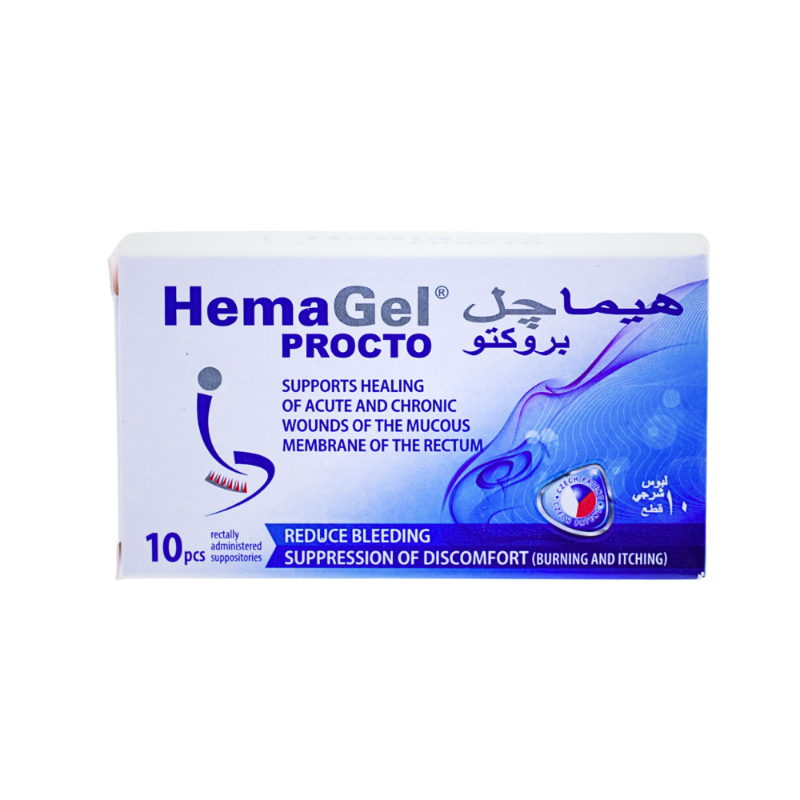
Medications > Hemorrhoid Medications
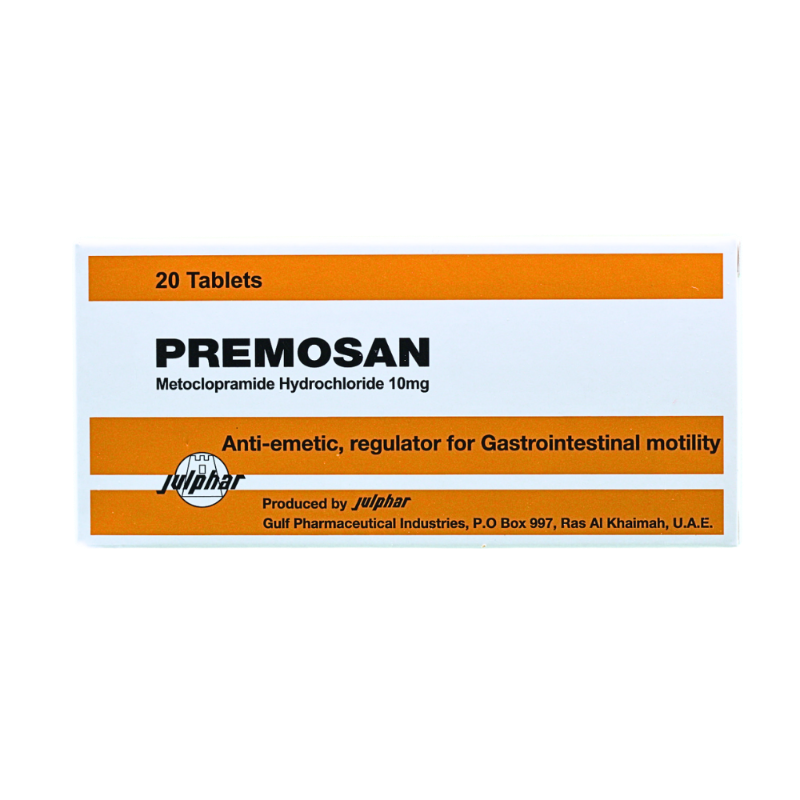
Medications > Gastrointestinal Medications
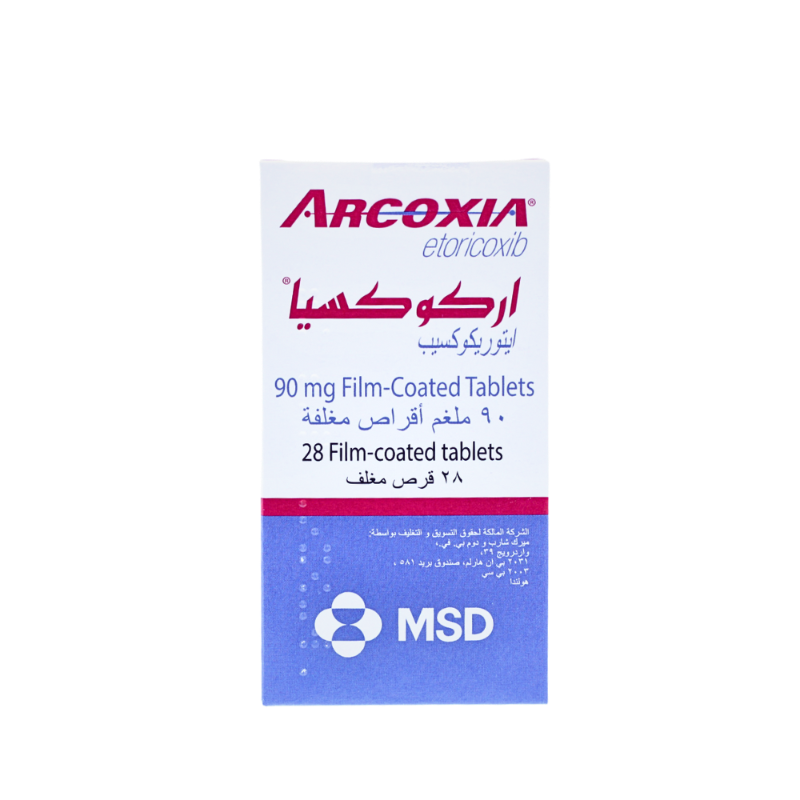
Medications > Painkillers and Antipyretics

Medications > Urology Medications
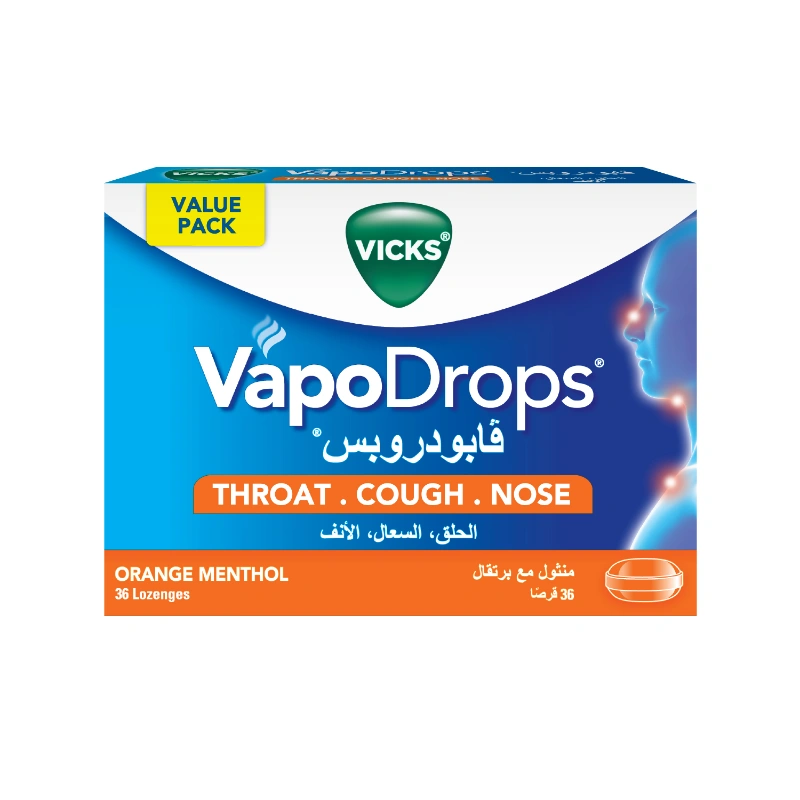
Medications > Cold, Cough, and Allergy Medications
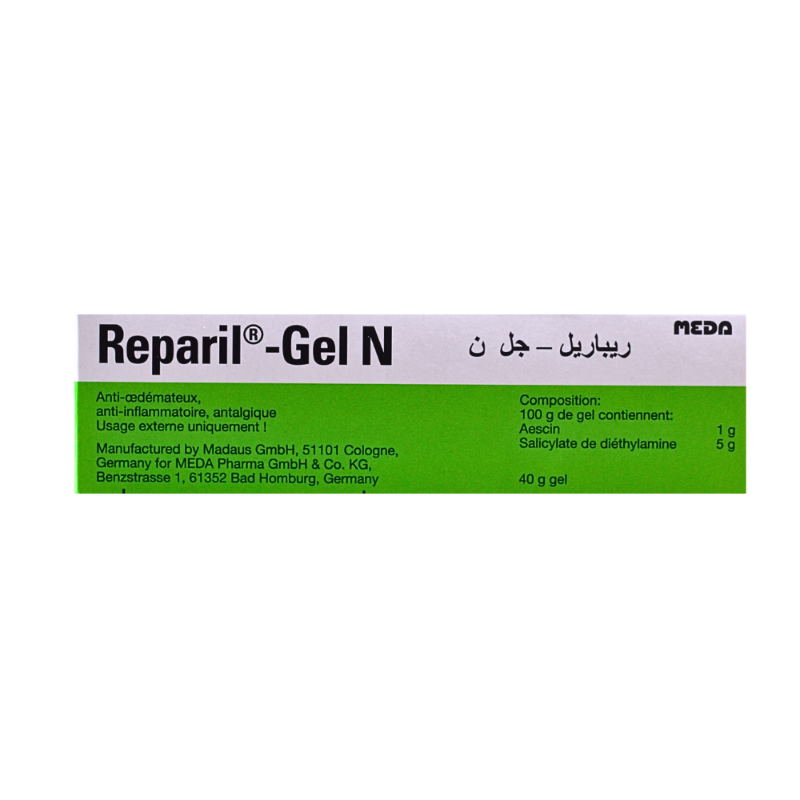
Medications > Painkillers and Antipyretics
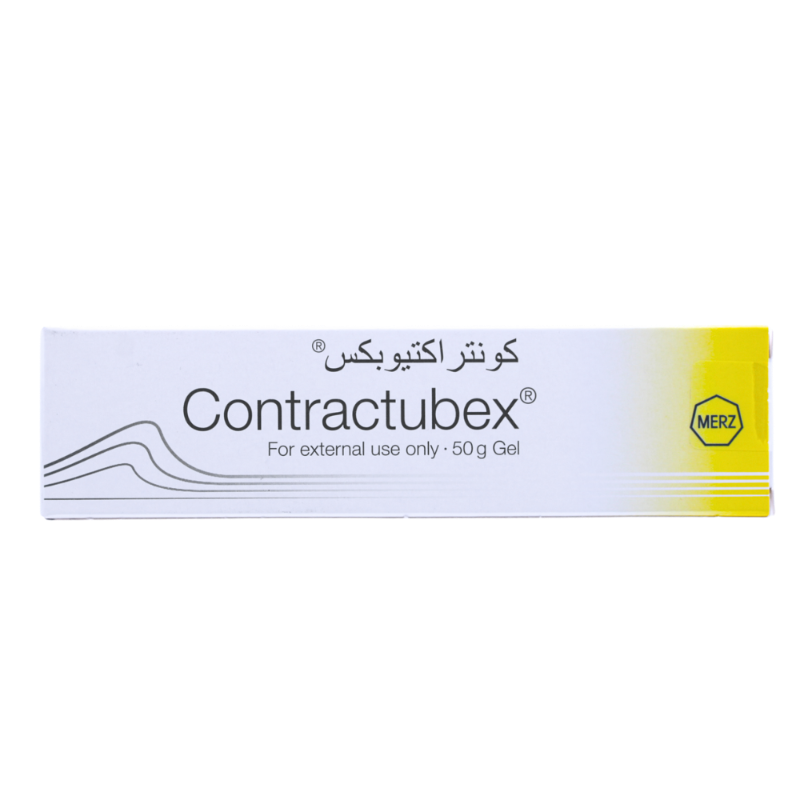
Medications > Dermatology Medications
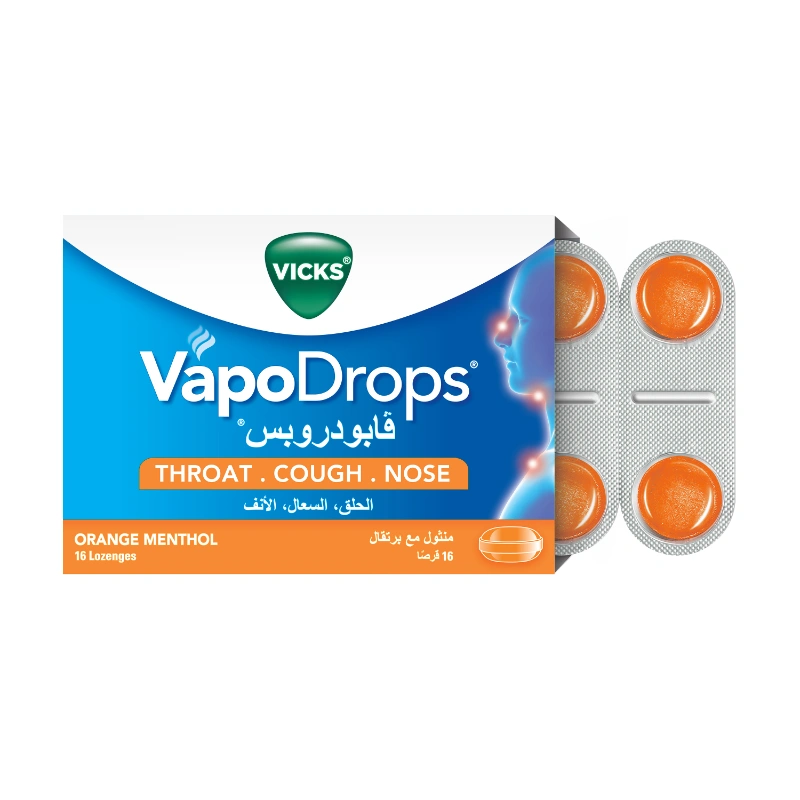
Medications > Cold, Cough, and Allergy Medications
