
Use Code: ND30 And Get 30% OFF | Get Free Delivery With No Minimum Order
-1744229570.gif "Almujtama Pharmacy logo")
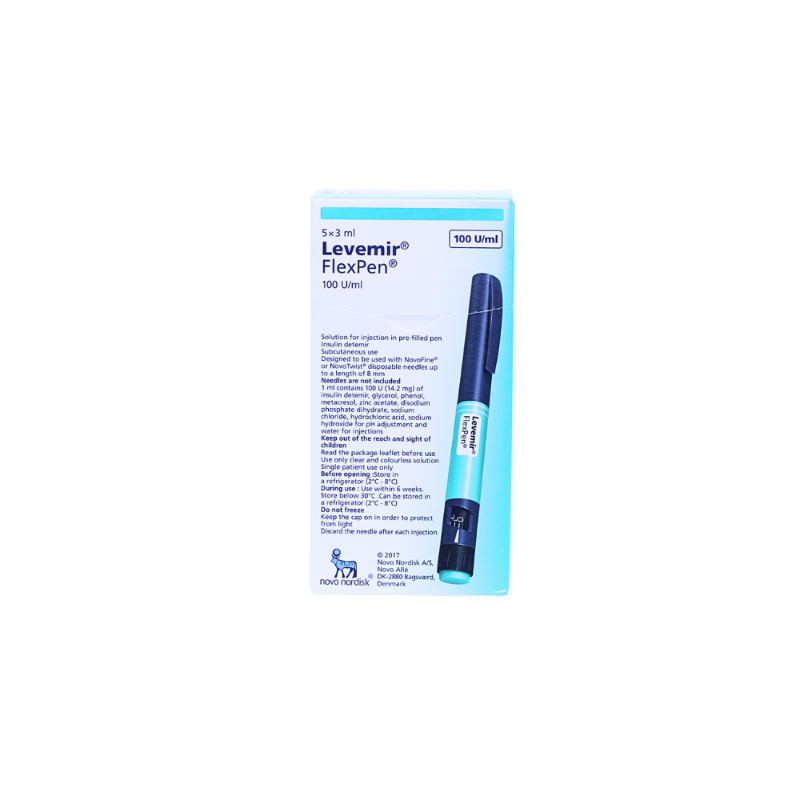




Frequently bought together
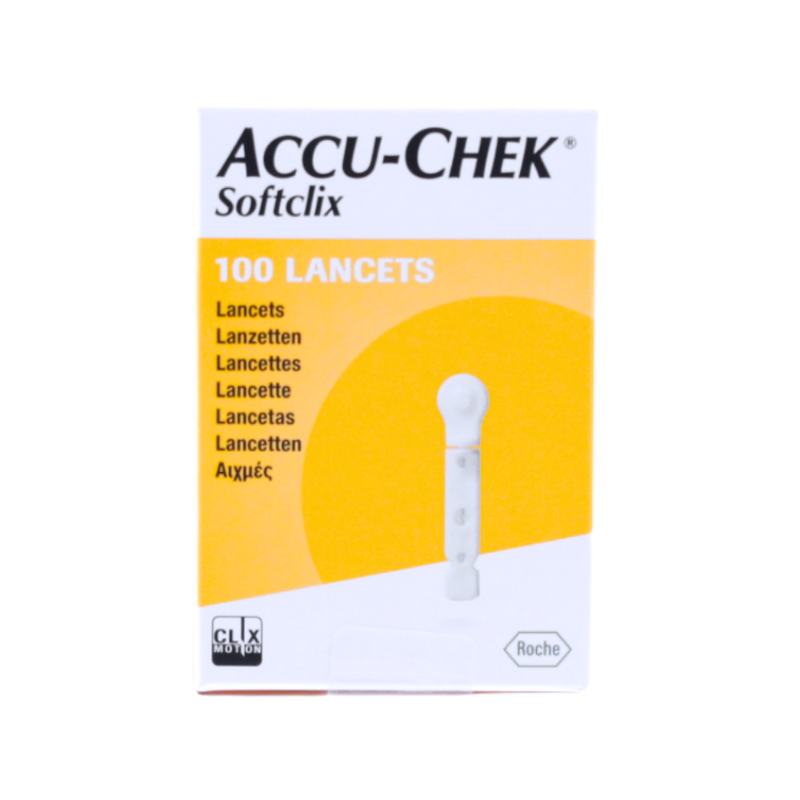
Health Care & Wellness > Diabetes Care
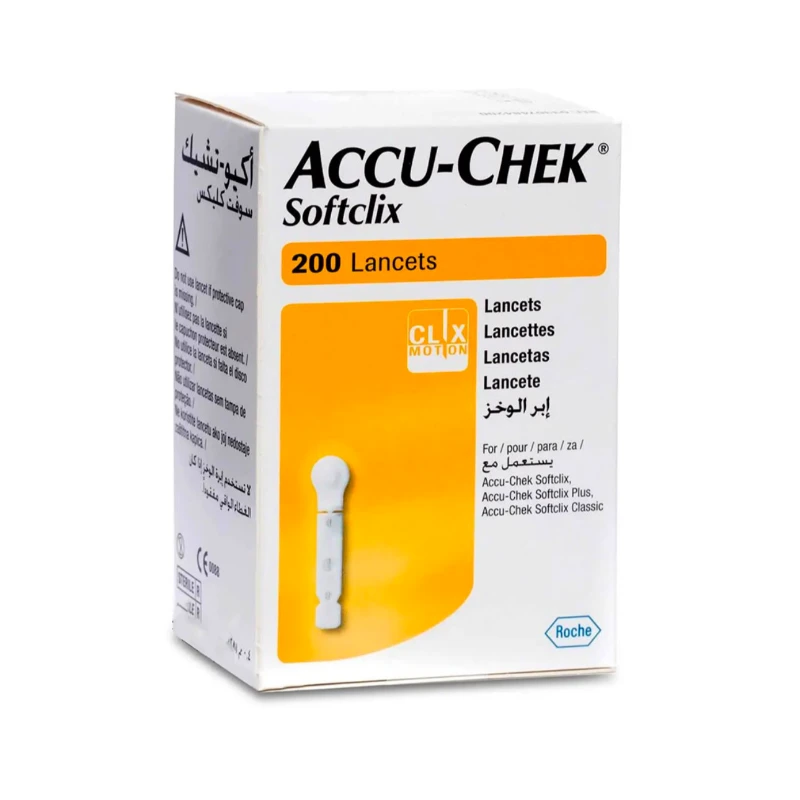
Health Care & Wellness > Diabetes Care
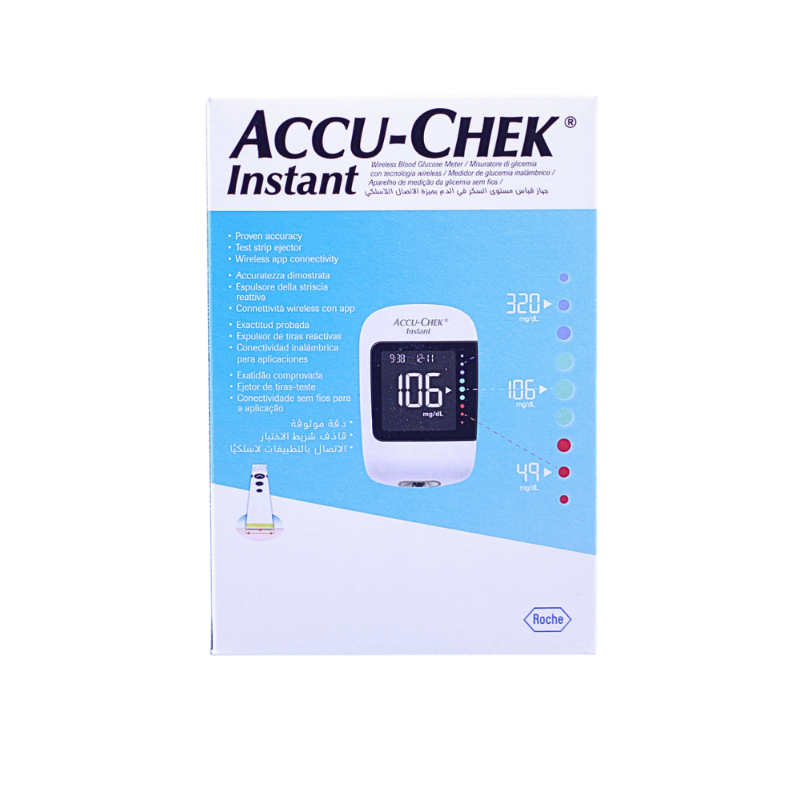
Health Care & Wellness > Diabetes Care
Skin And Body Care > Moisturizers

Skin And Body Care > Moisturizers
Skin And Body Care > Moisturizers
LEVEMIR FLEXPEN 100/UNITS/ML 5×3ML/PENFILL @
- Sku : I-003541
Key features
LEVEMIR FlexPen is a solution for injection containing insulin detemir 100 IU/mL. Insulin detemir is a long-acting basal insulin analog that lowers blood glucose by increasing peripheral glucose uptake and reducing hepatic glucose production; its prolonged action is mediated by self-association at the injection site and reversible albumin binding. It is indicated to improve glycemic control in adults and pediatric patients with type 1 and type 2 diabetes mellitus aged 2 years and older. Available as 3 mL prefilled penfills, supplied in packs of five.- Brand: LEVEMIR
- Active Ingredient: INSULIN DETEMIR 100IU/ml
- Strength: 100IU/ml
- Dosage Form: Solution for injection
- Pack Size: 3 ml
- Route: Subcutaneous use
- Prescription Status: Prescription
- Therapeutic Class: Antidiabetic
- Pharmacological Group: Insulins
- Drug Class: Long-acting Basal Insulin Analog
- Manufacturer: NOVO NORDISK
- Country of Origin: Denmark
- SFDA Registration No.: 55-100-05
- Shelf Life: 30 months
- Storage: store in a refrigerator (2°c - 8°c)
- Diabetes Type: Type 1/Type 2
- Insulin Type: Long-acting
Frequently bought together
Health Care & Wellness > Diabetes Care
Health Care & Wellness > Diabetes Care
Health Care & Wellness > Diabetes Care
Skin And Body Care > Moisturizers
Skin And Body Care > Moisturizers
Skin And Body Care > Moisturizers
Indications
Approved Uses
To improve glycemic control in adults and pediatric patients with diabetes mellitus aged 2 years and older (type 1 and type 2).
Off-Label Uses
Off-label: Use in pregnancy/gestational diabetes may be considered when clinically appropriate, but insulin detemir is not universally the first-line labeled option in all regions; use should follow obstetric-diabetes guidelines and local labeling.
Dosage & Administration
Dosing by Condition
Type 1 diabetes: Use as basal insulin in combination with rapid-acting mealtime insulin; typical initial total daily insulin 0.2-0.4 units/kg/day, with ~1/3 to 1/2 as basal insulin detemir given once daily (evening) or divided twice daily, then titrate to targets. Type 2 diabetes (insulin-naïve): Start 10 units once daily in the evening or 0.1-0.2 units/kg once daily; may use twice-daily dosing if needed; titrate based on fasting glucose.
Initial Dose
Type 2 diabetes: 10 IU subcutaneously once daily in the evening. Type 1 diabetes: 0.1-0.2 IU/kg/day subcutaneously
Maintenance Dose
Individually titrated based on patient's metabolic needs, blood glucose monitoring, and glycemic control goals.
Maximum Dose
No absolute maximum daily dose; dose is individualized and titrated to glycemic targets based on monitoring.
Children's Dosage
Safety/efficacy established in ≥2 years; individualize dose based on metabolic needs, glucose monitoring, diet.
Dose Adjustment Notes
Individualize and titrate based on blood glucose (especially fasting plasma glucose); adjust with changes in diet, physical activity, intercurrent illness, or concomitant drugs. When switching from other basal insulins (e.g., NPH), close glucose monitoring and dose adjustment may be required; consider dose reduction in renal/hepatic impairment due to increased hypoglycemia risk.
How to Take
For subcutaneous use only. Inject insulin detemir under the skin (SC) into the abdomen, thigh, or upper arm; rotate injection sites within the same region to reduce lipodystrophy. Do not administer intravenously or intramuscularly. Use a new needle for each injection, prime the pre-filled pen per device instructions, and do not share pens/needles between patients.
How to Prepare
Inspect solution (must be clear, colorless, particle-free); use a new needle each time; prime/air-shot the FlexPen (typically 2 units with needle up) until a drop appears; then dial the prescribed dose and inject subcutaneously.
Side Effects
Common Side Effects
Hypoglycemia, injection site reactions (pain, redness, bruising, swelling, itching), lipodystrophy at injection site, weight gain, peripheral edema
Side Effect Frequency
Hypoglycemia (most common). Other: injection site reactions, weight gain, peripheral edema, lipodystrophy. Rare: hypersensitivity reactions, hypokalemia.
Safety & Warnings
Contraindications
Contraindicated during episodes of hypoglycemia and in patients with hypersensitivity to insulin detemir or any excipient.
Warnings & Precautions
Key warnings/precautions: hypoglycemia risk (most common; requires monitoring and education), do not share pens between patients, regimen changes only under medical supervision, rotate injection sites to prevent lipodystrophy/skin amyloidosis, risk of hypokalemia, and use caution with renal/hepatic impairment; administer subcutaneously only (not IV/IM).
Age Restriction
Approved for adults and pediatric patients ≥2 years of age; safety and effectiveness not established in pediatric patients below 2 years of age.
Driving Warning
Hypoglycemia can impair concentration and reaction time; may place patient at risk when driving or operating machinery.
Drug Interactions
Drug Interactions
Clinically relevant interactions include: agents that increase hypoglycemia risk (other antidiabetics, ACE inhibitors, salicylates, MAO inhibitors, some fluoroquinolones, alcohol); agents that decrease insulin effect/raise glucose (corticosteroids, thiazide diuretics, thyroid hormones, sympathomimetics, some antipsychotics); beta-blockers may both increase hypoglycemia risk and mask adrenergic warning symptoms; octreotide/lanreotide can increase or decrease insulin requirements.
Interaction Severity
MAJOR/CLINICALLY SIGNIFICANT: Other glucose-lowering agents (additive hypoglycemia), alcohol (hypoglycemia risk and symptom masking), beta-blockers (mask hypoglycemia symptoms), and drugs that increase insulin sensitivity (e.g., ACE inhibitors, MAO inhibitors) can increase hypoglycemia risk. MODERATE: Fluoroquinolones (dysglycemia), octreotide/lanreotide (variable effects). OPPOSING EFFECT (may increase glucose/insulin needs): corticosteroids, thiazide diuretics, sympathomimetics, thyroid hormones.
Food Interaction
No specific food timing requirement for insulin detemir itself; administer once daily with the evening meal or at bedtime, or twice daily as prescribed. Alcohol can increase the risk of hypoglycemia and may also cause variable glucose effects; counsel moderation and monitoring.
Special Populations
Pregnancy
Risk Summary: Available data from published studies and postmarketing reports with insulin detemir use in pregnant women have not established a drug-associated risk of major birth defects, miscarriage or adverse maternal or fetal outcomes.
Breastfeeding
Risk Summary: Insulin detemir is present in human milk. There are no data on effects on breastfed infant or milk production.
Children
Safety/efficacy established in ≥2 years; individualize dose based on metabolic needs, glucose monitoring, diet.
Elderly
Start at lower doses; titrate slowly with close blood glucose monitoring; hypoglycemia risk is increased; cognitive impairment may affect self-management ability
Kidney Impairment
No fixed dose adjustment by eGFR/CrCl; renal impairment may reduce insulin requirements-use intensified glucose monitoring and individualize/titrate dose.
Liver Impairment
No fixed dose adjustment; hepatic impairment may reduce insulin requirements-use intensified glucose monitoring and individualize/titrate dose.
Storage & Patient Advice
Storage Conditions
store in a refrigerator (2°c - 8°c)
Preparation Instructions
Inspect solution (must be clear, colorless, particle-free); use a new needle each time; prime/air-shot the FlexPen (typically 2 units with needle up) until a drop appears; then dial the prescribed dose and inject subcutaneously.
Stopping the Medicine
Do not discontinue or change dose without medical supervision; abrupt interruption can cause hyperglycemia and may precipitate diabetic ketoacidosis (especially in type 1 diabetes).
Overdose
Overdose primarily causes hypoglycemia (may be severe with seizures/coma); treat mild/moderate with oral fast-acting carbohydrate, and severe episodes with glucagon (IM/SC) or IV dextrose followed by sustained carbohydrate and medical evaluation.
Patient Counseling
Store unopened pens refrigerated at 2-8°C (SFDA storage); do not freeze. Once in use, keep per local product labeling (commonly room temperature below 30°C for a limited in-use period) and protect from heat/light; discard after the in-use period even if insulin remains. Inject subcutaneously and rotate sites; use a new needle each time; do not share the pen/needles. Monitor glucose as directed; recognize and treat hypoglycemia; carry fast-acting carbohydrate; discuss dose adjustments during illness, diet/exercise changes, or medication changes.
Monitoring Requirements
Monitor capillary/CGM glucose regularly (including fasting values for titration) and HbA1c about every 3 months until stable then at least twice yearly; monitor for hypoglycemia, weight, and injection-site reactions/lipodystrophy. Consider serum potassium in at-risk patients (e.g., on potassium-lowering therapy or with renal impairment) and assess renal/hepatic function when clinically indicated.
Pharmacology
Mechanism of Action
Insulin detemir is a long-acting basal insulin analog that lowers glucose by increasing peripheral glucose uptake and decreasing hepatic glucose production; prolonged action is due to self-association at the injection site and reversible albumin binding mediated by its fatty-acid side chain.
Onset of Action
Onset typically about 1-2 hours after subcutaneous injection (with peakless/flat profile; clinically meaningful effect may be later depending on dose).
Duration of Effect
Up to ~24 hours, dose-dependent (may be shorter at lower doses; some patients require twice-daily dosing).
Half-Life
Terminal half-life ~5-7 hours (dose-dependent); duration of action up to ~24 hours depending on dose and patient factors.
Metabolism
Metabolized by proteolytic degradation similar to human insulin into inactive metabolites; degradation occurs in peripheral tissues with major involvement of liver and kidney insulin clearance pathways.
Excretion
Cleared via metabolic degradation to inactive peptides/amino acids; elimination occurs through normal protein catabolism with renal contribution to metabolite clearance (no meaningful unchanged drug excretion).
Protein Binding
>98% reversible binding to albumin.
Product Information
Available Dosage Forms
3 mL FlexPen, 3 mL FlexTouch, 10 mL vial.
Composition per Dose
Each 1 ml: Insulin detemir 100 IU (equivalent to 14.2 mg). Each 3 ml cartridge/FlexPen: Insulin detemir 300 IU
Generic Availability
No
OTC Alternatives
No OTC alternative
Diabetes Type
Type 1/Type 2
Insulin Type
Long-acting
Reviewed by Al Mujtama Pharmacy Medical Review Team. Last reviewed 28-06-2026
Similar Products
Medications > Psychiatric Medications

Medications > Hypertesion & Cardiovascular Medications
Medications > Diabetes Medications
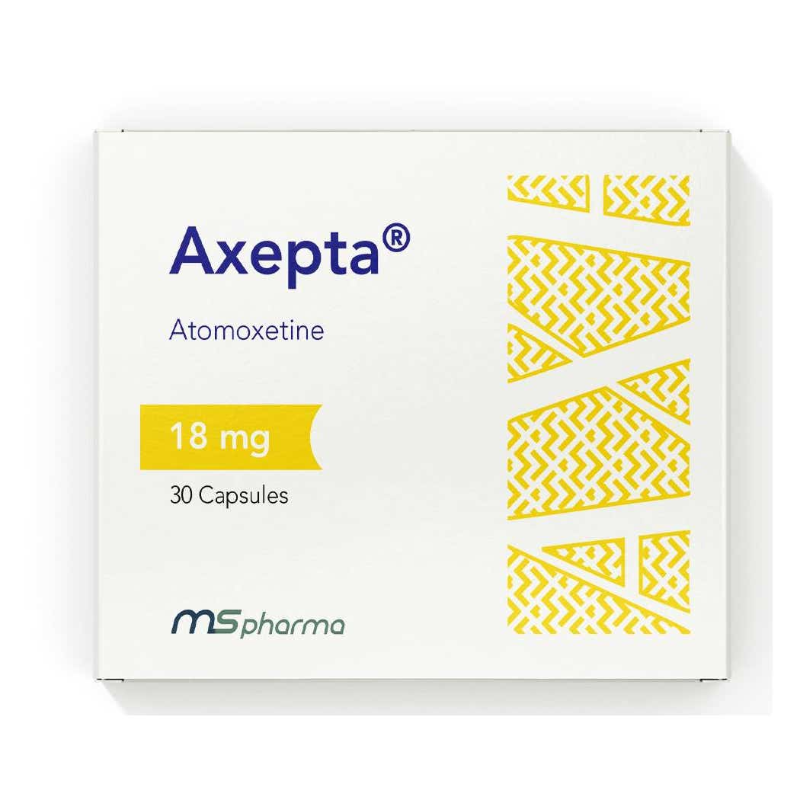
Medications > Psychiatric Medications
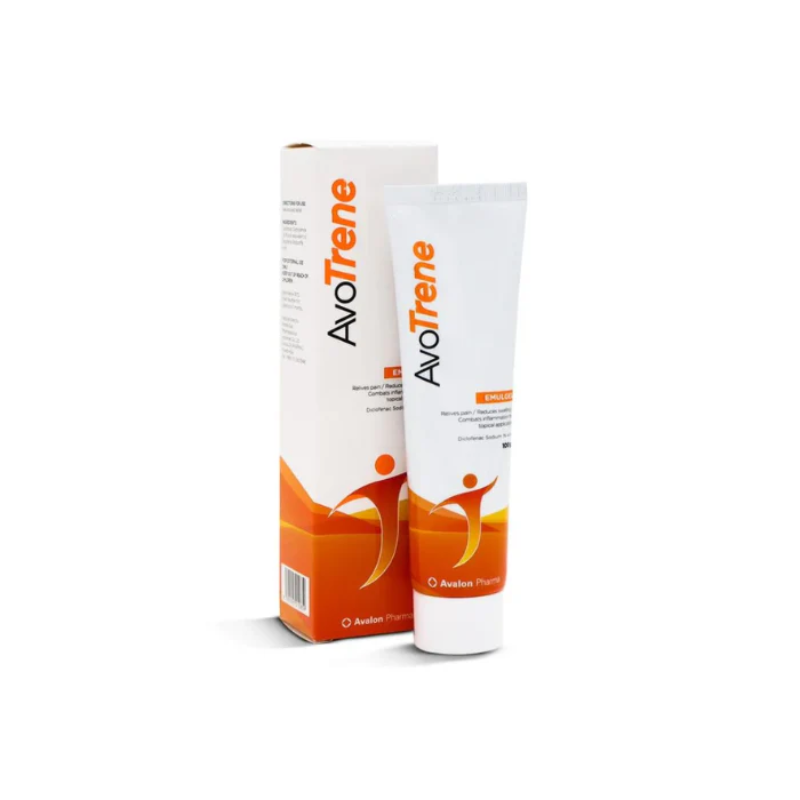
Medications > Painkillers and Antipyretics
Medications > Cold, Cough, and Allergy Medications
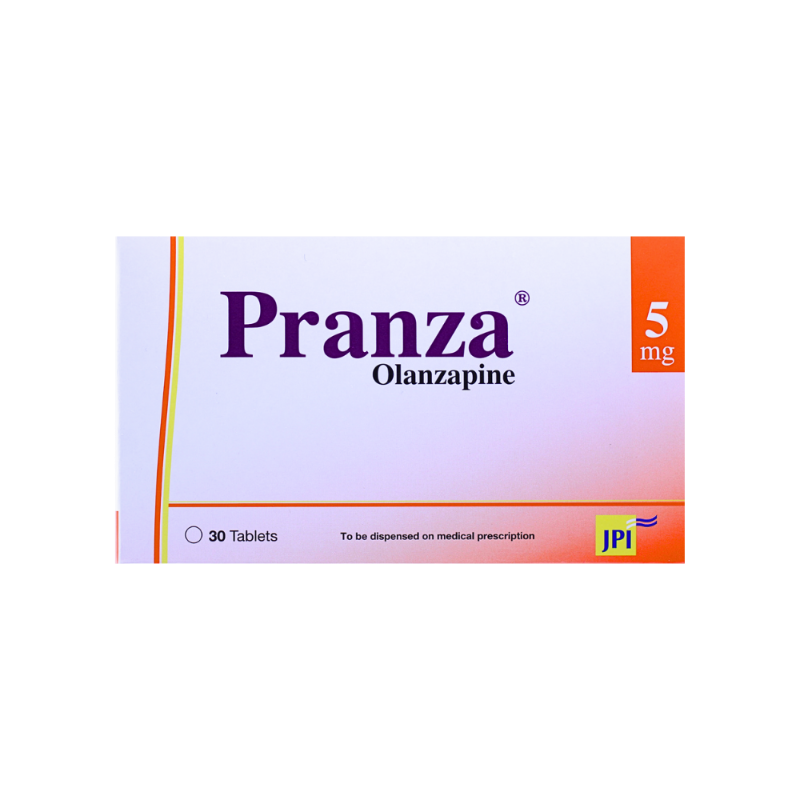
Medications > Psychiatric Medications
Medications > Painkillers and Antipyretics
Medications > Gastrointestinal Medications
Medications > Hypertesion & Cardiovascular Medications
