
Use Code: SAVE26 And Get 30% OFF | Get Free Delivery With No Minimum Order
-1744229570.gif "Almujtama Pharmacy logo")
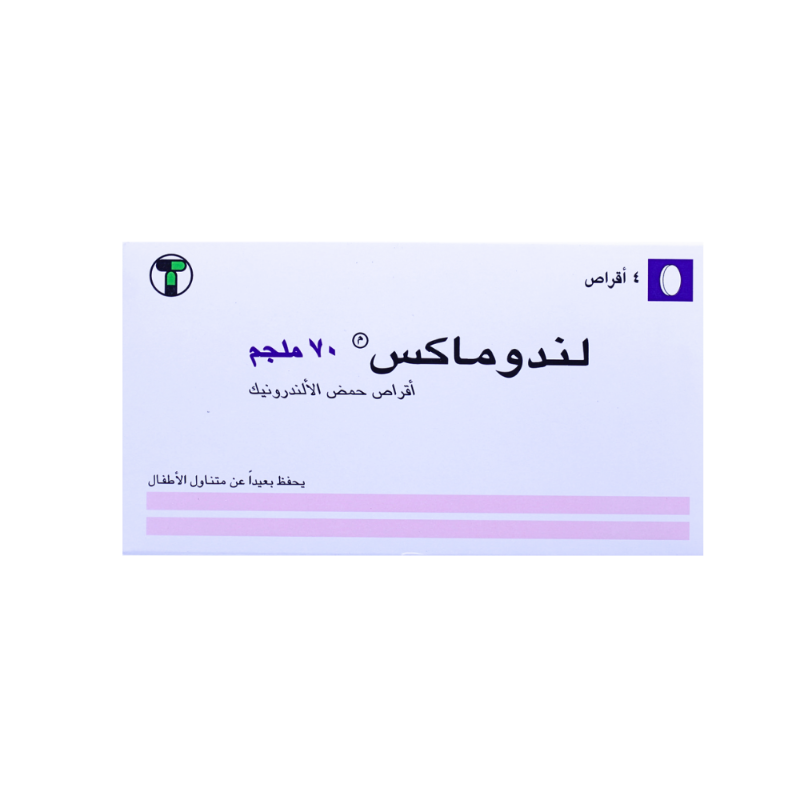




Frequently bought together
Vitamins & Supplements > Vitamins and Minerals
Vitamins & Supplements > Vitamins and Minerals
Vitamins & Supplements > Vitamins and Minerals
Vitamins & Supplements > Vitamins and Minerals
LENDOMAX 70 TAB
- Sku : I-012301
Key features
Lendomax 70 Mg Tablets are prescription tablets containing alendronic acid 70 mg. It is a nitrogen-containing bisphosphonate that helps strengthen bone by reducing osteoclast-driven bone resorption. It is used for the treatment and prevention of osteoporosis in postmenopausal women, to increase bone mass in men with osteoporosis, for glucocorticoid-induced osteoporosis, and for Paget's disease of bone. It is available as a pack of 4 tablets.- Brand: LENDOMAX
- Active Ingredient: ALENDRONIC ACID
- Strength: 70mg
- Dosage Form: Tablet
- Pack Size: 4 Tablets
- Route: Oral use
- Prescription Status: Prescription
- Therapeutic Class: Musculoskeletal
- Pharmacological Group: Bone Disease Drugs
- Drug Class: Bisphosphonate; antiresorptive (bone resorption inhibitor).
- Manufacturer: TABUK PHARMACEUTICAL MANUFACTURING CO.
- Country of Origin: Saudi Arabia
- SFDA Registration No.: 2510222794
- Shelf Life: 36 months
- Storage: store below 30°c
- Primary Use: Treatment and prevention of osteoporosis and Paget's disease of bone by reducing bone resorption
Frequently bought together
Vitamins & Supplements > Vitamins and Minerals
Vitamins & Supplements > Vitamins and Minerals
Vitamins & Supplements > Vitamins and Minerals
Vitamins & Supplements > Vitamins and Minerals
Indications
Approved Uses
Treatment and prevention of osteoporosis in postmenopausal women, Treatment to increase bone mass in men with osteoporosis, Treatment of glucocorticoid-induced osteoporosis, Treatment of Paget's disease of bone.
Off-Label Uses
Not routinely used for hypercalcemia of malignancy or bone metastases (IV bisphosphonates are preferred); off-label use exists in some settings such as osteogenesis imperfecta (more commonly with other bisphosphonates) and glucocorticoid-induced osteoporosis prevention/treatment where not explicitly labeled in some jurisdictions.
Dosage & Administration
Dosing by Condition
Postmenopausal osteoporosis treatment: 70 mg once weekly or 10 mg once daily. Osteoporosis prevention: 35 mg once weekly or 5 mg once daily. Glucocorticoid-induced osteoporosis: 5 mg once daily (10 mg once daily in postmenopausal women not on HRT). Paget's disease: 40 mg once daily for 6 months. Osteoporosis in men: 70 mg once weekly or 10 mg once daily
Initial Dose
70 mg once weekly (for osteoporosis treatment)
Maintenance Dose
70mg once weekly for osteoporosis treatment.
Maximum Dose
Osteoporosis: 70 mg once weekly (or 10 mg daily); Paget’s disease: 40 mg once daily for 6 months.
Children's Dosage
Not approved for children.
Dose Adjustment Notes
Renal: avoid/contraindicated if CrCl <35 mL/min; no dose adjustment needed if CrCl ≥35 mL/min. Hepatic: no adjustment required. Duration: reassess fracture risk periodically; consider a bisphosphonate ‘drug holiday’ after ~3-5 years in lower-risk patients.
How to Take
Take on an empty stomach first thing in the morning with a full glass of plain water (180-240 mL) at least 30 minutes before first food, drink, or other medication; swallow whole - do not crush, chew, or suck; remain upright (sitting or standing) for at least 30 minutes after taking and until after first food of the day; do not take at bedtime or before rising
Side Effects
Common Side Effects
Abdominal pain, dyspepsia/heartburn (acid regurgitation), nausea, constipation, diarrhea, flatulence, headache, and musculoskeletal (bone/muscle/joint) pain.
Side Effect Frequency
Very common (>10%): musculoskeletal pain (bone, muscle, joint). Common (1-10%): abdominal pain, dyspepsia/heartburn/acid regurgitation, nausea, constipation, diarrhea, flatulence, headache. Uncommon/rare: esophagitis/esophageal ulceration and (rare) esophageal stricture; rash/pruritus/erythema; hypocalcemia; ocular inflammation (e.g., uveitis); osteonecrosis of the jaw; atypical femoral fractures.
Safety & Warnings
Contraindications
Esophageal abnormalities which delay esophageal emptying (e.g., stricture or achalasia), Inability to stand or sit upright for at least 30 minutes, Hypocalcemia, Hypersensitivity to alendronate, Severe renal impairment (CrCl <35 mL/min), Pregnancy.
Warnings & Precautions
Take on waking with a full glass of plain water; remain upright ≥30 minutes and until after first food; avoid in patients with esophageal abnormalities or inability to sit/stand; correct hypocalcemia and ensure adequate calcium/vitamin D; use caution with active upper-GI disease; consider dental evaluation in high-risk patients (ONJ); monitor for thigh/groin pain (atypical fracture) and stop/evaluate if significant esophageal symptoms occur.
Age Restriction
Not approved/recommended for patients <18 years (pediatric safety and efficacy not established).
Drug Interactions
Drug Interactions
Multivalent cations (calcium/iron/magnesium/aluminum; antacids; supplements) and food markedly reduce absorption-separate dosing; NSAIDs may increase GI irritation/ulcer risk; IV ranitidine can increase alendronate bioavailability (clinical relevance usually limited).
Interaction Severity
Calcium/antacids/iron/magnesium and other polyvalent cations: clinically significant reduction in absorption-separate by at least 30 minutes (many references advise longer separation, e.g., 2 hours, but minimum is 30 minutes after alendronate). NSAIDs: increased risk of GI irritation/ulceration (use caution).
Food Interaction
Take on an empty stomach with plain water only, at least 30 minutes before any food, beverage (other than water), or other medicines; food/beverages markedly reduce absorption.
Special Populations
Pregnancy
Category C (FDA); contraindicated due to potential fetal harm
Children
Not approved for children.
Elderly
Standard adult dosing; no dose adjustment required based on age alone; ensure adequate calcium and vitamin D supplementation; monitor renal function
Kidney Impairment
CrCl ≥35 mL/min: no dose adjustment; CrCl <35 mL/min: not recommended (avoid).
Liver Impairment
No adjustment needed.
Storage & Patient Advice
Stopping the Medicine
Do not stop without clinician review; reassess need periodically and consider a ‘drug holiday’ after ~3-5 years in appropriate low-moderate fracture-risk patients.
Overdose
Symptoms: hypocalcemia, hypophosphatemia, and upper GI adverse effects (e.g., heartburn, esophagitis/gastritis/ulcer); Management: give milk/antacids to bind, keep upright, do NOT induce vomiting, and seek urgent medical care/supportive management.
Patient Counseling
Take first thing in the morning with a full glass of plain water only; no food/drink/other meds for at least 30 minutes; remain upright (sitting/standing) for at least 30 minutes and until after the first meal; swallow whole (do not chew/crush); separate calcium/iron/antacids; report dysphagia, chest pain, or new/worsening heartburn; inform dentist and report jaw symptoms; report thigh/groin pain suggestive of atypical femur fracture.
Monitoring Requirements
Baseline: serum calcium (and correct hypocalcemia), vitamin D status, and renal function (serum creatinine/CrCl). Follow-up: periodic calcium/vitamin D as clinically indicated; BMD (DEXA) typically every 1-2 years until stable then at longer intervals; monitor for GI intolerance and rare complications (ONJ/atypical femur fracture) based on risk/symptoms.
Pharmacology
Mechanism of Action
Nitrogen-containing bisphosphonate that binds to bone hydroxyapatite and inhibits osteoclast-mediated bone resorption primarily via inhibition of farnesyl pyrophosphate synthase in the mevalonate pathway, reducing osteoclast function/survival.
Onset of Action
Biochemical markers of bone resorption decrease within weeks (often within ~1 month); measurable BMD increases are typically seen by ~3-6 months and continue over 1-2 years.
Duration of Effect
Effects can persist months to years after stopping; alendronate has a very long terminal residence time in bone (often cited as ~10 years or more).
Half-Life
Plasma half-life ~1-2 hours; terminal half-life in bone is very prolonged and estimated to exceed 10 years.
Bioavailability
Oral bioavailability is very low, approximately 0.6-0.7% under fasting conditions and is markedly reduced by food and beverages other than water.
Metabolism
Not metabolized (no hepatic metabolism).
Excretion
Absorbed alendronate is either taken up into bone or excreted unchanged by the kidneys; unabsorbed drug is eliminated in feces.
Product Information
Available Dosage Forms
Tablet, Oral solution, Effervescent tablet.
Composition per Dose
Each tablet: 70 mg alendronic acid (as alendronate sodium trihydrate)
Generic Availability
Yes
OTC Alternatives
No OTC alternative
Primary Use
Treatment and prevention of osteoporosis and Paget's disease of bone by reducing bone resorption
Reviewed by Al Mujtama Pharmacy Medical Review Team. Last reviewed 28-06-2026
Similar Products
Medications > Cold, Cough, and Allergy Medications
Medications > Psychiatric Medications
Medications > Gastrointestinal Medications
Medications > Gastrointestinal Medications
Medications > Eye and Ear Medications
Medications > Painkillers and Antipyretics
Medications > Eye and Ear Medications
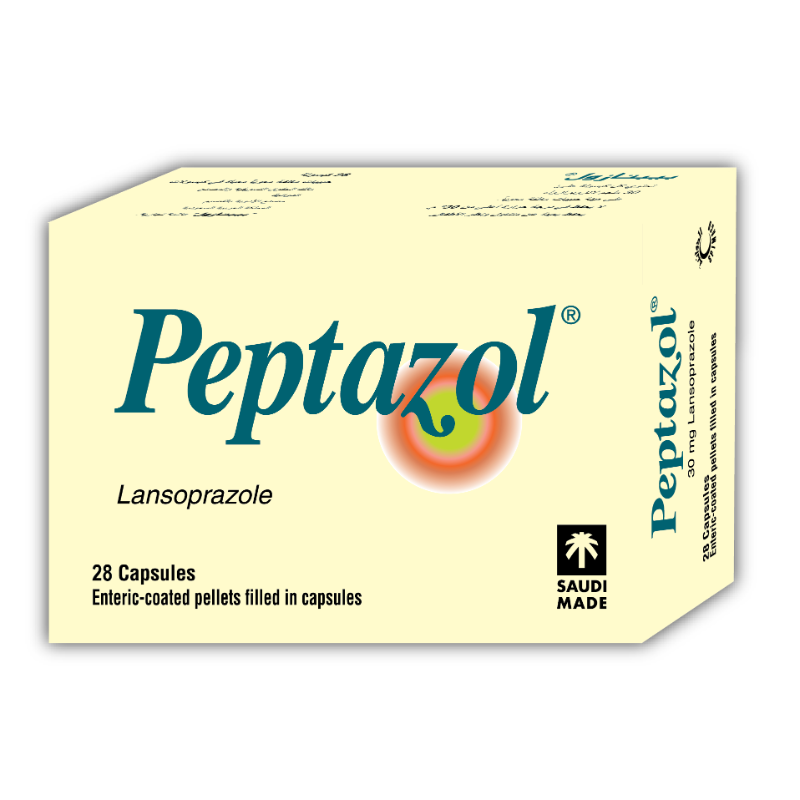
Medications > Gastrointestinal Medications
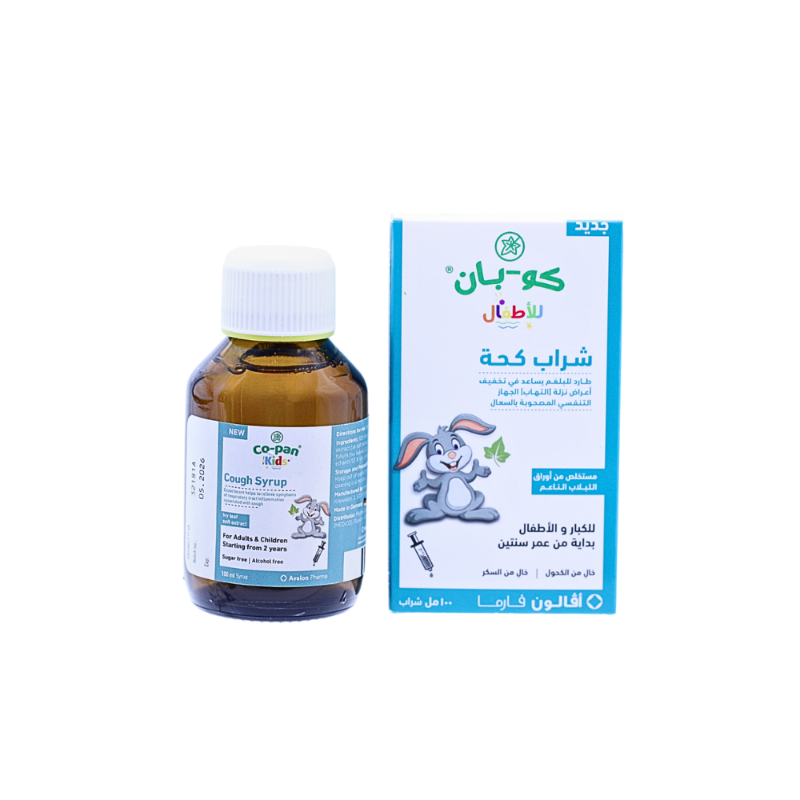
Medications > Cold, Cough, and Allergy Medications
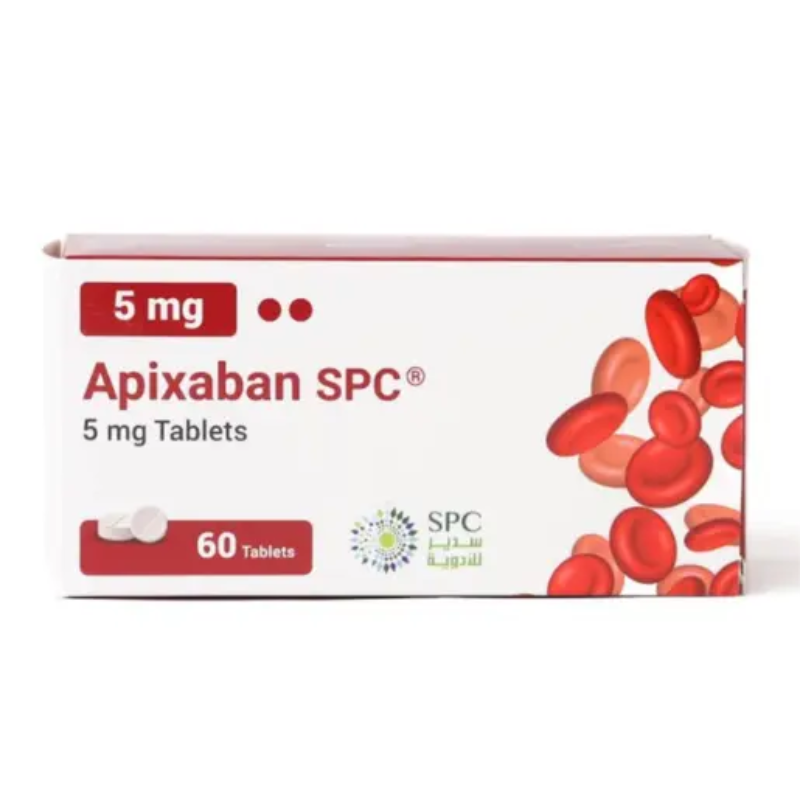
Medications > Hypertesion & Cardiovascular Medications
