
Use Code: ND30 And Get 30% OFF | Get Free Delivery With No Minimum Order
-1744229570.gif "Almujtama Pharmacy logo")
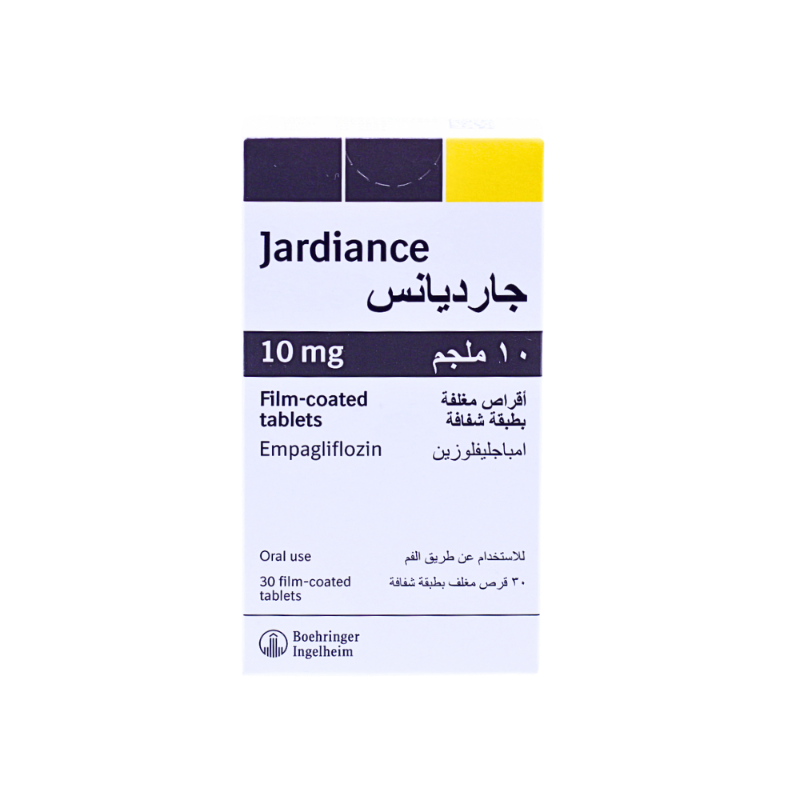




Frequently bought together
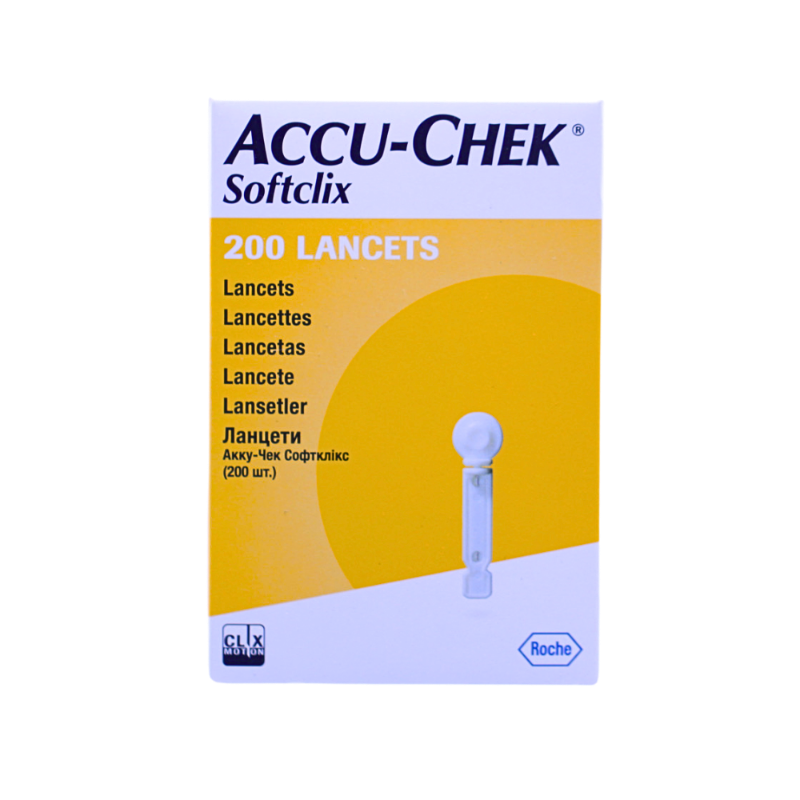
Health Care & Wellness > Diabetes Care
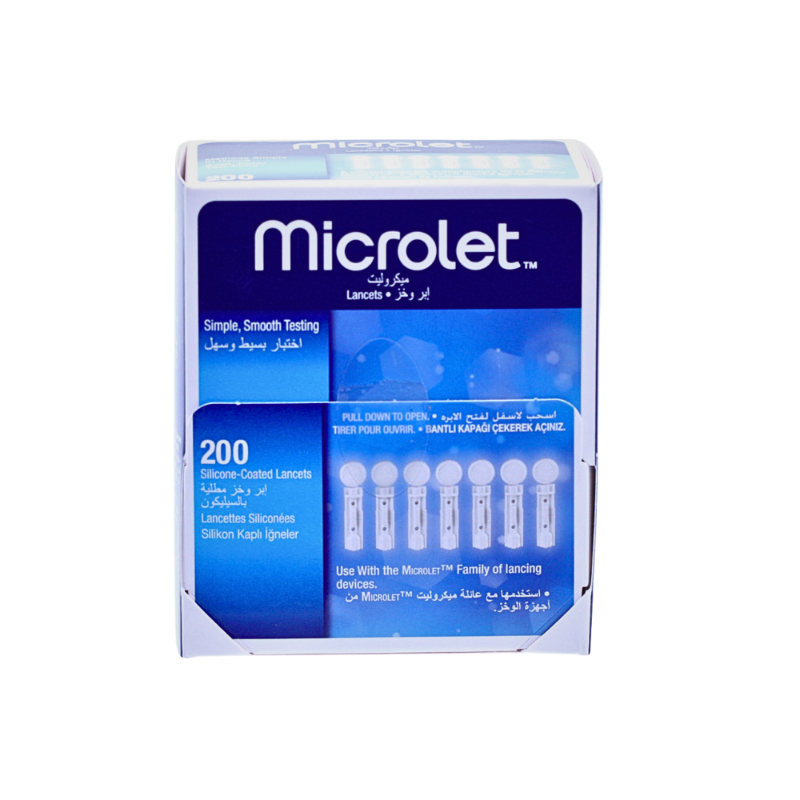
Health Care & Wellness > Diabetes Care
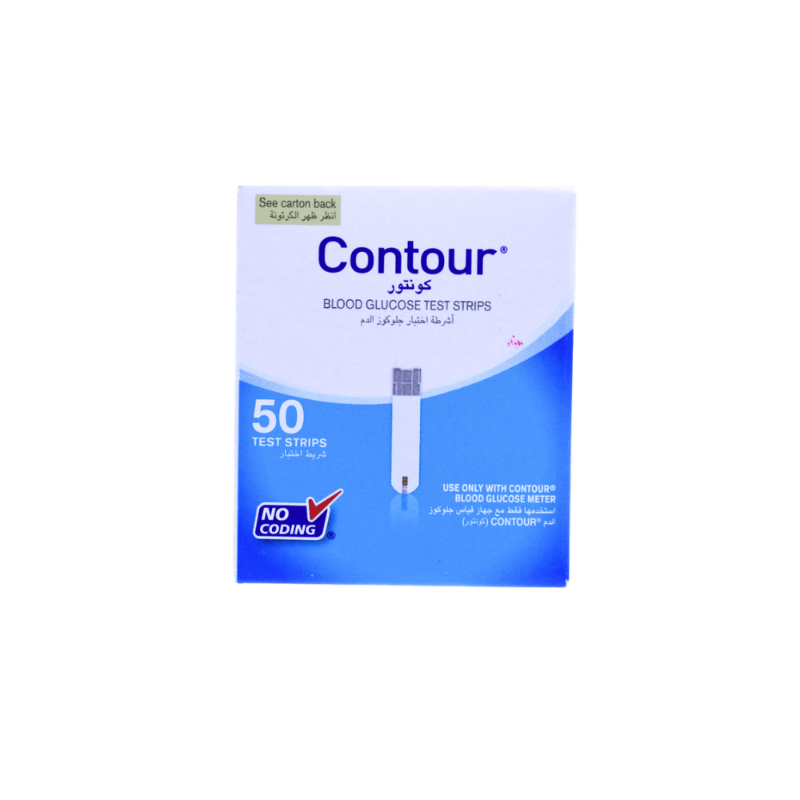
Health Care & Wellness > Diabetes Care
Skin And Body Care > Moisturizers

Skin And Body Care > Moisturizers
Skin And Body Care > Moisturizers
JARDIANCE 10/MG FC TAB 30/FC TAB
- Sku : I-018789
Key features
JARDIANCE 10 mg film-coated tablets contain empagliflozin 10 mg as the active ingredient. It selectively inhibits the SGLT2 transporter in the proximal renal tubule, reducing renal glucose reabsorption and increasing urinary glucose excretion with associated natriuresis and osmotic diuresis for insulin-independent glycemic lowering. Indications include adjunctive therapy with diet and exercise to improve glycemic control in adults with type 2 diabetes (and in pediatric patients aged ≥10 years where approved), reduction of cardiovascular death risk in adults with type 2 diabetes and established cardiovascular disease, reduction of cardiovascular death and hospitalization for heart failure in adults with heart failure, and slowing of kidney disease progression in adults with chronic kidney disease at risk of progression. Available by prescription as film-coated tablets in a pack of 30 tablets.- Brand: JARDIANCE
- Active Ingredient: EMPAGLIFLOZIN 10mg
- Strength: 10mg
- Dosage Form: Film-coated tablet
- Pack Size: 30 Tablets
- Route: Oral use
- Prescription Status: Prescription
- Therapeutic Class: Antidiabetic
- Pharmacological Group: Oral Antidiabetics
- Drug Class: Sodium-Glucose Cotransporter 2 (SGLT-2) Inhibitor
- Manufacturer: BOEHRINGER INGELHEIM
- Country of Origin: Germany
- SFDA Registration No.: 2810211247
- Shelf Life: 36 months
- Storage: store below 30°c
- Diabetes Type: Type 2
Frequently bought together
Health Care & Wellness > Diabetes Care
Health Care & Wellness > Diabetes Care
Health Care & Wellness > Diabetes Care
Skin And Body Care > Moisturizers
Skin And Body Care > Moisturizers
Skin And Body Care > Moisturizers
Indications
Approved Uses
Type 2 diabetes mellitus: adjunct to diet and exercise to improve glycemic control in adults (and in pediatric patients aged ≥10 years where approved/labelled); to reduce the risk of cardiovascular death in adults with type 2 diabetes mellitus and established cardiovascular disease; to reduce the risk of cardiovascular death and hospitalization for heart failure in adults with heart failure; to reduce the risk of sustained eGFR decline, end-stage kidney disease, cardiovascular death, and hospitalization for heart failure in adults with chronic kidney disease at risk of progression.
Off-Label Uses
None listed in FDA labeling
Dosage & Administration
Dosing by Condition
Type 2 diabetes: Initial 10 mg once daily; may increase to 25 mg once daily for additional glycemic control. Heart failure (HFrEF): 10 mg once daily (no titration required). Chronic kidney disease: 10 mg once daily (no titration required)
Initial Dose
10 mg once daily in the morning
Maintenance Dose
10 mg once daily in the morning, taken with or without food. For additional glycemic control, the dose may be increased to 25 mg in patients tolerating JARDIANCE.
Maximum Dose
25 mg once daily
Children's Dosage
For type 2 diabetes in children 10 years and older: Initial dose is 10mg once daily, may be increased to 25mg once daily if needed.
Dose Adjustment Notes
Assess renal function before initiation and periodically; for glycemic control in T2DM, do not initiate if eGFR <30 mL/min/1.73 m² (and glycemic efficacy diminishes with low eGFR); for HF/CKD indications, may be used down to eGFR ≥20 mL/min/1.73 m² per contemporary labeling/guidelines; no dose adjustment for hepatic impairment; consider reducing insulin/secretagogue dose to reduce hypoglycemia risk; withhold empagliflozin at least 3 days before major surgery or prolonged fasting and restart when clinically stable and eating.
How to Take
Swallow tablet whole with water, with or without food, preferably in the morning
Side Effects
Common Side Effects
Genital mycotic infections (female and male), urinary tract infection, increased urination (polyuria), and volume depletion-related symptoms (e.g., hypotension/dizziness), with nasopharyngitis/URTI also commonly reported in trials.
Side Effect Frequency
Common (1-10%): Genital mycotic infections, urinary tract infection, increased urination, thirst. Hypoglycemia when used with insulin/sulfonylurea (frequency not >10%). Volume depletion uncommon.
Safety & Warnings
Contraindications
Contraindicated in patients with severe renal impairment, end-stage renal disease (ESRD), or on dialysis; history of serious hypersensitivity reaction to empagliflozin or excipients.
Warnings & Precautions
Key warnings/precautions: ketoacidosis (hold for major surgery/prolonged fasting and evaluate symptoms), volume depletion/hypotension (especially with diuretics/elderly/low BP), acute kidney injury/renal function monitoring, serious UTI (urosepsis/pyelonephritis), genital mycotic infections, Fournier’s gangrene (stop and treat urgently), and hypoglycemia risk when used with insulin/secretagogues.
Age Restriction
Approved for pediatric patients ≥10 years for type 2 diabetes; not indicated for <10 years.
Drug Interactions
Drug Interactions
Key interactions: insulin/insulin secretagogues (↑ hypoglycemia risk-consider dose reduction), diuretics (↑ volume depletion/hypotension), lithium (may ↓ lithium concentrations-monitor), and strong UGT inducers (e.g., rifampin) may ↓ empagliflozin exposure.
Interaction Severity
MODERATE: insulin/insulin secretagogues (increased hypoglycemia risk-may require dose reduction), diuretics (additive volume depletion/hypotension), lithium (may decrease lithium concentrations-monitor levels); Rifampin/UGT inducers can reduce exposure but is generally managed with clinical monitoring rather than routine avoidance.
Food Interaction
No restriction.
Special Populations
Pregnancy
Not recommended (Risk Summary: potential fetal renal injury)
Breastfeeding
Not recommended (present in human milk; potential adverse effects on breastfed infant)
Children
For type 2 diabetes in children 10 years and older: Initial dose is 10mg once daily, may be increased to 25mg once daily if needed.
Elderly
Standard adult dosing; greater attention to renal function, volume status, and blood pressure monitoring due to increased risk of volume depletion and renal impairment in elderly patients
Kidney Impairment
T2D glycemic control: do not initiate if eGFR <30 mL/min/1.73 m². HF/CKD indications: may initiate if eGFR ≥20 mL/min/1.73 m². Dialysis: contraindicated.
Liver Impairment
No dose adjustment required in hepatic impairment, including severe impairment; use with caution in severe hepatic impairment due to limited experience.
Storage & Patient Advice
Stopping the Medicine
Do not stop without consulting the prescriber; abrupt discontinuation can worsen glycemic control and/or HF/CKD outcomes.
Overdose
Likely effects: increased diuresis/volume depletion and hypotension; hypoglycemia is uncommon unless combined with insulin/secretagogues; management is supportive (fluids, vitals/electrolytes) and seek urgent medical care.
Patient Counseling
Take once daily (often in the morning) with or without food; expect increased urination and maintain hydration; practice genital hygiene and seek care for symptoms of genital yeast infection or UTI; recognize and urgently report ketoacidosis symptoms (nausea/vomiting, abdominal pain, rapid breathing, unusual fatigue) even with normal glucose; stand up slowly and report dizziness (volume depletion); inform clinicians before surgery/fasting and stop 3 days prior as directed; urine glucose tests will be positive while on therapy.
Monitoring Requirements
Renal function (eGFR/serum creatinine) before initiation and periodically; volume status and blood pressure (especially with diuretics/elderly); glycemic control (SMBG as appropriate and HbA1c); monitor for genital mycotic infections/UTIs; consider ketone assessment when symptoms or high-risk situations for ketoacidosis occur; electrolytes as clinically indicated.
Pharmacology
Mechanism of Action
Selective inhibition of SGLT2 in the proximal renal tubule, reducing glucose reabsorption and increasing urinary glucose excretion (insulin-independent glucose lowering) with associated natriuresis/osmotic diuresis.
Onset of Action
Within hours after the first dose (increased urinary glucose excretion).
Duration of Effect
Approximately 24 hours (supports once-daily dosing).
Half-Life
Approximately 12.4 hours.
Bioavailability
Approximately 75% (reported range ~70-80%).
Metabolism
Primarily glucuronidation via UGT1A3, UGT1A8, UGT1A9, and UGT2B7 with minimal CYP450 involvement.
Excretion
Renal (54.4%) and fecal (41.2%)
Product Information
Available Dosage Forms
Film-coated tablet (oral).
Composition per Dose
Each film-coated tablet: 10 mg empagliflozin
Generic Availability
No
OTC Alternatives
No OTC alternative
Diabetes Type
Type 2
Reviewed by Al Mujtama Pharmacy Medical Review Team. Last reviewed 04-05-2026
Similar Products
Medications > Painkillers and Antipyretics
Medications > Cold, Cough, and Allergy Medications
Medications > Psychiatric Medications
Medications > Eye and Ear Medications
Medications > Painkillers and Antipyretics
Medications > Gastrointestinal Medications
Medications > Diabetes Medications
Medications > Eye and Ear Medications
Medications > Cold, Cough, and Allergy Medications
Medications > Gastrointestinal Medications
