
Use Code: ND30 And Get 30% OFF | Get Free Delivery With No Minimum Order
-1744229570.gif "Almujtama Pharmacy logo")




Frequently bought together
Health Care & Wellness > Diabetes Care
Health Care & Wellness > Diabetes Care
Health Care & Wellness > Diabetes Care
Skin And Body Care > Moisturizers
Skin And Body Care > Moisturizers
Skin And Body Care > Moisturizers
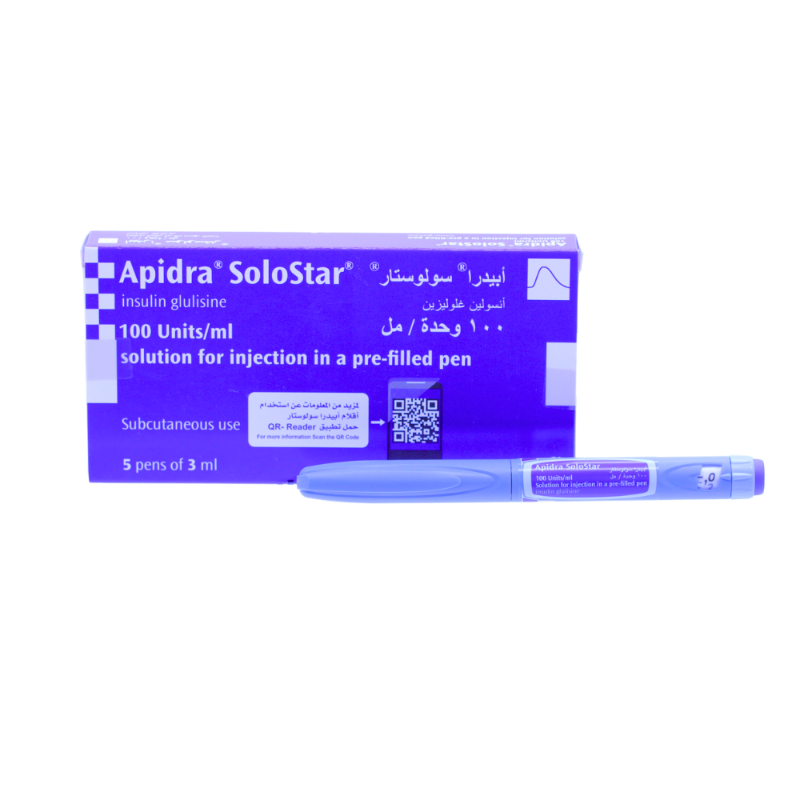
APIDRA SOLOSTAR 100/UNITS/ML 5×3ML/PENFILL @
- Sku : I-000250
Key features
APIDRA SOLOSTAR 100 U/mL 5×3 mL Penfill is a solution for injection containing the active ingredient insulin glulisine at 100 U/mL. It is a rapid-acting insulin analog that binds insulin receptors to increase peripheral glucose uptake in muscle and adipose tissue and decrease hepatic glucose production, thereby lowering blood glucose. APIDRA is indicated to improve glycemic control in adults and pediatric patients 4 years and older with type 1 diabetes mellitus, and in adults with type 2 diabetes mellitus. Available as five 3 mL penfill cartridges (100 U/mL) per pack.- Brand: APIDRA
- Active Ingredient: INSULIN GLULISINE 100U/ml
- Strength: 100U/ml
- Dosage Form: Solution for injection
- Pack Size: 3 ml
- Route: Subcutaneous use
- Prescription Status: Prescription
- Therapeutic Class: Antidiabetic
- Pharmacological Group: Insulins
- Drug Class: Rapid-acting insulin analog (Insulin Analog [EPC])
- Manufacturer: Sanofi aventis Deutschland GmbH
- Country of Origin: Germany
- SFDA Registration No.: 3005233746
- Shelf Life: 24 months
- Storage: store in a refrigerator (2°c - 8°c)
- Diabetes Type: Both
- Insulin Type: Rapid-acting
Frequently bought together
Health Care & Wellness > Diabetes Care
Health Care & Wellness > Diabetes Care
Health Care & Wellness > Diabetes Care
Skin And Body Care > Moisturizers
Skin And Body Care > Moisturizers
Skin And Body Care > Moisturizers
Indications
Approved Uses
To improve glycemic control in adults and pediatric patients aged ≥4 years with type 1 diabetes mellitus, and in adults with type 2 diabetes mellitus.
Off-Label Uses
Hyperkalemia treatment (IV regular insulin is standard; rapid-acting analogs like glulisine may be used off-label in some settings with dextrose under protocol). Continuous subcutaneous insulin infusion (pump) use is practiced off-label in some regions/settings depending on local labeling.
Dosage & Administration
Dosing by Condition
Type 1 diabetes: use as prandial insulin in a basal-bolus regimen, dosed with meals (0-15 minutes before or within 20 minutes after starting) and individualized to carbohydrate intake and glucose; Type 2 diabetes (adults): add as prandial insulin to basal insulin and/or other agents, starting and titrating per SMBG and meal patterns (no single fixed starting dose applies to all patients).
Initial Dose
Highly individualized. Total daily insulin requirement is typically between 0.5 to 1 Unit/kg/day, with a portion administered as mealtime insulin.
Maintenance Dose
Individualized based on blood glucose monitoring; typical range 0.5-1.0 U/kg/day total insulin (basal + prandial combined)
Maximum Dose
No specific maximum dose; dose is individualized and titrated based on metabolic needs, glucose monitoring, and treatment goals.
Children's Dosage
Approved for children ≥4 years with Type 1 diabetes; dosing is individualized based on weight and metabolic needs, administered 0-15 minutes before a meal
Dose Adjustment Notes
Individualize and titrate based on self-monitoring of blood glucose and glycemic targets; adjust with changes in meals, physical activity, intercurrent illness/stress, renal or hepatic impairment, and interacting medications.
How to Take
Administer insulin glulisine subcutaneously in the abdomen, thigh, or upper arm within 0-15 minutes before a meal or within 20 minutes after starting a meal; rotate injection sites within the same region and avoid areas of lipodystrophy/cutaneous amyloidosis. For SoloStar, use a new needle each time, prime per device instructions, and do not mix other insulins in the pen (mixing is only applicable if drawing up from vials per labeling).
How to Prepare
Inspect solution (must be clear, colorless, particle-free); attach a new needle and prime the SoloStar pen (commonly 2 units) until a drop/stream appears; then dial and inject the prescribed dose-no reconstitution required.
Side Effects
Side Effect Frequency
Very common (>10%): Hypoglycemia. Common (1-10%): Injection-site reactions; lipodystrophy/skin changes at injection site. Frequency not known/rare but clinically important: systemic hypersensitivity (including anaphylaxis), hypokalemia; weight gain and edema can occur with insulin therapy.
Safety & Warnings
Contraindications
Contraindicated during episodes of hypoglycemia and in patients with hypersensitivity to insulin glulisine or any excipients.
Warnings & Precautions
Key warnings/precautions: hypoglycemia risk (requires frequent glucose monitoring and dose adjustment with changes in diet/activity/illness); do not share pens/needles; rotate injection sites to prevent lipodystrophy/cutaneous amyloidosis; risk of hypokalemia (monitor in at-risk patients); hypersensitivity reactions; and fluid retention/heart failure risk when used with thiazolidinediones.
Age Restriction
Approved for use in adults and pediatric patients 4 years of age and older; safety and effectiveness have not been established in children <4 years.
Drug Interactions
Drug Interactions
Clinically relevant interactions include: agents that may increase hypoglycemia risk (e.g., other antidiabetics, ACE inhibitors, salicylates, sulfonamides, MAOIs, some antidepressants such as fluoxetine, fibrates, alcohol) and agents that may reduce glucose-lowering effect (e.g., corticosteroids, thiazide/loop diuretics, sympathomimetics, glucagon, estrogens/progestins, atypical antipsychotics); beta-blockers may mask hypoglycemia symptoms; thiazolidinediones with insulin may cause fluid retention/heart failure.
Interaction Severity
MAJOR/clinically significant: alcohol (can increase or decrease glucose; hypoglycemia risk), other glucose-lowering drugs (additive hypoglycemia), and drugs that blunt hypoglycemia awareness (e.g., beta-blockers). MODERATE: agents that increase insulin effect (e.g., ACE inhibitors, salicylates) or decrease it (e.g., corticosteroids, thiazides, sympathomimetics); thiazolidinediones with insulin increase edema/heart failure risk. Macimorelin is not a standard clinically relevant interaction for insulin glulisine.
Food Interaction
Meal timing is essential: inject 0-15 minutes before eating or within 20 minutes after starting a meal; do not inject without ensuring a meal is imminent/started to reduce hypoglycemia risk.
Special Populations
Pregnancy
Consult Doctor
Children
Approved for children ≥4 years with Type 1 diabetes; dosing is individualized based on weight and metabolic needs, administered 0-15 minutes before a meal
Kidney Impairment
No fixed dose adjustment; insulin requirements may be reduced in renal impairment-monitor glucose closely and titrate to effect.
Storage & Patient Advice
Preparation Instructions
Inspect solution (must be clear, colorless, particle-free); attach a new needle and prime the SoloStar pen (commonly 2 units) until a drop/stream appears; then dial and inject the prescribed dose-no reconstitution required.
Stopping the Medicine
Do not discontinue or markedly reduce insulin without medical supervision; abrupt interruption can cause severe hyperglycemia and may precipitate diabetic ketoacidosis (DKA).
Patient Counseling
Confirm the insulin and dose before each injection; inject 0-15 minutes before meals or within 20 minutes after starting; do not skip meals after dosing. Rotate sites and avoid abnormal skin areas; use a new needle each time and never share pens/needles. Recognize and treat hypoglycemia, carry fast-acting glucose, and monitor glucose as directed. Store unopened pens refrigerated (2-8°C per SFDA); follow product labeling for in-use storage and discard timelines; seek advice regarding alcohol and medication changes.
Pharmacology
Mechanism of Action
Rapid-acting insulin analog that binds insulin receptors to increase peripheral glucose uptake (muscle/adipose) and decrease hepatic glucose production, thereby lowering blood glucose.
Onset of Action
Approximately 10-20 minutes after subcutaneous injection.
Duration of Effect
Approximately 3-5 hours.
Bioavailability
Absolute bioavailability of insulin glulisine after subcutaneous administration is approximately 70%, regardless of injection area (abdomen 73%, deltoid 71%, thigh 68%).
Metabolism
Proteolytic degradation in liver, kidney, and muscle (insulin-degrading enzymes/proteases), similar to endogenous human insulin.
Excretion
Primarily renal (as insulin and peptide metabolites after proteolytic degradation).
Product Information
Available Dosage Forms
Injection, solution (100 units/mL) supplied as: 3 mL SoloStar disposable prefilled pen
Composition per Dose
Each 1 mL: Insulin glulisine 100 Units; Each 3 mL pen/cartridge: Insulin glulisine 300 Units
Generic Availability
No
OTC Alternatives
No OTC alternative
Diabetes Type
Both
Insulin Type
Rapid-acting
Reviewed by Al Mujtama Pharmacy Medical Review Team. Last reviewed 23-05-2026
Similar Products
Medications > Gastrointestinal Medications
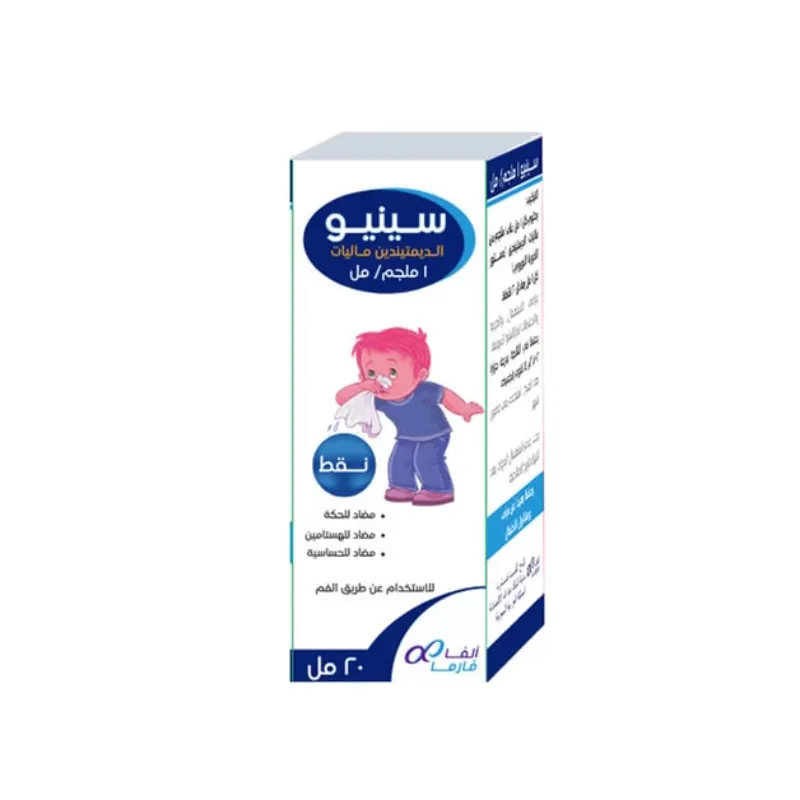
Medications > Cold, Cough, and Allergy Medications
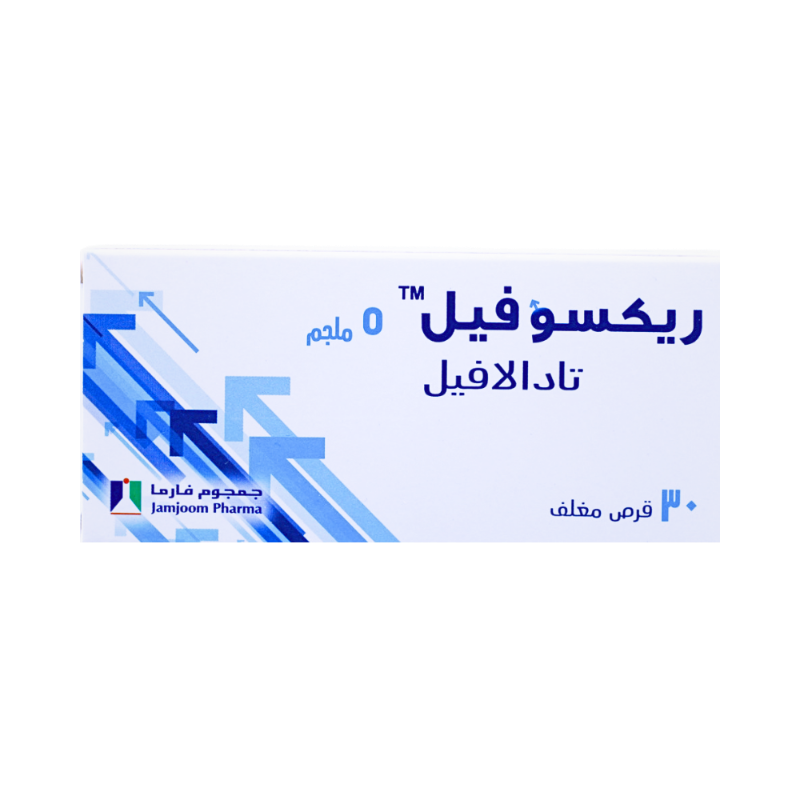
Medications > Sexual Health
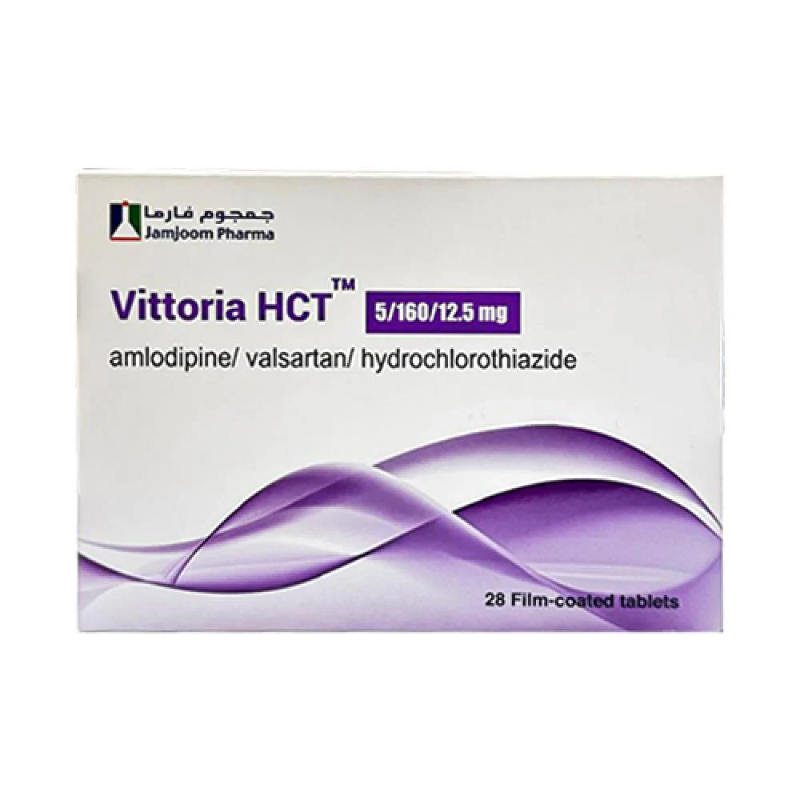
Medications > Hypertesion & Cardiovascular Medications
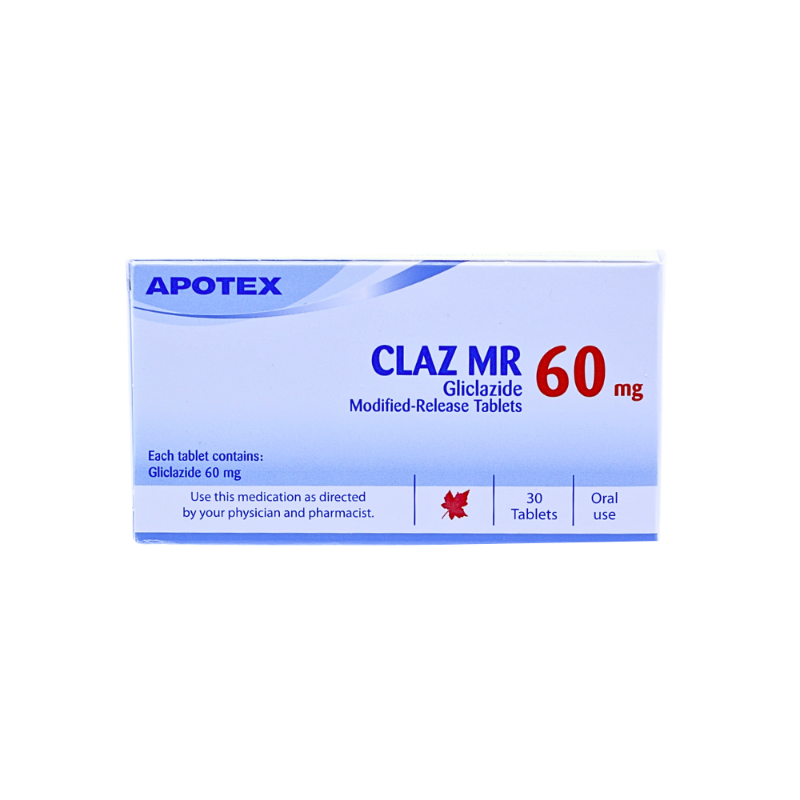
Medications > Diabetes Medications
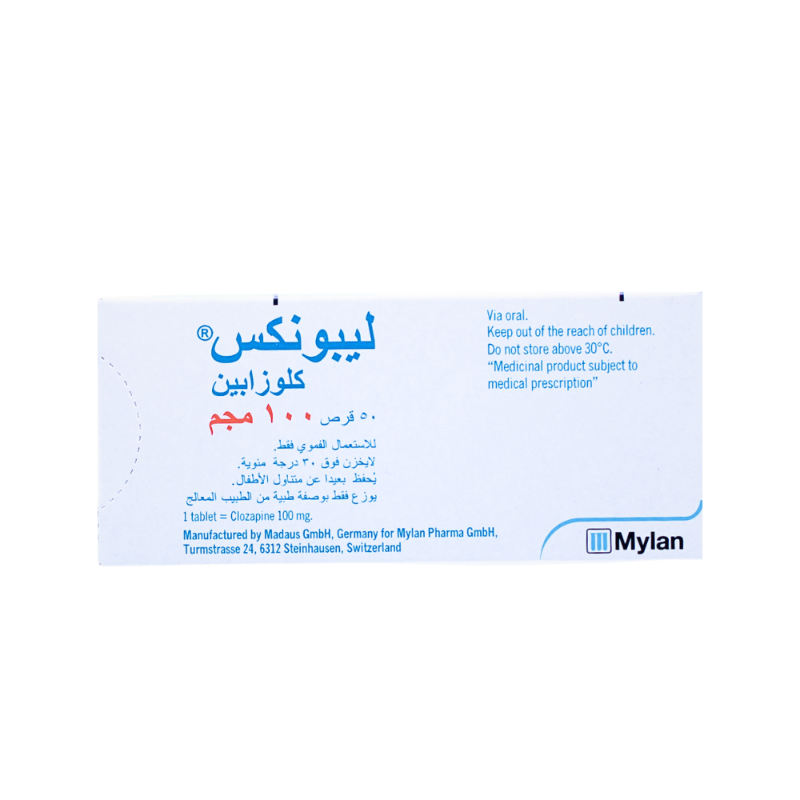
Medications > Psychiatric Medications
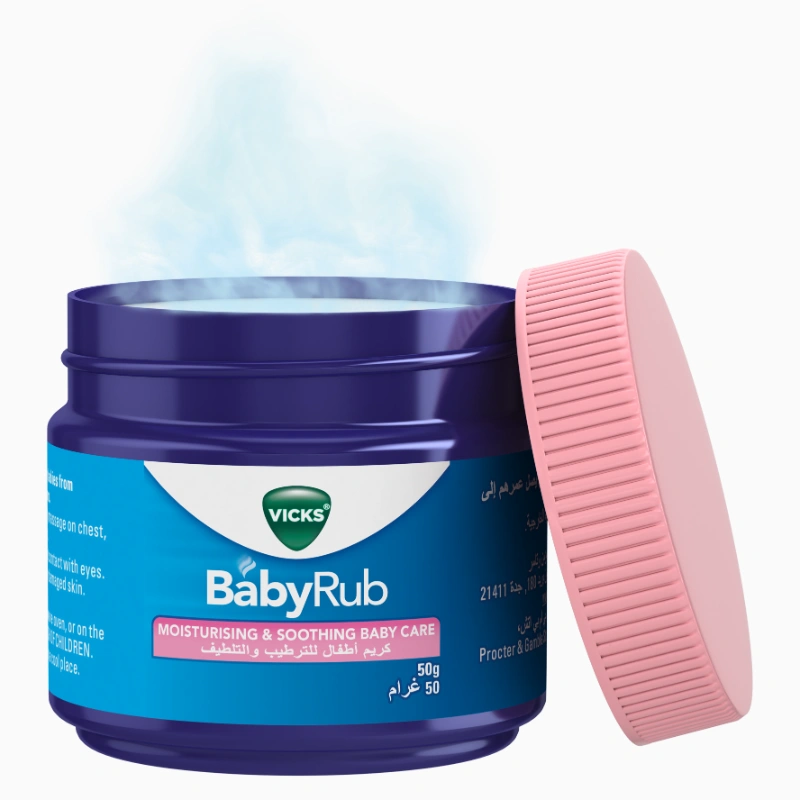
Medications > Painkillers and Antipyretics
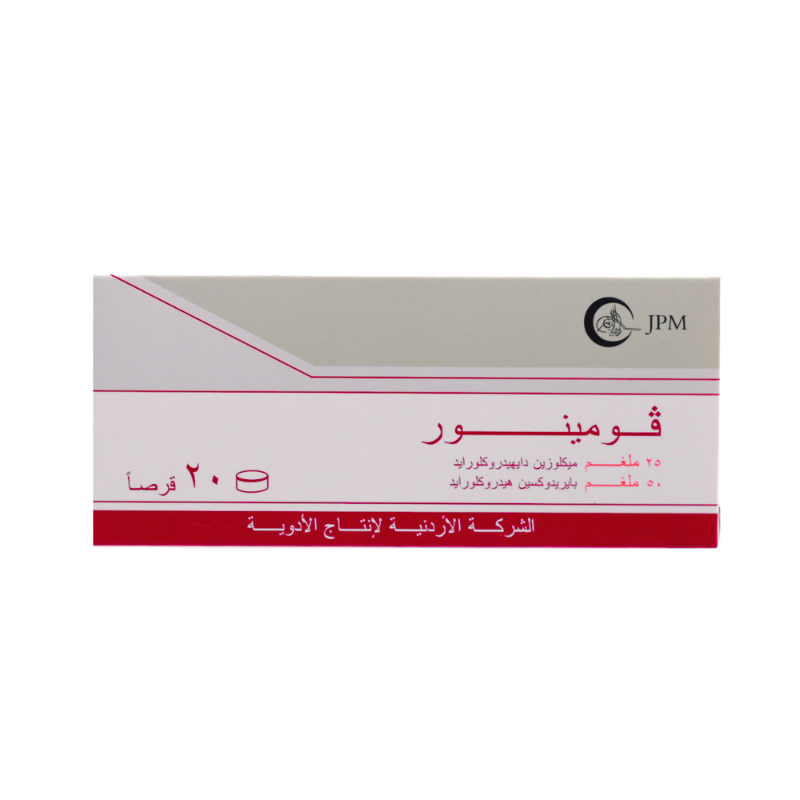
Medications > Gastrointestinal Medications
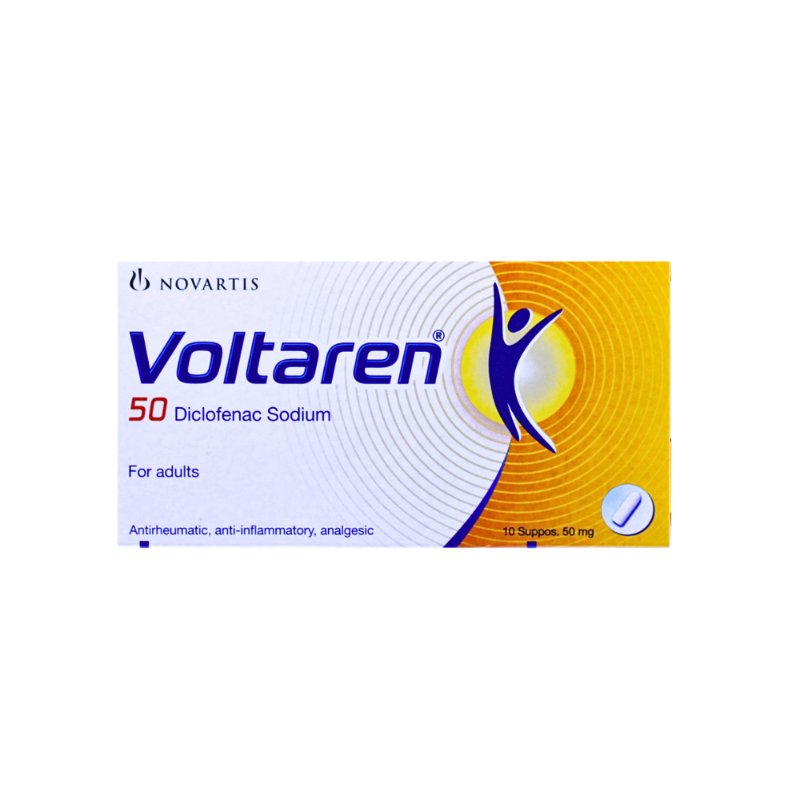
Medications > Painkillers and Antipyretics
Medications > Gastrointestinal Medications
