
Use Code: ND30 And Get 30% OFF | Get Free Delivery With No Minimum Order
-1744229570.gif "Almujtama Pharmacy logo")




Frequently bought together
Vitamins & Supplements > Natural Supplements
Vitamins & Supplements > Natural Supplements
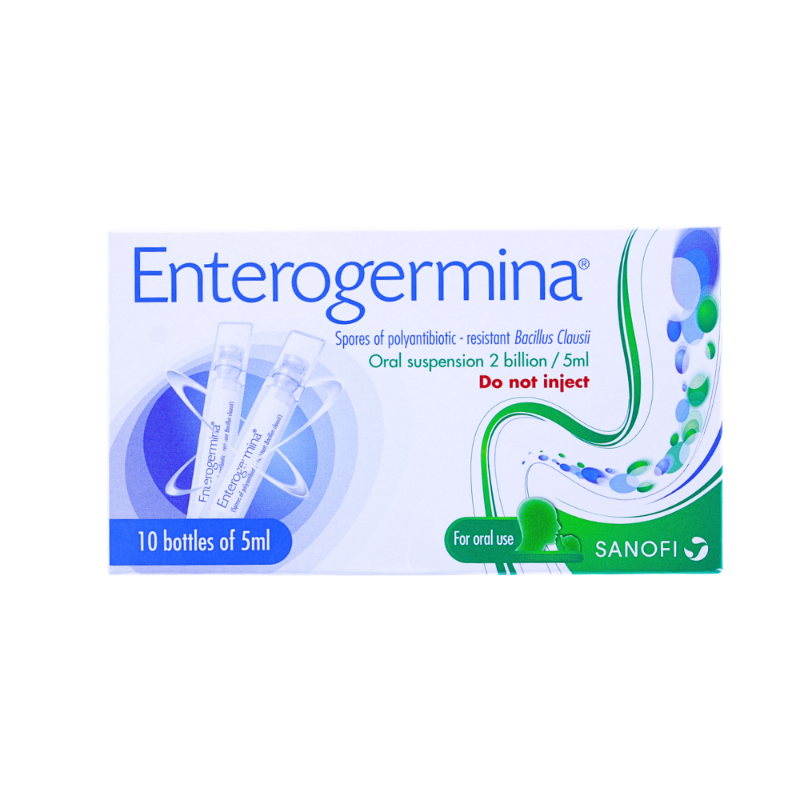
Vitamins & Supplements > Probiotecs
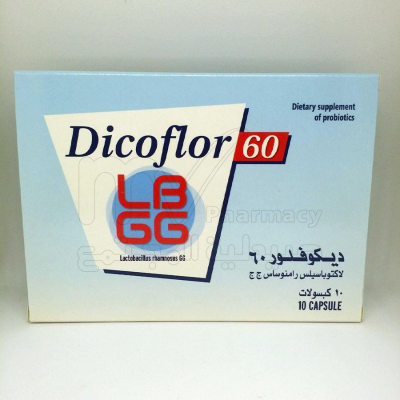
Vitamins & Supplements > Probiotecs

Vitamins & Supplements > Natural Supplements
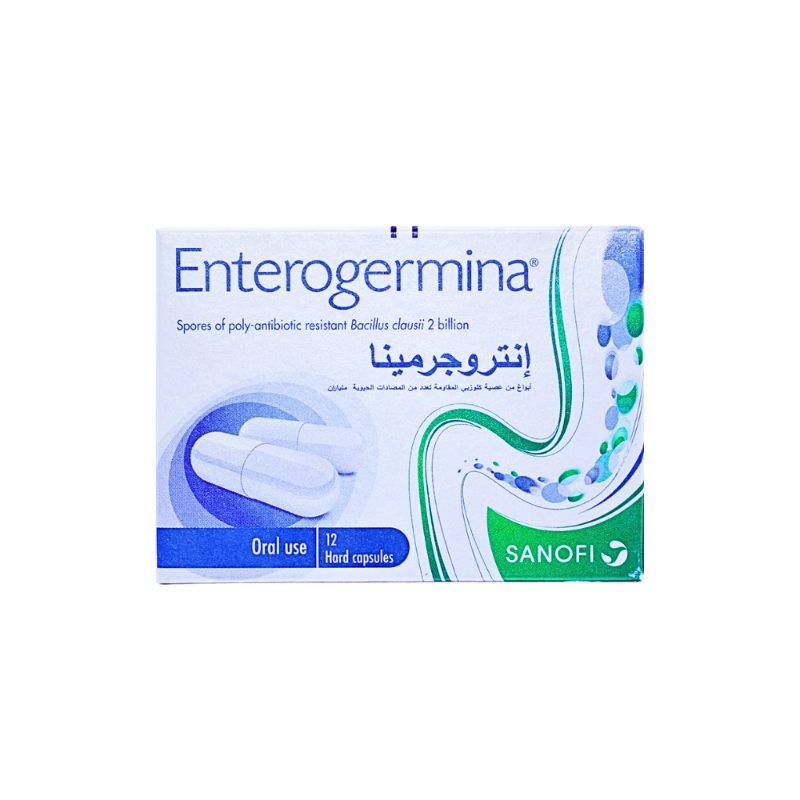
Vitamins & Supplements > Probiotecs
PARIET 20/MG TAB 14/TAB
- Sku : I-005037
Key features
PARIET 20 mg tablets contain rabeprazole sodium 20 mg as the active ingredient. As a proton pump inhibitor, it irreversibly inhibits the gastric parietal cell H+/K+-ATPase, blocking the final step of acid secretion and reducing basal and stimulated gastric acid output. It is indicated for healing and maintenance of erosive or ulcerative GERD, symptomatic GERD, healing of duodenal ulcers, adjunctive use in Helicobacter pylori eradication to reduce duodenal ulcer recurrence, and treatment of pathological hypersecretory conditions including Zollinger-Ellison syndrome. Available by prescription as tablets in packs of 14.- Brand: PARIET
- Active Ingredient: RABEPRAZOLE SODIUM 20mg
- Strength: 20mg
- Dosage Form: Tablet
- Pack Size: 14 Tablets
- Route: Oral use
- Prescription Status: Prescription
- Therapeutic Class: Gastrointestinal
- Pharmacological Group: Proton Pump Inhibitors
- Drug Class: Proton Pump Inhibitor (PPI), Benzimidazole derivative
- Manufacturer: Bushu Pharmaceuticals Ltd.
- Country of Origin: Japan
- SFDA Registration No.: 1312223012
- Shelf Life: 24 months
- Storage: store below 25°c
- Gi Condition: Acid Reflux/GERD, Ulcer
Frequently bought together
Vitamins & Supplements > Natural Supplements
Vitamins & Supplements > Natural Supplements
Vitamins & Supplements > Probiotecs
Vitamins & Supplements > Probiotecs
Vitamins & Supplements > Natural Supplements
Vitamins & Supplements > Probiotecs
Indications
Approved Uses
Erosive or ulcerative GERD (healing), maintenance of healing of erosive/ulcerative GERD, symptomatic GERD, duodenal ulcer (healing), Helicobacter pylori eradication to reduce risk of duodenal ulcer recurrence (in combination with antibiotics), and pathological hypersecretory conditions including Zollinger-Ellison syndrome.
Off-Label Uses
Prevention of NSAID-associated ulcers in high-risk patients, laryngopharyngeal reflux (trial), functional dyspepsia (selected patients), and stress-ulcer prophylaxis in critically ill patients (institution-specific protocols).
Dosage & Administration
Dosing by Condition
Healing of erosive/ulcerative GERD: 20 mg once daily for 4-8 weeks
Maintenance of healing of erosive/ulcerative GERD: 20 mg once daily
Symptomatic GERD: 20 mg once daily for up to 4 weeks
Duodenal ulcer (healing): 20 mg once daily for up to 4 weeks
H. pylori eradication (with antibiotics): 20 mg twice daily for 7 days (with amoxicillin + clarithromycin where appropriate per local resistance guidance)
Pathological hypersecretory conditions (e.g., Zollinger-Ellison syndrome): Initial 60 mg once daily; titrate based on acid control/clinical response (may require divided dosing; maximum per labeling varies by jurisdiction)
Initial Dose
20 mg once daily.
Maintenance Dose
10-20mg once daily
Maximum Dose
120mg per day (Zollinger-Ellison syndrome); 20mg per day for standard indications
Children's Dosage
Symptomatic GERD (12 years and older): 20 mg once daily for up to 8 weeks. Use is not recommended in children younger than 12 years of age for tablets.
Dose Adjustment Notes
No dosage adjustment is generally required in renal impairment; no adjustment is usually needed in mild-moderate hepatic impairment, but use caution in severe hepatic impairment. For Zollinger-Ellison/hypersecretory states, titrate to clinical response.
How to Take
Swallow the 20 mg enteric‑coated tablet whole with water; do not crush, chew, or split. May be taken with or without food; commonly taken once daily in the morning (before breakfast is often recommended in practice).
Side Effects
Common Side Effects
Headache, diarrhea, abdominal pain, nausea, flatulence (gas), constipation; less commonly rash and dizziness.
Side Effect Frequency
Common (≥1%): headache, diarrhea, abdominal pain, nausea, vomiting, constipation, flatulence; Uncommon (<1%): rash, dizziness, myalgia/arthralgia, elevated liver enzymes; Rare/serious: acute interstitial nephritis, hypomagnesemia (with prolonged use), severe cutaneous adverse reactions (e.g., SJS/TEN), C. difficile-associated diarrhea, lupus erythematosus
Safety & Warnings
Contraindications
Known hypersensitivity to rabeprazole, substituted benzimidazoles, or any component of the formulation; Concurrent use with rilpivirine-containing products.
Warnings & Precautions
Warnings/precautions: symptomatic improvement does not exclude gastric malignancy (evaluate alarm features/consider malignancy before or during therapy); increased risk of C. difficile-associated diarrhea; long-term use risks hypomagnesemia (monitor in prolonged therapy and in patients on digoxin/diuretics), bone fractures, and vitamin B12 deficiency; risk of acute tubulointerstitial nephritis; use caution in severe hepatic impairment; consider fundic gland polyps with long-term use.
Age Restriction
Not approved under 12 years for tablets.
Driving Warning
Safe
Drug Interactions
Drug Interactions
Key clinically relevant interactions: (1) Rilpivirine-contraindicated (requires gastric acidity for absorption). (2) Atazanavir/nelfinavir-avoid (reduced absorption/exposure). (3) High-dose methotrexate-may increase/delay clearance; consider temporary PPI interruption and monitor. (4) Warfarin-possible increased INR/bleeding; monitor INR. (5) Digoxin-may increase levels (via increased absorption/hypomagnesemia risk); monitor. (6) Azole antifungals (ketoconazole/itraconazole)-reduced absorption; avoid or adjust/monitor. (7) Tacrolimus-may increase levels; monitor troughs. (8) Clopidogrel-interaction less than omeprazole/esomeprazole but possible; prefer alternative PPI if high thrombotic risk and monitor clinically.
Interaction Severity
"MAJOR/CONTRAINDICATED or AVOID: Rilpivirine (contraindicated with PPIs due to marked reduction in absorption); atazanavir and nelfinavir (avoid-reduced antiretroviral exposure with acid suppression).
MODERATE (monitor/adjust as needed): Warfarin (monitor INR), high-dose methotrexate (consider temporary PPI interruption/monitor toxicity), tacrolimus (monitor levels), digoxin (monitor levels-risk increased with hypomagnesemia), clopidogrel (potential reduction in activation-clinical significance less than omeprazole but consider risk/benefit).
MINOR/CLINICALLY RELEVANT IN SOME CASES: Azole antifungals such as ketoconazole/itraconazole (reduced absorption due to increased gastric pH)."
Food Interaction
May be taken with or without food; no clinically meaningful food effect requiring administration with meals.
Alcohol Interaction
Safe
Special Populations
Pregnancy
Consult Doctor
Breastfeeding
Consult Doctor
Children
Symptomatic GERD (12 years and older): 20 mg once daily for up to 8 weeks. Use is not recommended in children younger than 12 years of age for tablets.
Elderly
Standard adult dosing. Use with caution due to higher risk of side effects like C. difficile infection, bone loss, and fractures.
Kidney Impairment
No adjustment needed
Liver Impairment
Mild to moderate hepatic impairment: no dosage adjustment generally required. Severe hepatic impairment: use with caution; no specific evidence-based dose reduction is established-consider lowest effective dose and monitor closely.
Storage & Patient Advice
Missed Dose
Take as soon as remembered; skip if it is almost time for the next dose. Do not take two doses at the same time.
Stopping the Medicine
Can be stopped when clinically appropriate; after prolonged/long-term use, abrupt discontinuation may cause rebound acid hypersecretion-consider tapering (dose reduction or alternate-day dosing) and/or short-term H2RA/antacid support.
Overdose
Overdose data are limited; expected effects are generally an exaggeration of adverse effects (e.g., headache, nausea/vomiting, abdominal pain, diarrhea, dizziness). No specific antidote; manage with supportive/symptomatic care and seek urgent medical/poison center advice; rabeprazole is not meaningfully removed by hemodialysis.
Patient Counseling
Swallow the enteric‑coated tablet whole (do not crush/chew/split). Take once daily as prescribed (often in the morning; can be with or without food). Use for the full prescribed course; seek advice if severe/persistent diarrhea occurs. With long-term use, discuss risks such as low magnesium and fractures and the need for periodic monitoring; report rash or hypersensitivity symptoms. Tell your clinician/pharmacist about all medicines-especially rilpivirine (do not use together), HIV protease inhibitors, warfarin, methotrexate, tacrolimus, and digoxin.
Monitoring Requirements
No routine labs are required for short courses; for long-term therapy consider periodic magnesium (especially if also on diuretics or digoxin) and assess for B12/iron deficiency and fracture risk as clinically indicated; monitor INR if on warfarin and tacrolimus levels if co-administered.
Pharmacology
Mechanism of Action
Proton pump inhibitor that irreversibly inhibits the gastric parietal cell H+/K+-ATPase, blocking the final step of acid secretion and reducing basal and stimulated acid output.
Onset of Action
Initial acid suppression begins within ~1-2 hours after a dose; maximal effect typically requires 2-4 days of daily dosing.
Duration of Effect
Approximately 24 hours (supports once-daily dosing in most patients).
Half-Life
1-2 hours.
Bioavailability
Approximately 52% (single dose; increases with repeated dosing)
Metabolism
Hepatic metabolism primarily via non-enzymatic reduction to a thioether metabolite; secondarily via CYP2C19 and CYP3A4 (forming sulfone and other metabolites)
Excretion
Renal (approximately 90% as metabolites), fecal (approximately 10%)
Protein Binding
Approximately 97% (often cited range ~96-97%)
Product Information
Available Dosage Forms
Enteric‑coated tablet (oral).
Composition per Dose
Each enteric-coated tablet: 20mg rabeprazole sodium
Generic Availability
Yes
OTC Alternatives
OTC options for mild/intermittent symptoms include antacids (e.g., aluminum/magnesium hydroxide, calcium carbonate) and H2 blockers (e.g., famotidine); OTC PPIs (e.g., omeprazole 20 mg) may be available in some countries/markets.
Gi Condition
Acid Reflux/GERD, Ulcer
Reviewed by Al Mujtama Pharmacy Medical Review Team. Last reviewed 24-06-2026
Similar Products
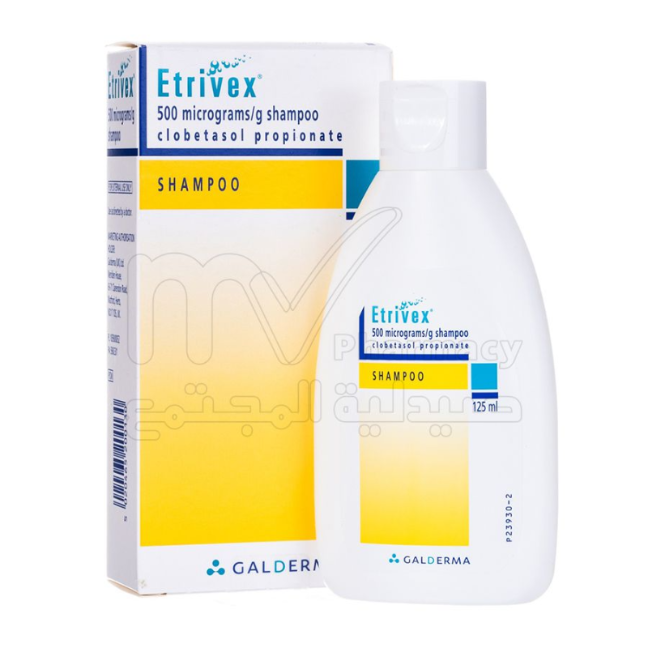
Medications > Dermatology Medications
Medications > Dermatology Medications
Medications > Other Medicines
Medications > Urology Medications
Medications > Gastrointestinal Medications
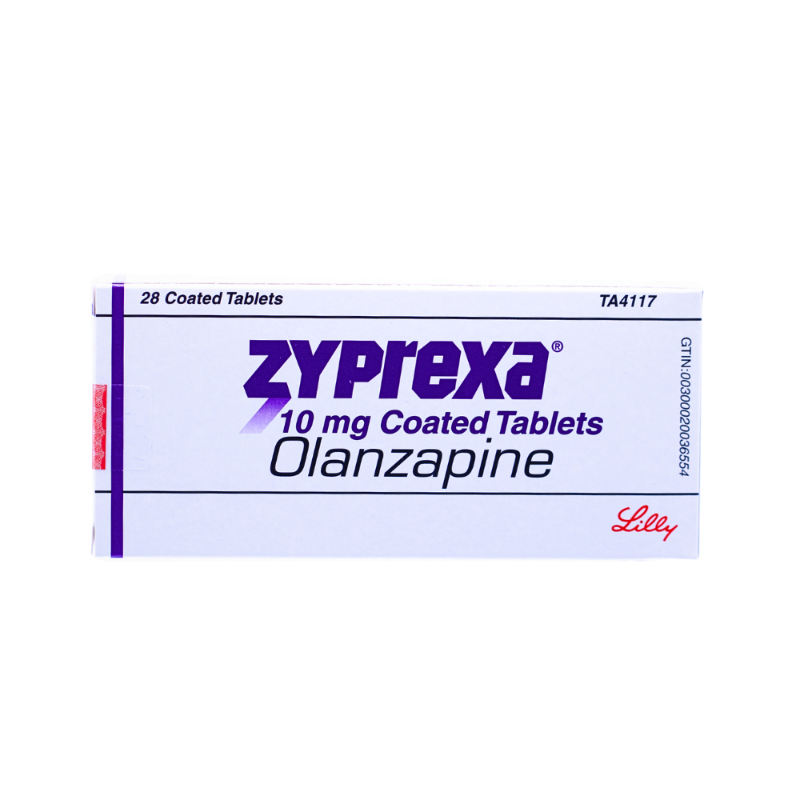
Medications > Psychiatric Medications
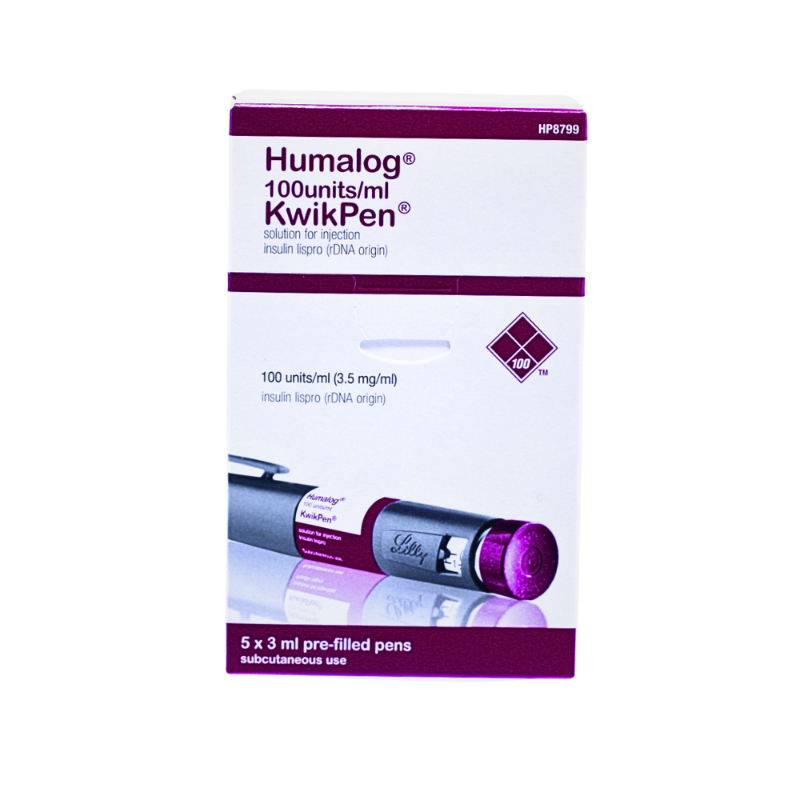
Medications > Diabetes Medications
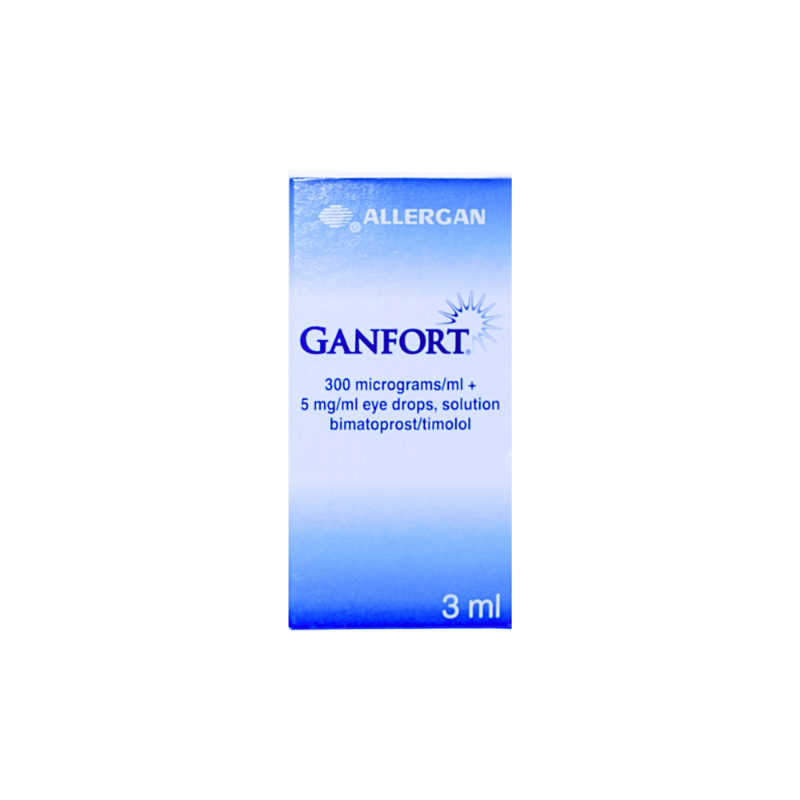
Medications > Eye and Ear Medications
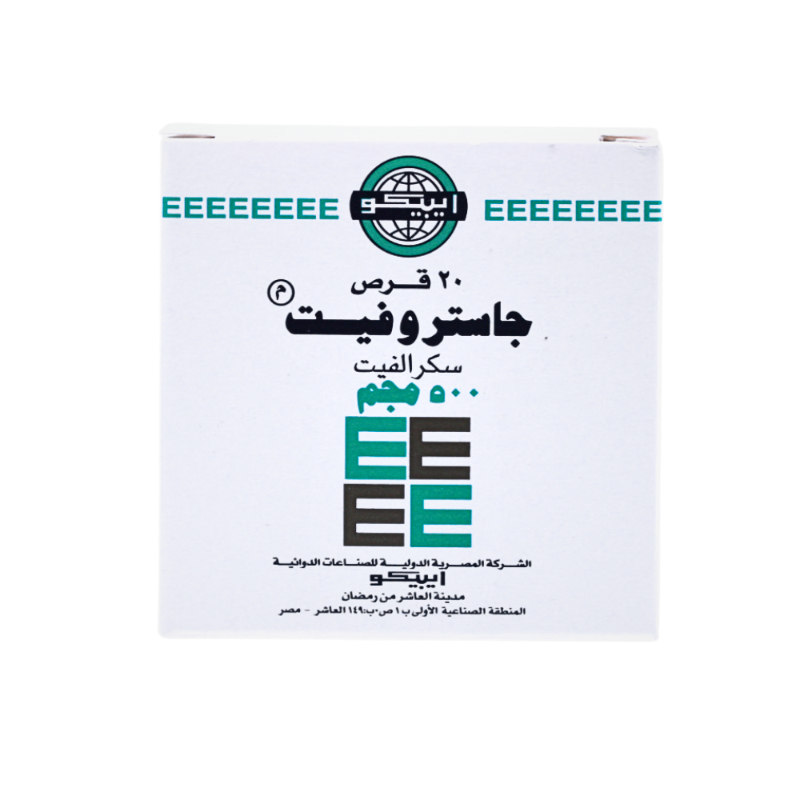
Medications > Gastrointestinal Medications
Medications > Dermatology Medications
