
Use Code: ND30 And Get 30% OFF | Get Free Delivery With No Minimum Order
-1744229570.gif "Almujtama Pharmacy logo")




Frequently bought together
Health Care & Wellness > Diabetes Care
Health Care & Wellness > Diabetes Care
Health Care & Wellness > Diabetes Care

Skin And Body Care > Moisturizers

Skin And Body Care > Moisturizers
Skin And Body Care > Moisturizers
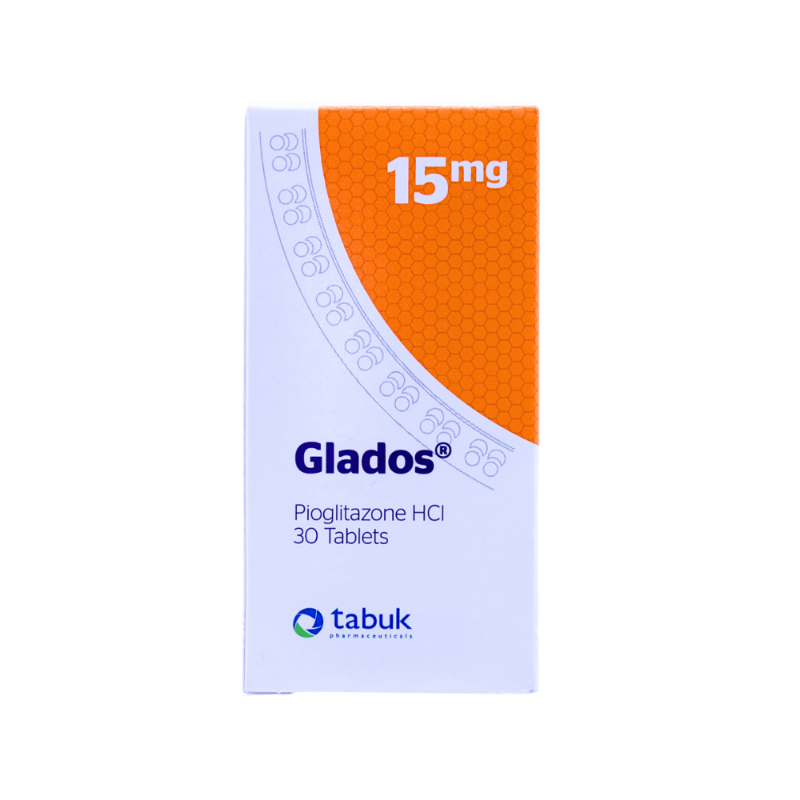
GLADOS 15/MG TAB 30/TAB
- Sku : I-016924
Key features
GLADOS 15 mg tablets contain the active ingredient pioglitazone. It is a thiazolidinedione (PPAR-γ agonist) that improves insulin sensitivity in peripheral tissues and the liver, increasing insulin-dependent glucose uptake and reducing hepatic glucose production. It is indicated for the treatment of type 2 diabetes mellitus as monotherapy or in combination with metformin, sulfonylureas, or insulin to improve glycemic control. Available by prescription in a 30‑tablet pack.- Brand: GLADOS
- Active Ingredient: PIOGLITAZONE
- Strength: 15mg
- Dosage Form: Tablet
- Pack Size: 30 Tablets
- Route: Oral use
- Prescription Status: Prescription
- Therapeutic Class: Antidiabetic
- Pharmacological Group: Oral Antidiabetics
- Drug Class: Thiazolidinedione (TZD, “glitazone”); PPAR-γ agonist insulin sensitizer antidiabetic.
- Manufacturer: TABUK PHARMACEUTICAL MANUFACTURING CO.
- Country of Origin: Saudi Arabia
- SFDA Registration No.: 1601244740
- Shelf Life: 36 months
- Storage: store below 30°c
- Diabetes Type: Type 2
Frequently bought together
Health Care & Wellness > Diabetes Care
Health Care & Wellness > Diabetes Care
Health Care & Wellness > Diabetes Care
Skin And Body Care > Moisturizers
Skin And Body Care > Moisturizers
Skin And Body Care > Moisturizers
Indications
Approved Uses
Type 2 diabetes mellitus as monotherapy or in combination with metformin, sulfonylureas, or insulin to improve glycemic control
Off-Label Uses
Nonalcoholic steatohepatitis (NASH)/NAFLD (especially with T2DM) and polycystic ovary syndrome (PCOS) for insulin resistance/ovulation; not routinely recommended for diabetes prevention.
Dosage & Administration
Dosing by Condition
Type 2 diabetes mellitus: start 15-30 mg orally once daily (15 mg preferred if heart failure risk); titrate to 45 mg once daily max based on glycemic response; when combined with insulin or a sulfonylurea, consider lowering the other agent to reduce hypoglycemia and monitor for edema/heart failure.
Initial Dose
15mg or 30mg once daily.
Maintenance Dose
15mg to 45mg once daily.
Maximum Dose
45 mg once daily
Children's Dosage
Not approved for children under 18 years
Dose Adjustment Notes
Titrate in 15 mg increments based on glycemic response, allowing ~8-12 weeks to assess full effect; no renal dose adjustment; avoid initiation in active liver disease/elevated ALT and discontinue if significant hepatic injury; in NYHA class I-II heart failure start at 15 mg daily and monitor closely (contraindicated in NYHA III-IV); with strong CYP2C8 inhibitors (e.g., gemfibrozil) limit to 15 mg/day; if used with insulin or sulfonylurea, consider dose reduction to reduce hypoglycemia and fluid retention risk.
How to Take
Take pioglitazone 15 mg by mouth once daily, with or without food; take at the same time each day and swallow with water (tablets are generally swallowed whole).
Side Effects
Common Side Effects
Weight gain, peripheral edema/fluid retention, upper respiratory tract infection, headache, sinusitis/pharyngitis, myalgia; hypoglycemia mainly when used with insulin or a sulfonylurea.
Safety & Warnings
Contraindications
Contraindications: (1) Hypersensitivity to pioglitazone or excipients; (2) Initiation in patients with NYHA Class III or IV heart failure; (3) Active bladder cancer (and generally avoid in patients with prior bladder cancer per many regulators/labels); (4) Active liver disease or baseline ALT >2.5× ULN (do not initiate). Not indicated (not a contraindication): type 1 diabetes, diabetic ketoacidosis. Pregnancy is generally avoided/not recommended rather than a universal absolute contraindication.
Warnings & Precautions
Key warnings/precautions: CHF risk from fluid retention (avoid initiation in NYHA III/IV; monitor weight/edema/dyspnea), bladder cancer risk signal (avoid active disease; caution with prior history; evaluate hematuria), monitor liver enzymes before and during therapy and stop for significant injury, increased fracture risk (notably in women), risk of macular edema (prompt ophthalmic evaluation for visual symptoms), may induce ovulation in anovulatory premenopausal women (contraception counseling), and use caution with concomitant insulin due to edema/HF risk.
Age Restriction
Not recommended/approved for patients <18 years (safety and efficacy not established).
Drug Interactions
Food Interaction
No clinically significant food interaction; may be taken with or without food.
Special Populations
Pregnancy
Category C
Breastfeeding
Use with caution
Children
Not approved for children under 18 years
Kidney Impairment
No renal dose adjustment required, including in severe renal impairment; use caution for fluid retention/heart failure risk.
Liver Impairment
Do not initiate if active liver disease or baseline ALT >2.5× ULN; no specific dose-adjustment scheme-avoid initiation and monitor LFTs, discontinue if significant ALT elevation (e.g., >3× ULN with symptoms or persistent).
Storage & Patient Advice
Stopping the Medicine
Do not stop without prescriber advice; if discontinued, monitor glycemic control and transition to alternative therapy as needed.
Patient Counseling
Take once daily with or without food at a consistent time; expect gradual benefit over weeks. Report rapid weight gain, swelling, or shortness of breath (heart failure/fluid retention). Know hypoglycemia symptoms if used with insulin/sulfonylurea. Report liver injury symptoms (e.g., nausea, fatigue, dark urine, jaundice) and any blood in urine/urinary symptoms. Report vision changes (possible macular edema). Discuss pregnancy plans; ovulation may resume in some women. Be aware of increased fracture risk (especially women).
Monitoring Requirements
Monitor HbA1c (about every 3 months until stable, then at least twice yearly) and self/fasting glucose as clinically indicated; baseline and periodic liver enzymes (ALT) and assess for symptoms of hepatic injury; monitor weight, edema, and signs/symptoms of heart failure; assess for visual changes/macular edema; consider fracture risk (especially in women) and counsel/monitor accordingly; evaluate urinary symptoms/hematuria if present.
Pharmacology
Mechanism of Action
A thiazolidinedione that acts as a selective agonist for peroxisome proliferator-activated receptor-gamma (PPAR-γ). It improves insulin sensitivity in peripheral tissues (muscle, adipose tissue) and the liver, leading to increased insulin-dependent glucose disposal and decreased hepatic glucose output.
Duration of Effect
Pharmacodynamic effect supports once-daily dosing (approximately 24 hours per dose); overall glycemic benefit is maintained with continued daily therapy and diminishes gradually over days to weeks after discontinuation.
Half-Life
Pioglitazone: 3-7 hours; active metabolites (M-III and M-IV): 16-24 hours
Metabolism
Extensively hepatically metabolized primarily by CYP2C8 and to a lesser extent CYP3A4 to active metabolites.
Protein Binding
>99% (primarily bound to serum albumin)
Product Information
Available Dosage Forms
Tablet
Composition per Dose
Each tablet: 15 mg pioglitazone (as pioglitazone hydrochloride)
Generic Availability
Yes
OTC Alternatives
No OTC alternative
Diabetes Type
Type 2
Reviewed by Al Mujtama Pharmacy Medical Review Team. Last reviewed 13-07-2026
Similar Products
Medications > Painkillers and Antipyretics
Medications > Gastrointestinal Medications
Medications > Gastrointestinal Medications
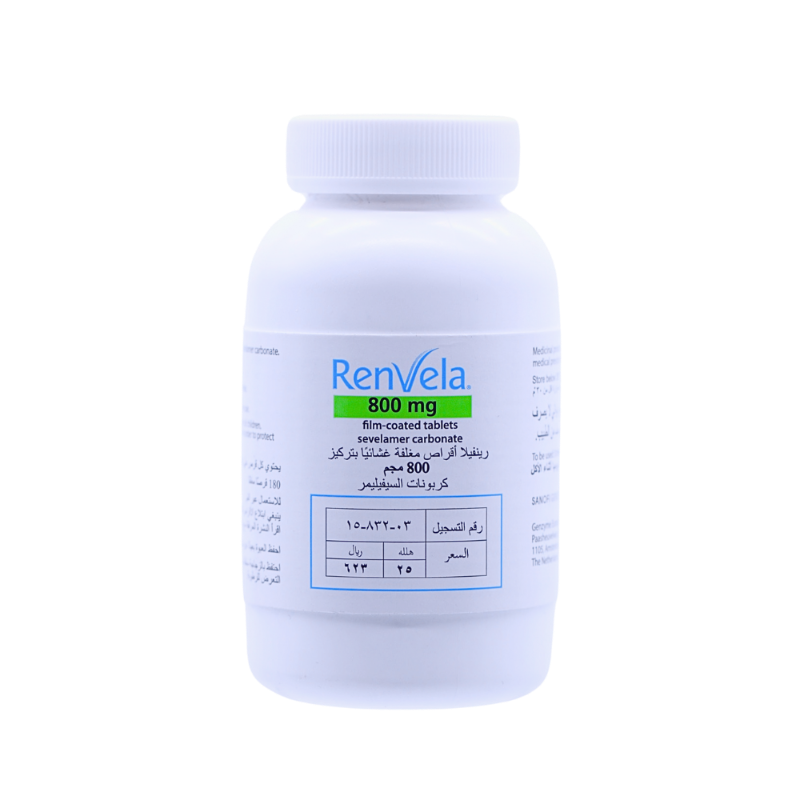
Medications > Urology Medications
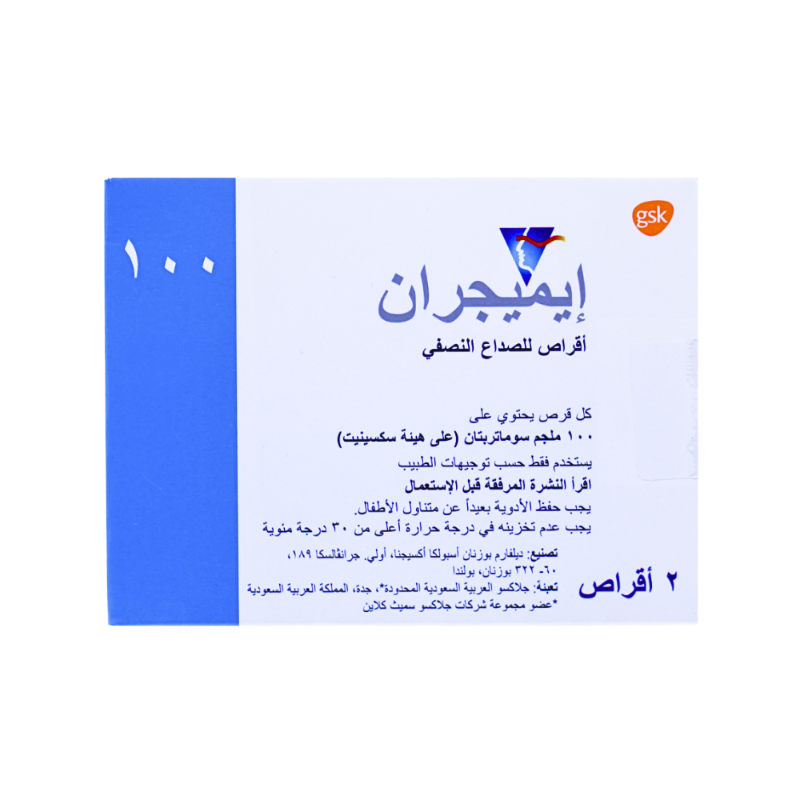
Medications > Painkillers and Antipyretics

Medications > Painkillers and Antipyretics
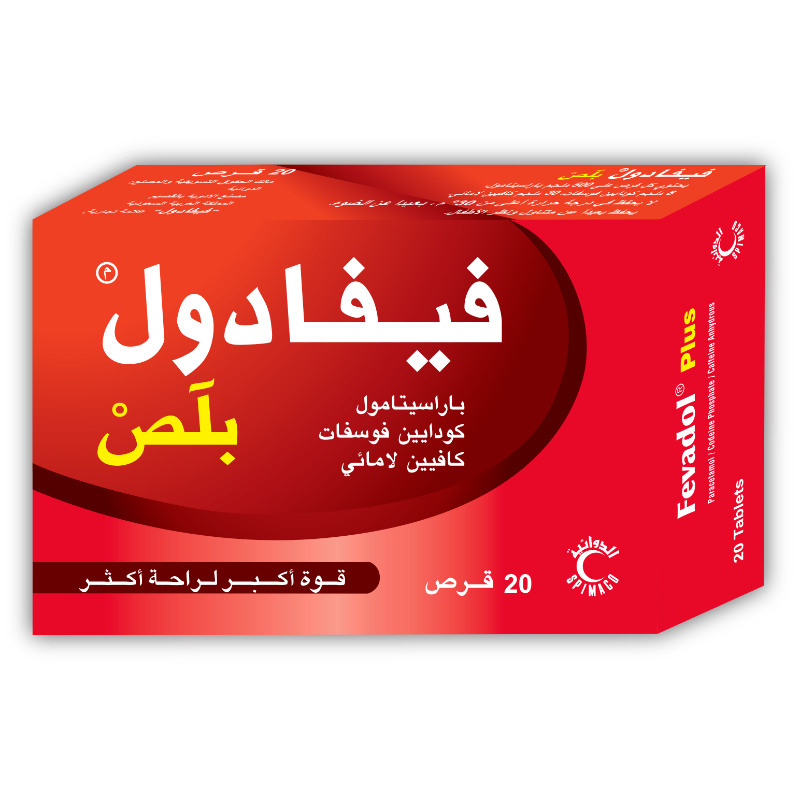
Medications > Painkillers and Antipyretics
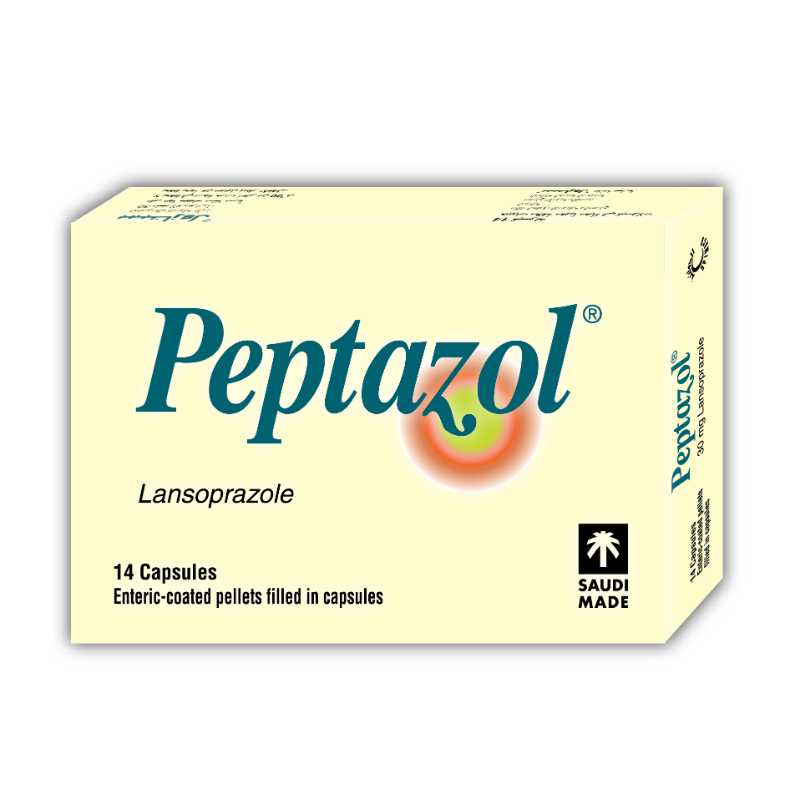
Medications > Gastrointestinal Medications
Medications > Hypertesion & Cardiovascular Medications
Medications > Cholesterol Medications
