
Use Code: ND30 And Get 30% OFF | Get Free Delivery With No Minimum Order
-1744229570.gif "Almujtama Pharmacy logo")




Frequently bought together
Personal Care > Sexual Care
Personal Care > Sexual Care
Personal Care > Sexual Care
Vitamins & Supplements > Natural Supplements
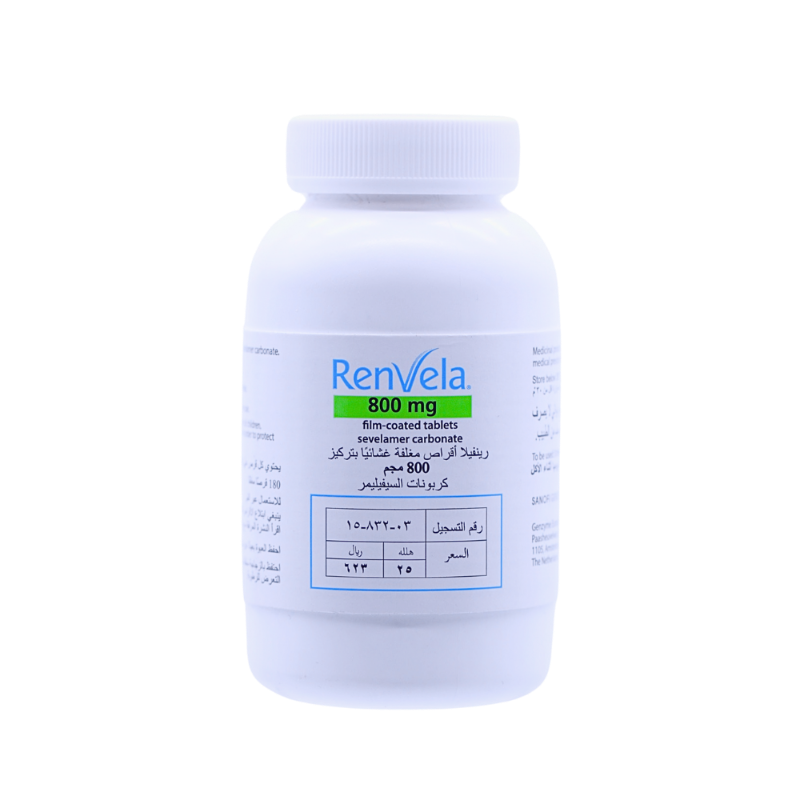
RENVELA 800 MG 180 TAB
- Sku : I-026393
Key features
RENVELA 800 mg film-coated tablet contains sevelamer carbonate, a non-calcium phosphate binder. It works by binding dietary phosphate in the gastrointestinal tract and helping reduce serum phosphate levels. It is used to control serum phosphorus in patients with chronic kidney disease on dialysis. This product is supplied as 180 film-coated tablets.- Brand: RENVELA
- Active Ingredient: SEVELAMER CARBONATE 800mg
- Strength: 800mg
- Dosage Form: Film-coated tablet
- Pack Size: 180 Tablets
- Route: Oral use
- Prescription Status: Prescription
- Therapeutic Class: Various
- Drug Class: Phosphate binder (non-calcium, non-metal, non-absorbed polymer).
- Manufacturer: GENZYME IRELAND LIMITED
- Country of Origin: Ireland
- SFDA Registration No.: 3-832-15
- Shelf Life: 36 months
- Storage: store below 30°c
- Urological Condition: Kidney Disease Complications
Frequently bought together
Personal Care > Sexual Care
Personal Care > Sexual Care
Personal Care > Sexual Care
Vitamins & Supplements > Natural Supplements
Indications
Approved Uses
Control of serum phosphorus in patients with chronic kidney disease (CKD) on dialysis
Off-Label Uses
No common off-label use; use in CKD not on dialysis is an approved indication (not off-label).
Dosage & Administration
Dosing by Condition
CKD on dialysis: initial 800 mg TID with meals if serum phosphorus 5.5 to <7.5 mg/dL, or 1600 mg TID with meals if ≥7.5 mg/dL; titrate by 800 mg per meal at ~2-week intervals to target phosphorus. CKD not on dialysis: initial 800 mg TID with meals; titrate by 800 mg per meal at ~2-week intervals based on serum phosphorus.
Initial Dose
For adults not taking a phosphate binder, 800 mg to 1600 mg taken three times daily with meals, based on serum phosphorus level.
Maintenance Dose
800-1600 mg three times daily with meals, titrated to achieve target serum phosphorus
Maximum Dose
No formally established maximum dose; doses up to 14 g/day have been studied in adults on dialysis.
Dose Adjustment Notes
Titrate based on serum phosphorus (typically adjust by 800 mg per meal at ~2-week intervals); no renal/hepatic dose adjustment is required; when switching from sevelamer hydrochloride, use the same total daily dose in mg.
How to Take
Take orally WITH meals; swallow tablets whole-do not crush, chew, or break.
Side Effects
Common Side Effects
Vomiting, nausea, diarrhea, dyspepsia, abdominal pain, flatulence, constipation.
Side Effect Frequency
Very common (≥10%): vomiting, nausea, diarrhea, dyspepsia. Common (1-10%): abdominal pain, constipation, flatulence. Uncommon/rare: ileus/subileus, intestinal obstruction, intestinal perforation (serious GI events).
Safety & Warnings
Contraindications
Bowel obstruction; hypersensitivity to sevelamer carbonate or any excipients.
Warnings & Precautions
Use caution in dysphagia/swallowing disorders, severe constipation or GI motility disorders, and history of major GI surgery; monitor for severe constipation/obstruction/perforation; manage drug-binding interactions with dose separation (especially ciprofloxacin) and monitoring for narrow-therapeutic-index drugs; monitor bicarbonate/chloride (acid-base) and consider monitoring fat-soluble vitamins/folate in dialysis patients.
Drug Interactions
Drug Interactions
Reduces absorption of some oral drugs; separate administration-ciprofloxacin should not be co-administered (give at least 2 hours before or 6 hours after), and for levothyroxine, mycophenolate mofetil, cyclosporine, tacrolimus (and other narrow-therapeutic-index oral drugs) separate dosing and monitor clinical response/levels.
Interaction Severity
MAJOR/contraindicated to coadminister: ciprofloxacin (sevelamer markedly reduces exposure-separate or avoid per labeling). MODERATE/clinically significant: levothyroxine (reduced absorption-separate and monitor TSH), mycophenolate mofetil (reduced exposure-separate/monitor), cyclosporine and tacrolimus (possible reduced absorption-monitor levels).
Food Interaction
Must be taken with food (with meals).
Special Populations
Elderly
Standard adult dosing; no specific dose adjustment required, but monitor for gastrointestinal tolerability
Kidney Impairment
No renal dose adjustment; dose is titrated to serum phosphorus (and tolerability) in CKD, including dialysis patients.
Liver Impairment
No hepatic dose adjustment required.
Storage & Patient Advice
Stopping the Medicine
May be discontinued if clinically indicated, but serum phosphate will rise/recur; do not stop without prescriber guidance in CKD patients.
Overdose
Systemic toxicity is unlikely (not absorbed); overdose may cause GI adverse effects (notably constipation/possible obstruction); manage symptomatically/supportively and seek medical evaluation if significant symptoms occur.
Patient Counseling
Take with meals every time; swallow tablets whole (do not crush/chew); follow a low-phosphorus diet; separate other oral medications when advised (notably ciprofloxacin and levothyroxine) and keep a consistent schedule; report severe constipation, abdominal pain, vomiting, or signs of bowel obstruction; attend regular labs for phosphorus and related CKD-MBD parameters.
Monitoring Requirements
Monitor serum phosphorus frequently during titration (e.g., about every 2 weeks) then periodically; also monitor calcium and bicarbonate as clinically indicated; consider monitoring PTH and fat-soluble vitamins/folate with long-term therapy, especially if dietary intake is restricted.
Pharmacology
Mechanism of Action
Non-absorbed anion-exchange polymer that binds dietary phosphate in the GI tract (exchanging carbonate), forming an insoluble complex excreted in feces, thereby lowering serum phosphate.
Onset of Action
Serum phosphorus reduction can be seen within ~1-2 weeks; full titration/steady control often requires several weeks (commonly 2-4 weeks) depending on dose adjustments.
Duration of Effect
Effect persists only with ongoing dosing taken with meals; serum phosphate rises after discontinuation.
Half-Life
Not applicable as the drug is not systemically absorbed.
Bioavailability
Not systemically absorbed (<0.1%)
Metabolism
Not metabolized (not absorbed; acts locally in the gastrointestinal tract).
Excretion
Fecal excretion; sevelamer is not systemically absorbed and is eliminated in feces (as the polymer and bound complexes).
Protein Binding
Not applicable as the drug is not systemically absorbed.
Product Information
Available Dosage Forms
Film-coated tablet; powder for oral suspension
Composition per Dose
Each film-coated tablet: 800 mg sevelamer carbonate
OTC Alternatives
No OTC alternative
Urological Condition
Kidney Disease Complications
Reviewed by Al Mujtama Pharmacy Medical Review Team. Last reviewed 04-06-2026
Similar Products
Medications > Painkillers and Antipyretics
Medications > Eye and Ear Medications
Medications > Psychiatric Medications
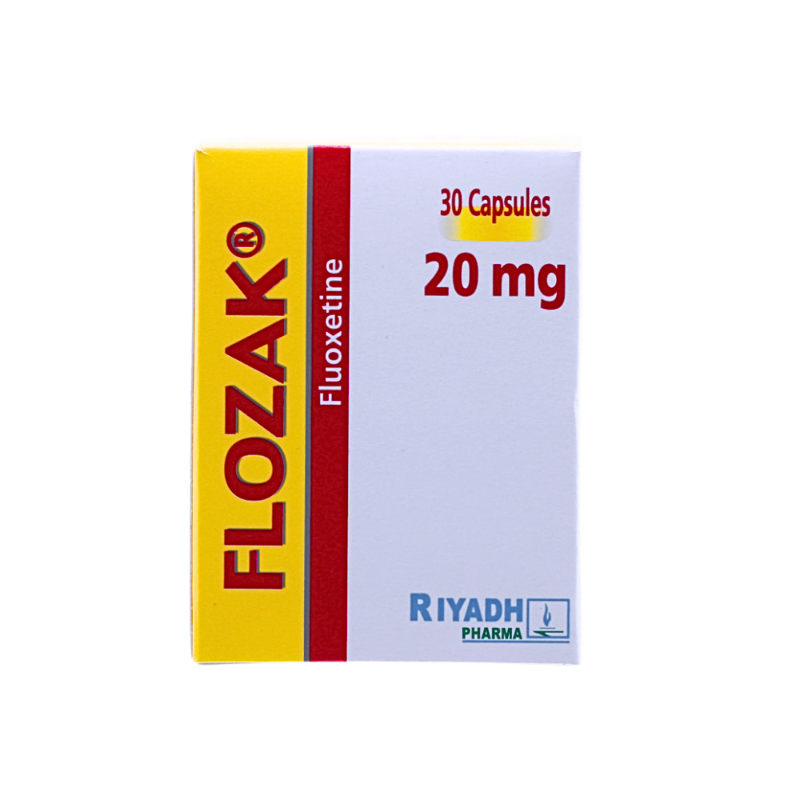
Medications > Psychiatric Medications
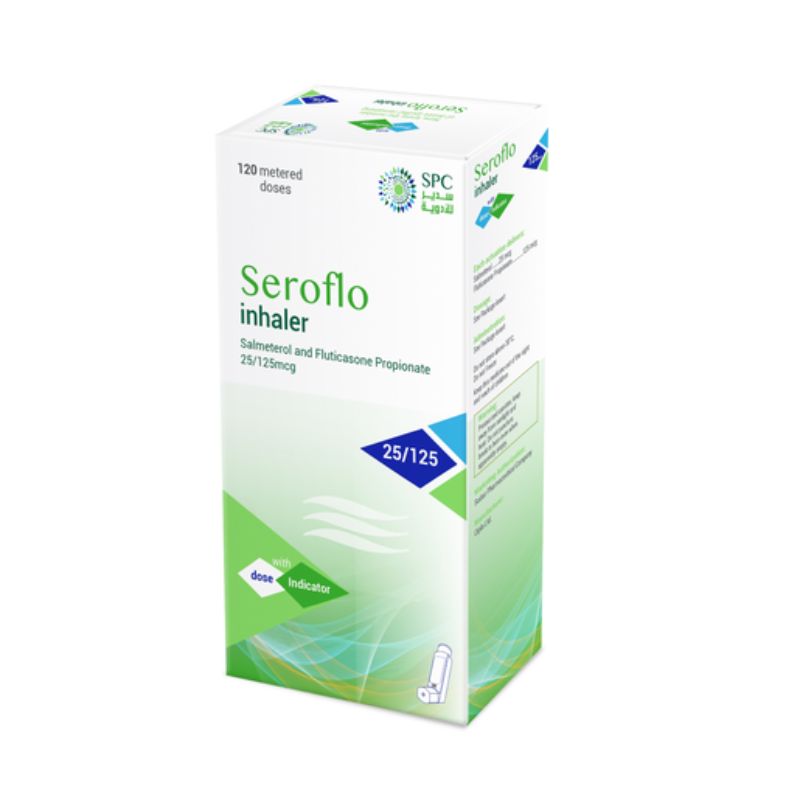
Medications > Cold, Cough, and Allergy Medications
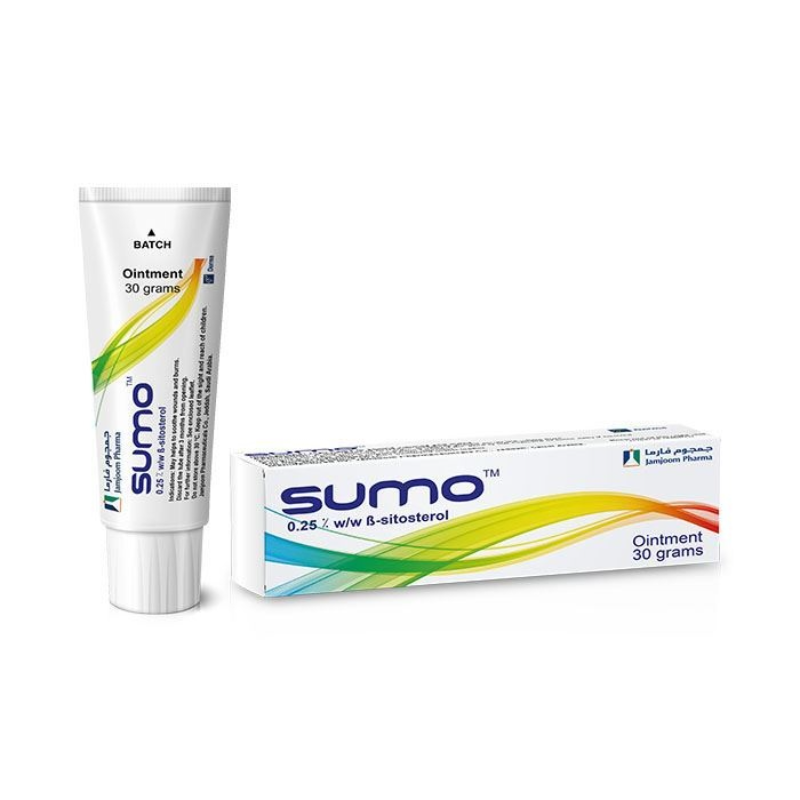
Medications > Dermatology Medications
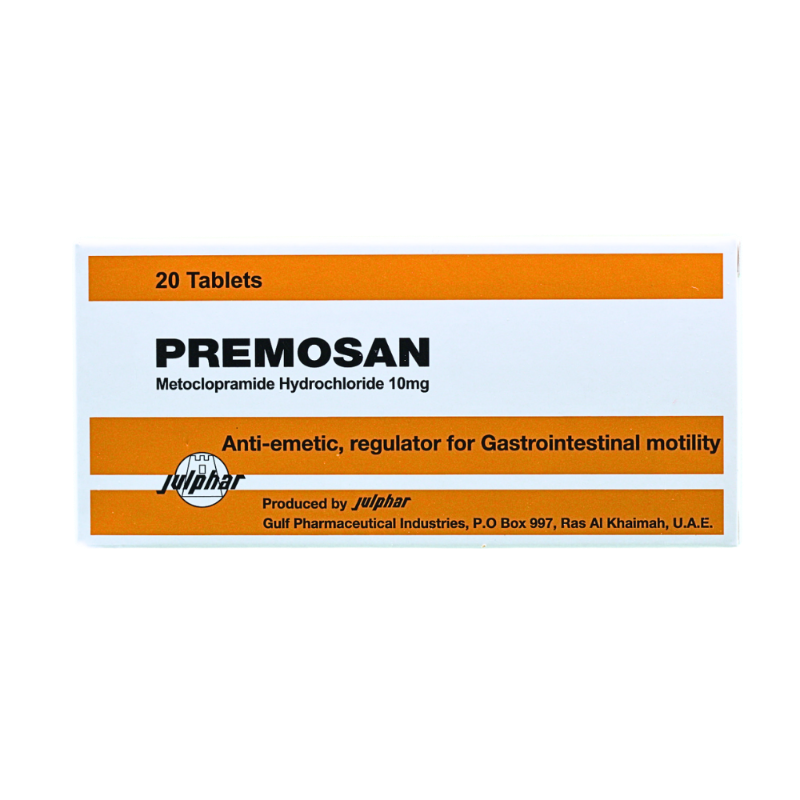
Medications > Gastrointestinal Medications
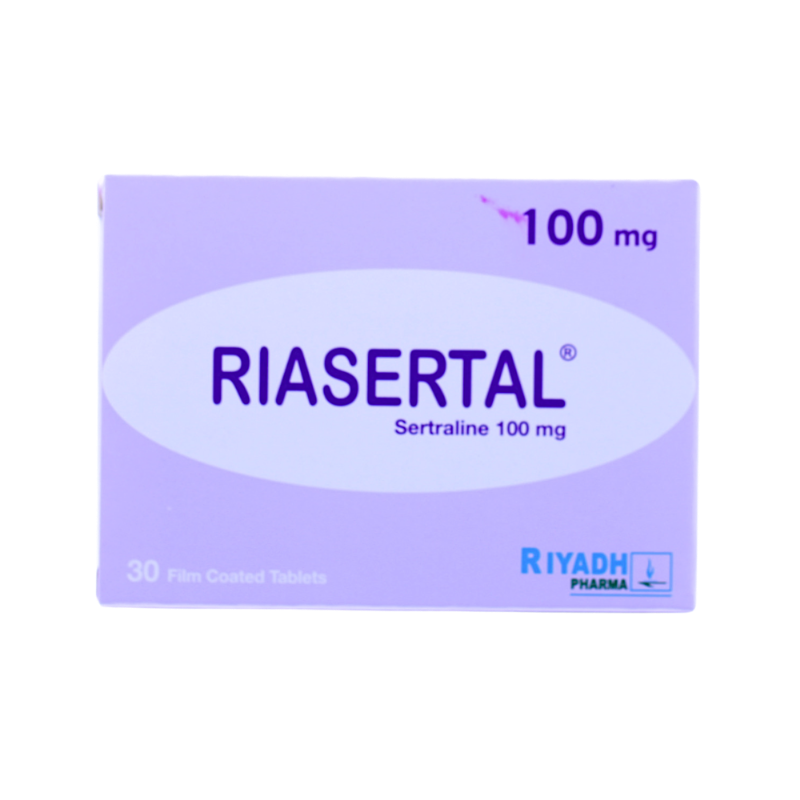
Medications > Psychiatric Medications
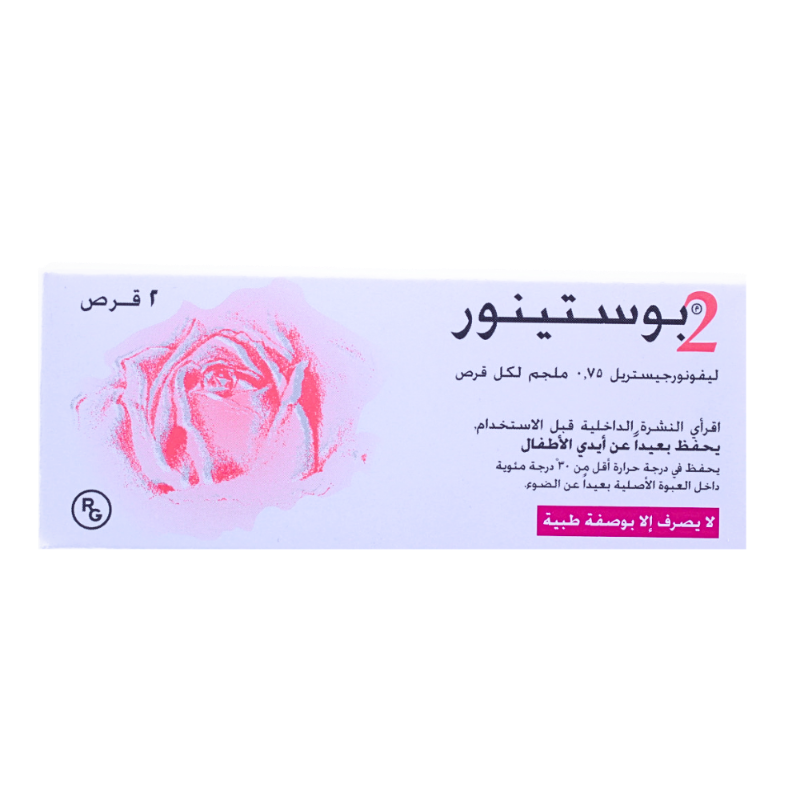
Medications > Contraceptives and Hormonal Medications
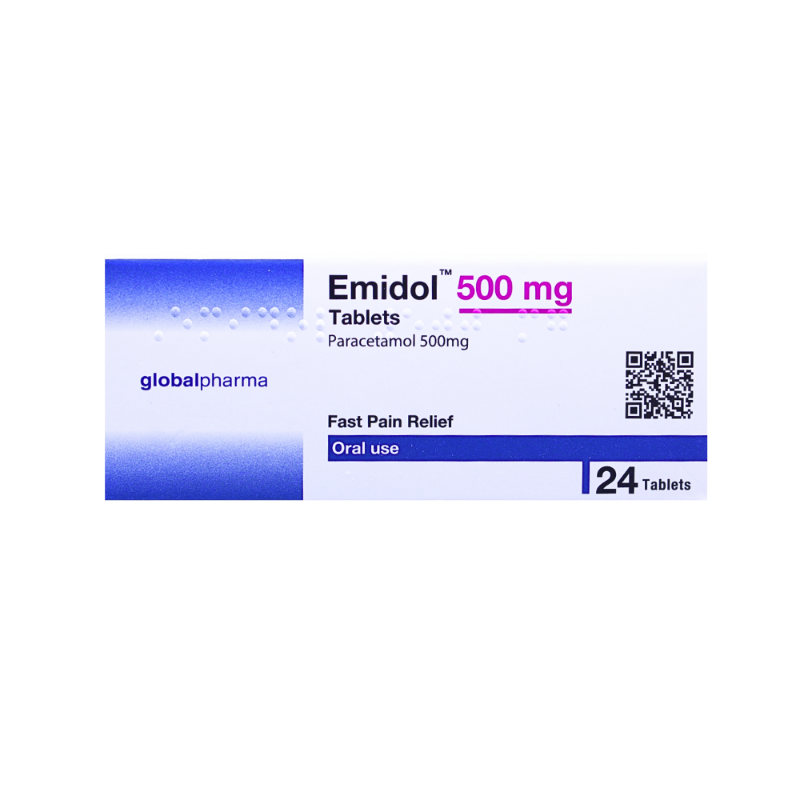
Medications > Painkillers and Antipyretics
