
Use Code: ND30 And Get 30% OFF | Get Free Delivery With No Minimum Order
-1744229570.gif "Almujtama Pharmacy logo")




Frequently bought together
Vitamins & Supplements > Omega-3 Supplements
Vitamins & Supplements > Omega-3 Supplements
Vitamins & Supplements > Sleeping aid supplements
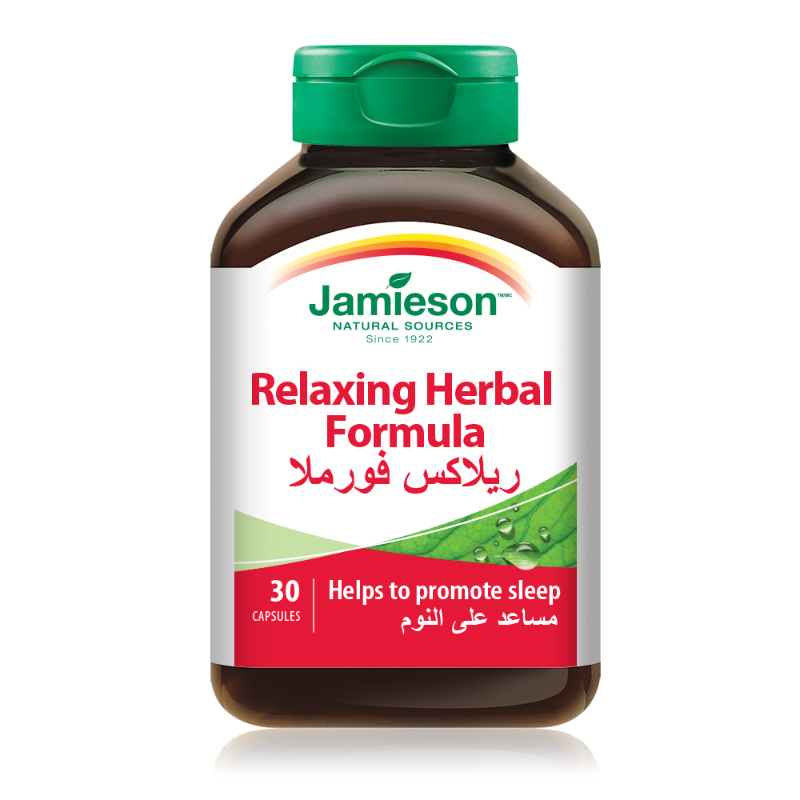
Vitamins & Supplements > Sleeping aid supplements

Vitamins & Supplements > Sleeping aid supplements
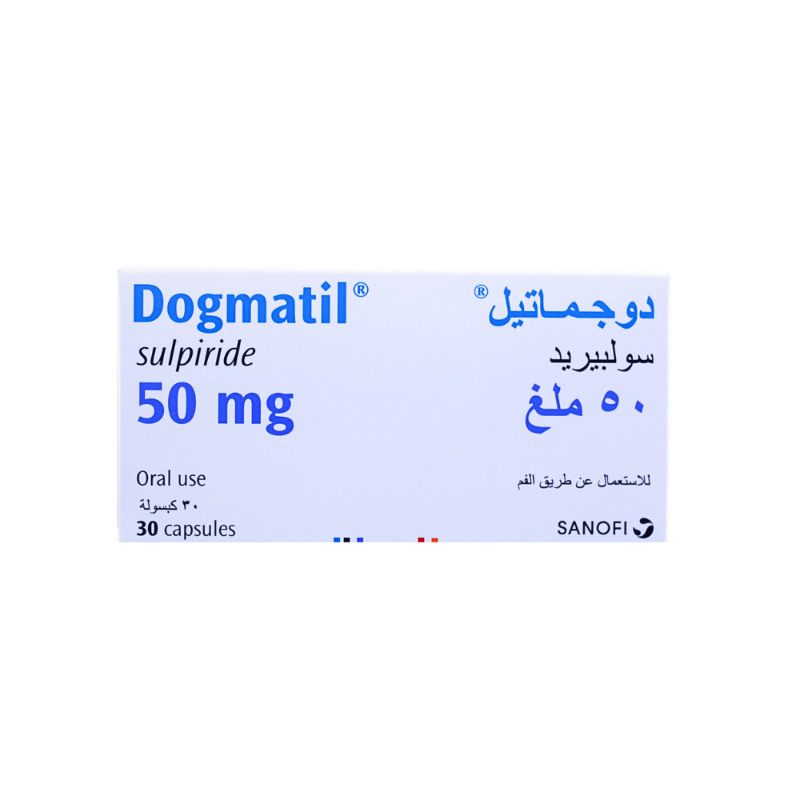
DOGMATIL 50/MG CAP 30/CAP
- Sku : I-001706
Key features
Dogmatil Caps 50mg is a hard capsule containing sulpiride, available in a 30-capsule pack. It works as a selective dopamine receptor antagonist, primarily acting on D2 and D3 receptors. It is used for the treatment of schizophrenia and other acute and chronic psychotic disorders. This prescription medicine is supplied in capsule form for oral use.- Brand: DOGMATIL
- Active Ingredient: SULPIRIDE
- Strength: 50mg
- Dosage Form: Capsule, hard
- Pack Size: 30 Capsules
- Route: Oral use
- Prescription Status: Prescription
- Therapeutic Class: Psychiatric
- Pharmacological Group: Antipsychotics
- Drug Class: Substituted benzamide antipsychotic (atypical D2/D3 antagonist)
- Manufacturer: sanofi-aventis
- Country of Origin: France
- SFDA Registration No.: 32-883-21
- Shelf Life: 36 months
- Storage: store below 30°c
- Psych Class: Antipsychotic-Atypical
- Controlled Substance: No
Frequently bought together
Vitamins & Supplements > Omega-3 Supplements
Vitamins & Supplements > Omega-3 Supplements
Vitamins & Supplements > Sleeping aid supplements
Vitamins & Supplements > Sleeping aid supplements
Vitamins & Supplements > Sleeping aid supplements
Indications
Approved Uses
Schizophrenia and other psychotic disorders (acute and chronic).
Off-Label Uses
Functional GI disorders (e.g., functional dyspepsia/IBS) and vertigo are commonly cited off-label uses in some settings; use for dysthymia/panic or depression augmentation may be described but is jurisdiction- and evidence-dependent.
Dosage & Administration
Initial Dose
For schizophrenia: 200-800mg daily in divided doses
Maintenance Dose
150-300mg/day for depressive disorders; 400-800mg/day for schizophrenia
Maximum Dose
2400mg/day (hospitalized schizophrenic patients); 600mg/day (depressive/anxiety disorders)
Dose Adjustment Notes
Reduce dose in renal impairment (dose/interval adjustment based on creatinine clearance); use lower starting doses and slower titration in older adults; hepatic adjustment is generally not required.
Safety & Warnings
Contraindications
Hypersensitivity to sulpiride; pheochromocytoma; prolactin-dependent tumors (e.g., pituitary prolactinoma, breast cancer); concomitant use with levodopa (and generally dopamine agonists used in Parkinson’s disease); acute porphyria (per many EU/UK product labels).
Warnings & Precautions
QT prolongation risk (consider baseline ECG in at-risk patients; correct hypokalemia/hypomagnesemia; avoid other QT-prolonging drugs); monitor for NMS; risk of tardive dyskinesia with long-term use; hyperprolactinemia (caution in prolactin-sensitive conditions); lowers seizure threshold (caution in epilepsy); caution in Parkinson’s disease; increased stroke/mortality risk in elderly with dementia-related psychosis; VTE risk; renal impairment requires dose reduction; caution with hypotension/sedation and driving.
Drug Interactions
Interaction Severity
MAJOR/CONTRAINDICATED: levodopa and dopamine agonists (pharmacodynamic antagonism). MODERATE-MAJOR: other QT-prolonging drugs (torsades risk), lithium (neurotoxicity/NMS risk), CNS depressants/alcohol (additive sedation), antihypertensives (additive hypotension), metoclopramide/other dopamine blockers (additive EPS). MINOR: antacids/sucralfate (reduced absorption).
Special Populations
Elderly
Start at lowest effective dose (50mg/day), titrate slowly; increased risk of extrapyramidal symptoms, sedation, hypotension, and QT prolongation; avoid use in dementia-related psychosis
Liver Impairment
No routine hepatic dose adjustment required.
Storage & Patient Advice
Patient Counseling
Take exactly as prescribed; swallow whole with water; may take with or without food; avoid alcohol and use caution driving until effects are known; do not stop abruptly without medical advice; separate antacids/sucralfate by ≥2 hours; report urgently fever/rigidity/confusion (possible NMS), abnormal movements, or palpitations/syncope; discuss menstrual/breast changes (prolactin effects) and pregnancy/breastfeeding with the prescriber.
Monitoring Requirements
Monitor for EPS/tardive dyskinesia and NMS; baseline and follow-up renal function; weight/BMI and metabolic parameters as clinically indicated; prolactin if symptomatic; ECG and electrolytes (K/Mg) in patients with cardiac risk factors, QT risk, or when combined with QT-prolonging drugs.
Pharmacology
Mechanism of Action
Selective dopamine receptor antagonist (primarily D2; also D3) with dose-dependent effects: at low doses preferential blockade of presynaptic autoreceptors may increase dopaminergic transmission, while at higher doses postsynaptic D2 blockade produces antipsychotic effects; minimal anticholinergic/antihistaminic activity.
Duration of Effect
Clinical effect persists beyond the plasma half-life; with regular dosing, therapeutic effects are maintained over 24 hours, so dosing is typically once to twice daily depending on indication and tolerability.
Half-Life
6 hours
Bioavailability
Approximately 25-35% (oral bioavailability)
Metabolism
Minimal hepatic metabolism; excreted largely unchanged
Excretion
Primarily renal; ~70% excreted unchanged in urine (fecal excretion is minor)
Protein Binding
Low protein binding, approximately 40% (often cited as <40%)
Product Information
Available Dosage Forms
For this SFDA-registered product: hard capsule for oral use (blister pack). Other sulpiride dosage forms may exist in some markets (e.g., tablets, oral solution, IM injection), but they are not confirmed for this specific SFDA product record.
Composition per Dose
Each capsule: 50mg sulpiride
Generic Availability
Yes
OTC Alternatives
No OTC alternative
Psych Class
Antipsychotic-Atypical
Controlled Substance
No
Reviewed by Al Mujtama Pharmacy Medical Review Team. Last reviewed 11-07-2026
Similar Products
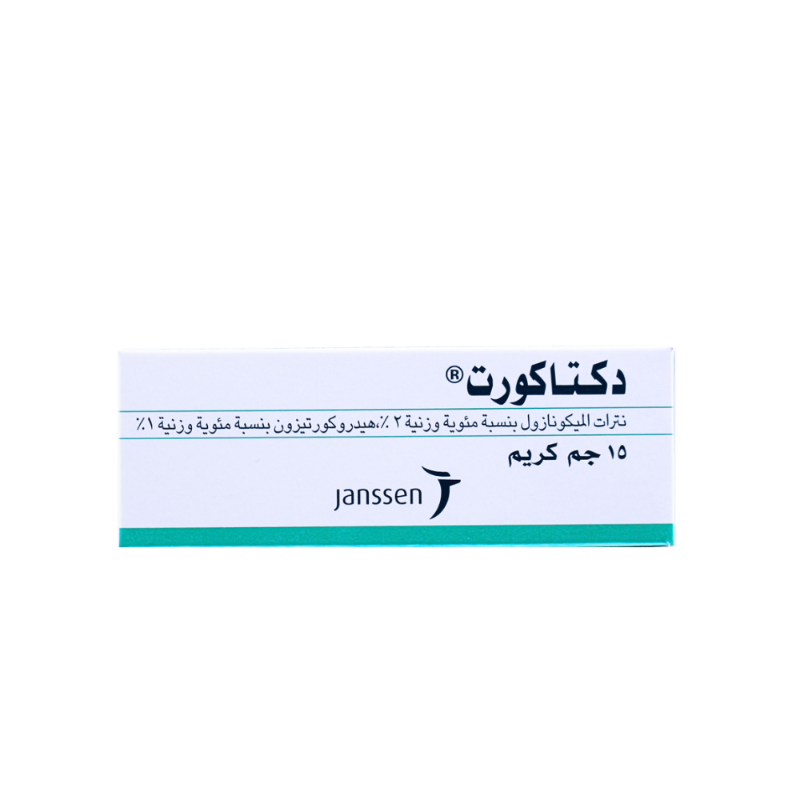
Medications > Dermatology Medications
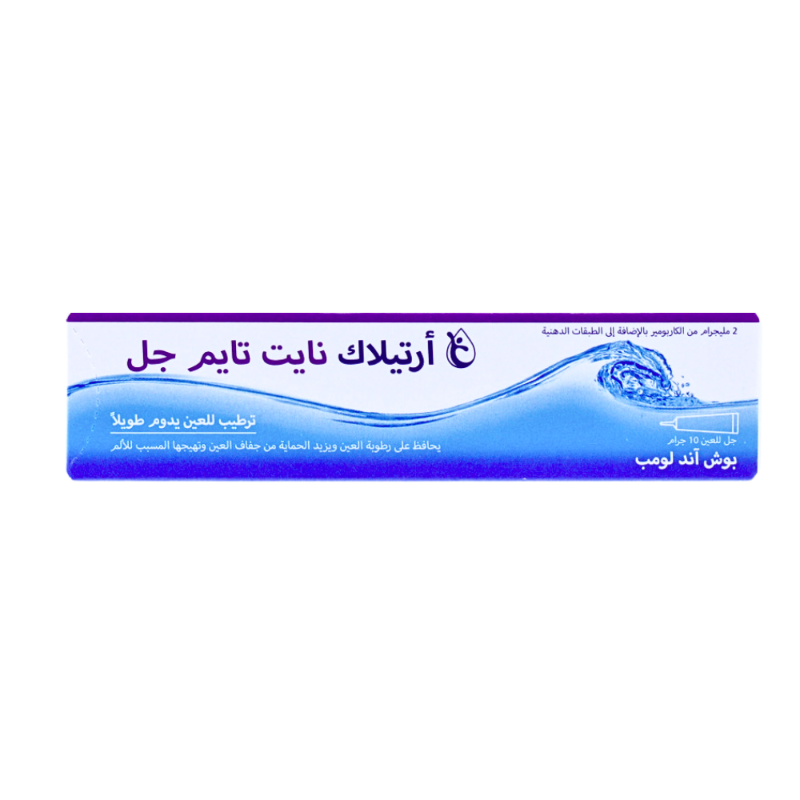
Medications > Eye and Ear Medications
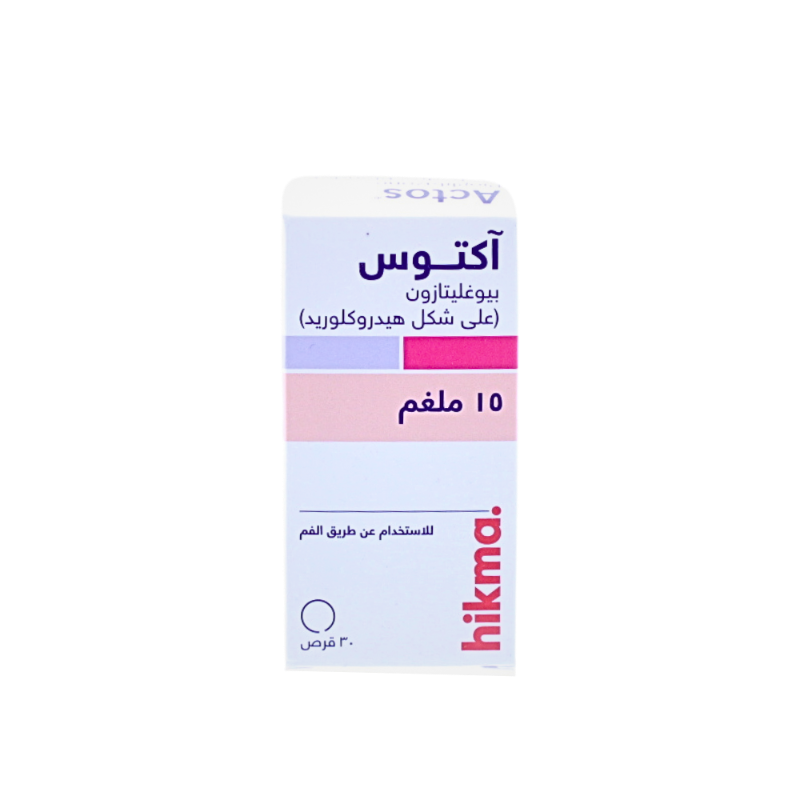
Medications > Diabetes Medications
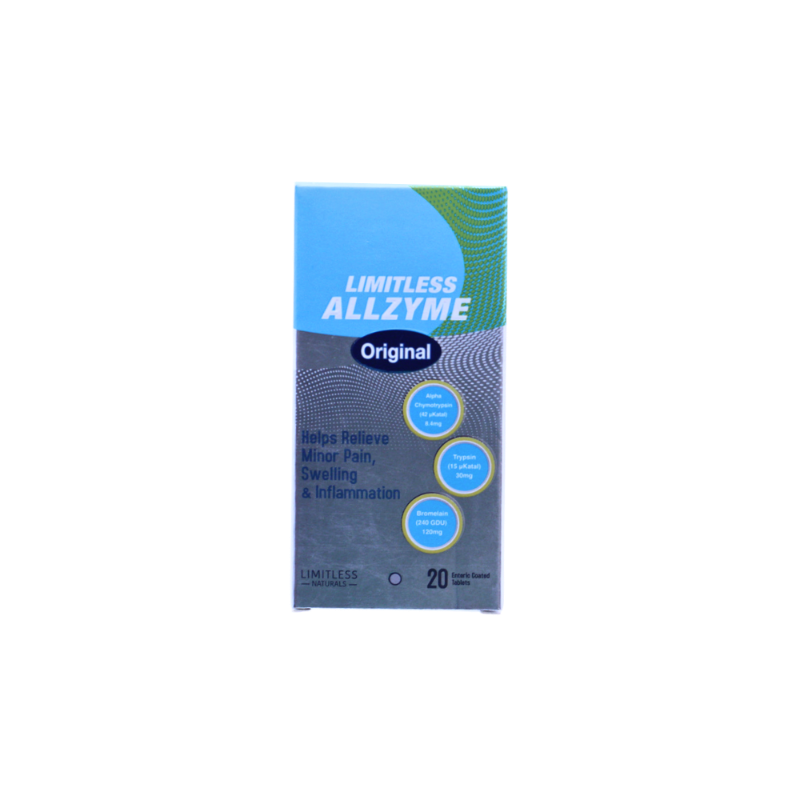
Medications > Painkillers and Antipyretics
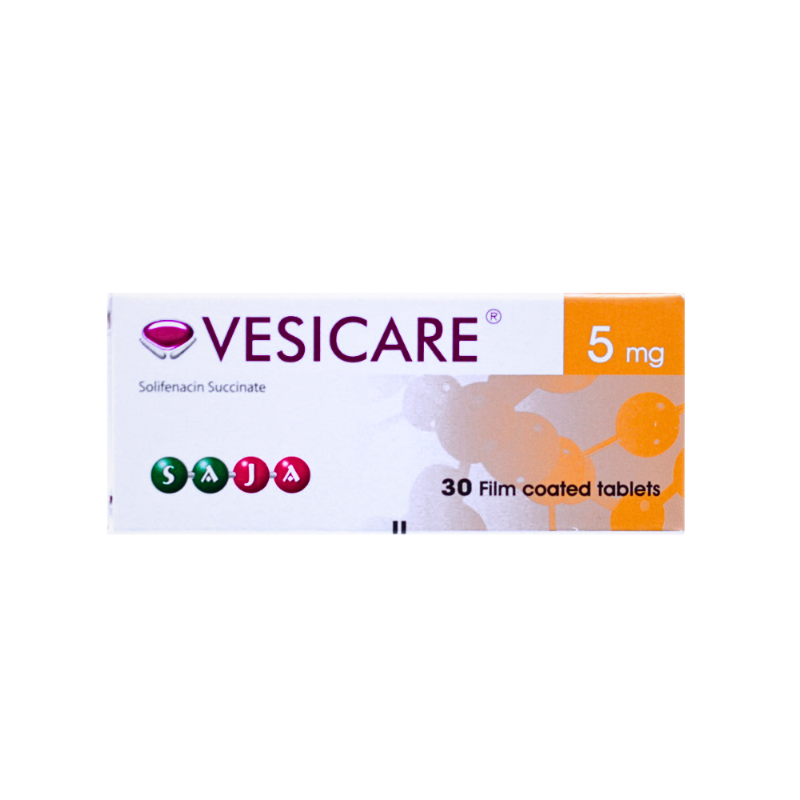
Medications > Urology Medications
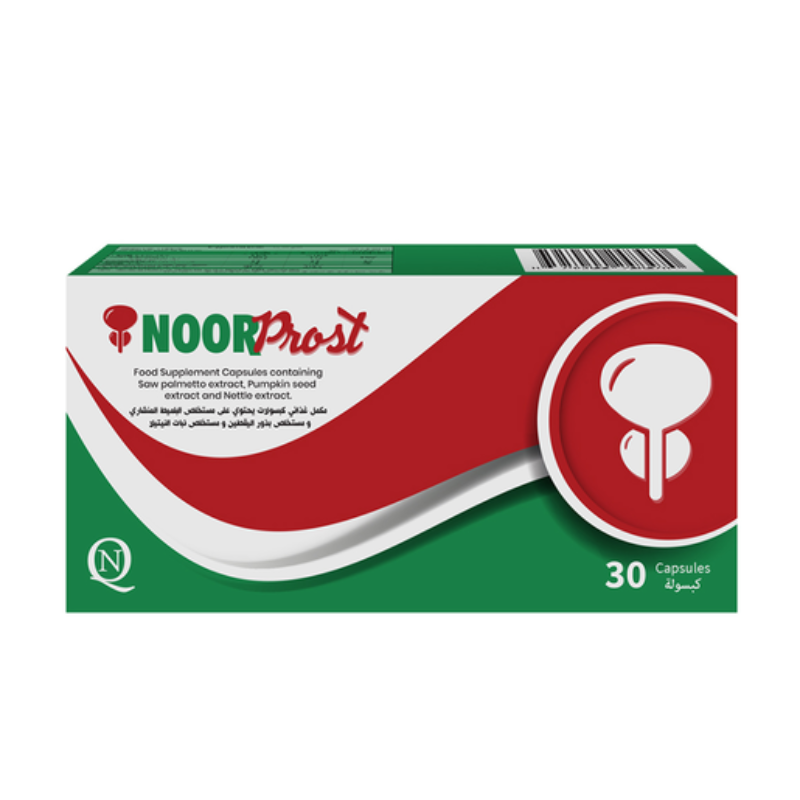
Medications > Urology Medications
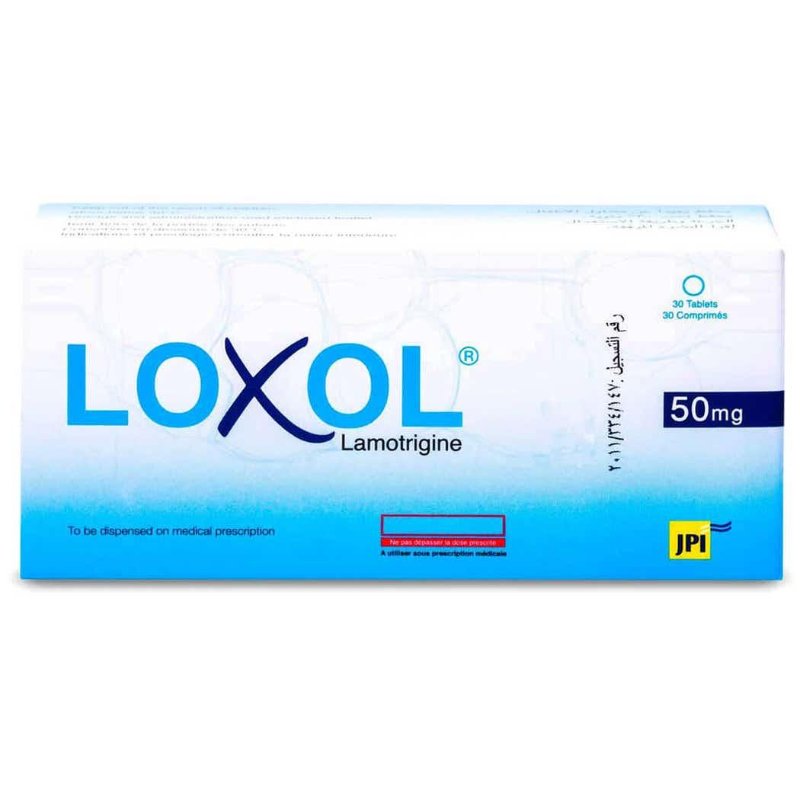
Medications > Anticonvulsants and antiepileptics
Medications > Sexual Health
Medications > Psychiatric Medications

Medications > Hemorrhoid Medications
