
Use Code: ND30 And Get 30% OFF | Get Free Delivery With No Minimum Order
-1744229570.gif "Almujtama Pharmacy logo")




Frequently bought together
Vitamins & Supplements > Vitamins and Minerals
Vitamins & Supplements > Vitamins and Minerals
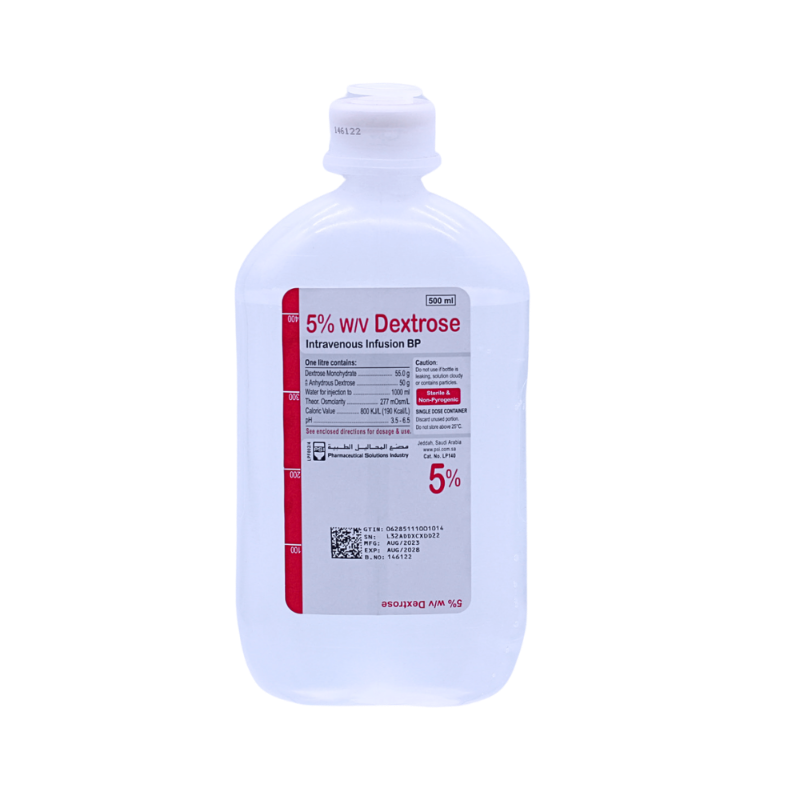
DEXTROSE 5% W/V (IV) INFUSION 500ML
- Sku : I-001639
Key features
DEXTRAN-70 6% in Dextrose 5% Infusion Solution is a prescription plasma volume expander containing dextran 70 6% and dextrose 5%. It works by increasing intravascular oncotic pressure to help expand plasma volume, while dextrose acts as the carrier solution and provides free water and calories after metabolism. It is used for plasma volume expansion in hypovolemia or shock, including cases related to hemorrhage, trauma, surgery, and burns when a colloid is indicated. This product is supplied as a 500 ml infusion solution.- Brand: DEXTROSE
- Active Ingredient: DEXTRAN 70 6%, DEXTROSE 5%
- Strength: 6,5%
- Dosage Form: Solution
- Pack Size: 500 ml
- Route: Intravenous use
- Prescription Status: Prescription
- Therapeutic Class: Blood & Blood Forming Organs
- Drug Class: Plasma volume expander (colloid
- Manufacturer: Pharmaceutical Solution Industries (PSI)
- Country of Origin: Saudi Arabia
- SFDA Registration No.: 276-149-03
- Shelf Life: 36 months
- Storage: store below 25°c
- Primary Use: Intravenous plasma volume expander used to treat and prevent hypovolemia and shock, and to improve microcirculation
Frequently bought together
Vitamins & Supplements > Vitamins and Minerals
Vitamins & Supplements > Vitamins and Minerals
Indications
Approved Uses
Plasma volume expansion in hypovolemia/shock (e.g., due to hemorrhage, trauma, surgery, burns) when a colloid is indicated.
Off-Label Uses
Priming solution for extracorporeal circuits (e.g., cardiopulmonary bypass) and acute normovolemic hemodilution (institution-dependent).
Dosage & Administration
Dosing by Condition
Hypovolemia/shock: titrate to clinical endpoints; typical adult initial dose 500 mL (30 g) and may repeat as needed. Do not exceed 20 mL/kg in the first 24 hours; if continued beyond 24 hours, limit to 10 mL/kg/day.
Initial Dose
The customary dose is 500 mL for adults. [3, 15]
Maintenance Dose
If treatment exceeds 24 hours, the daily dosage should not exceed 0.6 g/kg (10 mL/kg). [3, 15]
Maximum Dose
The total dosage for the first 24 hours must not exceed 1.2 g/kg (20 mL/kg). [3, 15]
Children's Dosage
10-20 mL/kg IV, not to exceed 20 mL/kg/day; administer under close medical supervision
Dose Adjustment Notes
Use with caution and infuse more slowly in cardiac impairment/elderly and in renal impairment; avoid use in severe renal failure with oliguria/anuria and monitor closely for fluid overload and renal function.
How to Take
For intravenous infusion only (hospital use). Inspect solution/container for leaks, particulate matter, and discoloration; use aseptic technique. Start the infusion slowly and observe closely for anaphylactoid reactions during the first 10-20 mL/first minutes, then titrate rate/volume to hemodynamic response and fluid status; use an in-line filter if required by local policy for dextran products.
How to Prepare
Ready-to-use IV solution in a 500 mL bottle; no reconstitution required. Inspect for particulate matter/leaks, use aseptic technique, and do not admix/add medications unless compatibility and stability are confirmed; administer via IV infusion per institutional policy.
Side Effects
Common Side Effects
Hypersensitivity/anaphylactoid reactions (flushing, urticaria, bronchospasm, hypotension), nausea/vomiting, fever/chills; volume overload/pulmonary edema; bleeding tendency/dilutional coagulopathy with large volumes; local infusion-site reactions can occur.
Side Effect Frequency
Common: mild hypersensitivity reactions (rash/urticaria, fever/flushing), nausea/vomiting; volume-related effects (hemodilution/edema) can occur with large volumes. Uncommon: bronchospasm/wheezing, chest tightness, mild hypotension. Rare but serious: anaphylactoid/anaphylaxis, severe hypotension/shock, coagulopathy/bleeding tendency, acute kidney injury, pulmonary edema (especially with excessive volume or predisposition).
Safety & Warnings
Contraindications
Known hypersensitivity to dextran; severe renal impairment with oliguria/anuria; severe congestive heart failure or hypervolemia/pulmonary edema; marked hemostatic defects or active uncontrolled bleeding.
Warnings & Precautions
Observe closely during initiation for hypersensitivity; ensure resuscitation readiness; monitor fluid balance/urine output and avoid overload (especially cardiac/renal disease); monitor bleeding/coagulation with large doses; obtain blood for typing/cross-match before infusion; use caution in diabetes due to dextrose component.
Age Restriction
No absolute age restriction; use in all age groups only under specialist/medical supervision (extra caution in neonates/infants).
Drug Interactions
Drug Interactions
Additive bleeding risk with anticoagulants/thrombolytics; possible increased anaphylactoid risk with ACE inhibitors; interferes with blood grouping/cross-matching-draw blood samples before infusion.
Interaction Severity
MAJOR: Anticoagulants/antiplatelets and thrombolytics (e.g., heparin, warfarin, alteplase) due to additive bleeding risk and dextran-related platelet/coagulation effects. MODERATE: ACE inhibitors (possible increased anaphylactoid reaction risk) and insulin/antidiabetics (dextrose carrier may increase glucose).
Food Interaction
No restriction
Special Populations
Children
10-20 mL/kg IV, not to exceed 20 mL/kg/day; administer under close medical supervision
Kidney Impairment
Contraindicated in oliguria/anuria; otherwise use with caution in renal impairment with reduced dose/rate and close monitoring of urine output and volume status.
Storage & Patient Advice
Preparation Instructions
Ready-to-use IV solution in a 500 mL bottle; no reconstitution required. Inspect for particulate matter/leaks, use aseptic technique, and do not admix/add medications unless compatibility and stability are confirmed; administer via IV infusion per institutional policy.
Missed Dose
Not applicable in usual practice-administered and titrated in a monitored clinical setting; if an ordered infusion is interrupted, clinicians should reassess volume status and restart/adjust per hemodynamic goals.
Stopping the Medicine
Administered and discontinued by healthcare professionals; stop infusion immediately if hypersensitivity, respiratory compromise, hypotension, or circulatory overload occurs.
Overdose
Overdose manifests as volume/circulatory overload (pulmonary edema/CHF), hemodilution and coagulopathy/bleeding, and electrolyte/glucose disturbances; management is stop infusion and provide supportive care (e.g., oxygen/ventilation, diuretics) and correct coagulopathy as needed.
Patient Counseling
Given IV in hospital by professionals; report immediately any itching, rash/hives, wheeze, chest tightness, dizziness, or swelling during infusion (possible severe allergy). Inform staff about prior reactions to dextran, bleeding disorders/anticoagulant use, and heart/kidney disease; diabetics should expect glucose monitoring because the solution contains dextrose.
Monitoring Requirements
Monitor closely for hypersensitivity during the first minutes/initial 10-20 mL; monitor blood pressure/heart rate, oxygenation/respiratory status, urine output, fluid balance, and labs as indicated (hematocrit/hemoglobin; coagulation parameters with large volumes; electrolytes and blood glucose given the dextrose carrier).
Pharmacology
Mechanism of Action
Dextran 70 is a high-molecular-weight glucose polymer colloid that increases intravascular oncotic pressure and expands plasma volume; dextrose 5% serves as the carrier and provides free water/calories after metabolism.
Onset of Action
Within minutes of starting the infusion.
Duration of Effect
Approximately 3-6 hours of plasma volume expansion (may vary with dose and capillary leak).
Half-Life
Dextran 70: biphasic intravascular persistence-an initial distribution/clearance phase of a few hours followed by a prolonged terminal phase that can extend for days (reported terminal half-life ~2-3 days). Dextrose: effectively minutes (rapid cellular uptake/metabolism).
Bioavailability
100% (intravenous administration).
Metabolism
Dextran 70: partially metabolized slowly by dextranases (primarily in the reticuloendothelial system/liver/spleen) to smaller oligosaccharides and ultimately glucose; a significant fraction is excreted unchanged in urine depending on molecular size. Dextrose: metabolized via normal carbohydrate pathways (glycolysis/oxidation) to CO2 and water (and glycogen/fat storage as applicable).
Excretion
Dextran 70: primarily renal elimination-lower-molecular-weight fractions are excreted unchanged in urine (a substantial proportion within 24 hours); remaining higher-molecular-weight fraction is slowly metabolized and ultimately eliminated mainly via the kidneys. Dextrose: metabolized to CO2 and water (not excreted unchanged except if hyperglycemia exceeds renal threshold causing glucosuria).
Protein Binding
Dextran 70: not meaningfully protein-bound (circulates largely as free polymer; may interfere with some laboratory assays/crossmatching but not via classic protein binding). Dextrose: negligible/none.
Product Information
Available Dosage Forms
Solution for intravenous infusion (bottle), 500 mL.
Composition per Dose
Each 500 mL bottle: Dextran 70 30 g (6% w/v) + Dextrose (anhydrous) 25 g (5% w/v) in water for injection
Generic Availability
Yes
OTC Alternatives
No OTC alternative
Primary Use
Intravenous plasma volume expander used to treat and prevent hypovolemia and shock, and to improve microcirculation
Reviewed by Al Mujtama Pharmacy Medical Review Team. Last reviewed 25-07-2026
Similar Products
Medications > Dermatology Medications
Medications > Painkillers and Antipyretics
Medications > Sexual Health
Medications > Cold, Cough, and Allergy Medications
Medications > Painkillers and Antipyretics
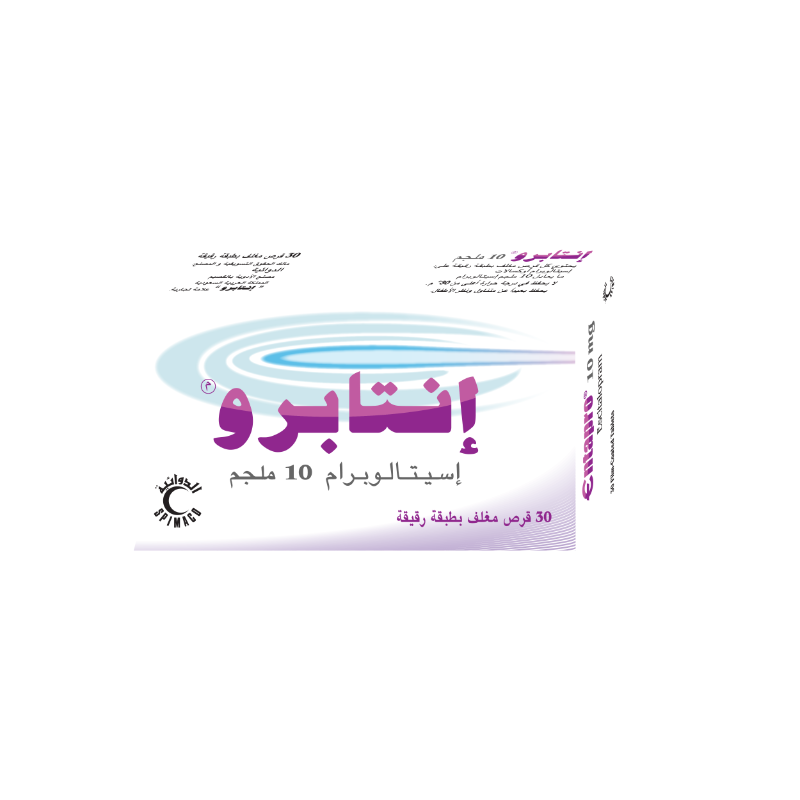
Medications > Psychiatric Medications
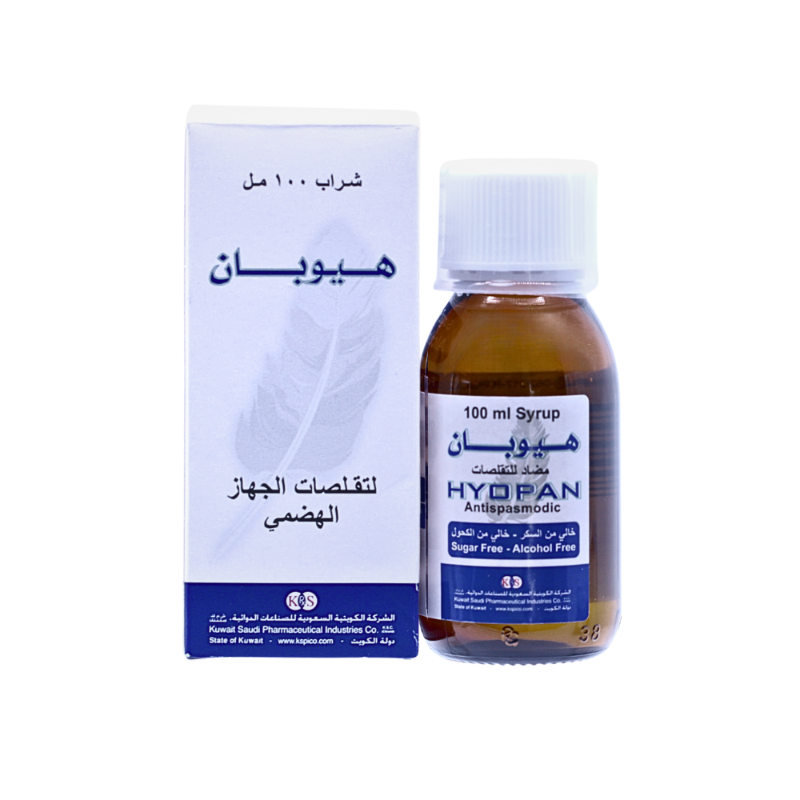
Medications > Gastrointestinal Medications
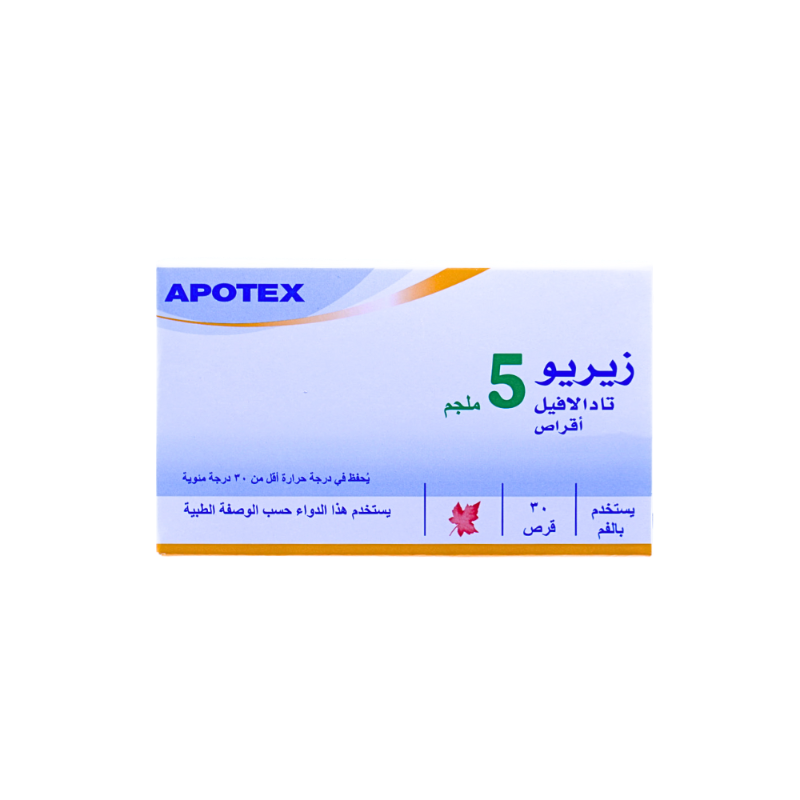
Medications > Sexual Health
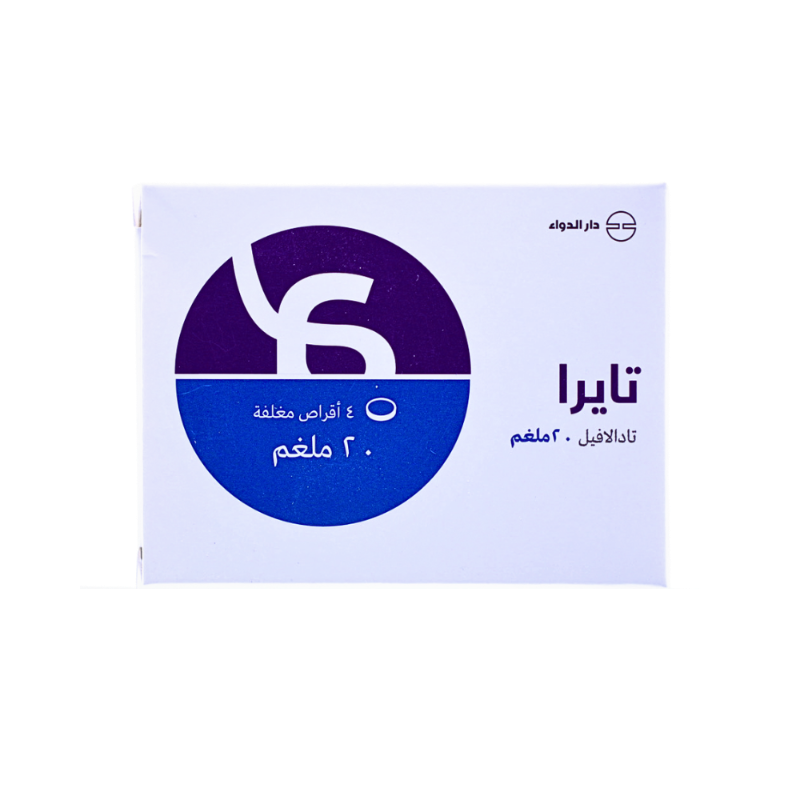
Medications > Sexual Health
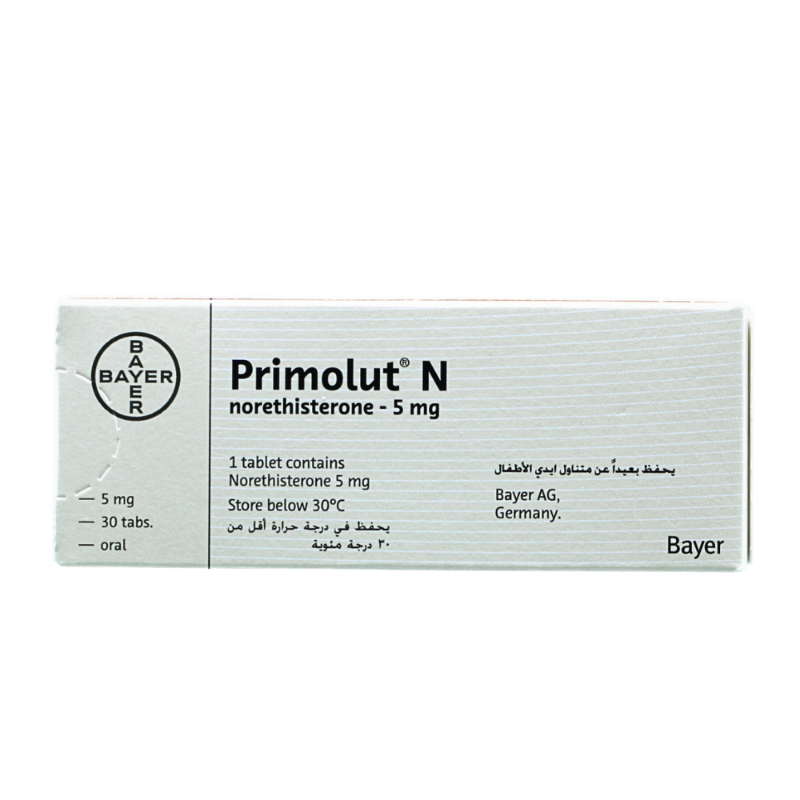
Medications > Contraceptives and Hormonal Medications
