
Use Code: WF26 And Get 30% OFF, T&C Applay | Get Free Delivery With No Minimum Order
-1744229570.gif "Almujtama Pharmacy logo")


Frequently bought together
Oral & Dental Care > Throat & Oral Care
Vitamins & Supplements > Vitamins and Minerals
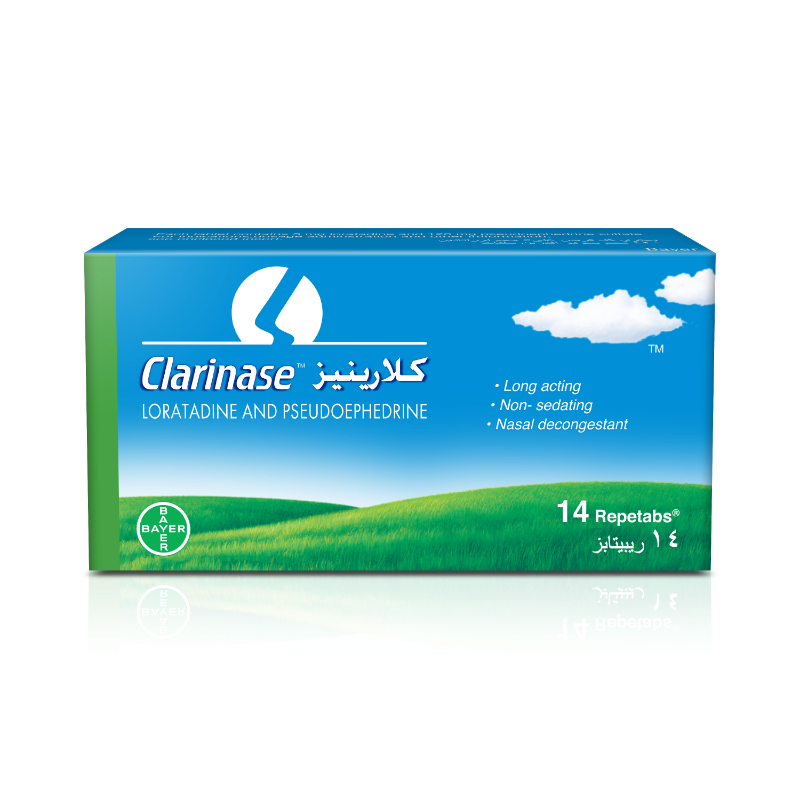
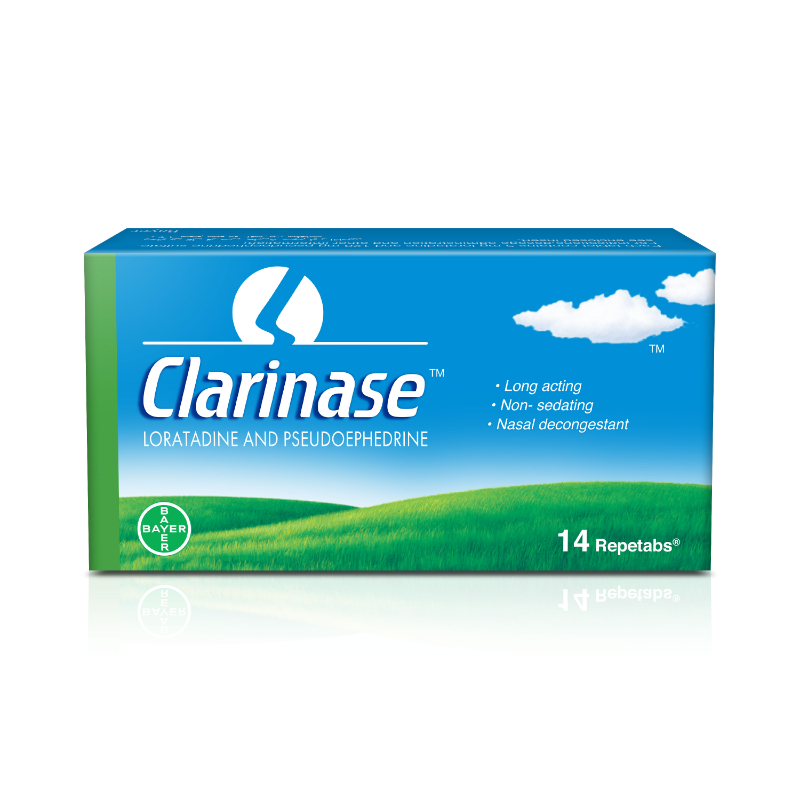
CLARINASE 5/MG TAB 14/TAB
- Sku : I-001116
Key features
Clarinase Tab Tablet 120,5mg 14 Tablets is an over-the-counter tablet formulation containing loratadine 5 mg and pseudoephedrine hydrochloride 120 mg. Loratadine is a second-generation selective peripheral H1 antagonist with minimal central nervous system penetration, while pseudoephedrine is a sympathomimetic that produces primarily alpha-adrenergic vasoconstriction of the nasal mucosa to reduce congestion. It is used for relief of symptoms of seasonal and perennial allergic rhinitis with nasal congestion, including sneezing, rhinorrhea, nasal congestion and itchy or watery eyes. Available OTC in tablet form, pack of 14 tablets.- Brand: CLARINASE
- Active Ingredient: PSEUDOEPHEDRINE HYDROCHLORIDE 120mg, LORATADINE 5mg
- Strength: 120,5mg
- Dosage Form: Tablet
- Pack Size: 14 Tablets
- Route: Oral use
- Prescription Status: OTC
- Therapeutic Class: Antiallergic
- Pharmacological Group: Other Antihistamines
- Drug Class: Second-generation antihistamine + Sympathomimetic decongestant combination
- Manufacturer: SAG Manufacturing SLU
- Country of Origin: Spain
- SFDA Registration No.: 4-949-16
- Shelf Life: 36 months
- Storage: store below 25°c
- Symptom Target: Congestion, Runny Nose, Allergy, Multi-symptom
- Sedating: No
Frequently bought together
Oral & Dental Care > Throat & Oral Care
Vitamins & Supplements > Vitamins and Minerals
Indications
Approved Uses
Seasonal allergic rhinitis with nasal congestion, perennial allergic rhinitis with nasal congestion, relief of symptoms associated with allergic rhinitis including sneezing, rhinorrhea, nasal congestion, and itchy/watery eyes
Dosage & Administration
Dosing by Condition
Allergic rhinitis with nasal congestion (adults and children ≥12 years): 1 tablet orally every 12 hours; maximum 2 tablets/day; not recommended for <12 years.
Initial Dose
1 tablet twice daily (every 12 hours)
Maintenance Dose
1 tablet twice daily (every 12 hours)
Maximum Dose
Maximum: 2 tablets in 24 hours (1 tablet every 12 hours).
Children's Dosage
Children 12 years of age and over: One tablet every 12 hours. Not recommended for children under 12 years.
Dose Adjustment Notes
Severe renal impairment (CrCl <30 mL/min) or hepatic impairment: reduce to 1 tablet once daily (instead of every 12 hours); use caution in elderly and in cardiovascular disease.
How to Take
Swallow tablet whole with water. Can be taken with or without food. Do not crush or chew the tablet.
Side Effects
Common Side Effects
Insomnia, headache, dry mouth, nervousness, dizziness, palpitations, tachycardia, fatigue, somnolence, nausea
Side Effect Frequency
For loratadine 5 mg + pseudoephedrine 120 mg (Clarinase): Common (≥1/100 to <1/10): insomnia, dry mouth, headache, nervousness. Uncommon (≥1/1,000 to <1/100): dizziness, fatigue/asthenia, nausea. Rare/very rare (<1/1,000): palpitations/tachycardia, hypertension, urinary retention, hypersensitivity reactions (e.g., rash/angioedema), elevated hepatic enzymes.
Safety & Warnings
Contraindications
Hypersensitivity to ingredients, patients receiving MAO inhibitor therapy (or within 14 days of discontinuation), narrow-angle glaucoma, urinary retention, severe hypertension, severe coronary artery disease, hyperthyroidism.
Warnings & Precautions
Use with caution in hypertension, ischemic heart disease/arrhythmias, diabetes, hyperthyroidism, increased intraocular pressure/narrow-angle glaucoma, prostatic hypertrophy/urinary retention risk, and in renal or hepatic impairment; avoid with MAOIs (and within 14 days of stopping); may cause insomnia/nervousness-avoid late dosing; elderly may be more sensitive.
Age Restriction
Not recommended for children under 12 years (use in ≥12 years and adults).
Driving Warning
No driving warning; loratadine is non-sedating and does not impair driving ability. Pseudoephedrine may cause nervousness or insomnia but not drowsiness
Drug Interactions
Drug Interactions
MAO inhibitors (contraindicated/avoid within 14 days), other sympathomimetics/decongestants/stimulants (additive CV/CNS effects), antihypertensives (may reduce antihypertensive effect), tricyclic antidepressants (potentiate pressor/CNS effects), ergot alkaloids (increased vasoconstriction/ischemia risk), CYP inhibitors that increase loratadine exposure (e.g., ketoconazole, erythromycin/clarithromycin, cimetidine).
Interaction Severity
MAJOR/Contraindicated: MAO inhibitors (and within 14 days of stopping) due to risk of hypertensive crisis. MODERATE: other sympathomimetics/decongestants and tricyclic antidepressants (additive pressor/CV stimulation); antihypertensives (may reduce BP control); strong CYP3A4/2D6 inhibitors such as ketoconazole/erythromycin/cimetidine (may increase loratadine exposure).
Food Interaction
May be taken with or without food; food may delay absorption but does not meaningfully change overall clinical effect.
Alcohol Interaction
Avoid
Special Populations
Pregnancy
Consult Doctor
Breastfeeding
Contraindicated
Children
Children 12 years of age and over: One tablet every 12 hours. Not recommended for children under 12 years.
Elderly
Use with caution; consider reduced dosing frequency (once daily) due to increased sensitivity to sympathomimetic effects and potential renal/hepatic impairment
Kidney Impairment
Severe renal impairment (CrCl <30 mL/min): 1 tablet once daily.
Liver Impairment
Severe hepatic impairment: 1 tablet once daily (instead of every 12 hours).
Storage & Patient Advice
Storage Conditions
Store below 25°C. Keep in original packaging. Keep out of reach of children.
Missed Dose
Take as soon as remembered; skip if near the time of the next dose. Do not double the dose.
Stopping the Medicine
Safe to stop anytime when symptoms resolve. Treatment should be kept as short as possible.
Overdose
Symptoms: CNS stimulation (insomnia, agitation/anxiety, tremor, hallucinations/psychosis, seizures), or less commonly somnolence; cardiovascular effects (tachycardia, palpitations, hypertension, arrhythmias); GI upset (nausea/vomiting); urinary retention. Management: urgent medical evaluation, supportive/symptomatic care with cardiovascular monitoring; consider activated charcoal if early after ingestion per poisoning guidance.
Patient Counseling
Take 1 tablet every 12 hours (max 2/day); swallow whole (do not crush/chew). May cause insomnia/nervousness-avoid late-evening dosing; avoid other decongestants/stimulants. Can raise blood pressure-seek advice if you have hypertension/heart disease. Do not use with MAOIs or within 14 days of stopping. Seek medical advice if symptoms persist ~7-10 days, worsen, or are accompanied by fever/severe headache.
Monitoring Requirements
No routine laboratory monitoring in healthy patients; monitor blood pressure/heart rate and symptom response in patients with hypertension, cardiovascular disease, hyperthyroidism, diabetes, or prostatic hypertrophy.
Pharmacology
Mechanism of Action
Loratadine: second-generation selective peripheral H1-antagonist (minimal CNS penetration). Pseudoephedrine: sympathomimetic with primarily alpha-adrenergic vasoconstriction in nasal mucosa reducing congestion.
Onset of Action
Clinical onset is typically within about 1-3 hours (decongestant effect may be noticed earlier in some patients).
Duration of Effect
12 hours.
Half-Life
Loratadine: ~8-12 hours; active metabolite (desloratadine): ~17-24 hours (can be longer in some sources). Pseudoephedrine: ~5-8 hours, prolonged with alkaline urine/renal impairment.
Bioavailability
Loratadine: not reliably stated as an absolute % (extensive first-pass metabolism; absolute bioavailability not well established). Pseudoephedrine: high oral absorption (often cited ~90% or higher).
Metabolism
Loratadine: extensive hepatic metabolism via CYP3A4 and CYP2D6 to active metabolite (desloratadine). Pseudoephedrine: minimal/incomplete hepatic metabolism; largely excreted unchanged in urine.
Excretion
Loratadine: eliminated as metabolites in urine and feces (roughly similar proportions across both routes). Pseudoephedrine: primarily renal excretion largely unchanged; extent is urine pH dependent.
Protein Binding
Loratadine: 97-99% protein bound; desloratadine: ~73-76% protein bound; pseudoephedrine: low protein binding (commonly reported ~0-20%).
Product Information
Available Dosage Forms
Tablet (immediate-release); extended-release formulations exist but are separate products
Composition per Dose
Each tablet: Loratadine 5mg + Pseudoephedrine hydrochloride 120mg
Generic Availability
Yes
OTC Alternatives
For allergy symptoms: loratadine 10 mg, cetirizine 10 mg, or fexofenadine (e.g., 120 mg) as single-ingredient antihistamines. For congestion: saline nasal spray/irrigation; short-term topical nasal decongestant (e.g., oxymetazoline) or oral decongestant where appropriate.
Symptom Target
Congestion, Runny Nose, Allergy, Multi-symptom
Sedating
No
Reviewed by Al Mujtama Pharmacy Medical Review Team. Last reviewed 23-06-2026
Similar Products
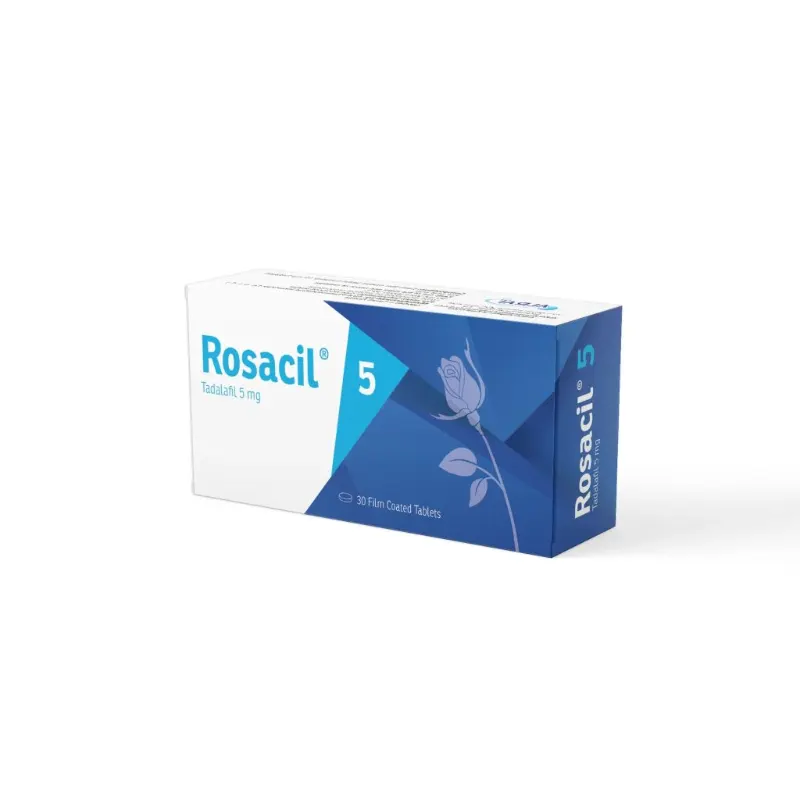
Medications > Sexual Health
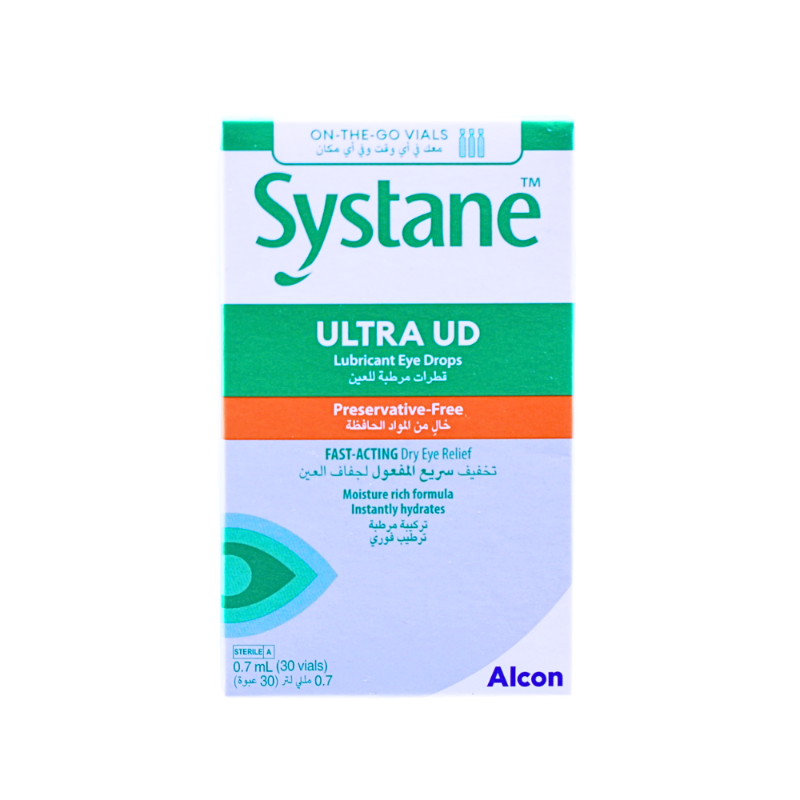
Medications > Eye and Ear Medications
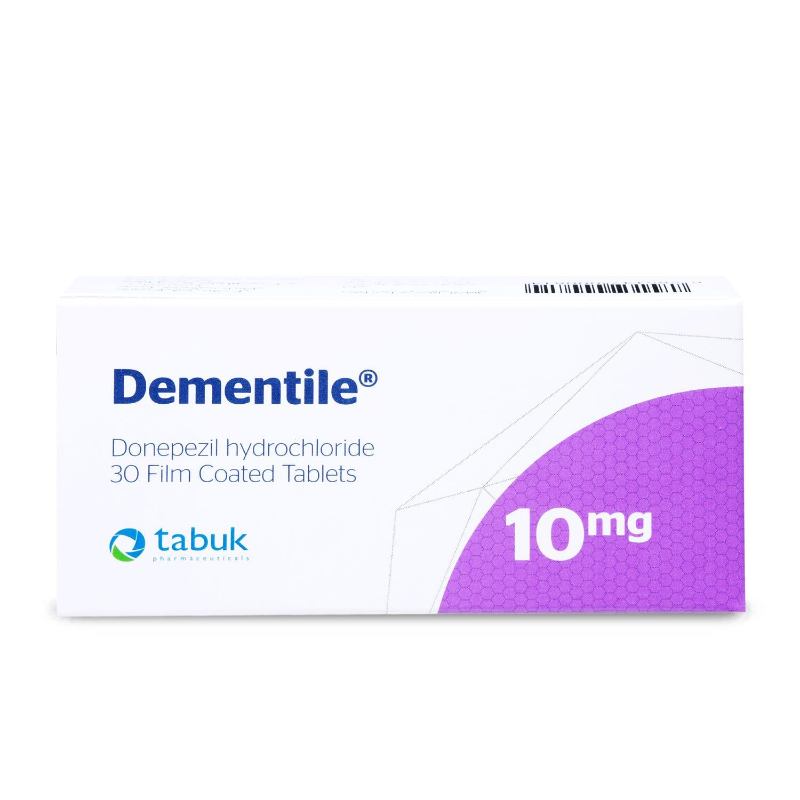
Medications > Psychiatric Medications
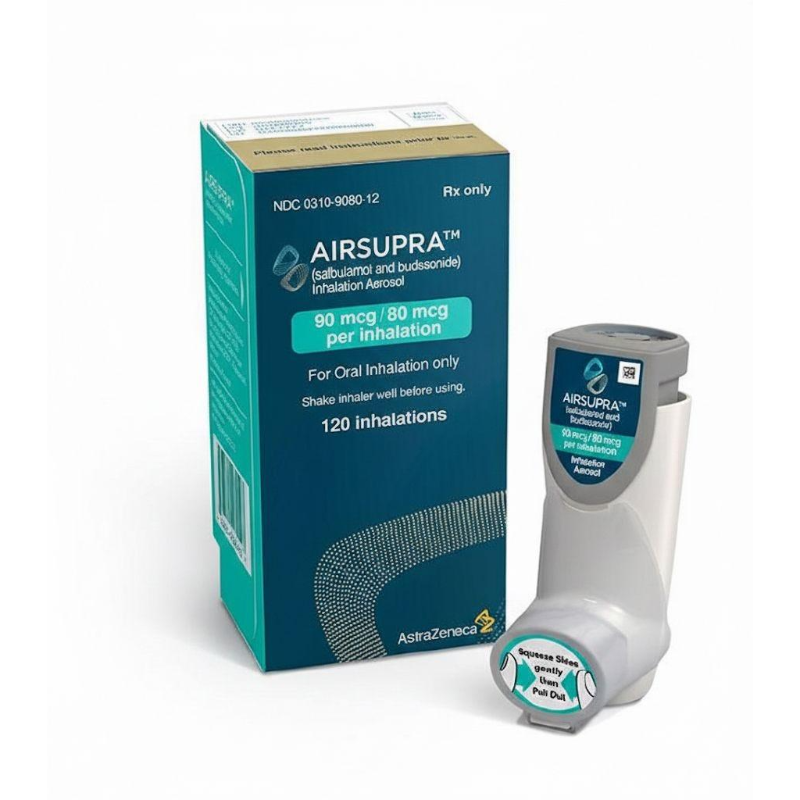
Medications > Other Medicines
Medications > Dermatology Medications
Medications > Gastrointestinal Medications
Medications > Eye and Ear Medications
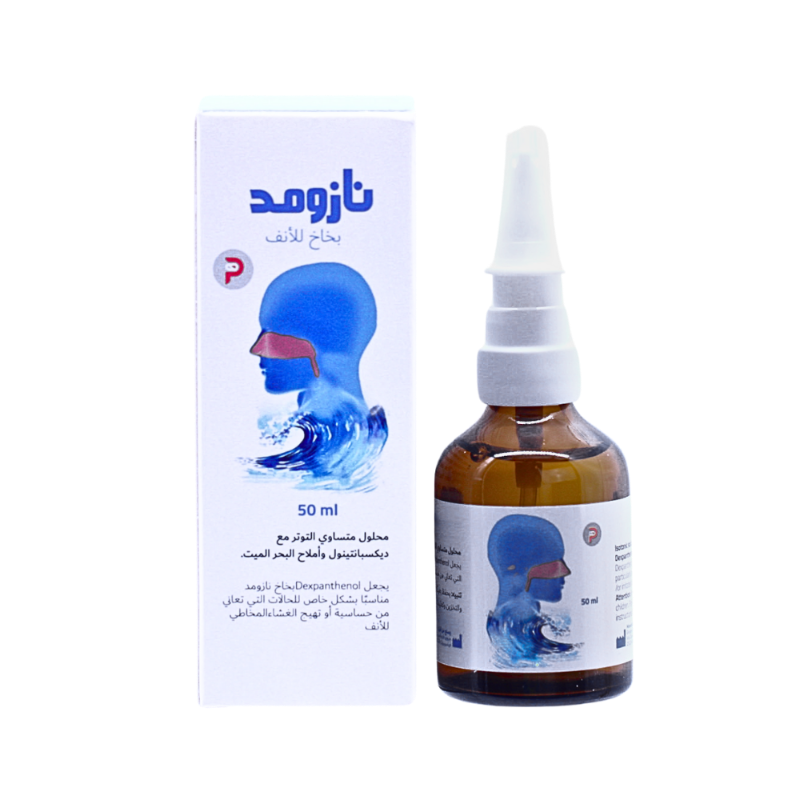
Medications > Cold, Cough, and Allergy Medications
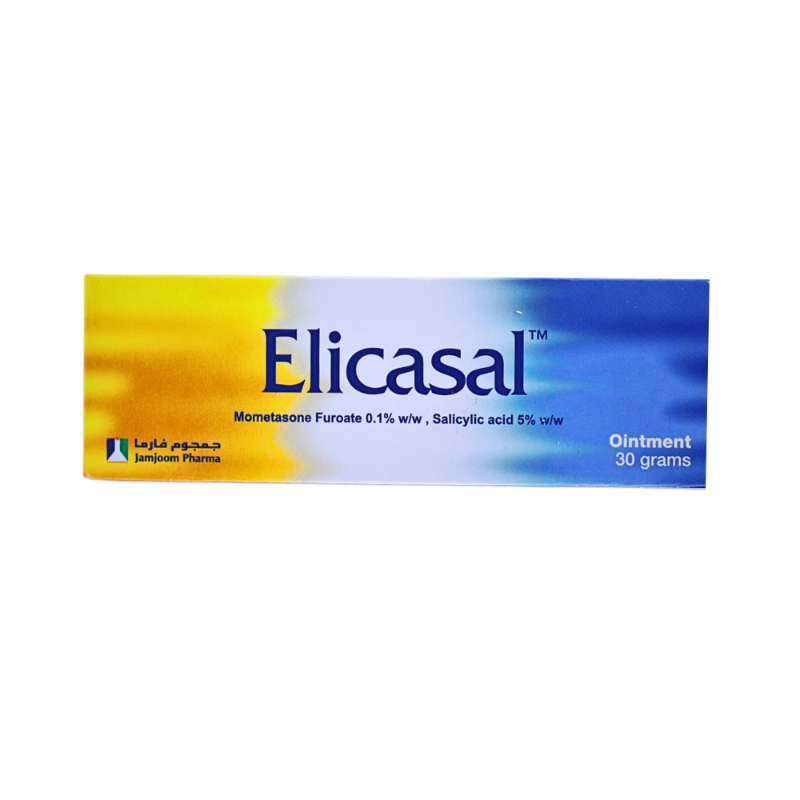
Medications > Dermatology Medications
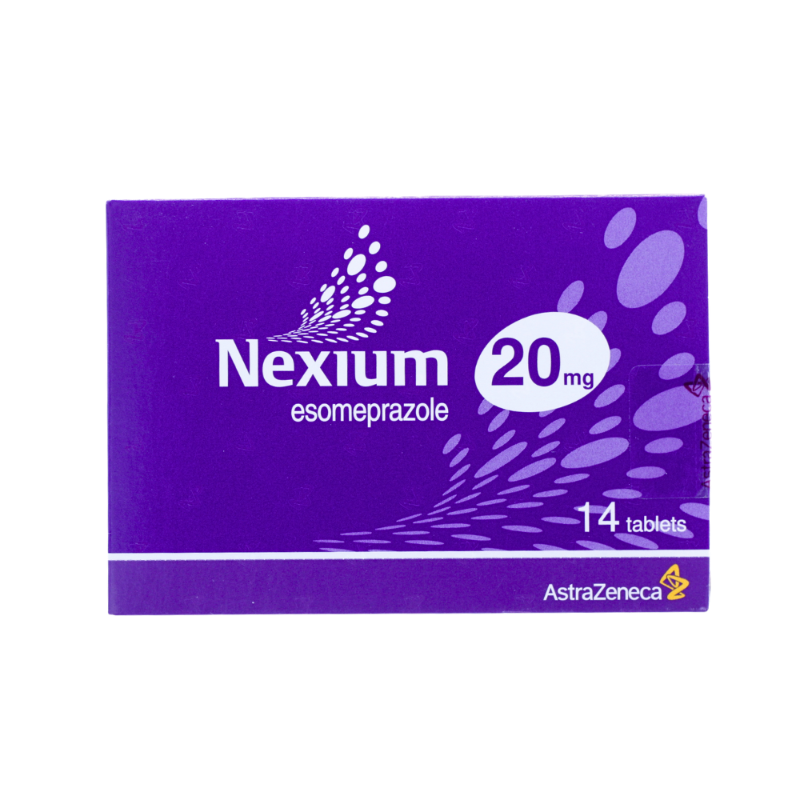
Medications > Gastrointestinal Medications
