
Use Code: ND30 And Get 30% OFF | Get Free Delivery With No Minimum Order
-1744229570.gif "Almujtama Pharmacy logo")




Frequently bought together
Skin And Body Care > Sun Protection And Tans
Skin And Body Care > Sun Protection And Tans
Skin And Body Care > Moisturizers
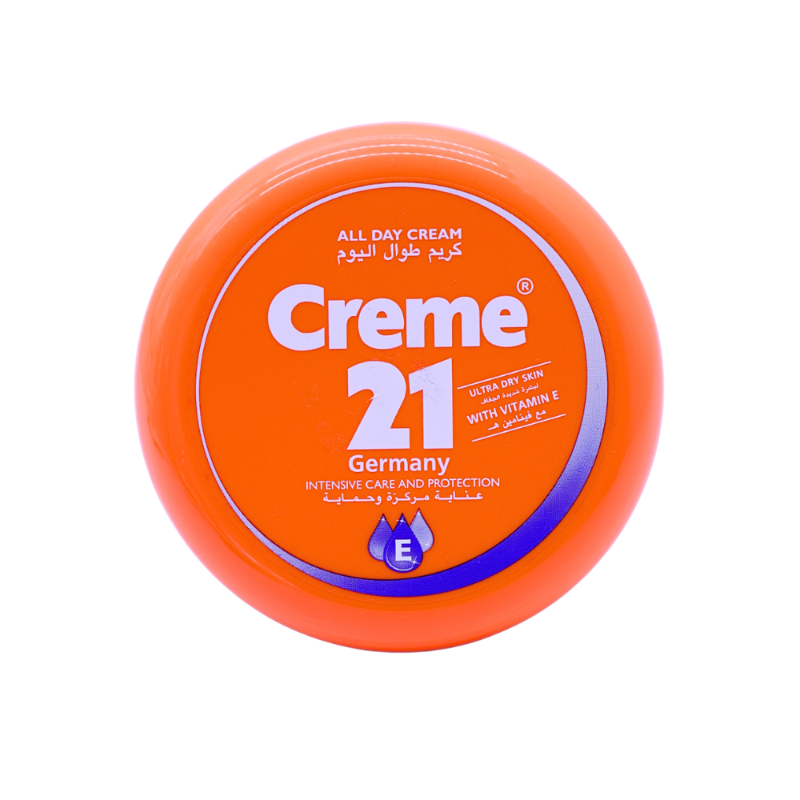
Skin And Body Care > Moisturizers
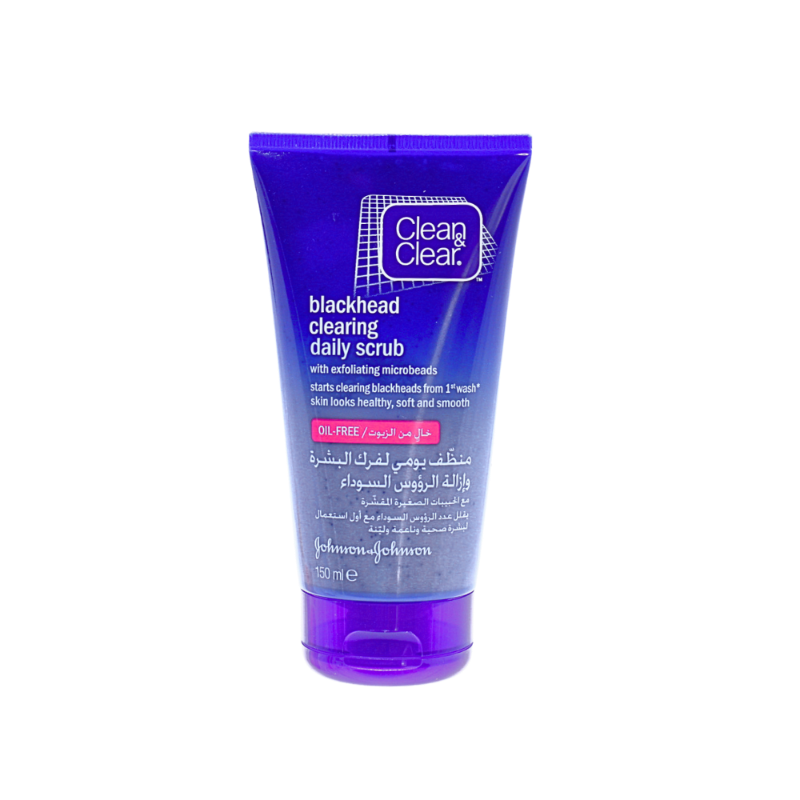
Skin And Body Care > Facial Wash And Exfoliators
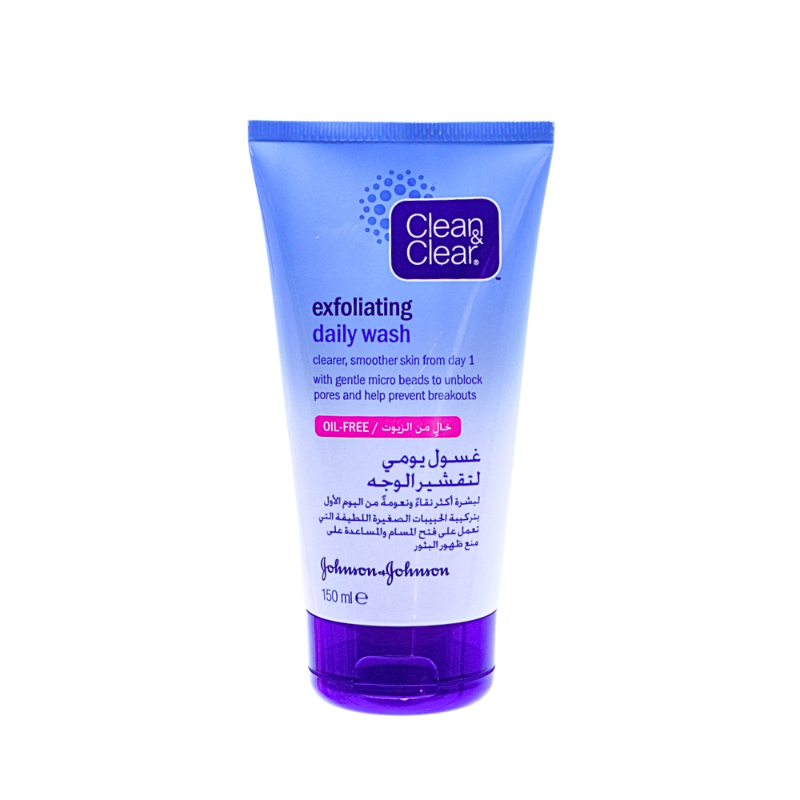
Skin And Body Care > Facial Wash And Exfoliators
BETADERM 0.1/GM TOPICAL OINTMENT 20G
- Sku : I-000655
Key features
BETADERM 0.1/GM Topical Ointment contains betamethasone valerate 0.1% and is a prescription potent topical corticosteroid. It acts as a topical glucocorticoid by binding intracellular glucocorticoid receptors to alter gene transcription, inducing anti‑inflammatory proteins (e.g., lipocortins), suppressing pro‑inflammatory cytokines and producing vasoconstriction to reduce inflammation and pruritus. It is indicated for relief of the inflammatory and pruritic manifestations of corticosteroid‑responsive dermatoses, including eczema/dermatitis (atopic and contact) and psoriasis, excluding widespread plaque psoriasis. Supplied as a 20 g ointment and available by prescription.- Brand: BETADERM
- Active Ingredient: BETAMETHASONE VALERATE 0.1%
- Strength: 0.1%
- Dosage Form: Ointment
- Pack Size: 20 g
- Route: Topical
- Prescription Status: Prescription
- Therapeutic Class: Dermatological
- Pharmacological Group: Corticosteroids (Plain)
- Drug Class: Potent Topical Corticosteroid (Group III/Potent) - Betamethasone Ester
- Manufacturer: EIPICO
- Country of Origin: Egypt
- SFDA Registration No.: 2804257289
- Shelf Life: 36 months
- Storage: store below 30°c
- Skin Condition: Eczema, Psoriasis, Dermatitis
- Steroid Potency: Potent
Frequently bought together
Skin And Body Care > Sun Protection And Tans
Skin And Body Care > Sun Protection And Tans
Skin And Body Care > Moisturizers
Skin And Body Care > Moisturizers
Skin And Body Care > Facial Wash And Exfoliators
Skin And Body Care > Facial Wash And Exfoliators
Indications
Approved Uses
Relief of inflammatory and pruritic manifestations of corticosteroid‑responsive dermatoses (e.g., eczema/dermatitis including atopic and contact dermatitis, and psoriasis excluding widespread plaque psoriasis).
Dosage & Administration
Dosing by Condition
Apply a thin layer to affected areas once or twice daily; reduce frequency (e.g., once daily or less) as control is achieved; avoid prolonged continuous use, especially on face/flexures or under occlusion.
Initial Dose
Apply a thin layer to the affected area once or twice daily
Maintenance Dose
Apply once daily, or intermittently (once a day, twice a week) to prevent relapse.
Maximum Dose
Use should be limited to the least amount compatible with an effective therapeutic regimen, especially for long-term use. Maximum weekly dose recommendations for some forms are 50g.
Children's Dosage
Use with caution in children; apply sparingly once daily for the shortest duration possible; avoid use in children under 1 year; in children, the skin surface area to body mass ratio is higher, increasing risk of systemic absorption
Dose Adjustment Notes
No renal/hepatic dose adjustment is routinely required for topical betamethasone valerate; minimize systemic absorption by using the smallest amount for the shortest duration, avoiding large areas, prolonged use, face/flexures, and occlusion, and taper frequency once controlled.
How to Take
For topical use only: apply a thin layer to clean, dry affected skin and rub in gently; wash hands before and after use (unless treating the hands); avoid eyes, mouth and other mucous membranes; do not use under occlusive dressings/bandages unless directed by a prescriber.
Side Effects
Common Side Effects
Common local effects: burning/stinging, itching/irritation, dryness, erythema; with continued use: skin atrophy, striae, telangiectasia, folliculitis/acneiform eruptions, hypopigmentation, hypertrichosis, and secondary infection.
Side Effect Frequency
Frequency varies by reference; commonly reported local effects include burning/stinging, pruritus, irritation, and dryness; less common/uncommon include folliculitis, acneiform eruptions, hypopigmentation, hypertrichosis; rare/very rare include skin atrophy, striae, telangiectasia, allergic contact dermatitis, and systemic effects (HPA-axis suppression/Cushingoid features) with prolonged/large-area/occlusive use.
Safety & Warnings
Contraindications
Contraindicated: hypersensitivity to betamethasone valerate/excipients; untreated cutaneous infections (bacterial, fungal, viral) and primary viral lesions (e.g., herpes simplex, varicella); rosacea; acne vulgaris; perioral dermatitis; pruritus ani/genital pruritus; use in infants <1 year is generally avoided (not a strict contraindication in all references).
Warnings & Precautions
External use only; avoid eyes/mucosa and periocular use; avoid prolonged use, large areas, broken skin, and occlusion unless directed; do not use on face/intertriginous areas for extended periods; monitor for infection and stop/add antimicrobials if infection occurs; use lowest effective potency/shortest duration and taper after prolonged use; caution in diabetes and in children due to higher absorption.
Driving Warning
Safe
Drug Interactions
Drug Interactions
Clinically significant interactions are uncommon, but additive systemic corticosteroid effects can occur with concurrent systemic/topical steroids; occlusive dressings markedly increase absorption; strong CYP3A4 inhibitors (e.g., ritonavir/cobicistat, itraconazole) may increase systemic steroid effects if absorption is substantial.
Food Interaction
No restriction
Alcohol Interaction
Safe
Special Populations
Pregnancy
Caution
Breastfeeding
Caution
Children
Use with caution in children; apply sparingly once daily for the shortest duration possible; avoid use in children under 1 year; in children, the skin surface area to body mass ratio is higher, increasing risk of systemic absorption
Elderly
Use with caution; elderly patients have thinner, more fragile skin with increased risk of atrophy and systemic absorption; use minimum effective dose and duration
Kidney Impairment
No routine dose adjustment for topical use; use caution in severe renal impairment only if significant systemic absorption is expected (large areas/prolonged/occlusion).
Storage & Patient Advice
Missed Dose
Apply when remembered; if it is close to the next scheduled application, skip the missed dose and resume the regular schedule; do not apply extra to make up for a missed dose.
Overdose
Acute topical overdose is unlikely; chronic excessive use can cause local atrophy/striae and systemic hypercortisolism (HPA-axis suppression/Cushingoid features). Management: stop or taper depending on duration, treat symptoms, and consider adrenal function assessment if prolonged/high-dose exposure; accidental ingestion warrants medical assessment/supportive care.
Patient Counseling
Use only as prescribed: apply a thin layer to affected skin once or twice daily; wash hands after use (unless treating hands); avoid eyes/mucosa and broken skin unless directed; do not cover with airtight dressings/diapers unless instructed; use the smallest amount for the shortest time and stop/taper when controlled; seek medical advice if no improvement in ~1-2 weeks, if worsening, or if signs of infection occur; avoid prolonged use on face, groin, or skin folds.
Monitoring Requirements
Monitor clinical response and local adverse effects (atrophy, striae, telangiectasia, acne/folliculitis, hypopigmentation) and signs of secondary infection; if prolonged use, large surface area, pediatric use, or occlusion, consider monitoring for HPA-axis suppression (e.g., symptoms and/or cortisol testing if clinically indicated).
Pharmacology
Mechanism of Action
A topical glucocorticoid that binds intracellular glucocorticoid receptors to alter gene transcription, inducing anti‑inflammatory proteins (e.g., lipocortins inhibiting phospholipase A2) and suppressing pro‑inflammatory cytokines, leading to reduced inflammation, pruritus, and vasoconstriction.
Duration of Effect
Not precisely defined; clinical effect is maintained with regular once‑ or twice‑daily application rather than a single-dose duration claim.
Half-Life
Not well-defined for topical betamethasone valerate; if systemically absorbed, betamethasone has a plasma half-life of ~5-6 hours (biologic effect duration is longer).
Bioavailability
Percutaneous absorption is variable and generally low through intact skin, but increases with inflammation/broken skin, application to thin skin (e.g., face/groin), large surface area, prolonged use, and occlusion.
Metabolism
Betamethasone valerate is hydrolyzed in the skin to active betamethasone; any absorbed drug is primarily metabolized in the liver.
Excretion
After systemic absorption, corticosteroids are mainly metabolized and then excreted in urine (renal) as metabolites; a smaller fraction may be excreted in bile/feces.
Protein Binding
Systemically absorbed betamethasone is bound to plasma proteins (albumin and corticosteroid-binding globulin) to a moderate degree; a precise % is not consistently specified for this topical product.
Product Information
Available Dosage Forms
Ointment (this product: BETADERM betamethasone valerate 0.1% topical ointment, 20 g tube).
Composition per Dose
Each gram of ointment: 1 mg betamethasone (as betamethasone valerate 1.22 mg) equivalent to 0.1% w/w betamethasone valerate
Generic Availability
Yes
Skin Condition
Eczema, Psoriasis, Dermatitis
Steroid Potency
Potent
Reviewed by Al Mujtama Pharmacy Medical Review Team. Last reviewed 13-06-2026
Similar Products
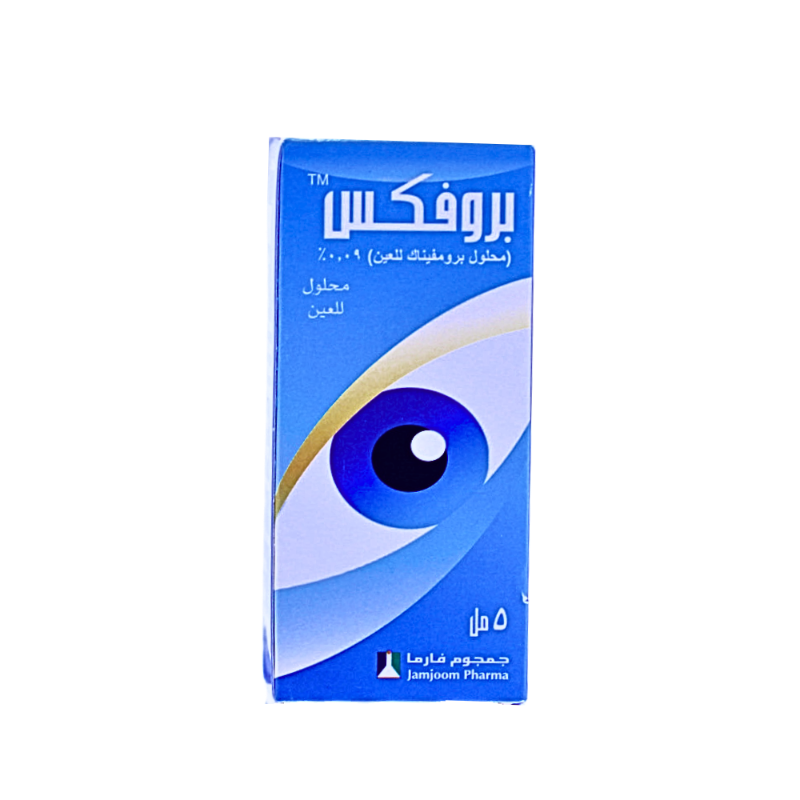
Medications > Eye and Ear Medications
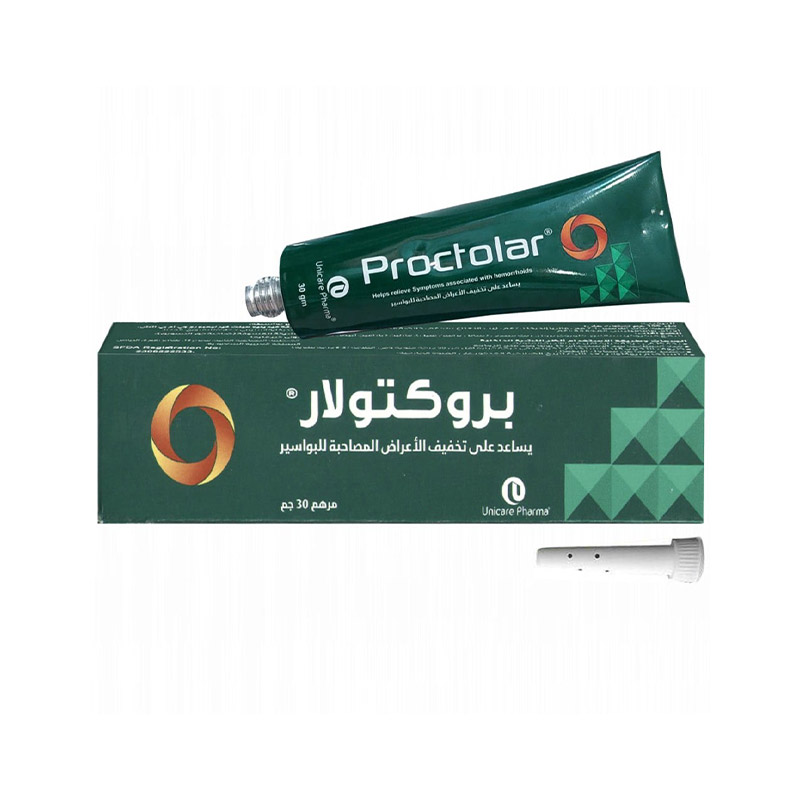
Medications > Hemorrhoid Medications
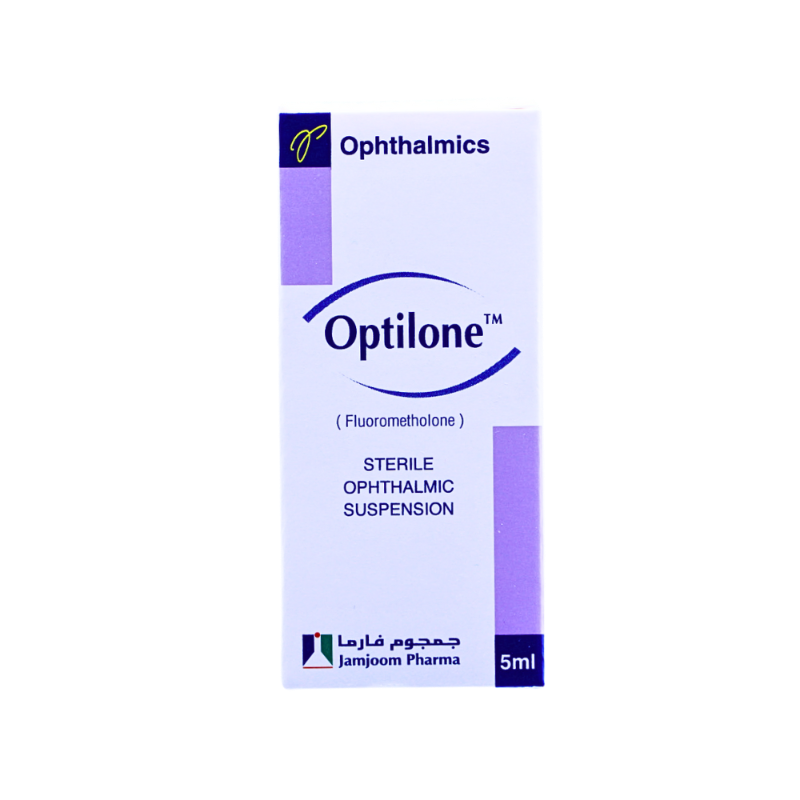
Medications > Eye and Ear Medications
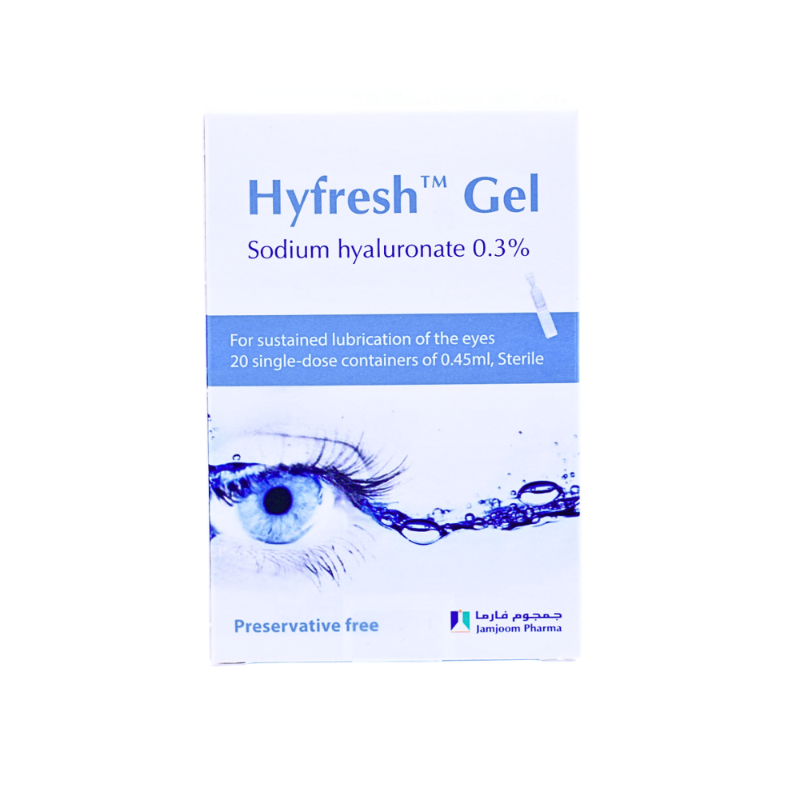
Medications > Eye and Ear Medications
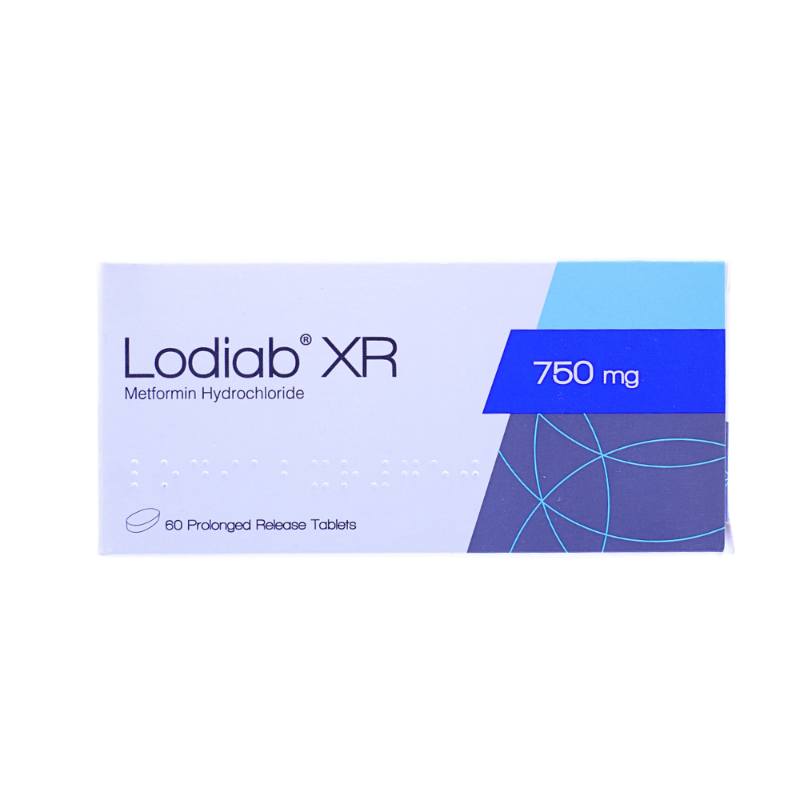
Medications > Diabetes Medications
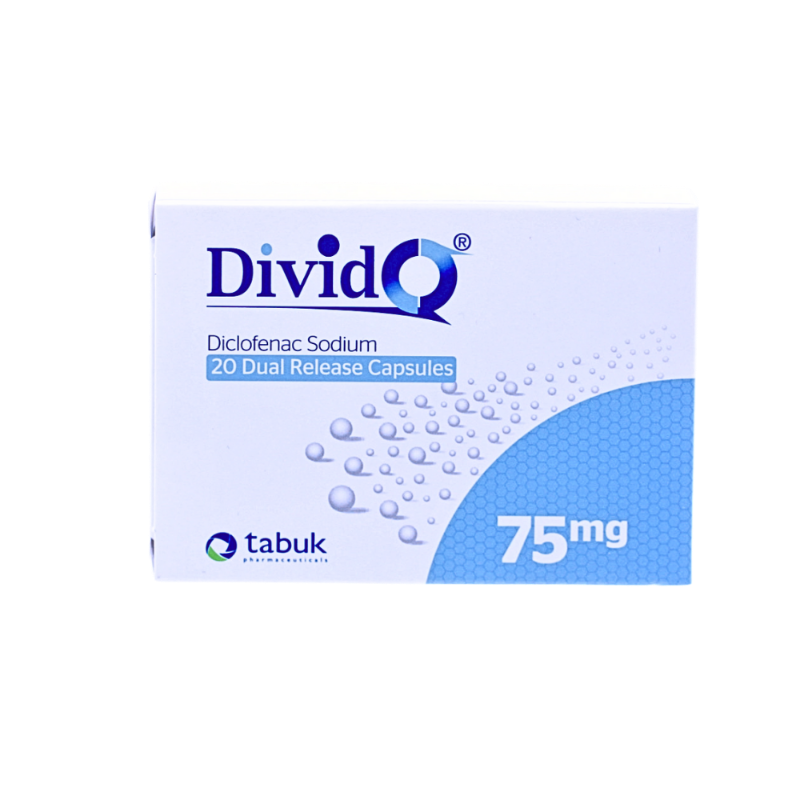
Medications > Painkillers and Antipyretics
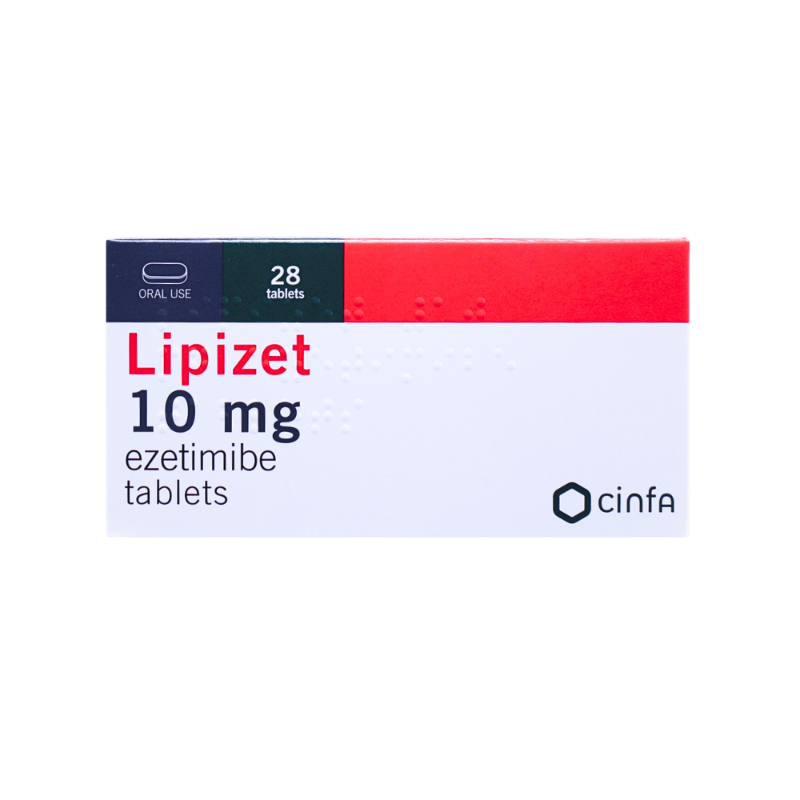
Medications > Cholesterol Medications
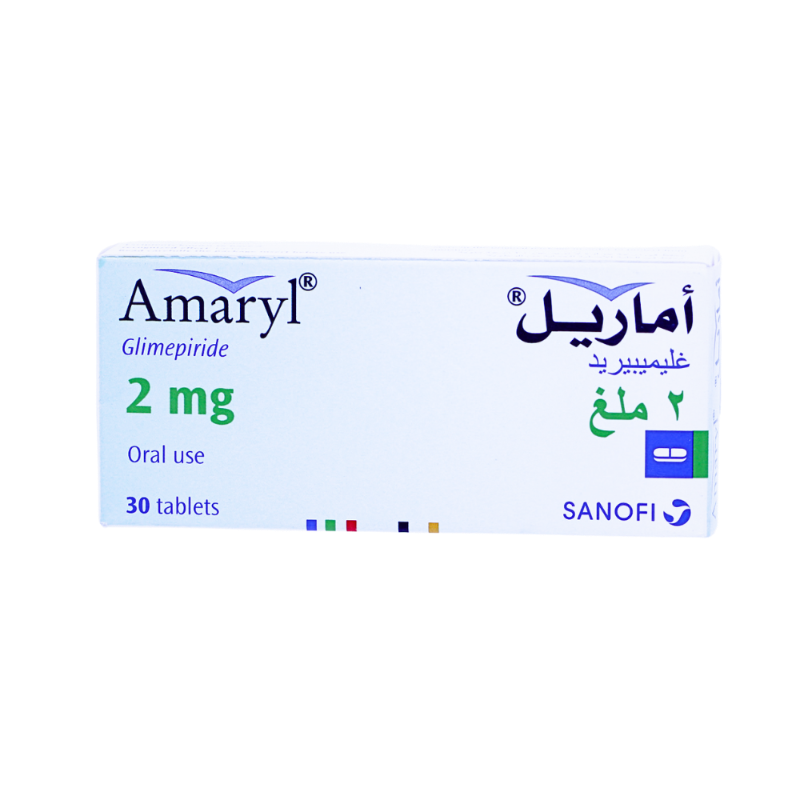
Medications > Diabetes Medications
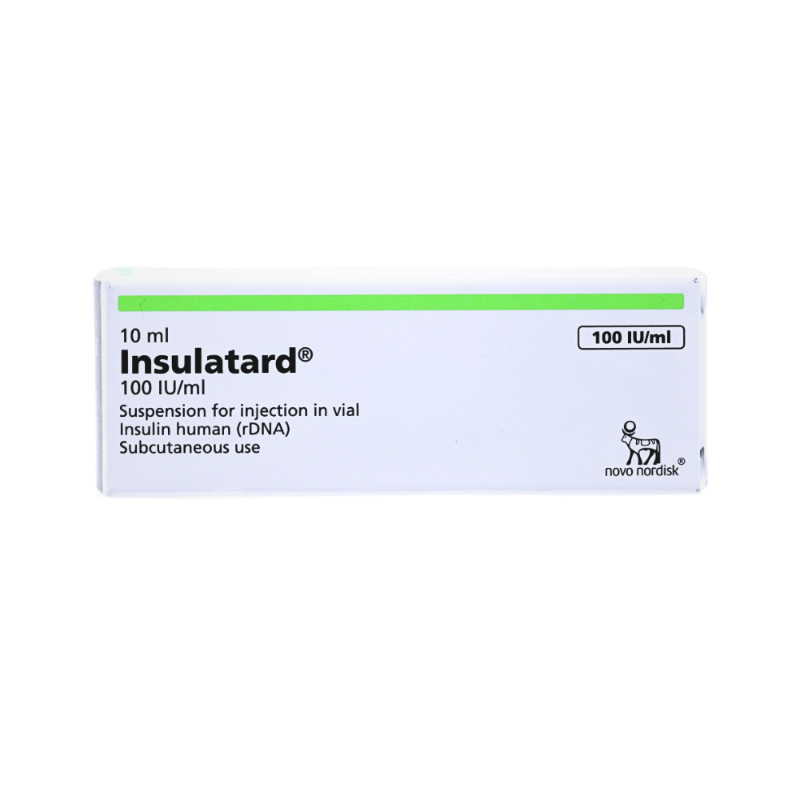
Medications > Diabetes Medications
Medications > Gastrointestinal Medications
