
Use Code: ND30 And Get 30% OFF | Get Free Delivery With No Minimum Order
-1744229570.gif "Almujtama Pharmacy logo")




Frequently bought together
Skin And Body Care > Moisturizers
Health Care & Wellness > Medical Supplies
Vitamins & Supplements > Vitamins and Minerals
Vitamins & Supplements > Vitamins and Minerals
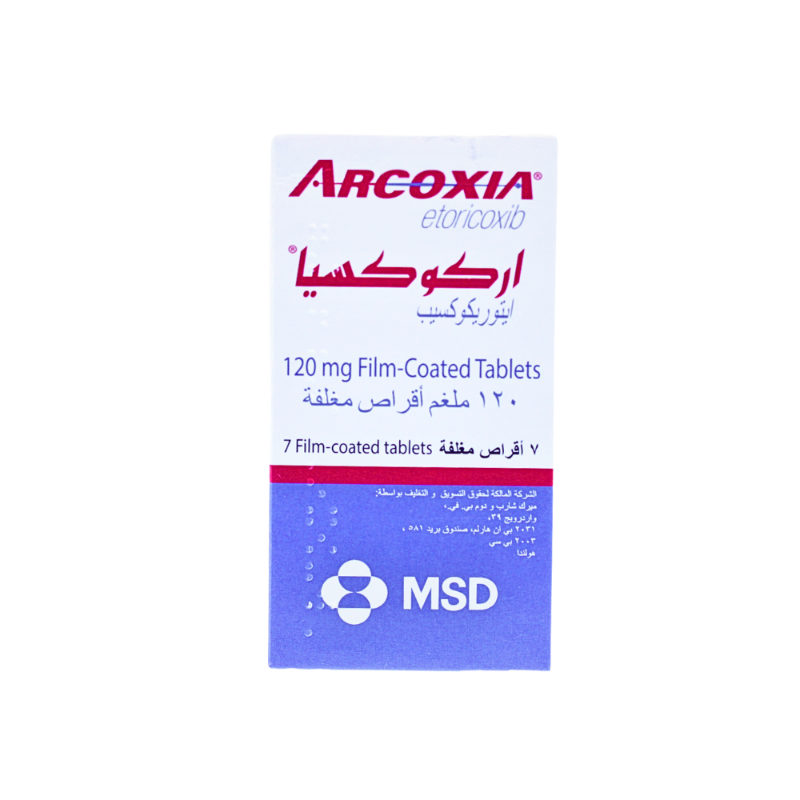
ARCOXIA 120/MG FC TAB 7/FC TAB
- Sku : I-017174
Key features
ARCOXIA 120 mg film-coated tablets contain etoricoxib 120 mg as the active ingredient. It is a selective cyclooxygenase-2 (COX-2) inhibitor that reduces prostaglandin synthesis mediating pain and inflammation with minimal COX-1 inhibition at therapeutic doses. It is indicated for symptomatic treatment of osteoarthritis, rheumatoid arthritis, ankylosing spondylitis and acute gouty arthritis; the 120 mg strength is also used for short-term treatment of acute pain such as postoperative dental pain where locally approved. Available by prescription as film-coated tablets in a pack of 7.- Brand: ARCOXIA
- Active Ingredient: Etoricoxib 120mg
- Strength: 120mg
- Dosage Form: Film-coated tablet
- Pack Size: 7 Tablets
- Route: Oral use
- Prescription Status: Prescription
- Therapeutic Class: Analgesic
- Pharmacological Group: COX-2 Inhibitors
- Drug Class: Selective COX-2 Inhibitor (Coxib) NSAID
- Manufacturer: Rovi Pharma Industrial Service
- Country of Origin: Spain
- SFDA Registration No.: 0502256832
- Shelf Life: 36 months
- Storage: store below 25°c
- Pain Type: Joint/Muscular
- Nsaid: Yes
- Opioid: No
Frequently bought together
Skin And Body Care > Moisturizers
Health Care & Wellness > Medical Supplies
Vitamins & Supplements > Vitamins and Minerals
Vitamins & Supplements > Vitamins and Minerals
Indications
Approved Uses
Indicated for symptomatic treatment of osteoarthritis, rheumatoid arthritis, ankylosing spondylitis, and acute gouty arthritis; 120 mg is also used for short‑term treatment of acute pain (e.g., postoperative dental pain) where locally approved.
Off-Label Uses
Off‑label uses may include primary dysmenorrhea and other short‑term acute pain conditions (e.g., postoperative pain) depending on local approvals; chronic low back pain is sometimes used off‑label where alternatives are unsuitable.
Dosage & Administration
Dosing by Condition
Osteoarthritis: 30mg once daily, may be increased to 60mg once daily if needed. Rheumatoid Arthritis: 60mg once daily, may be increased to 90mg once daily if needed. Ankylosing Spondylitis: 60mg once daily, may be increased to 90mg once daily if needed. Acute Gouty Arthritis: 120mg once daily for a maximum of 8 days.
Initial Dose
120 mg once daily (for acute gouty arthritis; short-term use only)
Maintenance Dose
120mg once daily (acute gout, short-term use only)
Maximum Dose
120 mg/day (maximum; use the lowest effective dose for the shortest duration; for osteoarthritis 60 mg once daily, rheumatoid arthritis/ankylosing spondylitis 90 mg once daily, acute gout 120 mg once daily short-term).
Children's Dosage
Not approved for children and adolescents under 16 years of age.
Dose Adjustment Notes
Use the lowest effective dose for the shortest duration; avoid in severe renal impairment (CrCl <30 mL/min) and in severe hepatic impairment; in moderate hepatic impairment limit to 60 mg once daily (mild hepatic impairment: do not exceed 60 mg/day depending on local labeling).
How to Take
Swallow the film‑coated tablet whole with water; may be taken with or without food; take once daily as prescribed (preferably at the same time each day).
Side Effects
Common Side Effects
Common adverse effects include dyspepsia/indigestion, abdominal pain, diarrhea, nausea, headache, dizziness, hypertension, and edema (peripheral swelling); flu‑like symptoms can occur.
Side Effect Frequency
Common (1-10%): hypertension; edema/fluid retention; dizziness; headache; gastrointestinal adverse effects (e.g., dyspepsia/heartburn, abdominal pain, nausea, diarrhea, flatulence); fatigue/asthenia; increased ALT/AST. Uncommon (<1%): palpitations/arrhythmias and serious GI events (e.g., ulceration/bleeding).
Safety & Warnings
Contraindications
Contraindicated in: hypersensitivity to etoricoxib or excipients; history of hypersensitivity reactions (e.g., asthma, urticaria, angioedema, rhinitis) to aspirin/NSAIDs; active peptic ulceration or gastrointestinal bleeding; severe hepatic impairment (Child-Pugh >9 / ≥10); severe renal impairment (CrCl <30 mL/min); established ischemic heart disease, peripheral arterial disease, and/or cerebrovascular disease; congestive heart failure (NYHA II-IV); uncontrolled hypertension; pregnancy (third trimester); children/adolescents <16 years.
Warnings & Precautions
Key warnings/precautions: increased risk of CV thrombotic events-avoid in established CV disease/CHF and use lowest effective dose for shortest duration; serious GI bleeding/ulcer/perforation-use caution with prior ulcer/GI bleed, elderly, and with concomitant aspirin/anticoagulants; may increase blood pressure-monitor BP after initiation and periodically; fluid retention/edema and worsening heart failure-monitor and avoid in CHF; renal toxicity-monitor renal function especially with dehydration, elderly, ACEi/ARB/diuretics; hepatic effects-monitor for symptoms and discontinue if significant LFT elevation/hepatitis; serious skin reactions and hypersensitivity-stop at first rash or allergic signs; avoid use in late pregnancy (ductus arteriosus risk).
Age Restriction
Not approved under 16 years.
Drug Interactions
Drug Interactions
Clinically important interactions include: warfarin/other oral anticoagulants (↑INR/bleeding-monitor INR); lithium (↑lithium levels-monitor); methotrexate (↑MTX exposure/toxicity-monitor); ACE inhibitors/ARBs and diuretics (↓antihypertensive/diuretic effect and ↑risk of renal impairment-monitor renal function/BP); ciclosporin or tacrolimus (↑nephrotoxicity-monitor renal function); rifampicin (↓etoricoxib exposure-reduced efficacy); ketoconazole/strong CYP3A4 inhibitors (may ↑etoricoxib exposure); oral contraceptives containing ethinylestradiol (↑EE exposure-consider thrombotic risk); concomitant high-dose aspirin/other NSAIDs (↑GI toxicity; low-dose aspirin for cardioprotection may be used but GI risk increases).
Interaction Severity
MAJOR: Warfarin/other vitamin K antagonists (↑INR/bleeding risk). MODERATE: Lithium (↑levels), Methotrexate (↑exposure/toxicity), ACE inhibitors/ARBs/diuretics (↓antihypertensive effect and ↑renal risk), Ciclosporin/tacrolimus (↑nephrotoxicity). OTHER/CLINICALLY RELEVANT: Rifampicin (↓etoricoxib exposure).
Food Interaction
No restriction.
Special Populations
Children
Not approved for children and adolescents under 16 years of age.
Elderly
Standard adult dosing; use lowest effective dose with close monitoring of renal function, blood pressure, and gastrointestinal tolerability
Kidney Impairment
CrCl ≥30 ml/min: No adjustment needed. CrCl <30 ml/min: Contraindicated.
Storage & Patient Advice
Missed Dose
Take the missed dose as soon as remembered; if it is close to the next dose, skip the missed dose and resume the regular schedule; do not double doses.
Stopping the Medicine
Safe to stop anytime; no tapering required
Patient Counseling
Take once daily as prescribed with or without food; use the lowest effective dose for the shortest duration; avoid taking with other NSAIDs (and avoid high-dose aspirin) unless directed; seek urgent care for chest pain, shortness of breath, stroke symptoms, or signs of GI bleeding (black stools/vomiting blood); monitor/expect possible BP rise and swelling; may cause dizziness-use caution driving; inform clinician about kidney/liver disease, hypertension/heart disease, and all anticoagulants (e.g., warfarin); avoid in late pregnancy and discuss if pregnant/breastfeeding.
Monitoring Requirements
Monitor blood pressure shortly after initiation (e.g., within ~2 weeks) and periodically; assess renal function and fluid status (edema/weight gain) especially in at‑risk patients; consider liver function with prolonged use or symptoms; monitor INR closely if used with warfarin/VKAs; monitor for GI bleeding symptoms.
Pharmacology
Mechanism of Action
Selective cyclooxygenase‑2 (COX‑2) inhibitor that reduces prostaglandin synthesis mediating pain and inflammation, with minimal COX‑1 inhibition at therapeutic doses.
Onset of Action
Onset typically within about 1 hour (often 30-60 minutes for analgesic effect).
Duration of Effect
Approximately 24 hours.
Half-Life
Approximately 20-22 hours.
Bioavailability
Approximately 100% (near-complete oral bioavailability).
Metabolism
Extensively metabolized hepatically; weak inhibitor of CYP3A4 and other CYP isoenzymes.
Protein Binding
Approximately 92% protein bound.
Product Information
Available Dosage Forms
Film-coated tablet.
Composition per Dose
Each film-coated tablet: Etoricoxib 120mg
Generic Availability
Yes
OTC Alternatives
Paracetamol (acetaminophen) and OTC NSAIDs such as ibuprofen or naproxen (where available) for mild to moderate pain, if appropriate for the patient.
Pain Type
Joint/Muscular
Nsaid
Yes
Opioid
No
Reviewed by Al Mujtama Pharmacy Medical Review Team. Last reviewed 11-05-2026
Similar Products
Medications > Eye and Ear Medications
Medications > Painkillers and Antipyretics
Medications > Diabetes Medications
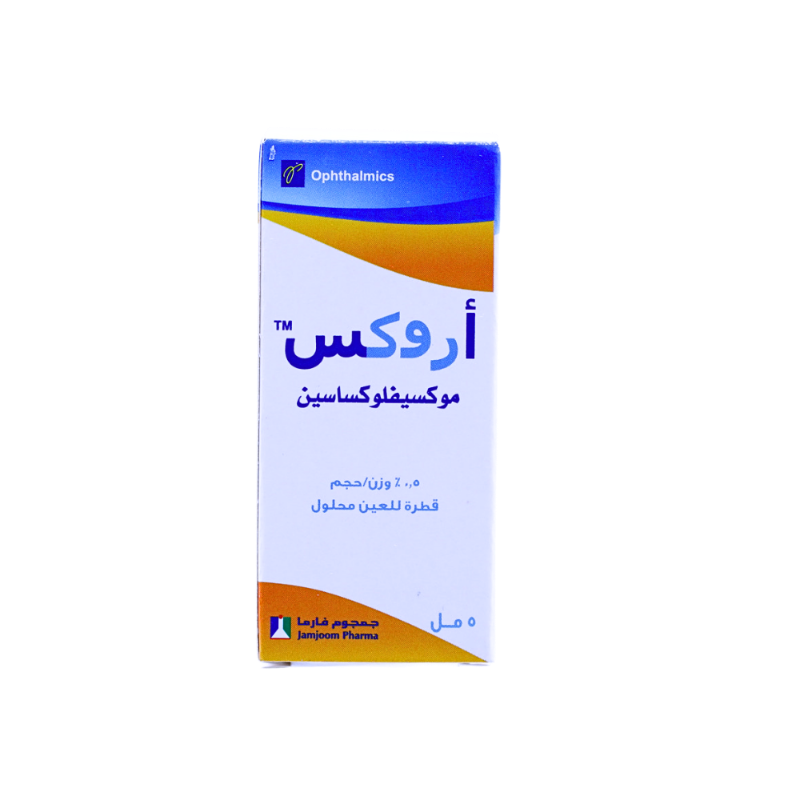
Medications > Eye and Ear Medications
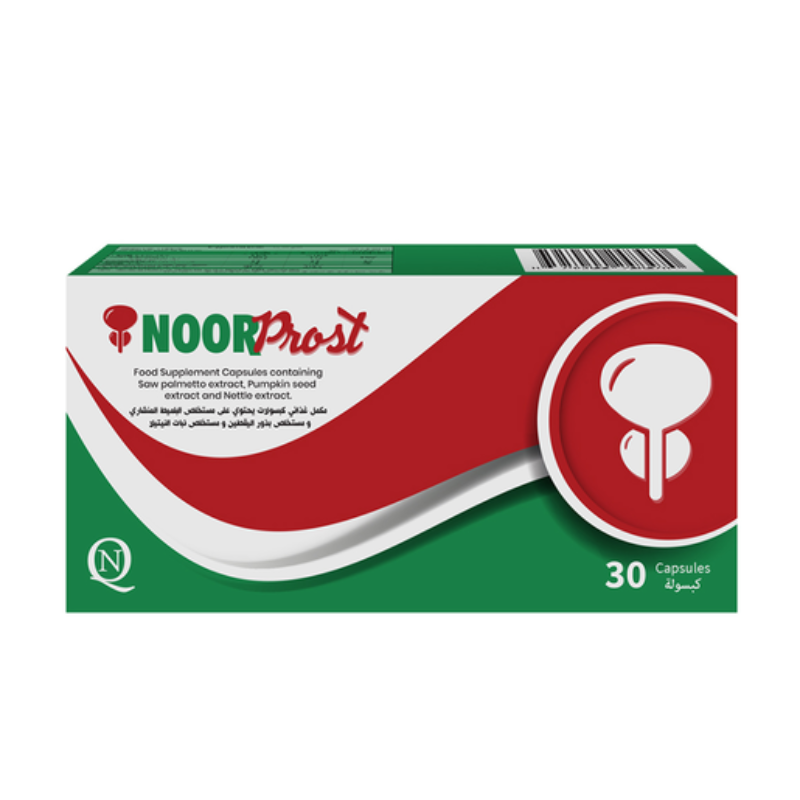
Medications > Urology Medications
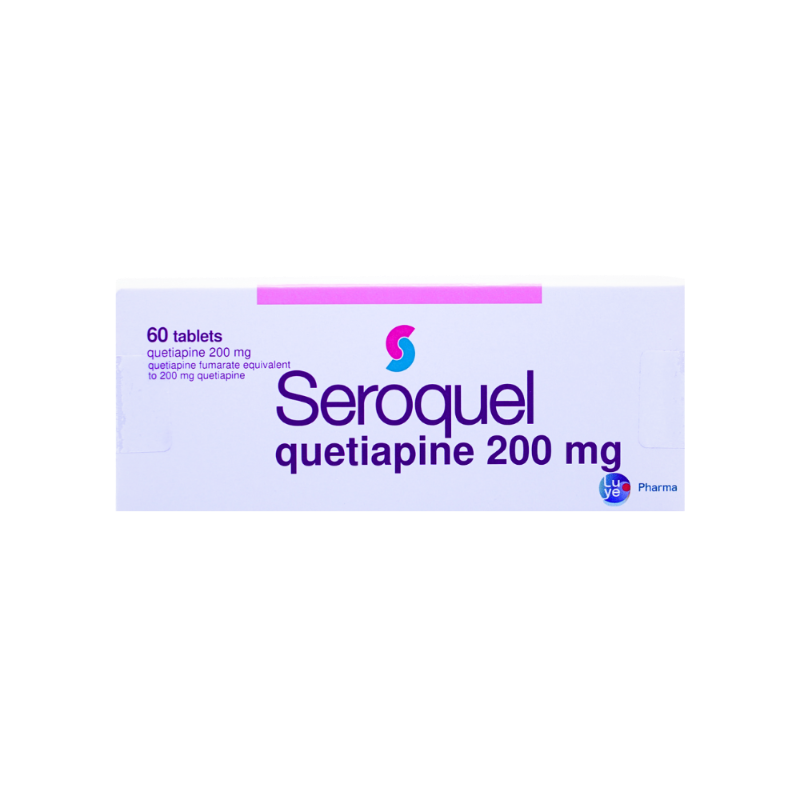
Medications > Psychiatric Medications
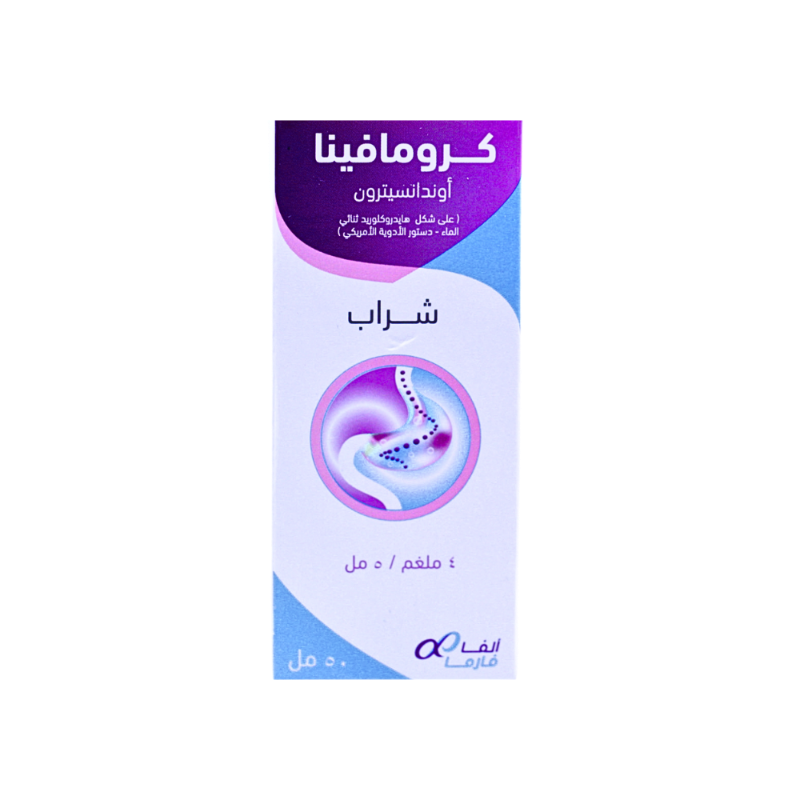
Medications > Gastrointestinal Medications
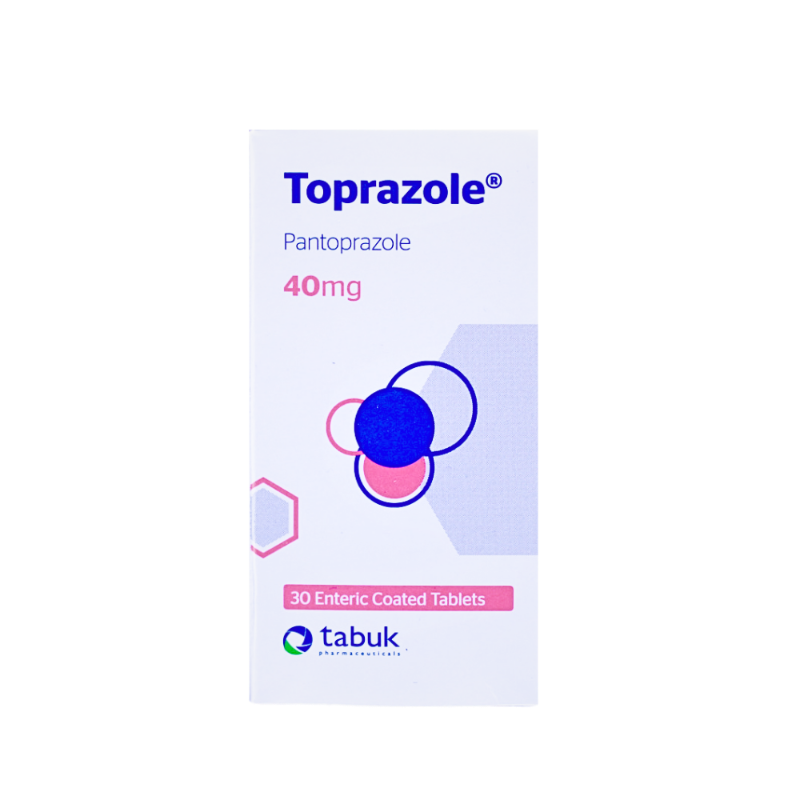
Medications > Gastrointestinal Medications
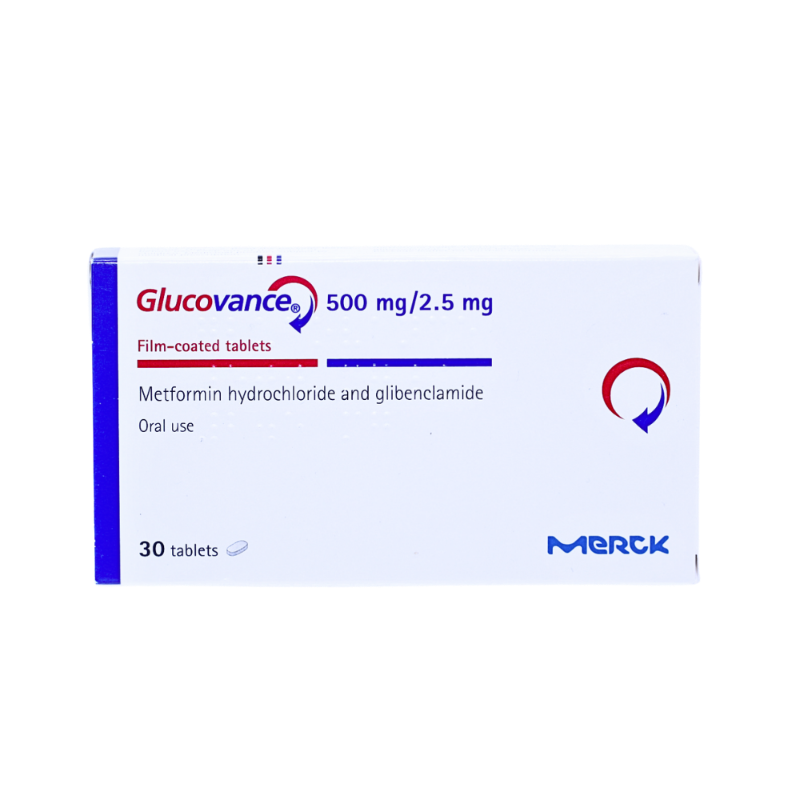
Medications > Diabetes Medications
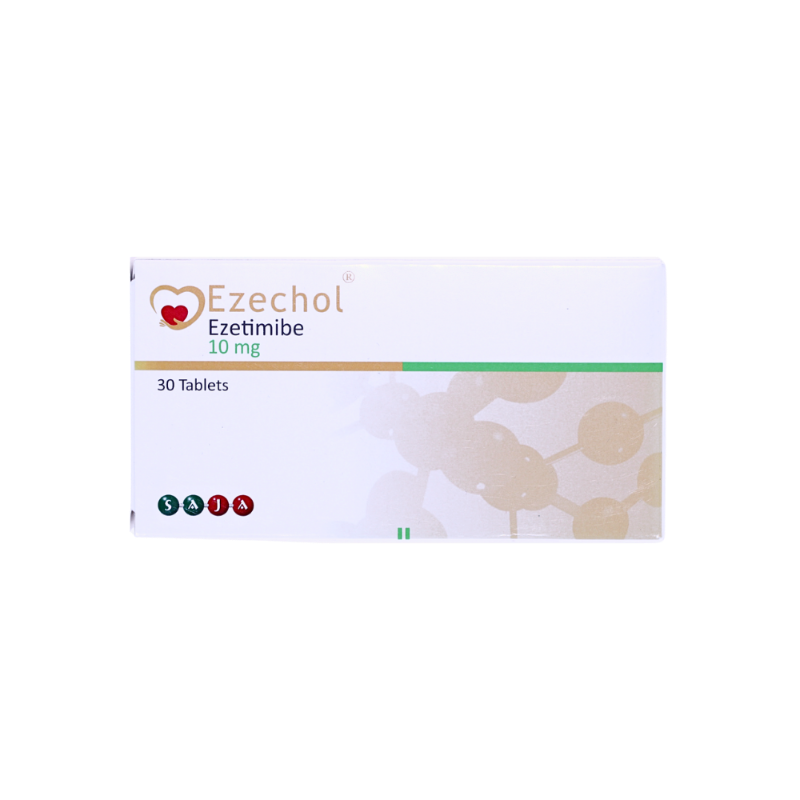
Medications > Cholesterol Medications
