
Use Code: ND30 And Get 30% OFF | Get Free Delivery With No Minimum Order
-1744229570.gif "Almujtama Pharmacy logo")




Frequently bought together
Health Care & Wellness > Diabetes Care

Health Care & Wellness > Diabetes Care
Health Care & Wellness > Diabetes Care

Skin And Body Care > Moisturizers

Skin And Body Care > Moisturizers

Skin And Body Care > Moisturizers
GLUCOVANCE 500/2.5/MG FC TAB 30/TAB
- Sku : I-002700
Key features
GLUCOVANCE 500/2.5 mg film-coated tablets contain glibenclamide 2.5 mg and metformin hydrochloride 500 mg as a fixed-dose combination. Glibenclamide stimulates insulin secretion by closing ATP-sensitive potassium channels in pancreatic beta cells, while metformin lowers blood glucose by reducing hepatic gluconeogenesis, decreasing intestinal glucose absorption and improving peripheral insulin sensitivity. It is indicated as an adjunct to diet and exercise to improve glycemic control in adults with type 2 diabetes mellitus when combination therapy with a sulfonylurea and metformin is appropriate, for example when control is inadequate on either agent alone or the patient is already receiving the combination. Available by prescription as film-coated tablets in packs of 30.- Brand: GLUCOVANCE
- Active Ingredient: GLIBENCLAMIDE 2.5mg, METFORMIN HYDROCHLORIDE 500mg
- Strength: 2.5,500mg
- Dosage Form: Film-coated tablet
- Pack Size: 30 Tablets
- Route: Oral use
- Prescription Status: Prescription
- Therapeutic Class: Antidiabetic
- Pharmacological Group: Oral Antidiabetics
- Drug Class: Fixed-dose combination antidiabetic: sulfonylurea (glibenclamide) + biguanide (metformin).
- Manufacturer: MERCK SANTE
- Country of Origin: France
- SFDA Registration No.: 801256552
- Shelf Life: 36 months
- Storage: store below 25°c
- Diabetes Type: Type 2
Frequently bought together
Health Care & Wellness > Diabetes Care
Health Care & Wellness > Diabetes Care
Health Care & Wellness > Diabetes Care
Skin And Body Care > Moisturizers
Skin And Body Care > Moisturizers
Skin And Body Care > Moisturizers
Indications
Approved Uses
Adjunct to diet and exercise to improve glycemic control in adults with type 2 diabetes mellitus when treatment with both metformin and a sulfonylurea is appropriate (e.g., inadequate control on either agent alone or already on the combination).
Dosage & Administration
Dosing by Condition
Type 2 diabetes (adults): start 1 tablet of 2.5/500 mg once daily with a meal or 1 tablet twice daily with meals depending on prior therapy and glycemic level; titrate every 1-2 weeks; usual max for this strength is 4 tablets/day in divided doses (total 10 mg glibenclamide/2000 mg metformin).
Initial Dose
For patients inadequately controlled on a sulfonylurea or metformin alone: 2.5mg/500mg or 5mg/500mg twice daily with meals.
Maintenance Dose
1-2 tablets twice daily with meals, adjusted based on glycemic response
Maximum Dose
Maximum daily dose: metformin 2000 mg/day and glibenclamide (glyburide) 20 mg/day (product-specific tablet count depends on strength).
Children's Dosage
Safety and efficacy have been studied in pediatric patients aged 11-16 years with type 2 diabetes; not recommended for children under 10 years.
Dose Adjustment Notes
Individualize and titrate gradually based on SMBG/HbA1c and tolerability; increase no more frequently than every 1-2 weeks; reduce dose if hypoglycemia occurs; temporarily withhold around iodinated contrast and major surgery/acute illness with dehydration or hypoxia risk.
How to Take
Take orally with meals (e.g., with breakfast and/or dinner); swallow the film‑coated tablet whole with water; do not crush or chew.
Side Effects
Common Side Effects
Common: diarrhea, nausea/vomiting, abdominal pain/dyspepsia, taste disturbance (metallic taste), and hypoglycemia; headache and dizziness can occur.
Safety & Warnings
Contraindications
Contraindicated in: eGFR <30 mL/min/1.73 m²/renal failure; acute or chronic metabolic acidosis (including DKA); hypersensitivity to metformin, glibenclamide (glyburide) or sulfonylureas; and use with iodinated contrast in patients with reduced renal function/other risk factors (temporarily discontinue per guidance). Also contraindicated with bosentan (due to glyburide interaction).
Warnings & Precautions
Key warnings/precautions: lactic acidosis risk (renal function monitoring; hold for hypoxia, dehydration, sepsis, surgery, and iodinated contrast as appropriate); hypoglycemia risk (higher in elderly, renal impairment, poor intake, adrenal/pituitary insufficiency; beta-blockers may mask symptoms); vitamin B12 deficiency with long-term metformin; avoid in hepatic disease; caution in G6PD deficiency; not for type 1 diabetes/DKA.
Age Restriction
Not recommended/approved in pediatric patients (<18 years); in older adults use cautiously with renal function assessment (avoid initiating in very elderly unless renal function is normal).
Drug Interactions
Drug Interactions
Key clinically significant interactions include: iodinated contrast (temporary stop), alcohol (↑ lactic acidosis/hypoglycemia), miconazole (↑ severe hypoglycemia with sulfonylureas), bosentan (contraindicated with glyburide), cimetidine and other cationic drugs (↑ metformin exposure), diuretics (e.g., furosemide) and steroids (↑ glucose), beta-blockers (mask hypoglycemia), NSAIDs/salicylates/sulfonamides/fluoroquinolones (may ↑ hypoglycemia or dysglycemia), and colesevelam (may reduce glyburide absorption-separate dosing).
Food Interaction
Take with food.
Alcohol Interaction
Dangerous
Special Populations
Children
Safety and efficacy have been studied in pediatric patients aged 11-16 years with type 2 diabetes; not recommended for children under 10 years.
Elderly
Use with caution; start at lowest available dose; monitor renal function closely; increased risk of hypoglycemia and lactic acidosis; avoid in patients with eGFR <45 mL/min/1.73m²
Kidney Impairment
Contraindicated in renal disease or renal dysfunction (e.g., serum creatinine ≥1.5 mg/dL [males], ≥1.4 mg/dL [females], or abnormal creatinine clearance).
Storage & Patient Advice
Stopping the Medicine
Do not stop without prescriber advice; temporarily discontinue for iodinated contrast procedures and around major surgery/acute illness per metformin guidance, and restart when renal function and oral intake are stable.
Patient Counseling
Take with meals and do not skip meals; recognize/treat hypoglycemia (carry fast-acting glucose); limit/avoid alcohol; report symptoms of lactic acidosis (e.g., unexplained fatigue, myalgias, abdominal discomfort, rapid breathing) urgently; inform providers before contrast imaging or surgery and during acute illness/dehydration; monitor glucose as instructed and review all concomitant medicines.
Pharmacology
Mechanism of Action
Glibenclamide stimulates insulin secretion by closing ATP-sensitive K+ channels in pancreatic beta cells; metformin decreases hepatic gluconeogenesis, decreases intestinal glucose absorption, and improves peripheral insulin sensitivity/increases glucose uptake.
Onset of Action
Glibenclamide: onset within ~1-2 hours; metformin: measurable glucose-lowering within days, with maximal effect typically over 1-2 (up to 4) weeks after titration/steady dosing.
Duration of Effect
Glibenclamide: glucose-lowering effect can persist up to ~24 hours; metformin: effect is maintained over the dosing interval with regular dosing (typically 12-24 hours depending on regimen).
Bioavailability
Metformin oral bioavailability ~50-60% (fasting); glibenclamide oral bioavailability is high but variable (commonly cited ~80-100%) and is not reliably “~100%” across references.
Metabolism
Glibenclamide: extensively hepatically metabolized (primarily CYP2C9, also CYP3A4) to weakly active/inactive metabolites. Metformin: not metabolized (excreted unchanged).
Product Information
Available Dosage Forms
Film-coated tablet.
Composition per Dose
Each film-coated tablet: 500mg metformin hydrochloride + 2.5mg glibenclamide.
Generic Availability
Yes
OTC Alternatives
No OTC alternative
Diabetes Type
Type 2
Reviewed by Al Mujtama Pharmacy Medical Review Team. Last reviewed 23-05-2026
Similar Products
Medications > Diabetes Medications
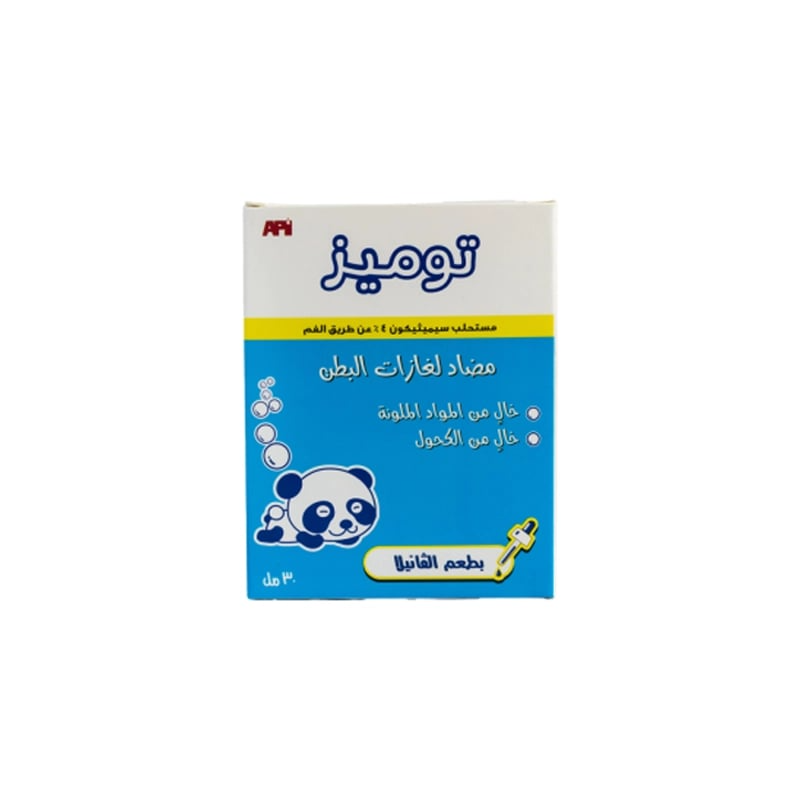
Medications > Gastrointestinal Medications
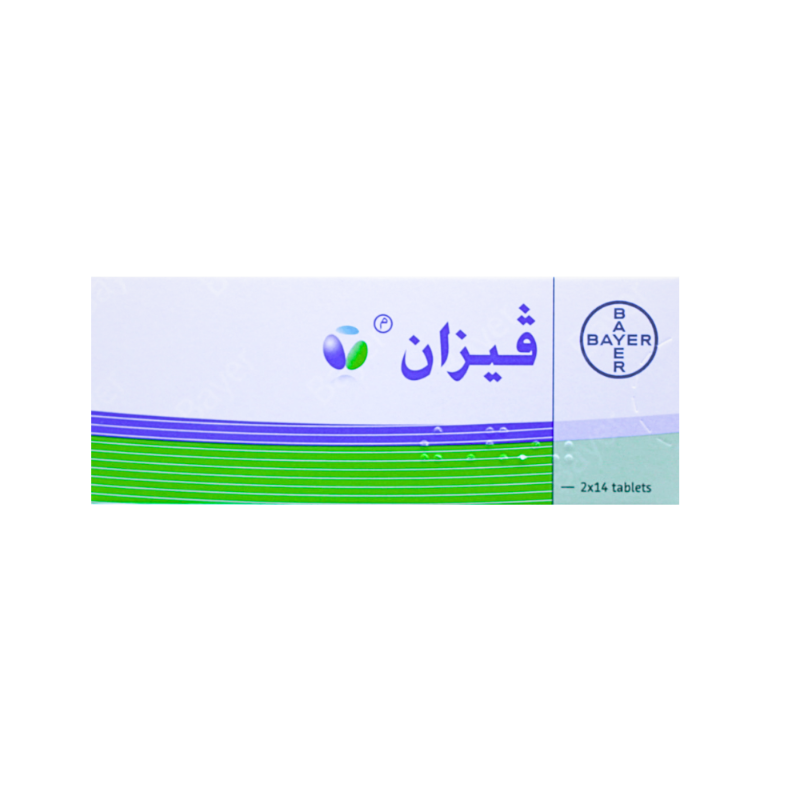
Medications > Contraceptives and Hormonal Medications
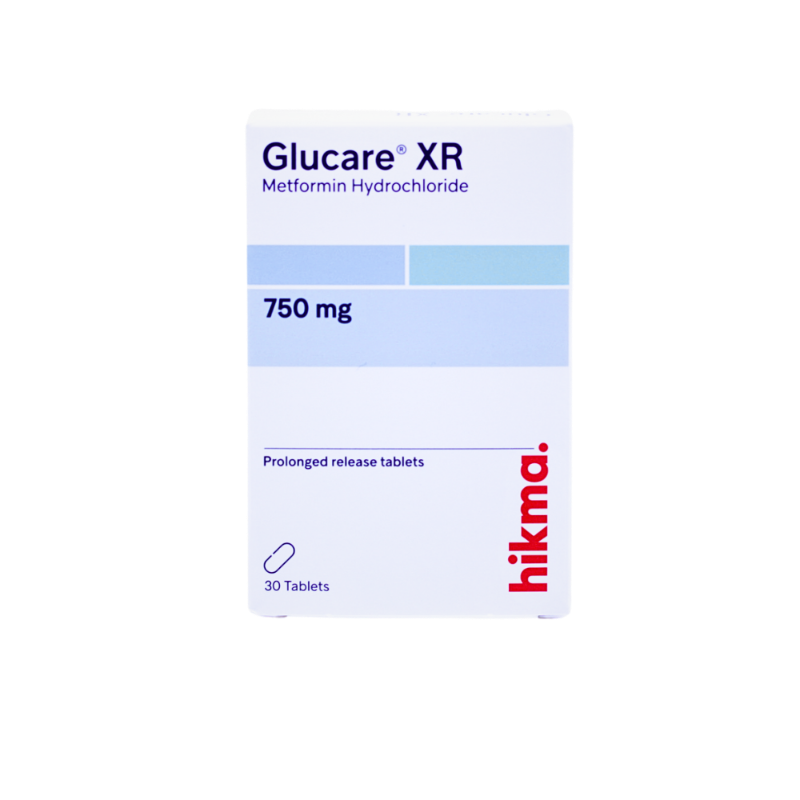
Medications > Diabetes Medications
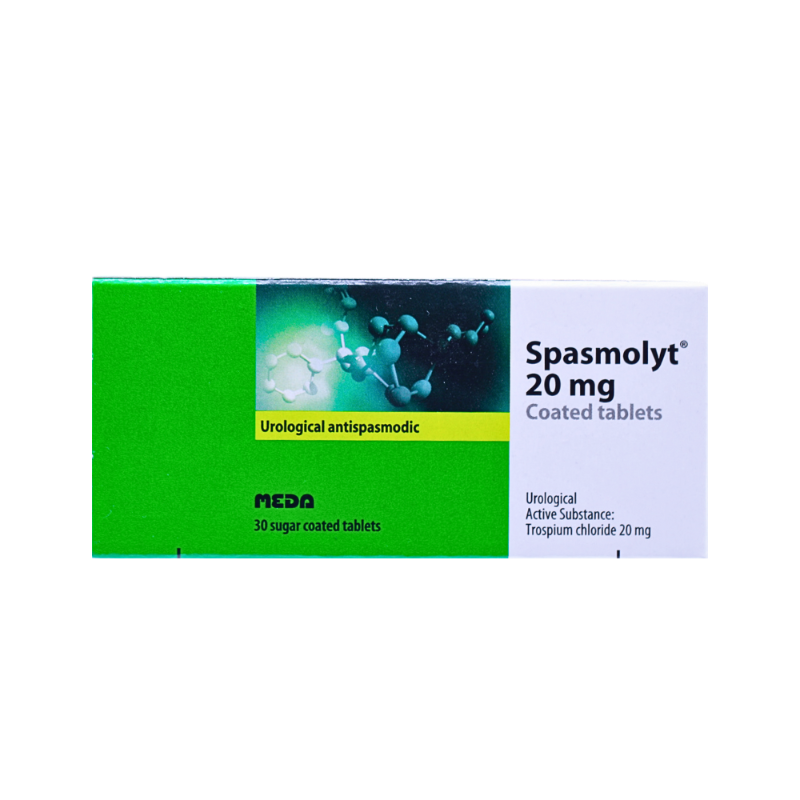
Medications > Gastrointestinal Medications
Medications > Painkillers and Antipyretics
Medications > Psychiatric Medications
Medications > Diabetes Medications

Medications > Gastrointestinal Medications
Medications > Painkillers and Antipyretics
